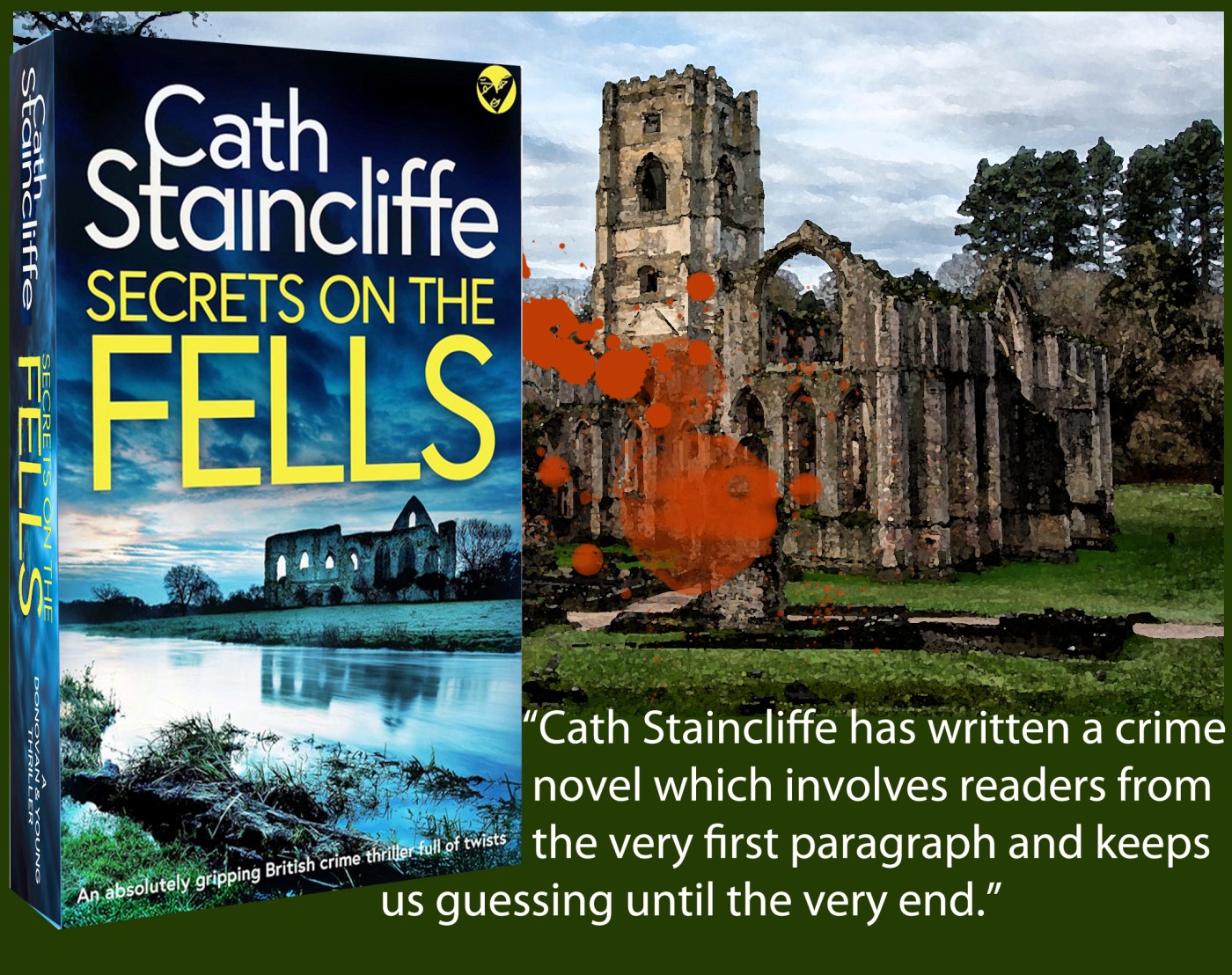

Whatever sights the silent stones of Fountains Abbey had witnessed over the centuries from its creation by the Normans to its ruination by Henry VIII, a butchered corpse was probably not among their number. But when Yorkshire cops Di Leo Donovan and DC Shan Young are called out to the stately ruins one bitter winter night, that is just what they find. Patrick Armitage, college lecturer, his body ravaged by knife wounds, his lips frozen in the rictus of death, had been on site earlier, directing the dress rehearsal of a musical.
Now, with all the actors, singers and technicians long gone, he lies dead, with the arterial spray from his wounds staining one of the ancient pillars of the nave. Donovan and Young are an interesting pair. Donovan, much Young’s senior, is beginning to feel the onset of arthritis, but has other pains, the principle one being that of the shattered relationship with Luke, his son, who is doing prison time for a hate crime, brought to light by his father’s diligence. Young is of Chinese heritage with adoptive parents, and is in a same sex relationship. She and her partner have one failed IVF pregnancy behind them, but they hope for better things.
As is often the way with police procedurals, early suspects seem to be eliminated for one reason or another, and the investigation stalls. Donovan likens the process to one of those fairground grab machines where the prize seems almost in reach before the claws slip and close on thin air. In murder fiction, families are rarely what they seem to be, and so it is here. Armitage’s brother Max is a drunk, obsessed with pursuing an ever-more-elusive fortune by dabbling in crypto currency. And is Bree, Armitage’s wife, the distraught widow she seems to be?
The investigation takes a dramatic turn when a teenage girl, Rosie, one of the stars of the now abandoned musical goes missing. Donovan and Young have discovered that some years earlier, Armitage had been involved, apparently innocently, with a female student, Janelle, who had developed a huge crush on him. Is the disappearance of Rosie history repeating itself? Did the charismatic – and handsome – college lecturer somehow fall foul of yet another teenage obsession?
In some ways, this novel is nothing out of the ordinary in the genre, in that the procedural details are convincing, and the main characters are well drawn. For me, however, the stand-out quality is the vibrancy of the setting; the towering and gaunt majesty of the ruined abbey, the sharp frosts making the tall grasses sparkle on the wintry lanes, and the sheer endurance of the local limestone in the old farms and field walls. Against this backdrop, Cath Staincliffe has written a crime novel which involves readers from the very first paragraph and keeps us guessing until the very end.
I don’t use the star system on my site for the reason that it is too blunt a tool, and I prefer to convey my views with more nuance. Commercial sites like Amazon, Netgalley and Goodreads do have the star system, and I generally play safe and award three or four. Here, though, I will be going for five. In addition to the wonderful topographical background, Cath Staincliffe mines deep into human joy and sorrow. Donovan’s heartbreak at the total breakdown of his the relationship with his son, Young’s paralysing anxiety over her own identity and the health of her adoptive father, and the devastating effects of violent crime on families – each is described unflinchingly, but with a huge sense of compassion. Secrets On The Fells is published by Joffe Books and available now.


 The novel is subtitled The Memoirs of Inspector Frank Grasby, and Denzil Meyrick (left) employs the reliable plot-opener of someone in our time inheriting a wooden crate containing the papers of a long-dead police officer, and exploring what was committed to paper. Will crime writers in a hundred years hence have their characters discovering a forgotten folder in the corner of someone’s hard drive? I doubt it – it won’t be anywhere near as much fun.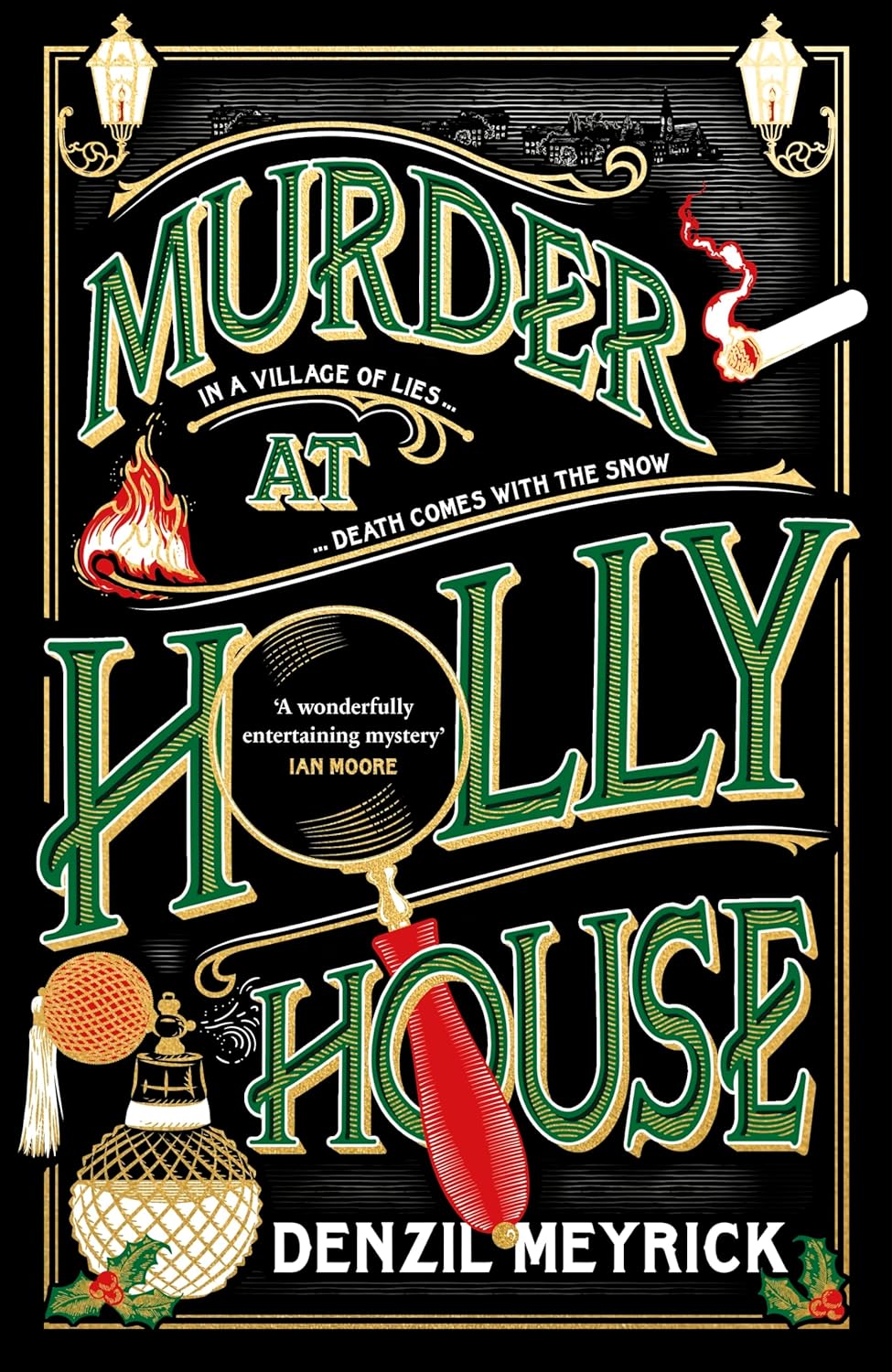
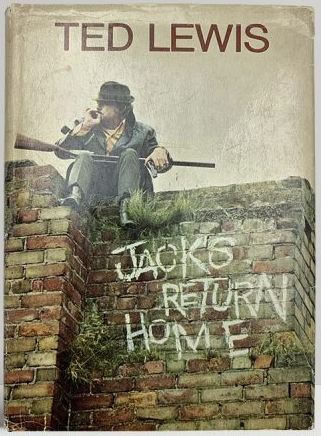 A trip to Scunthorpe might not be too high on many people’s list of literary pilgrimages, but we are calling in for a very good reason, and that is because it was the probable setting for one of the great crime novels, which was turned into a film which regularly appears in the charts of “Best Film Ever”. I am talking about Jack’s Return Home, better known as Get Carter. Hang on, hang on – that was in Newcastle wasn’t it? Yes, the film was, but director Mike Hodges recognised that Newcastle had a more gritty allure in the public’s imagination than the north Lincolnshire steel town, which has long been the butt of gags in the stage routine of stand-up comedians.
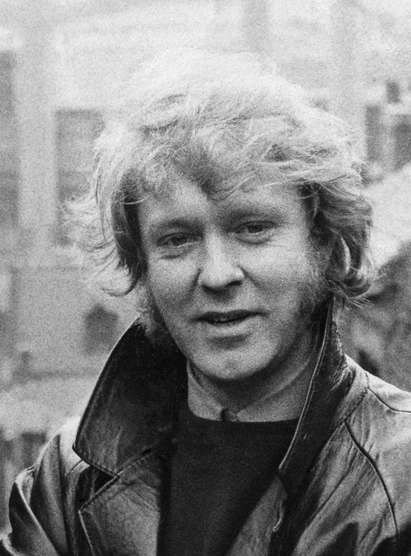 the river to attend Art college in Hull before moving to London to work as an animator. His novels brought him great success but little happiness, and after his marriage broke up, he moved back to Lincolnshire to live with his mother. By then he was a complete alcoholic and he died of related causes in 1982. His final novel GBH (1980) – which many critics believe to be his finest – is played out in the bleak out-of-season Lincolnshire coastal seaside resorts which Lewis would have known in the sunnier days of his childhood. In case you were wondering about how Jack’s Return Home is viewed in the book world, you can pick up a first edition if you have a spare £900 or so in your back pocket.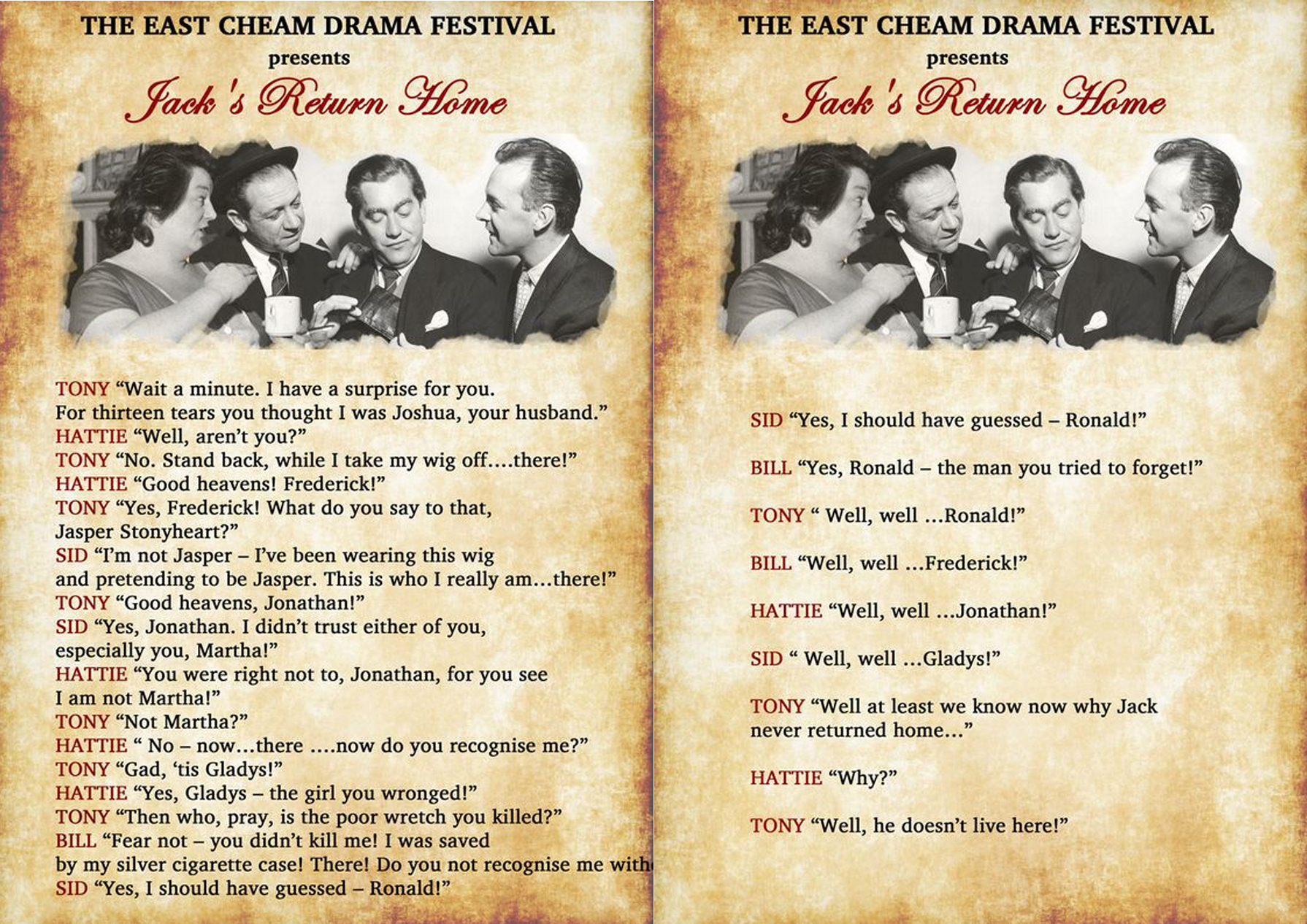
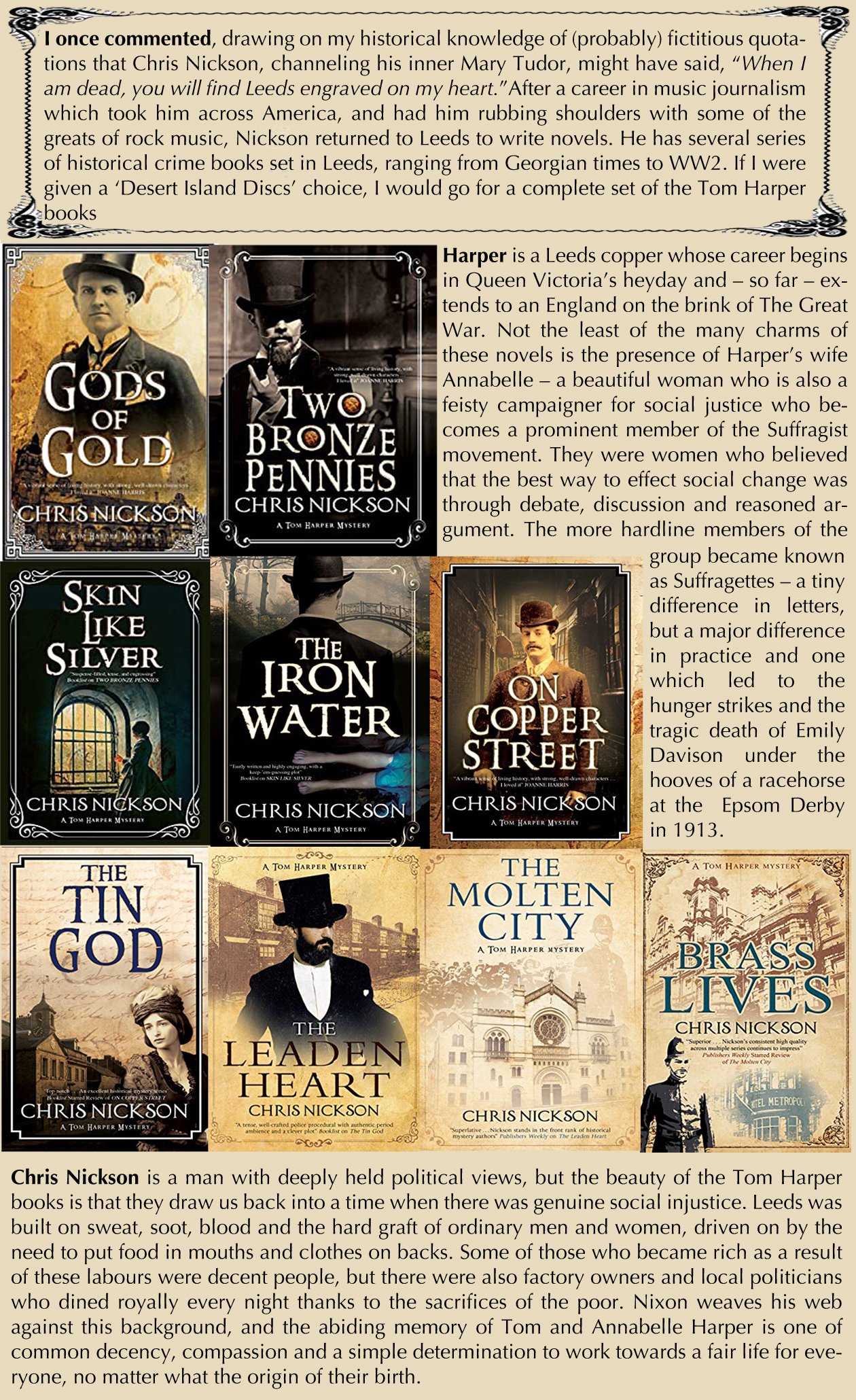

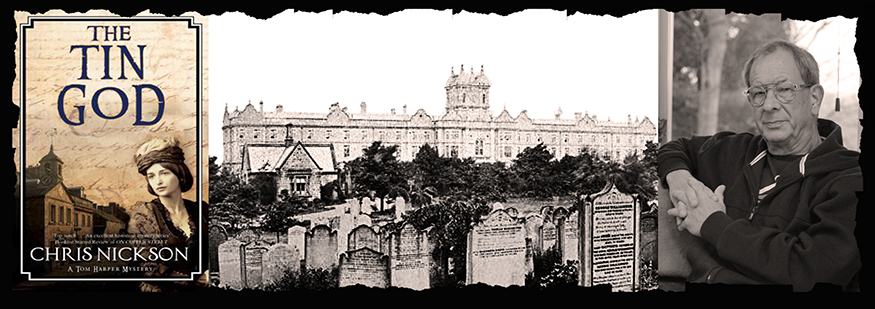
 Outraged leading articles appear in local newspapers, but someone believes that the sword – or something equally violent – is mightier than the pen, and a homemade bomb destroys a church hall just before Annabelle Harper is due to speak to her supporters. The caretaker is tragically killed by the explosion, and matters go from bad to worse when more bombs are found, and several of the women candidates are threatened.