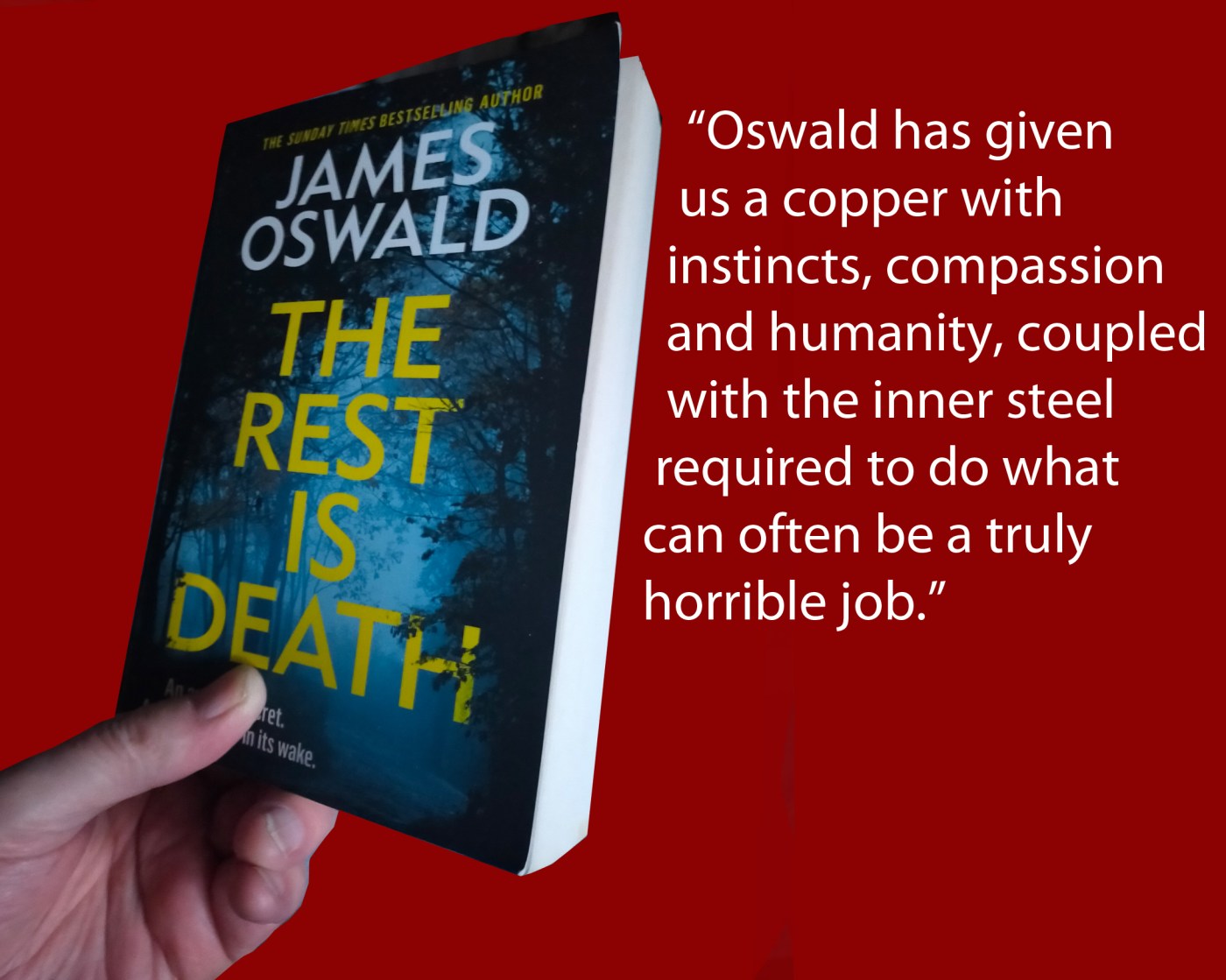

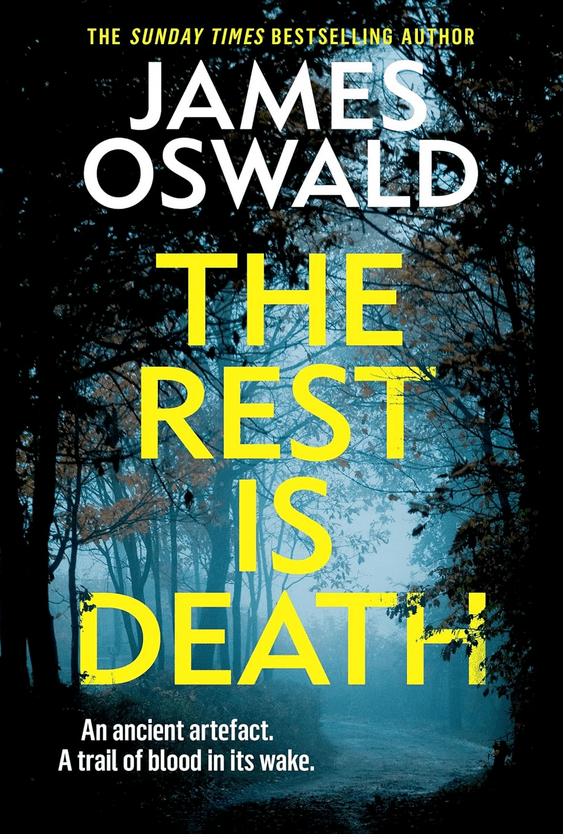
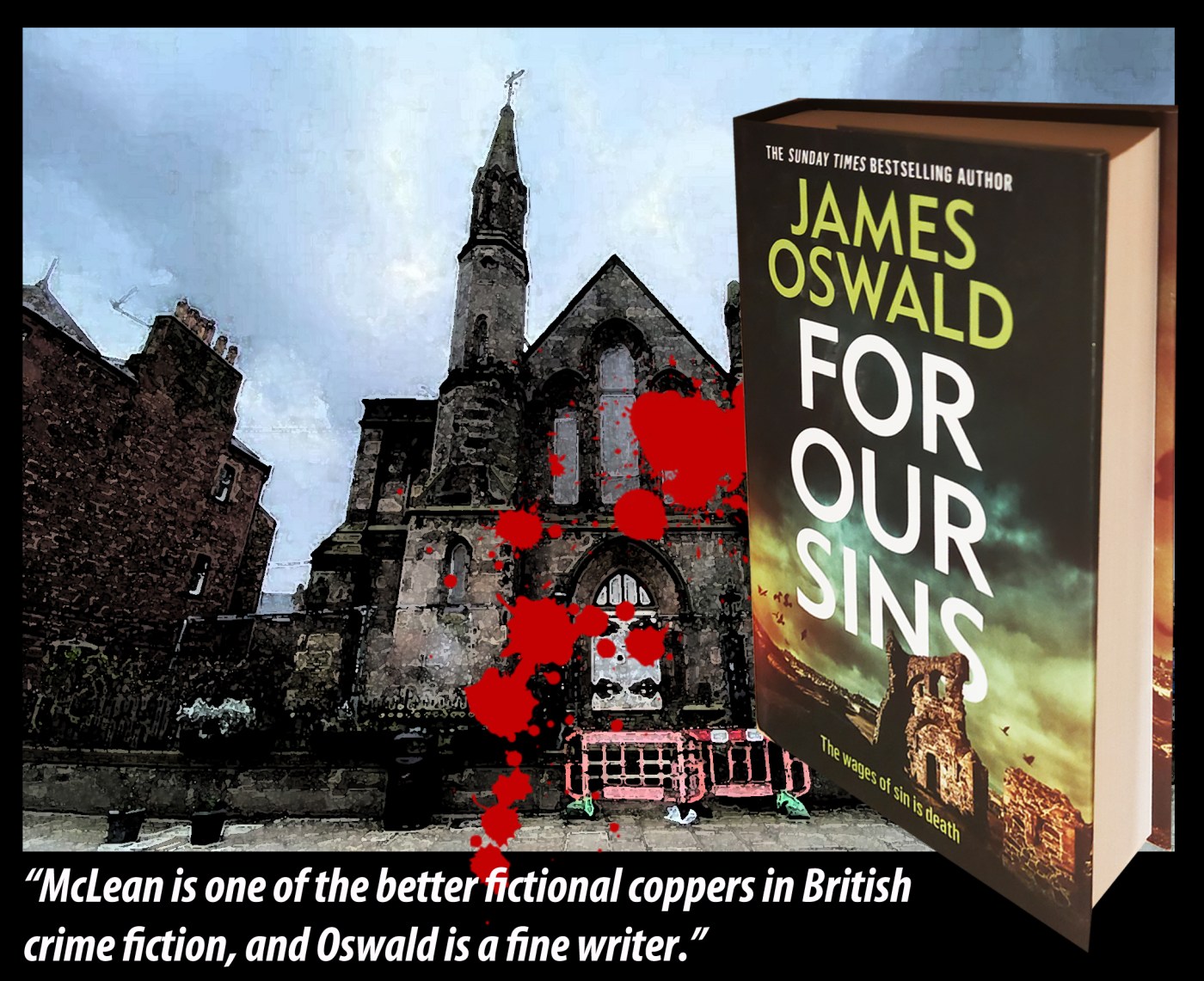
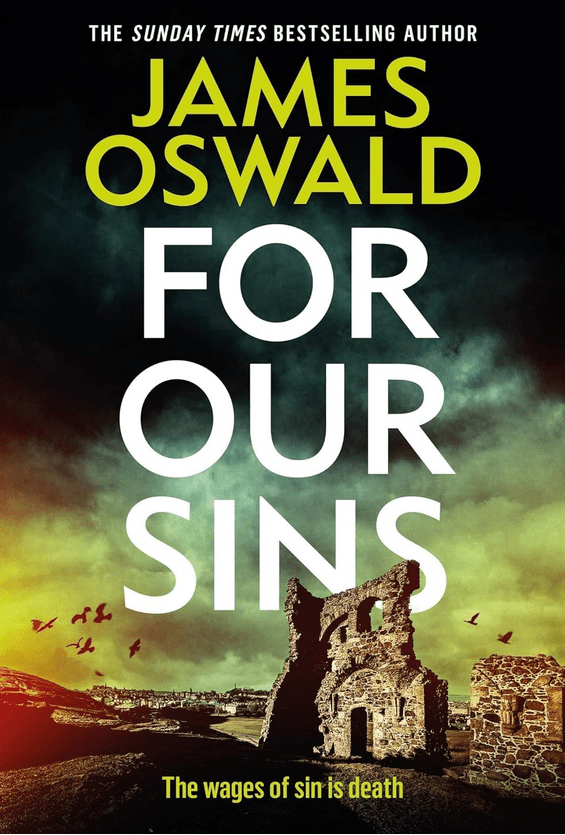
In a silky smooth segue from 2024’s For Our Sins, Edinburgh copper Tony McLean has returned from temporary retirement and is asked to investigate an apparently trivial break-in at a Biotech facility. Nothing seems to have been taken, no-one was harmed, so why is a Detective Chief Inspector sent on the job when it would normally be handled by a uniformed Sergeant? The answer is simple. Drake Biotech is owned and funded by billion are Nathanial Drake, who just happens to be on WhatsApp terms with Scotland’s First Minister.
When an old school chum approaches DI Janie Harrison with a request to look, for her missing boyfriend, a Serbian carpenter, Janie does a perfunctory search, but assumes the man has gone to ply his trade elsewhere. She has logged the photos from her chum’s phone, and is horrified to find, that when she is called out to woodland where a hastily buried body has been found, the remains are that of Vaclav Mihailovic.When the autopsy is carried out on the Serbian, the pathologist is both baffled and shocked. The unfortunate man is opened up, but there is no stench of decay. It seems that the gut bacteria that continue working away after the heart stops beating are mysteriously absent. There is no bloating and no breakdown of tissue.
Halfway through the book, Oswald escalates and complicates the narrative. First, the driver of the van that took the intruders to Blake Biotech is identified, but then rapidly disappears. McLean suspects he is working for an external intelligence agency. A professional protester called Sanderson, believed to be one of the Biotech vandals is found sitting on a park bench, stone dead. Then the bodies of both Sanderson and Mihailovic are stolen from the city mortuary. Long time fans of the Tony McLean novels have become accustomed to an element of the supernatural appearing in the narrative. Here, it comes in page one, but it is another 60 pages before we realise the relevance to Nathaniel Drake and his interests.
McLean ponders the situation:
“We’ve got a break-in at the lab by animal rights activists who turn out to be a diversion for some MI5 spook doing God knows what. One of the team turns up dead in the park, looking like he’s not eaten in months and shouldn’t have had the strength to wield a spray can, let alone smash up a lab. I’d really like to know what he died from, just in case I’ve got a new disease about to spread through the city.
But someone breaks into the mortuary and steals his body before the pathologist can have a proper look. And whoever does that has the ability to break the servers of a sophisticated security services company to order.
A company that, it turns out, is a fully owned subsidiary of Drake Corporation, whose labs were broken into. And am I going round in circles?”
Within the CriFi genre, police procedural investigations are not natural bedfellows with the paranormal. The late Phil Rickman made it work – in spades – and James Oswald does a pretty good job. He certainly pushes the boundaries here, and gives us a finale with an archetypal mad professor locked in a life or death struggle with McLean, Harrison, and the mummified heart of a man who was court magus to Vlad Dracul in the medieval Carpathian Mountains. All this aside, Oswald has given us a copper with instincts, compassion and humanity, coupled with the inner steel required to do what can often be a truly horrible job. The Rest is Death is published by Headline, and is available now.


 That reminiscence may seem unrelated to a book review, but it is relevant. When reviewing the latest book in a long and successful series it is tempting to think that all prospective readers will be fully up to speed with the quirks and history of the main characters. But that’s not so. Thankfully, people come to books at different times and for different reasons, so a paragraph about Edinburgh copper DI Tony McLean won’t be wasted. If you already know, then just skip ahead.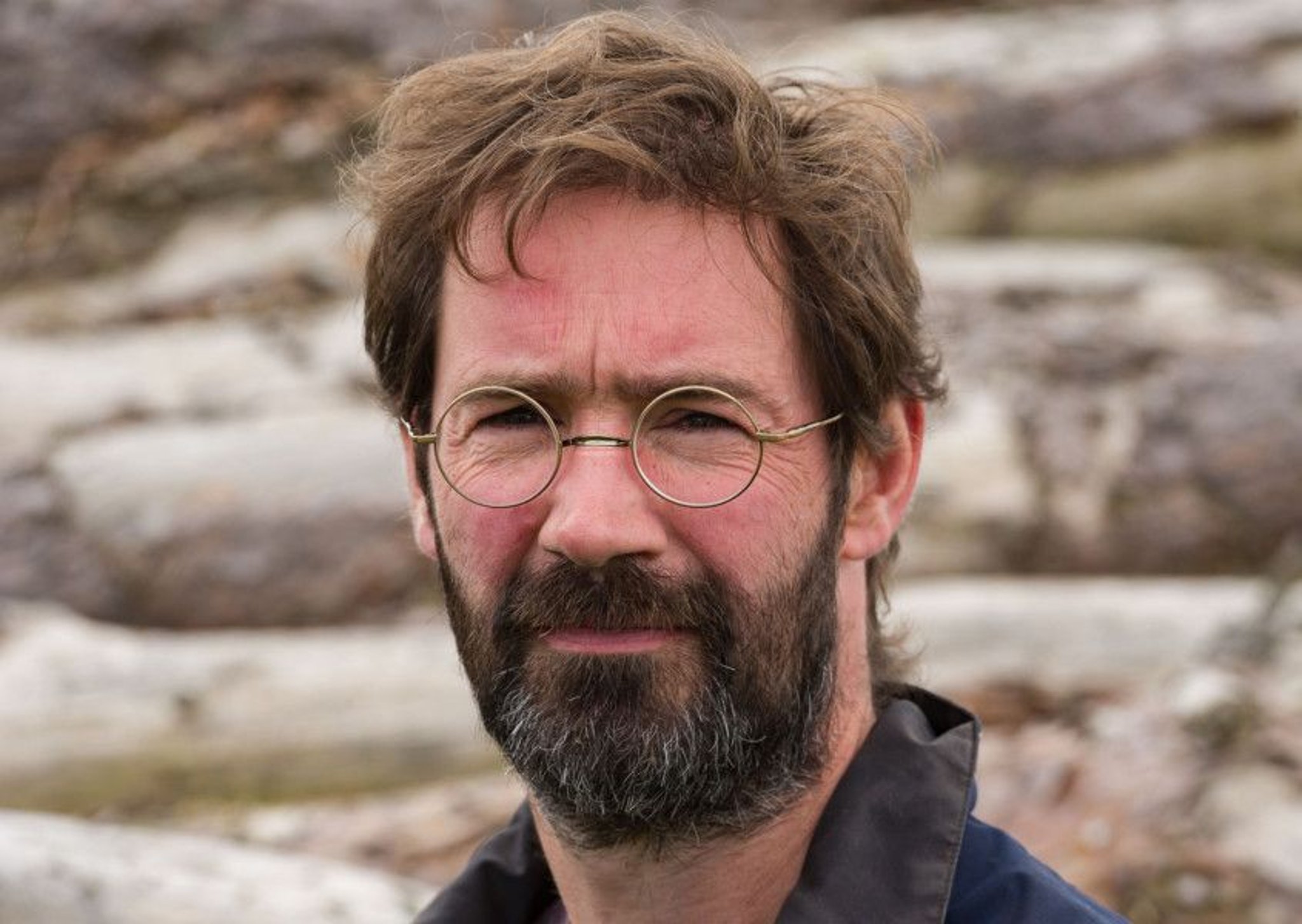



 ames Oswald’s Edinburgh copper Tony McLean is something of a fixture in the crime fiction firmament these days, and Bury Them Deep is the tenth in the series. For those readers picking up one of his cases for the first time, a little of his back story might be helpful. He is based in Edinburgh and now, of course, works for Police Scotland. He was (unhappily) educated in English independent schools thanks to his wealthy family, some of whose riches he has inherited, thus making him ‘a man of means’. He lives in an old and impossibly roomy house, left to him by his grandmother. He has a fragile relationship with partner Emma, and it is fair to say that their life together has been punctuated by both drama and tragedy. McLean drives a very plush Alfa Romeo, enjoys an occasional glass of cask-strength single malt whisky and, aside from his instinct for police work, has been known to be susceptible to stimuli and influences that are not, as Hamlet remarked, “dreamt of in your philosophy.” After many successful cases, he is now Detective Chief Inspector McLean, but if his superiors imagine he will settle for a life behind a desk, they are very much mistaken.
 Anya Renfrew is a rather dowdy and dull police civilian worker who seems devoted to her job, which is mastering the many databases which keep investigations fed with information. She has never had a day off in her life, and so when she goes missing it is considered rather unusual. Her mother is a former – and legendary – police superintendent, but Grace Ramsay is now old and infirm, living in a care home. Police are never more active than when investigating actual or possible harm to one of their own, and when McLean searches Anya’s house, what he finds hidden in her wardrobe indicates that Ms Renfrew’s private life was more exotic – and dangerous – than colleagues might have imagined.
 cLean’s professional life already has one big complication. A five-times serial killer called Norman Bale is in a secure mental hospital, thanks to McLean’s diligence and bravery. Now, he asks to speak to McLean, and what he has to say is both shocking and improbable. Are his words just the ramblings of a psychological disturbed killer, or does his suggestion – that Anya Renfrew’s disappearance and the moorland bone-pit are linked to a sinister piece of folklore – have any substance?
 t takes a bloody good writer to mix crime investigation with touches of the supernatural. John Connolly, with his Charlie Parker books is one such, but James Oswald (right) makes it work equally as well. The finale of this novel is as deeply frightening as anything I have read for a long time. Despite the drama, Oswald can use a lighter touch on occasions. There is dark humour in the way McLean sometimes needs to ingratiate himself with Edinburgh’s smart set. At an art gallery opening night he listens politely as two guests discuss one of the objets d’art:


 fullybooked2017