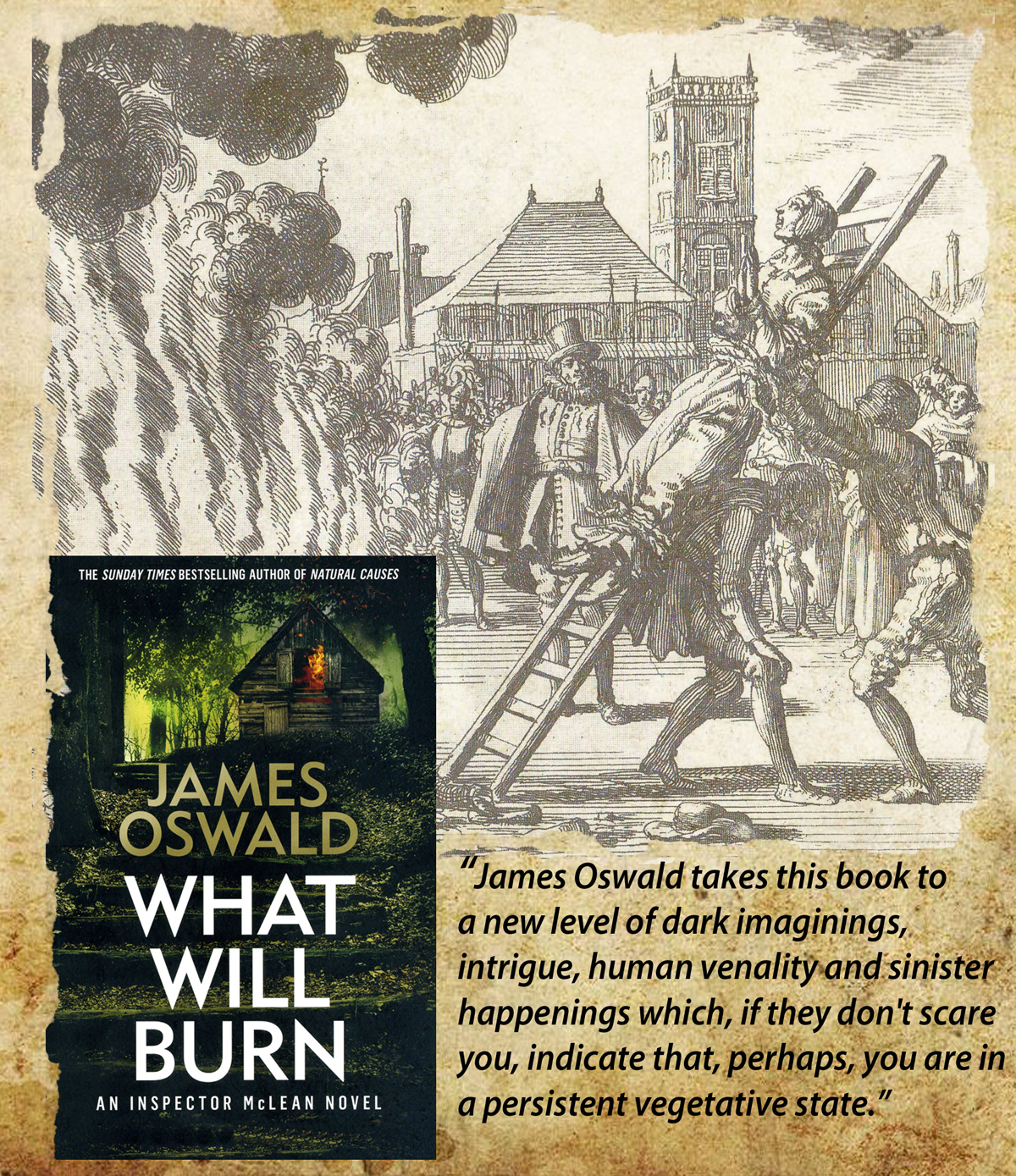

As the title suggests, What Will Burn is all about fire. It begins with an old woman, badly beaten and then set alight. There are passages which hark back to the late sixteenth century, and describe the dreadful end of women who were accused of witchcraft and burnt at the stake. A man apparently spontaneously combusts as he sits in his basement flat. It ends with a grim parallel to those scenes when one of the book’s main characters, suffers a similar fate in a grim parody of those historical executions.
So, what has all this to do with James Oswald’s Edinburgh copper, Detective Chief Inspector Tony McLean? Or, to be more accurate, Detective Inspector McLean, as he returns to duty busted down a rank after a lengthy investigation into misconduct.
His ‘welcome back Tony” case is that of the agonising death of Cecily Slater, an elderly member of an aristocratic family, who has lived alone in a crumbling cottage in the woods above Edinburgh. Her charred remains have gone unnoticed for some time, until an estate worker who runs the odd errand for the old woman makes a grisly discovery.
McLean also becomes involved with a controversial campaign called Dad’s Army. They are not the avuncular dodderers from Walmington-on-Sea, but a group of embittered men who, for one reason or another, have been denied access to their children. They are led – and empowered – by a lawyer called Tommy Fielding, a man who who has a seemingly pathological hatred of women, and is undeterred by the fact that many of his clients have been separated from their children due to allegations of serious sexual abuse.
All good police procedural series need a repertory company of regular characters, and the Tony McLean books are no exception. There’s Grumpy Bob, guardian of the cold case records down in the basement, Detective Constable Janie Harrison – now Acting Detective Sergeant Harrison, the lugubrious Detective Constable ‘Lofty’ Blane. McLean himself is a fascinating character. Thanks to a legacy, he has the luxury of being financially independent of his job, but loves the work. He also has the mixed blessing of being someone who is sensitive to things paranormal, and beyond the ken of the Police Scotland operational handbook. Away from the station, there is the strange character of Madame Rose, a transexual psychic who can always be relied upon to provide a sense of things “not dreamt of in our philosophy”.Last but not least, there is Mrs McCutcheon’s cat. We never see the owner, but the moggie is a permanent resident in McLean’s house.
There is a new member of the cast in this novel, in the person of Chief Superintendent Gail Elmwood, freshly signed from the Metropolitan Police to head up Tony’s team. Let’s just say that she is not your conventional senior police officer.

As the reviewers’ cliché has it, the body count gets higher. Readers expecting a conventional solution to the criminal activity in What Will Burn will search in vain. James Oswald takes this book to a new level of dark imaginings, intrigue, human venality and sinister happenings which, if they don’t scare you, it perhaps means that you are in a persistent vegetative state. What Will Burn is published by Wildfire, and is out today, 18th February.
I am a confirmed and long-standing fan of the Tony McLean series. To read reviews of earlier novels, click here.




 The dead man is quickly identified as the brother of a long-disappeared Scottish public figure. Iain Auld, depending on your cultural terms of reference, did either a Reggie Perrin, John Stonehouse or Lord Lucan a decade earlier. He has officially been declared dead, but Pirie’s antennae are set all of a quiver, as her investigations into Auld’s disappearance have been fruitless.
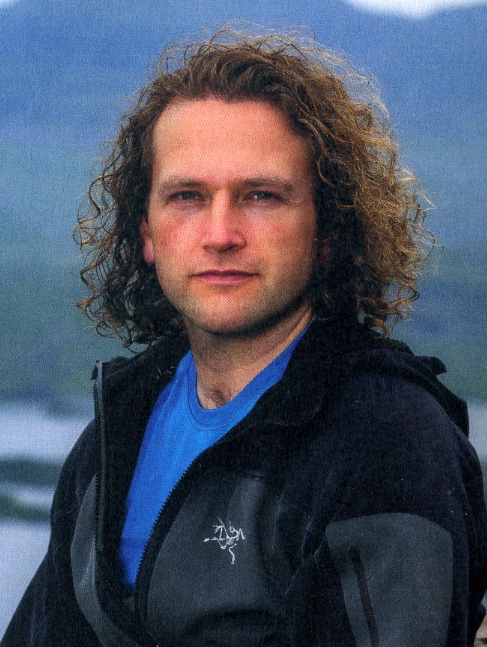


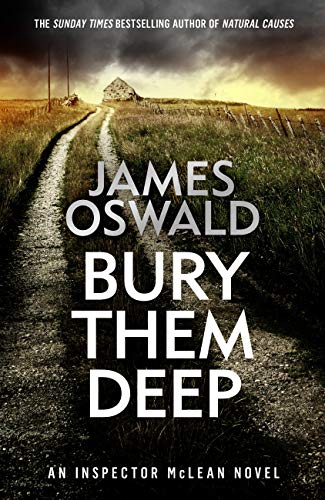
 ames Oswald’s Edinburgh copper Tony McLean is something of a fixture in the crime fiction firmament these days, and Bury Them Deep is the tenth in the series. For those readers picking up one of his cases for the first time, a little of his back story might be helpful. He is based in Edinburgh and now, of course, works for Police Scotland. He was (unhappily) educated in English independent schools thanks to his wealthy family, some of whose riches he has inherited, thus making him ‘a man of means’. He lives in an old and impossibly roomy house, left to him by his grandmother. He has a fragile relationship with partner Emma, and it is fair to say that their life together has been punctuated by both drama and tragedy. McLean drives a very plush Alfa Romeo, enjoys an occasional glass of cask-strength single malt whisky and, aside from his instinct for police work, has been known to be susceptible to stimuli and influences that are not, as Hamlet remarked, “dreamt of in your philosophy.” After many successful cases, he is now Detective Chief Inspector McLean, but if his superiors imagine he will settle for a life behind a desk, they are very much mistaken.
 Anya Renfrew is a rather dowdy and dull police civilian worker who seems devoted to her job, which is mastering the many databases which keep investigations fed with information. She has never had a day off in her life, and so when she goes missing it is considered rather unusual. Her mother is a former – and legendary – police superintendent, but Grace Ramsay is now old and infirm, living in a care home. Police are never more active than when investigating actual or possible harm to one of their own, and when McLean searches Anya’s house, what he finds hidden in her wardrobe indicates that Ms Renfrew’s private life was more exotic – and dangerous – than colleagues might have imagined.
 cLean’s professional life already has one big complication. A five-times serial killer called Norman Bale is in a secure mental hospital, thanks to McLean’s diligence and bravery. Now, he asks to speak to McLean, and what he has to say is both shocking and improbable. Are his words just the ramblings of a psychological disturbed killer, or does his suggestion – that Anya Renfrew’s disappearance and the moorland bone-pit are linked to a sinister piece of folklore – have any substance?
 t takes a bloody good writer to mix crime investigation with touches of the supernatural. John Connolly, with his Charlie Parker books is one such, but James Oswald (right) makes it work equally as well. The finale of this novel is as deeply frightening as anything I have read for a long time. Despite the drama, Oswald can use a lighter touch on occasions. There is dark humour in the way McLean sometimes needs to ingratiate himself with Edinburgh’s smart set. At an art gallery opening night he listens politely as two guests discuss one of the objets d’art:

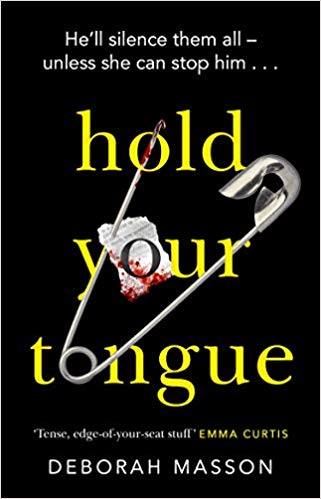 Deborah Masson’s police procedural Hold Your Tongue is as gritty as the granite in the Aberdeen where it is set. Fictional Detective Inspectors tend to be brilliant, yet with fatal flaws; perceptive, but incapable of managing calm personal lives; honest and principled, but concealing their own dark secrets. Masson’s Eve Hunter ticks all the boxes, and adds a few of her own. She is returning to work after a catastrophic encounter with a notorious criminal family. After the son of the crime gang’s Capo sustains life changing injuries in a car chase, Johnny MacNeill has exacted brutal revenge resulting in Hunter’s partner DS Nicola Sanders being paralysed from the neck down, while Hunter herself has a permanently damaged leg and intense psychological scarring.
 As the killer works towards the Sabbath Day child, Hunter and her colleagues dash this way and that, always vital hours behind the murderer. Masson (right) contributes to the mayhem with some elegantly clever misdirection. Early in the piece she teases us with the suggestion that the series of murders has something to do with brothers and sisters, but even when we – and Eve Hunter – think we are close to the truth, there is one big surprise left. Hold Your Tongue is an assured and convincing debut, and I hope there will be more cases to come for Eve Hunter. The book is out now, and


 ince she first appeared, sixteen years ago, in Driftnet, forensic scientist Dr Rhona MacLeod has lived out the words of her infamous Scottish compatriot, the former Thane of Glamis:
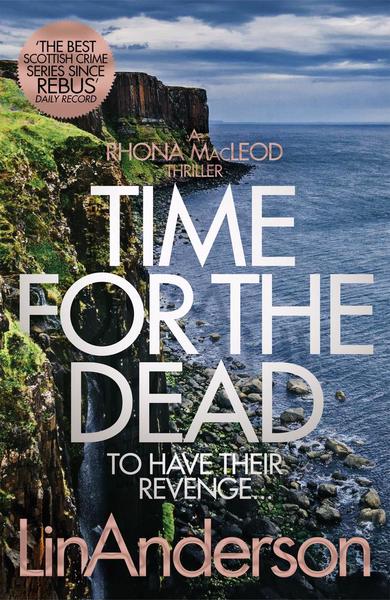 Indeed, her creator Lin Anderson has included the fatal ‘D’ word in the titles of each successive novel from number eight, Picture Her Dead (2012) to this latest novel, the thirteenth in the series. For readers new to the novels, and I am one such, Anderson wastes no time in letting us know that Dr MacLeod is recovering physically and mentally from a terrible ordeal. She is on enforced sick leave, has taken herself away from her Glasgow base and rather than endure a spell in the official police rehabilitation unit at Castlebrae, has decided to revisit her teenage summer holiday haunts on the Isle of Skye.
 We are now on page 29 of 425, but Lin Anderson (right) has already established an intriguing parallel narrative, the significance of which we can only guess at this stage. As the novel unfolds, however the mists begin to clear, although the full significance of this sub-plot, and how it converges, horrifically, with Rhona MacLeod’s supposed recuperation, only becomes clear in the last few pages.
 ithout, I hope, giving away any of the beautiful intricacies of this novel, I can say that a group of serving RAMC medics, on leave, have decided to visit Skye to see if the resilience and courage they showed in the face of the implacable brutality of Helmand Province and the Taliban will be, in any way, tested by the wintry glens and screes of Skye. What befell them in Afghanistan, and how those events play out on Eilean a’ Cheo, the Misty Isle, is for you to discover.

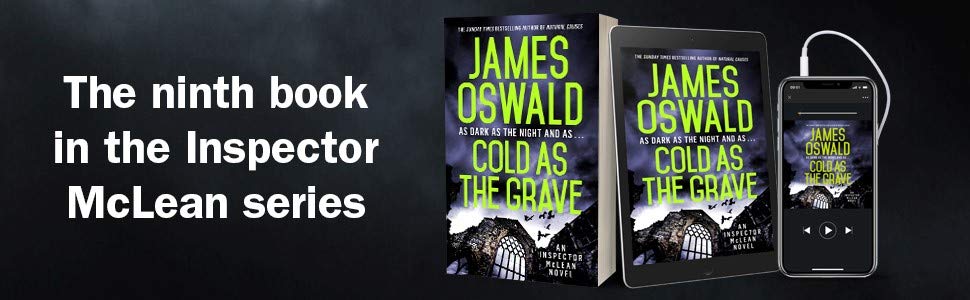
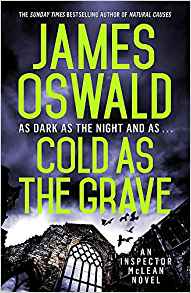 Cold As The Grave is the ninth novel in the Tony McLean series, but fine writers – and Oswald is up there with the very best – make sure that it is never too late to come to the party. For anyone new to the series, McLean is something of an individual. Due to an inheritance, he is exceedingly wealthy, but has a modest lifestyle and chooses to remain a police officer. He has a long-standing ‘significant other’ in Emma Baird, but the previous novel,
 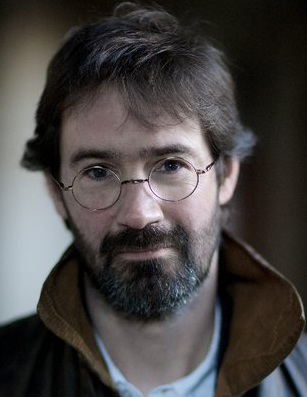 Does McLean follow his head or his heart? The road to the left or the right? Cold As The Grave is a brilliant police procedural, but there is more – so much more – to it. For those who love topographical atmosphere Oswald (right) recreates a wintry Edinburgh that makes you want to turn up the central heating by a couple of notches; for readers drawn by suggestions of the supernatural there is enough here to induce a shiver or three, while making sure the bedroom light remains on while you sleep. The sheer decency and common humanity of Tony McLean – and the finely detailed portraits of the people he works with – will satisfy the reader who demands authentic and credible characterisation.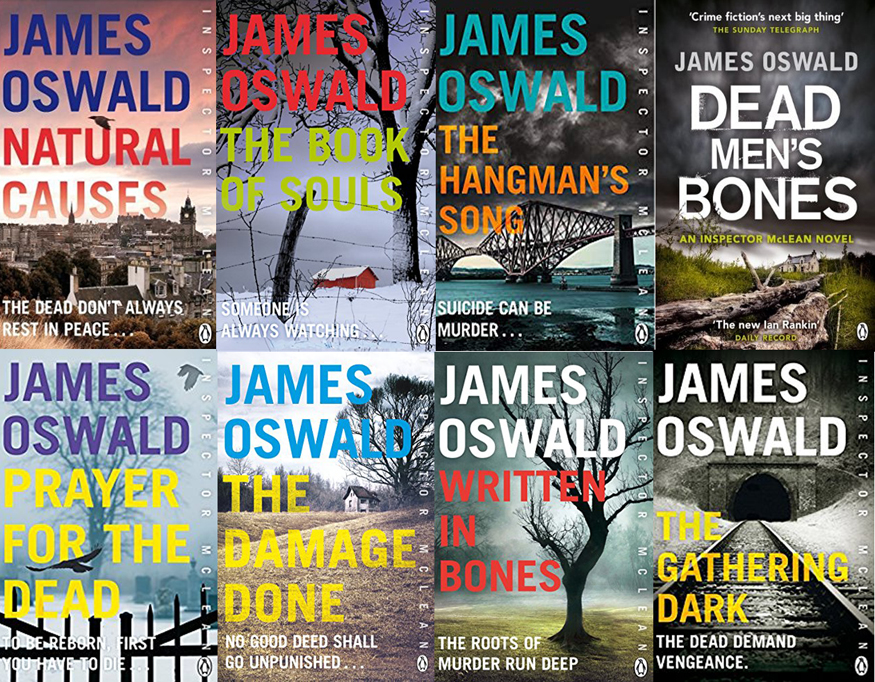
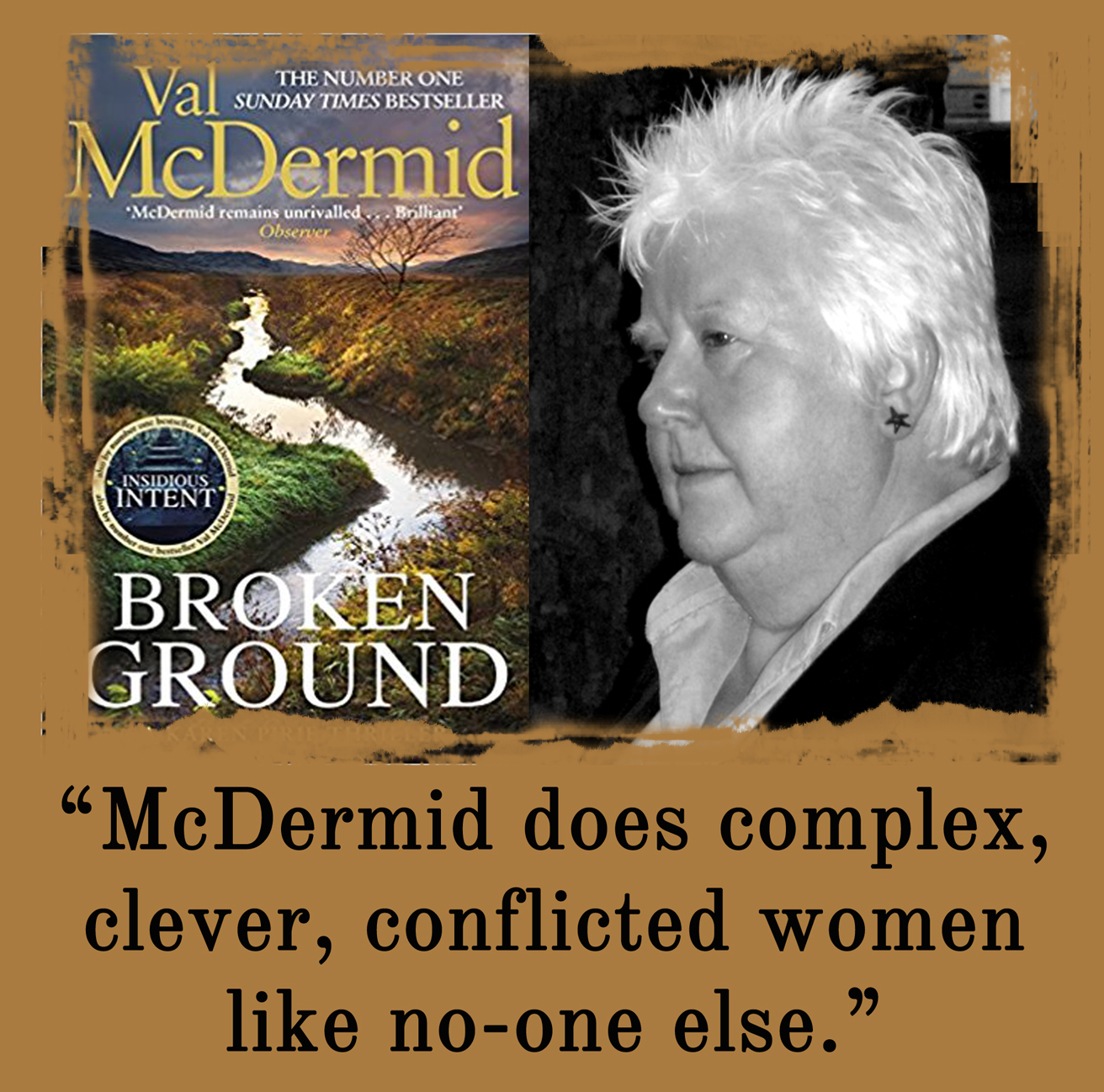

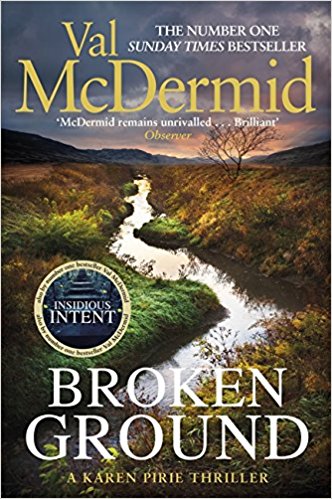 The Body In The Bog is a nicely alliterative strapline normally used to liven up reports of archaeologists discovering some centuries-old corpse in a watery peat grave. The deaths of these poor souls does not usually involve an investigation by the local police force, but as Val McDermid relates, when the preserved remains are wearing expensive trainers, it doesn’t take the tenant of 221B Baker Street to deduce that the chap was not executed as part of some arcane tribal ritual back in the tenth century.
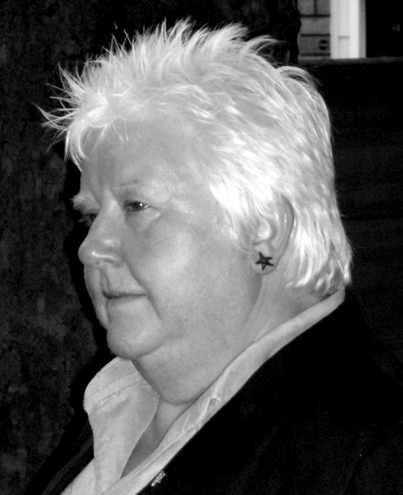 If music halls were still in vogue, McDermid would be the dextrous juggler, the jongleur who defies gravity by keeping several plot lines spinning in the air; spinning, but always under her control. There is the Nike bog body, a domestic spat which ends in savagery, a cold-case rape investigation which ends in a very contemporary tragedy, and an Assistant Chief Constable who is more concerned about her perfectly groomed press conferences that solving crime. They say that the moon has a dark side, and so does Edinburgh: McDermid (right) takes us on a guided tour through its majestic architectural and natural scenery, but does not neglect to pull away the undertaker’s sheet to reveal the squalid back alleys and passageways which lurk behind the grand Georgian facades. We slip past the modest security and peep through a crack in the door at a meeting in one of the grander rooms of Bute House, the official residence of Scotland’s First Minister, even getting a glimpse of the good lady herself, although McDermid is far too discreet to reveal if she approves or disapproves of Ms Sturgeon.


 fullybooked2017