Search

fullybooked2017

Tag

Police Corruption

MURDER FOR BUSY PEOPLE . . . Between the covers

MFBPspine010 copy

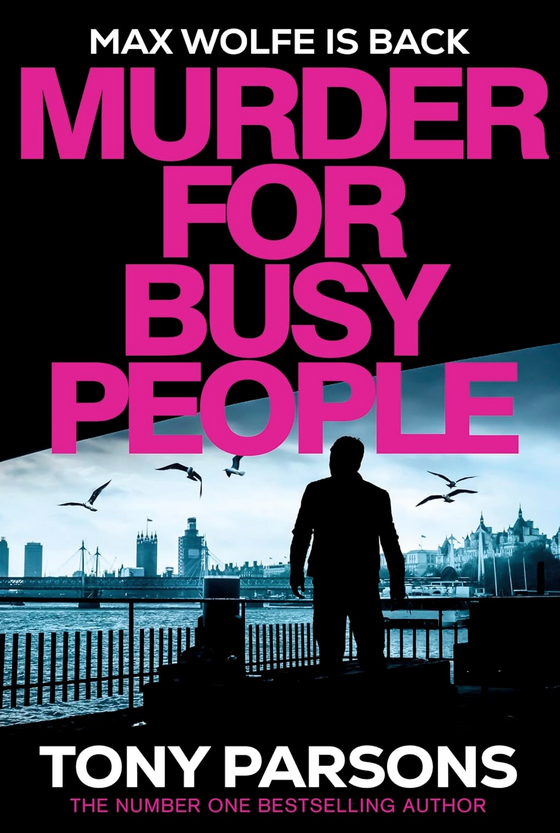
The good news is that DS Max Wolfe is back, and the even better news is that, after a long absence, our man is in very good form. As a young uniformed copper, only days out of Hendon Police College, Wolfe was first on the scene at a safe heist in a palatial London villa. All he found was a gaping hole in the wall, two corpses – and a young woman called Emma Moon, a girlfriend of the mobsters who committed the heist. Wolfe put the cuffs on her, she was tried, convicted, and served a long jail term, during which her troubled son committed suicide. Never once, during the whole process, did she utter a word about those who profited from the robbery. Now, she is out, suffering with terminal cancer, but on a ice cold revenge mission to kill as many of her former associates as she can in the brief time she has left.

Old Max Wolfe hands will know that there is an autobiographical strand running through the novels. Parsons’ breakthrough book was Man and Boy, an account of a male single parent. Here, Wolfe brings up his daughter Scout, rather than a son. Both Wolfe and Parsons are lovers of a dog called Stan, and it was sad to see an RIP notice to the real Stan in the frontispiece of this novel.  Max Wolfe lives within sight, sound and smell of the historic meat market known as Smithfield, for centuries the beating heart of a country that loves beef, pork and lamb. Parsons may not have known, when this book was signed off to the printers, that the death knell would be sounded on this historic site. It will, no doubt, be demolished and something trite and anodyne built in its place. This is a purely personal paragraph, as Parsons doesn’t preach, but I think London is gone for us now: pubs are closing at an alarming rate, institutions like the iconic chop house Simpsons of Cornhill lie empty, derelict and vandalised. Philip Larkin was right when he wrote, “And that will be England gone.”

Wolfe juggles several criminal – and personal – issues. He knows that a group of Jack-The-Lad firearms officers have a flat where they abuse young women, wrongly arrested when they flash their warrant cards. The murder of a young woman of the streets, Suzanne, seems unsolvable. On a personal level, he struggles to keep tabs on Scout, his twelve-year-old daughter. She is wilful, disobedient, but highly intelligent. Every single second while he is working, he is worried about where she is, and what she is doing. One by one, the foot soldiers of the  heist succumb, each apparently, to natural causes. Wolfe does, in the end, unmask the killer, but more by accident that intention.

Apart from being a gripping read from the first page to the last, this novel is remarkably prescient. I believe that there are many months between the final edition of a book being sent to the printers, and its appearance on bookshop shelves. Parsons weaves two very recent issues into the warp and wedt of his novel. One is a subtle and reflective elegy on Smithfield and its sanguinary history. Just weeks ago, an enquiry released its findings into the killing of a London criminal at the hands of firearms officers. Parsons lets us know, in excruciating detail, the hell that descends on any officer who fires a fatal shot.

Max Wolfe is both convincing and endearing. He doesn’t always get things right. Here, his judgment of Sarah Moon veers from spot-on to plain-wrong (and back again) several times. For all that certain critics and reviewers turn up their noses at Tony Parsons because of his political views, and the newspapers he has written for, the last pages of this book reveal what I have known ever since I met the man at a publishers’ party. He is observant, fiercely honest, and a deeply sensitive writer. Max Wolfe may be only marginally autobiographical but, like his creator, he only dances to the tunes he hears in his own head, and not those streamed in from elsewhere. Murder For Busy People will be published by Century on 2nd January.
Screen Shot 2024-12-19 at 17.29.08

HUNTS . . . Between the covers

HUNTS HEADER

The first thing to say is that the title won’t make much sense if you just randomly saw it on a shelf, but pick it up and you will see it is the first part of a trilogy, the two following novels being Skins and Kills. We meet Arran Cunningham, a young Scot. He is a Metropolitan Police officer working in Hackney, East London. Not being a Londoner, I have no idea what Hackney is like these days. I suspect it may have become more gentrified than it was in the spring of 1988. What Cunningham sees when he is walking his beat is something of a warzone. There is a large black population, mostly of Jamaican origin, and the lid is only just holding its own on a pot of simmering racial tensions, turf wars between drug gangs and a general air of despair and degeneration.

The pivotal event in the novel is a mugging (for expensive trainers) that turns into rape. The victim is a black teenager called Nadia Carrick. The attackers are a trio of young white men, led by a boy nicknamed Spider. They are unemployed, drug addicted, and live in a squat. Nadia tries to conceal the attack from her father, Stanton, but eventually he learns the true extent of her nightmare, and he seeks retribution. Stanton Carrick is an accountant, but a rather special one. His sole employer is Eldine Campbell, ostensibly a club and café owner, but actually the main drugs boss in the borough, and someone who needs his obscene profits legitimised.

Carrick is also a great friend of Arran Cunningham, who learns what has happened to Nadia. Purely by luck he saw Spider and his two chums on the night of the incident, but was unaware at the time of what had happened. Rather than use his own men to avenge Nadia’s rape, Eldine Campbell has a rather interesting solution. He has what could be called a “special relationship’ with a group of police officers, led by Detective Chief Inspector Vince Girvan, and he assigns them the task of dealing with with the perpetrators.

Meanwhile, Girvan has taken a special interest in Arran Cunningham, and assigns him to plain clothes duties, the first of which is to be a part of the crew eliminating Spider and his cronies. In at the deep end, he is not involved with their abduction, but is brought in as the trio are executed in a particularly grisly – but some might say appropriate – fashion. There is problem, though, and it is a big one. He recognises Spider’s two accomplices, but the third man is just someone random, and totally innocent of anything involving Nadia.

The three bodies are disposed of in the traditional fashion via a scrapyard crushing machine, but Cunningham is in a corner. His dilemma is intensified when his immediate boss, DI Kat Skeldon, aware that there is a police force within a police force operating, enrols him to be ‘on the side of the angels.’ As if things couldn’t become more complex, Cunningham learns that Stanton Carrick is dying of cancer.

JLDDurnie’s plot trajectory which, thus far, had seemed on a fairly steady arc, spins violently away from its course when he reveals a totally unexpected relationship between two of the principle players in this drama, and this forces Cunningham into drastic action.

The author (left) was a long-serving officer in the Met, and so we can take it as read that his descriptions of their day-to-day procedures are authentic. In Arran Cunningham, he has created a perfectly credible anti-hero. I am not entirely sure that he is someone I would trust with my life, but I eagerly await the next instalment of his career. Hunts is published by Caprington Press and will be available on 8th January.

THE DEVIL STONE . . . Between the covers

TDS spine019 copy

Detective Inspectors – and their bosses the DCIs – are hardly a dying breed in crime fiction, so what is distinctive about Christine Caplan, the central figure in Caro Ramsay’s latest book? For starters, she has been demoted from DCI because her previous case involved some evidence mysteriously going ‘walkies’. Her run of bad continues when, after a night out the ballet in Glasgow (she used to be a dancer) she inadvertently becomes involved in a mugging, and the drug-frazzled perpetrator  subsequently dies from falling from his bike. Family-wise, things are not much better. Her husband, Aklan, formerly something of a creative high flyer, has a serious case of depression and rarely leaves his bed. When he does, it’s only to stagger to the sofa where, wrapped in a blanket, he binges on daytime TV. Son Kenny is a ne’er-do-well drug user, flunking college and a bit too handy with mum’s credit card. Daughter Emma is the only glimmer of light. She seems relatively healthy, bright and has something of a future once she finishes her degree.

Things don’t improve for Caplan when she is sent off to the Scottish west coast where, near the village of Cronchie, a multiple murder has taken place. Two teenage boys – “neds”, to use the Scottish slang, have broken into Otterburn House, a mansion belonging to the McGregor family. The intruders get more than they bargained for:

“…jerking the phone, causing the beam to drop suddenly where it caught the ghostly white face staring at the ceiling with nacreous clouded eyes. Unable to stop himself, he looked along. Another face. Then another. Five of them in a row, cheek to cheek. Dried white skin clinging to thin cheekbones, mouths open, teeth bared.”

The lads – one of whom is a devotee of Satanism –  have burgled the house looking for a legendary artifact known as The Devil Stone which, according to the ancient lore, is able to predict impending tragedy. They leg it away from the house as if Old Nick himself is chasing them. They are hospitalised suffering from shock, the police are summoned and a major investigation is triggered.

In charge of the investigation is Detective Chief Inspector Bob Oswald, a highly respected officer just weeks away from retirement. When he goes missing, Caplan finds herself put in charge of the case, rather to her own discomfort and the resentment of the local team. One member of the McGregor family – Adam, a New Age hippy and something of a black sheep – is missing from the gruesome line of corpses, and thus he becomes the main suspect.

When Bob Oswald is finally located dead – in mysterious circumstances – Caplan realises that whatever happened at Otterburn House is part of a much bigger conspiracy, involving the distribution of a dangerous new narcotic known as Snapdragon. While she suspects that a nearby New Age community living on the nearby island of Skone may be involved, another discomforting thought is nagging away at her, and it is the suspicion that someone in the police team is batting for the other side. How far can she trust DC Toni Mackie, a larger-than-life woman, with a slightly cartoonish air about her? And what is to be made of the bumbling DC Craigo, with his strange slow blink, and his lack of social graces?

Already facing a twin-pronged attack on her career, Caplan realises that her relentless determination to solve the Otterburn House mystery has brought her head-to-head with some people who are determined to take her life if she gets in their way.

This edition of The Devil Stone is published by Canongate and is out now.

TO DIE IN JUNE . . . Between the covers

TDIJ header

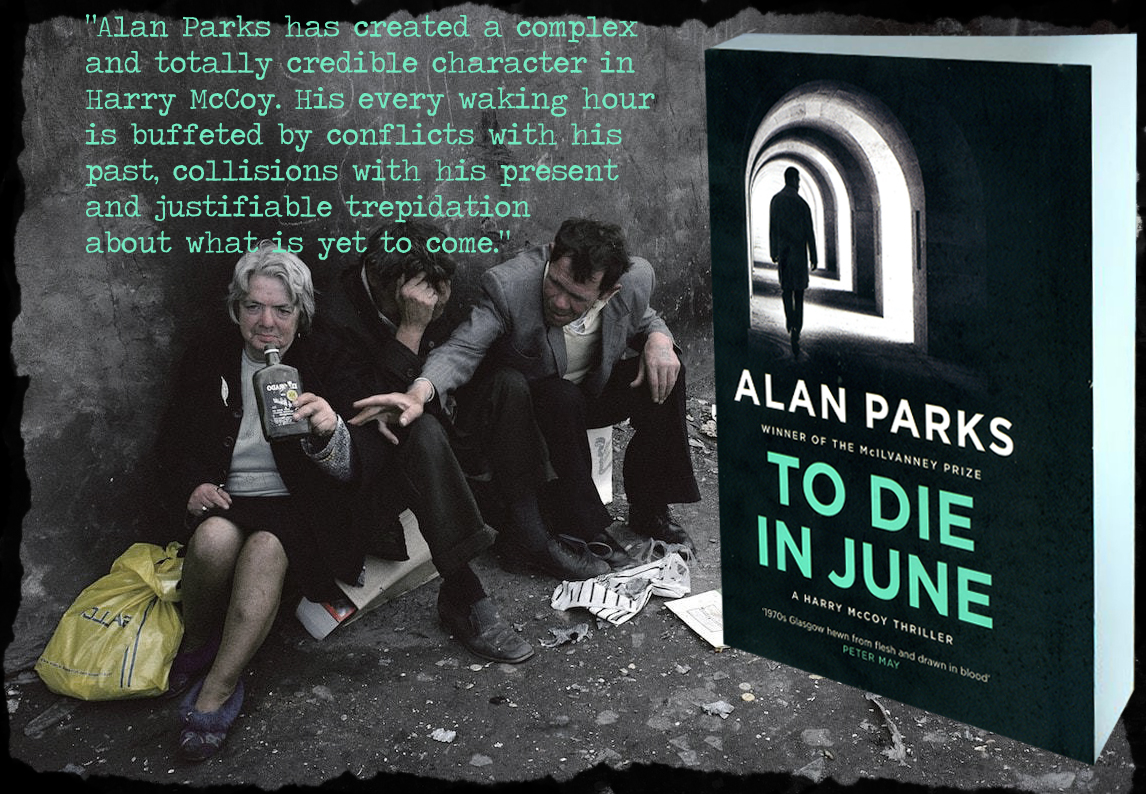
Screen Shot 2023-06-05 at 07.43.52Alan Parks (left) introduced us to Glasgow cop Harry McCoy in 2018 with Bloody January, and he has been resolutely working through the months with succeeding novels. Fictional Detective Inspectors in British crime fiction are many and varied. You would certainly need a fair sized village hall to seat them comfortably were they all to meet, so what about Harry McCoy? He has a fairly dark back-story. He was in and out of care institutions as a child. His mother is long dead, and his father – never the most consistent of parents – has now abandoned any sense of normality and is a homeless alcoholic. Through childhood connections – both were in care – he is connected to underworld boss Stevie Cooper. While not exactly in his pay, McCoy owes his old friend big-time, due to incidents in their shared past.
We are in the summer of 1975 so, in one sense this a historical novel, with many little period features that the author has to get right. No internet, computers or mobile phones, obviously, but early on in the story Parks sets the scene beautifully. McCoy has a celebrity girlfriend – a famous actress – and they are together at an showbiz awards function in the company of a young Billy Connolly, Stanley Baxter, Marie McDonald McLaughlin Lawrie (Google her) and Hamish Imlach. For those not versed in Scottish entertainers, Parks has Michael Aspel overseeing the evening.

McCoy has been transferred from his usual base to the insalubrious district of Possil, an area renowned for crime and deprivation. There is a purpose behind the move. McCoy’s boss, Chief Inspector Murray, believes that a group of detectives at the Possil station are corrupt, and he wants McCoy to infiltrate the cabal. Before McCoy can get close to the bent coppers, two urgent cases demand his attention. First, a vagrant is found dead, foaming at the mouth from having imbibed some kind of toxic drink. McCoy attends the scene, praying that the victim is not his dad. It isn’t, but the blasé dismissal of the case by the ‘experts’ as “just another alkie drank himself into an early grave” annoys him, and he senses something more sinister.

Then, a distraught woman presents herself at the station telling him that her young son has been abducted. Understandably, McCoy takes the woman at her word, and hits the panic button, with ensuing door-to-door, enquiries, blue lights flashing everywhere, and all leave cancelled. The woman then has some kind of fit and is hospitalised. When McCoy visits the home, and talks to the woman’s husband, the Reverend West, he is told that there is no son – never was – and that his wife has been  suffering with sever mental health issues for some years. West is the pastor at an obscure fundamentalist church, The Church of Christ’s Suffering.

When Mrs West throws herself to her death from a bridge, and more homeless men are found dead, McCoy hardly knows which way to turn. Added into the mix of his misery is that his old chum Stevie Cooper is about to initiate a turf war with a rival gangster, and expects McCoy to play his part. The plot twists this way and that, and there is a final hairpin bend which runs off the road anyone who is hoping for a warm and comfortable outcome to to this case for Harry McCoy.

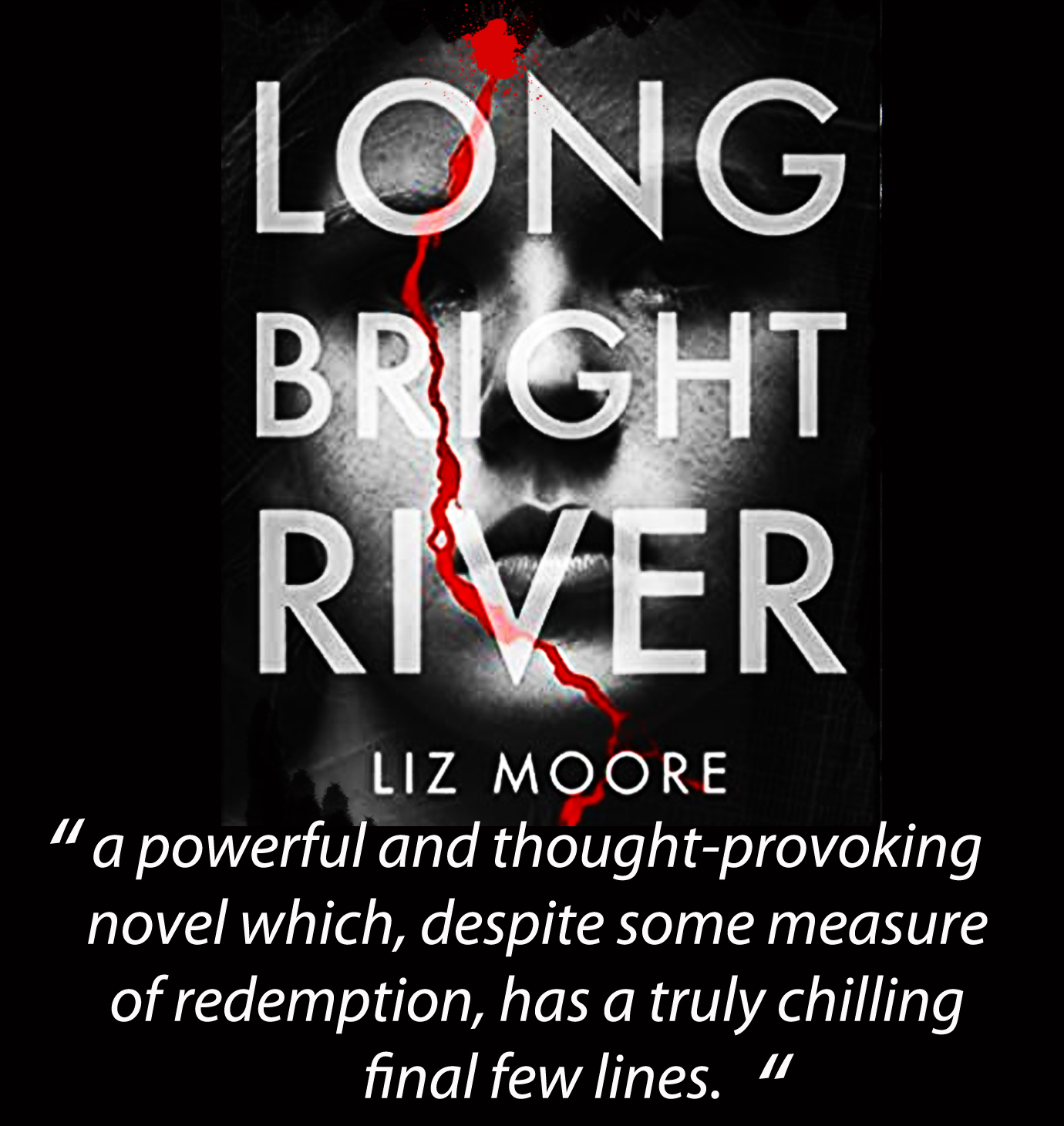
lan Parks has created a complex and totally credible character in Harry McCoy. His every waking hour is buffeted by conflicts with his past, collisions with his present and justifiable trepidation about what is yet to come. To Die In June was published by Canongate on 25th May.

LONG BRIGHT RIVER . . . Between the covers

Header

A wintry Philadelphia is the setting for Liz Moore’s fourth novel. A female police officer, Michaela ‘Mickey’ Fitzpatrick, works the streets of Kensington, This district’s history owes much to its proximity to the Delaware River, and the fishing, milling and transport industries, but these have long since ceased, and the area is run down, dilapidated, and one of the centres of the city’s drug trade.

LBR coverThis is not a crime novel in the traditional sense, and it certainly isn’t a police procedural, despite Mickey’s profession. The plot partly involves the search for someone who is killing young women who have been forced into prostitution to feed their drug habit but, although this is resolved, it is eventually incidental to the main thrust of the novel.

Mickey comes from a dysfunctional family. Her mother is long dead, she is estranged from her father, and both she and her sister Kacey were brought up by a rather forbidding and humourless grandmother they call Gee. Micky’s career in the police force is unspectacular, but it pays the bills for her and her young son Thomas. As the blurb on the back of the book cleverly puts it,

Once inseparable, sisters Mickey and Kacey are on different paths, but they walk the same streets. Mickey on her police beat and Kacey in the shadows of the city’s darkest corners where the drug addicts and the sex workers preside.

As more women fall victim to the mystery killer, Mickey becomes ever more frantic that Kacey will be the next body wheeled on a gurney into the mortuary to await the investigation by the police pathologist. When she hears from an old friend of Kacey’s that the killer is thought to be a police officer, she confides in her immediate boss, Sergeant Ahearn. Not only is he sceptical, but he bounces the accusation back at Mickey, and she finds herself suspended and under investigation into allegations about her own conduct.

Screen Shot 2020-12-27 at 18.57.52Liz Moore (right) treats Mickey’s search for her sister on two levels: the first, and more obvious one, is a nightmare trip through the squats and shoot-up dens of Kensington in an attempt to find Kacey – a search, find and protect mission, if you will. On a more metaphorical level, the books becomes a journey through Mickey’s own past in the quest for a more elusive truth involving her family and her own identity.
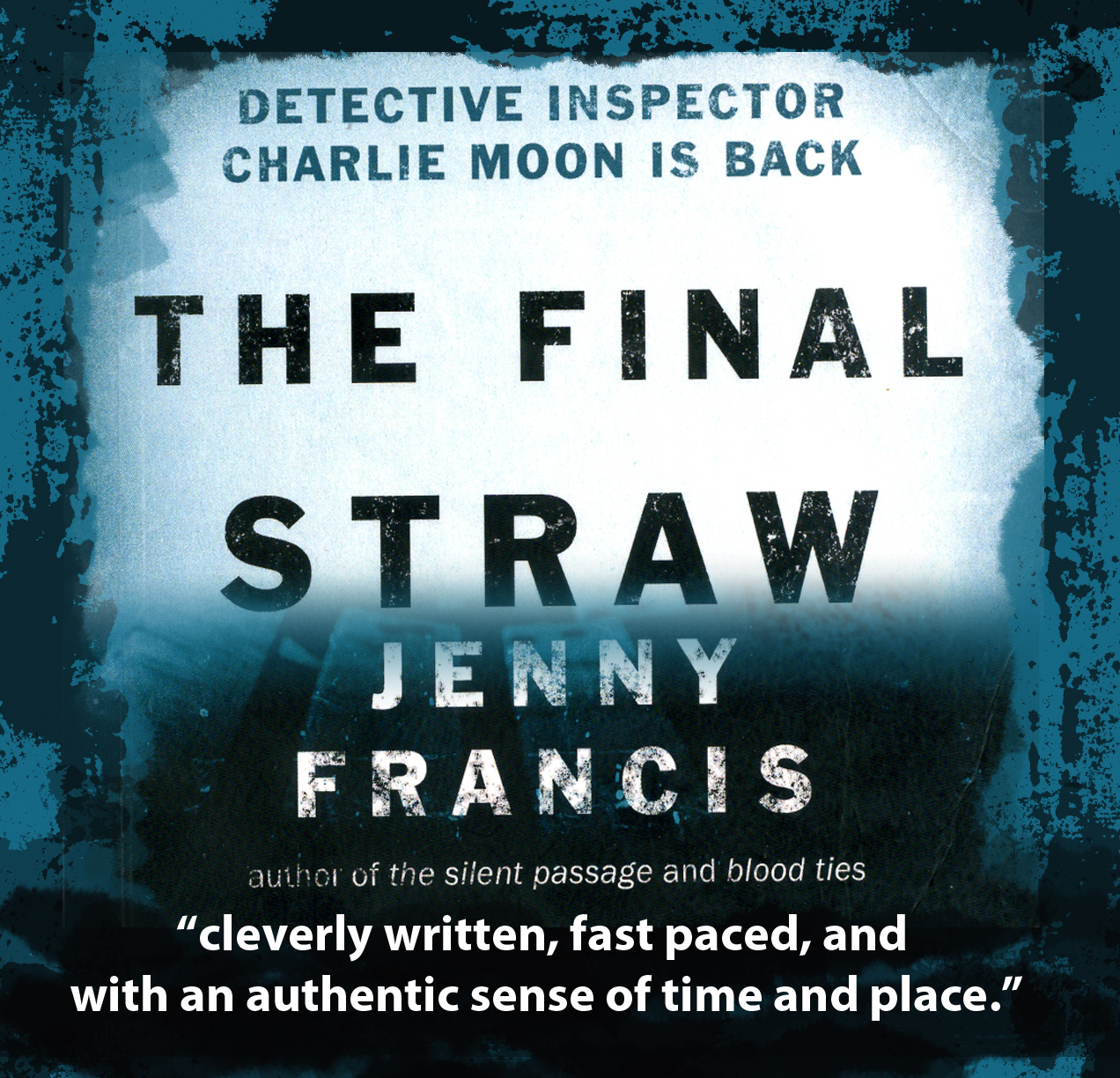
As readers we have one or two tricks played on us by the author as she allows us – through Mickey’s narrative –  to make one or two assumptions, before turning those on their heads. Liz Moore’s style is interesting, particularly in the way she replays dialogue. This is a powerful and thought-provoking novel which, despite some measure of redemption, has a truly chilling final few lines.

Long Bright River came out as a Kindle and in hardback earlier this year, and this paperback edition will be published by Windmill Books on 31st December

lbr banne010

BETWEEN THE COVERS . . . The Final Straw (click for full screen)

TFS spine020

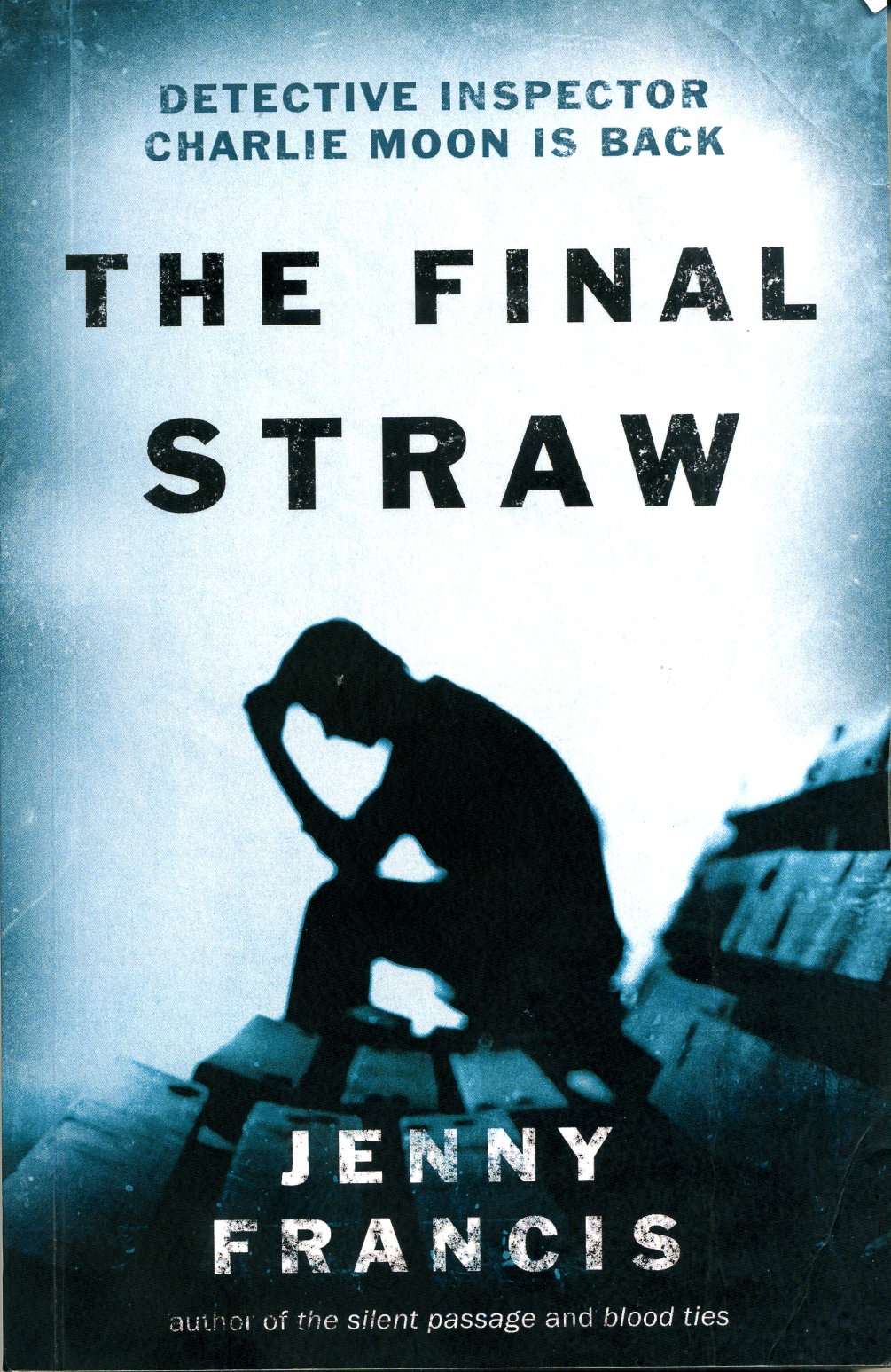
I had not come across anything by Jenny Francis before, so I did a little research before beginning The Final Straw, and discovered that the author isn’t one person, but a writing partnership between Patricia Scudamore and Hilton Catt. Furthermore, the pair’s day job, as it were, is writing self-help manuals for commerce and business. Titles such as Successful Career Change, Cover Letters In A Week and The Interview Coach didn’t initially indicate that I was about to read an entertaining crime novel, but I was wrong.

TFS cover019Charlie Moon is yet another fictional Detective Inspector, but slightly different in one or two ways from many of his fellow CriFi coppers. For a start, his patch is the rather unfashionable West Midlands, probably the city its locals affectionately refer to as Brummagem. Also, although he carries the cross born by most of his fictional counterparts – corrupt or incompetent bosses – he has a stable and happy family life, and neither drinks nor smokes to excess. When he goes home at night, it is to the solace of his wife and daughter, rather than the solitary vice of falling asleep on the sofa, whisky glass in hand, while something from his obscure CD collection plays in the background.

Moon is contacted by a notorious local criminal, currently a guest at HMP Winson Green. Denny Wilbur might shrink at being described as public spirited, but he has an injustice to share with Moon. A simple minded black man, Wilson Beames, was twenty years into a life sentence for murdering a teenage girl, Sharon Baxter, back in the 1970s, but he has been found hanged in his cell.

“He couldn’t read or write, yet they reckoned he’d signed a confession. Besides which, he wouldn’t have had the brains to know what he was signing anyway.”
“Are you suggesting he was stitched up?”
“We all know what went on the seventies, don’t we, Inspector? Some naughty people in your mob occasionally did some naughty things.”

When Moon suggests to his bosses that this needs investigating, he is warned off in no uncertain terms. Being a contrary so-and-so, Moon decides to do a little investigating on his own, with the help of Jo Lyon, a local journalist. Bit by bit, they fit the pieces of the jigsaw together, and the emerging picture is not a pretty one. It shows a desperately corrupt senior policeman, a paedophile ring, and a ruthless local businessmen prepared to provide certain services. As Moon closes in on Sharon Baxter’s killer, he is unaware that when he does solve the mystery, it will provide a shock that he could never have anticipated.

The Final Straw is cleverly written, fast paced, and with an authentic sense of time and place. If, like me, you are impressed with Charlie Moon, there are two previous novels to check out – The Silent Passage and Blood Ties. All three are published by Matador, and The Final Straw is out on 28th April.

Matador

SHAMUS DUST . . . Between the covers

SD HEADER

“Lately, I’d lost the gift. As simple as that. Had reacquainted with nights when sleep stands in shrouds and shifts its weight in corner shadows, unreachable. You hear the rustle of its skirts, wait long hours on the small, brittle rumours of first light, and know that when they finally arrive they will be the sounds that fluting angels make.”

Every so often a book comes along that is so beautifully written and so haunting that a reviewer has to dig deep to even begin to do it justice. Shamus Dust by Janet Roger is one such. The author seems, as they say, to have come from nowhere. No previous books. No hobnobbing on social media. So who is Janet Roger? On her website she says:

Janet Roger was apprehended for the first time at age three, on the lam from a strange new part of town. The desk sergeant looked stern, but found her a candy bar in his pocket anyway. Big mistake. He should have taken away her shoelaces. She’s been on the run ever since.”

Make of that what you will, but she goes on to admit that she is a huge Raymond Chandler fan:

“But what really got under my skin was Marlowe’s voice guiding me around the next street corner, and beyond it into a stale apartment block or a down and low bar. He invited me in to look over his shoulder, let me see the highs and the lows, talked me through them and then put me in the seat beside him to drive me home.”

So, what exactly is Shamus Dust? Tribute? Homage? Pastiche? ‘Nod in the direction of..’? ‘Strongly influenced by ..’? Pick your own description, but I know that if I were listening to this as an audio book, narrated in a smoky, world-weary American accent, I could be listening to the master himself. The phrase ‘Often imitated, never bettered’ is an advertising cliché and, of course, Janet Roger doesn’t better Chandler, but she runs him pretty damn close with a taut and poetic style that never fails to shimmer on the page.
SD3

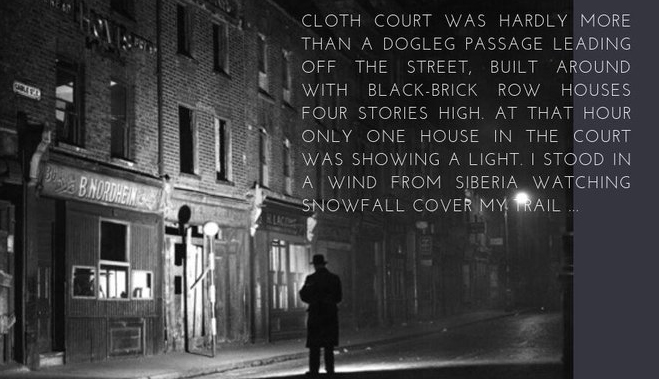
Newman – he’s so self-contained that we never learn his Christian name – fled to to Britain during the Depression, had a ‘good war’ fighting Hitler, and now scratches a living as a PI in a shattered post-war London. It is late December 1947, and the cruelties of a bitter winter are almost as debilitating as Luftwaffe bombs. Newman is hired by a prominent city politician to minimise the reputational damage when a tenant in one of his properties is murdered.

Big mistake. Councillor Drake underestimates Newman’s intelligence and natural scepticism. Our man uncovers a homosexual vice ring, a cabal of opportunists who stand to make millions by rebuilding a shattered city, and an archaeological discovery which could halt their reconstruction bonanza.
There are more murders. The weather worsens. The clock ticks relentlessly towards 1948 as a battered but implacable Newman defies both the conspirators and corrupt coppers to see justice done. Along the way, he is helped – and entranced – by a young doctor, but she seems elusive and beyond his reach. As he goes about his grim business, however, he views London with eyes which may be weary, but still have laughter in them:

“..two paintings in the centre of each of the blank walls, one gray on white, the other white on gray to ring the changes. They might have been Picassos from his plumbing period, or a layout for steam pipes in an igloo; either way, they gave the room the all-round charm of an automated milking parlor.”

“At the street corner there was record store closed for lunch, with a sign over that read, Old Time Favourites, Swing, Hot Jazz, Popular, Classical, Opera and Foreign. The rest it was leaving to the opposition.”

By the end, Newman has played a game of chess in which his board has had most of the key pieces knocked off it by a succession of opponents not necessarily cleverer than he, but certainly with more power and fewer scruples. He survives the endgame – Janet Roger creates a divine metaphor in the final three pages – and his darkness is lifted by an extraordinary act of compassion and generosity to a fellow pawn in the cruel game. I started with Newman’s voice. Let him have the final say as he raises a glass to his lost doctor.

“Waiters ghosted. The company men were long gone. My table was cleared excpt for the glass in my hand. I held it up to the light, turned it round through a hundred shades of red, and wished the doctor all the good luck in the world. Then drank and set the empty glass on its side and called Alekhine over for the check.”

Shamus Dust is published by Matador and is out next month.

SD1


NO TIME TO CRY . . . Between the covers

nttc028

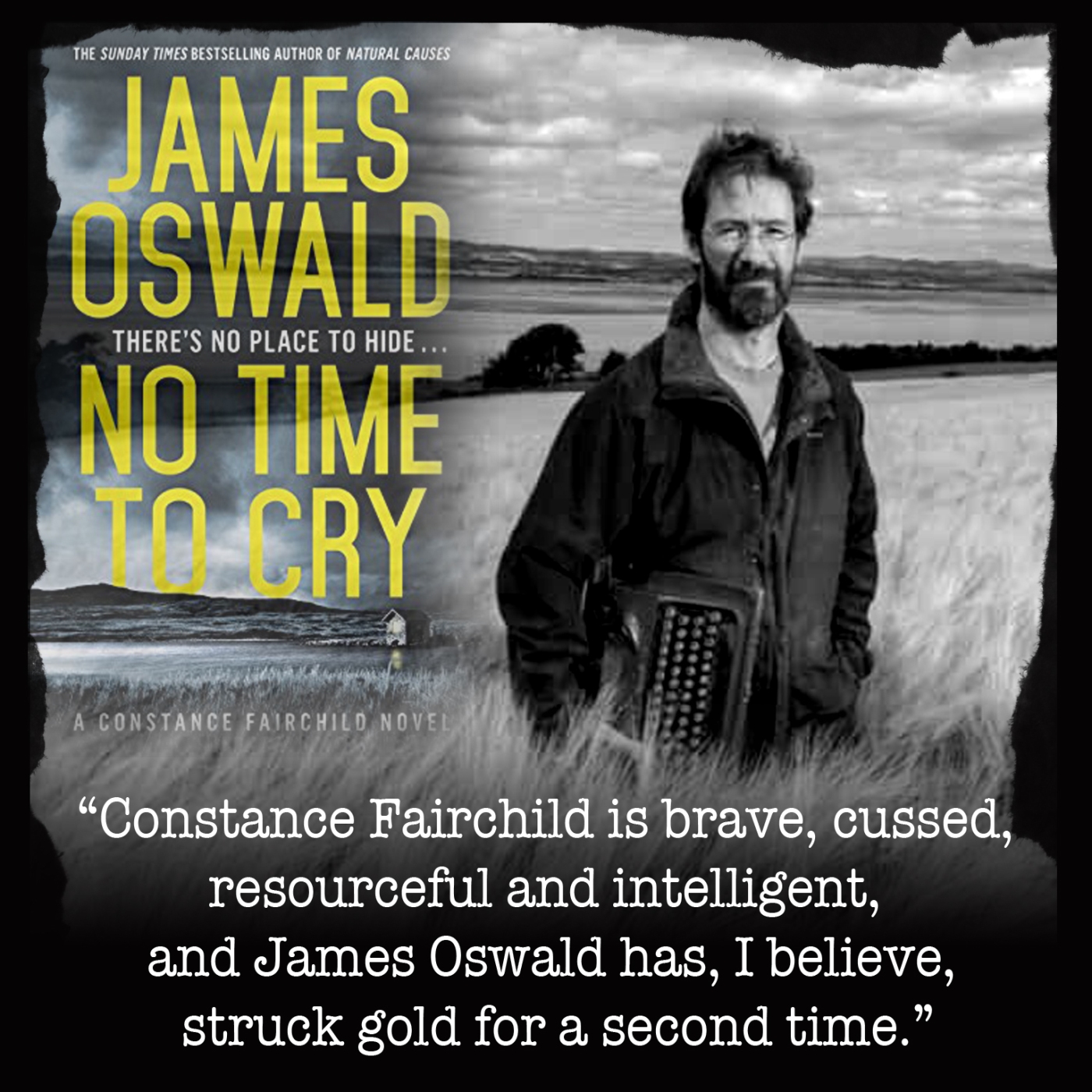
I’ll adapt George Bernard Shaw’s famous put-down of teachers and say, “Those who can write, do, but those who cannot, write about writing.” All book reviewers would do well to keep that little homily burning like a beacon in the night, and admire the invention, the endless re-writes and the sheer physical effort required to complete a novel. On top of that, what an amazing stroke of brilliance it is when an author of crime novels creates a character who resonates with the public and is credible enough to support a series. What an even bigger stroke of daring it is when the writer is prepared to leave that person behind. either temporarily or otherwise, and introduce a new creation to faithful readers.

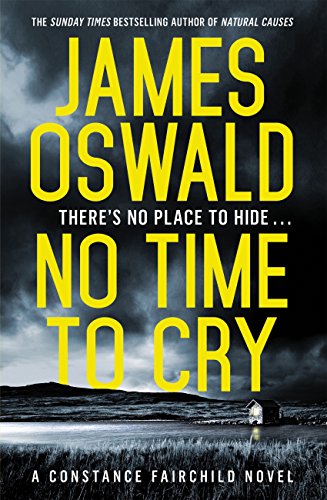
NTTC coverJames Oswald’s Tony McLean has not met with a Reichenbach Falls accident, but at the end of The Gathering Dark we left him facing a tragedy in his personal life. Now, Oswald begins a new series featuring Detective Constable Constance Fairchild of the Metropolitan Police. We meet her when a delicate undercover operation goes badly, badly wrong. So wrong, in fact, that she has found her boss, DI Pete Copperthwaite slumped in a chair in the office they have been using as a front for their sting. He has been tortured, and then shot through the head.
Fairchild is perplexed and hurt when she is blamed for Copperthwaite’s death, and suspended from duty. Puzzled, and seemingly powerless to get to the bottom of who murdered Copperthwaite, she seeks diversion by trying to find a missing girl, the younger sister of an old school friend. Her sense of injustice turns to anger, though, when a clumsy attempt is made on her life, and it becomes obvious that she is being followed. Is this because of the police sting operation which went, as she puts it, “tits up” or is it connected to her search for Izzy De Villiers?

So, to echo Shakespeare, who is Constance, what is she? Lovely, fair, and wise is she? Oswald lets us form our own image to a large extent. We do know that she has short spiky hair, no romantic inclinations that we can see, and has several tattoos. The latter are a result of a rebellion against her aristocratic background, because Lady Constance Fairchild, to use her correct title, is the younger daughter of the Fairchilds of Harston Magna, a Northamptonshire village, much of which is owned by her estranged father. Con, as she prefers to be known, was educated at a select girls’ boarding school, but has gone down the rebellion route at 98 mph with headlights on full beam, and has done everything she can to metaphorically spit in the eyes of her parents – including becoming a police officer.

Admirers of James Oswald will know that he has a day (and night) job as a livestock farmer in the Scottish Highlands, and he indulges himself by taking us there as Con, attempting to throw off her pursuers, retreats to the secluded family holiday home overlooking a remote Scottish loch. One of the big questions that nag at her is the apparent reluctance of Izzy’s father, an obscenely rich hedge fund manager, to locate his missing daughter. How is Roger De Villiers connected to the murder of Pete Copperthwaite? Are Con’s bosses at the Met crooked, too, or are they simply too stupid to see the obvious?

Constance Fairchild is brave, cussed, resourceful and intelligent, and James Oswald has, I believe, struck gold for a second time. The action is relentless, and Fairchild literally has No Time To Cry as she seeks to unravel a tangle of criminality and child abuse, as well as dodging bullets. Those missing the world of Tony McLean have, in addition to a terrific new novel, a crumb of comfort as Oswald cannot resist bringing in an old friend from Edinburgh for a brief cameo appearance. No Time To Cry is published by Wildfire, came out as a Kindle earlier this year, and will be available in paperback from 1st November.

NTTC footer


WHAT FALLS BETWEEN THE CRACKS … Between the covers

WFBTC header

A maintenance man is called to a nondescript block of London flats. Water is dripping through a ceiling. Up he goes to the flat above. Problem solved. It’s a broken down fridge-freezer. He opens the door of the offending item of kitchen furniture. No problem? Big problem. Among the usual items – past-sell-by yoghurts, limp lettuce, yellowing chunks of Cheddar and a couple of shriveled courgettes – is something that really, seriously, does not belong. I mean, who would put a severed hand (minus a finger) in a domestic freezer?

ScraggWith that grim discovery acting as a starting pistol, debut author Robert Scragg (left) starts a middle-distance race to discover who murdered Natasha Barclay. For she is the person, identified by simply reading the opened mail strewn around the tomb-like flat, and checking rental records, whose hand lies in the freezer drawer.

Detective Inspector Jake Porter and Sergeant Nick Styles face enough questions to serve a whole series of University Challenge. Why did Natasha Barclay simply disappear from the radar in 1983? Is she dead? If so, where is the rest of her body? Why have those in her extended family – a stepmother and her second husband – remained silent about her disappearance. Why did her blood father shoot himself all those years ago?

Porter and Styles certainly have the required chemistry to succeed as fictional cop duos. Porter is the senior: he tries not to be trapped in a mindset dominated by the senseless death of his wife Holly, mown down by a hit-and-run driver. Porter seems to be the thinker, while Styles is the doer.

“Styles had his weakness for all things Hugo Boss, his image neat and orderly, close cropped hair, number two all over. A few had referred to him as the Met’s answer to Thierry Henry, until they saw him play five-a-side football. Porter was from Irish stock, his wardrobe more high street fashion and his appearance, while not unkempt, had a more lived-in feel to it; hair so dark it bordered on black, refusing to be fully tamed by gel, but with a sense of messy style to it.”

Porter and Styles scrape away like archaeologists. First one layer of deception is removed, then another, until they uncover substantial foundations hidden beneath decades of criminality, terrible violence and – most shocking of all – police corruption on a devastating and appalling scale. A thrilling shoot-out as a team of officers raid the HQ of the villains involved seems to bring the novel to an end, but Scragg has a couple more twists yet to apply to what is already a very complex and riveting story.

WFBTC coverIf ever there were an single implausible plot device, it might be the premise that a suburban London flat, complete with a severed hand sitting quietly in a freezer compartment, could remain untouched, unvisited and unnoticed for over thirty years. It is, however, a tribute to Robert Scragg’s skill as a storyteller that this oddity was so easily forgotten. The dialogue, the twists and turns of the plot, and the absolute credibility of the characters swept me along on the ride. Porter and Styles have made an impressive debut, and the author may well have elbowed them into that crowded room full of other fictional police partners. They are all out there; Bryant & May, Zigic & Ferrera, Rizzoli & Isles, Wolfe & Goodwin, Morse & Lewis, Jordan & Hill, Kiszka and Kershaw – watch out, you have company!

What Falls Between The Cracks is published by Allison & Busby and is available on 20th September.

A&B

Blog at WordPress.com.

Up ↑