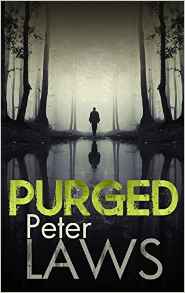
 Ordained Baptist minister Peter Laws (right) has produced a 110mph debut crime thriller featuring Matt Hunter, a former clergyman and now devout sceptic who, like most fictional crime consultants, has special skills which make him invaluable to the police in murder cases. I don’t know if Laws has himself gone down the same Road to Damascus In Reverse as his fictional character, but the depth and bitterness of Hunter’s scepticism about God and all His works certainly makes for compelling reading.
Hunter is in a seemingly idyllic Oxfordshire village with his family, taking a sabbatical while his architect wife prepares to put in her bid for the contract to build an extension to Hobbs Hill church. If you are expecting a saintly country vicar with kindly eyes and a dwindling congregation, you will be in for a rude awakening. This church has become home to a congregation of over three hundred, and is led by a charismatic minister who goes in for full-immersion Baptism and the kind of wild call-and-response services which seem to be de rigeur in ‘new’ churches.
 First, an anorexic teenage girl goes missing, and then a lesbian artist who is in the terminal throes of stomach cancer disappears. Matt Hunter is sucked into the investigation via the simple ruse that photos of the missing women turn up as attachments in his email box. They stay there for a few hours but then mysteriously morph into pictures of a rainbow accompanied by a smiley face GIF.
The slightly manic minister of the Hobbs Hill church is no stranger to Matt Hunter. He and Chris Kelly studied together at bible college, where Kelly was an awkward and unpopular student due to his fervent proselytising and strange behaviour. Hunter tries his best to be diplomatic with the over-intense church folk, if only to help his wife get the design commission, but when the isolated cottage where his family are staying becomes the target of sinister visitors, he senses that there is something malign lurking beneath the joyous born-again aura of Kelly and his congregation.
Peter Laws captures the essence of New Age Christian church groups in all their arm-waving, eyeball-rolling, tongues-speaking exuberance. We have the obligatory performance stage, complete with sound-system and live rock group, and every single man woman and child in the congregation has a steely determination to play The Ancient Mariner and grasp innocent visitors by the arm to save their souls from eternal damnation.
The concept of a small community gripped by a pervasive religious cult is not new. We have been there many times, and our tour guides have included Stephen King, John Connolly, Phil Rickman and John Wyndham. Laws grabs the cliché with great enthusiasm, and manages to conjure up menace from ostensibly benign surroundings. He also spins the tale cleverly so that we are persuaded to look in completely the wrong direction for the culprit, and he keeps us blind-sided until the last few pages of the book.
The only blot on the landscape for me was a literal one: the powerful and noisy waterfall, Coopers Force, which is central to events in the story, seemed out of place in the gentle hills and meandering streams of Oxfordshire. I could picture the feature in The Lakes, Scotland, Snowdonia, or the Pennines, but such an elemental force of nature didn’t seem to belong in the golden Cotswolds. That aside, I found Purged to be exciting, convincing and well written. Best of all, it has that one essential feature of all good novels – the reader actually cares what happens to the main actors in the drama.
Purged is published by Alison & Busby, and will be available on 16th February. You can pre-order a copy here.

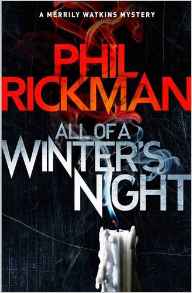

 All Of A Winter’s Night is the latest episode in the turbulent career of the Reverend Merrily Watkins. Her philandering husband long since dead in a catastrophic road accident, Merrily has a daughter to raise and a living to make. Her living has a day job and also what she refers to as her ‘night job’. She is Vicar of the Herefordshire village of Ledwardine, but also the diocesan Deliverance Consultant. That lofty term is longhand for what the tabloids might call “exorcist”. If you are new to the series, you could do worse than follow the link to our readers’ guide to


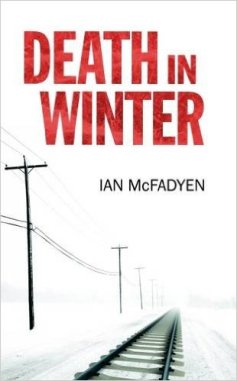 Hayley Bell has not returned home after a night out with some lady friends, and husband Duncan is seriously concerned. Mr Bell is a disagreeably pompous fellow with some serious affectations, such as calling four rooms in his grand house after the seasons, and decorating them accordingly. Carmichael and his team, however, have no reason to suspect Duncan Bell – despite his unpleasant manner – of having anything to do with his wife’s disappearance.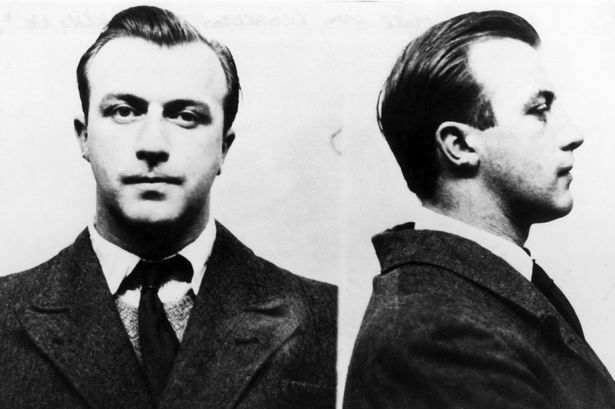


 March 1966. Cornell (right) was having a quiet drink in The Blind Beggar pub, well inside Kray territory on Whitechapel Road, when Ronnie walked in and put a bullet from a 9mm Luger into his head. Needless to say, none of the bar staff or other customers saw a single thing. Kray was eventually convicted of the murder when a barmaid, aware that Ronnie was already safely under lock and key for other misdeeds, testified that she had witnessed the killing.
 If there is a league table which ranks ‘Every Parent’s Worst Nightmare’ events in terms of trauma, torment and terror, having a child kidnapped must come near the top. It could be argued that death is at least final and offers – however bleak a prospect that may be – a sense of closure and a chance for the living to rebuild their lives. But kidnap? Uh-uh; cue uncertainty, recrimination, the anxious waiting for that ‘phone call, the wondering, the sheer agony of not knowing. That is the fate of Tony and Yvonne Richards in the latest novel from Rachel Amphlett (left) when they return to their Kent home from a trip to Milan to find that their daughter Melanie has been taken. Neither Tony nor Yvonne is cut out to be Bryan Mills /Liam Neeson, and so they scrape together the ransom, make the drop, and frantically drive to the derelict industrial estate where Melanie, they hope, will be waiting for them. What they actually find delivers a killer blow – literally.
 Hunter tugs away at the few available frayed threads of the investigation until she has enough twine to weave a recognisable tapestry that shows a victim and those culpable for the crime. Larch does his best to belittle her efforts, but she has a strong supporter in her immediate boss, DI Devon Sharp. There is a very clever twist in the final third of the story when it becomes apparent that the latest kidnap victim is the estranged daughter of a member of the investigating team. It has become commonplace for fictional coppers to have chaotic personal lives, but there is a feelgood corner of this novel where the reader can take comfort in the warm relationship between Kay Hunter and her veterinarian husband, Adam.

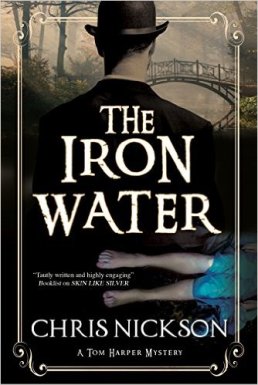 Two gang bosses, one of Irish heritage and the other local, are engaged in a tense truce. They will hold off attacking each other while Harper and his fellow officers track down the mysterious copper-headed man who appears to be connected to the deaths. Time is running out, however, and there is an even more calamitous threat hanging over the heads of the police. The powers-that-be want answers, and as Harper runs around in ever decreasing circles, he is told that if he doesn’t find the killer, then men from Scotland Yard will travel north and take over the case. This, for Harper and his boss Superintendent Kendall, will be the ultimate disgrace.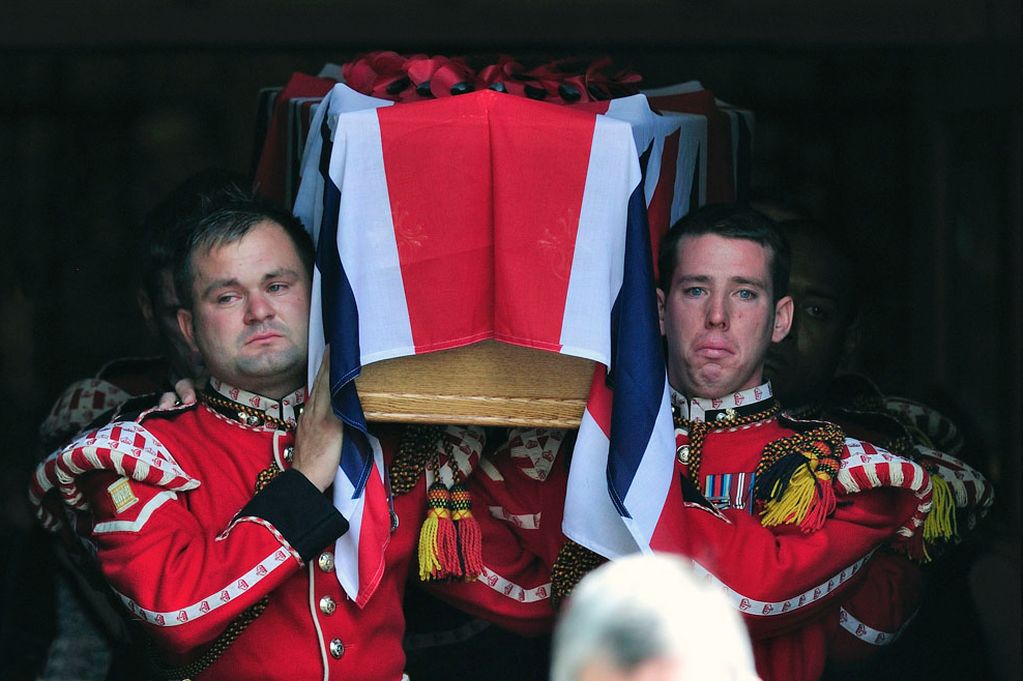
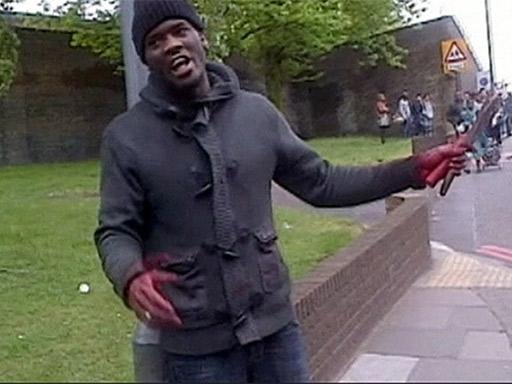
 Such a crime took place on a calm May afternoon in 2013. The place? A nondescript suburban street in south-east London. The victim? A 25 year-old soldier, in civilian clothes, returning to his Woolwich barracks after a spell of ceremonial duty at The Tower of London.

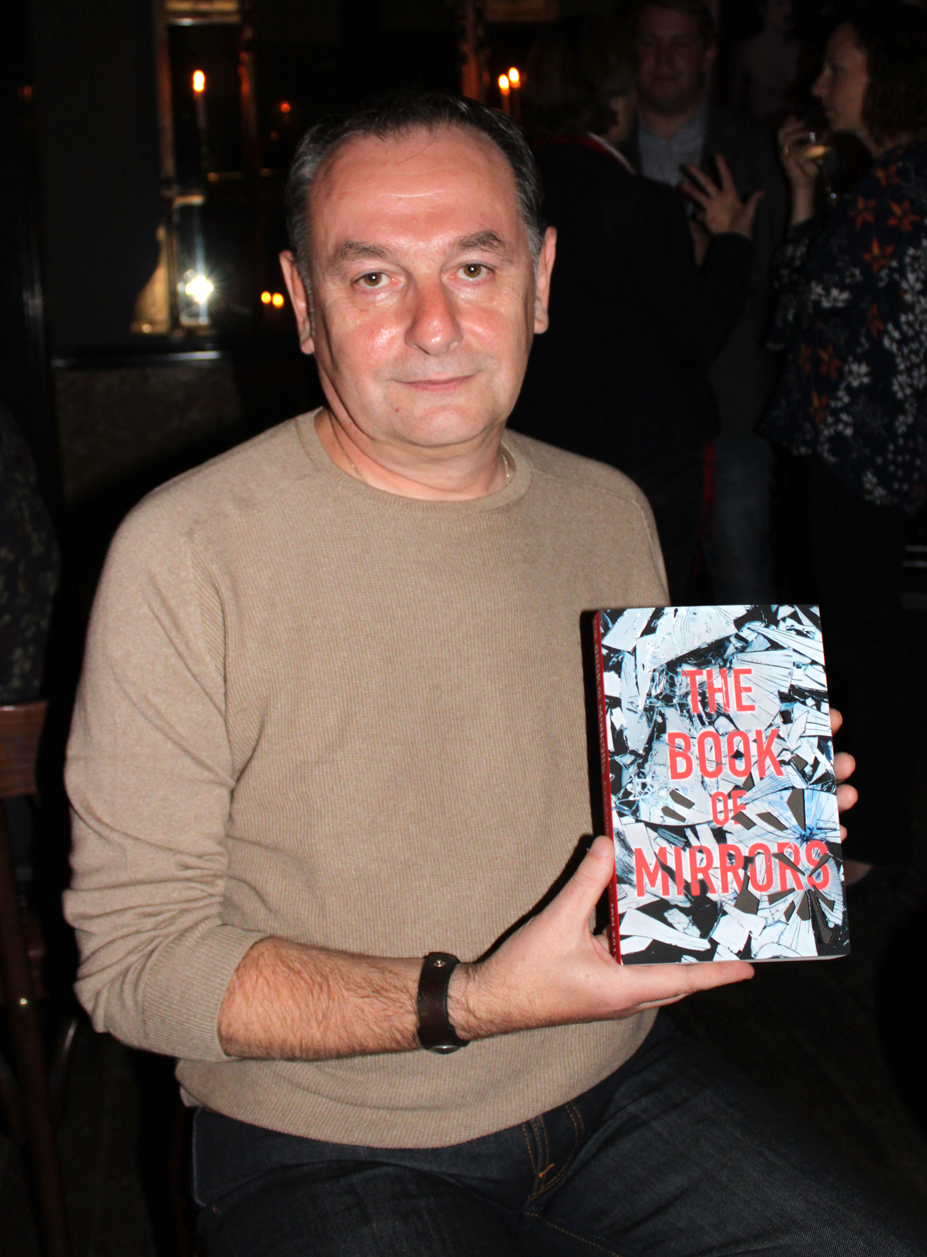
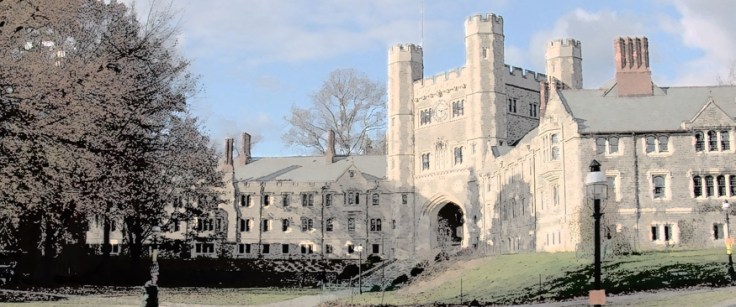 It is 1987, and a bitterly cold winter night in New Jersey. In a rambling Queen Anne-style house in West Windsor, a man is found dead, battered to death and lying in a pool of his own blood. The corpse is that of a successful but controversial academic from Princeton, Professor Joseph Wieder. For all his erudition and his insights into the human brain – particularly the workings of memory – he is still very dead. The police dutifully stumble around in the snow, interviewing those who knew the dead man, but they fail to find anyone without a decent alibi, let alone a suspect who stood to gain substantially from his death.
 We first learn of Wieder’s violent demise in a roundabout way. A literary agent, Peter Katz, is working his way through emails from hopeful authors, and consigning most of them to the trash icon, when his attention is grabbed by a submission from a man called Richard Flynn. Katz prints out the sample chapters of Flynn’s book and sits down to read them. He is hooked. Two hours fly past, and Katz realises that he has a possible best seller in his hands, but he is unsure if the book is a true crime confession, or a novel. So, what did Flynn have to say?
 There is a very satisfying sense of a torch being handed from one runner to another, and it is during Freeman’s leg of the journey that we find out the truth of what really happened to Joseph Wieder. Or do we? Changing the metaphor, Chirovici tells us that we have been in one of those fairground attractions which involves walking in front of distorting mirrors. He says;


