

This debut novel from Joseph Knox is a dark and existential policier set in a modern Manchester where the neon lights of drug fuelled night clubs cast their garish glow over abandoned nineteenth century warehouses flanking polluted rivers which once powered the cotton mills that made the city great. Out in the suburbs, in houses built for long dead mill-owners, girls barely past their GCSEs jostle each other to get the attention of the organised crime barons who control the flow of narcotics and young flesh.
Aidan Waits is a young policeman who has a liking for pharmaceutical products that anaesthetize him from life. All is well until he is snared in a sting. He is caught sampling marching powder from the police evidence locker, and he is, as they say, bang to rights. He is given a grim choice by his boss. Option one is that his corruption is made public, but he will then be suspended and disappear into the darkness of the Manchester night. Beneath this façade, however, he will actually be working to bring down one of the most dangerous and powerful of the gang bosses. Option two is similar, except that he will be hauled through the courts and given serious jail time. And we all know what happens to policemen when they are thrown into prison.
 So, Waits plays a dangerous double game which involves being undercover yet in full view. This paradox is essential. Obviously drug lord Zain Carver will know that Waits is a suspended copper; the deception will only work if Waits can convince the gangster that he is prepared to damage his former employers with leaked information. It requires no acting ability whatsoever for Waits to appear dissolute, addicted and troubled – that is his normal persona. However, a big problem looms. A rich and influential Member of Parliament has “lost” his teenage daughter. Isabelle Rossitter is one of the satellites fizzing around the planet Carver. Daddy is desperate to get her back, and Waits is given the task.
To say that Waits is a complex character is an understatement to rival Laurence Oates’ gentle assertion that he was “just going outside, and may be some time.” Waits’ childhood is never far from his thoughts, and those thoughts are not positive. He and his little sister were effectively abandoned by a mother who simply didn’t want them. Footsteps echoing along the cold and love starved corridors of institutional homes still ring in his ears, and the distant rejection isn’t just a scar – it is an open wound.
When a grossly polluted brick of heroin cuts a fatal swathe through a teenage party, the result is every bit as deadly as an American High School shooting. In consequence, Waits is cut adrift by both his police handler and his underworld connections. Death stalks his every move, and he finds himself one of the few remaining pieces on the board in a deadly endgame. Waits lurches back and forth through a nightmare world of abusive sex, wasted lives, casual violence and police corruption. The novel scarcely ever emerges from the flickering strobe-lit decadence of the Manchester night. There are times when Knox writes with the kind of savage poetry that reminded me very much of the great Derek Raymond.
“ The daylight was awful. It floodlit the insane, the terminally ill, turned loose again for the day, laughing and crying and pissing their pants through the streets. It was like the lights going up at last orders, turning the women from beautiful to plain, exposing the men for what they all are at their worst. Ugly, identical.”
This is a brutal, clever and beautifully written book. Knox hands Waits a guttering candle of compassion, and he manages to keep it alight despite gusts of wind that carry the reek of decay, hatred, perversion and lust. It is scarcely credible that this is a debut novel. Knox has penned a black tale which is certainly not a comfort read. There are passages which made me physically wince, but the author has the confidence to give us an ending, once the mayhem has died down, which is both bitter-sweet and poignant. As Milton wrote, at the conclusion of Samson Agonistes:
“His servants he with new acquist
Of true experience from this great event:
With peace and consolation hath dismist,
And calm of mind all passion spent.”
Sirens is published by Doubleday, and will be available on 12th January
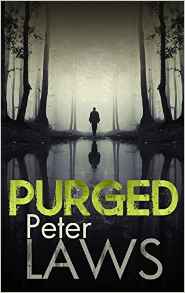
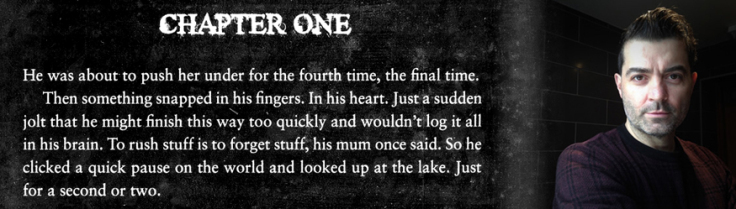
 Ordained Baptist minister Peter Laws (right) has produced a 110mph debut crime thriller featuring Matt Hunter, a former clergyman and now devout sceptic who, like most fictional crime consultants, has special skills which make him invaluable to the police in murder cases. I don’t know if Laws has himself gone down the same Road to Damascus In Reverse as his fictional character, but the depth and bitterness of Hunter’s scepticism about God and all His works certainly makes for compelling reading.
 First, an anorexic teenage girl goes missing, and then a lesbian artist who is in the terminal throes of stomach cancer disappears. Matt Hunter is sucked into the investigation via the simple ruse that photos of the missing women turn up as attachments in his email box. They stay there for a few hours but then mysteriously morph into pictures of a rainbow accompanied by a smiley face GIF.
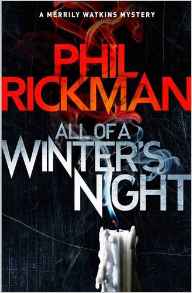

 All Of A Winter’s Night is the latest episode in the turbulent career of the Reverend Merrily Watkins. Her philandering husband long since dead in a catastrophic road accident, Merrily has a daughter to raise and a living to make. Her living has a day job and also what she refers to as her ‘night job’. She is Vicar of the Herefordshire village of Ledwardine, but also the diocesan Deliverance Consultant. That lofty term is longhand for what the tabloids might call “exorcist”. If you are new to the series, you could do worse than follow the link to our readers’ guide to


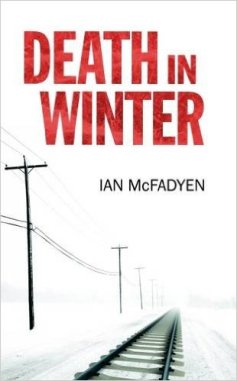 Hayley Bell has not returned home after a night out with some lady friends, and husband Duncan is seriously concerned. Mr Bell is a disagreeably pompous fellow with some serious affectations, such as calling four rooms in his grand house after the seasons, and decorating them accordingly. Carmichael and his team, however, have no reason to suspect Duncan Bell – despite his unpleasant manner – of having anything to do with his wife’s disappearance.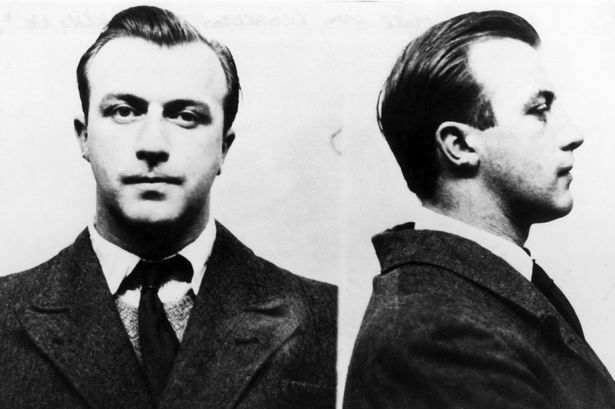


 March 1966. Cornell (right) was having a quiet drink in The Blind Beggar pub, well inside Kray territory on Whitechapel Road, when Ronnie walked in and put a bullet from a 9mm Luger into his head. Needless to say, none of the bar staff or other customers saw a single thing. Kray was eventually convicted of the murder when a barmaid, aware that Ronnie was already safely under lock and key for other misdeeds, testified that she had witnessed the killing.
 If there is a league table which ranks ‘Every Parent’s Worst Nightmare’ events in terms of trauma, torment and terror, having a child kidnapped must come near the top. It could be argued that death is at least final and offers – however bleak a prospect that may be – a sense of closure and a chance for the living to rebuild their lives. But kidnap? Uh-uh; cue uncertainty, recrimination, the anxious waiting for that ‘phone call, the wondering, the sheer agony of not knowing. That is the fate of Tony and Yvonne Richards in the latest novel from Rachel Amphlett (left) when they return to their Kent home from a trip to Milan to find that their daughter Melanie has been taken. Neither Tony nor Yvonne is cut out to be Bryan Mills /Liam Neeson, and so they scrape together the ransom, make the drop, and frantically drive to the derelict industrial estate where Melanie, they hope, will be waiting for them. What they actually find delivers a killer blow – literally.
 Hunter tugs away at the few available frayed threads of the investigation until she has enough twine to weave a recognisable tapestry that shows a victim and those culpable for the crime. Larch does his best to belittle her efforts, but she has a strong supporter in her immediate boss, DI Devon Sharp. There is a very clever twist in the final third of the story when it becomes apparent that the latest kidnap victim is the estranged daughter of a member of the investigating team. It has become commonplace for fictional coppers to have chaotic personal lives, but there is a feelgood corner of this novel where the reader can take comfort in the warm relationship between Kay Hunter and her veterinarian husband, Adam.

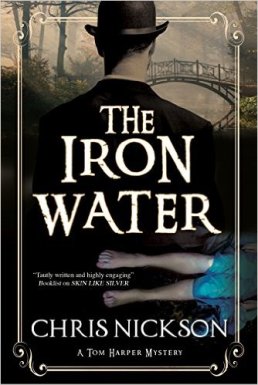 Two gang bosses, one of Irish heritage and the other local, are engaged in a tense truce. They will hold off attacking each other while Harper and his fellow officers track down the mysterious copper-headed man who appears to be connected to the deaths. Time is running out, however, and there is an even more calamitous threat hanging over the heads of the police. The powers-that-be want answers, and as Harper runs around in ever decreasing circles, he is told that if he doesn’t find the killer, then men from Scotland Yard will travel north and take over the case. This, for Harper and his boss Superintendent Kendall, will be the ultimate disgrace.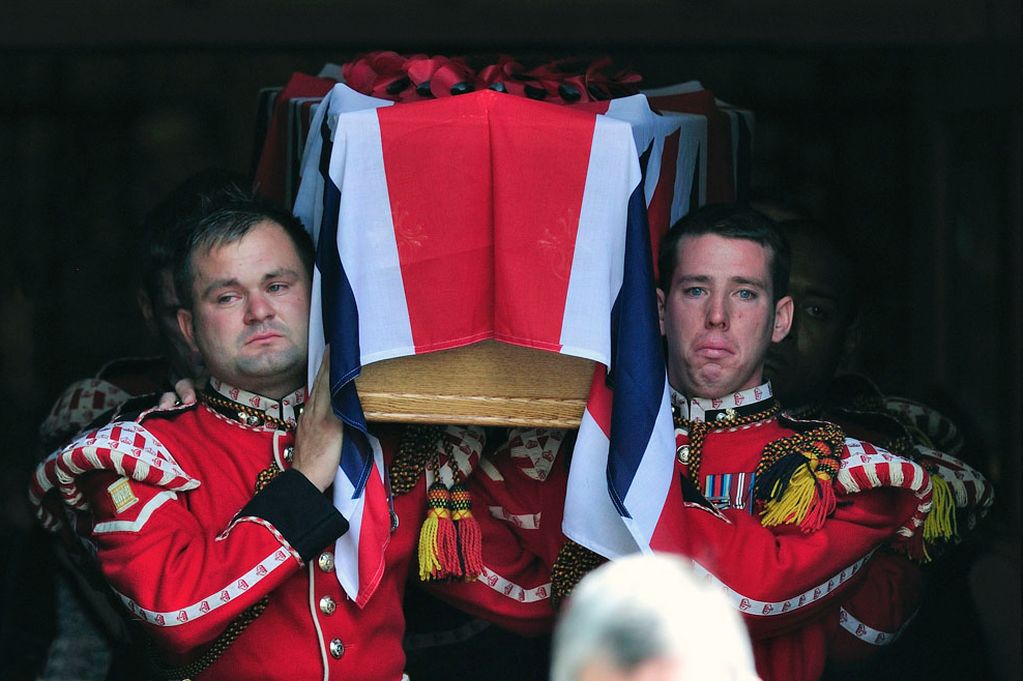
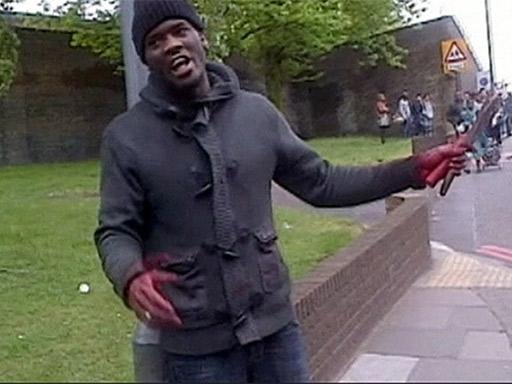
 Such a crime took place on a calm May afternoon in 2013. The place? A nondescript suburban street in south-east London. The victim? A 25 year-old soldier, in civilian clothes, returning to his Woolwich barracks after a spell of ceremonial duty at The Tower of London.

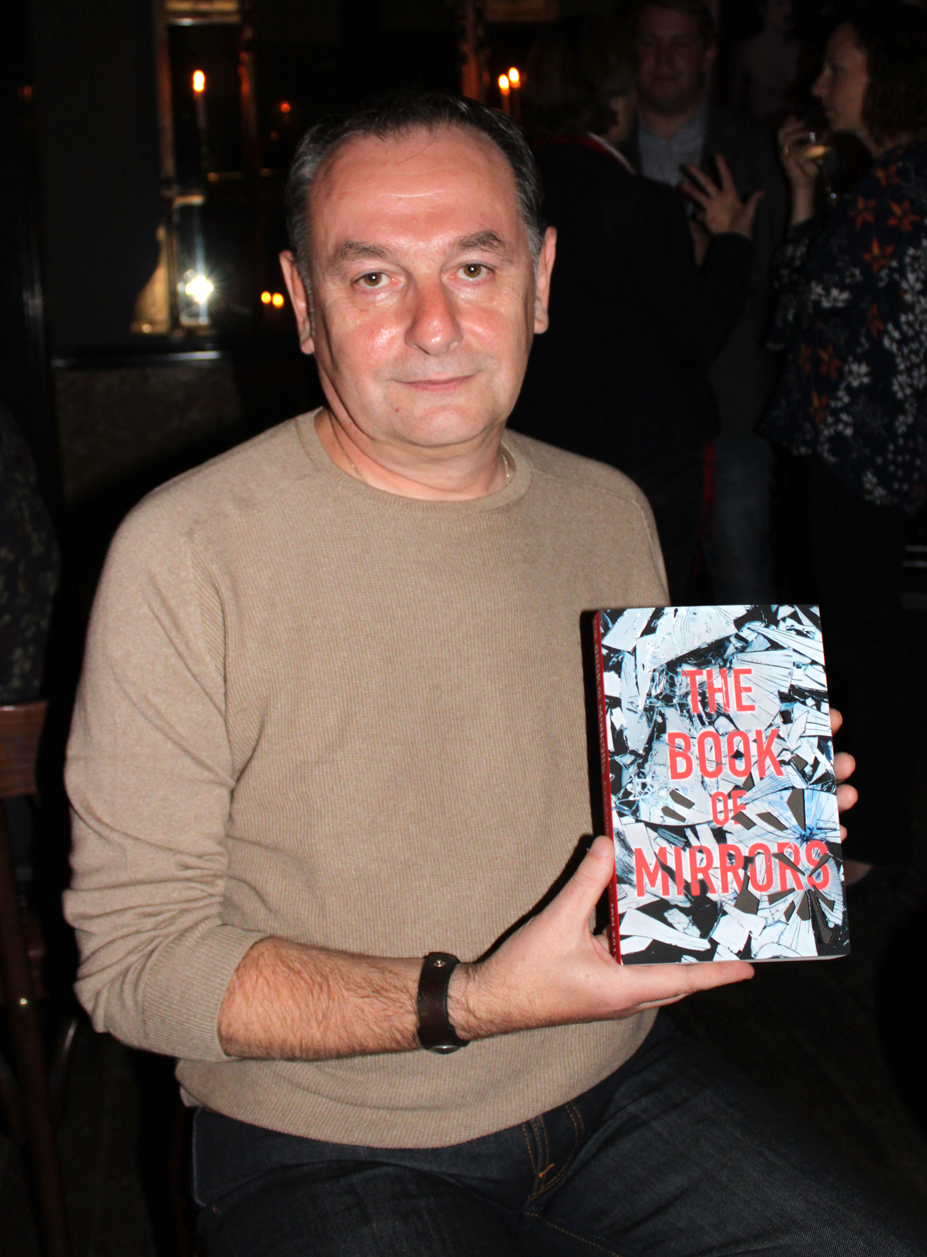
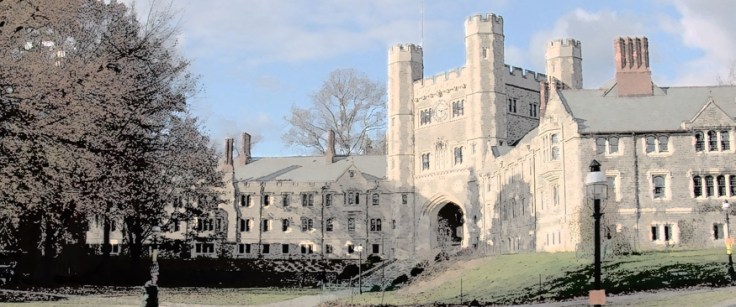 It is 1987, and a bitterly cold winter night in New Jersey. In a rambling Queen Anne-style house in West Windsor, a man is found dead, battered to death and lying in a pool of his own blood. The corpse is that of a successful but controversial academic from Princeton, Professor Joseph Wieder. For all his erudition and his insights into the human brain – particularly the workings of memory – he is still very dead. The police dutifully stumble around in the snow, interviewing those who knew the dead man, but they fail to find anyone without a decent alibi, let alone a suspect who stood to gain substantially from his death.
 We first learn of Wieder’s violent demise in a roundabout way. A literary agent, Peter Katz, is working his way through emails from hopeful authors, and consigning most of them to the trash icon, when his attention is grabbed by a submission from a man called Richard Flynn. Katz prints out the sample chapters of Flynn’s book and sits down to read them. He is hooked. Two hours fly past, and Katz realises that he has a possible best seller in his hands, but he is unsure if the book is a true crime confession, or a novel. So, what did Flynn have to say?
 There is a very satisfying sense of a torch being handed from one runner to another, and it is during Freeman’s leg of the journey that we find out the truth of what really happened to Joseph Wieder. Or do we? Changing the metaphor, Chirovici tells us that we have been in one of those fairground attractions which involves walking in front of distorting mirrors. He says;


 fullybooked2017