Search

fullybooked2017

Tag

murder

THE BURNING . . . Between the covers

Burning027 copy

The Kellerman family – Jonathan, Faye and now Jesse – seem to be able to turn out highly readable thrillers at the flick of a switch. My personal favourites are the Alex Delaware novels, but this is the second Clay Edison book I’ve read, and it’s excellent. The Burning is billed as 4 of 4, so the series will come nowhere near the astonishing 36 books books of the Delaware series (with the 37th due next year) You can read my review of the 36th, Serpentine, by clicking the link. My review of the third Clay Edison book, Lost Souls is here.

Burning028But back to Clay Edison. He is a Deputy US Coroner in Berkeley, California, and The Burning begins, quite topically, with a destructive bush fire that has knocked out power supplies for everyone except those with their own generators. When Edison and his partner are summoned to retrieve a corpse from a mansion up in the hills, they find that Rory Vandervelde – a multi millionaire – has died from gunshot wounds. He was an avid collector. Rare baseball and basketball memorabilia, Swiss watches, antique knives – you name it, and Vandervelde had bought it. It is when Edison is inspecting the dead man’s astonishing collection of classic cars, stored in a huge garage, that he discovers something that sends a shiver down his spine, and not in a pleasant way.

“I’d missed the Camaro on my way in. So much to gawk at. Eyes not yet adjusted. I saw it now. It was, to be specific, a 1969 SS/Z28. V8 engine, concealed headlights, black racing stripes, custom leather upholstery.

A hell of a car. One that I recognised specifically. I had seen it before. Not once, but many times.

It was my brother’s.”

Edison muses that there has to be an innocent explanation why his brother’s prize possession – a car he had restored from near junk – is in the murdered man’s garage. He surely wouldn’t have sold it to him? Luke Edison is a reformed addict who has done jail time for killing two women in a drug fuelled car theft, but he has rebuilt not only the car, but his life. Simple solution – call Luke on his cell phone. No answer. Repeated calls just go to voice mail. Clay Edison has the black feeling that something is very, very wrong, but in an instinct for family protection, he tries to prevent any of his law enforcement colleagues from identifying the vehicle’s owner and linking him with the murder.

No-one – Luke’s neurotic hippy partner, his parents, his boss at a marijuana-based therapy start-up – has seen or heard of Luke for several days. Working off the record, explaining to no-one what he is doing, and sensing that his brother is a victim rather than a perpetrator, Clay Edison finally discovers that his brother is being used as bait by some seriously evil characters who – as payback for deaths in their family for which they hold him, Clay, responsible – are prepared to stop at nothing to exact their revenge.

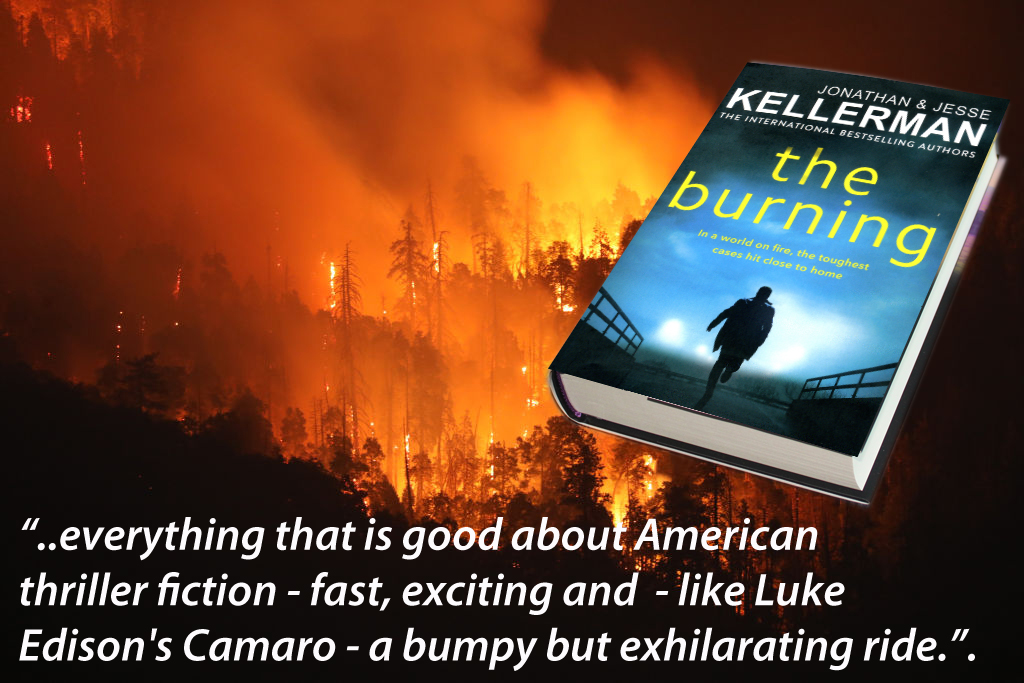
I finished this book during a return train journey and a quick hour before bedtime. It is ridiculously readable. Yes, it’s slick, unmistakably American, and probably formulaic but, as the late, great British film reviewer Barry Norman used to say, “And why not?” Just shy of 300 pages, it is everything that is good about American thriller fiction – fast, exciting and  – like Luke Edison’s Camaro – a bumpy but exhilarating ride. I have no idea who wrote what in the Jonathan and Jesse Kellerman partnership, but who cares? Published by Century, The Burning is out on 21st September in Kindle and hardback, and will be available next year in paperback.

Camaro

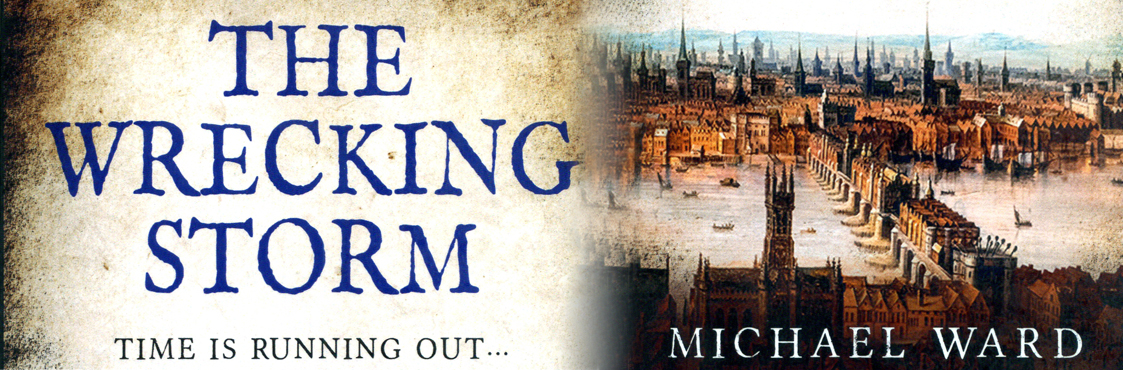
THE WRECKING STORM . . . Between the covers

TWS header

In the early summer of 1641, London is one of the most dangerous places in Europe. King Charles is facing growing challenges from Parliament and many of London’s people, stirred up by firebrand politicians such as John Pym, sense change is in the air. For Roman Catholics – such as the Tallant family – the mood is doubly dangerous. The Tallants are spice merchants, importing the precious condiments and selling them to those wealthy enough to afford to disguise badly-kept meat with pepper, cinnamon, cardamom and ginger. When two Jesuit priests disappear, Thomas Tallant is asked to investigate. When their bodies are found, it is obvious that they have been executed.

Both Sir Robert Tallant and his son Thomas are Members of Parliament, and they are about to witness one of the most famous scenes in British history, but first they must discover who is behind attacks on their premises – both their warehouse beside the River Thames, and their family home out in what was then countryside beyond the City. Are the attacks at the behest of rival merchants, jealous of the Tallants’ connections to the powerful Dutch East India Company, or is something more personal involved? And who is fomenting the violent activism of the Apprentice Boys?

These days we might think of The Apprentice Boys as purely a phenomenon of the political divide in Northern Ireland, but the Apprentice Boys in London predate the Derry incident by over forty years. The London Apprentices in the 1640s were a loosely organised group of many hundreds of young men who took to the street in protest at what they saw as exploitation by their masters. Inevitably but not necessarily correctly, they equated what they saw as their own servitude with the Royalist cause.

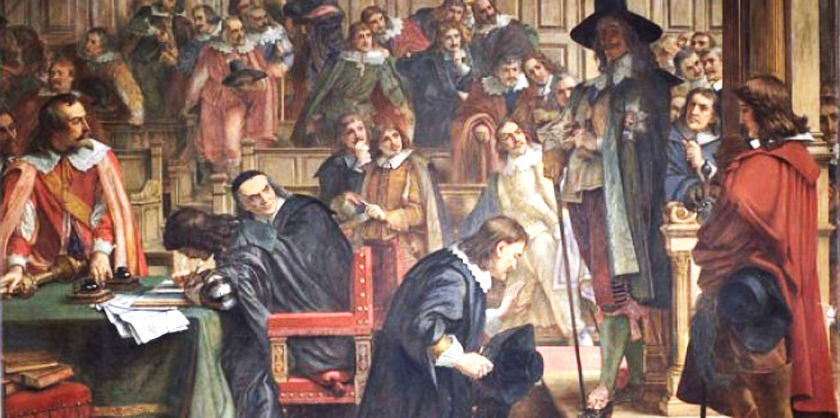
The author gives us a brilliantly described account (albeit moved a few months earlier) of the celebrated visit to the House of Commons by King Charles on 4th January 1642 in order to arrest the five members – John Hampden, Arthur Haselrig, Denzil Hollies, John Pym and William Strode – who he saw as central to the plot to bring him down. In this novel, their absence is attributed to a secret message passed earlier in the day to John Pym, and results in the King declaring ruefully, “All my birds have flown.

Birds

Michael Ward does a sterling job of recreating the political and social tensions on the streets of London during what was, arguably, the most turbulent period of British history. The Wrecking Storm is published by Sharpe Books and is available now.

DEATH ON A QUIET STREET . . . The killing of James Frederick Greatrex (2)

Greatrex header

SO FAR: James Greatrex had retired from his Walsall saddlery business a wealthy man, and in the summer of 1892, he was living in Moss Close, a large town house on Guys Cliffe Avenue, Leamington. His wife Mary had recently died, and her sister, Rebecca Ryder, now lived in Moss Close. William Ernest Greatrex, aged 37, was the younger son of the former businessman. He had been set up in numerous ventures by his father over the last twenty years or so, in places as far afield as New Zealand, Australia and Texas, but all had failed. Now, William Ernest Greatrex was living in St John’s Wood, London, but still – as it was revealed later – harassing his father for more money by way of an improved allowance.

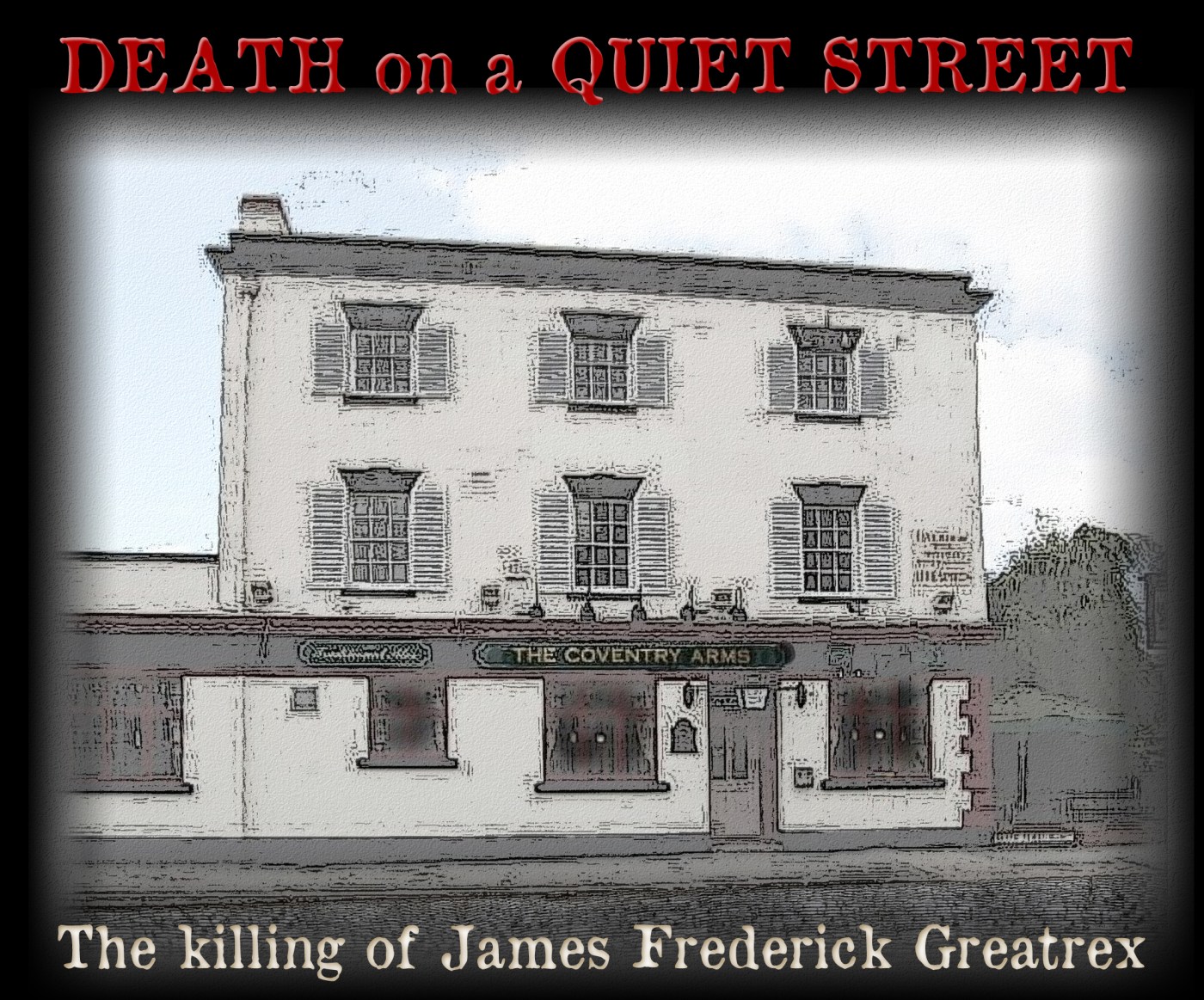
James Greatrex and Rebecca Ryder were in the habit of taking a morning stroll provided the weather was clement. Tuesday 31st May 1892 dawned bright and warm, and a little after 11.25, the pair walked down Guys Cliffe Avenue towards Rugby Road. They crossed Rugby Road and as they walked alongside The Coventry Arms (now The Fat Pug) Mr Greatrex stopped and turned round, as Miss Ryder had lagged a few paces behind and was removing a stone from her shoe. As he asked how she was getting on, a gunshot rang out. Struck in the chest, Greatrex staggered, and as he did so he was shot again, this time in the back. He fell to the pavement, bleeding profusely. Rebecca Ryder screamed in horror at the assault and was astonished to see, nonchalantly holding a large revolver, William Ernest Greatrex. He had concealed himself beside the wall of a large house opposite The Coventry Arms and, as his father and companion approached, had stepped out and fired the shots from close range.

Dr-ThursfieldThe stricken man was carried to a nearby house and laid on a sofa. Dr  Thomas William Thursfield (left) was a well known local doctor and politician (he later became Mayor) and a bystander attracted to the scene by the sound of gunfire noticed that Dr Thursfield’s carriage was outside an adjacent house. He was quick to attend to Mr Greatrex, but there was nothing to be done. The inquest found that one of the bullets had passed through the victim’s heart.
A labourer who had been drinking in The Coventry Arms had seized William Greatrex after the shooting, but there had been no resistance, and when Constable Crowther and Sergeant Hemmings, who had been in the vicinity, arrived at the scene, Greatrex calmly handed over the weapon and said:

“It is all right, officer; here you are. “The second shot did it. I have got him ; it ought to have been done years ago.”

When he was charged with murder at Leamington Police Station later that day, Greatrex made a formal statement:

“I would like to make a clean breast of it. No one knows the treatment I have received from my father. I ought to have done it years ago. He drove me out of the country in 1884. I have been in America five years, and had fever and dysentery, and was very ill. I came back to this country, and have tried to make friends with him, and to know how I stood in his will. He has tried to drive me out of the country again. I have not been home since I came to my mother’s funeral. I have tried to get satisfaction in every way, but have failed. I stayed in Warwick last night, and came on this morning to have satisfaction. Now I have got it. I am sorry I did not have time to take a dose of prussic acid.”

Justice_Wright,_Vanity_Fair,_1891-06-27

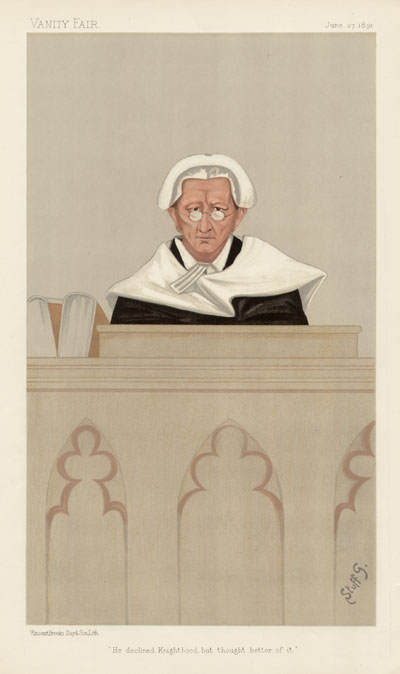
Charles_Arthur_Russell,_Baron_Russell_of_Killowen_by_John_Singer_SargentAfter the formality of the local inquest and magistrates’ court appearances, William Ernest Greatrex appeared before Mr Justice Wright (above) at the August Assizes in Warwick. His legal team, headed by the distinguished QC Charles Arthur Russell (right) had but one job, and that was to establish that William Ernest Greatrex was insane at the time he shot his father dead. Russell did this after his people had conducted ruthless research into the mental stability of the male members of the Greatrex family, and so the barrister was able to make a convincing case, backed up by the medical officers of one or two large lunatic asylums. William Ernest Greatrex was found guilty but insane, and ordered to be detained at Her Majesty’s pleasure, and he was sent to Broadmoor.

Her Majesty’s pleasure in this sad case was not very prolonged. Records show that Greatrex died in December 1905, but even in death he was worth a tidy sum – in today’s money, over £170,000.

Broadmoor
Death
For more True Crime stories from Leamington, Warwick,
and the surrounding villages, click the image below

TC link

DEATH ON A QUIET STREET . . . The killing of James Frederick Greatrex (1)

Greatrex header

The 1861 census has William Ernest Greatrex living with his family at 3 Victoria Terrace, Rushall, a district of Walsall. The house, below, along with its neighbour, No. 4, is a Grade II listed building which you can find more about here. William was born in the autumn of 1854, and the records tell us that was baptised at St Matthew’s Church on 27th December 1854. His father, James Frederick Greatrex, was the well-to-do owner of a family saddlery business in Adams Row Walsall. In all, James Greatrex and his wife Mary had five children – Robert Charles, Frederick James, and two daughters, Emily and Mary Augusta.

3Victoria


It seems that the family home – at least in regard to William – was not a happy place. At the age of seven he was sent to boarding school, in Kidderminater. This was one of the things he later levelled  his ” Mater.” He said, “The school was nasty, the food was bad, the bread and milk made me feel sick.” He complained that he was most unhappy there but his unhappiness was just dismissed as, “complaints of trifling annoyances such as are met with by school boys generally.

A newspaper reported:

He left Kidderminster about eleven years of age, and went a school at Brewood, where he remained about two years, and then went to Malvern College, where he had inflammation of the lungs. He states he was lost there in consequence of not having sufficient pocket money. He is under the impression that his parents put him to these schools to get rid of him, and that they were persecuting him at that period of his life. After he left school, at about 15 years of age, he was sent to Hastings and Torquay on account of his health, and, at about 18, he helped in his father’s business, at Walsall, his father making him a small allowance.”

This matter of money was to weigh heavily on William Greatrex for the rest of his life. What shouts to us from the printed page over a century after the tragic events of 1892 is that James Greatrex spent a small fortune on his son, and considered it money well spent to keep William at arm’s length.

William’s career in the decades after he left school is a catalogue of disasters, one after the other. After working for a while as a commercial traveller for the Greatrex firm, he was sent to Australia at the age of 23 on ‘a sales mission.’ From there he was asked to go to New Zealand, where opened his own business. This failed, and after a brief spell at home he was again sent abroad, this time to America, where he was given money to become a partner in a cattle ranch in 1884. It was reported that Greatrex senior had sunk £6000 into this venture. Using the Bank of England online calculator, I can report that this is somewhere in the region of £800,000 today. The ranching venture, like everything else the younger Greatrex had tried, failed dismally and, eventually, after a spell in Geneva in 1889, William Greatrex returned to England, where he rented rooms in London, and began a concerted campaign to persuade his father to give him “just one more chance.”

Moss Close new

By this time, James Greatrex had sold the business and retired to Guys’ Cliffe Avenue, a quiet street in Milverton, a district of Royal Leamington Spa. The house, known in those days as Moss Close, still stands, but has now been converted into flats (above). It is within a stone’s throw of this house that the next chapter of this drama will play out.

IN PART TWO – A fatal revenge and an investigation into insanity

For more True Crime stories from Leamington, Warwick,
and surrounding villages, click the image below.

TC link

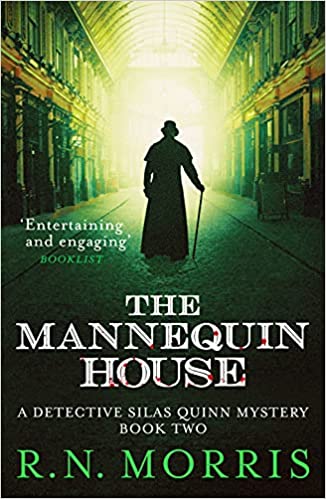
THE MANNEQUIN HOUSE . . . Between the covers

Mannequin header

I do love the mysterious world of Detective Inspector Silas Quinn, RN Morris’s rather distinctive London copper from the 1900s. For reviews of earlier novels Summon Up The Blood, The White Feather Killer and The Music Box Enigma click the links. I say “earlier”, but it’s not that simple, as the Silas Quinn books are being reissued by a new publisher, having coming out a few years ago, but since the events they describe are all from a very narrow time frame, the actual chronology doesn’t matter too much.

MannequinQuinn and his sergeants – Inchball and Macadam – are The Special Crimes Department of the Metropolitan Police. This department has a passing resemblance to Christopher Fowler’s Peculiar Crimes Unit (Rest In Peace) insofar as the unit has been constructed around the unique talents of its lead investigator. Like Arthur Bryant, Silas Quinn has strange gifts, and is just as likely to exasperate his superior officers as win their praise, but he is a bloody good copper.

It is March 1914, and most of the citizens of London go about their bustling business oblivious to the gathering storm which would break over their heads in just a few months. Blackley’s Emporium is one of the most successful department stores in the city. You can buy anything and everything that is made, mined or grown on God’s earth, and you may even be greeted by the beaming proprietor himself as you walk through the doors. You can even – should you be minded to take a break from spending money – visit the in-house menagerie which is full of weird and exotic creatures.

One of Benjamin Blackley’s most profitable departments is his haute couture fashion house, where (plus ça change) slender young women wearing must-have gowns and fripperies parade in front of not-so-slender older women. Blackley ‘keeps’ – and I use the word advisedly – his slips of things in a suburban house, presided over by a formidable matron. When the most beautiful of these mannequins – Amélie – doesn’t turn up for work, and her room is found locked from the inside, the police are called. Two things happen when the door is eventually opened. First, an enraged Macaque monkey runs screaming from the room and, second, Amélie has a very good excuse for missing work, as she is dead on her bed, strangled with a silk scarf.The subsequent post-mortem examination reveals that the girl may have been raped, and also that she has maintained her desirability as a fashion model by disastrous self-abuse of her body. 

Morris takes the classic ‘locked room’ trope and has his wicked way with it. There is some knockabout comedy in this book, particularly with Quinn’s wildly contrasting underlings Inchball and Macadam, but there is a vein of darker material running through the narrative. Quinn may be a clever copper, but he is also psychologically damaged from a traumatic childhood. The uneasy personal dynamics between fellow lodgers at the house where Quinn sleeps are a signal that the detective is not at ease with other people. It has to be said, that later (already available) Silas Quinn novels shine a revealing light on this situation. There is great fun to be had within the pages of The Mannequin House, but we are never far away from the evil that men (and women) do, and you must be prepared for a rather shocking and violent end to the story.

As ever, Roger Morris gives us a delicious mystery, a totally authentic background and an absorbing book into which we can escape for a few precious hours. The Mannequin House was first published in 2013, but this new paperback edition from Canelo is out now.

Blackleys

WOLF AT THE DOOR . . . Between the covers

BRADECOTE

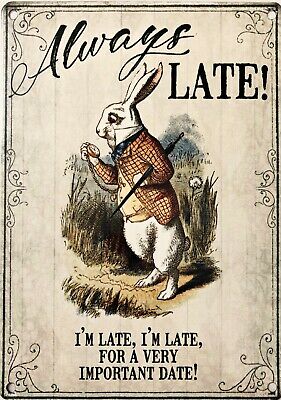
s-l400Rather like Charles Lutwidge Dodgson’s White Rabbit, I am always late. Late, that is, to many excellent crime fiction series that have been on the go for some years. I often come to them a few books in and, having enjoyed what I have read, try to solve the dilemma, which is this. Do I abandon everything else on the TBR pile to read the earlier books, or do I shrug my shoulders and convince myself that the books will always be there, and that I will get round to them “at some point”? Don’t get me wrong, I’m not complaining about being a book reviewer. Publishers send me free books on the understanding that I will read them and that my reviews will help to sell the novels. That’s all good, but one gets locked in to a reading timetable that can be very unforgiving, particularly when blog tours are involved. Reading for pure pleasure and relaxation has to take a back seat, I’m afraid.

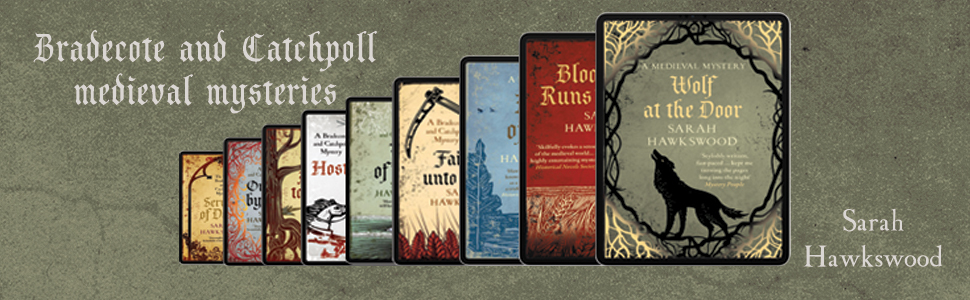
That long digression is a background to this review of the latest Bradecote and Catchpoll novel by Sarah Hawkswood. I read – and loved – two of the series, River of Sins and Blood Runs Thicker, and you can read my reviews by clicking the links. Now, the ninth in the series, Wolf At The Door, is with us, and it is every bit as good as the other two have read..

51oDlX1mapS.SX316.SY480._SL500_

For people who are even later arrivals to the party than I, we are in 12th century Worcestershire. Hugh Bradecote is the Under Sheriff of the county, and is of noble birth with a degree of hauteur, while Sergeant Catchpoll is Worcester through-and-through, rough and ready, but very street-wise. Walkelin – the apprentice – is something of a ‘gofer’, but is bright, perceptive, and not afraid to speak his mind. This story begins with the discovery of a man who has met a violent death. His face has been removed and his throat has been ripped out. Extensive damage to his limbs suggests an assault by a violent animal. A wolf, perhaps? But even in the Royal hunting Forest of Feckenham1, wolves have not been seen for many a year.

Hugh Bradecote is on what we could call paternity leave. He is particularly anxious about his heavily pregnant second wife, as his first wife died in childbirth. With some villagers of Feckenham convinced that Durand Wuduweard 2 was savaged by a wolf, and the more credulous of them even believing that the killing was the work of a werewolf, Bradecote has to return to duty.

We are some half way into the book before the officers have any concept of who – and what – is responsible for the death of Durand. More corpses and a savage attack on a landowner prompt an even greater sense of urgency to the quest, but then Bradecote, Catchpoll, Walkelin and their boss De Beachamp finally realise that the motive for the crimes is one of the oldest and deadliest – revenge, bitterly fermented and long standing.

One of the qualities of a natural and gifted storyteller is the ability to provide atmosphere. Sarah Hawkswood recreates a cold and grey Worcestershire at the onset of November. Many of the poorer folk will struggle to survive the next four months and will succumb to cold, hunger, disease – or a mixture of all three. The wolves may have mostly disappeared, but the forest is a dark and unforgiving place for the people who have hacked out space within it for their precarious lives. The grimly authentic setting aside, this is a bloody good detective story from one of our finest writers. Wolf at the Door is published by Allison & Busby and is out on 19th August.

  1. Feckenham Forest was a royal forest, centred on the village of Feckenham, covering large parts of Worcestershire and west Warwickshire. It was not entirely wooded, nor entirely the property of the King. Rather, the King had legal rights over game, wood and grazing within the forest, and special courts imposed harsh penalties when these rights were violated.
  2. A Wuduweard (old English) was the warden of a forest. It is probably the origin of the surname Woodward.

bf9d1108-c997-4fe8-862c-3d05467cea81.__CR0,0,970,300_PT0_SX970_V1___

GUILT . . .Between the covers

Guilt Header

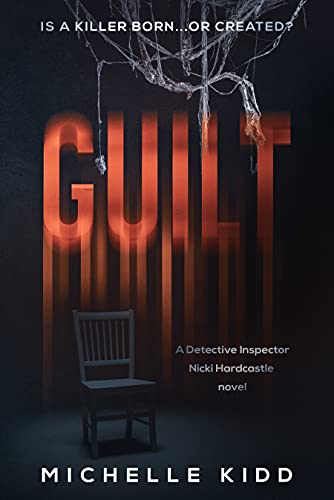
Michelle Kidd is a new name to me, and the central character in this novel – DI Nikki Hardcastle – will be a new name to everyone, as Guilt is the first in a series. The author practiced law for 10 years, specialising in criminal and civil litigation. A career change in 2008 took her to work for the NHS where she still works today. Michelle’s Interests are varied but are mostly reading, wine and cats – but not necessarily in that order. She is no novice author, however. In 2018 she published her first novel, which featured Detective Inspector Jack MacIntosh. There have been three subsequent Jack Macintosh novels and the fifth is expected in 2022.

GuiltNikki Hardcastle is a detective in the pleasant Suffolk town of Bury St Edmunds, but being, as the tourist board suggests, “A Jewel in the Crown of Suffolk” is no deterrent to criminals of all kinds, and the particular one at the centre of this story is perhaps the worst sort of all – an abductor of children. My four sons are all grown up now, and they have children of their own, but no matter how many times I read accounts (fictional or otherwise) of that awful moment when a parent first realises that their child is missing, it still chills me to the bone.

One minute Sophia Jackson’s little boy Lucas – enjoying his birthday treat at the traveling fair – is there, and the next minute he is gone. The initial panic, the momentary hope that that the child will suddenly appear, and then the numbing, growing dread that someone has taken him – are described with uncomfortable realism. The police become involved, and Nikki Hardcastle heads up the search – against the better judgment of her boss. His reasons? Nothing to do with Nikki’s competence, but the knowledge that many years ago, she, too, was with her young brother at a funfair, and in the twinkling of an eye was taken while Nikki lingered a little too long at the candy-floss stall. And little Dean – Deano – has never been seen since. Michelle Kidd lets us know quite early where Lucas is and what is happening, and this makes for a tantalising kind of tension as we watch the police go round in circles, while the author explains the traumas – without excusing the deeds – that have shaped the monster who has taken Lucas.

We also learn of the terrible childhood of the abductor, and the awful twists of human cruelty that can make beasts of the psychologically vulnerable. The book also explores the complexity of guilt, and the corrosive effect it can have on families and individuals. Eventually Nikki Hardcastle and her team manage to complete the jigsaw, but the grueling case has one final shock in store for the mentally and physically exhausted detective.

Be warned. This is not a humdrum or cosy (in any shape or form) police procedural. There are descriptions of cruelty and malice which some readers may find difficult. This is however, a cleverly written – and sometimes painfully convincing –  crime novel which shines a light on the darker corners of the human psyche. Guilt is published by Question Mark Press and is available now as a Kindle or in paperback. If you want to find out more about Michelle Kidd, you can visit her website by clicking on her image below.

MK

THE NAMELESS ONES . . . Between the covers

nameless045

Fans of the series can skip this paragraph. Charlie Parker is private eye based in Portland, Maine. His life has been shaped by the savage murder of his wife and daughter some years earlier, and he is – literally – haunted by the spirit of the dead daughter Jennifer. His cases frequently involve contact with people who are not actually spirits but although they have human shape, they are not entirely of this world. Long standing members of the dramatis personnae of the novels include Louis – an African American assassin, very loyal to Parker, and his personal and professional partner Angel, a skillful thief and locksmith who is recovering slowly from cancer. For more on Charlie Parker, click this link.

nameless046Parker takes something of a back seat in this novel (which is the 20th in a magnificent series) as Louis & Angel take centre stage. The first backdrop to this stage is Amsterdam, where a criminal ‘fixer’ called De Jaager goes to an address he uses as a safe house to meet three of his colleagues. He finds one of them, a man called Paulus, shot dead, while the two women, Anouk and Liesl, have been tied up. In control of the house are two Serbian gangsters, Radovan and Spiridon Vuksan. They have come to avenge the death – in which De Jaager was complicit – of one of their acquaintances, who was nicknamed Timmerman (Timber Man) for his love of crucifying his victims on wooden beams. What follows is not for the faint of heart, but sets up a terrific revenge plot.

At this point it is essential to replay what author John Connolly tells us about modern Serbia. Those with a strong stomach can find plenty on the internet and in books about the atrocities committed by Serbians against Bosnian Muslims – and others – in the brutal wars which erupted after the death of President Tito, the communist strongman who had kept the historical enemies – Croatia, Bosnia, Kosovo, Montenegro, Serbia and Macedonia – from each others’ throats between 1945 and 1980. Connolly paints a picture of a state where, despite former leaders like Milošević, Karadžić and Mladić being brought to justice by war crimes courts, Serbia is still largely run by career criminals who, while they may wear suits rather than Kevlar vests, are at the centre of a huge web of international crime which ranges from human trafficking to the drug trade.

I am guessing that John Connolly might not be on the top table of any future festival of crime fiction in Belgrade, but no matter – we have a seriously good story on our hands. Louis, for a variety of reasons, owes De Jaager, and when news reaches him of the Dutchman’s death he prepares to fly to Europe with the physically fragile Angel, but he is also aware that key USA figures inside The White House and the CIA would not be too dismayed were the Vuksan brothers to come to a sticky end.

With Parker otherwise engaged back in Maine, the supernatural element is largely absent here, as Louis and Angel don’t operate on the same psychic wavelength as their buddy. Largely absent, but not totally. Spiridon Vuksan has a murderous little friend called Zorya. She looks, at first glance, like a little girl, but on closer inspection she is a woman, and not a young one. She reminded me of the malevolent red-hooded little figure in Don’t Look Now – and we all know how that ended. Zorya is, as far as her human form goes, one of the Vlachs people, an ethnic group from the southern Balkans. She is also a strigoi.  in Romanian mythology they are troubled spirits that are said to have risen from the grave. They are attributed with the abilities to transform into an animal, become invisible, and to gain vitality from the blood of their victims. Her fate is not in the hands of Louis and Angel, however, but governed by the spirit of Jennifer Parker who, once a victim, is now distinctly menacing.

John Connolly is an inspired storyteller, and if this novel doesn’t play merry hell with your heartbeat, then you may need medical attention. The Nameless Ones is published by Hodder & Stoughton and is out now.

LONDON BRIDGE IS FALLING DOWN . . . Between the covers

LBIFD header041

If you are new to the Bryant & May series, then I could be rude and say, “You’re a bit bloody late!” More charitably, I could direct you to some of my earlier reviews of books in this magnificent sequence. Take a look here.

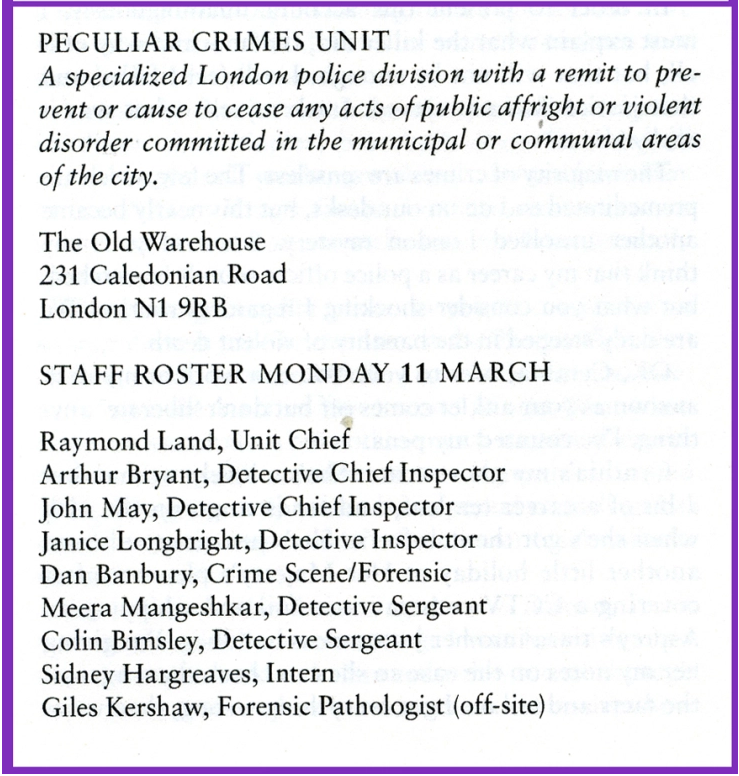
After many false twilights and surviving more execution attempts that John ‘Babbacombe’ Lee, it looks as though the Peculiar Crimes Unit has finally succumbed to the bureaucrats who have been plotting its demise for decades. The vandals have moved in and pulled out all the computer terminals, cut off the electric, and the ineffectual and (rightly) much mocked nominal supremo of the PCU – Raymond Land –  has given his valedictory address to the staff (rostered below)

Screen Shot 2021-07-21 at 19.18.41

But fate – in the shape of a deceased old lady – has one last trick to play. When Amelia Hoffman is found dead in her flat, the regular police are happy to file the death in the file marked “Elderly Widows, No Family, Neglected By Social Services, Death Of.” But all is not what it seems. Arthur Bryant finds that the dead woman was one of three women who, having worked at Bletchley Park, were then absorbed into the post war British intelligence service. Arthur grabs at this straw with grateful hands, declares it ‘specialized’ enough to warrant the attention of the PCU, and launches a murder investigation.

Unusually for a Bryant & May investigation, there is an international element, courtesy of a frightful chap called Larry Cranston. He holds a British passport, but is in the employ of the CIA and various dark branches of the American state. When he drunkenly runs down and kills a pedestrian, he looks for diplomatic immunity and it is dangled in front of his nose – but at a price. The price is that he hunts down and ‘neutralises’ three old ladies – one of whom is Mrs Hoffman – who hold the key to exposing a sensitive intelligence operation, code-name ‘London Bridge‘.

Arthur Bryant, to the exasperation of his colleagues, has the habit – when he finds the solution to a problem – of going into a kind of investigative purdah. He refuses to share his thinking or his evidence, mostly on the grounds that John May and the others will neither understand it nor believe it. Such is the case here, and Arthur knows that he is dealing with the kind of historical criminal crossword, the esoteric clues for which only he can explain. By the end of the novel, however, even Arthur realises that he has been played, and nothing about the case is what it seems.

As ever, Christopher Fowler’s writing is exquisite. His deep reverence for – and knowledge of – the dark and lonely pathways trodden by centuries of Londoners is compelling. As usual the dialogue sparkles and the jokes are laugh-out-loud, but there is a sense of endgame here. Arthur, it seems, is wearing his inner Ulysses like a suit of armour:

“Tho’ much is taken, much abides; and tho’
We are not now that strength which in old days
Moved earth and heaven, that which we are, we are;
One equal temper of heroic hearts,
Made weak by time and fate, but strong in will
To strive, to seek, to find, and not to yield.”

As the old joke goes, Pretentious? Moi?” Quoting Tennyson in a crime fiction book review? I make absolutely no apologies. Christopher Fowler has, over the long sequence of Bryant & May novels, shown that he lives under the same roof as many great writers who understood ‘Englishness’. In my mind, he sits down happily with such names as John Betjeman, JB ‘Beachcomber’ Morton, George and Weedon Grossmith and – in terms of London – Peter Ackroyd.

Screen Shot 2021-07-30 at 08.52.10

It was with great dismay that many B&M fans read on the author’s Twitter the other day that this would be the last novel in the series. After all, the two fellows are impossibly old, given all they have witnessed and been through together, so it was not unexpected. Sad times then, but the last few pages of the book are as poignant – and beautifully written – as anything you could ever wish to read. Think Julius Caesar, Act III, Sc2, line 148. And yes – I did. London Bridge Is Falling Down is published by Doubleday and is out now.

foyles-logo-colour-590Waterstonesamazon_co_uk_logo_640

Blog at WordPress.com.

Up ↑