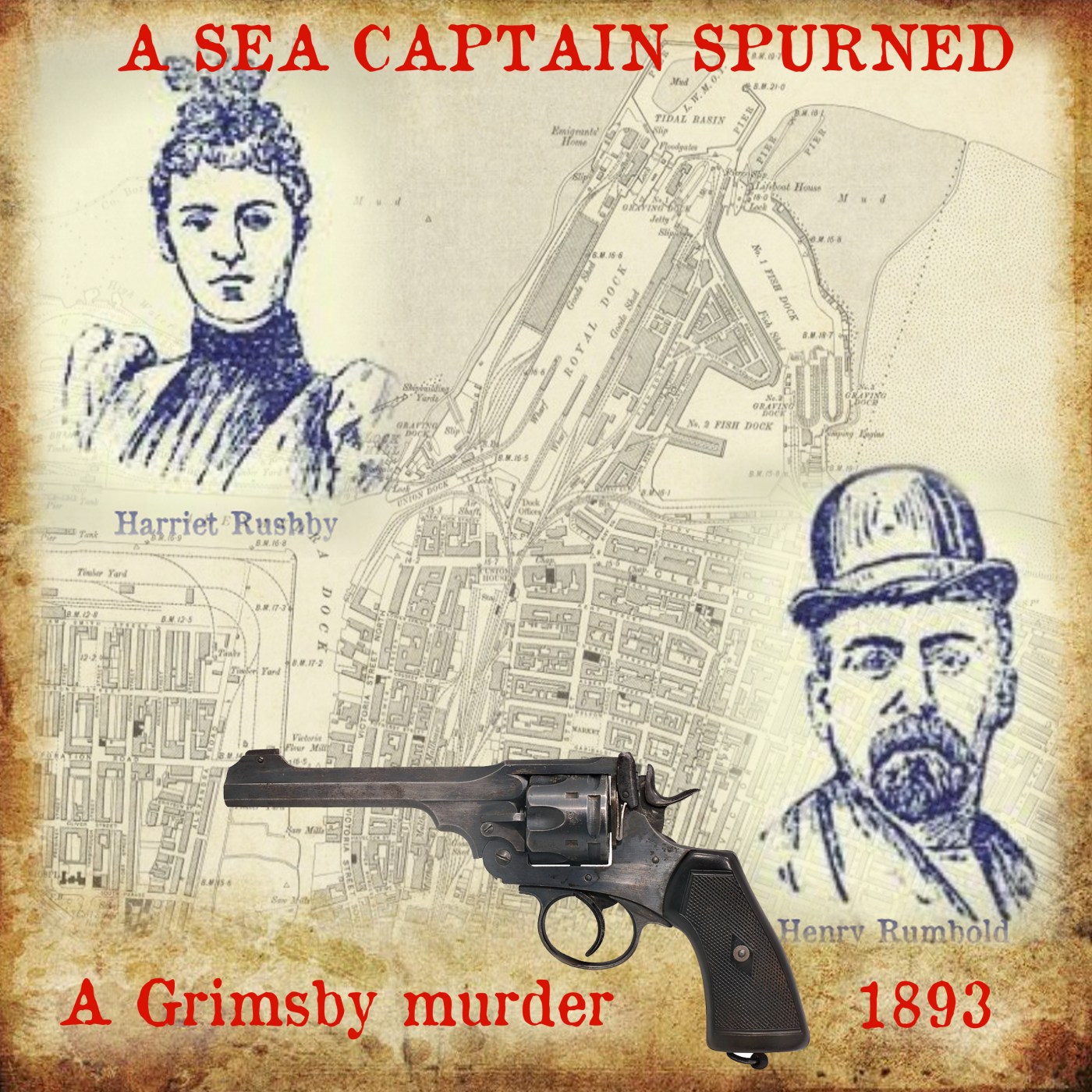

SO FAR – It is November 1893. 39 year-old Grimsby fishing smack captain Henry Rumbell (widely called Rumbold in press reports) has been having an affair with a young Grimsby girl, Harriet Rushby. Rumbell, fearing that Rushby was ‘playing the field’ had arranged for her to stay under the watchful eye of one of her relatives while he and his ship set to sea for a long trip.
Rumbell’s fishing trips normally lasted eight weeks, but Harriet Rushby was clearly playing on his mind, and after just two weeks at sea, he turned Nightingale round and headed back to Grimsby. On reaching port on the afternoon of Tuesday 7th November, Rumbell made straight for the house in Ayscough Street where he had hoped that that Harriet had been staying under the watchful eye of her cousin Charles. The news that he had seen neither hide nor hair of the young woman sent Rumbell into a barely controlled rage. He set off for Victoria Street where he purchased a revolver and a box of cartridges from a gunsmith’s shop.
He visited a woman called Ann Widall in Emmerson’s Terrace, and she told him that Harriet had been seen heading for what the press called The Empire Music Hall. This is another of the mysteries in this story. Where it was, I don’t know, as what became known as the Empire Theatre in Cleethorpes wasn’t built until 1895. Eventually Rumbell caught up with Harriet on the Cleethorpes Road. She was in the company of a woman called Mrs Bowdidge and a man called William Burns, who lodged with her at 124 Tunnard Street. The four of them continued an evening’s drinking, ending up at a long-since-closed pub, The Barrel in Lock Hill. At about eleven o’clock, Rumbell and Rushby went to the house in Tunnard Street, where Rumbell demanded to know what the girl had been doing behind his back. When Bowdidge and Burns arrived at the house a short time after, what they heard was reported in a local newspaper:

From here, the path from Grimsby police station to the gallows at Lincoln Gaol was straight and smooth. This, once again from a contemporary newspaper:
“Rumbold was tried at Lincoln Assizes on Wednesday, November 29th, before Mr. Justice Charles. There was practically no defence, the only efforts of counsel on behalf of the prisoner being directed to obtain a verdict on the less serious charge of manslaughter. The summing up of the judge was distinctly unfavourable to this view of the case. His Lordship said he did not suppose anyone could have any doubt of the sort of life led at the woman Bowdidge’s house, and there it was that the girl took up her abode whilst the prisoner was away at sea, but in point of law nothing took place that would justify them in reducing the criminality of the charge After nine or ten minutes consideration the jury returned a verdict of guilty, and then it was that the prisoner, who had presented a calm demeanour throughout the four hours’ trial, made most extraordinary statement. He expressed his satisfaction with the verdict, and asked his Lordship to grant him, as he was a great smoker, as many cigars and cigarettes as he wished for between then and the day of his death. ” I want to die an English hero,” said the wretched culprit, ” though,” he added, ” I know it is a disgrace to my country and my friends and comrades.”
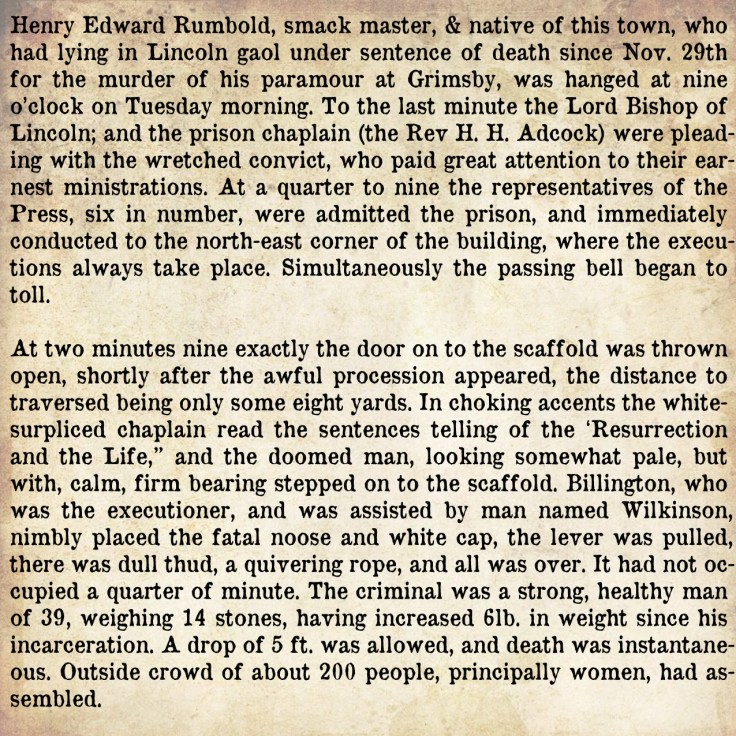
Henry Rumbell’s demise on 19th December 1893 was described graphically in a Grimsby newspaper report:
Tragically, male on female violence, whether fueled by jealous rage or not, shows no sign of abating as we supposedly become more civilised. The list of men who have murdered women is a long one, and includes such infamous names as Dr Crippen, Reginald Christie, John Haigh, Fred West, Harold Shipman, Levi Bellfield and Wayne Couzens. It remains a matter of debate whether the death penalty would have acted as any deterrent in the more recent cases.
FOR OTHER LINCOLNSHIRE MURDERS, FOLLOW THE LINKS BELOW
The strange death of Catherine Gear
 The early life *(see footnote) of Harriet Rushby has been difficult to trace. One newspaper report says that she was 24 in 1893, while another says she was 20. There is a death record for December 1893, where a Harriet Rushby was buried in Caistor, aged 22, and a census record for 1881 which gives us a Harriet Rushby living in Lower Burgess Street with her grandparents, but she is listed as being born in 1874.
 Henry Rumbold proved just as problematic, until I realised that his actual surname was Rumbell, and that his family were well known seafarers from Yarmouth. On the night of Sunday 3rd April 1881 he was listed in the census as being on board the ship Tempus Fugit, moored off the Suffolk Coast. It looks as though he was described as Master, while his younger brother Walter was Mate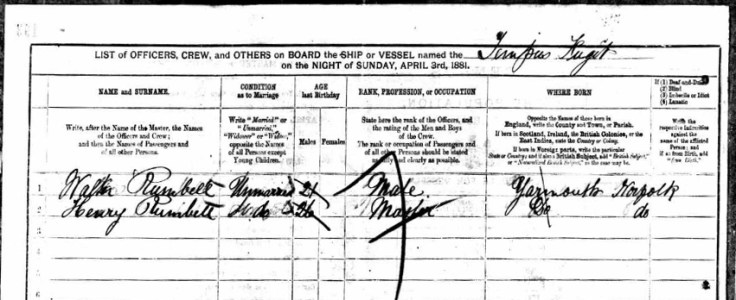
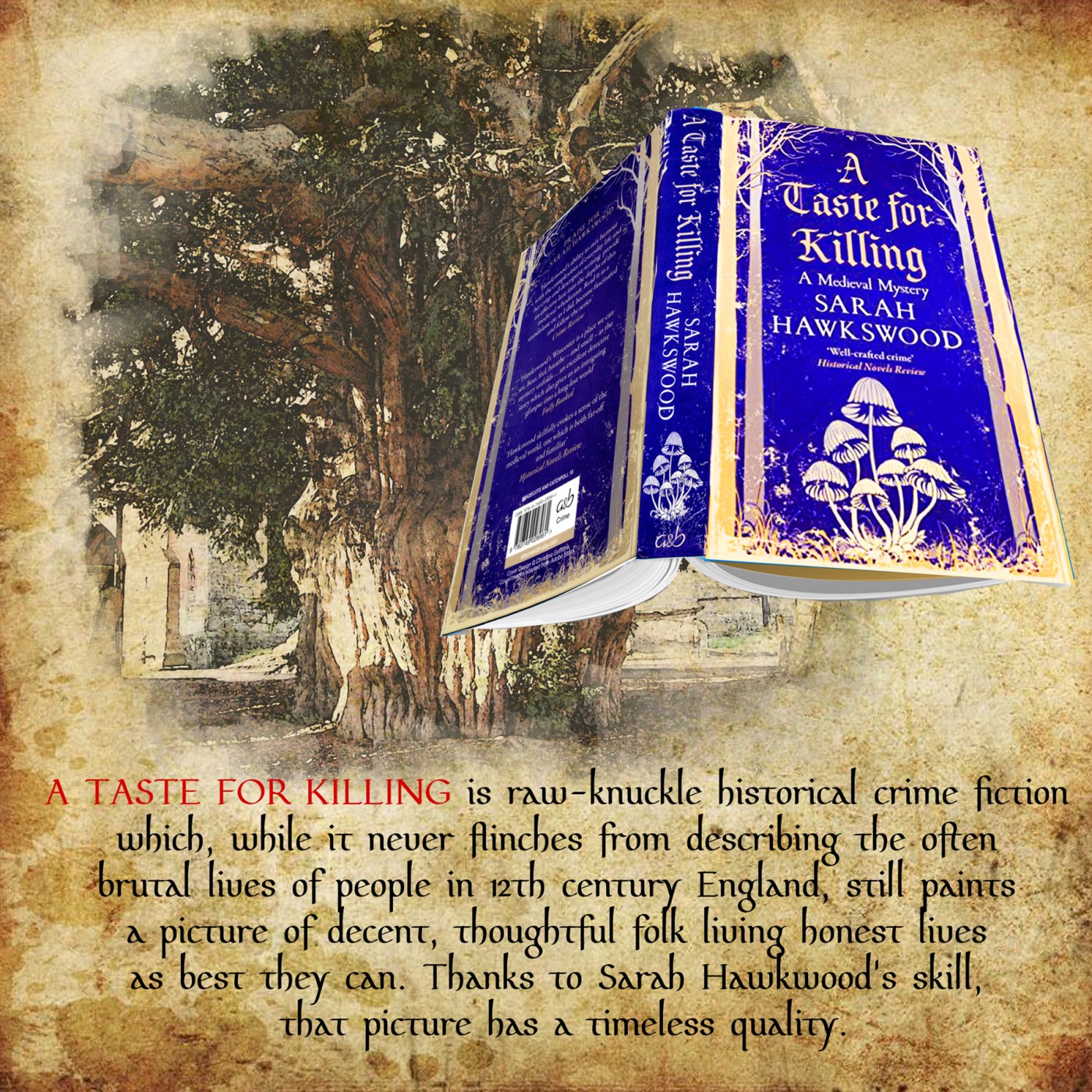

 Those of us who are lucky enough to be sent printed copies of novels for review almost certainly have “keepers” – books which don’t go off to friends, free libraries or charity shops once they are read. Looking across at my shelves, I see books by





 This is a new police procedural from Stuart MacBride (left) and it introduces Detective Sergeant Lucy McVeigh. Her beat is the fictional town of Oldcastle (not to be confused with the actual city of Oldcastle, which lies between Aberdeen and Dundee). Aberdeen, of course, is where DS Logan McRae operated in the hugely successful earlier series from MacBride. Also, DS McVeigh comes across – to me at any rate – as a younger version of McRae’s boss, the foul-mouthed and acerbic DCI Roberta Steel. McVeigh is equally sharp tempered, and similarly indisposed to suffer fools gladly.
 As the search for The Bloodsmith continues, and Lucy McVeigh struggles to keep abreast of that investigation, as well as her battle with the Black family and coping with the mental agonies of Benedict Strachan, MacBride treats us to his signature mixture of Noir, visceral horror and bleak humour. Even though his Oldcastle is a fictional place, it is vividly brought to life to the extent that I would not be in the least surprised if the author has a map of the place hanging on the wall of his writing room. The situation becomes ever more complex for Lucy McVeigh when she learns there is a connection between the murdered former policeman and Benedict Strachan. That connection is a prestigious and exclusive independent school, known colloquially as St Nicks’s. When she visits the school, she unearths more questions than answers.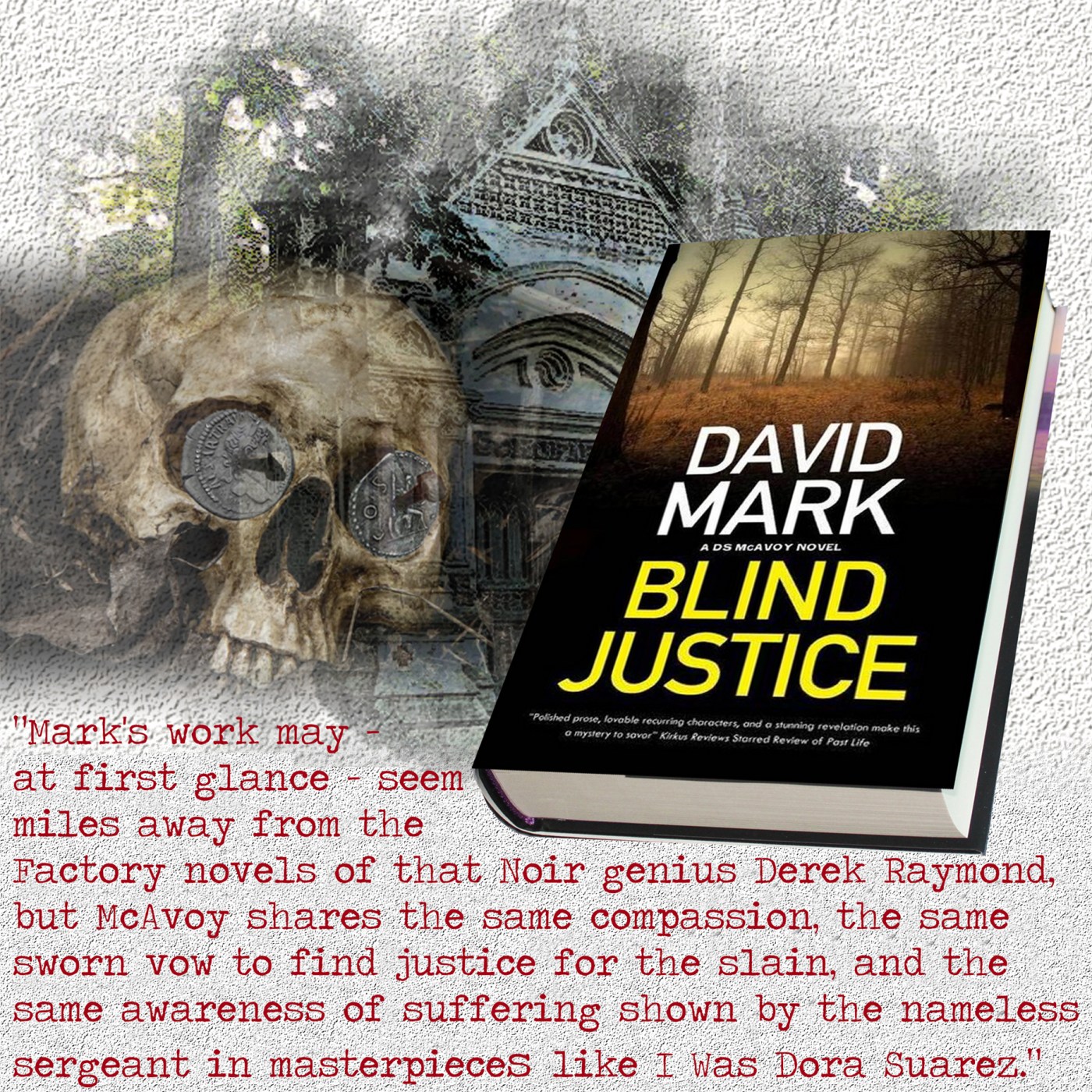
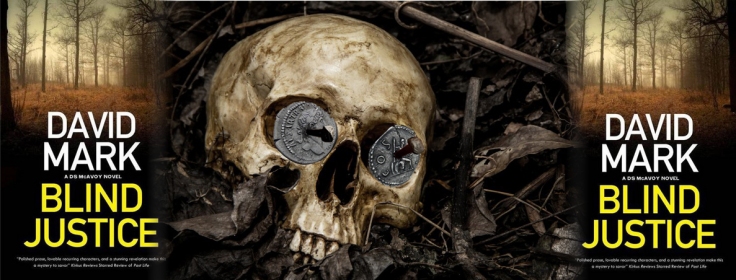
 The book begins with a flashback to an attempt by young men to carry out what seems to be a robbery in an isolated rural property. It ends in horrific violence, matched only by the destructive storm that rages over the heads of the ill-advised and ill-prepared group. Cut to the present day, and another storm has lashed Humberside, bringing down power lines, flooding homes, and uprooting trees. One such tree, an ancient ash, reveals something truly awful – a human body, mostly decayed, entwined within its roots in a macabre embrace.
 David Mark (right) writes with a sometimes frightening intensity as dark events swirl around Aector McAvoy. The big man, gentle and hesitant though he may seem, is, however, like a rock. He is one of the most original creations in a very crowded field of fictional British coppers, and his capacity to bear pain for others – particularly in this episode his son Fin and Trish Pharoah – is movingly described. Mark’s work may – at first glance – seem miles away from the Factory novels of that Noir genius Derek Raymond, but McAvoy shares the same compassion, the same sworn vow to find justice for the slain, and the same awareness of suffering shown by the nameless sergeant in masterpieces like I Was Dora Suarez.


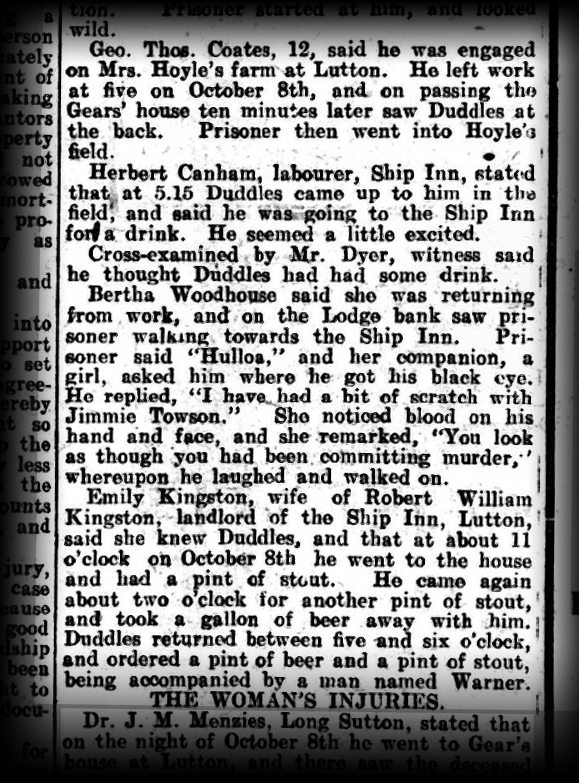
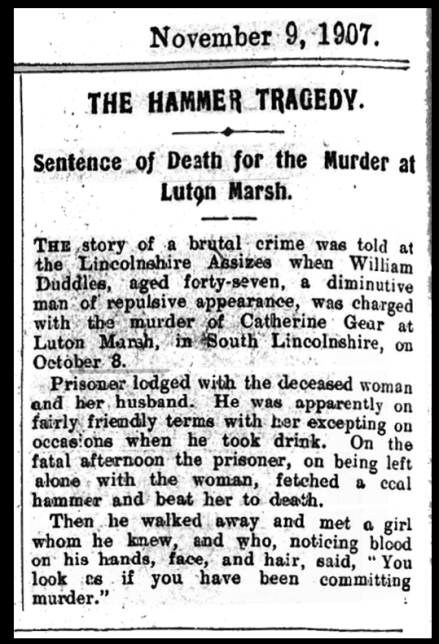 The “diminutive man of repulsive appearance” was found guilty of murder, and sentenced to death by the judge, despite the jury recommending mercy due to the prisoner’s mental state. One of the strange things about this case is that newspapers at the time normally reported verbatim anything said in court, either by the accused or his legal representatives. In this case, I have been able to find absolutely nothing. Defence barristers are known to this day for concocted elaborate excuses when pleading clemency for their clients, but here they either had nothing to say, or it was never reported. The obligatory plea for mercy was sent to the Home Secretary, Herbert Gladstone (son of the great former Prime Minister) but it fell on deaf ears, and William Duddles was executed on 20th November in Lincoln Prison. In charge of proceedings were the Pierrepoint brothers, Henry and Tom – father and uncle to the more celebrated Albert.


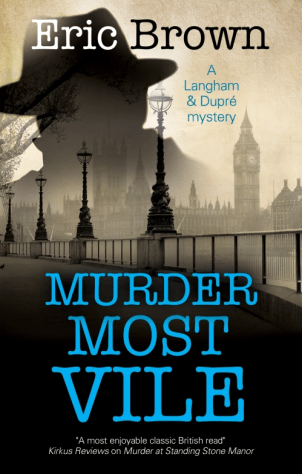 What is happening then, in Murder Most Vile? All too often these days, I am a late arrival at the ball and this is the ninth in a series centred on a pair of investigators in 1950s England. Donald Langham is a London novelist, who runs an investigation agency with business partner Ralph Ryland. Langham’s wife, Maria Dupré, is a literary agent. Here, Langham is engaged by a rather unpleasant and misanthropic – but very rich – old man named Vernon Lombard. Lombard has a daughter and two sons, and the favourite one of the two boys, a feckless artist called Christopher, is missing.