

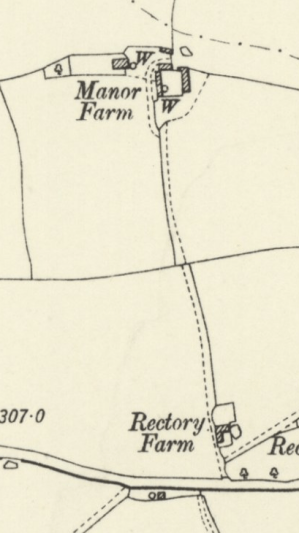
 Manor Farm in Ladbroke dates back, according to the data on British Listed Buildings, to the mid 18th century. For architectural historians, it adds:
Squared coursed lias with quoins and coped gables. Slate roof with brick end stacks. L-shaped plan. 2 storeys plus attic; 3-window range of C20 three-light casements in original openings with stone flat arches to ground floor. C20 door with stone flat arch. 2 gabled dormers. C20 one-storey lean-to to left. Interior: noted as having stop-chamfered spine beams and large open fireplace, refaced C19. C18 central staircase with turned balusters.
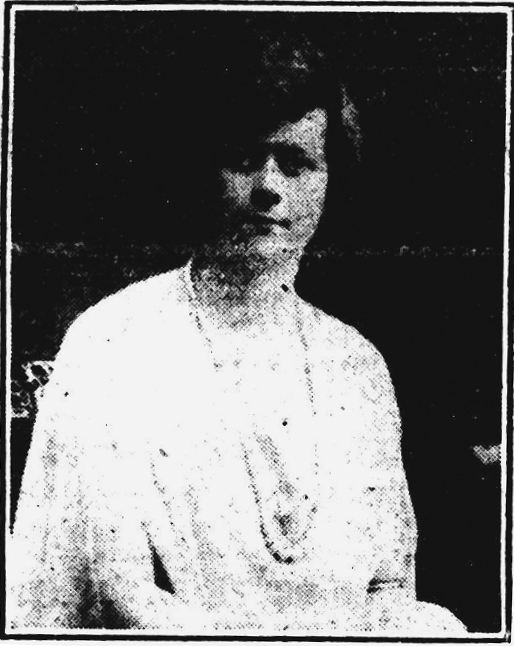
In September 1925, the farm had been bought by Cecil Crabtree and his wife, Milly Illngworth Crabtree, (neé Fawcett). The couple had married in 1923 in Halifax, and had a son, Brian, aged eighteen months and a daughter, Betty, just six months old.
Crabtree was clearly a man with ambitions, and also had farming interests at Burton Farm, Neston, Cheshire. When the family moved down to Ladbroke, a young man called George Sharpes accompanied them as stockman. It appears that Cecil Crabtree had taken on Sharpes in a spirit of benevolence, as the the young man had, for four years, been an inmate of the Farm Training Colony, a reformatory for boys at Newton-le-Willows, and was considered to be “a wrong ‘un”. Sharpes’s parents lived in Crewe, where his father was a railway worker.
A young girl called Kathleen Coleman, aged 10, lived in one of the farm cottages with her mother and father – who worked for Mr Crabtree. Kathleen often helped out in the house, and on the afternoon of 13th January 1926, she made a chilling discovery. She went upstairs to Mrs Crabtree’s room, as one of the babies was crying. She told the inquest:
” I saw George lying on the bed with his throat all bleeding, and he told me to tell daddy to come. I ran and told father, who was in the cowshed.”
Her father, Sibert Pearson Coleman ran to the house, and saw George Sharpes, but was about to make another much more terrible discovery:
“His (George’s) throat was bleeding. I asked him what was the matter, and he said —’ Never mind me; go down to the missus. I have killed her.’ I ran down to the sitting-room, and found Mrs Crabtree lying dead in a pool of blood. She was bleeding from wounds in the face and the back of the head. I saw that she was past aid. One of the children was on the settee crying.”

Inspector Cresswell, of Southam, was called to Manor Farm (above, as it was at the time) and when he arrived he found Mrs Crabtree lying on the floor of the sitting room, face downwards. There was a large quantity of blood near the head, and marks of blood on bureau, and also on the wall about five feet up. He found a hammer lying on the sofa, with blood and hair adhering to it. Seeing there was nothing he could do for Mrs Crabtree, the inspector returned to Sharpes, who was lying on the bed in Mrs Crabtree’s bedroom with a wound in his throat. There was a bloodstained shoemaker’s knife on the bed beside him. The wound was slight. There was towel and a suit of pyjamas wound round his head.
On seeing the Inspector, Sharpes muttered,“Let me die! Leave me alone, and let me die!”
The inspector called for a car and Sharpes was removed to the hospital in Leamington Spa, where he was detained. Cresswell said later that it seemed Mrs Crabtree’s skull was crushed in on the left side above and below the left ear.and probably done with one blow.
Cecil Crabtree was contacted and returned as fast as he could, in a state of understandable shock. There was little doubt who was responsible for his wife’s murder, and once the inquest had been comcluded, she was buried in Ladbroke churchyard on a snowy winter afternoon. The report in The Rugby Advertiser of Friday 22nd January was heartfelt:
IN PART TWO – Trial, motive – and justice
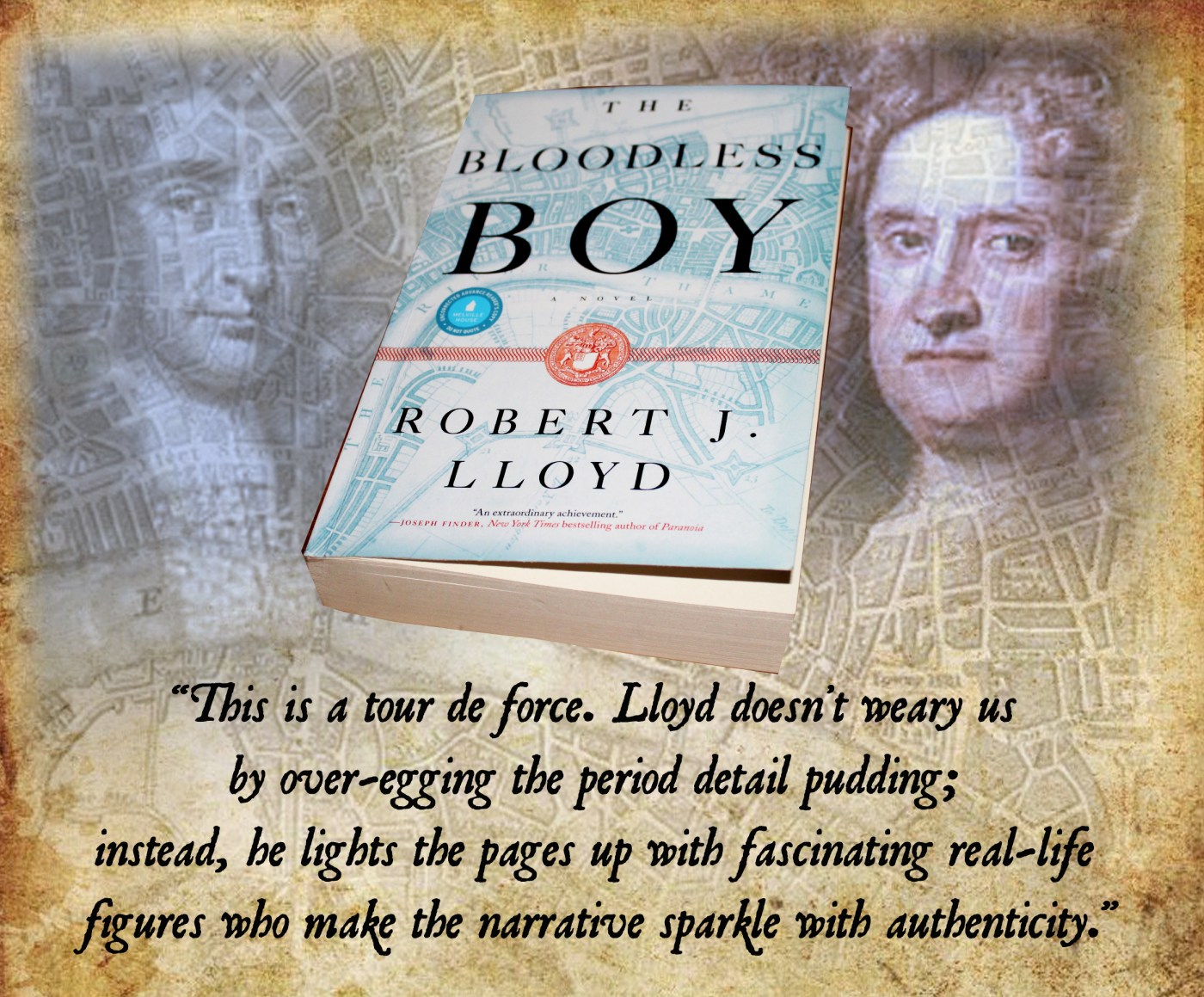

 Thus begins a thoroughly intriguing murder mystery, steeped in the religious politics of the time. For over one hundred and fifty years, religion had defined politics. Henry VIII and his daughters had burned their ‘heretics’, and although the strife between Charles I and Parliament was mainly to do with authority and representation, many of Oliver Cromwell’s adherents were strident in their opposition to the ways of worship practiced by the Church if England. Now, Charles II is King. He is reputed to have sired many ‘royal bastards’ but none that could succeed to the throne, and the next in line, his brother James, has converted to Catholicism. In most of modern Britain the schism between Catholics and Protestants is just a memory, but we only have to look across the Irish Sea for evidence of the bitter passions that can still divide society.
 How on earth this superb novel spent many years floating around in the limbo of ‘independent publishing’ is beyond reason. While not quite in the ‘Decca rejects The Beatles‘ class of short sightedness, it is still baffling. The Bloodless Boy has everything – passion, enough gore to satisfy Vlad Drăculea, a sweeping sense of England’s history, a comprehensive understanding of 17th century science and a depiction of an English winter which will have you turning up the thermostat by a couple of notches. The characters – both real and fictional – are so vivid that they could be there in the room with you as you read the book.


 Wiley Cash is at his best when describing the complex social history of his home state, and the ways in which it affects families and relationships, and he is on good form here. Where the book didn’t work so well, for me at least, was in the ending. In literally two and a half pages, everything we thought we knew about what was happening on Oak Island is turned violently on its head. Abrupt? Yes. Enigmatic? Certainly. There’s no rule that says every plot has to end neatly tied up like a parcel with every question answered, and many readers may enjoy the ambiguity at the end of this book. You could say that Cash (right) gives us the dots and leaves it up to us how we join them up. When Ghosts Come Home is published by Faber and Faber, and is

 The team investigating the murder is led by Detective Inspector Isabel Blood, her Sergeant and a brace of DCs. They soon learn that the dead man is Kevin Spriggs, a middle-aged car mechanic, with a failed marriage behind him, an estranged son – and an argumentative temperament often fueled by drink. The murder raises many questions for Blood and her people. How did Spriggs and the person who killed him gain access to a locked house? Who hated Spriggs – admittedly not one of life’s natural charmers – enough to kill him? After all, he was something of a nobody, tolerated rather than loved by most people who knew him, but why this brutal – and mysterious – death?

 Investigating duos are always a reliable way to spin a police novel, and in this case we have Inspector Harvey Marmion and Sergeant Joe Keedy of the Metropolitan Police. Marmion is married to Ellen, with a son and daughter. Son Paul has been mentally damaged by his time on the Western Front, and has now disappeared leaving no clue as to his whereabouts, while daughter Alice – also a service police officer – is engaged to Keedy.
 Edward Marston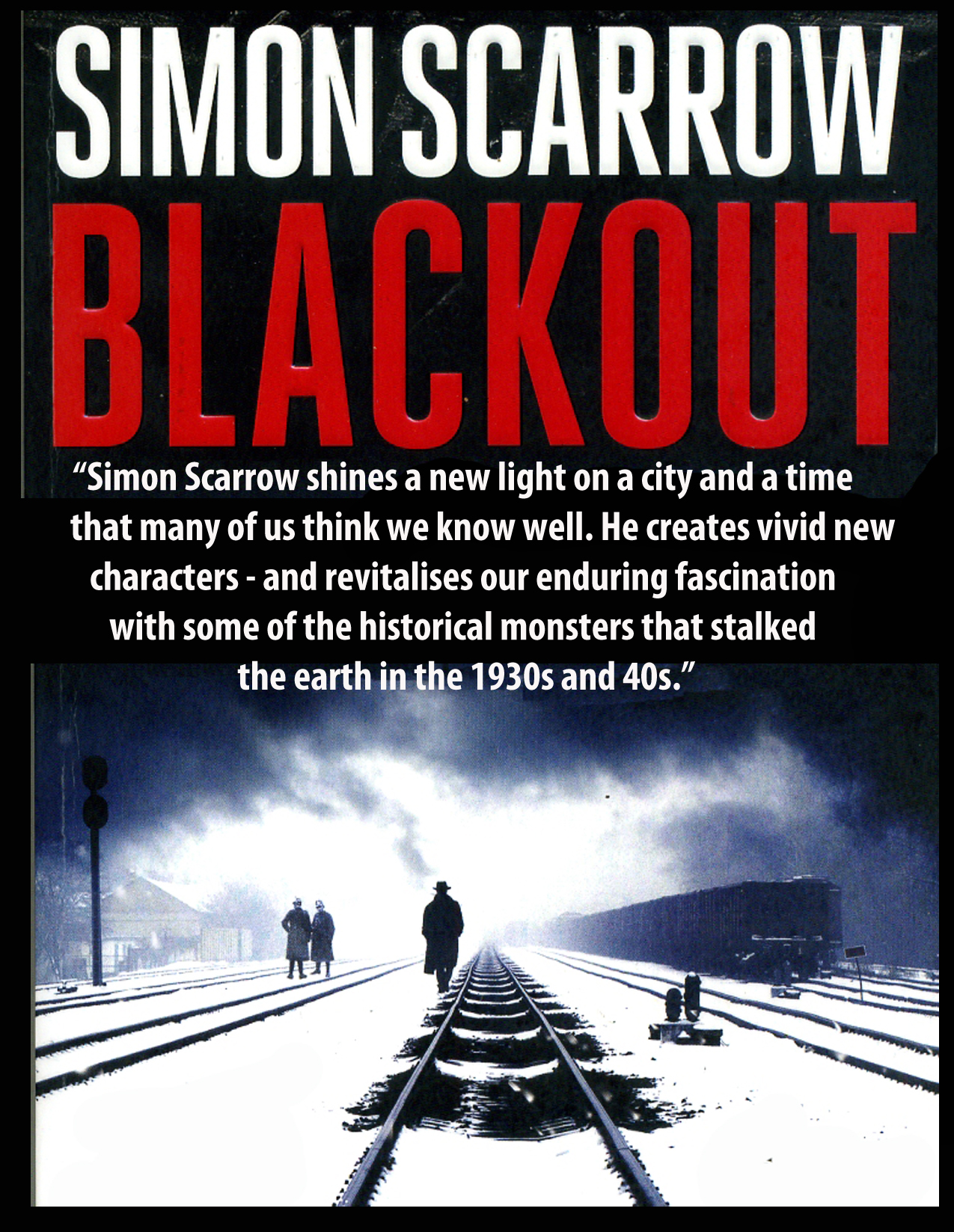

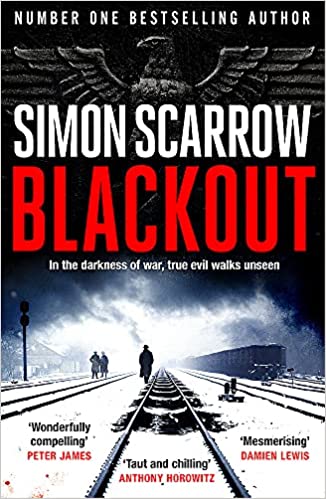 December 1939. Berlin. The snow lies deep and crisp and even, and Kriminalpolizei Inspector Horst Shenke is summoned to the Reich Security Main Office to meet Oberführer Heinrich Müller, a protege of Reinhardt Heydrich and recently appointed head of the Gestapo. Müller has a tricky problem in the shape of a former film star, Gerda Korzeny. Her husband is a lawyer and Nazi Party member who specialises in redrafting potentially awkward pieces of existing legislation in favour of the Party. And now Gerda is dead. Found by a railway track with awful head wounds. She had also been brutally raped. But what does this have to do with Heinrich Müller? His problem is that Gerda Korzeny was known to be having an affair with Oberst Karl Dorner, an officer in the Abwehr, Germany’s military intelligence organisation, and the Gestapo man wants the matter dealt with quickly and discreetly.
 Oberführer Müller, (right) in an attempt to keep tracks on what Schenke is doing, sends a young Gestapo officer called Liebvitz to shadow the Kripo officer, and that allows us to meet a rather unusual fellow. These days, we would probably say he has Asperger’s Syndrome, as he takes everything literally, has no sense of humour and a formidable eye for detail. He is also a crack shot, and this skill serves both Schenke and the department well by the end of the book.


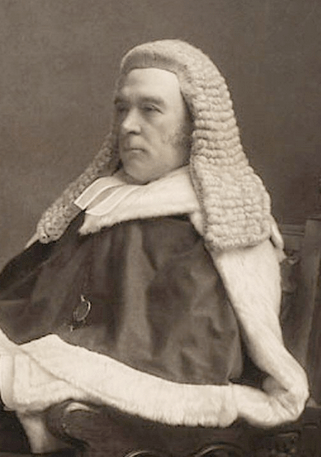
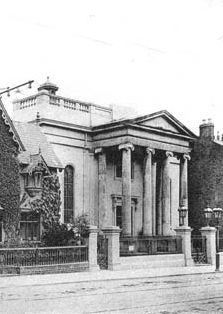
 SO FAR – Thomas and Bessie Lockyer, a young couple originally from Bridport in Dorset, have settled in Leamington Spa, where Thomas is working as a reporter for The Leamington Chronicle. They live in a rented house in Holly Street, and have a six-months old son, Arnold Edward. It is Sunday morning, 1st September 1901. Thomas has gone to sing at the morning service at Spencer Street chapel. Bessie, in a state of extreme distress, has gone to her her next door neighbour, Mrs Wiggins, to tell her that she has harmed her baby. Mrs Wiggins can’t believe that Bessie has hurt Edward, but she goes with Bessie back to No. 17.






 fullybooked2017