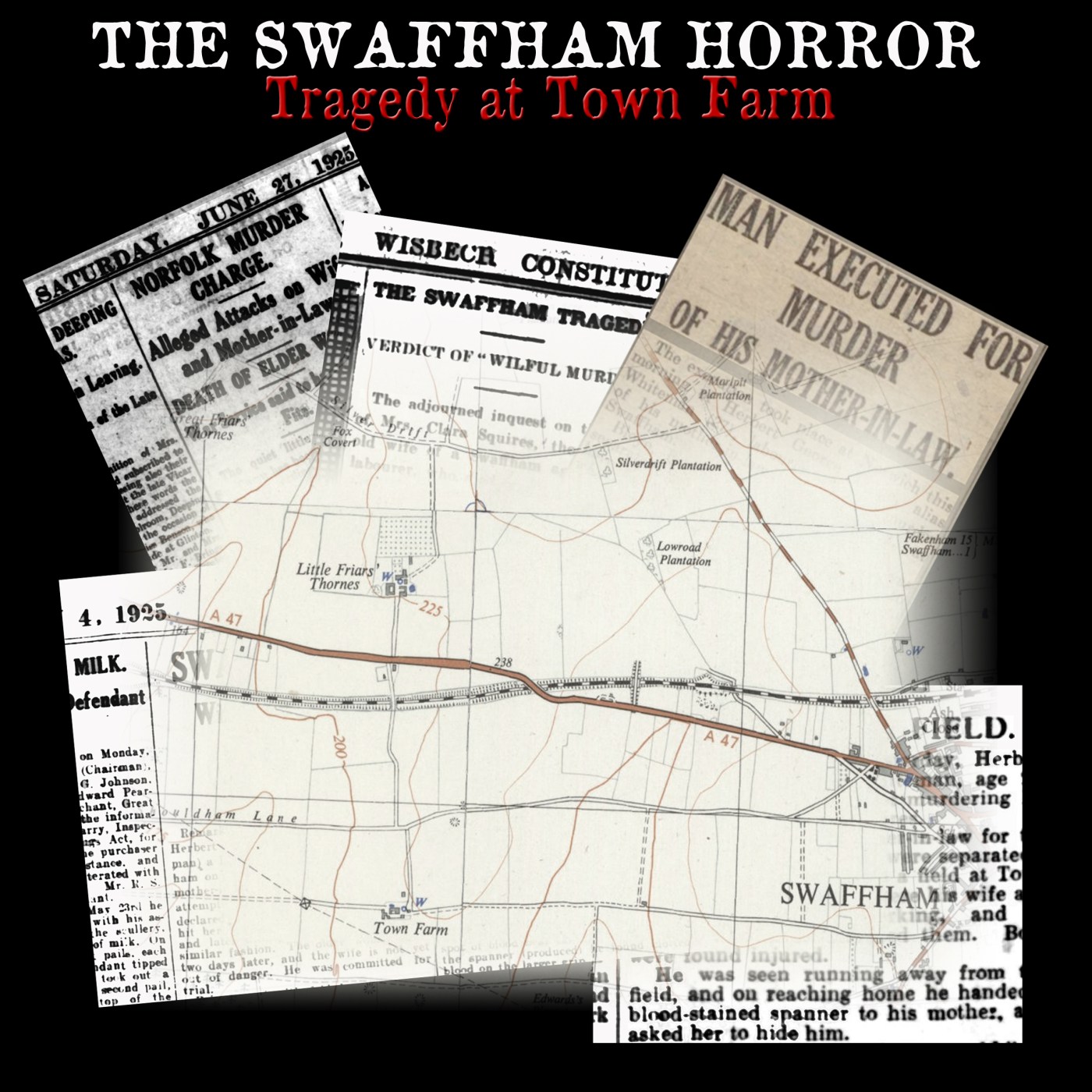
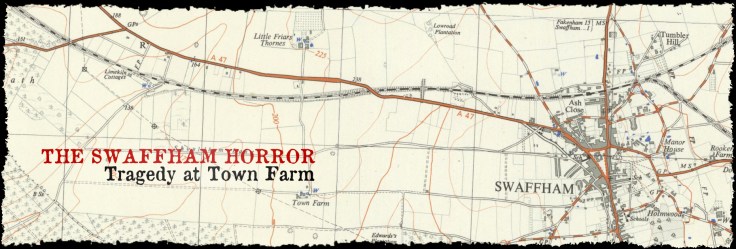
SO FAR: 1925, and Swaffham farm labourer Herbert George Whiteman (now calling himself Bloye) has been sent for trial at Norwich Assizes for the murder of his mother-in-law Clara Squires. In the same attack, he badly wounded his wife Alice, and she has subsequently died of her injuries.
The Assizes opened on Monday 19th October and, as was customary, the dignitaries – in particular the Lord Chief Justice himself, Lord Hewart went to the cathedral, no doubt to pray for wisdom.

There is very little on record about the trial of Herbert George Whiteman, probably because it took up little of the court’s time. Whiteman’s barristers on Tuesday 20th October went down the only route available to them, which was to plead that when he struck the fatal blows back in June, he was temporarily insane. Neither the jury, nor Lord Hewart, were having any of this. Whiteman, under his adopted surname Bloye, was found guilty and sent back to Norwich Gaol in Mousehold Heath to await the ministrations of the hangman. Photographs rarely appeared in local newspapers in those days, but the Daily Mirror provided the only surviving image of Herbert George Whiteman, (even if they didn’t get his name quite right) and I post it alongside the image of the man who sentenced him to death.

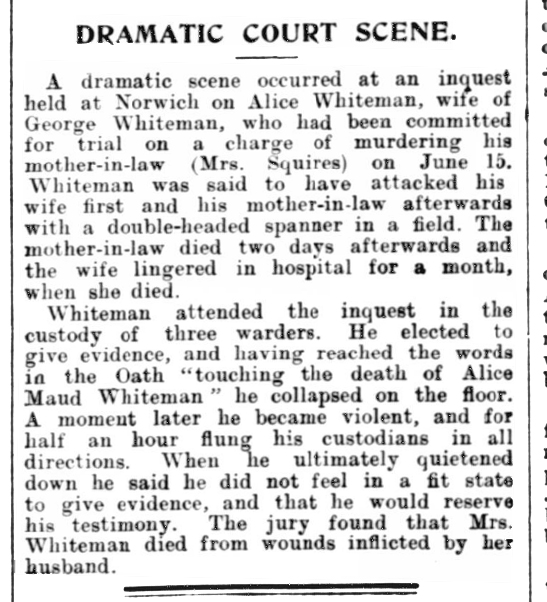
What does deem unsatisfactory, at least in my eyes, is that Whiteman’s murder of his wife was not proceeded with. Perhaps this was so as not to ‘waste the court’s time’. The outcome of the case – as well as the sentence – was never in doubt, but it had the effect of reducing Alice Whiteman to a mere footnote, as shown on this document recording details of criminals.

On Thursday 12th November, Herbert George Whiteman paid the ultimate penalty for his crimes.This is a detailed report from The Lynn News the following day.
“George Bloye, who was recently sentenced to death by the Lord Chief Justice at the Norfolk Assizese, for the murder of his mother-in-law, Clara Squires, was executed at Norwich prison yesterday (Thursday) morning. It will be remembered that the man was charged also with the murder of his wife, who died as the result of injuries inflicted by him on the same day – June 15th – but this indictment was not proceeded with in the Assizes Court. Punctually at o’clock yesterday morning Bloye walked from a cell near the coach-house with the support a warder on either hand, at the bead of the procession being the Rev. T. E. Hoyden, chaplain of the prison, who recited the usual sentences from the Burial Office. The Sheriff for the County (Mr. Walter K Hansen) was present, and there were also present a prison doctor, the prison governor, and two representatives of the Press. Baxter was the executioner and Taylor his assistant.
Bloye, who at the time of his conviction was stated to be 27 years of age, and was described as a labourer. was a sturdily built man of middle height. He walked firmly and with no sign of acute feeling to the chalk mark on the flap-doors of the scaffold. His death was instantaneous. Less than thirty seconds must have elapsed between the time when he first saw the instrument of death and the time of his decease. There was no tremor or other sign of life after the drop had fallen.”
There were more than two victims of Whiteman’s murderous acts on 15th June 1925. His own blood family would be shamed by his infamy for the rest of their lives, while the Squires would have their own grief to deal with. What became of the two youngest players in this grim drama, Herbert RW Whiteman and his sister Evelyn? They were, of course, orphans. It is always easier to trace males in genealogy research, and the 1939 wartime register has Herbert working at Moat Farm, Tutbury, Staffordshire. He died at Haverford West in September 1992. Evelyn is more tricky. We have two Evelyn E Whiteman possibilities; one marrying a Mr Tingley in Eastbourne in 1954, and another marrying a Mr Jeffrey at Tonbridge in 1947. Either is feasible, but let us end with hoping that Evelyn had no memory of that tragic day in a field just outside Swaffham as she lay in her pram.
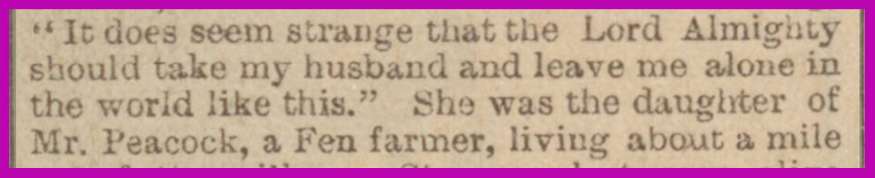
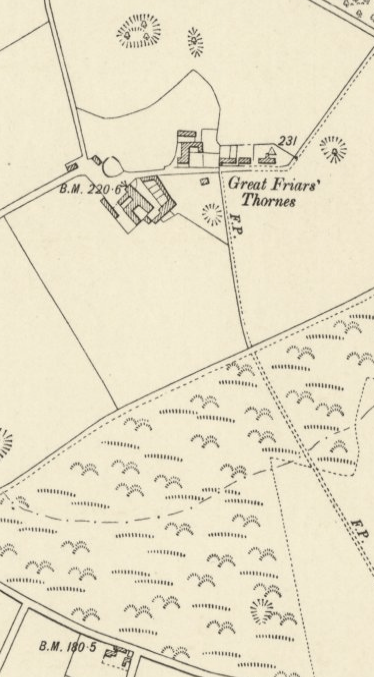 Meanwhile, what of George Whiteman? After the attack on the two women he had headed north across the railway line in the direction of his mother’s cottage near what was known as Great Friars Thornes. Mrs Whiteman was standing in the yard of the farm with another woman, Frances Turner, who later testified:


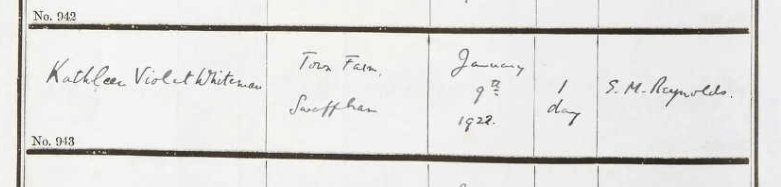
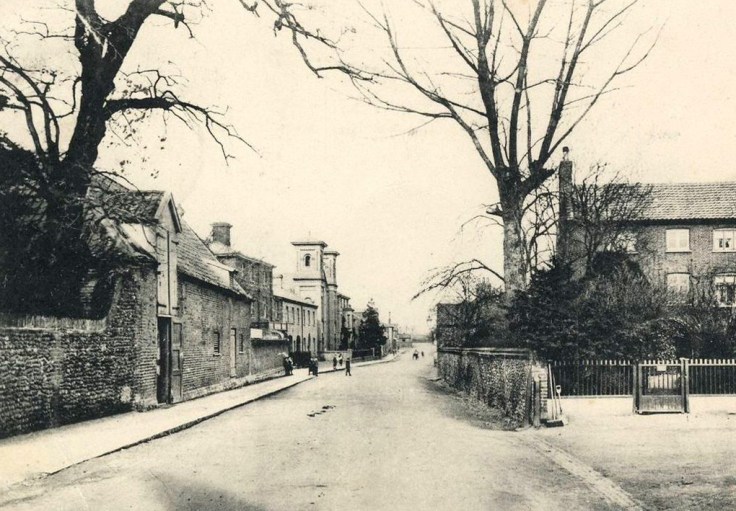
 There is more than one Town Farm near Swaffham, but I am certain that the one central to this story is the farm that sits on Shoemakers Lane. My reasons for this are that immediately after the terrible events of Monday 15th June, George Whiteman is described as making his escape across the railway line in the direction of his mother’s house at Great Thorne. Nothing else makes sense, so I am convinced that this is the correct location. In part two, I will describe the tragic events of that June day, and how justice was done in the case of George Whiteman’s mother in law, if not with regards to his young wife.

 When the cops investigate the house from which the young man ran, they find the second corpse of the morning, with her throat slit. She is – or rather was – Cordi Gannet. She made a decent living producing lifestyle videos for YouTube, full of cod psychology and trite advice about life improvement strategies. Her psychology degree was apparently bought mail-order from an on-line university, and when Alex Delaware gets to the scene with Milo, he remembers that he was once involved in a child custody case where Cordi Gannet was introduced as an expert witness – with disastrous consequences.
 Watching the Delaware-Sturgis partnership work on a case is fascinating. Yes, by my reckoning this is the 37th in the series. No, that’s not a typo. Thirty seven since their debut in When The Bough Breaks (1985). 1985. Blimey. Amongst other ground-breaking events in that year, I read that Playboy stopped stapling its centrefolds, the first episode of Eastenders was broadcast, and Freddie Mercury stole the show at Live Aid. But I digress.

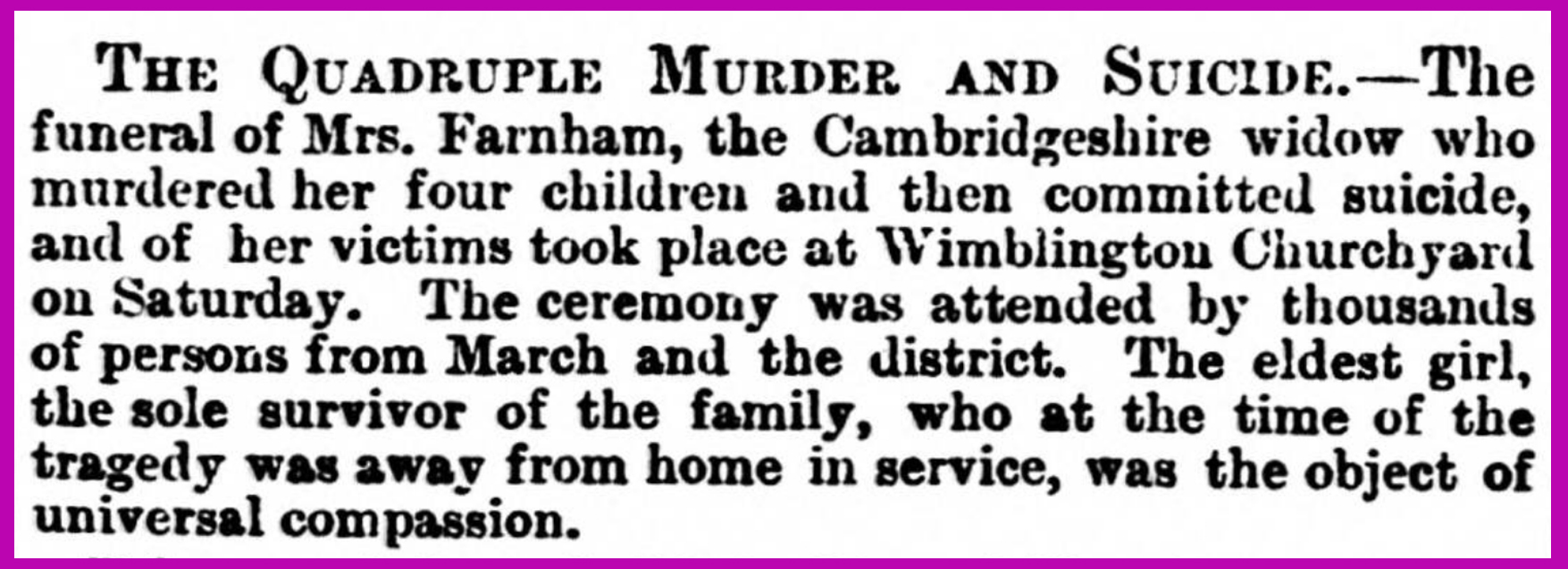


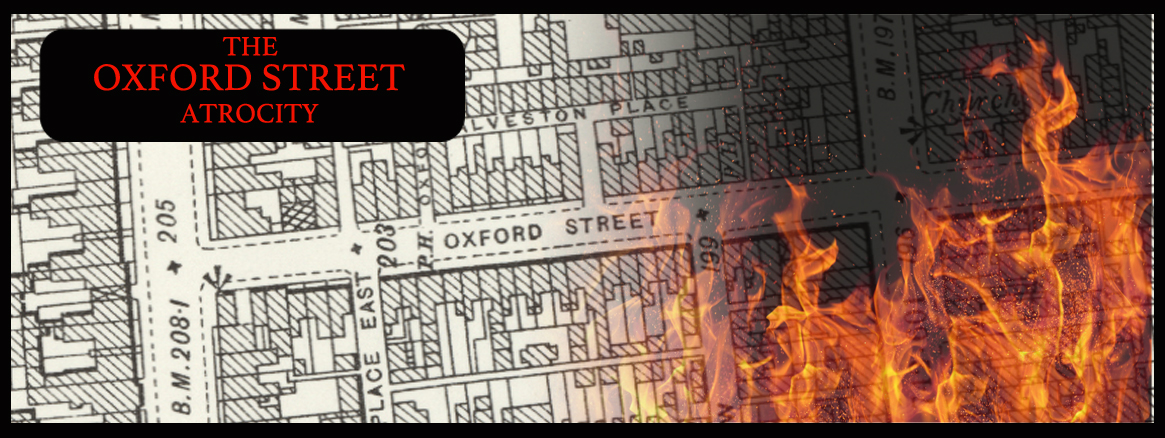

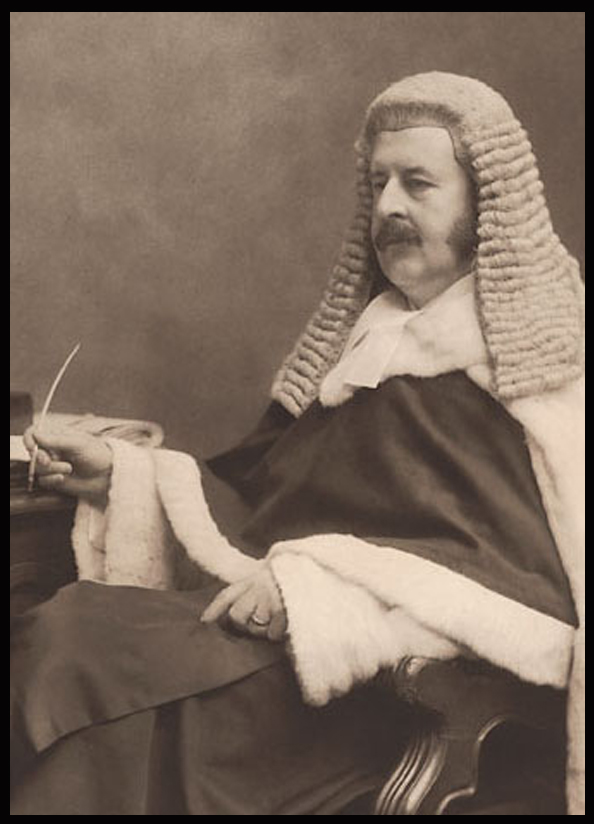
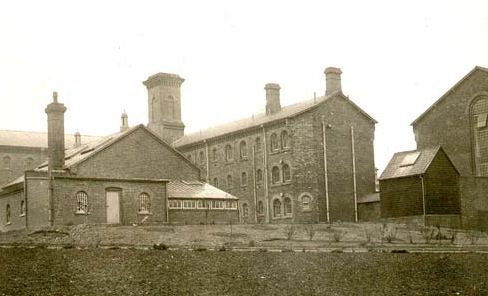
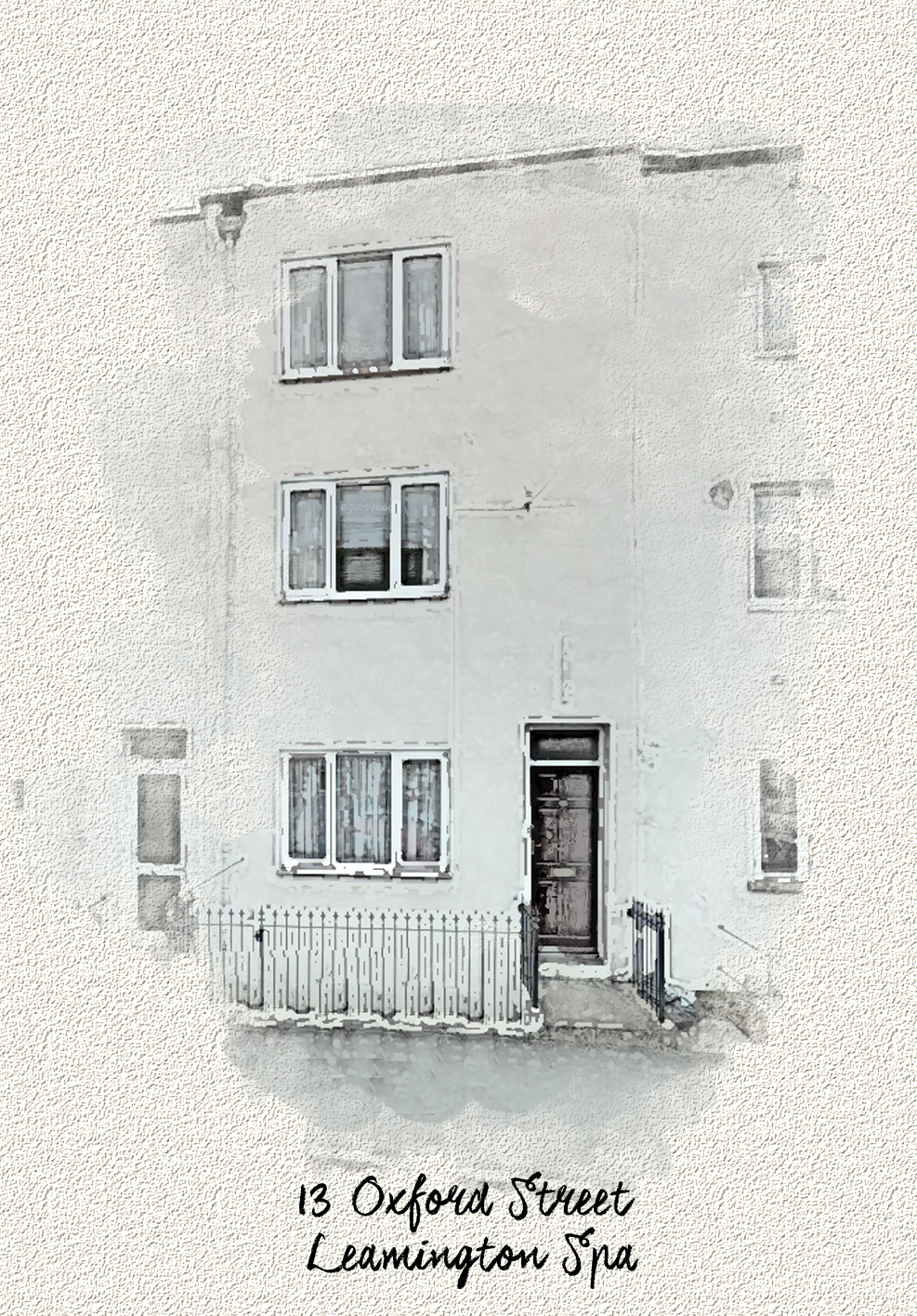 Number 13 Oxford Street is a narrow three-story terraced house used these days, I believe, for student accommodation. It was advertised recently as a six bedroom let, a snip (!) at £3,360 pcm. The Bank of England inflation calculator tells me that in 1891, Edward Moore and his family would have been paying just under £26 a month. He had a large family comprising his wife Fanny Adelaide (36) and children Edwin James Moore (16), Fanny A Moore (14), William A Moore (13), Joseph C Moore (11), Rose Hannah Moore (10), Percy E Moore (8), Leonard J Moore (7) and Ernest F Moore (4).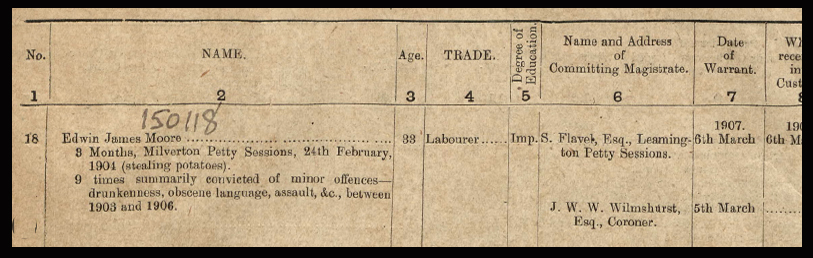


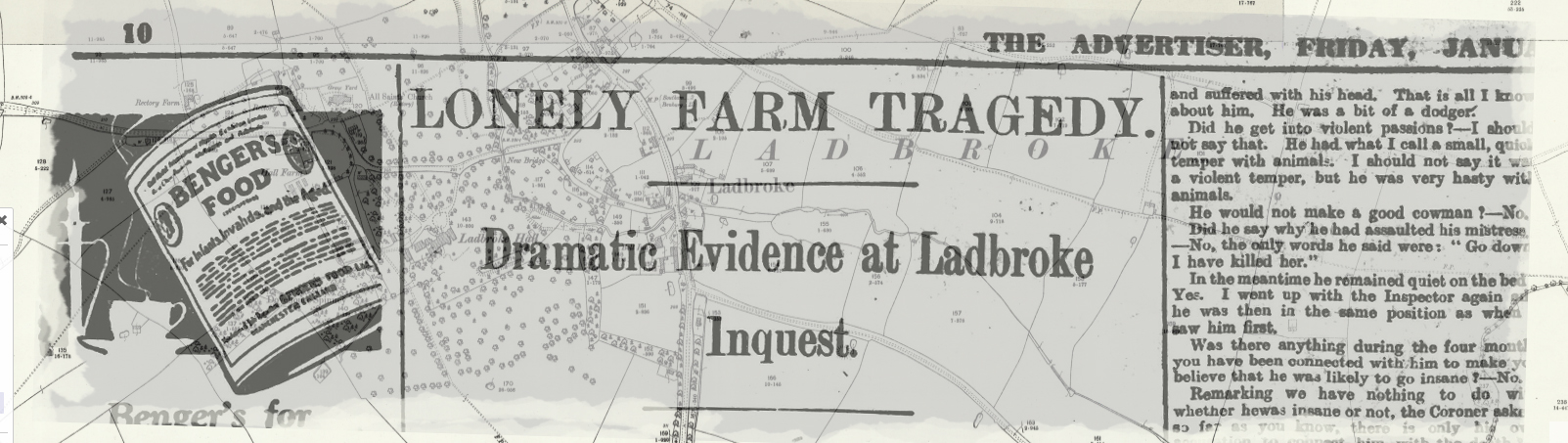
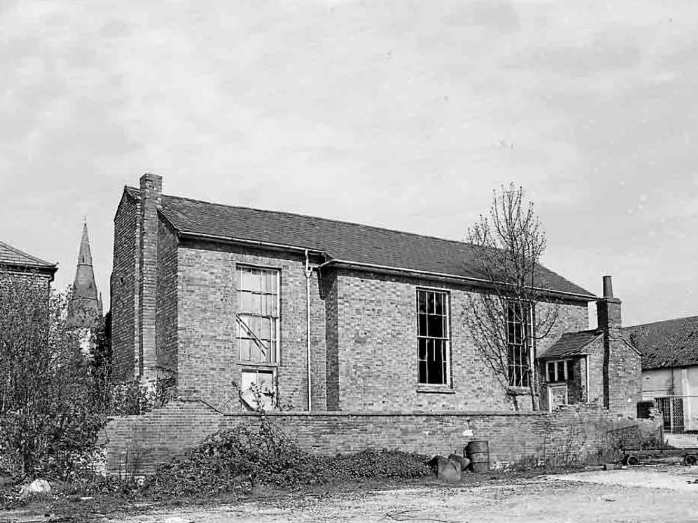
 SO FAR – On January 13th 1926, Milly Crabtree, 25 year-old wife of Cecl Crabtree, is found battered to death at their home, Manor Farm in Ladbroke. 19 year-old George Sharpes is arrested for her murder. As is the way with these, things, the wheels of justice turn very slowly, and it was February before Sharpes came to face magistrates in Southam. The courtroom, normally used as a cinema (pictured above), was packed, and the onlookers were spellbound as a confession from George Sharpes was read to the court.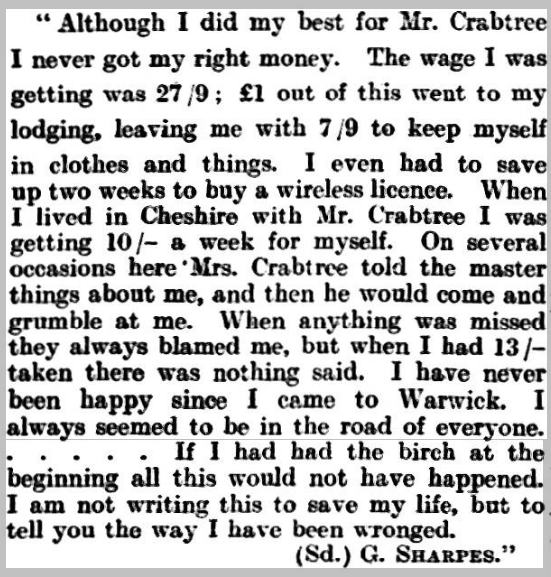
 The magistrates wasted little time in stating that George Sharpes had a serious case to answer, and the case was moved on to be examined at the March Assizes in Warwick. The case was presided over by Mr Justice Shearman. The only possible line for the defence to take was that Sharpes was insane at the time at the time he committed the murder, and Sharpes’s mother was produced to state that her son had suffered an unfortunate childhood. Her pleas fell on deaf ears, however. Rejecting the claims that George Sharpes was insane, the judge donned the black cap and sentenced him to death. The execution was fixed for April and, as was almost always the case, a petition was set up to ask for clemency. The case was taken to appeal, in front of Lord Chief Justice Avory, who was perhaps not the most welcome choice for Sharpes’s defence team. Avory, a notorious “hanging judge”, had been memorably described: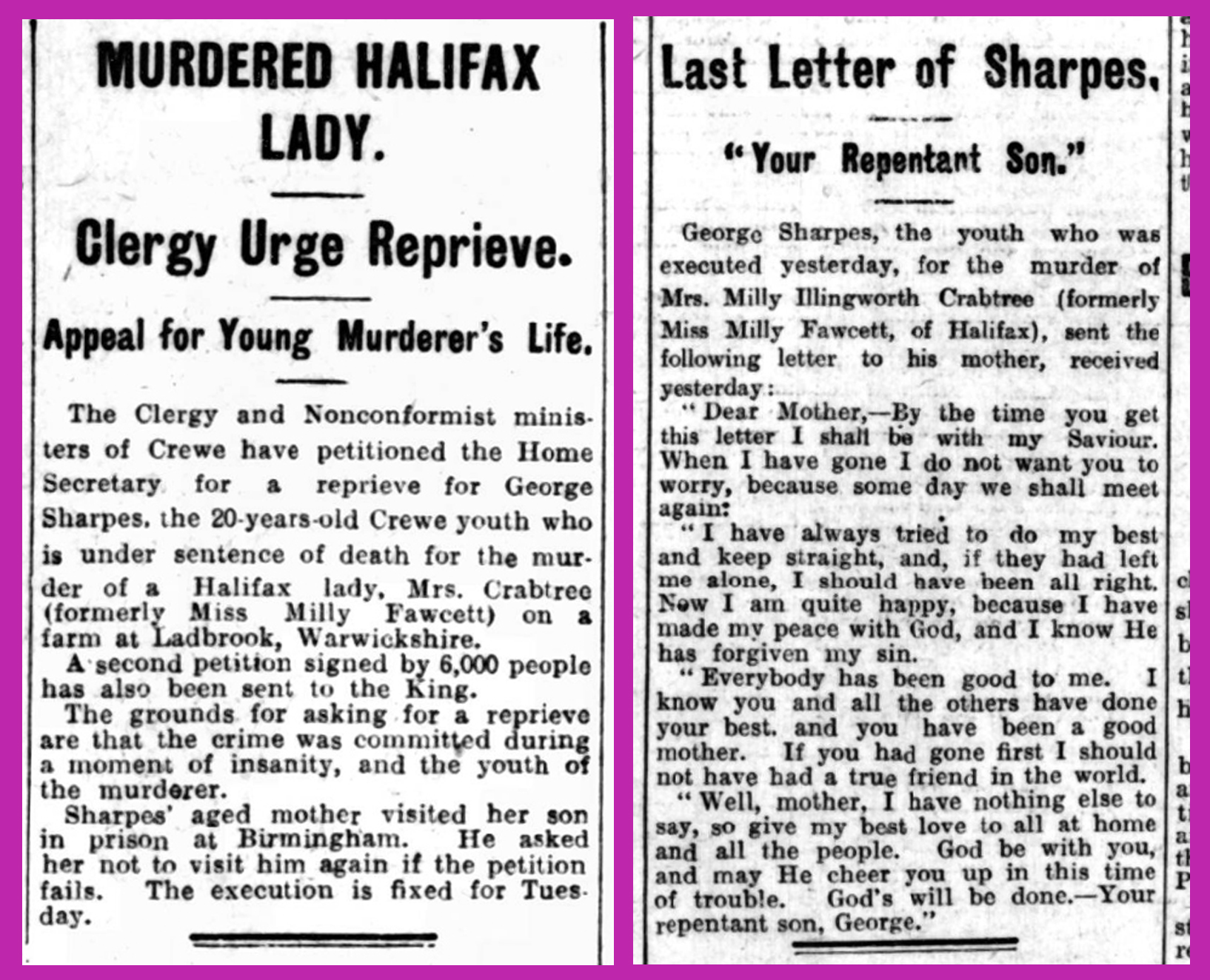


 fullybooked2017