
Christopher Radcliff is a Doctor of Law and he is also what sixteenth century England called an ‘intelligencer’. We might say ‘spy’, ‘secret agent’ or, at a pinch, ‘private eye.’ He is employed by two of the most powerful men in Queen Elizabeth’s service – the brothers Dudley. Robert is the Earl of Leicester and Ambrose the Earl of Warwick.
 Radcliff, the creation of author AD Swanston, made his literary debut in The Incendium Plot (2018). The blurb for that book said that the country was “a powder keg of rumour, fanaticism, treachery and dissent.” Well, a few years on, and things haven’t changed a great deal. The big threat to Good Queen Bess still comes from those devious and malignant Papists, but the adherents of ‘the old religion’ have changed tack. Military conquest by Spain or France has proved ineffectual, so has a more subtle method has been chosen?
Pretty much every one of us is too young to remember a time when our currency was suspect. Yes, there have been periods of inflation (I can remember PM Harold Wilson and ‘The pound in your pocket.”) but we have never doubted that the coins in our pockets or the notes in our wallet were suspect. In February 1574, however, someone has been minting fake testons. They were, in old money, shillings, and the most common coin in circulation for everyday transactions.
 The fake testons also bear the image of the bear and ragged staff (right), the emblem of the Earl of Warwick. Clearly, the forgers have a double headed plan. They intend to paralyze normal day to day trade by making shop-keepers wary of accepting coins, but they also seek to diminish the status and power of the Dudley brothers by linking them to worthless coins.
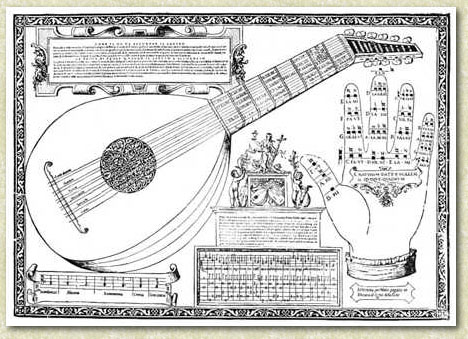
When Radcliff eventually tracks down the person behind the counterfeit coins he discovers not a Papist plot, but a personal search for revenge, fired by a dreadful betrayal and a bitterness so deep that only death can sweeten it. Without giving any more away, I can say that part of this vengeance involves, strange to relate, that most delicate and ethereal of Renaissance instruments, the lute.
Swanston has great fun immersing us in all the contrasting glory and squalor of Elizabethan England. We are led through the magnificent Holbein Gate into the Palace of Whitehall with its tapestries, panelled chambers and priceless paintings, but we also have to tread gingerly amid the horse muck (and worse) as we walk along Cheapside, and try to avoid the grasping hands of its whores and beggars.
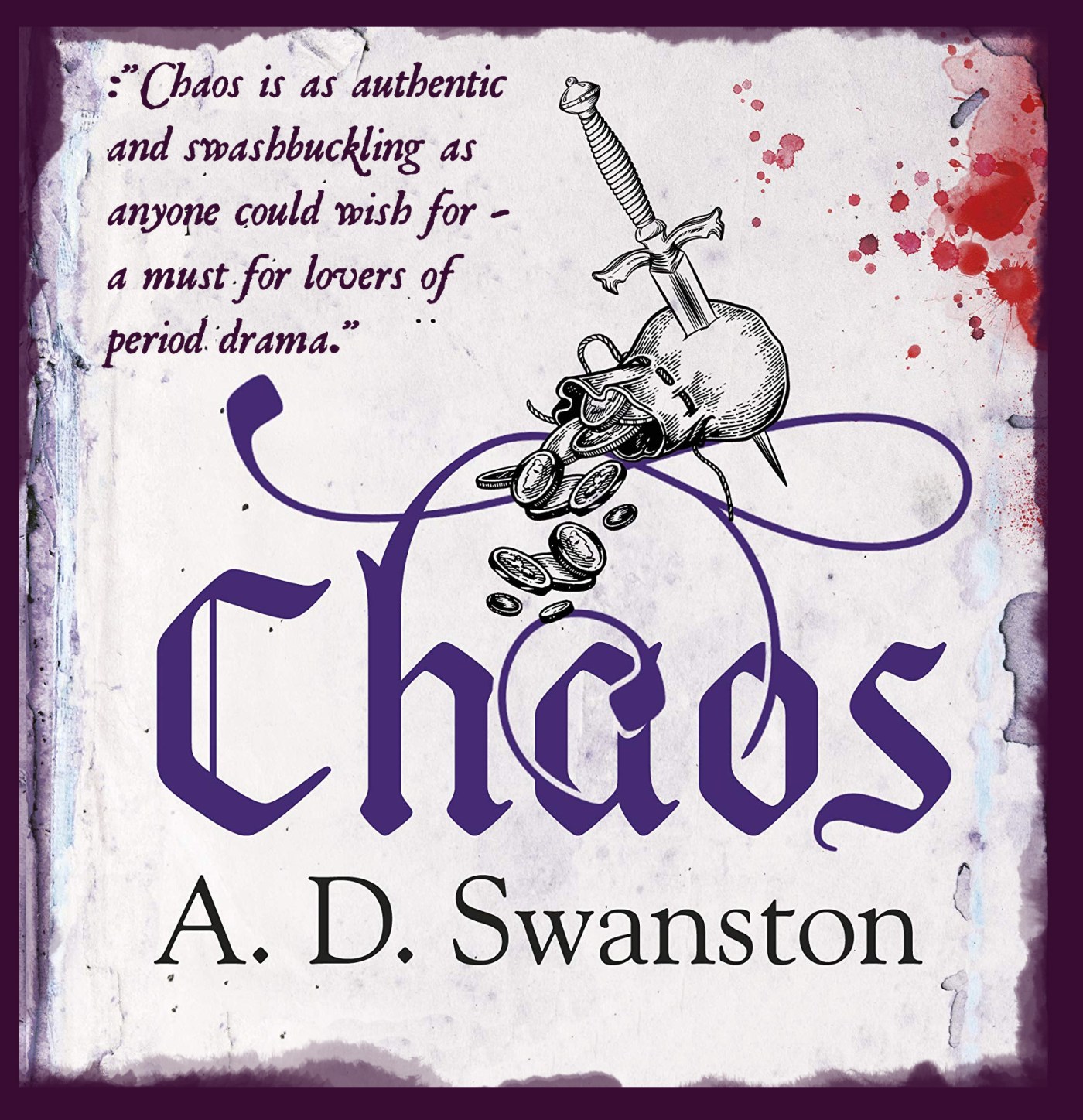
Chaos is as authentic and swashbuckling as anyone could wish for – a must for lovers of period drama. It is published by Bantam in hardback, and by Transworld Digital as a Kindle. Both formats are available now.


 Kieron Coyne is playing with his mate Josh under the watchful eyes of their mothers, Cat and Maria. Cat goes off for a pee, Maria settles back on the park bench and lights a fag. One minute Kieron is there, the next he has disappeared. Josh emerges from the little wood where the boys were playing hide and seek. He neither saw nor heard anything of his friend.


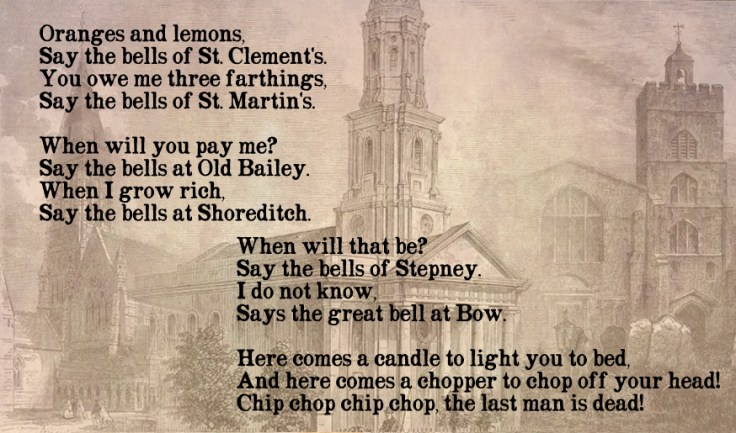





 eing a middle class British father and grandfather, the concept of abandoning a newly born baby is totally beyond my experience of life and (the fault is perhaps mine) my comprehension. The fact is, however, that since Adam had his way with Eve, biology has trumped human intention, and babies have come into the world unloved and unwanted. Thankfully, there have been charitable institutions over the centuries which have done their best to provide some kind of home for foundlings. Abandoning babies is not something consigned to history: modern Germany has its Babyklappe, and Russia its Колыбель надежды – literally hatches – rather like an old fashioned bank deposit box – built into buildings where babies can be left. Back in time, Paris had its Maison de la Couche pour les Enfants Trouvés while in Florence the Ospedale degli Innocenti is one of the gems of early Renaissance architecture. London had its Foundling Hospital, and it is the centre of The Foundling, the new novel by Stacey Halls.
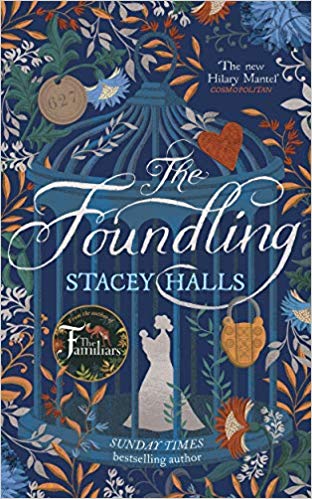 Bess Bright is a Shrimp Girl. Her father gets up at the crack of dawn to buy Essex shrimps from Billingsgate Market, and Bess puts the seafood in the brim of a broad hat and, clutching a tiny tankard to measure them out, she walks the streets of
  elling shrimps from the brim of your hat is not an occupation destined to provide sufficient funds to keep a growing child, and so Bess presents herself and baby Clara at
 ow – and where – Bess finds her missing daughter is for you to discover, but I promise that The Foundling is ingenious, delightful, and the author’s skills as a storyteller are magnetic. The attention to detail and the period authenticity are things to be wondered at, but what elevates this novel above the humdrum is how Stacey Halls conjures up our sheer emotional investment in the characters, each one beautifully observed. Art lovers will recognise the painter – and the title – of the picture below and, were he alive to read it, the great observer of London life would thoroughly approve of The Foundling, which is published by Manilla Press and is out on


 or newcomers to the sublime world of Arthur Bryant and John May, the new collection of short stories written by their biographer, Christopher Fowler, contains a handy pull-out-and-keep guide to the personnel doings of London’s Peculiar Crimes Unit. OK, I lie – don’t try and pull it out because it will wreck a beautiful book, but the other bits are true.
 Leaving aside the pen pictures, introductions and postscripts, there are twelve stories. They are, for the most part, enjoyably formulaic in a Sherlockian way in that something inexplicable happens, May furrows his brow and Arthur comes up with a dazzling solution. Think of a dozen elegant variations of The Red Headed League, but with one or two being much darker in tone. Bryant & May and the Antichrist, for example, is a sombre tale of an elderly woman driven to suicide by the greed of a religious charlatan, while Bryant & May and the Invisible Woman reflects on the devastating effects of clinical depression. The stories are, of course set in London, apart from the delightfully improbable one where Arthur and John solve a murder within the blood-soaked walls of Bran Castle, once the des-res of Vlad Dracul III. Bryant & May and the Consul’s Son revisits Fowler’s fascination with the lost rivers of London, while Janice Longbright and the Best of Friends lets the redoubtable Ms L take centre stage.
 he gags are as good as ever. While investigating a crime in a tattoo parlour, Arthur is mistaken for a customer and asked if he has a design in mind:
 don’t know Christopher Fowler personally, but I infer from his social media presence that he is a thoroughly modern and cosmopolitan chap and, with his spending his time between homes in Barcelona and King’s Cross, he could never be described as a Little Englander. How wonderful, then, that he is the most quintessentially English writer of our time. His Bryant & May stories draw in magical threads from English culture. There is the humour, which recalls George and Weedon Grossmith, WS Gilbert, and the various ‘Beachcombers’ down the years, particularly DB Wyndham Lewis and JB Morton. Fowler’s eagle eye for the evocative power of mundane domestic ephemera mirrors that of John Betjeman, while his fascination with the magnetic pull of the layers of history beneath London’s streets channels Peter Ackroyd and Iain Sinclair.


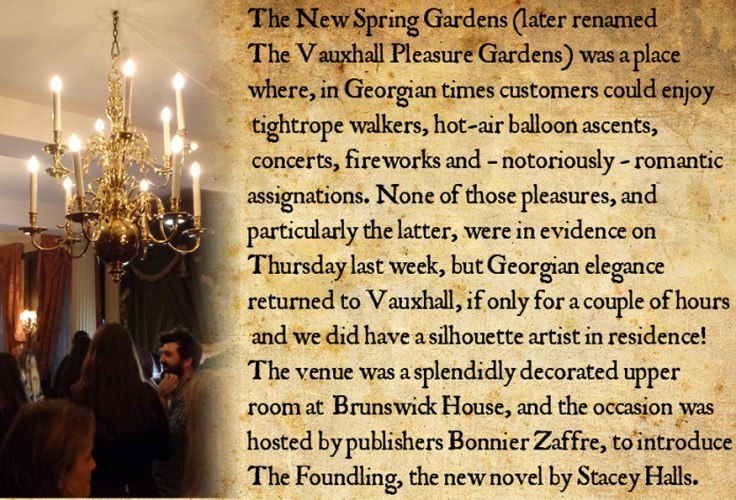
 fter her success with
  Zosha Nash (left), formerly Head of Development at The Foundling Museum explained, the care and love bestowed on the children was remarkable, even by modern standards. Their life expectancy exceeded that of many children at the time, and all were taught to read and write. The hospital was also famously associated with Handel, and it was in the chapel that Messiah was performed for the first time in England
 ix years after leaving her, Bess Bright returns to claim her daughter, to be greeting with the shattering news that Clara is no longer there. She has been claimed – just a day after Bess left her – by a woman correctly identifying the child’s token, a piece of scrimshaw, half a heart engraved with letters. The authorities are baffled, but convinced that a major fraud has been perpetrated. Bess’s shock turns to a passionate determination to find Clara.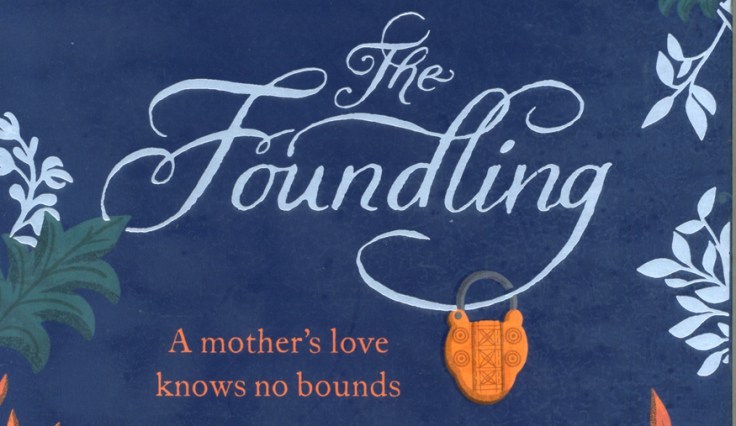


 very so often a book comes along that is so beautifully written and so haunting that a reviewer has to dig deep to even begin to do it justice. Shamus Dust by Janet Roger is one such. The author seems, as they say, to have come from nowhere. No previous books. No hobnobbing on social media. So who is Janet Roger? On her website she says:
 ig mistake. Councillor Drake underestimates Newman’s intelligence and natural scepticism. Our man uncovers a homosexual vice ring, a cabal of opportunists who stand to make millions by rebuilding a shattered city, and an archaeological discovery which could halt their reconstruction bonanza.
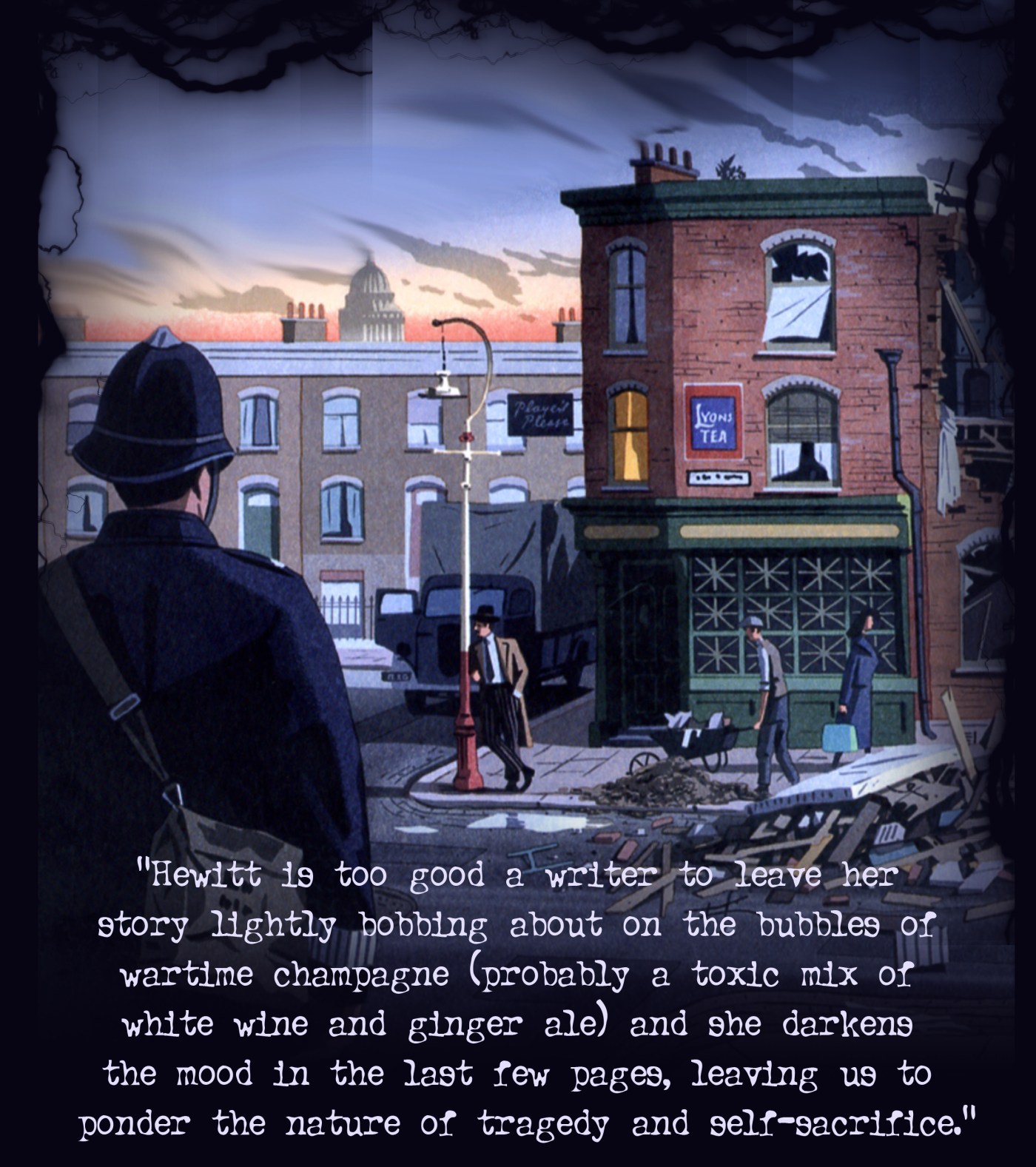

 his 1943 novel by Kathleen Hewitt is the third in the excellent series of Imperial War Museum reprints of wartime classics, but couldn’t be more different from the first two,
 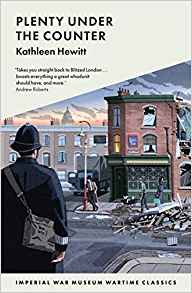 A jolly murder? Well, of course. Fictional murders can be range from brutal to comic depending on the genre, and although the corpse found in the back garden of Mrs Meake’s lodging house – 15 Terrapin Road – is just as dead as any described by Val McDermid or Michael Connelly, the mood is set by the chief amateur investigator, a breezy and frightfully English RAF pilot called David Heron on recuperation leave from his squadron, and his elegantly witty lady friend Tess. He is from solid county stock:
 eaders will not need a degree in 20th century social history to recognise that the book’s title refers to the methods used by shopkeepers to circumvent the official rationing of food and fancy goods. More sinister is the presence – both in real life and in the book – of criminals who exploit the shortages to make serious money playing the black market and for whom deadly violence is just a way of life.
 The story rattles along in fine style as the hours tick by before David has to return to the war. He has two pressing needs. One is to buy the special licence which will enable him to marry Tess, and the other is to find the Terrapin Road murderer. Hewitt (right) is too good a writer to leave her story lightly bobbing about on the bubbles of wartime champagne (probably a toxic mix of white wine and ginger ale) and she darkens the mood in the last few pages, leaving us to ponder the nature of tragedy and self-sacrifice.