
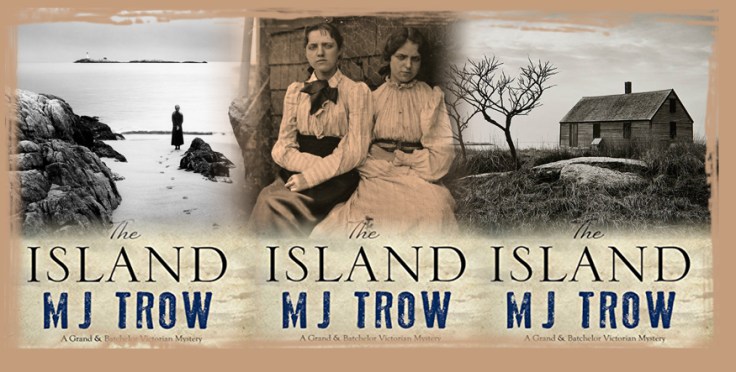
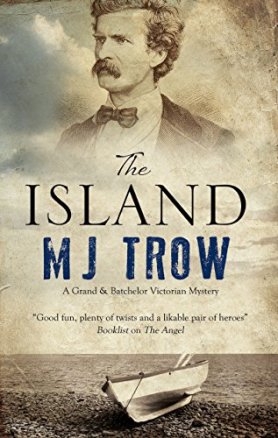
 The Island is the latest episode in the eventful partnership between two gentleman detectives in Victorian London. James Batchelor is a former journalist, a ‘gentleman’ in manners and intelligence, if not by upbringing, while his colleague Matthew Grand is an American former soldier, and scion of a very wealthy patrician New Hampshire family. We first met them in The Blue and the Grey (2014), when Grand – who has recently served with the victorious Army of The Potomac – comes to London in pursuit of one of those who conspired in the murder of Abraham Lincoln on 15 April 1865.
It is now the spring of 1873, and Grand is treating his colleague to a holiday in American, in the shape of an invitation to his sister’s wedding. Poor Batchelor, however is, at best, an indifferent sea voyager but, after eleven emetic days on board the Frisia, the pair eventually arrive safely in New York, having left their London house in the somewhat clumsy hands of their housekeeper, Mrs Rackstraw, who is somewhat less discreet and high minded than another lady fulfilling a similar function to another pair of gentlemen a mile or so across town in the busy thoroughfare of Baker Street.
On their journey north to New Hampshire, Grand and Batchelor pick up Edward Latham, a New York Times hack, who has blagged a wedding invitation in order to track down a participant in the recent financial corruption scandal known as the Tammany Hall affair – and Grand’s Uncle Josiah, who is disturbingly rich, but often – and equally disturbingly – drunk. The wedding guests duly reach the settlement of Rye and the palatial house causes Batchelor to gasp in admiration, despite being assured by Grand that it is little more than a weekend retreat compared to their main establishment.
 A few words in praise of the author. Meiron Trow (right) is one of the most erudite and entertaining writers in the land. Over thirty years ago he began his tongue in cheek series rehabilitating the much-put-upon Inspector Lestrade, and I loved every word. I then became hooked on his Maxwell series, featuring a very astute crime-solving history teacher who, while eschewing most things modern, manages to be hugely respected by the sixth-formers (Year 12 and 13 students in new money) in his charge, while managing to terrify and alarm the younger ‘teaching professionals’ who run his school. I was well into the Maxwell series before I realised that MJ Trow and I had two things (at least) in common. Firstly, he went to the same school as I did, although I have to confess he was a couple of years ‘below’ me and would have been dismissed at the time as a pesky ‘newbug’. Secondly, and much more relevant to my love of his Maxwell books, I discovered that we were both senior teachers in state secondary schools, and shared a disgust and contempt for the tick-box mentality characterising the so-called ‘leadership’ of high schools.
 I digress, so back to New Hampshire in the early spring of 1873. The guests begin to arrive, and the ‘downstairs’ staff under the stern eye of the enigmatic butler, Waldo Hart, are emulating the proverbial blue-arsed fly. Trow, at this point, gleefully takes the template of the traditional country house mystery, and has his evil way with it. Despite the title of the book, we are not quite in Soldier Island (And Then There Were None) territory, but Rye is far enough from Boston to make sure that when the first murder happens, the real policemen are too far away and too engrossed with their city crime to pay much attention, even when when of the possible suspects is a certain Mr Samuel Langhorne Clemens. (left)
With Martha, Grand’s sister, well and truly hitched to a young man who may well be an utter bounder, and two hatchet-bludgeoned corpses lying in state in the stables, the Boston police eventually arrive in the shape of Chief Savage and Sergeant Roscoe. The amateurs and the professionals regard each other with ill-disguised suspicion, while Trow scatters a healthy basket of Rubrum Clupidae to keep us all guessing. Don’t be misled by Trow’s endless enthusiasm for verbal gags into thinking that this is a ‘cosy’ novel. Far from it. The finale is dark and bloody, and shadows real-life 1873 events on the remote and windswept Smuttynose Island. The Island is published by Severn House and is available now.

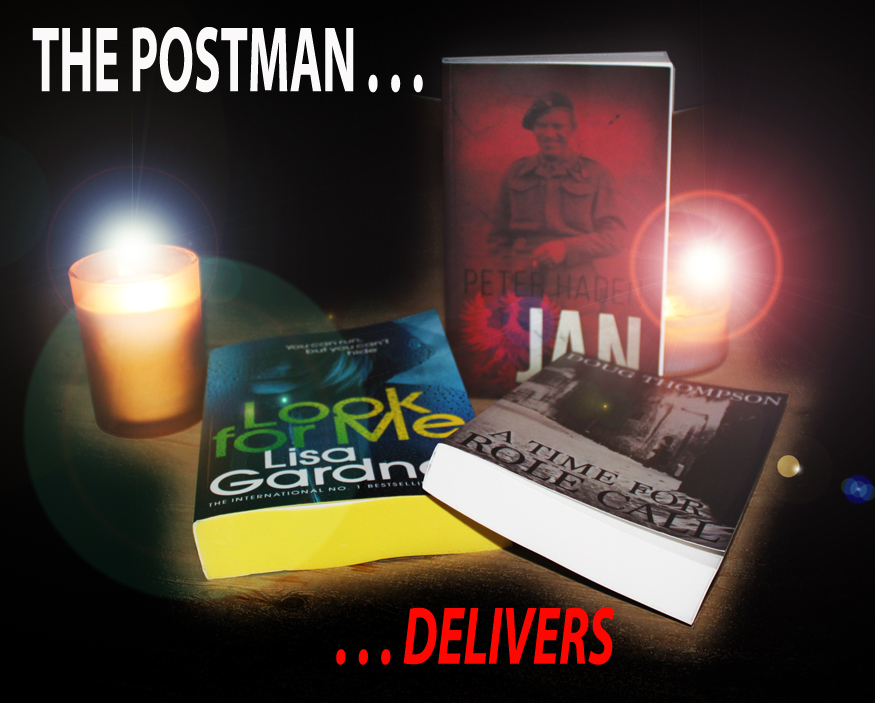

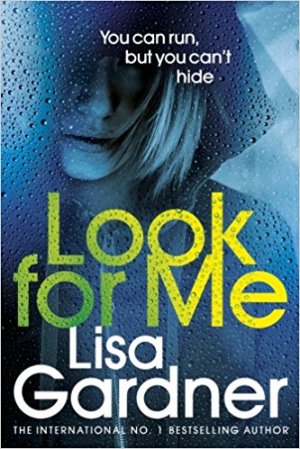 Look For Me is a return to active duty for Boston Detective D D Warren. In the twelfth book of an obviously popular series, Gardner brings back a character – Flora Dane – from an earlier book, Find Her, in which Dane was a resilient but haunted survivor of kidnap and abduction. Now, Dane’s thirst for vengeance on her tormentor is a mixed blessing for Warren who is faced with a murder scene of almost unimaginable violence. Four members of the same family lie slaughtered in the family home, a refuge transformed into a charnel house. But where is the fifth member of the family? Has the sixteen year-old girl escaped, or is her disappearance the prelude to an even greater evil? Look For Me is published by Century, part of the Penguin Random House group, and will be available in early February 2018. You can pre-order a copy
  Polish history in the twentieth century shows us a region constantly in the thick of conflict between rival military forces. It was the scene of many of the battles on the Eastern Front during WWI, and Poland suffered hugely at the hands of the Nazis during WWII. The very worst concentration camps set up by Hitler were on what is now Polish territory. Then, post-war, came what was, to all intents and purposes, a Russian occupation. Peter Haden’s novel Jan actually deals with a real person, his uncle, Jan Janicki and his exploits both before and during the Nazi occupation of his homeland. The novel tells of a flight from desperate domestic poverty, the humiliation of working for the ruthless German invaders, but then a determination to fight back, which sees Jan laying his life on the line to support the Polish resistance movement. Jan is published by Matador, and is available from
  From Poland to Italy, where much of A Time For Role Call by Doug Thompson (left) is set. Former Professor of Modern Italian language, history and literature, Doug Thompson draws on his intimate knowledge of Italy to write a lively novel with a feisty protagonist and colourful cast of supporting characters. Sally Jardine-Fell is recruited by the wartime Special Operations Executive to travel to Italy. Her mission? To insinuate herself into the life of none other than Count Galeazo Ciano, Foreign Minister to Il Duce – Benito Mussolini – himself. Inevitably, things do not go according to plan, and, despite both the war and Mussolini himself becoming consigned to history, events conspire against Sally, and she finds herself in a cell, charged with murder. A Time For Role Call is published by Matador, and is available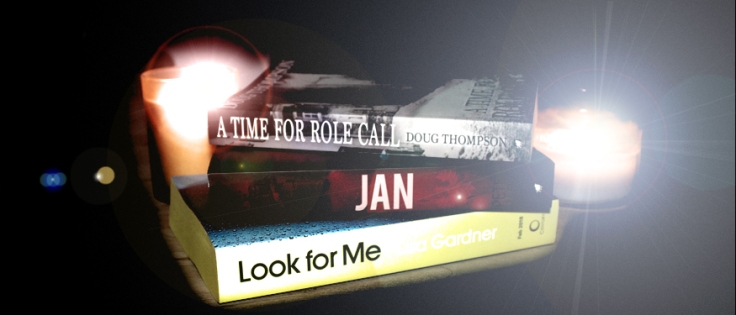


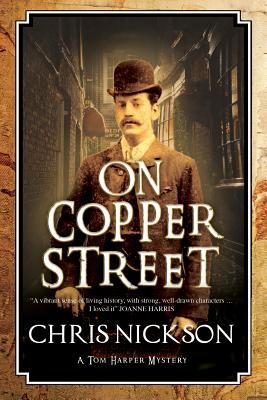
 I have become a huge admirer of the writing of Chris Nickson (left) . He says on his website:
 You will be pushed to find better opening words to a novel even were you to search all year:
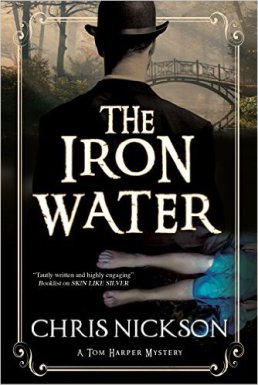

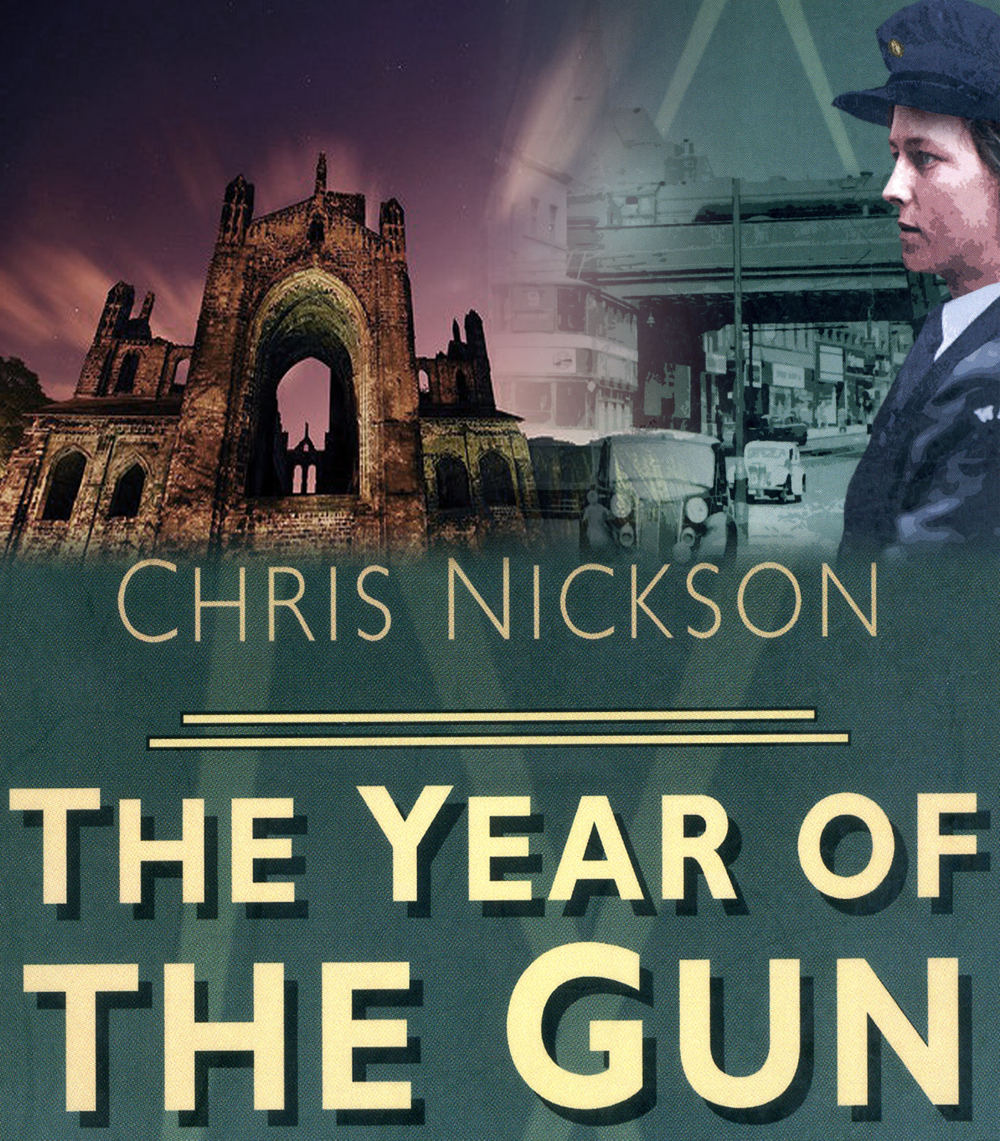
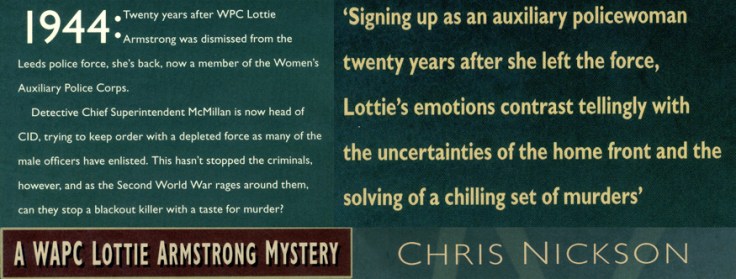
 So, Lottie is back in uniform again, but this time as a lowly member of the Women’s Auxiliary Police Corps. Her main job is to drive her boss, Detective Superintendent McMillan, to wherever he needs to go. McMillan, a veteran of The Great War, certainly needs his transport as a killer seems to be stalking vulnerable young women across the city. Kate Patterson, a Private in The Auxiliary Territorial Service (ATS) is found dead in the sombre ruins of the medieval Kirkstall Abbey. She is the first victim, but others follow, and Lottie and McMillan are soon convinced that the killer is a member of the American forces based in the city.
 You will note the date – spring 1944 – and will not need a degree in military history to work out what those ‘vital operations’ might be. Invasion or no invasion, McMillan still has a job to do, and the murderer is eventually cornered. Don’t anticipate a comfortable outcome, however. Nickson (right) doesn’t do cosy, and the conclusion of this fine novel is as dark as a blacked out city street.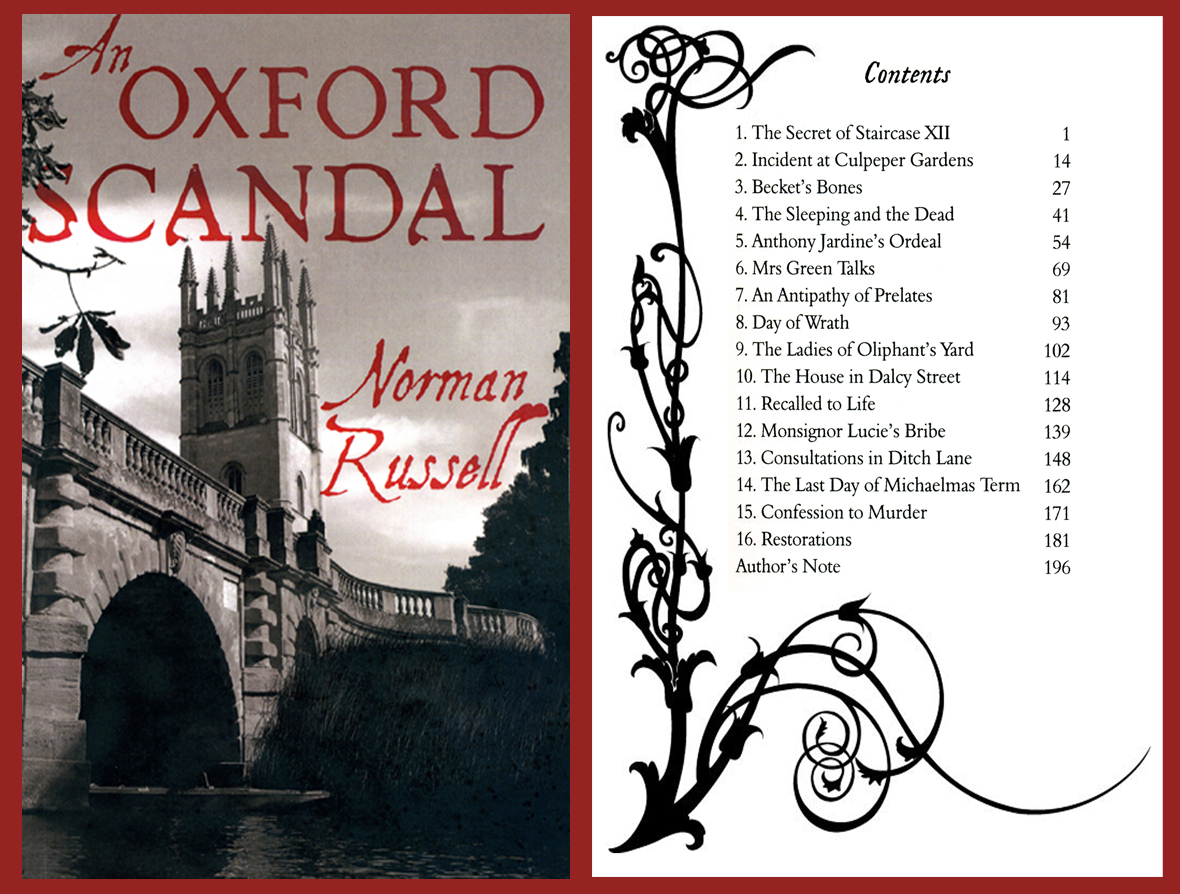

 Oxford, 1895. The spires may well be dreaming, but for Anthony Jardine, Fellow of St Gabriel’s College, the nightmare is just beginning. His drug addicted wife is found stabbed to death, slumped in the corner of a horse tram carriage. His mourning is shattered when his mistress is also found dead – murdered in the house she shares with her elderly eccentric husband. With a background story of an archaeological discovery threatening to shake the English religious establishment to its very roots, Inspector James Antrobus must avoid the temptation to make Jardine a swift and easy culprit. Helped by the uncanny perception of Sophia Jex-Blake, a pioneering woman doctor, Antrobus finds the answer to the killings lies in London, just forty miles away on the railway.
 Norman Russell (right) is a writer and academic, who has had fifteen novels published. He is an acknowledged authority on Victorian finance and its reflections in the literature of the period, and his book on the subject, The Novelist and Mammon, was published by Oxford University Press in 1986. He is a graduate of Oxford and London Universities. After military service in the West Indies, he became a teacher of English in a large Liverpool comprehensive school, where he stayed for twenty-six years, retiring early to take up writing as a second career.





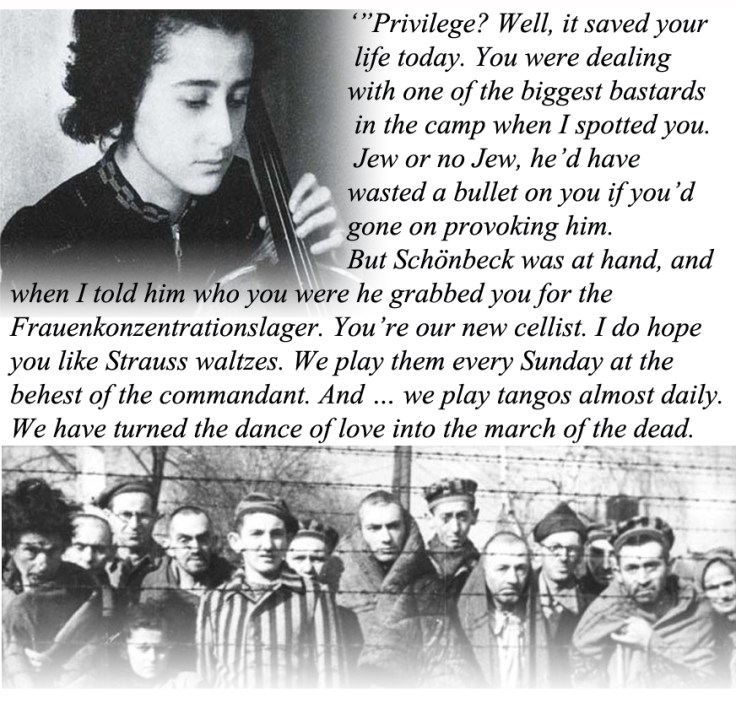
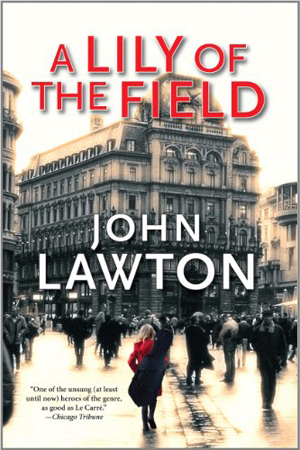 John Lawton is a master of historical fiction set in and around World War II. His central character is Fred Troy, a policeman of Russian descent. His emigré father is what used to be called a ‘Press Baron’. Fred’s brother Rod will go on to become a Labour Party MP in the 1960s, but is interned during the war. His sisters are bit players, but memorable for their sexual voracity. Neither man nor woman is safe from their advances.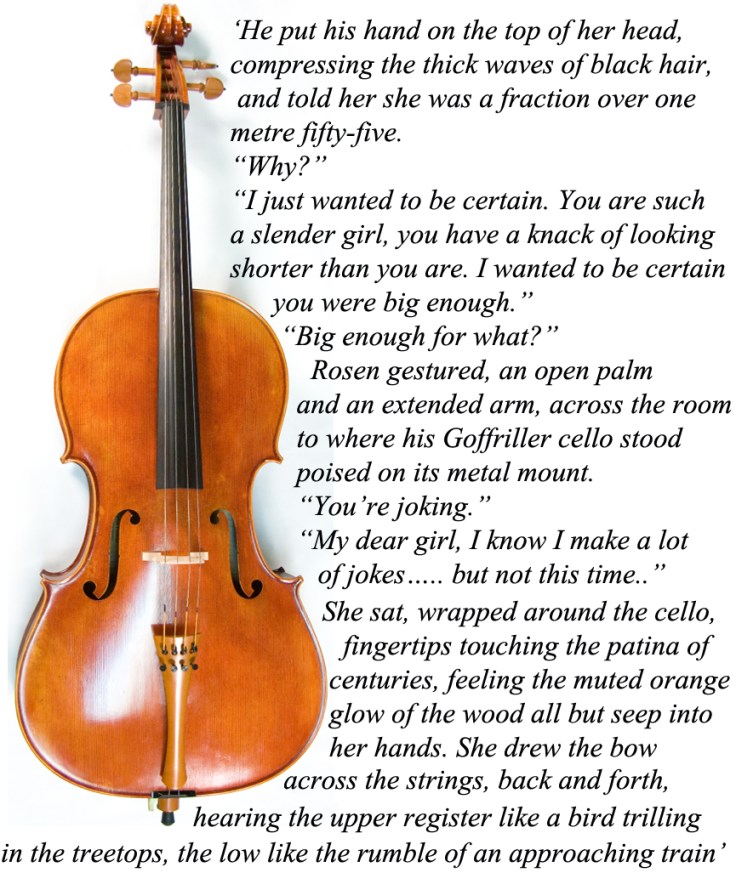


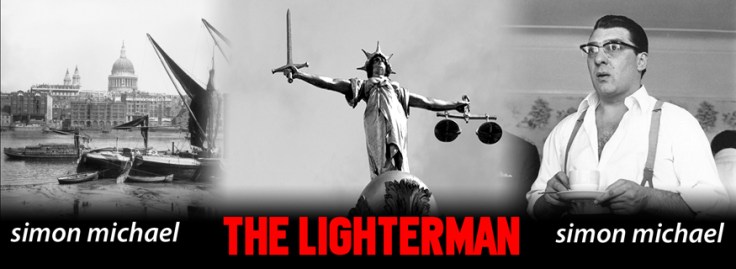
 When we next meet Charles it is 1964, and much has changed. The streets of the old East End, having been substantially rearranged by Hitler’s bombs, have been redeveloped. More significantly, the Jewish people have largely moved on. Many families have prospered and they have moved out to the comfortable suburbs. Charles Horowitz has also prospered, after a fashion. His chosen career is Law, and in order to rise through the ranks of the socially and ethnically tightly knit Inns of Court, he has abandoned Horowitz and reinvented himself as Charles Holborne.
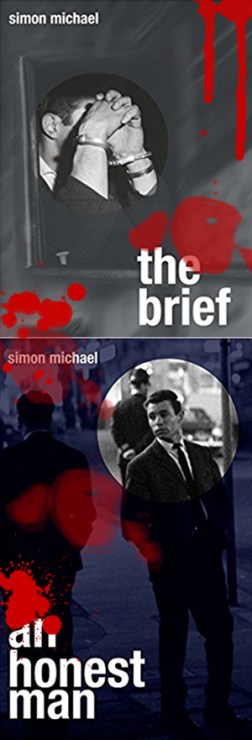 for those who want to complete the picture, but with The Lighterman it is sufficient to say that Charles has made a very undesirable enemy. It is probably merely an exercise in semantics to distinguish between the equally awful twin sons of Charles David Kray and Violet Annie Lee, but most casual observers agree that Ronnie was the worst of two evils. The homosexual, paranoid and pathologically violent gangster has a list of people who have upset him. The first name on that list is none other than Charles Holborne aka Horowitz, and the brutal East End hoodlum is determined that Charles must be done away with.
 Simon Michael (left) combines an encyclopaedic knowledge of London, with an insider’s grasp of courtroom proceedings. I cannot say if it was the author’s intention – only he can concur or disagree – but his writing left me with a profound sense of sadness over what London’s riverside and its East End once were – and what they have become. This is a beautifully written novel which succeeds on three different levels. Firstly, it is a superb recreation of a London which is just a lifetime away, but may as well be the Egypt of the pharaohs, such is its distance from us. Secondly, it is a tense and authentic legal thriller, with all the nuances and delicate sensibilities of the British legal system pushed into the spotlight. Thirdly – and perhaps most importantly – we meet characters who are totally convincing, speak in a manner which sounds authentic, and have all the qualities and flaws which we recognise in people of our own acquaintance. The Lighterman is published by Urbane Publications and is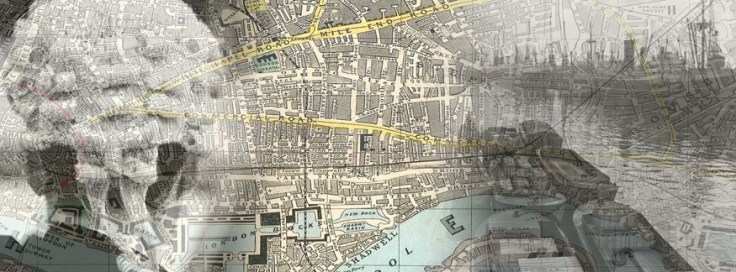


 It is the summer of 1939. In Germany, the bitter ashes which have been smouldering for two decades since the punitive reparations after Versailles have been fanned into flames, and the fire is set to spread across Europe. As Hitler prepares to march into Poland, in Britain the world carries on as normal, although few would know that this would be the last summer of peace for more than six years.
 Rachel Rhys (right) is nothing if not a skilled storyteller, but we should not be surprised as Dangerous Crossing is no debut novel. Under her real name, Tamar Cohen, she has written a string of best selling psychological thrillers. So, as the Orontes proceeds on its stately voyage to Australia, we share Lily Shepherd’s mixture of discomfort and amazement as she goes onshore to visit such exotic places as Pompeii, Cairo and Colombo. Rather after the fashion of a modern day Patricia Highsmith, Rhys has the main players gradually revealing their secrets to one another. The rack turns, one ratchet at a time, but so elegantly and cleverly are things concealed that the crime, when it does happen, is completely shocking and unexpected.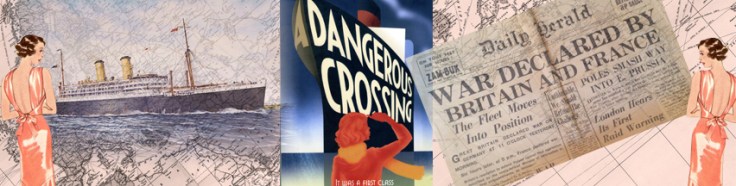


 fullybooked2017