
Sometimes, the best writers set themselves challenges by posing a plot problem that appears to deny a plausible solution. One such was back in 2021 when, in The Perfect Lie, Jo Spain pulled the wool over our eyes. There, the deception hinged on a few words – and our (wrong) assumptions.
https://fullybooked2017.com/2021/05/13/the-perfect-lie-between-the-covers/
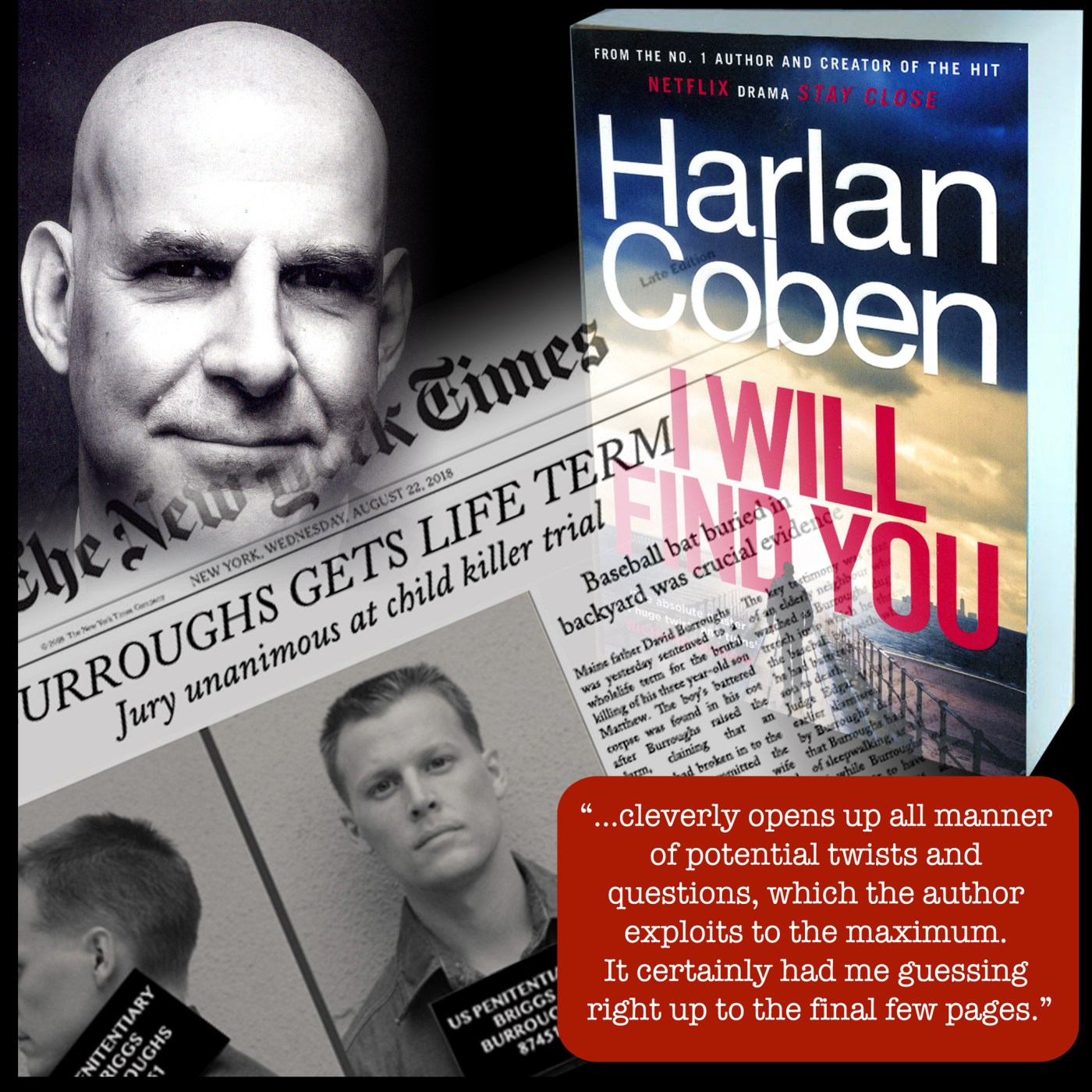
In his latest novel, Harlan Coben – to use the metaphor of Houdini – has wrapped himself in so many chains and padlocks that it seems impossible that he can set himself free. Why? Try this. Five years ago, David Burroughs was jailed for life for murdering his three year-old son, Matthew, with a baseball bat. He now languishes in the protected section of a high security jail, alongside child rapists, cannibals, and other monsters. After refusing to see any visitors for five years he is finally forced to see one – because he omitted to fill in the annual paperwork. It is his former sister-in-law Rachel; his wife, Cheryl has, inevitably, divorced him. Rachel shows David a photo (taken by a friend) of a family group at an amusement park. On the edge of the picture is a little boy, clutching the hand of an adult, otherwise out of picture. It is Matthew.
Coben gives us a drive-through account of the back story. David Burroughs was home-alone with Matthew that night. Cheryl, a surgeon, was at work. David was in a bad mood, put his son to bed without a bedtime story, and proceeded to get outside of the best part of a bottle of Bourbon. Somehow awakened by a sixth sense that something was wrong, or perhaps by the smell of blood, David staggered to his son’s bedroom only to find a mangled and unrecognisable corpse on the bed.
The first key to the mystery is, of course, that the shattered boy’s corpse was just that – unrecognisable. It was, however, in Matthew’s bed, wearing Matthew’s pyjamas. When, a little while later a baseball bat, with David’s fingerprints all over it, is found buried in the garden, David’s status changes from bereaved father, through suspect, to convicted killer.
The next key has to be putting David in a situation – i.e. no longer behind bars – where he can investigate the possibility that the child in the photograph is Matthew, and prove that the murdered boy in Matthew’s bed was someone else. The Governor of Briggs Penitentiary is Philip Mackenzie, and he has history with David Burroughs. David’s dad, Lenny, was, long ago, a grunt in Vietnam with Phil. The pair survived and went on to become partners in crime prevention as precinct cops. Now, Phil is just months away from retirement and a double pension, while Lenny is in the advanced stages of dementia. Suffice it to say there is a fairly improbable break-out from Briggs but this is, after all, crime-fiction.
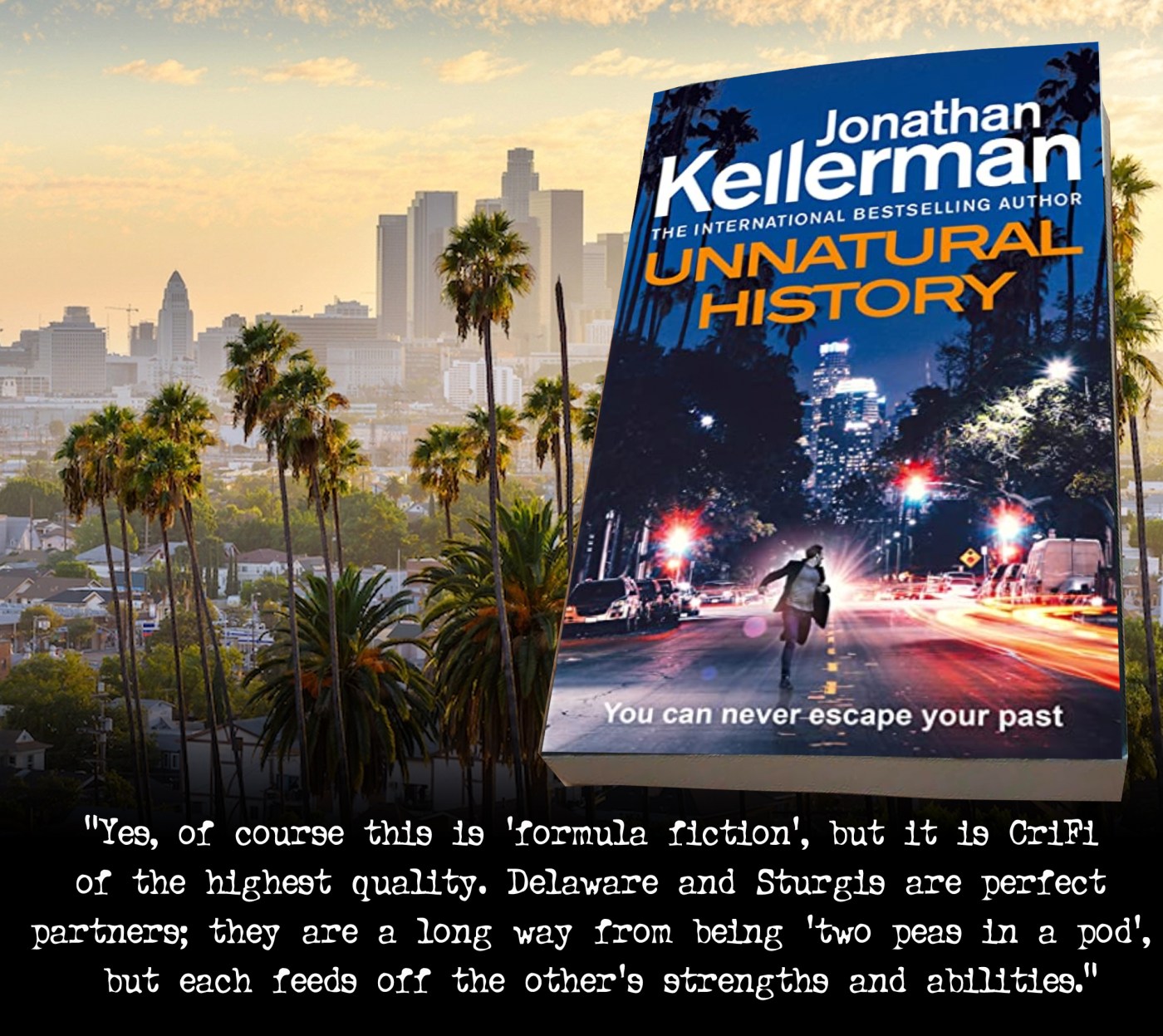
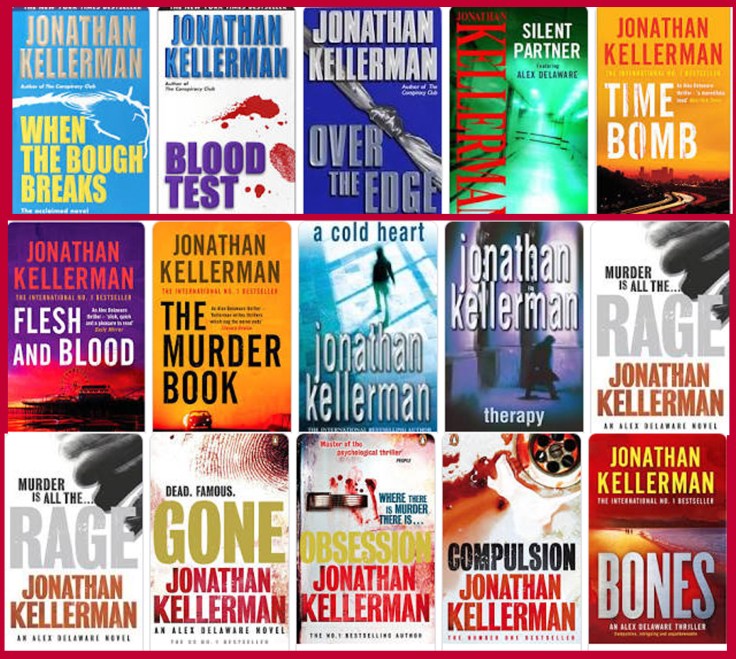
Coben then throws a fairly heavy spanner into the works by revealing that at a rough stage in their marriage, when Cheryl and David were unable to conceive, Cheryl booked an appointment at a sperm donor clinic. This cleverly opens up all manner of potential twists and questions, which the author exploits to the maximum. It certainly had me guessing right up to the final few pages. If I say this a typically American slick thriller, it is meant as an entirely positive description. Somehow – and I won’t say they are better than British writers – American novelists such as Coben, Connolly, Baldacci and Kellerman produce a polished and gleaming product which has, to extend the automobile metaphor, a distinctive ‘new car smell’. I Will Find You is published by Century and is out now.


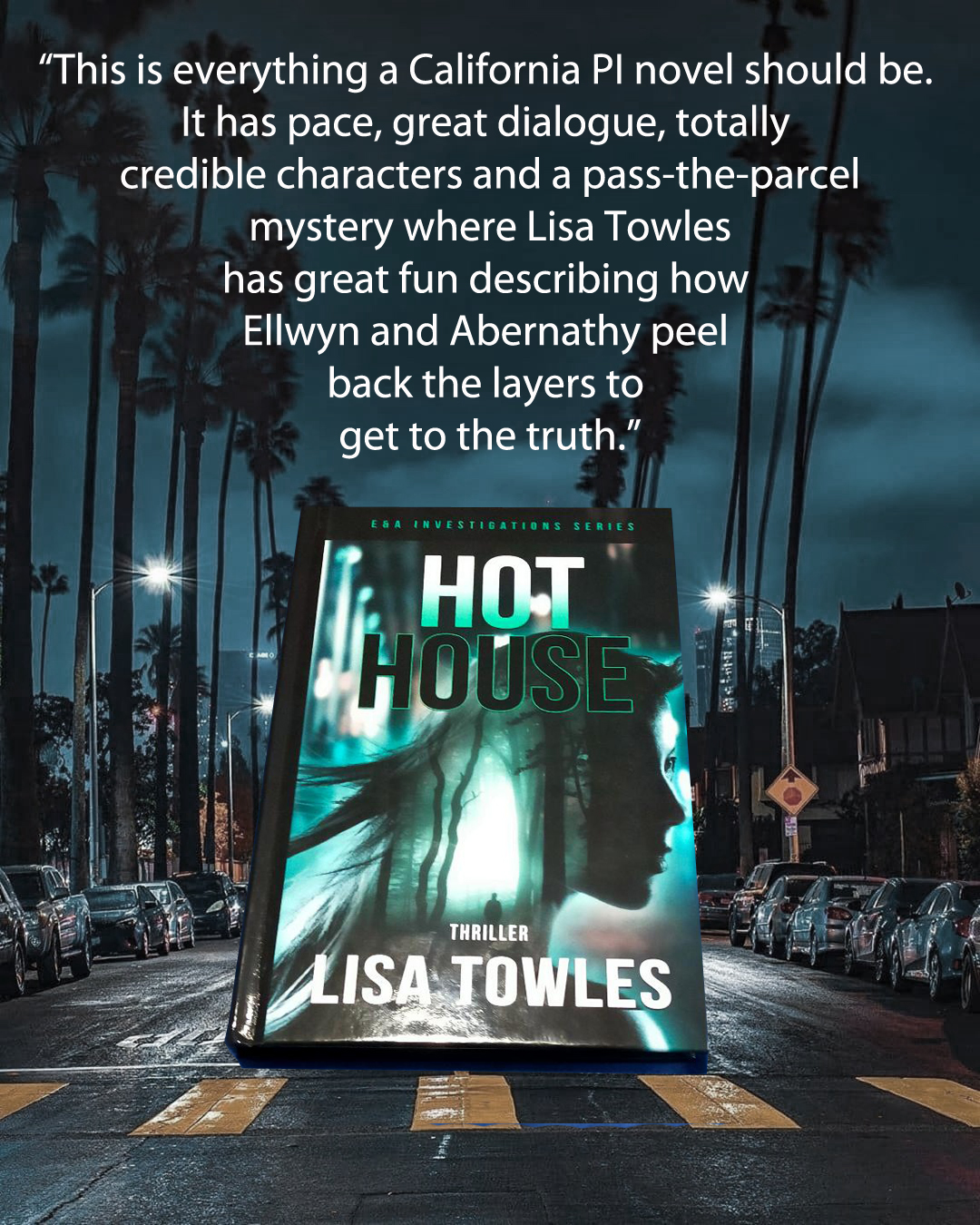

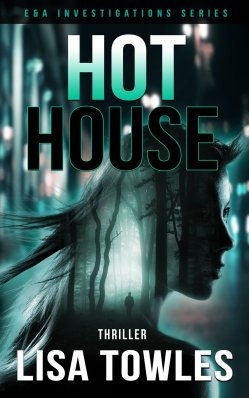 That is just a quick sample of the whip-crack dialogue in the book, which fizzles and sparks like electricity across terminals. Very soon Mari and Derek realise that the blackmailed judge is also connected to the unsolved murder of a French duel-passport student, Sophie Michaud, and the fate of two women journalists who investigated the case, one of whom is dead and the other missing.
 In the end, the blackmailer of the judge is located, and the killer of Sophie/Sasha is brought to justice, but with literally the last sentence, Lisa Towles poses another puzzle which will presumably be addressed in the next book. Hot House is everything a California PI novel should be. It has pace, great dialogue, totally credible characters and a pass-the-parcel mystery where Lisa Towles (right) has great fun describing how Ellwyn and Abernathy peel back the layers to get to the truth. Sure, the pair might not yet stand shoulder to shoulder with Marlowe, Spade and Archer, or even more modern characters like Bosch and Cole, but they have arrived, and something tells me they are here to stay.



 L. M. (Mark) Weeks is a Senior Counsel and former Partner in the global law firm of Orrick, Herrington & Sutcliffe LLP. He has practiced law in New York and Tokyo for more than 30 years and served as Managing Partner of Orrick’s Tokyo office from 2007-17. Mark speaks, reads and writes fluent Japanese. In addition to his work at Orrick, Mark has done pro bono work with young HIV+ parents, indigent criminal defendants, and fisheries conservation organizations. Mark’s passion is tournament fly fishing for tarpon and record chasing. A traveling angler, he has fished all over the world. He was born in Anchorage, Alaska, and raised in Nampa, Idaho. Bottled Lightning is his debut novel, and will be available on 13the June.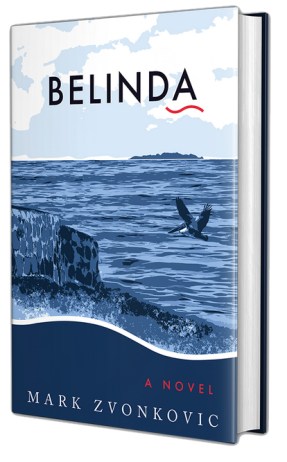
 Mark Zvonkovic

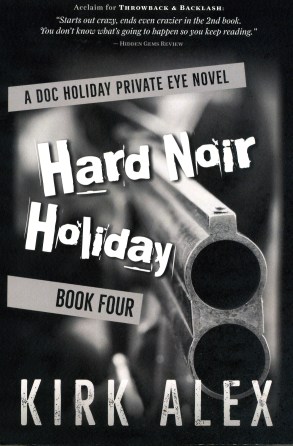
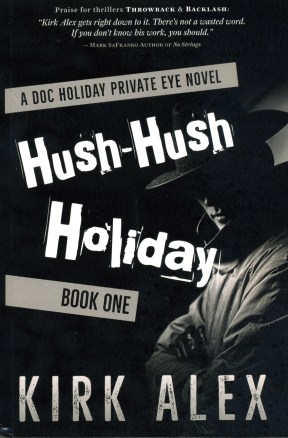 The Tucumcari Press is based in Tucson, Arizona, and they have kindly sent me a couple of books by Kirk Alex. So who is he? He can tell us:
 In L.A., unless you have the flashy car, luxury apartment, good paying job, you can forget about having a woman in your life to be with, any of that; so yeah, we hung in there alone. What doesn’t break you makes you stronger, so they say.


 Zak Skinner is a pretty unremarkable guy in many ways. He’s bright enough, for sure – that’s why he is studying engineering at the University of Chicago. Why he moved there from NYU, we’re not sure at first, but we suspect that he lacks the essential ingredient of ‘stickability’. Or maybe he is running away from something? He and his old school buddy Riley room together, and Riley is most things that Zak is not. Like steady, reliable, unimaginative and not prone to destructive self analysis.



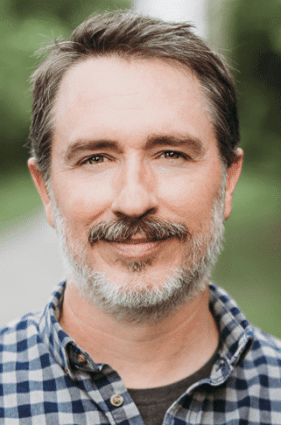 Wiley Cash is at his best when describing the complex social history of his home state, and the ways in which it affects families and relationships, and he is on good form here. Where the book didn’t work so well, for me at least, was in the ending. In literally two and a half pages, everything we thought we knew about what was happening on Oak Island is turned violently on its head. Abrupt? Yes. Enigmatic? Certainly. There’s no rule that says every plot has to end neatly tied up like a parcel with every question answered, and many readers may enjoy the ambiguity at the end of this book. You could say that Cash (right) gives us the dots and leaves it up to us how we join them up. When Ghosts Come Home is published by Faber and Faber, and is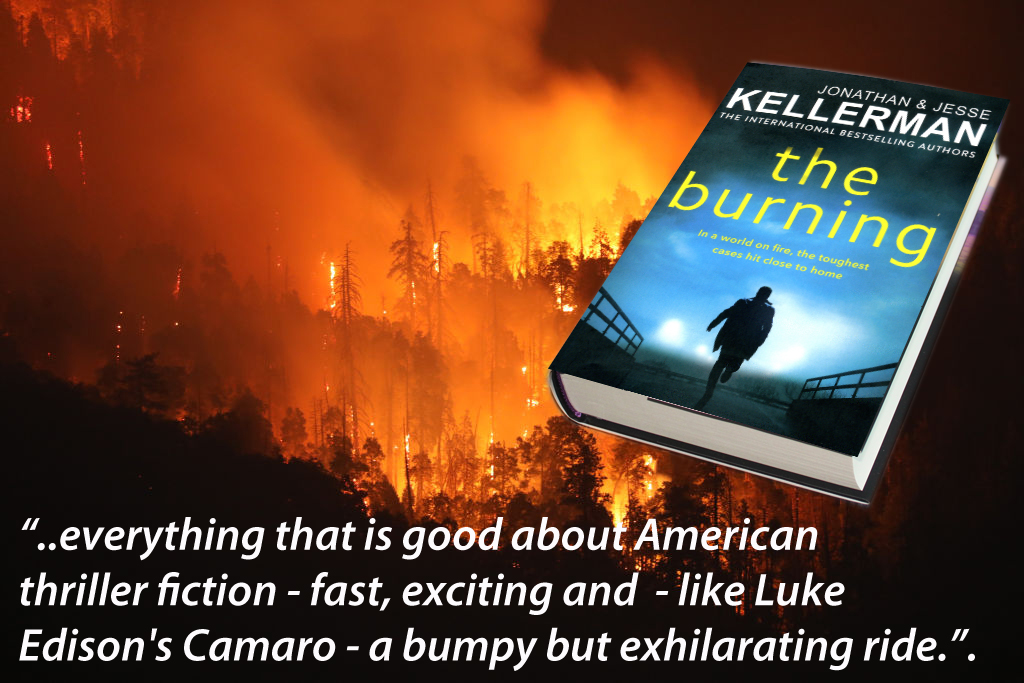

 But back to Clay Edison. He is a Deputy US Coroner in Berkeley, California, and The Burning begins, quite topically, with a destructive bush fire that has knocked out power supplies for everyone except those with their own generators. When Edison and his partner are summoned to retrieve a corpse from a mansion up in the hills, they find that Rory Vandervelde – a multi millionaire – has died from gunshot wounds. He was an avid collector. Rare baseball and basketball memorabilia, Swiss watches, antique knives – you name it, and Vandervelde had bought it. It is when Edison is inspecting the dead man’s astonishing collection of classic cars, stored in a huge garage, that he discovers something that sends a shiver down his spine, and not in a pleasant way.
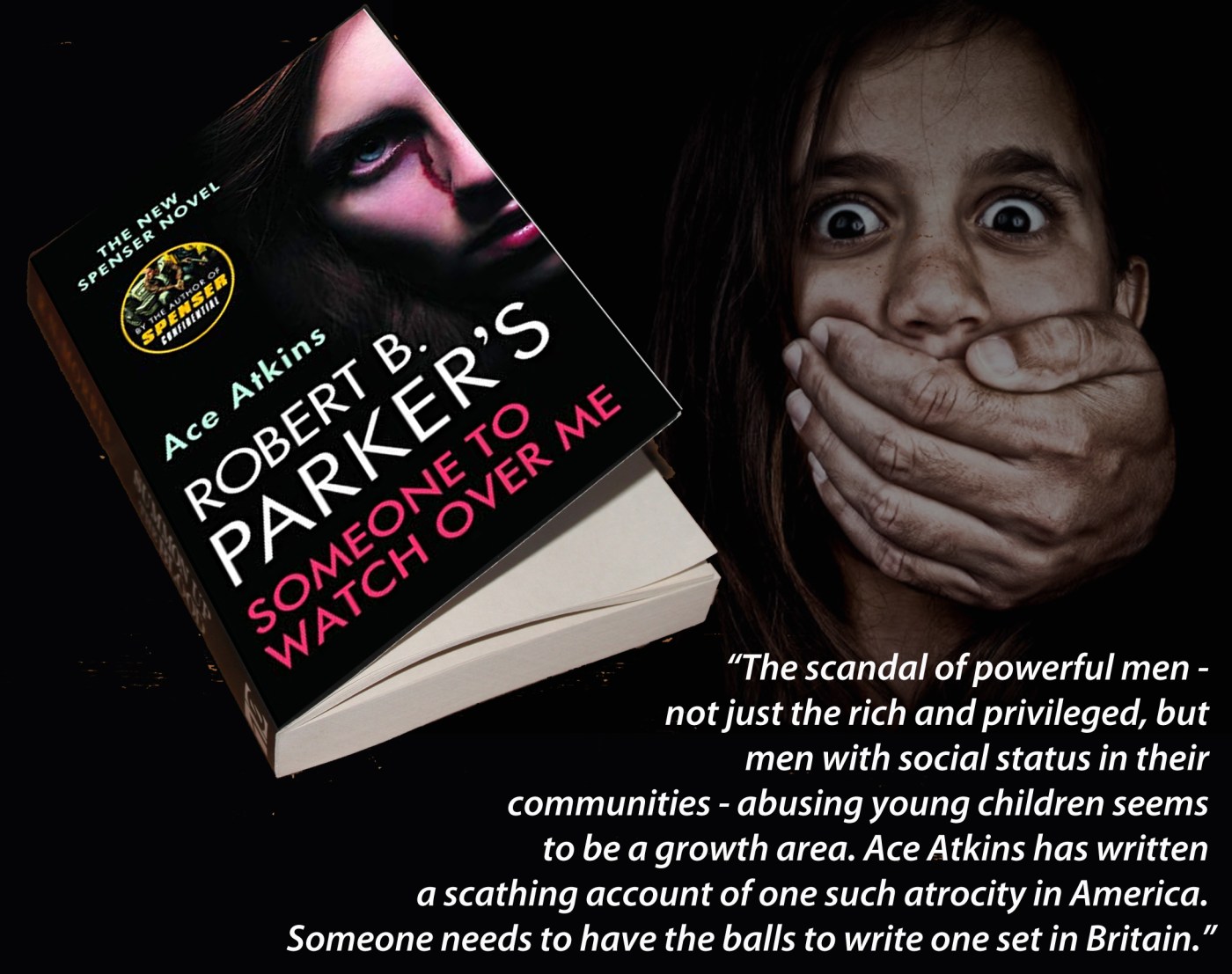

 The Steiners are also well-connected. Politicians great and small, financiers, socialites, fund-raisers – mostly anyone who is anyone in Boston and further afield – all tip their hats to the Steiners. Neither does it hurt that the Steiners’ clout enables them to hire serious muscle from the criminal underworld and, as most of the child rape is conducted on a private island somewhere in the vicinity of the Bahamas, neither the Boston Police Department nor the FBI can do anything to intervene.


 fullybooked2017