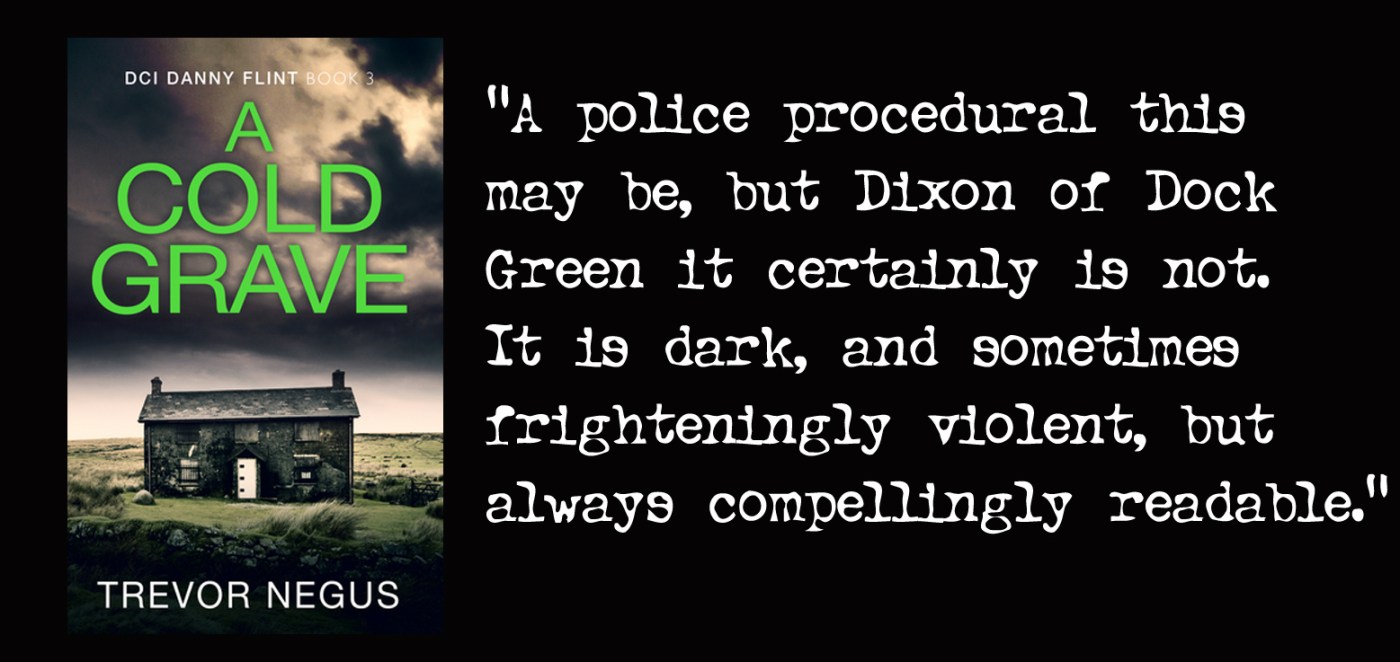

I had not come across Trevor Negus and his DCI Danny Flint novels, and it was only a browse through Netgalley that brought it to my attention, and I am glad I found it – but sorry to come late to the series, which began with Evil in MInd, and was followed by Dead and Gone. The three books all came out in May this year from Inkubator Books, but A Cold Grave was first published in 2018 with the title A Different Kind of Evil, from Bathwood Manor Publishing, which seems to be no more. I am glad that Inkubator have picked up the torch and are running with it.
I have to say that the police procedural genre is my absolute Alpha and Omega in crime fiction, and chancing upon a new (to me) series is a ‘punch the air’ moment. The acid test of course, is deciding if the book is any good. I think police procedurals are harder to get wrong than most genres, but it does happen. I am happy to say that Trevor Negus does most things right in this novel, and so he hasn’t dropped the Ming vase to shatter into a thousand pieces. The book is set in 1986, so in one sense it is Historical Crime Fiction, but only the absence of mobile phones stands out as a major difference between then and now. One of the elements that make this novel work so well is the sense – and continuity – of place. We certainly aren’t in the most romantic or obviously atmospheric part of Britain, but Negus knows Nottinghamshire like the back of his proverbial, and so he should; his bio reveals:
“In 1975 Trevor joined the Nottinghamshire Constabulary as a Police Cadet, becoming a regular officer in 1978. As a uniform constable he learned his craft in the pressure cooker environment of inner city Nottingham which at that time had one of the highest violent crime rates in the United Kingdom.
During a varied thirty year police career Trevor spent six years as an authorised firearms officer and sniper, before transferring onto the CID. He spent the last twelve years of his career as a detective, becoming a specialist interviewer involved in the planning and implementation of interviews with murder suspects.”
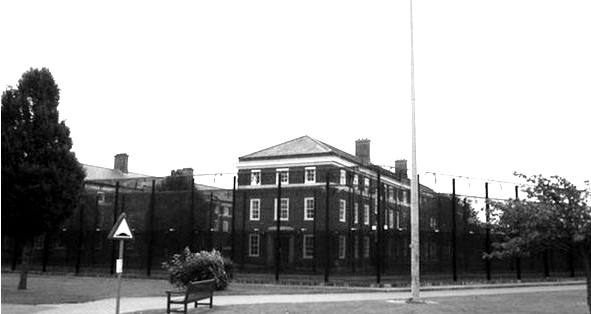
One of the most notorious places in Nottinghamshire is Rampton Secure Hospital, and it is here that the story begins. Two prisoners escape, after inflicting serious violence on several staff. One is quickly tracked down, but the other, Jimmy Wade, gets clean away, almost certainly helped by a member of the public with a car. Wade is a seriously deranged psychopath, and every day he remains at large is a day of anxiety for Detective Inspector Danny Flint and his team.
Flint has something else on his plate, though. That ever-reliable participant in murder enquiries (real and fictional) – a dog walker – has discovered the decomposing body of a boy. The boy is soon identified as Evan Jenkins, who has been removed from the ‘care’ of his mother, a drug addicted prostitute, and placed in a care home called Tall Trees. Flint has a bad feeling about the couple who run the home – Carol and Bill Short – and he connects them both to a drug ring and – even worse – a ring of paedophiles whose members include several civic dignitaries and influential businessmen. Meanwhile, Wade’s whereabouts remains a mystery.
Unlike Danny Flint, we know that Wade is living in a remote cottage on a country estate, aided and abetted by his girlfriend Melissa Braithwaite, who is drawn to him by a poisonous mixture of fear of his violence and the worst kind of sexual attraction. Wade has a revenge mission he hatched while under lock and key – the abduction of two prison officers who had given him a particularly hard time in Rampton. Danny Flint’s hunt for Wade and the paedophile ring responsible for Evan Jenkins’s death is played out against an impressively authentic geographical background – the Nottinghamshire towns of Retford, Newark and Mansfield. A police procedural this may be, but Dixon of Dock Green it certainly is not. It is dark, and sometimes frighteningly violent, but always compellingly readable. A Cold Grave is out now.

 Many readers have come to associate Rob Parker with his energetic thrillers featuring the redoubtable runaway Special Forces operative
 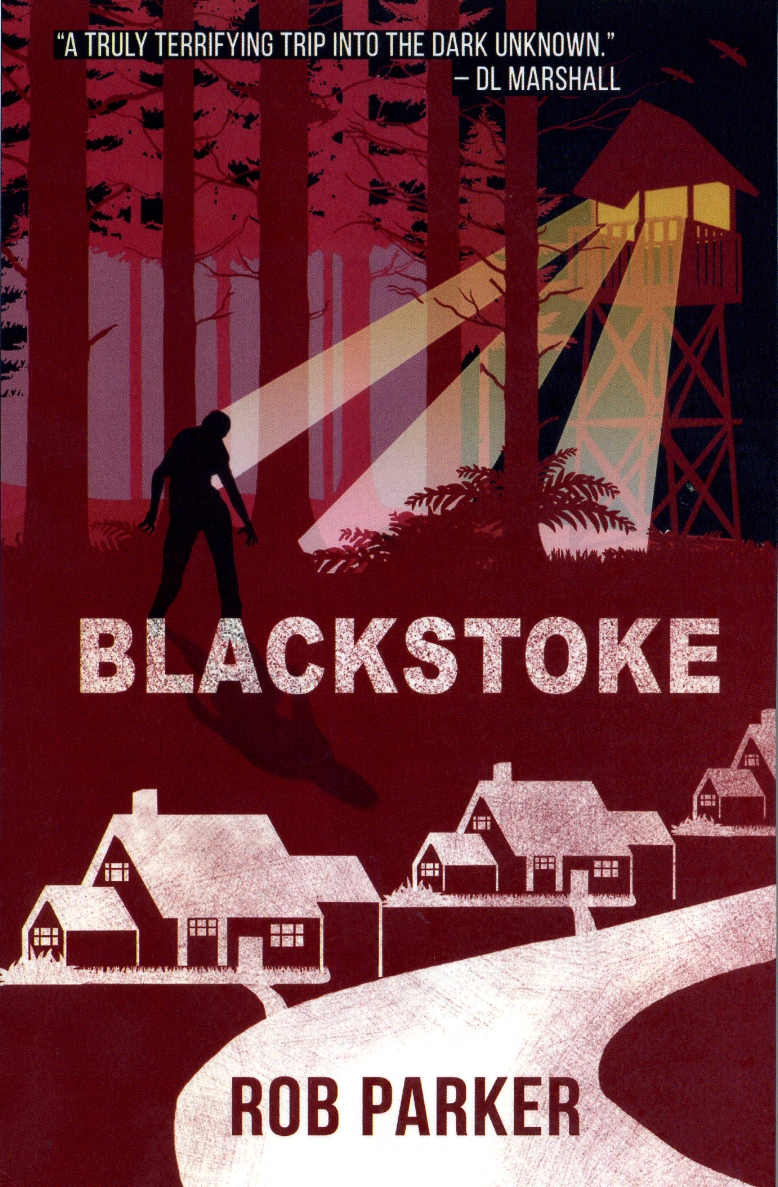 Parker ratchets up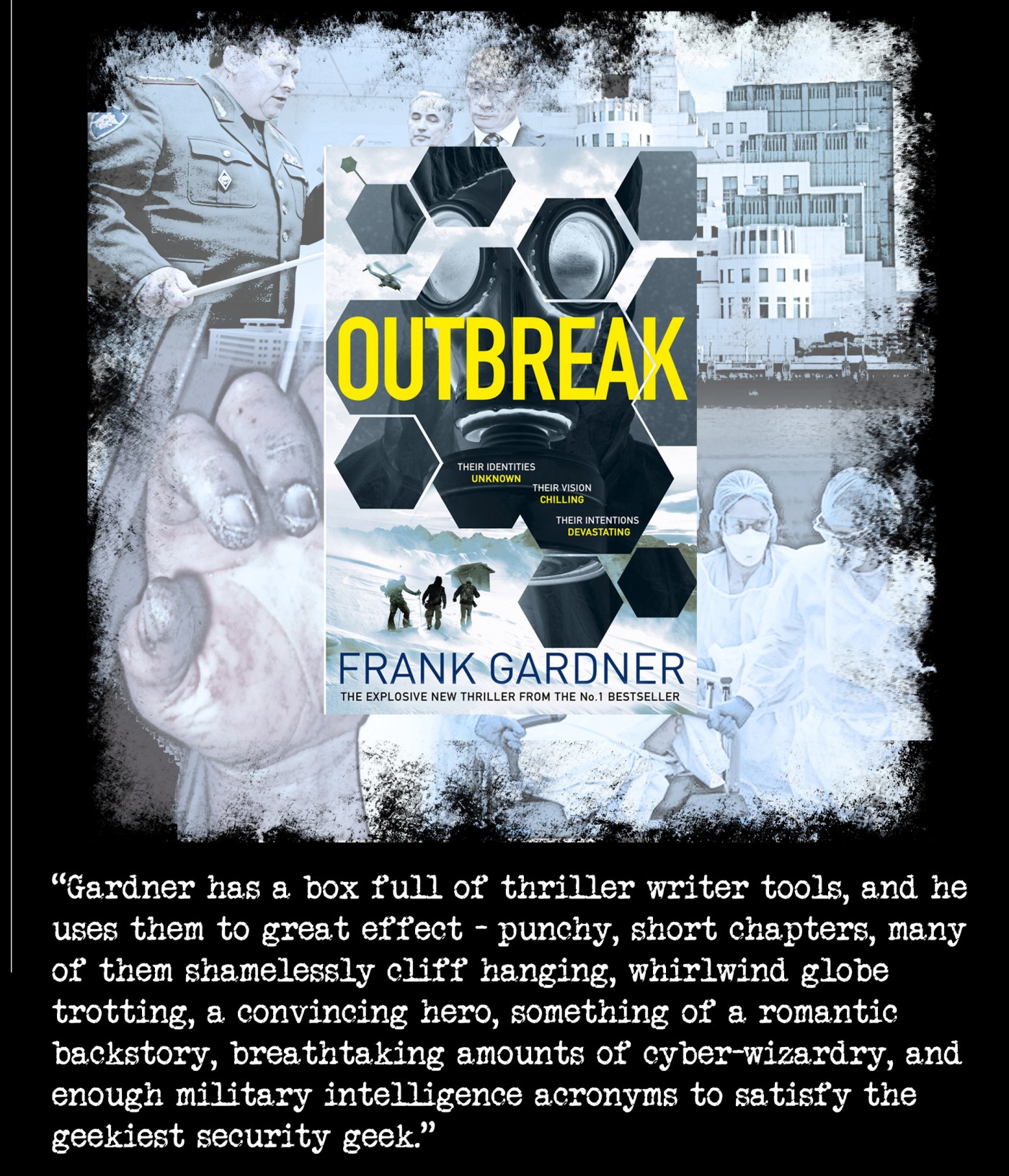

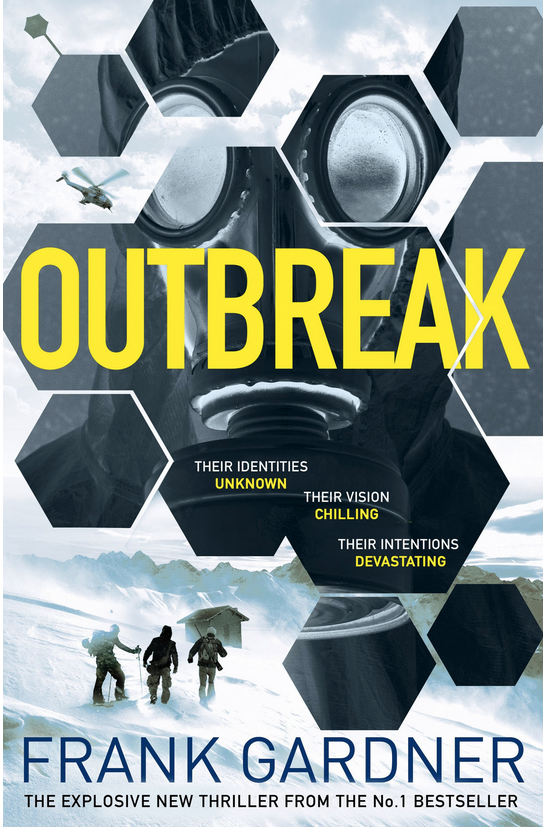 That, then, is the Aliens moment. Events move with terrifying speed. Mackenzie is airlifted back to England and isolation and the wheels of government and the intelligence agencies begin to whirr. Given that there is a large Russian presence in Svalbard, ostensibly for mining operations, the fingers of guilt begin to point towards Moscow, particularly when the virus is found to be man-made.
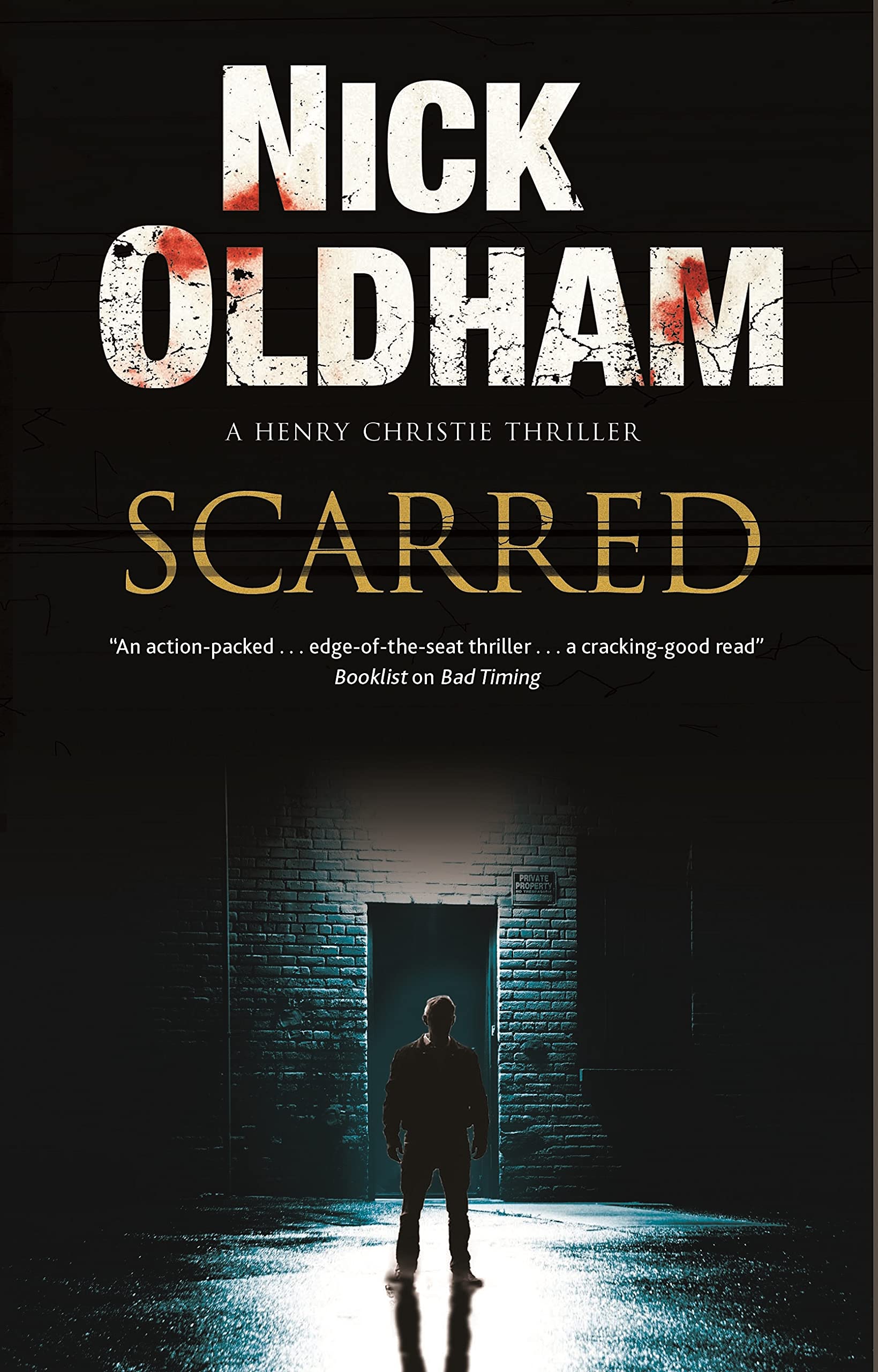 The 1985 episode links crucially with the second part of the book which is firmly in present day Covid-restricted Lancashire, complete with masks and elbow bumps. A teenage boy who was the object of Christie’s near fatal pursuit – but then disappeared off the face of the earth – turns up again, but in an unexpected and deeply disturbing way.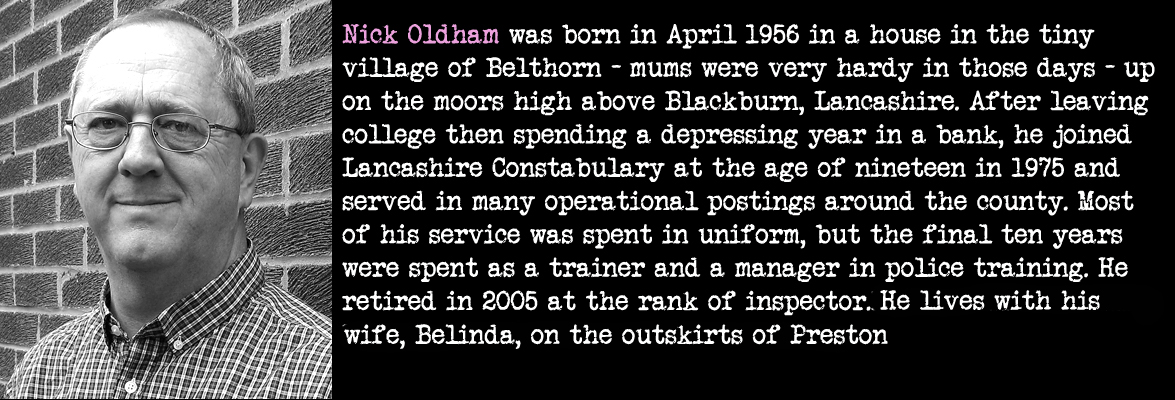




 Russell is a survivor, a man who can usually talk his way out of trouble. Multilingual, and with that all-important American passport, he keeps a wary eye on the features he wires back to his newspaper in the states, but has – more or less – managed to stay out of trouble with the various arms of the Nazi state – principally the Gestapo, the SS and their nasty little brother the Sicherheitsdienst. Russell fought in the British Army in The Great War, but in its wake became a committed Communist. Although he has now ‘left the faith’ he still maintains discreet contacts with the remaining ‘comrades’ in Berlin. With that in mind, it is unsurprising, perhaps, that he has been manoeuvred into the sticky position where both the German and Russian intelligence services believe that he is working uniquely for them, and he is being used to pass on false information from one to the other.
 The first line of the book states:
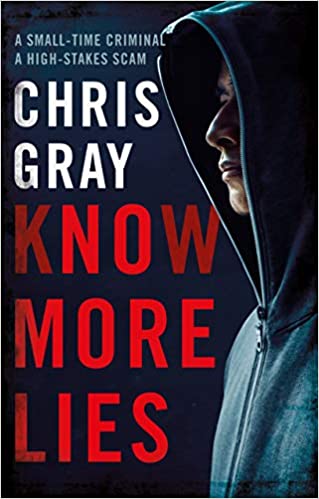 Definitely not in the Bentley and up-market apartment league, but still in the Midlands, this novel tells the tale of Robbie Howard, a lying, thieving young chancer, grifting away on the slightly grubby streets of Leicester. To be fair, Robbie has not had it easy, having been effectively orphaned at the age of 8.
 When you get to my age, you will not only remember where you were and what you were doing when Jack Kennedy was shot, but you will also recall the events of the previous autumn, when the Cuban Missile Crisis seemed to be pushing the world to the brink of war. In a sentence, the USA blockaded the Russian navy, who were intent on delivering nuclear missiles to Fidel Castro’s Cuba, a potential launch site which put every city in America within easy reach.
 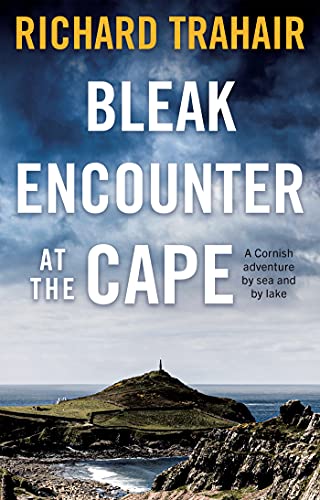 We are in the south-west of England, Cornwall, to be precise, and book lovers will know that its rugged coastline and stormy Atlantic waves have long been a popular location for novelists. Richard Trahair may not yet be in the same league as Wilkie Collins (The Dead Secret) or Daphne du Maurier ( Rebecca, Jamaica Inn) but he brings us a spirited tale of a local volunteer coastguard who discovers a body on the rocks at Cape Cornwall.


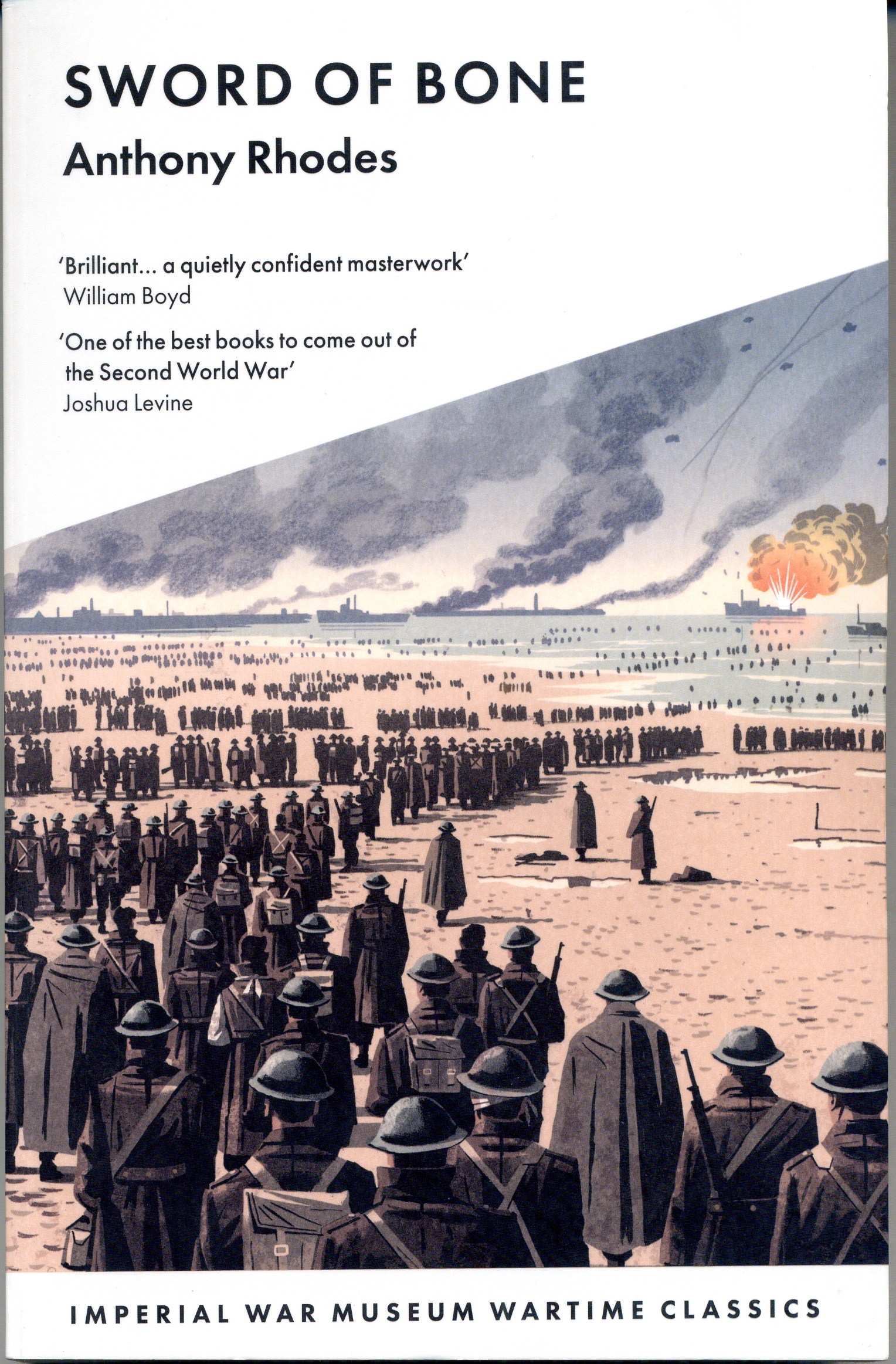 His party work their way at a leisurely pace from Brittany up to the grim and grey slag heaps and factory chimneys in the region of Lille, Lens and


 fullybooked2017