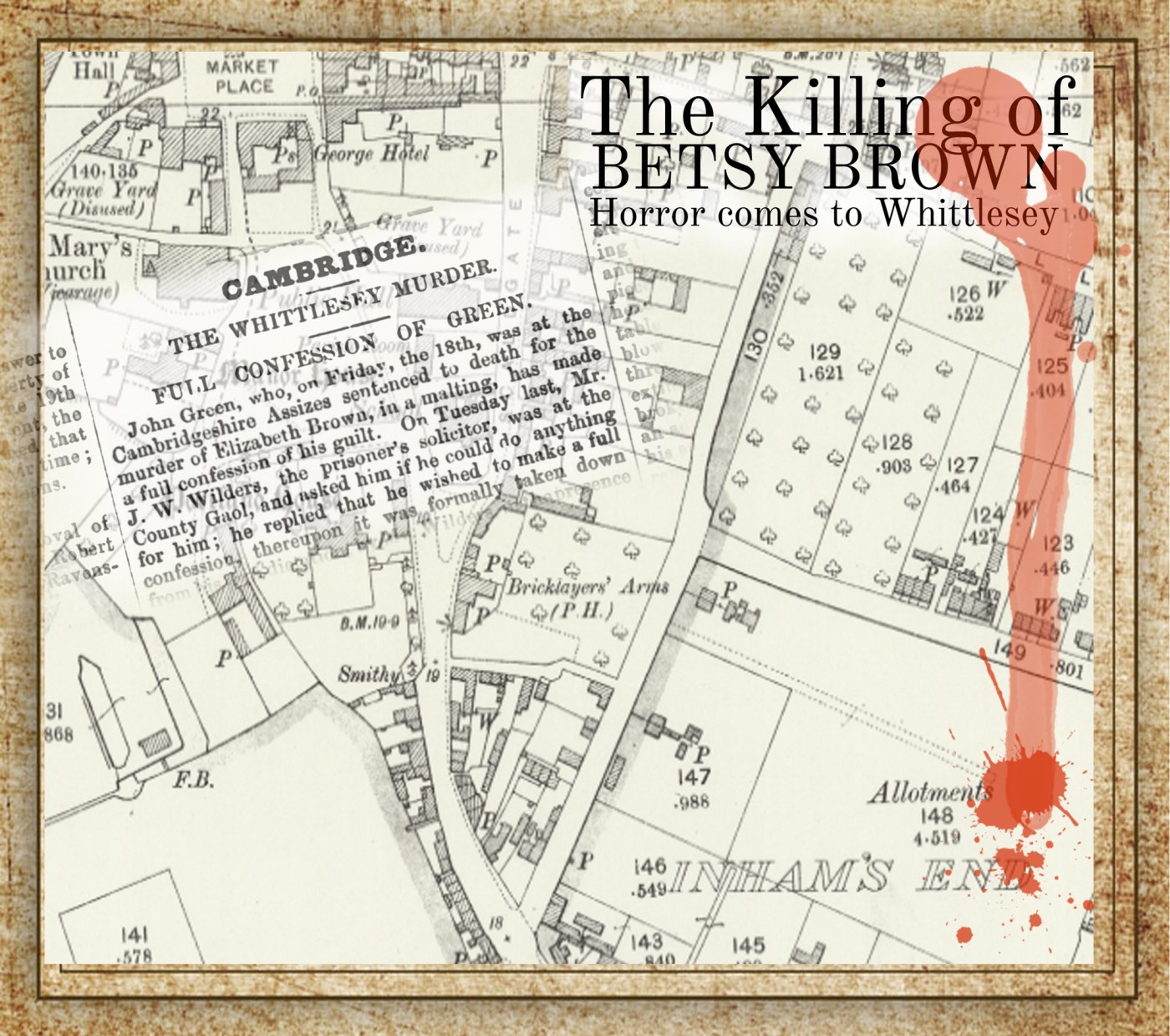
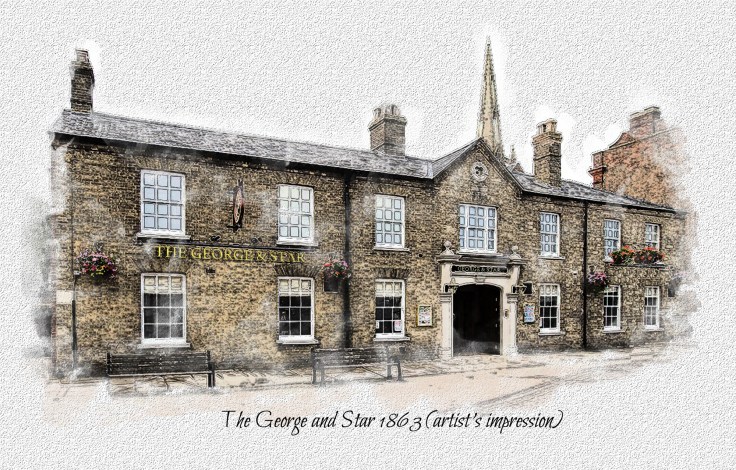
In 1863 The George and Star inn was, as it is today, the biggest in Whittlesey. It changed its name by dropping the Star several years after the events described in this story. Behind the inn was a maltings owned by Thomas Whyles, described in the 1861 census as ‘Corn merchant and miller.’ His house was in Church Street. Two other town residents acted out their parts in this drama. Elizabeth Brown was known as ‘Betsy’. The newspapers gave her age as 36, but the 1861 census gives us two Elizabeth Browns, one aged 24 living in Scaldgate, and another aged 39 in Private Road. You can take your pick as to which was ‘our’ Betsy Brown. Both were described as labourers, but if truth be told, the Betsy who features in this story supplemented her income by being, as my grandmother used to say, ‘no better than she ought to be’. She was described as ‘a tall dark woman with coarse features, high cheek bones and black hair : she had led an abandoned life for some time.’
Just a few streets away, in what was known then as Inham’s End, 24 year-old John Green – who worked for Thomas Whyles – lived with his wife Martha and daughters Mary and Harriet. He was described thus in a newspaper report. “He is a married man with three children; is 25 years of age, rather tall, with dark hair and pale face, has no whiskers, and is of slight but muscular build.”

On the evening of Wednesday 11th March, John Green was drinking in the tap room of the George and Star, along with – amongst others – a man called Smedley, who was head maltster for Thomas Whyles – and Betsy Brown. Smedley was to play – literally – a key role in this affair, as he had a key to the maltings, and John Green, as the night’s drinking intensified was paying court to Betsy Brown and, aware of her reputation, needed somewhere private to take her, should she go along with his plans.
At some point in the evening, Betsy Brown’s mother, perhaps having some kind of premonition or sixth sense that her daughter was in danger, arrived at the inn and tried to persuade Betsy to come , home, but she refused. About half past midnight, Green, Betsy Brown and a woman called Ann MacDonald left the inn, and Green said, pointing to the maltings, “Come along, we shall have some beer.” MacDonald, well aware of what Green’s intentions were, replied, ““No, one woman with one man is plenty;”
At this point, it is necessary to explain briefly what happened in a maltings. The process of malting grain for beer and whisky making involves three main steps. The first is soaking the barley – also known as steeping – to awaken the dormant grain. Next, the grain is allowed to germinate and sprout. Finally, heating or kilning the barley produces its final color and flavor. The kiln was used to produce hot air which would be passed under the bed of grain so that it dried out evenly. In Whyle’ maltings the place where the kiln stood was referred to as the furnace room.
At about six o’clock on the morning of Thursday 12th March, John Green was seen by a man called Robert Cunnington, Green was heading towards his home. When Smedley arrived at work a little later, he entered the furnace room to be greeted by a horrific sight. Against a door was a body with the head resting against the door. The door was burning, and there was smoke issuing from the lap and chest of the body. Smedley’s first reaction was to get water and pour it on the body, but it was too little too late. Other workers – including Cunnington – arrived. The body was removed to the pump room, and Smedley expressed a fear that the body was that of his “silly mate” Green, but Cunnington informed him that he had recently seen Green, alive and well, heading for his home.
The Police were fetched and immediate enquiries revealed that if the body was not that of John Green, it must be that of Betsy Brown. The body was only recognized by keys found in the pocket of the what remained of the dress, and a ring of buffalo-horn worn by her. Remarkably, John Green turned up for work as usual that morning, and after a cap similar to the one he generally wore was found near the spot where Betsy Brown’s body body was discovered, he was arrested. Superintendent Smith later gave this account:

“I went into the pump-room shortly after seven o’clock on the morning of the 12th, the finding of tinder of burnt sacks, part of woman’s crinoline petticoat, from which I drew a piece of cane, and the state in which I found the window. About a quarter to eight I went with Mr. Whyle to the top floor, where Green was turning the kiln. Mr. Whyle told him to halt for a minute. Green looked towards us, and turned very pale and confused.
I said to him, “What time did you leave the malting last night ?’ and he replied ” Sir, sir, about half-past eight, sir.” I asked him what time he went home, and he replied, ” I went into the George and Star, and had a pint of beer with my mate, and was at home and in bed by eleven o’clock.“, I said, Did you see anything of Elizabeth Brown last night ?” and he paused, and said “I did see her in the George and Star tap-room, but never saw her afterwards.”
I took the prisoner into custody shortly before nine o’clock. He was then working a cistern below. I put my hand on his shoulder and said, “John Green, I apprehend you on suspicion of having caused the death of one Elizabeth Brown, found burning the kiln-house of this malting.” Prisoner shrunk down, and said ” Oh, pray don’t, pray don’t.” I assisted him over the wall, and took him to the police station. His whole frame trembled as he walked along. At that time I observed a piece of skin had been recently knocked off the ridge of his nose. Green said, “I did not know it was there.” There was also a small scratch on the bottom lip. I searched him, and from his trousers pocket took a canvas purse, now produced, which had then a very strong smell of burning.”
IN PART TWO
The full horror is revealed to the Coroner
A confession
An appointment with Mr Calcraft


 This thriller is set in Finchley – not Mrs Thatcher’s old baileywick but a fictional (I believe) small town in upstate New York, where three bodies are discovered in an old mine. The local Sheriff is out of his depth, and asks the FBI for help. They persuade a former agent, Ronin Nash to take the case, but he discovers the town has a big secret which powerful people will go to any lengths to protect. The author tells us:
 Detective Jane Rizzoli
 Described as a literary thriller, Hawk Mountain tells the story of a thirty-something man – Todd – who is accidentally re-united with his high school tormentor. The Jack of old seems to be a reformed character, warm, radiant and sorry for his youthful misdemeanours. But is he? And was the chance reunion accidental at all? Cue a spiral of menace and entrapment which plumbs the very worst parts of the human psyche. Perhaps I don’t get out as much as I should, but I think this is the first thriller written by a former adult movie performer. He says:
 I missed From The Shadows, the first book in the DI Monica Kennedy series, but thoroughly
  ‘The Reading of the Will’ used to be a standard trope in crime fiction years ago. Picture the scene, preferably in black and white. The fusty old solicitor addresses the family, gathered in the library of a stately old house. What he announces sets up the plot of the novel/film, and pitches different family members against each other. Rebecca Reid revives this chestnut, and gives it a modern slant, when the family of the recently deceased Cecily Mordaunt gather in Norfolk at Roxborough Hall, each hoping to leave the scene as significant beneficiaries of the old lady. Of course there is disappointment and joy – which will lead to chicanery and revenge. Rebecca Reid is a freelance journalist. She graduated from Royal Holloway’s Creative Writing MA in 2015. She is the author of Perfect Liars, Truth Hurts, Two Wrongs and The Power of Rude. The Will is her latest book, and joins two of the other novels in this post in being published



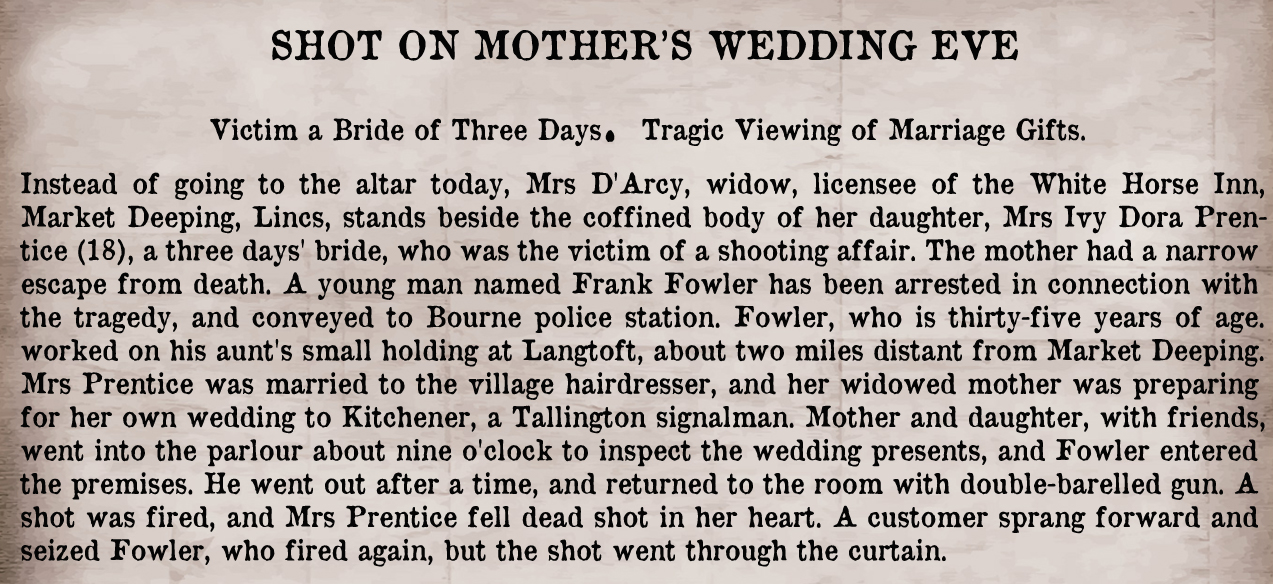
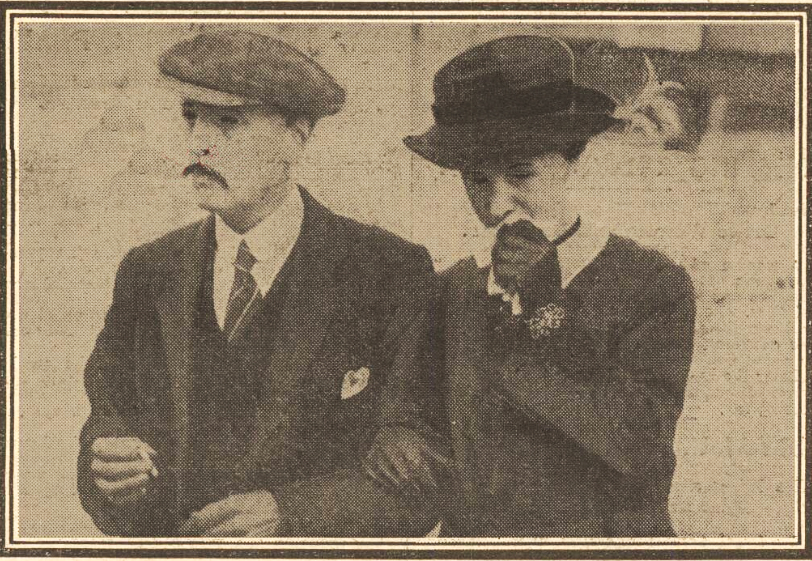
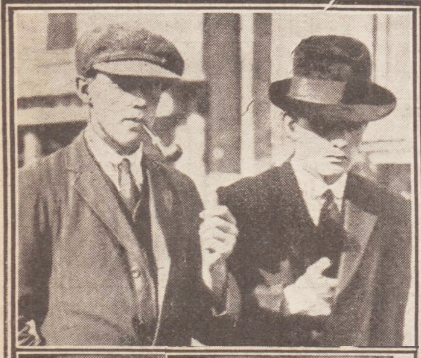

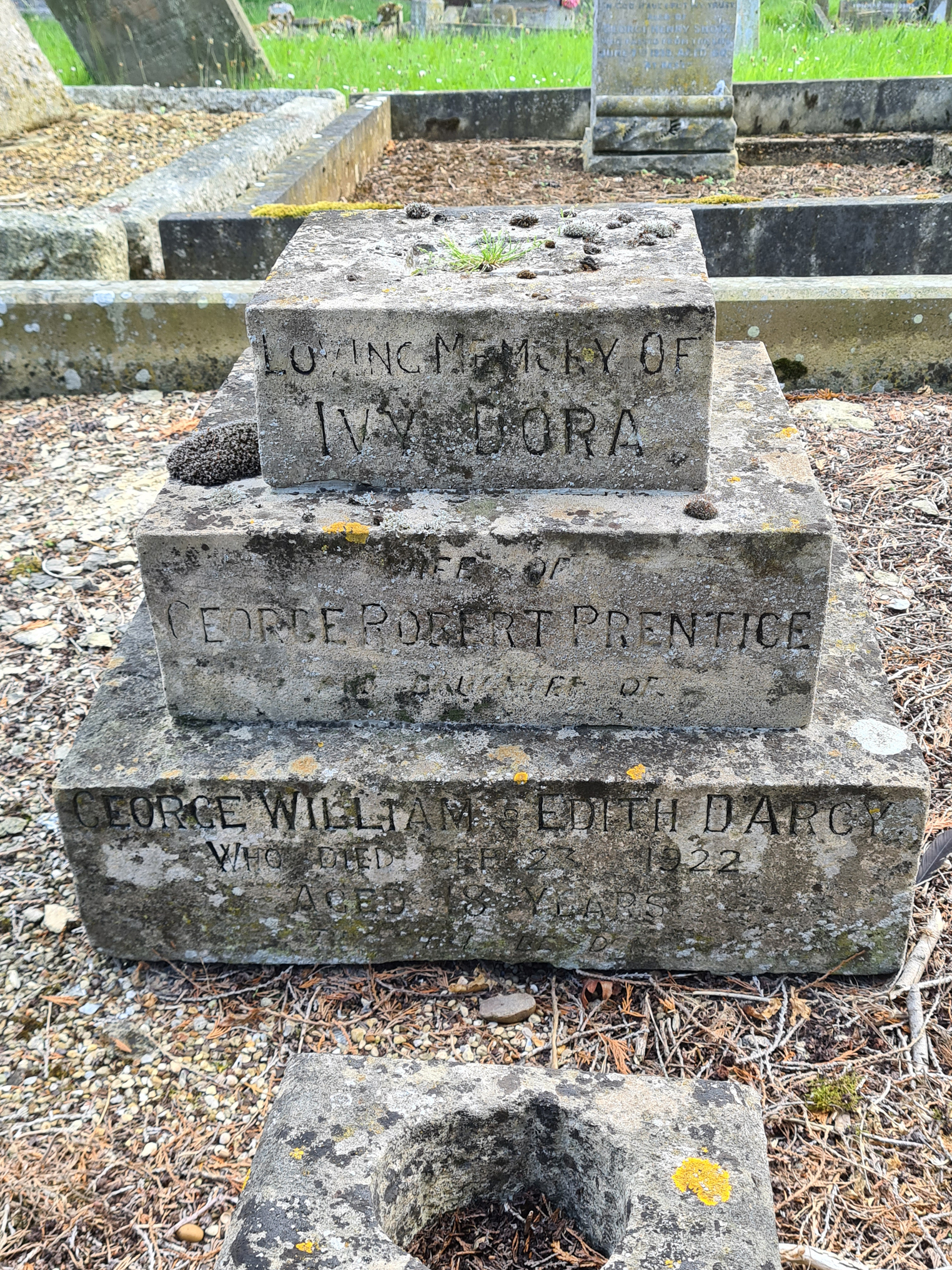

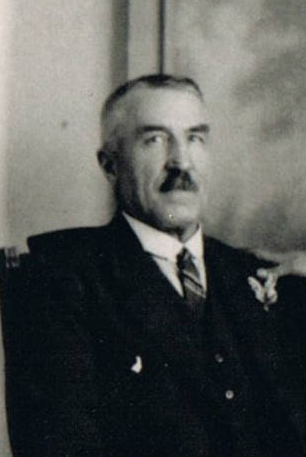
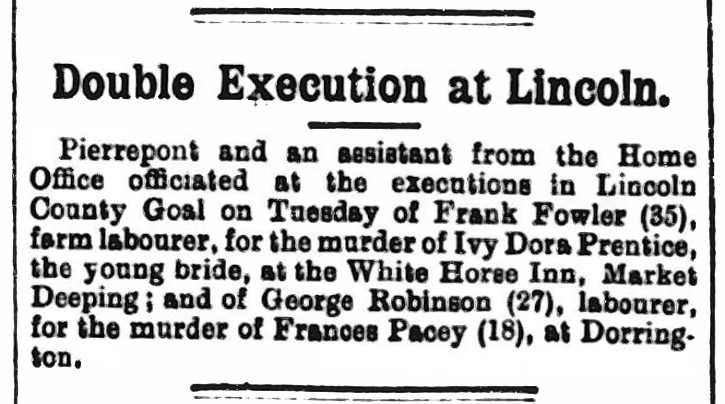


 By 1901, however, he is still living in Langtoft, but with his grandparents Henry and Alice Rosling. His parents, along with daughter Henrietta and a younger son, Robert, had moved to Pickworth, 8 miles east of Grantham. One can only speculate why they left Frank – still only fourteen – behind. It is possible that there was no sinister reason behind this, as by then he may have been working, but it is not mentioned on the census return. In 1911 he is still living with his grandfather – now a widower – and certainly working on a farm. It seems he was either conscripted or joined up to fight in The Great War (pictured left), survived, and returned to Lincolnshire. In 1922 he was managing a farm owned by his aunt, a Mrs Ormer, and was a regular customer at The White Horse. It also seems he had developed an interest in the landlady’s daughter – Ivy Dora D’Arcy.


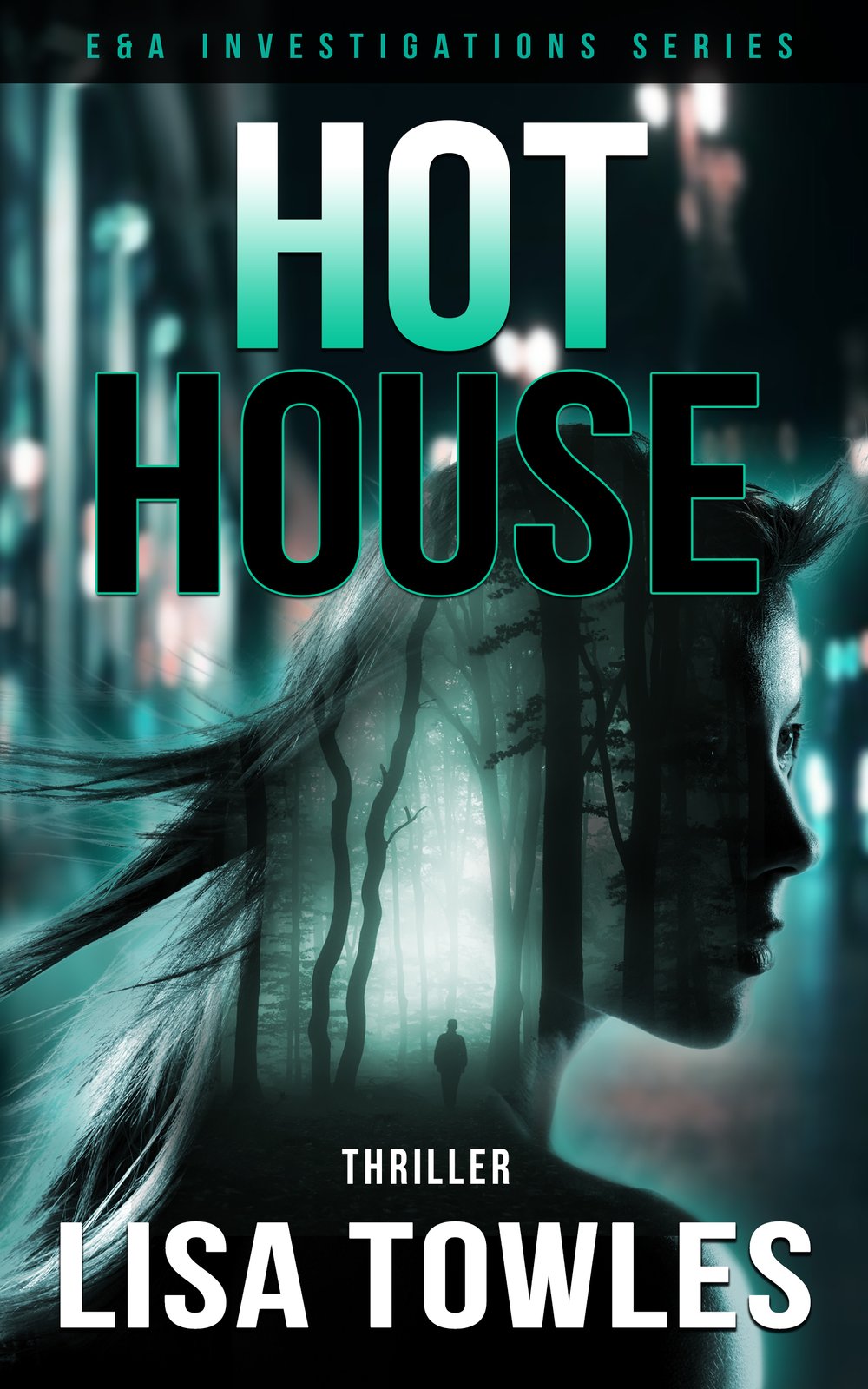 That is just a quick sample of the whip-crack dialogue in the book, which fizzles and sparks like electricity across terminals. Very soon Mari and Derek realise that the blackmailed judge is also connected to the unsolved murder of a French duel-passport student, Sophie Michaud, and the fate of two women journalists who investigated the case, one of whom is dead and the other missing.
 In the end, the blackmailer of the judge is located, and the killer of Sophie/Sasha is brought to justice, but with literally the last sentence, Lisa Towles poses another puzzle which will presumably be addressed in the next book. Hot House is everything a California PI novel should be. It has pace, great dialogue, totally credible characters and a pass-the-parcel mystery where Lisa Towles (right) has great fun describing how Ellwyn and Abernathy peel back the layers to get to the truth. Sure, the pair might not yet stand shoulder to shoulder with Marlowe, Spade and Archer, or even more modern characters like Bosch and Cole, but they have arrived, and something tells me they are here to stay.



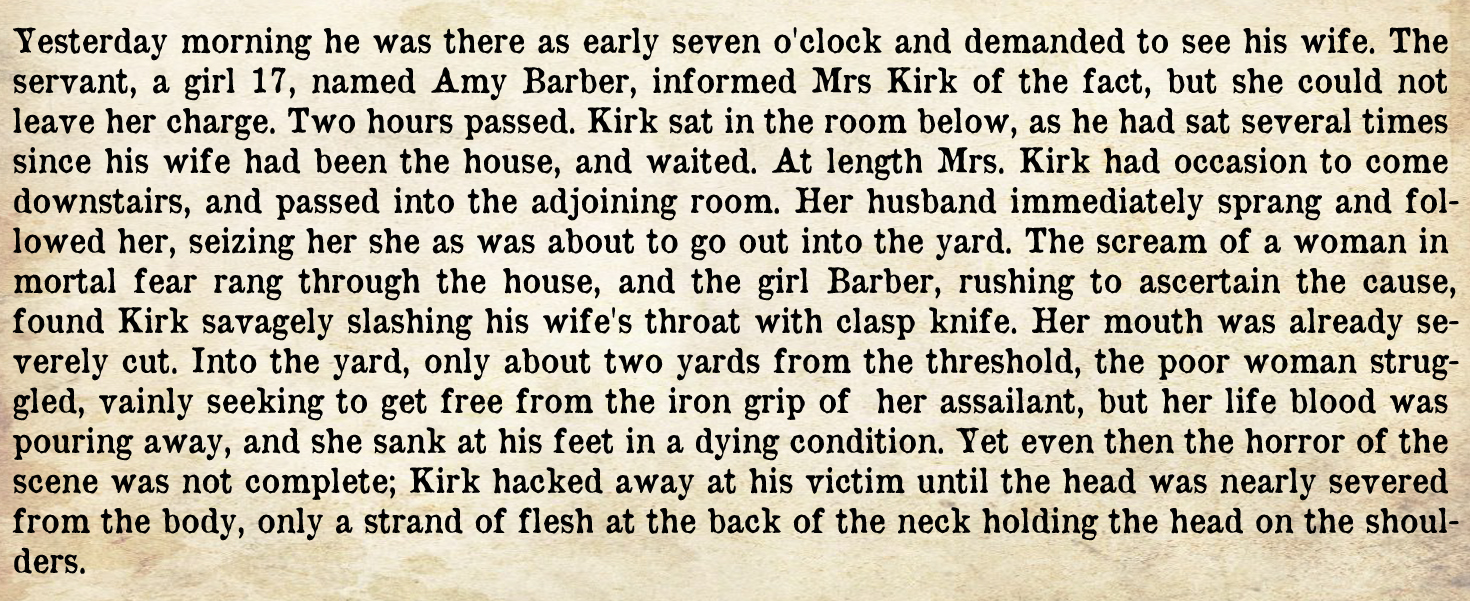

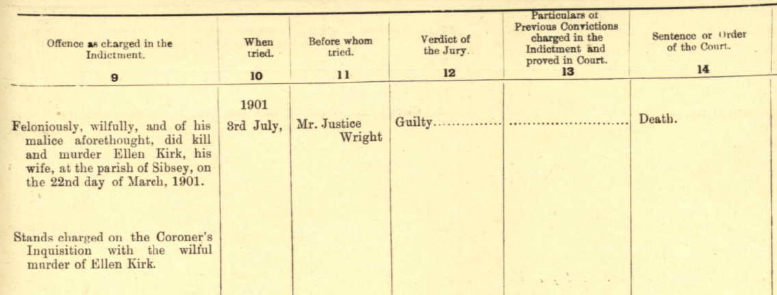
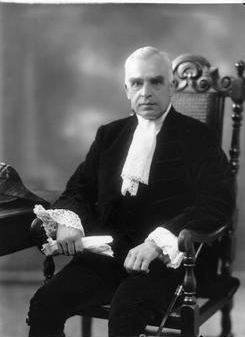 Inevitably, William Kirk was found guilty of murder, and his case was sent to the July Assizes in Lincoln. The trial, presided over by Mr Justice Wright (left) was a formality, and Kirk was sentenced to be hanged. Just days before he was due to meet James Billington for the first – and only time – the powers that be judged that he was insane at the time of the killed his wife, and he was reprieved, and sent to Broadmoor.



 Late again! My excuse is that I am a one-man-band here at Fully Booked, and notwithstanding the occasional erudite contribution from Stuart Radmore (who has forgotten more about crime fiction than most people will ever know), there are only so many books I can read and review properly. My first experience of Peterborough copper DI Barton is the fifth of the series (written by Ross Greenwood), The Fire Killer. Peterborough is a big place, at least for us Fenland townies, but is rarely featured in CriFi novels. I am pretty sure that Peter Robinson’s DI Banks grew up there (The Summer That Never Was) and Eva Dolan’s Zigic and Ferreira books are certainly set in the city.
 Ross Greenwood (right) has fun inviting us to make out own guesses, but also makes the game a little more interesting by giving us intermittent chapters narrated by The Fire Killer, but he is very wary about giving us too many clues. The dead girl, Jess Craven had been involved with a very rich dentist with links – as a customer – to the London drug trade.


