
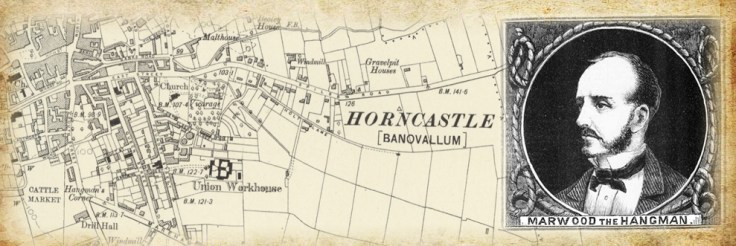
The 1841 census has a William Marwood (55) living in Goulceby with his wife Mary (35) and two children – John (3) and Jane, just a month old. Marwood was a shoemaker, as was another William Marwood (20) and Jesse (30) who lived in Bolingbroke, and was also a shoemaker. The 1851 census gives Marwood’s date of birth as 1819 and he is living in Dexthorpe, near Spilsby. Dexthorpe is now classed as a deserted medieval village. In this census return, Marwood has described himself as a Master Cordwainer. The term comes from the use of Cordovan leather to make high quality shoes. 1861 found William and Jesse Marwood living at 182 Foundry Street in Horncastle. Jesse died in the summer of 1867 at the age of 61, but William did not remain a widower for very long. He married his second wife, Ellen, later that year.
In 1881, William and Ellen Marwood were still in Foundry Street, but the house has a different number, whether through new builds necessitating renumbering, or through actual moving house, it is not clear. He describes himself as a Professional Executioner and shoe dealer – surely a unique combination! Marwood has a blue plaque in town, but it is on a tiny building in Church Street.

It is pointless to speculate what made Marwood wish to become an executioner, but an infamous Lincolnshire murder in 1872 prompted him to offer his services to the governor of Lincoln Castle prison, where Boston-born William Horry was in the condemned cell, have been sentenced to death for killing his wife. After the abolition of public executions in 1868, prison governors and staff were required to witness hangings, which normally involved slow strangulation. Marwood had devised a method known as ‘The Long Drop’, where a calculation was made using the prisoner’s body weight to ensure that the neck was broken instantly.
The execution of Horry, on 1st April 1872, went perfectly, and in 1874 Marwood was appointed senior hangman. He was awarded a retainer of £20 a year – in modern money over £2400 – and earned the equivalent of £1200 for each execution. The Long Drop’ was certainly a more humane method of judicial killing – when it was correctly calculated calculated. Marwood’s successor, James Berry, got things badly wrong on one infamous occasion, when he was required to execute the Wisbech murderer, Robert Goodale in 1885 at Norwich. When the trap opened and Goodale disappeared from view, onlookers were horrified to see the rope spring back through the trap door as if it were made of elastic. When they opened the door leading to the space below the scaffold, Goodale’s head had completely been severed from his body.
William Marwood was hangman for nine years, and hanged 176 people, which gave him lifetime earnings from his trade (again in modern money) as £232,800! His second career undoubtedly enabled him to enjoy a comfortable lifestyle. The Lincolnshire Chronicle of 5th April 1881 reported that he and his family were enjoying the Spring sunshine in France.

Marwood certainly experienced a certain mixture of celebrity and notoriety in his home town. The famous Scottish music hall entertainer, Arthur Lloyd (pictured below left), recalls meeting him after giving a concert at Horncastle Corn Exchange:
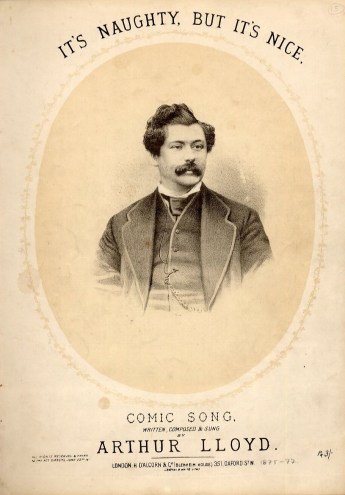 “During my stay in Horncastle I got to know that Marwood had been doing duty as a hangman some time before his neighbours knew of the circumstance. And it would have been a secret for some time longer, but that a Horncastle man happened to be present at an execution which took place at some distant town, and, on seeing the operator, recognised his fellow-townsman. The news spread like wildfire at Horncastle, and when Marwood arrived home he found himself the object of a few attentions which were more demonstrative than nice. And for some time after, when he started for, or came back from, an execution, he was followed about by people who showed no displeasure by hooting him, and by beating tin kettles, pots, and pans. This grew to be a veritable nuisance, so bad that Marwood was compelled to write to the Home Secretary claiming protection. After he had done this the head of Horncastle police was communicated with, and since that time Marwood has been permitted to depart from, and return to this town without molestation; in fact, he walks about the place without attracting any special attention. I noticed that his fellow townsmen greeted him in an unmarked but friendly manner, and he appeared to be on good terms with everybody. He keeps a shoemaker’s shop, and is comfortably off, owning several houses in Horncastle.”
IN PART TWO
Marwood’s ‘celebrity clients’ & bankrupt death


 This is a new police procedural from Stuart MacBride (left) and it introduces Detective Sergeant Lucy McVeigh. Her beat is the fictional town of Oldcastle (not to be confused with the actual city of Oldcastle, which lies between Aberdeen and Dundee). Aberdeen, of course, is where DS Logan McRae operated in the hugely successful earlier series from MacBride. Also, DS McVeigh comes across – to me at any rate – as a younger version of McRae’s boss, the foul-mouthed and acerbic DCI Roberta Steel. McVeigh is equally sharp tempered, and similarly indisposed to suffer fools gladly.
 As the search for The Bloodsmith continues, and Lucy McVeigh struggles to keep abreast of that investigation, as well as her battle with the Black family and coping with the mental agonies of Benedict Strachan, MacBride treats us to his signature mixture of Noir, visceral horror and bleak humour. Even though his Oldcastle is a fictional place, it is vividly brought to life to the extent that I would not be in the least surprised if the author has a map of the place hanging on the wall of his writing room. The situation becomes ever more complex for Lucy McVeigh when she learns there is a connection between the murdered former policeman and Benedict Strachan. That connection is a prestigious and exclusive independent school, known colloquially as St Nicks’s. When she visits the school, she unearths more questions than answers.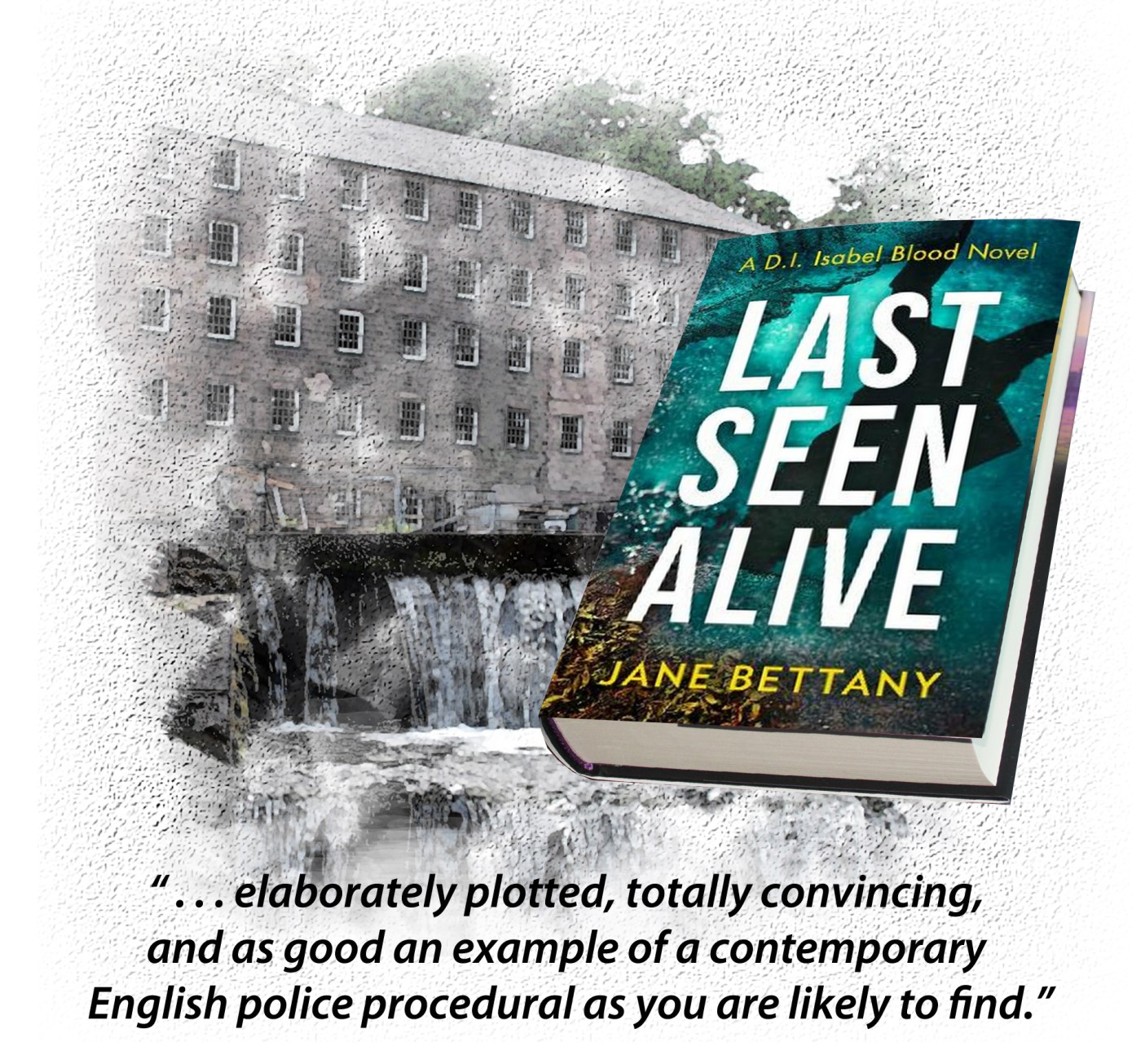

 Last Seen Alive is the third book by Jane Bettany (left) featuring the Derbyshire copper DI Isabel Blood. The story begins when Anna Matheson, a single mother who works at a large confectionery firm, fails to pick up her infant son from the child minder after a social event at work. Lauren Talbot, the child minder, raises the alarm late at night, but precious hours elapse before morning comes and the police are able to start making enquiries.





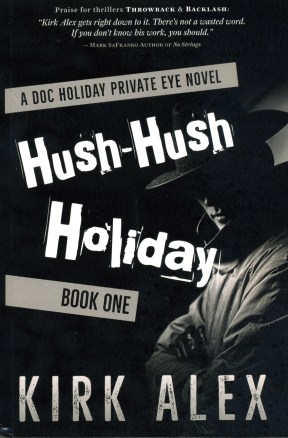 The Tucumcari Press is based in Tucson, Arizona, and they have kindly sent me a couple of books by Kirk Alex. So who is he? He can tell us:
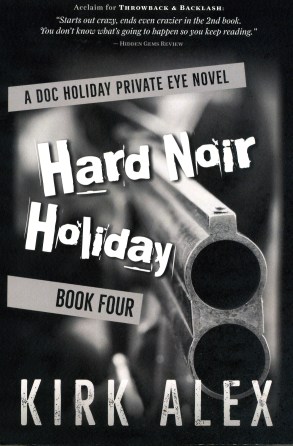 In L.A., unless you have the flashy car, luxury apartment, good paying job, you can forget about having a woman in your life to be with, any of that; so yeah, we hung in there alone. What doesn’t break you makes you stronger, so they say.
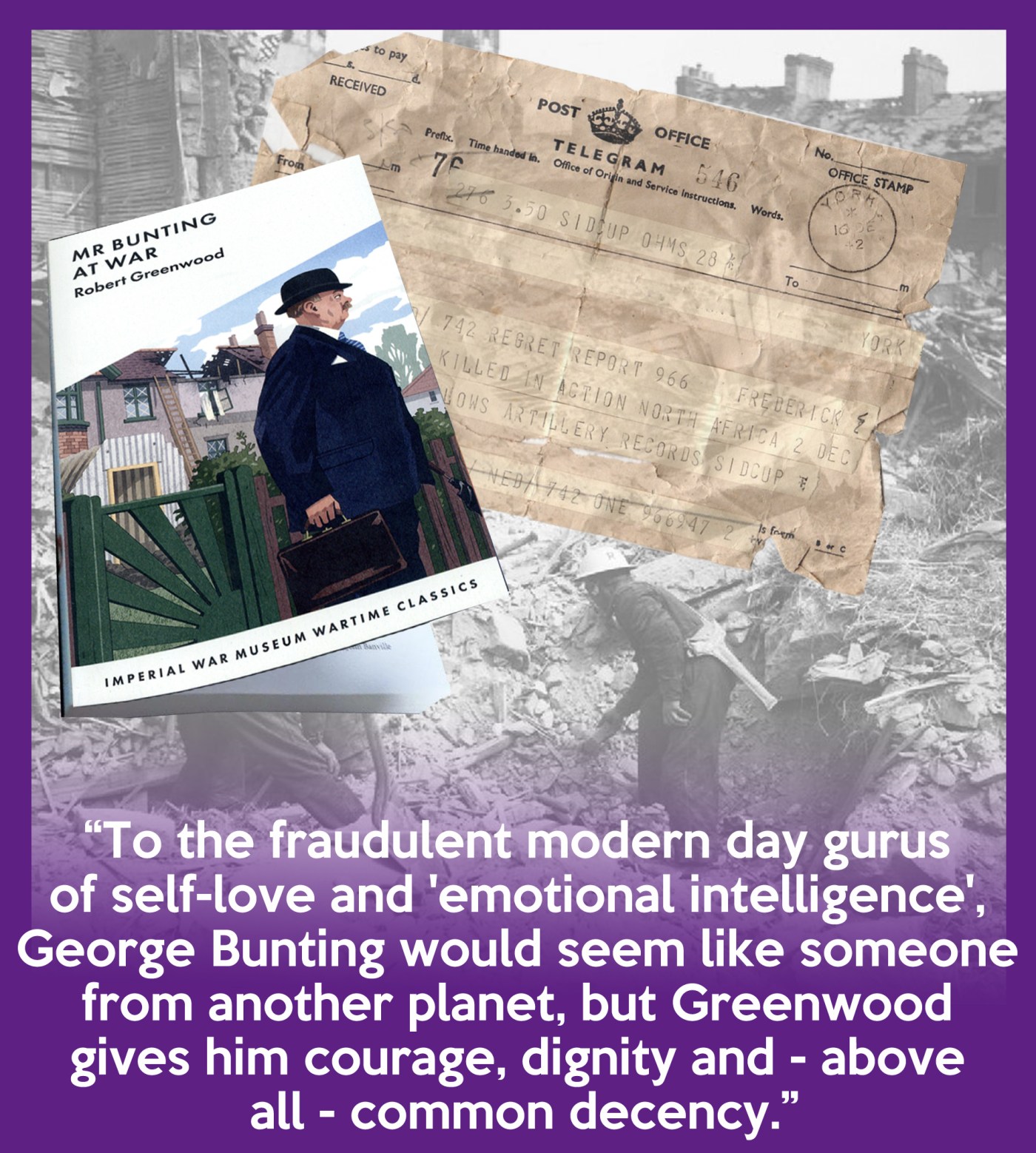



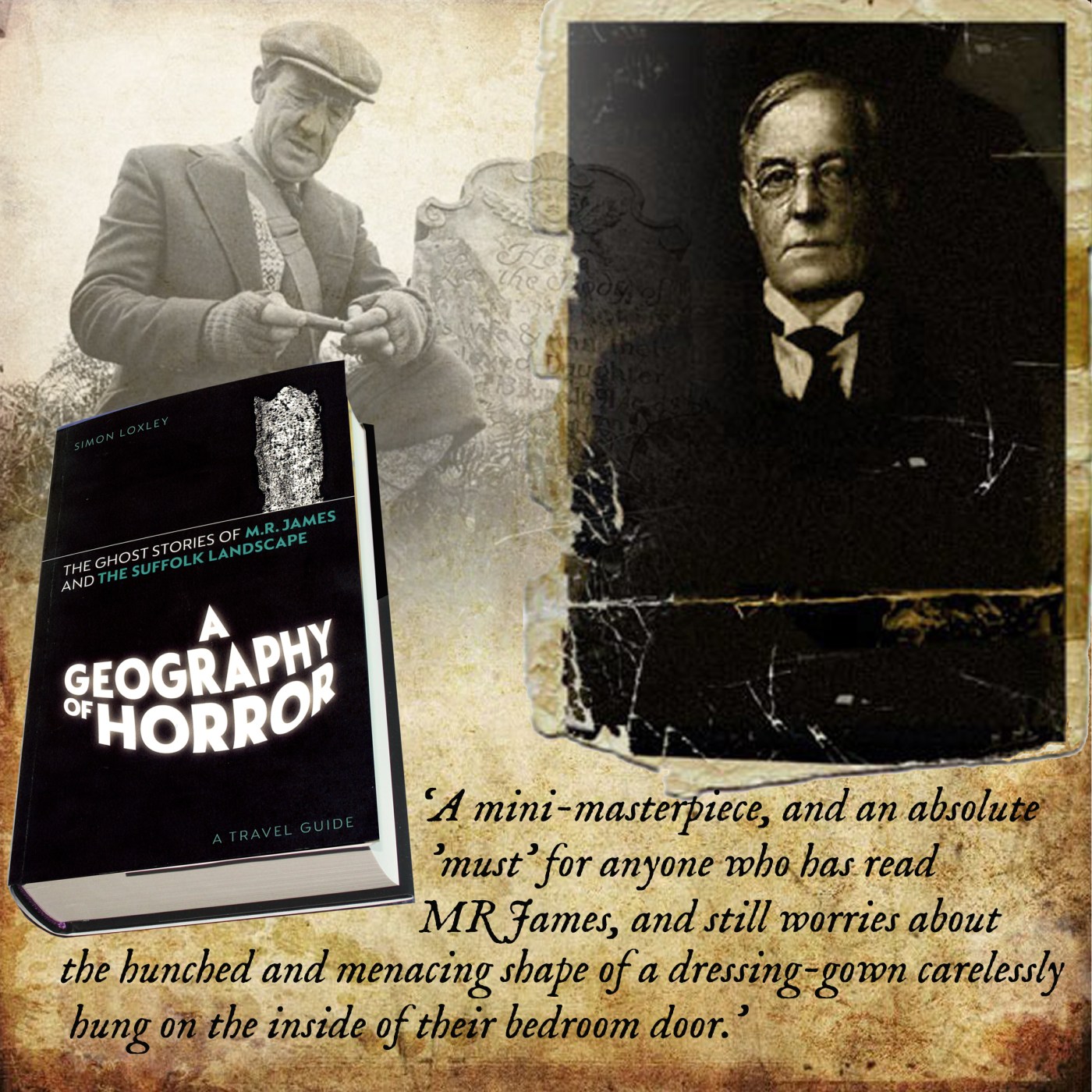
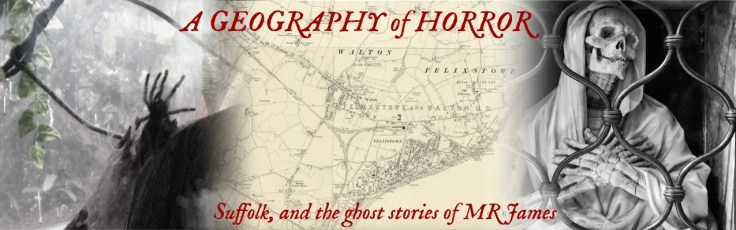
 Who was the most celebrated writer of ghost stories? The genre doesn’t lend itself particularly well to longer book form, and even classics like Henry James’s The Turn of The Screw and Susan Hill’s The Woman In Black are relatively slim volumes. The master of the shorter version and, in my view, a man who unrivalled in the art of chilling the spine, was MR James. Montague Rhodes James was born in Kent in 1862, and in his main professional life he became a renowned scholar, medievalist and academic, serving as Provost of King’s College Cambridge, and Provost of Eton. His first collection of ghost stories, Ghost Stories of an Antiquary, was published in 1904 and has, as far as I am aware, never been out of print.


 Whatever other qualities the book may have, the name of the town in which it is set gets first prize for the most sinister sounding location – Whistling Ridge. You just know that this is a town with dark secrets and simmering tensions that have festered for generations. Throw in a charismatic hellfire preacher who seems to have the town in his thrall, a girl who inexplicably disappeared into the woods, and a mysterious outsider who fascinates the young folk but arouses deep resentment in their parents – and you have a crackerjack thriller. Published by Doubleday, Tall Bones is
  A husband disappears, leaving only a one word scribbled note that says “
 School stories, at least those written for younger readers, were once ‘a thing’ but something of a rarity these days. This book, the third in a series, is aimed at adult readers, and is set in 1957 within a boys’ boarding school in Yorkshire, and is centred on a Jewish teenager who is made to feel an outcast by senior boys who feel he is not “
 Sarah Pearse’s previous (and debut) novel
  Penguin are publishing new translations of Simenon’s stories. I’ve reviewed


 fullybooked2017