I am a keen amateur historian, with a particular fascination for military history. In 2024 I read and reviewed 70 novels, so finding time to read non-fiction was difficult. Come Christmas, I had already completed the reviews for January blog tour commitments, and so I had time to read a book which has been sitting, ignored and unloved, on my shelves for some time. Like many people of a certain age I knew where Crimea was, and had a working knowledge (or so I thought) of the Charge of The Light Brigade, and Florence Nightingale. But that was about it.
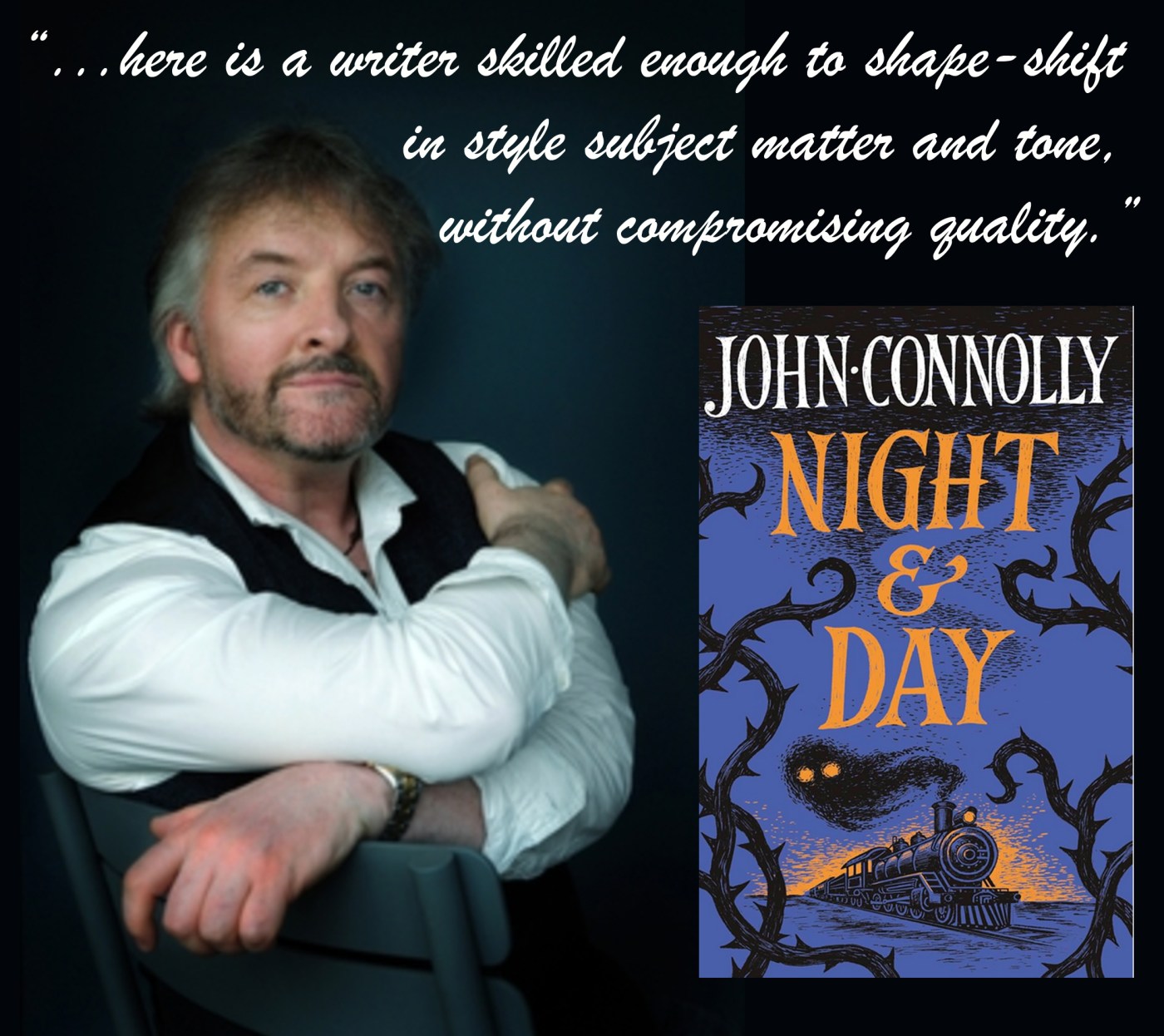
 Orland Figes (left) is an academic historian and Russia specialist, and here he brings to life one of the most peculiar and apparently pointless wars of the nineteenth century. Figes warns us at the beginning that covering the causes of the Crimean War is going to take time – and pages – so he asks us to bear with him. One of the reasons that the Russian armies of Tsar Nicholas I went to war against three Empires and a little Island state was broadly known as The Eastern Question. There have been compete books written on this alone but, put simply, it is this. The Ottoman (Turkish) Empire had reached its zenith in terms of territory by the end of the seventeenth century. By the 1850s it was in serious decline, and Western countries feared that its demise would create a political vacuum which the Russians would all too gladly fill.

There were three what might have been called ‘set piece battles’, at Alma, Balaclava and Inkerman. If that term suggests orderly squares of men, columns of disciplined cavalry and text book manoeuvres, then it is wildly inappropriate. I read with increasing disbelief as Figes describes an utter chaos of misunderstood commands, lack of proper maps and idiotic leadership. That Russia ‘lost’ these encounters was down to a very important piece of military technology. The British and French infantry used Minié rifles. Although they were still muzzle loaded, the barrels had internal rifling – a series of concentric ridges which made the bullet spin in flight, thus giving it increased rang and accuracy. The Russians, in contrast, still used old fashioned smooth bore muskets – inferior in every way.
What sucked the life blood out of the warring armies was the central event of the war – the siege of Sevastopol. This port was the home base of the Russian Black Sea fleet, and it was considered that while it was still in Russian hands, the war would drag on interminably. Month after month, the piles of dead mounted, and there were occasional truces so that each side could bury its dead, with senior officers from both sides meeting ‘on the half way line’ to chat civilly and exchange cigars. Military historians, both amateur and expert, will recognise the irony that less than a century later, the city would again receive a long and bloody battering, but this time at the hands of Hitler’s Wehrmacht.
History is a strange bird. It can endlessly change colour and identity, while both proving – and refuting – our theories. In Crimea the Russians were defeated by superior technology, despite their available supply of men at arms. In 1944, the Russians defeated superior technology because they had overwhelming military numbers.
As a fluent speaker, reader and writer of Russian, Figes has been able to access – and make sense of – countless first hand written reports of what people suffering during the Sevastopol siege experienced. Here, a Russian doctor is barely able to comprehend the state of some of the men who present themselves at his field hospital.
“Without a doubt, the most terrible impression was created by those whose faces had been blown up by a shell, denying them the image of a human being. Imagine a creature whose face and head have been replaced by a bloody mass of tangled flesh and bone-there are no eyes, nose, mouth, cheeks, tongue, chin or ears to be seen, and yet this creature continues to stand up on its own feet, and moves and waves its arms about, forcing one to assume that it still has a consciousness. In other cases in the place where we would see a face, all that remained were some bloody bits of dangling skin.”
Sevastopol eventually fell or, to be more precise, was abandoned by the Russians in the first days of September 1855. They knew that siege would only ever have one outcome. Everything that could be of any use to the enemy was destroyed, and a huge fire engulfed the city. They left behind thousands of wounded, hoping the the victors would show compassion. Sadly, the burning city was seen by the French and British as too dangerous to enter, and when they finally moved into the ruins, the war correspondent for The Times, William Russell, saw a vision of hell.
“Of all the pictures of the horrors of war which have ever been presented to the world, the hospital of Sevastopol offered the most heart rending and revolting. Entering one of these doors, i’ve been held such a site as few men, thank God, have ever witnessed… The rotten and festering corpses of the soldiers, who were left to die in their extreme agony, unattended, uncared-for, packed as close as they could be stowed, saturated with blood which used and trickled through upon the floor mingling with the droppings of corruption.”
The war puttered and stuttered on for a little longer and, without beating a drum, Figes reminds us that there was one essential difference between Britain and the other participants. Britain was the sole parliamentary democracy. Lord Palmerston, prior to 1855, had been very much for escalating the war, and when he became Prime Minister in that year, he maintained his hawkish mood. Whatever the limited enfranchisement was in 1850s Britain, it did resemble something like democracy, unlike the imperial system which kept Tsar Alexander, Emperor Napoleon III and Sultan Abdulmecid in power. The axiom is ‘to the victor, the spoils’ but the Treaty of Paris, which officially ended the war in 1856, was not unduly punitive to Russia. Yes, the Black Sea was declared a neutral zone but Alexander II continued to rule Russia until his assassination in 1881. Napoleon III’s apparently warlike credentials kept him in power until 1870 when he discovered that facing Bismarck’s army was rather different from fighting the brave – but disorganised – Russians.
It is hard to discover any positives about Britain’s involvement in the Crimean War. In terms of geo-politics, the country’s influence in Europe remained peripheral. For decades, the French harboured the belief that Britain had not ‘done its bit.’ Orlando Figes has provided us with a definitive and compassionate account of a strange – but very bloody- affair. Published by Penguin, the book is available now.