If there is a league table which ranks ‘Every Parent’s Worst Nightmare’ events in terms of trauma, torment and terror, having a child kidnapped must come near the top. It could be argued that death is at least final and offers – however bleak a prospect that may be – a sense of closure and a chance for the living to rebuild their lives. But kidnap? Uh-uh; cue uncertainty, recrimination, the anxious waiting for that ‘phone call, the wondering, the sheer agony of not knowing. That is the fate of Tony and Yvonne Richards in the latest novel from Rachel Amphlett (left) when they return to their Kent home from a trip to Milan to find that their daughter Melanie has been taken. Neither Tony nor Yvonne is cut out to be Bryan Mills /Liam Neeson, and so they scrape together the ransom, make the drop, and frantically drive to the derelict industrial estate where Melanie, they hope, will be waiting for them. What they actually find delivers a killer blow – literally.
Now, it is inevitable that the police become involved. The investigating officer, Kay Hunter, has endured that most bitter visitation that a young woman can suffer – a miscarriage. Was it the result of workplace stress? No-one will know for sure, but there can be few workplaces as stressful as a police incident room during a major enquiry. Not only was the Detective Sergeant up to her eyes in the action, but she ended up the subject of a professional standards investigation. Now, despite having been exonerated, the experience has scarred her physically and psychologically and left her with a powerful enemy in the shape of DCI Angus Larch. In spite of all this, she must put personal matters to the back of her mind, and do everything in her power to find the killer of Melanie Richards.
 Hunter tugs away at the few available frayed threads of the investigation until she has enough twine to weave a recognisable tapestry that shows a victim and those culpable for the crime. Larch does his best to belittle her efforts, but she has a strong supporter in her immediate boss, DI Devon Sharp. There is a very clever twist in the final third of the story when it becomes apparent that the latest kidnap victim is the estranged daughter of a member of the investigating team. It has become commonplace for fictional coppers to have chaotic personal lives, but there is a feelgood corner of this novel where the reader can take comfort in the warm relationship between Kay Hunter and her veterinarian husband, Adam.
Some crime novels are very location-dependent and none the worse for that, but Rachel Amphlett doesn’t waste much time on the setting. We know we are in Kent, somewhere near Maidstone, but beyond that all the focus is on the people and the action. Regular readers of police procedurals will be at home with the whiteboards, the frustrated peering at indistinct CCTV footage, the tension of the team briefings and the ingrained sweaty ambience of the interview rooms. One of the strong points of this novel is the way Amphlett handles the pace. She takes a calculated risk by letting us know early in the piece who the bad guys are, but shows her narrative skills by ratcheting up the tension in a nicely judged upward curve of anxiety. In the end we know who did what to whom, and have a working knowledge of their motivation. This novel doesn’t break new ground, but is thoroughly readable and is an enjoyable journey through a familiar landscape.




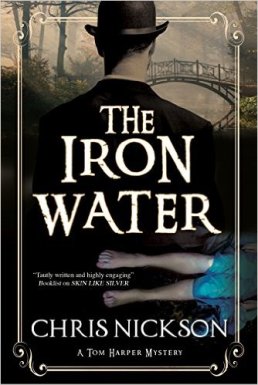 Two gang bosses, one of Irish heritage and the other local, are engaged in a tense truce. They will hold off attacking each other while Harper and his fellow officers track down the mysterious copper-headed man who appears to be connected to the deaths. Time is running out, however, and there is an even more calamitous threat hanging over the heads of the police. The powers-that-be want answers, and as Harper runs around in ever decreasing circles, he is told that if he doesn’t find the killer, then men from Scotland Yard will travel north and take over the case. This, for Harper and his boss Superintendent Kendall, will be the ultimate disgrace.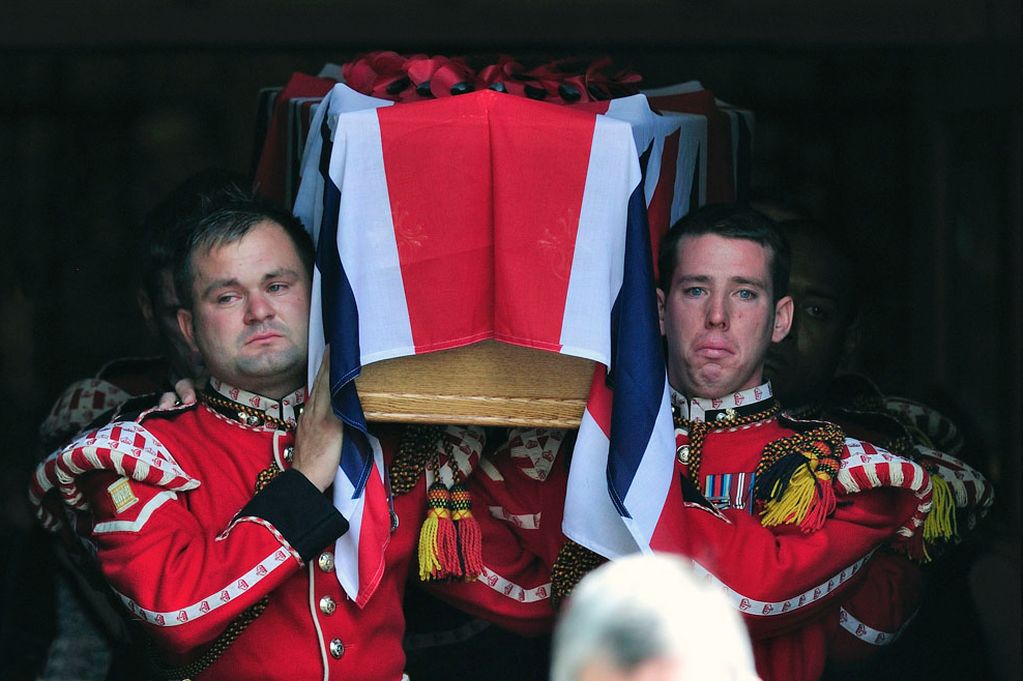
 Such a crime took place on a calm May afternoon in 2013. The place? A nondescript suburban street in south-east London. The victim? A 25 year-old soldier, in civilian clothes, returning to his Woolwich barracks after a spell of ceremonial duty at The Tower of London.



 If you want a lovely copy of Catherine Ryan Howard’s novel Distress Signals, then enter our prize draw. I can personally guarantee that it is a cracking read, as I reviewed it for another site earlier in the year. I’ll steal a few lines from what I wrote: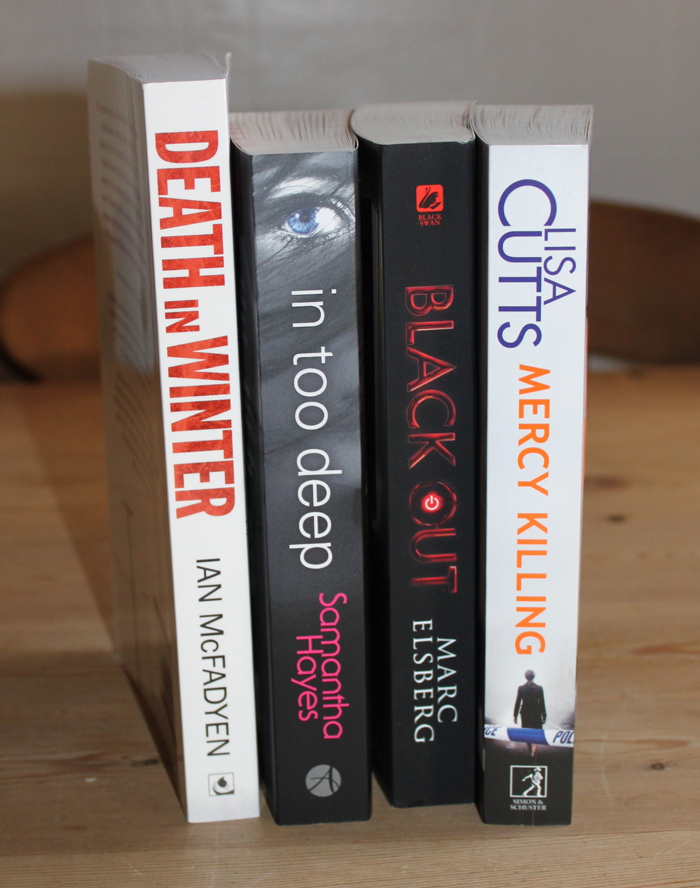


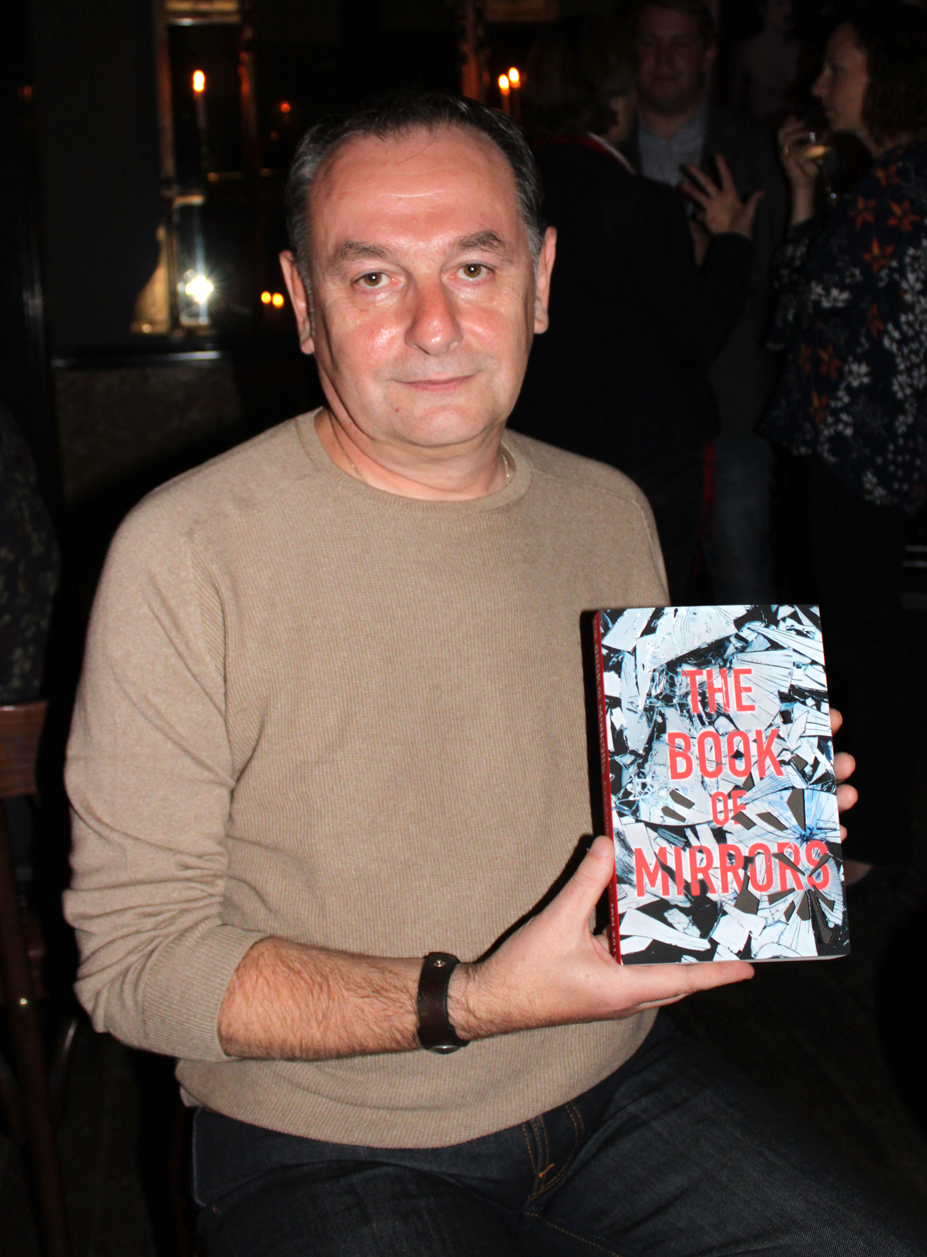
 It is 1987, and a bitterly cold winter night in New Jersey. In a rambling Queen Anne-style house in West Windsor, a man is found dead, battered to death and lying in a pool of his own blood. The corpse is that of a successful but controversial academic from Princeton, Professor Joseph Wieder. For all his erudition and his insights into the human brain – particularly the workings of memory – he is still very dead. The police dutifully stumble around in the snow, interviewing those who knew the dead man, but they fail to find anyone without a decent alibi, let alone a suspect who stood to gain substantially from his death.
 We first learn of Wieder’s violent demise in a roundabout way. A literary agent, Peter Katz, is working his way through emails from hopeful authors, and consigning most of them to the trash icon, when his attention is grabbed by a submission from a man called Richard Flynn. Katz prints out the sample chapters of Flynn’s book and sits down to read them. He is hooked. Two hours fly past, and Katz realises that he has a possible best seller in his hands, but he is unsure if the book is a true crime confession, or a novel. So, what did Flynn have to say?
 There is a very satisfying sense of a torch being handed from one runner to another, and it is during Freeman’s leg of the journey that we find out the truth of what really happened to Joseph Wieder. Or do we? Changing the metaphor, Chirovici tells us that we have been in one of those fairground attractions which involves walking in front of distorting mirrors. He says;