
PART THREE
So far …. 21 year old Maida Warner, from Stockton, has been arrested after a dead baby was found in the room she occupied at Sandown Villa, the home of Mr and Mrs Patterson, who employed Maida as a domestic servant. The bay was found with string tied tightly around its neck.
On 23rd June, at the second Coroner’s Inquest into the baby’s death, (the first was adjourned because Maida Warner was too ill to attend) the grandly named Mr. J. J. Willington Wilmshurst, spoke to a packed room in Leamington Police Station. This time, Maida Warner was present. The newspaper reported:
“The young woman, Maida Warner, who has been charged with the wilful murder of the child, was present, accompanied by a wardress from Warwick Gaol. She looked white and ill, and after the evidence of the first witness was obliged to retire for a few minutes.”
The jury heard medical evidence which was ambivalent about whether the baby was born alive. This was to be a key issue in the criminal proceedings which followed. The legal phrase was “separate existence”. In simple terms, if the baby had drawn breath, even for a few seconds after the umbilical cord had been cut then was deemed, by law, to have had a separate existence and, as such, was entitled to the protection of the law. Despite one of the doctors saying:
“It is my opinion that the child was healthy child, at, or near, full time, that it had lived and breathed freely. The cause of death was suffocation by strangulation, which might have been caused the cord round the infant’s neck. The child was alive when this constriction was put round it.”
But he then muddied the waters by saying:
“It is impossible to say that the child was wholly born, at the time it was done.”
Despite the confusion, the Coroner could only pass the case on up the legal ladder to the criminal courts. It was at this inquest, however, that another piece of evidence emerged which was to have an important bearing on the date of Maida Warner. Knowing that the young woman would not – whatever the outcome of the trial – be coming back to Sandown Villa, John Patterson had gone to clear up Maida’s room. He found a letter, torn up and thrown in the fire grate. It was signed, “Your dear little husband, S.B.C. – Warwick“
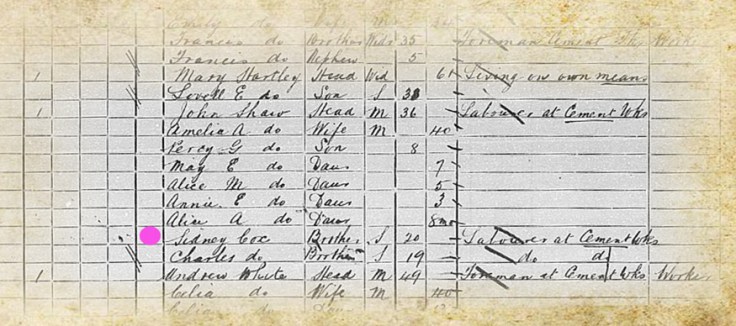
Stockton was a small village, and it wouldn’t have taken a Sherlock Holmes to discover who S.B.C. was. In 1901 Sidney Cox had been living with his sister and their large family in a house on Napton ad, Stockton.
Probably very much against his wishes, he was produced as a defence witness when Maida was brought to trial at Warwick Assizes on July 28th, in front of Mr Justice Wills (left) By this time – and Maida must have had a very clever defence team – the charge had been reduced to that of concealing a death. The judge seemed to put great store by the presumption that Maida was fully prepared for – and happy with – the fact that she was about to give birth. Evidence for this was produced, in the form of newly purchased baby clothes found in Maida’s trunk. Sidney Cox had his moment in court as reported in the local newspaper:
“A young man named Sidney Cox was then called, and stated that he had been keeping company with the prisoner, and it was arranged that they should be married next month.
Judge; “Did you know that she was about to be confined?”
Cox,“No”
Judge, “Did you know what she intended to do?”
Cox,“No”
Judge, “Are you now prepared to marry her, and is it you intention of doing so at the earliest opportunity?”
Cox, “Yes.”
To cut a long story short, the Judge – despite the strange and unexplained matter of the string knotted round the baby’s neck, decided that Maida Warner was guilty of concealing a death, and sentenced her to twelve months hard labour. This story has a happy ending, after a fashion. In December 1906, the local news from Stockton column had this announcement:

It is good to know that, whatever the truth of what happened on that fateful day at the end of May 1905, Maida went on to live her life in full. The last we see of her, at least in official records, is that in 1911 she was living with her husband in George Street, Stockton.
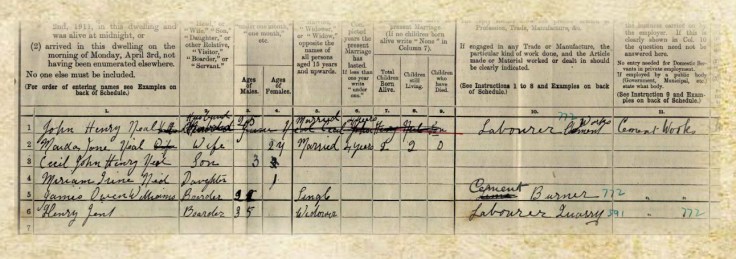
For me, looking back at something which happened over a century ago, it is a curious case, and no mistake. What was the string doing around the baby’s neck? Was it something to do with a young woman giving birth on her own, and perhaps misguidedly remembering – as a country girl – how calves were hauled from their mothers’ wombs with stout cord? Did the baby have “a separate existence”? We will never know. I believe there are Neals and Warners still living in and around Stockton to this day, and I hope that they will think that I have reported this strange episode with respect and fairness.



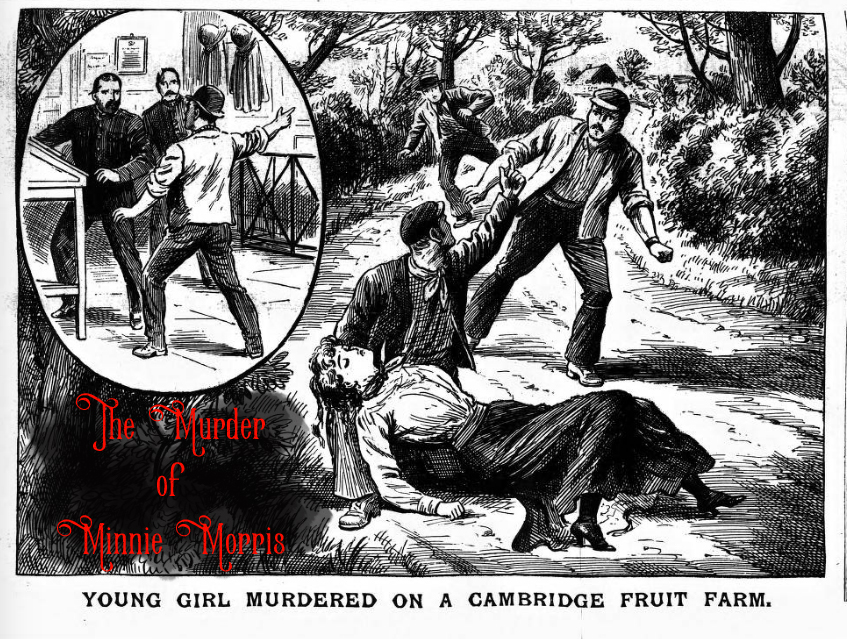
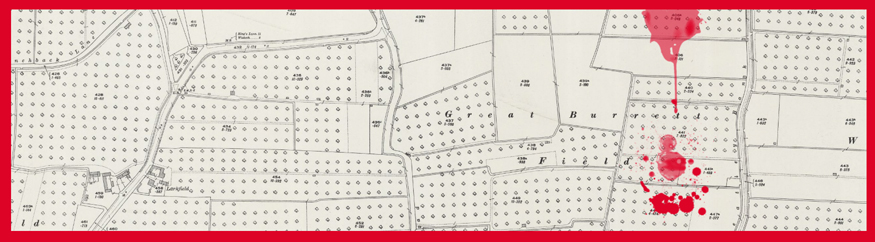 These days when Fenland fruit needs picking, the hands that do the work will belong to people who come from places like Vilnius. Klaipeda, Varna, Daugavpils, or Bucharest. Back in the day, however,the pickers came from less exotic places like Hackney, Hoxton or Haringey, and the temporary migration of Londoners to the Wisbech area was an established part of the early summer season. In the autumn, the same people – predominantly women and children, might head south to the hop fields of Kent, but in the July of 1912 the Londoners were here in Fenland.





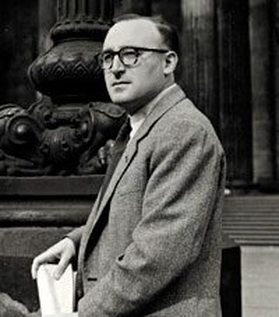 This is a vivid and moving account of preparations for D- Day and the advance into Normandy. Published in the 75th anniversary year of the D-Day landings, this is based on the author’s first-hand experience of D-Day and has been described by Antony Beevor as:
 This quietly shattering and searingly authentic depiction of the claustrophobia of jungle warfare in Malaya was described by William Boyd as:
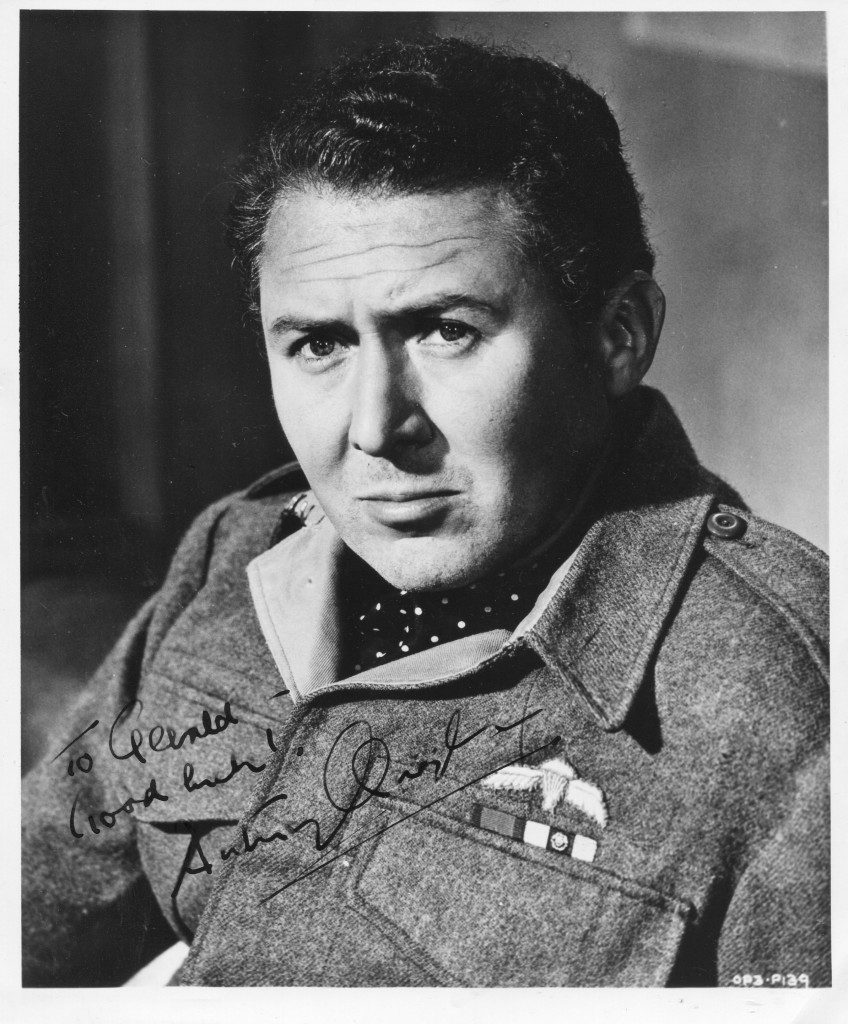 Anthony Quayle was a renowned Shakespearean actor, director and film star and this is his candid account of SOE operations in occupied Europe. Historian and journalist Andrew Roberts said:
 This murder mystery about opportunism and the black market is set against the backdrop of London during the Blitz.
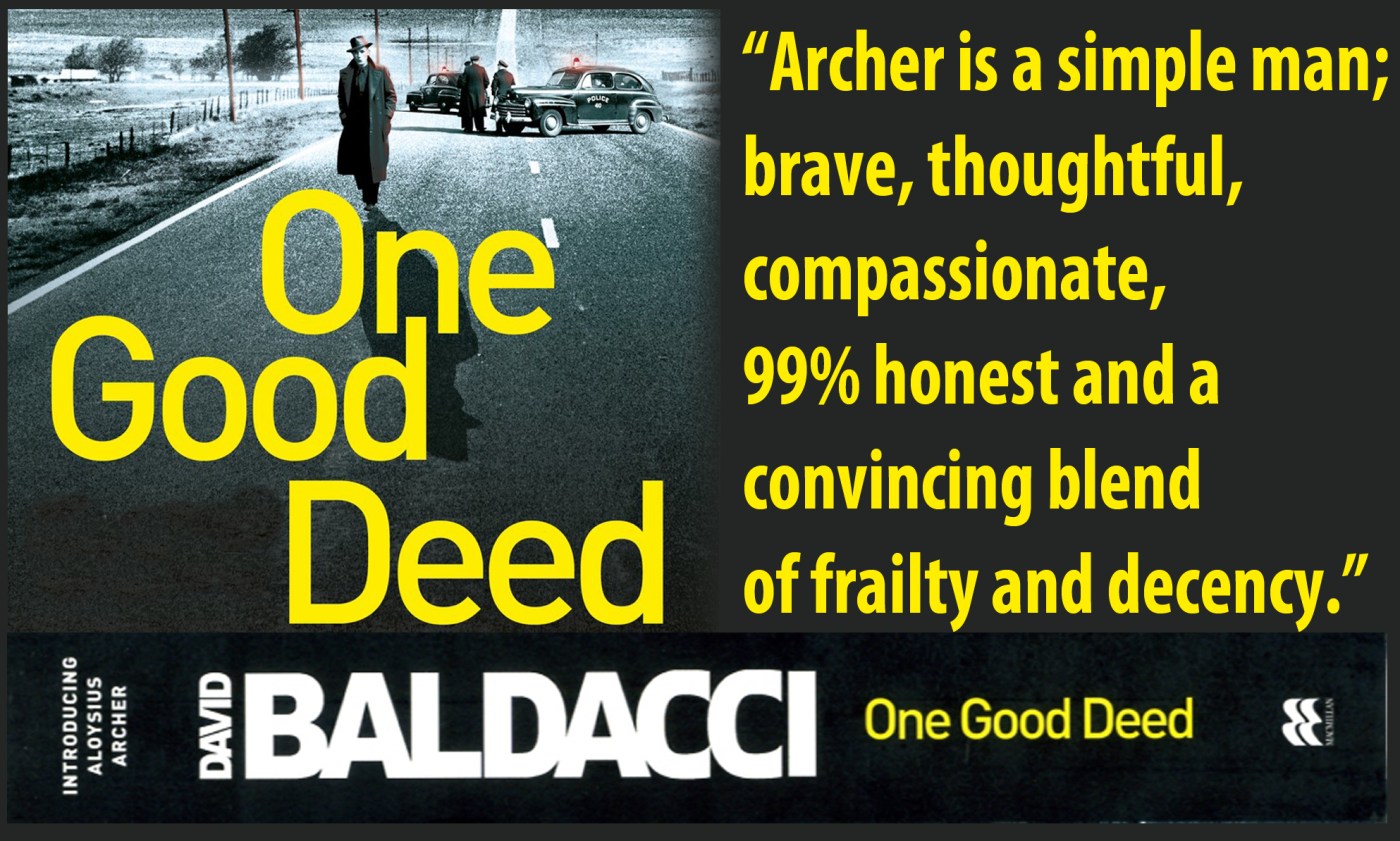

 rcher served his country with distinction in the war, fighting his way up the spine of Italy, watching his buddies die hard, and wondering about the ‘just cause’ that has trained him to shoot, throttle, stab and maim fellow human beings while, at the same time, preventing him from being at the deathbeds of both parents.
 Wearing a cheap suit, regarded as trash by the local people, and with every cause to feel bitter, Archer checks into the Derby Hotel and contemplates the future. His immediate task is to check in with his Probation Officer, Ernestine Crabtree. Quietly impressed by her demeanour – and her physical charm – Archer goes, in spite of his parole restrictions, for a drink in a local bar, The Cat’s Meow
 ven before Lucas Tuttle answers the door to Archer’s knock by pointing a cocked Remington shotgun at his unwelcome visitor, Archer has learned that the floozie on Pittleman’s arm in the bar is none other than Jackie, Tuttle’s estranged daughter. Archer finds the coveted motor car hidden away on Tuttle’s ranch, but it has been deliberately torched. Cursing his involvement in this blood feud, Archer’s equilibrium and freedom both take a severe knock when Pittleman’s body is found in a bedroom just along the floor from Archer’s room in The Derby. Thrown into the cells as the obvious suspect, Archer is released when he meets up with Irving Shaw – a serious and competent detective – and convinces him of his innocence.
 Pretty much left on his own to solve the case after a violent attempt to silence Jackie, Archer has to summon up very ounce of his military experience and his innate common sense to put himself beyond the reach of the hangman’s noose.
 mplausible as it may sound, given the body count – stabbings, shootings, people devoured by hogs – One Good Deed is a wonderfully warm and feel-good kind of novel. Archer is a simple man; brave, thoughtful, compassionate, 99% honest and a convincing blend of frailty and decency. Baldacci (right) is such a skilled storyteller that the pages spin by, and anyone who loves a crime novel where goodness prevails would be mad to miss this. Mr B also gives us a rather unusual romance – for 1949, at least. One Good Deed is published by Macmillan and is