
 1953 had not begun auspiciously for East Anglia. Overnight on 31st January a fierce storm had brought devastating flooding to the coast from Lincolnshire to Norfolk. Amost exactly a year earlier, King George VI had died at Sandringham, and the preparations for the June coronation of the young Queen Elizabeth were well advanced. Wisbech Town were struggling in the Midland League, but did manage to beat Gainsborough 5-3 on Easter Saturday, 4th April.
On Thursday 2nd April, Claude Butter arrived at his mother’s house in Wisbech, having traveled down from his lodgings in Church Street, Blackpool. The 51 year-old was a civilian instructor at RAF Weeton, in Lancashire. He had been away from home since he was 16. When his father died he was abroad but in a later statement he said:
“I tried to get home, but I understand that the then Superintendent of police said my presence was not necessary. That sort of gave me the impression that I was not really wanted.”
81 year-old Susannah Elizabeth Butter lived on Summerfield Close, in a modest 1930s council house in a set of terraces built around a circular green. Her other son, Charles, lived either in Milner Road, Wisbech, or with his mother – newspaper reports differ.
That Sunday, 5th April, was Easter Day. On Easter Monday, Mrs Butter and her sons sat down to supper. It was to be her last meal. At 7.45am the next day, Mrs Butter’s next door neighbour was roused by a frantic knocking on the door. When he answered the door, he saw a dishevelled Claude Butter, who said:
“Fetch the police. I have killed my mother. I am mad.”
Mr Jackson and his wife went into number 74, and found Mrs Butter slumped at the foot of the stairs, her head a bloody mess. Claude, meanwhile sat slumped at the kitchen table, muttering:
“To think I should have done this.”
Several times he also said,
“I sent her to heaven. God rest her soul.”
When the doctor arrived, Mrs Butter was pronounced dead. The police had found a poker near to her body, and subsequent tests revealed that it was stained with the old lady’s blood.
When Butter appeared in Wisbech Magistrate’s Court on 22nd April, the national press were preoccupied with the misdeeds of a certain John Christie, who had been arrested on 31st March. While the full horror of what Christie had done would only emerge over the next weeks and months, Butter’s crime was relatively cut and dried, the only question being “why?”.
Being a trial for murder, business was transferred to Cambridge Assizes, and on Tuesday 20th May, Claude Butter was found guilty of his mother’s murder, but declared insane, and sentenced to be detained “until The Queen’s pleasure be known.”
Police and solicitors struggled to find a motive for Butter’s senseless act. Defending Butter in court, Mr George Pettefar called Charles Butter to the stand. Butter said:
“The accused man, my brother, was a bachelor whose life had been centred round our mother. The relationship between them was of the highest and there was genuine affection on both sides.”
(Pettefar) “Would you agree he would not have killed her had he not had a brainstorm of some kind?”
“Yes.”
“What he did that morning was to kill the nearest and dearest person to him on this earth?”
“Yes.”
There was little for the police to do except take Butter to a secure place and try to fathom out what had possessed him to kill his mother.
It was disclosed in court that Claude Butter had made the following statement to police:
“I was not the fellow she thought I was or who anyone thought I was. I didn’t want her to know. I do things on mad impulse. All my life I have been bewitched by the devil.”
Summing up the case for the prosecution, Mr Jardine reminded the jury:
“One thing you may think is lacking in this case is any evidence of any motive for the crime. It is not essential for the prosecution’s case to prove motive, and in this case I am unable to produce any evidence of motive.”
The inner torment which drove Claude Butter to kill his mother can only be guessed at. His death was registered in the St Pancras district of London in the summer of 1960, which suggests he spent the final years of his troubled life in one of the capital’s longest established mental health institutions, St Pancras Hospital.


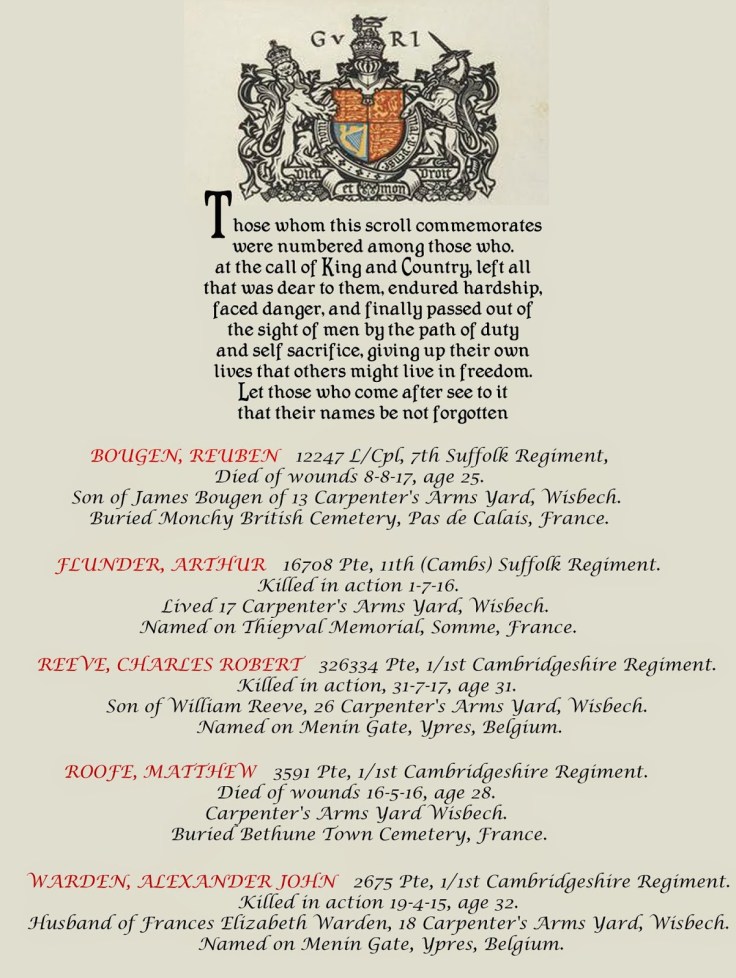
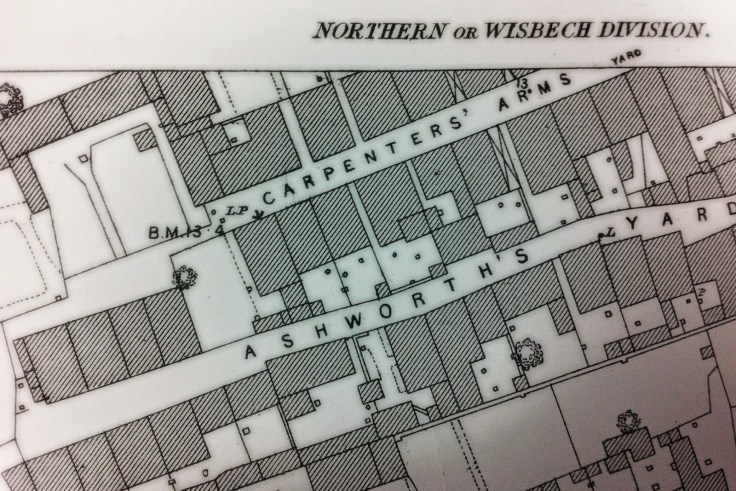
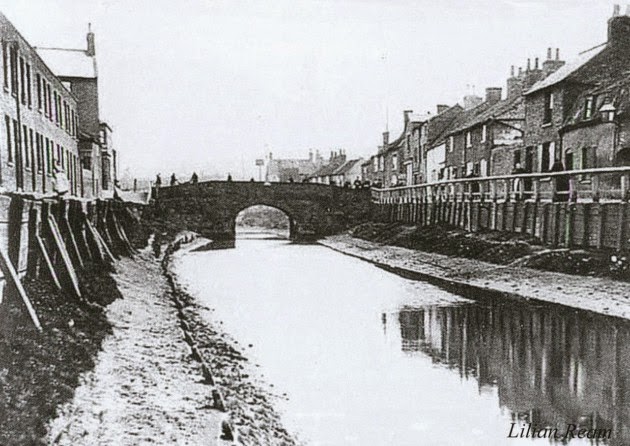
 The photo on the right is of an existing Wisbech alley which, due to its central position has survived more or less intact, and gives us an idea of what the Yard might have looked like. Carpenter’s Arms Yard was earmarked for slum clearance in the late 1920s along with its near neighbour Ashworth’s Yard, and both were gone before the outbreak of World War II. What is now St Peter’s Road was probably more prosperous than either of the Yards, and its terraced houses were spared the redevelopments of the 1930s. It is tempting to look back and wish that more of old Wisbech had been preserved, but we would do well to remember that conditions in these old houses would be awful, even by standards of the time. Damp, insanitary and built on the cheap, these grim places contributed to the general poor health and high death rate of the time. The cemetery at the bottom of the slight slope of Carpenter’s Arms Yard was actually instituted as an overflow burial ground when a cholera epidemic struck the town earlier in the 19th century.




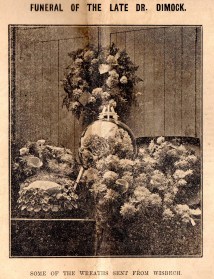 The floral tributes included the following:
 A century or more later, what do we make of the affair? What happened to the participants who survived? Reading contemporary accounts, it is difficult to believe that Horace Dimock was a totally innocent party. It would have been perfectly possible for him to have won the hearts of his patients, many of them from the poorer side of society, at the same time as conducting a hate campaign against those fellow professionals against whom he bore a grudge. The less lurid of the postcards allegedly sent by Dr Dimock were reproduced in the press, along with detailed evidence by so-called handwriting experts.
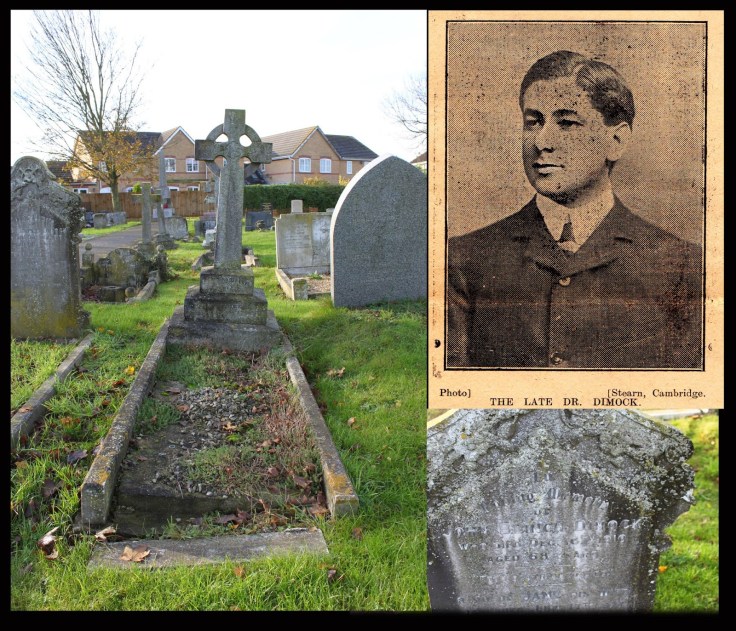

 In Wisbech this was a problem
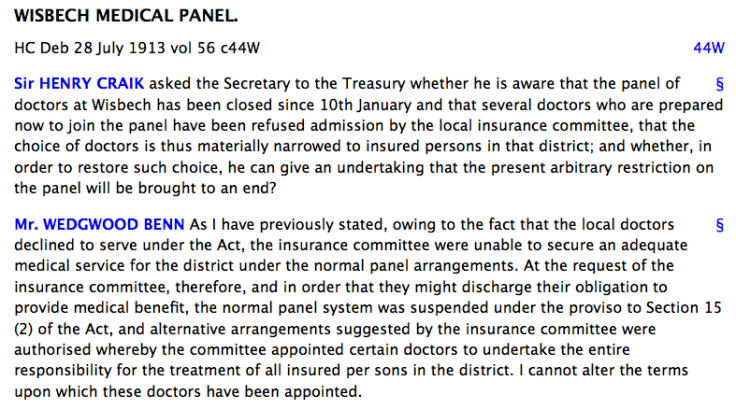
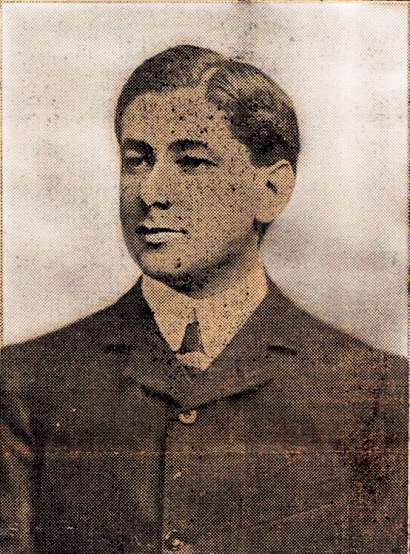 So, the people’s favourite,

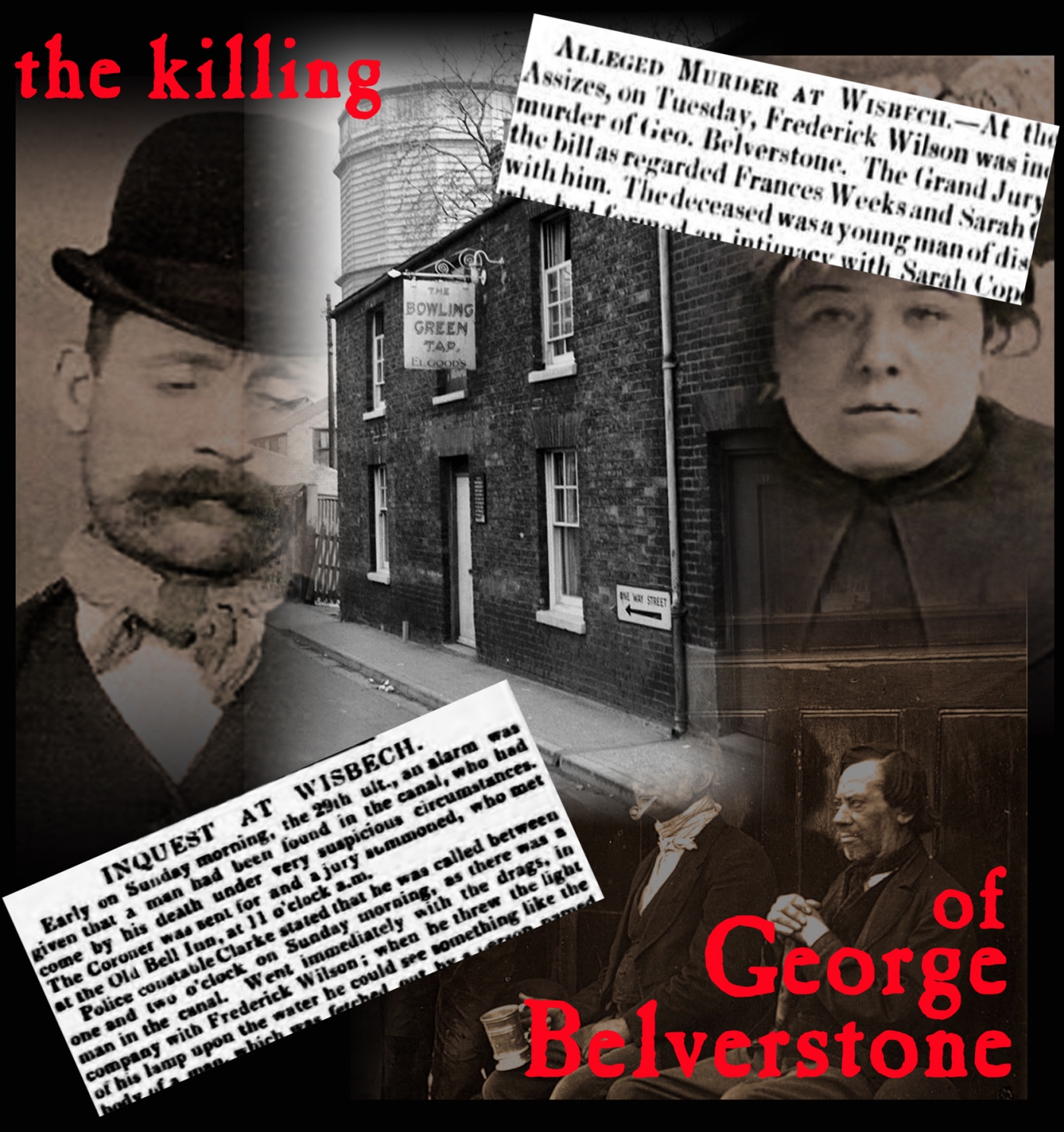

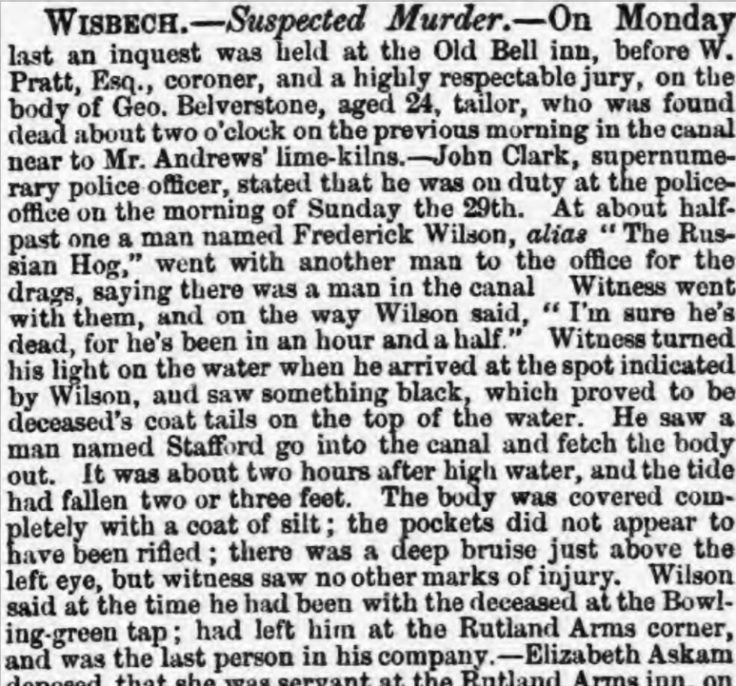

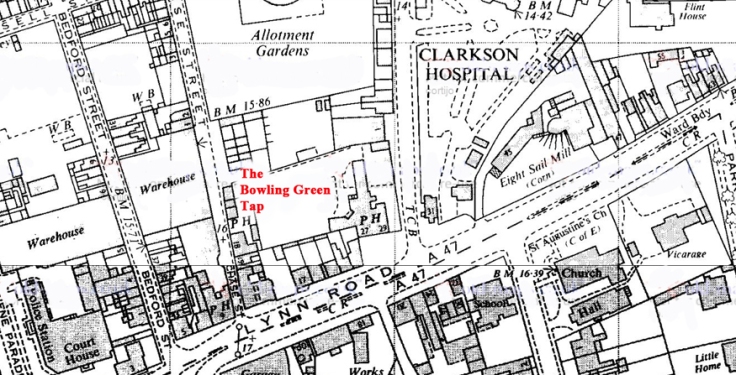
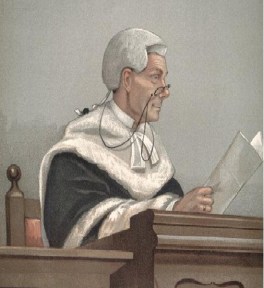
 After an elaborate summing up by Judge James Parke, 1st Baron Wensleydale, (left) the jury retired to consider the precise cause of Belverstone’s death. Not for them days of deliberation, or purdah in some hotel away from the public eye. After a full five minutes, they returned and the foreman stated that George Belverstone had been killed by a blow from Wilson’s fist. The prisoner, at this point, must have had visions of the hangman’s knot swimming before his eyes, but the 1st Baron Wensleydale was minded to differ. Unbelievably, he was of the opinion that although Wilson struck the fatal blow, “the violence was attributed to accident,” and pronounced:


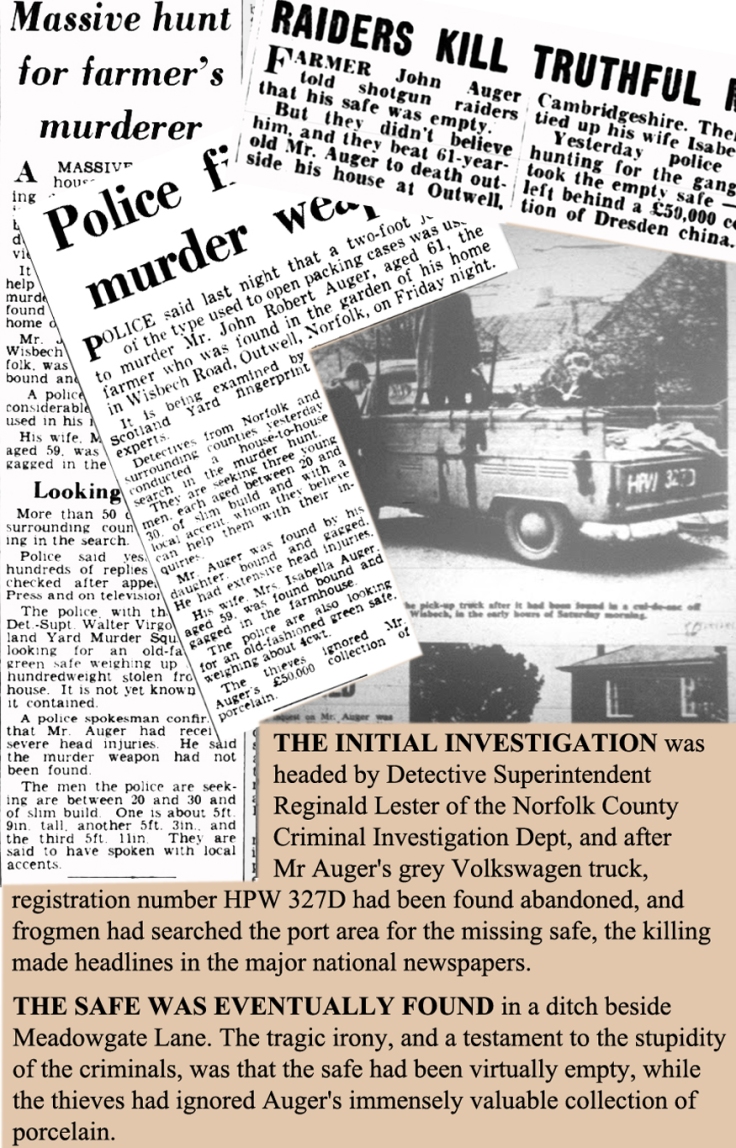

 And yet, and yet. In 1977, Commander Wallace Virgo (left) head of the Serious Crime Squad, was convicted of corruption, and sent to jail . As the ensuing corruption investigations widened, the obscene publications squad was replaced in its entirety with a new group of officers drawn from the uniformed branch, and in all over twenty detectives were dismissed or required to resign. When the cases ultimately came to trial in 1977 the presiding judge Mr Justice Mars-Jones summarised those involved as having engaged in “corruption on a scale which beggars description” Ten years earlier, had the case-hardened and confident London detectives arrived in the relative backwater of the Fens and ‘done a job’ on some local men who were certainly career petty criminals, but not very bright?


 fullybooked2017