
England. 11th April 1981. While the music charts bubble with the froth of Bucks Fizz, Shakin’ Stevens, Adam and the Ants and The Nolans, London – at least the place south of the river called Brixton – is aflame with violence, racial hatred and mayhem. As the police struggle to control the streets a middle aged Detective Inspector called Henry Hobbes is bused in to help. No matter that Hobbes – and many other senior detectives likewise – is a stranger to riot control, it is a case of all hands on deck.
 Later that year, with Brixton quieter, despite other English towns and cities erupting in copycat anger, Hobbes has become embroiled in a bitter internal dispute. A fellow copper, Charlie Jenkes (who rescued Hobbs from the mob on that fateful April night) after being indicted for savagely beating a black suspect, has taken his own life. And the officer who testified to Jenkes’s violence? Henry Hobbes, who, with that single act of honesty, is branded as a Judas by his own colleagues.
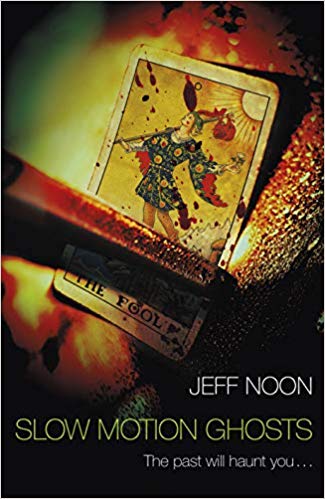
But now Hobbes has something to distract him from his disintegrating family life and his pariah status among fellow officers. A young man is found dead, wth his body gruesomely mutilated. Brendon Clarke was a minor celebrity, the lead singer with an aspiring band called Monsoon Monsoon, whose chief claim to fame is that they play the music of another dead rockstar – Lucas Bell. Bell’s celebrity rests on hs apparent suicide, his angst-ridden persona, and, most of all, his adoption of the identity of King Lost, a charismatic figure with a gruesome mask.
As Hobbes tries to unpick the complex knot which ties together the identities of Brendan Clarke and Lucas Bell, he discovers that the King Lost legend has its roots in a bizarre fantasy world created by a group of teenagers in the Sussex town of Hastings. With more murders being linked to the world of King Lost, Hobbes is drawn into an investigation which exposes child abuse, blackmail, madness and revenge.
Genre compartmentalising books is not always helpful, but it is fair to say that Noon’s previous novels have used tropes from science fiction, psychedelia and dystopian fantasy. Slow Motion Ghosts adopts conventions of the police procedural, but is more adventurous, asks more questions and has a distinctly noir-ish feel. Noon uses his knowledge of the music scene to bore down into the strange phenomenon of the celebrity cult, and the lengths to which worshippers of dead heroes are prepared to go in order to keep their fantasies alive.
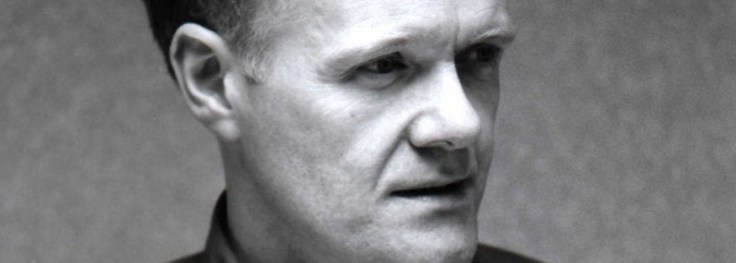
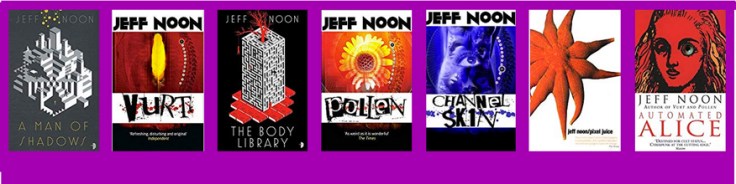
Jeff Noon was born in Droylsden in 1957. He was trained in the visual arts, and was musically active on the punk scene before starting to write plays for the theatre. His first novel, Vurt, was published in 1993 and went on to win the Arthur C. Clarke Award. He reviews crime fiction for The Spectator.
Slow Motion Ghosts is published by Doubleday, and is out now.


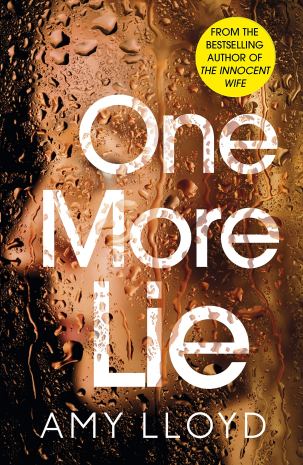 Two children, Sean and Lilly, murder a third child, Luke – disabled physically and mentally. In a case that whips up a storm of public revulsion, both are sentenced to long prison terms. Eventually, both are released on licence subject to supervision. Lilly is now Charlotte, ankle-tagged and nervous about a new world full of strange things that never existed when she lost her liberty all those years ago.
 Secondly, and inevitably, we are drawn into acting as judge and jury about the complex matter of culpability for Luke’s death. Remember, there is no Him:Then. We only see the young Sean through Lilly’s eyes and it seems, for a time at least, that he is the dangerous one, the wild card, the ten year-old Dark Angel, if you will. For sure, he is not neglected in the sense that his home life attracts the attention of Children’s Services, even though the family routine is haphazard. By contrast, Lilly’s life with her bruised and beaten mother ends in tragedy, although once she has moved in with her aunt she receives love, compassion and care. But is she already too badly damaged from the nightmare of her mother’s death for the new life to heal the wounds?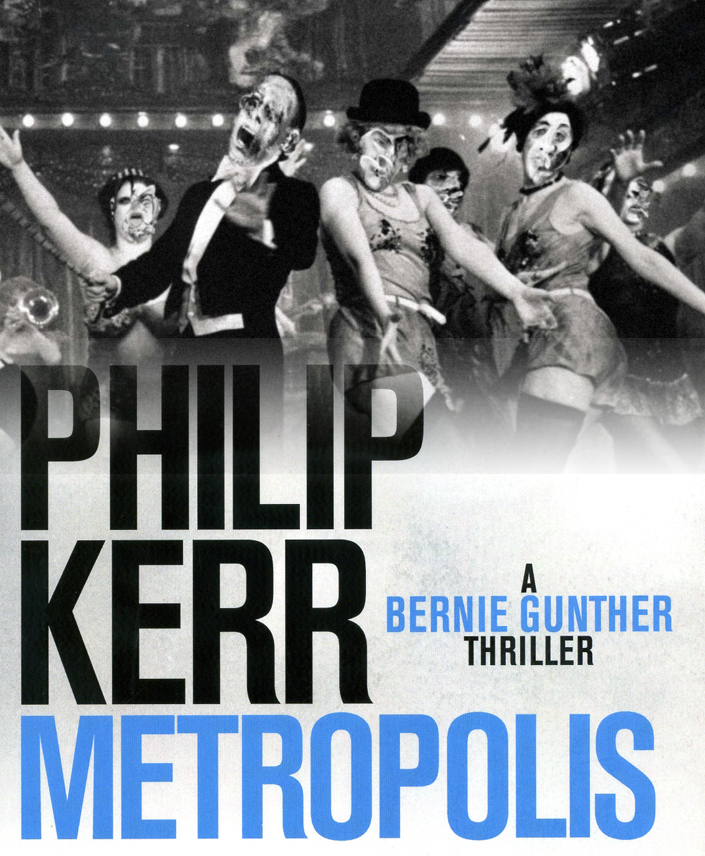

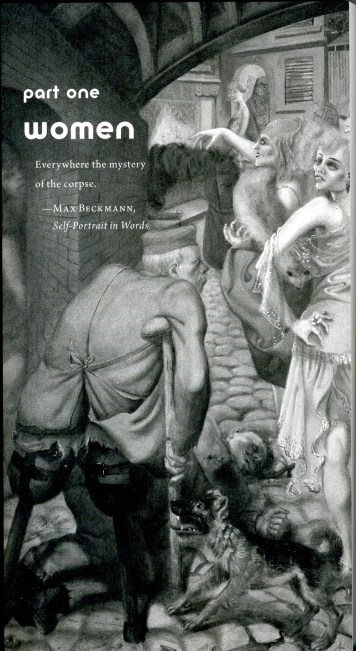 First up, Metropolis is a bloody good detective story. Philip Kerr gives us a credible copper, he lets us see the same clues and evidence that the central character sees and, like all the best writers do, he throws a few false trails in our path and encourages us to follow them. We are in Berlin in the late 1920s. A decade after the German army was defeated on the battlefield and its political leaders presided over a disintegrating home front, some things are beginning to return to normal. Yes, there are crippled ex-soldiers on the streets selling bootlaces and matches, and there are clubs in the city where the determined thrill-seeker can indulge every sexual vice known to man – and a few practices that surely have their origin in hell. The bars, restaurants and cafes of Berlin are buzzing with talk of a new political party, but this is Berlin, and Berliners are much too sophisticated and cynical to do anything other than mock the ridiculous rhetoric coming from the National Socialists. Besides, most of them are Bavarians and since when did a Bavarian have either wit, word or worth?
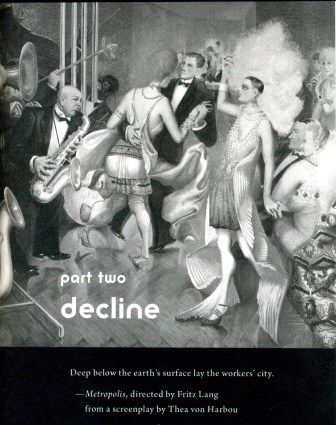 Metropolis sees Gunther in pursuit of a Berlin Jack The Ripper who is certainly “down on whores.” Four prostitutes are killed and scalped, but when the fifth girl to die is the daughter of a well-connected city mobster, her death is a game-changer, and Gunther suddenly has a whole new world of information and inside knowledge at his fingertips. He is drawn into another series of killings, this time the shooting of disabled war veterans. Are the two sets of murders connected? When the police receive gloating letters, apparently from the perpetrator, does it mean that someone from the emergent extreme right wing of politics is, as they might put it, “cleaning up the streets”?
 Mölbling helps Gunther disguise himself as one of the disabled ex-soldiers, as he reluctantly accepts the role in order to attract the killer who, in his letters to the cops, signs himself Dr. Gnadenschuss. Gunther’s trap eventually draws forth the predator, but not in the way either he or his bosses might have anticipated.
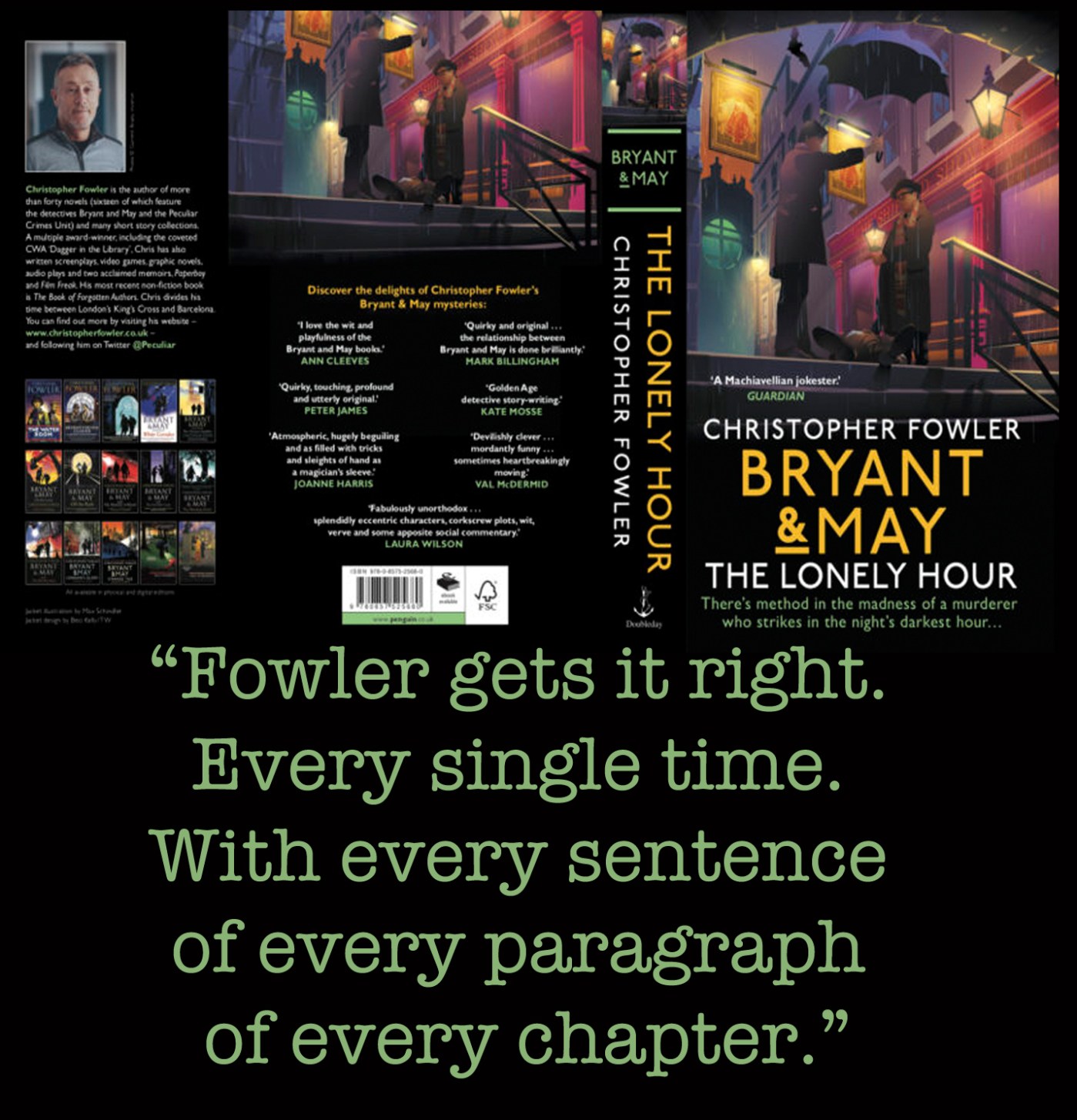
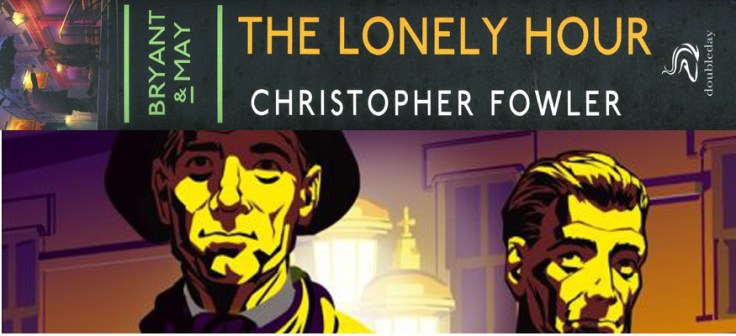
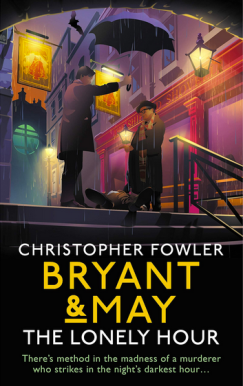 Bryant and May – and the rest of the Peculiar Crimes Unit – have been threatened with closure before, but this time their impatient and disapproving police bosses mean business. The PCU, both collectively and individually flounder around trying to work out what connects the corpses, and who is expertly wielding the trocar. Like Andrew Marvell’s ‘Time’s Winged Chariot’, the accountants and political schemers of the Metropolitan Police are ‘hurrying near’, and failure to catch this killer will certainly mean that the shambolic HQ of the Peculiar Crimes Unit on Caledonian Road will soon be in need of new tenants.
 Thanks to Bryant’s genius, the mystery is solved and the killer brought to justice, but these are certainly the grimmest days ever for the PCU, and as this brilliantly entertaining story reaches its conclusion, Fowler (right) slowly but irrevocably turns the tap marked Darkness to its fully open position. The Lonely Hour is published by Doubleday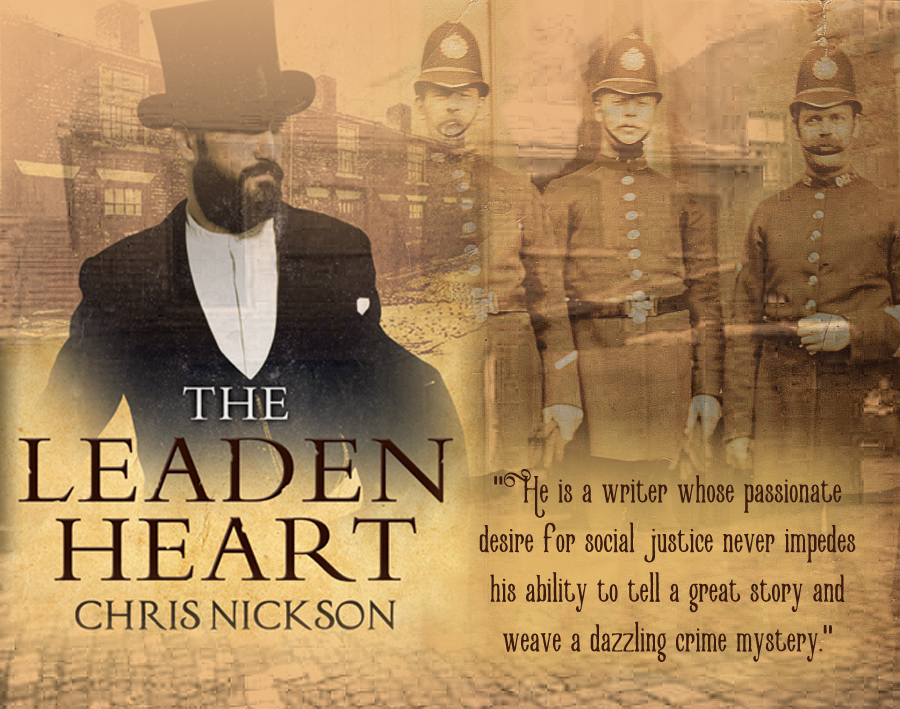
 Harper lives above a city pub, the Victoria. His wife, Annabelle, is the landlady, but she is also a fiercely determined advocate of women’s rights, and she has made waves by being elected to the local Board of Guardians, a largely male-dominated organisation which is tasked with administering what, in the dying years of Queen Victoria’s reign, passed for social care. When the brother of Harper’s one-time colleague, Billy Reed, commits suicide the death is dismissed, albeit sadly, as commonplace, but Reed believes that his brother’s death is due to something more sinister, and he asks Harper to investigate.
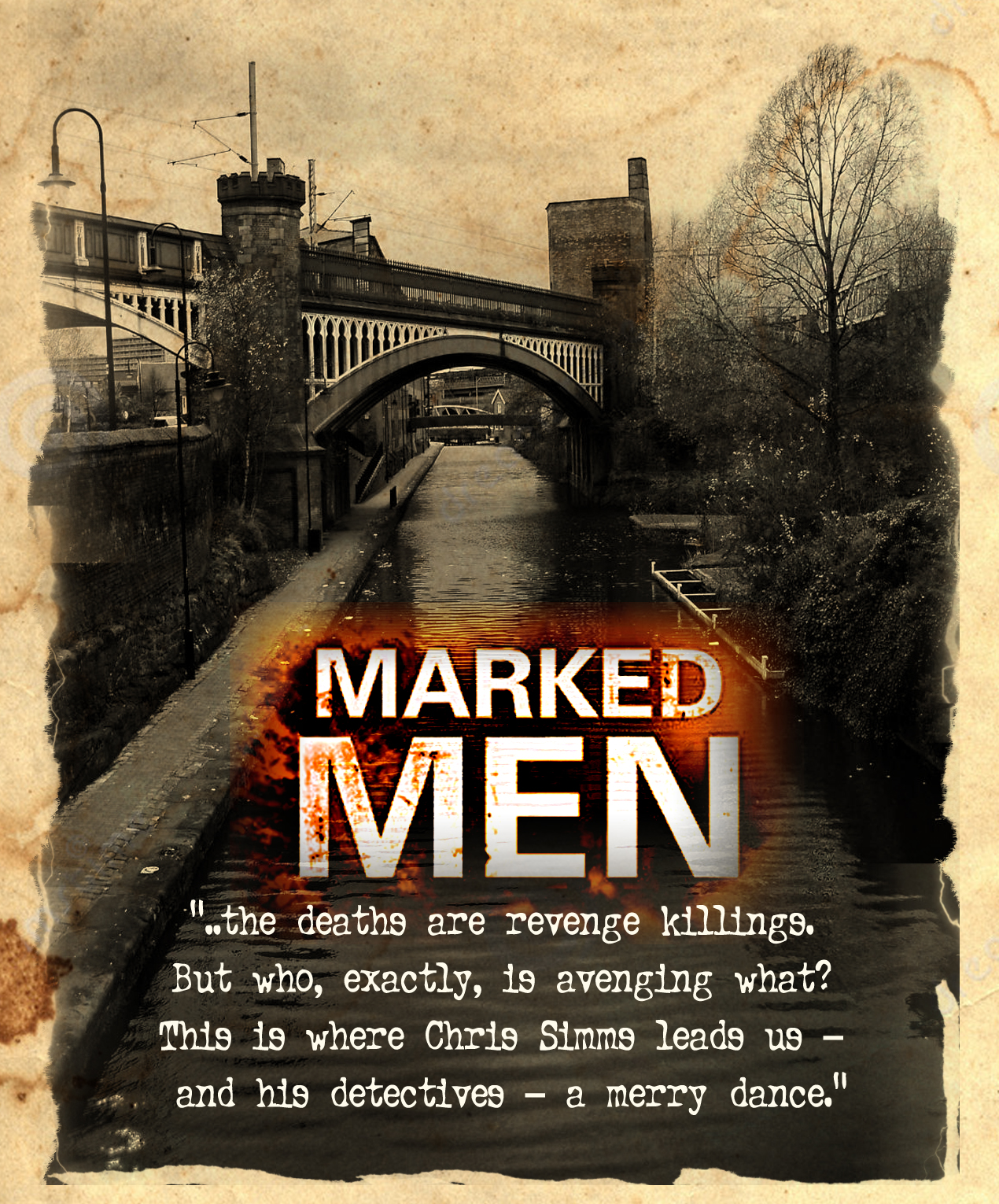
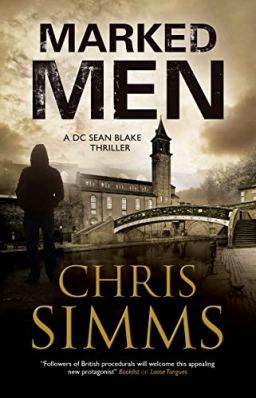 Marked Men begins on an idyllic Spanish beach, but then switches to the less salubrious setting of urban Manchester, and we only learn the significance of the opening much later in the plot. This way of starting a novel has become rather well-worn, but Simms handles it well and times to perfection the revelation of its significance. The Manchester action begins with Blake in waders and hard hat at the bottom of a drained lock on a local canal. There is a body, naturally, with more to follow, and as Blake and his immediate boss, DS Dragomir criss-cross the city trying to make sense of the crime scenes we – like them – are drawn into thinking that the deaths are revenge killings. But who, exactly, is avenging what? This is where Chris Simms leads us – and his detectives – a merry dance. There is a clue, but I have to confess I didn’t get it any quicker than did Blake and Dragomir.


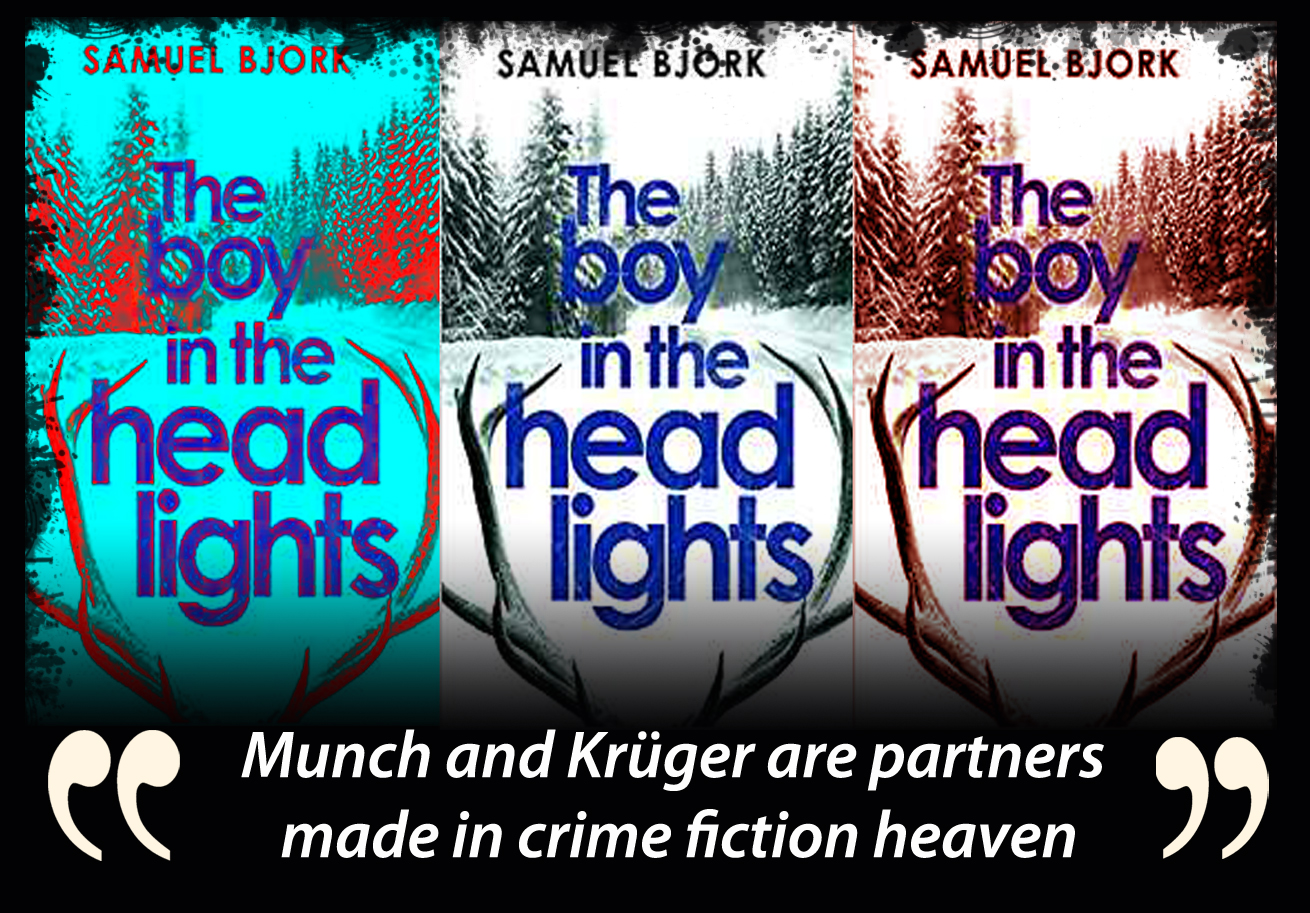

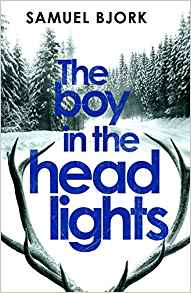 Norway’s Samuel Bjork ticks the boxes with his Olso cops Holger Munch and Mia Krüger. Munch is a bearded bear of a man, overweight and stuffed into his habitual duffel coat like a fat foot into a shoe two sizes too small. His home life is in disarray. Separated from his wife, his daughter Miriam recovering from a serious injury, he seems to treat those people with – at best – edgy tolerance, but his obsession is with the job, and catching criminals. Krüger’s back story makes Munch’s people look like candidates for a TV breakfast cereal advert emphasising warm family values. The story opens with her recovering from – in no particular order – alcoholism, a fatal shoot-out after which she was accused of murder, and the haunting death of her sister, victim of Oslo’s drug scene.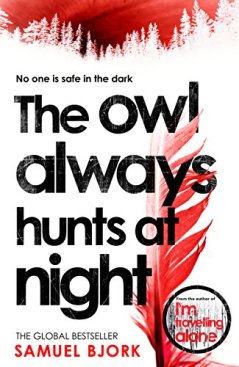


 Forced to play cherchez-la-femme, the detectives stumble down one blind alley after another, but as they do so they learn a few home truths about the fate of the young men who went to fight in the war-to-end-all-wars, and returned home to find that their birthplace was not the ‘land fit for heroes’ glibly promised by politicians. There is a peacetime army with no place for young officers whose courage was welcome in the trenches, but whose humble upbringing is now seen as an embarrassment as the cigars are lit, and the port passed in the correct direction at mess dinners. Such young men, not all heroes, but men nevertheless, are forced to find civilian employment which is neither honest, decent nor lawful.
 Graham Ison is a master story-teller. The Hardcastle books contain no literary flourishes or stylistic tricks – just credible characters, excellent period detail and an engaging plot. Cosy? Perhaps, in the sense that we know how Hardcastle and his officers are going to react to any given situation, and their habits and small prejudices remain unchanged. Comfortable? Only because novels don’t always need to shock or challenge; neither do they always benefit from graphic descriptions of the damage humans can sometimes inflict on one another. Ison (right) credits his readers with having imaginations; he never gilded the lily of English life in the earlier Hardcastle cases which took place during The Great War, and he doesn’t start now, nearly a decade after the final shots were fired. The suffering and trauma of those four terrible years didn’t end at the eleventh hour on that eleventh day; they cast a long and sometimes baleful shadow which frames much of the action of this novel.


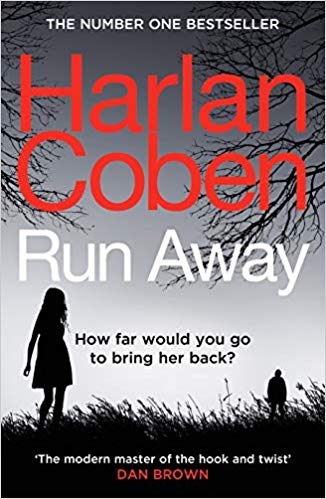 Start a 366 page book like that, and you might be making a rod for your own back, one that will whack you squarely between the shoulder blades if you don’t keep up the poetic intensity. Does Coben manage it? Of course he does – and with the stylish flourishes and narrative élan we have come to expect from one of the great crime writers of out time.
 Harlan Coben (right) has thirty or so best selling crime thrillers behind him, but we must never, ever, take him for granted. There is no formula, no template, and no literary flat-pack easy-to-assemble ‘give-the-audience-what-it-wants’ sameness. He takes us to uncomfortable places and introduces us to people who are not stereotype heroes or villains. He is unafraid to give us a rough ride along roads traveled by complicated people who frequently confound our perceptions. Runaway is, quite simply, a brilliant read. It is published by Century and will be out in


 fullybooked2017