

PART TWO
SO FAR – On the evening of Sunday 7th March, 1875, 22 year-old Louisa Hodgson is stabbed to death by a man – Peter Blanchard – who had been courting her for four years. She dies almost instantly after Blanchard’s knife pierced her heart. The pair had been together in the sitting room of Louisa’s family home at 29 Newmarket (below) Blanchard has fled the scene.

William Turner, a dealer in poultry, lived with his wife Emma in their small house in Vickers Lane. It was 10.30pm, Emma Turner had gone to bed, and William had locked the house up and was preparing to join his wife, when he heard someone trying the front door. He went to investigate, and found Peter Blanchard. Blanchard was clearly in a state about something, and asked if could come in. Turner’s evidence continued as follows:
“He asked if I would give him some whisky. I said my wife had gone to bed, but I would call her down and see if we had such a thing in the house. She came down and said we had not She gave him glass of brandy instead. He said, “I have done It”. I told my wife to take the bottle away and give him no more.
I said, “Done what Peter ?” At first he made no reply, but on my again asking him, he said, “I have stabbed the missus.” These were his exact words. I said, “What with ?” and he replied, “With a butcher’s knife. If I had not done it with a butcher’s knife I should have done it with this, putting his hand into his pocket and pulling out a razor. He put it back into his pocket. He first opened and shut it again. He was very excited and irritable. I could not say he was drunk. He had the use of his limbs as well as I have mine now.
My wife prevailed upon him to take the razor from his pocket and give to me. I told my wife to call my son to fetch Peter’s father and mother, and also to go to Mr. Hodgson’s and inquire what it meant. On my son’s return he said “She is dead.”


The Hodgsons had already sent for the police, and Sergeant Wilkinson and Superintendent Roberts were at the scene when 16 year-old Thomas Turner arrived. He immediately informed the officers that Peter Blanchard was at the house in Vickers Lane. When Wilkinson and Roberts arrived, there was a scene of complete confusion. There were several members of the Blanchard family in the house, as well as the Turners and their five other children. Superintendent Roberts then arrested Blanchard. This was his evidence:
“On my seizing the prisoner he said, “I’ll go”. I’ll go without the handcuffs”.
He then said, “Is she dead?
I said, “Yes she is, and you are charged with killing her, but keep yourself quiet”.
He was a in a very excited state. He answered me:
It’s a good job, and I’m glad.”
We then brought him to the police-station, where I told him he would be detained on a charge of wilful murder. To this be said ,
“Oh, I did it and I’ll die like a man for her.”
I told him that what he said would be taken down and given in evidence against him. I cautioned him and expressly warned him that whatever said would be taken down and produced against him. I did not put any questions to him. The exact words I used were these, when he was in the cell:
“When I told you that you would be charged with this serious offence, I did not know for a certainty the girl was dead. You will be charged with the wilful murder of Louisa Hodgson”’
He then said: “Is she dead?” and on my replying, “I have already told you so” he said:
“God bless her.”
He was undoubtedly under the influence of drink; but my impression was that be knew well what he was doing.”

At the Magistrate’s Court the next morning, Monday 8th March, Dr Higgins gave his account of Louisa’s injuries:
“I am a registered medical practitioner, practising in Louth. I was sent for to see Louisa Hodgson at about a quarter past ten o’clock. I went at once and found her dead. I saw a wound on the chest but did not then make further examination. This morning I made a post mortem examination. The wound was situated about half an inch below the nipple of the left breast. It was an incised wound about one inch in extent. I traced the wound which had penetrated the chest wall between the fourth and and fifth ribs, passed through the interior margin of the upper lobe of the left lung, and entered the left auricle of the heart.
I found a considerable quantity of blood effused into the pericardial and pleural sacs. The wound was sufficient to cause death rapidly, almost instantaneously. The heart would only beat a few seconds after it was inflicted.
I believe the knife produced would produce a similar wound to one described. It might have penetrated four inches.”
Blanchard had thrown away the murder weapon (a butchers’ knife) but it had been recovered in Aswell Street. He had taken the knife from his landlady’s kitchen. The magistrates committed Blanchard to be tried for murder at the next Assizes in Lincoln.
Louisa Hodgson was laid to rest in Louth Cemetery on Wednesday 10th March.
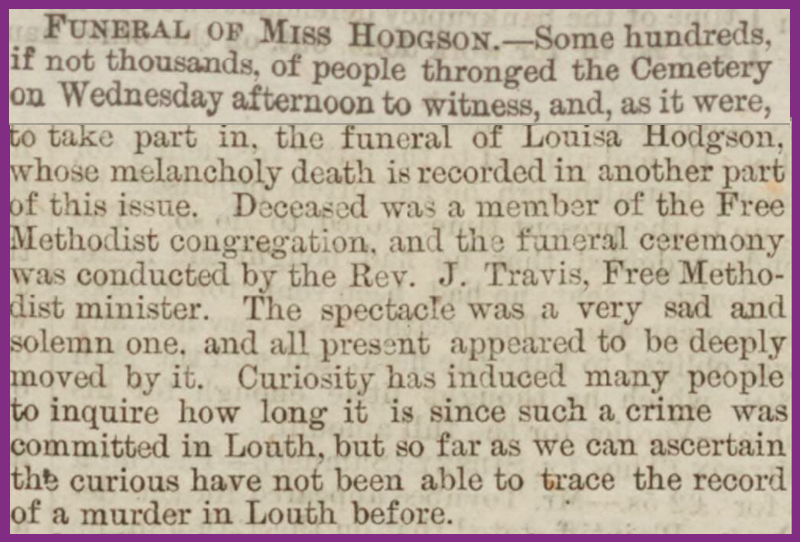
In PART THREE – trial and execution
![Photograph of Free Methodist Church, Eastgate, Louth, Lincolnshire [c.1930s-1980s] by John Piper 1903-1992](https://fullybooked2017.com/wp-content/uploads/2021/03/chapel-copy.jpg)



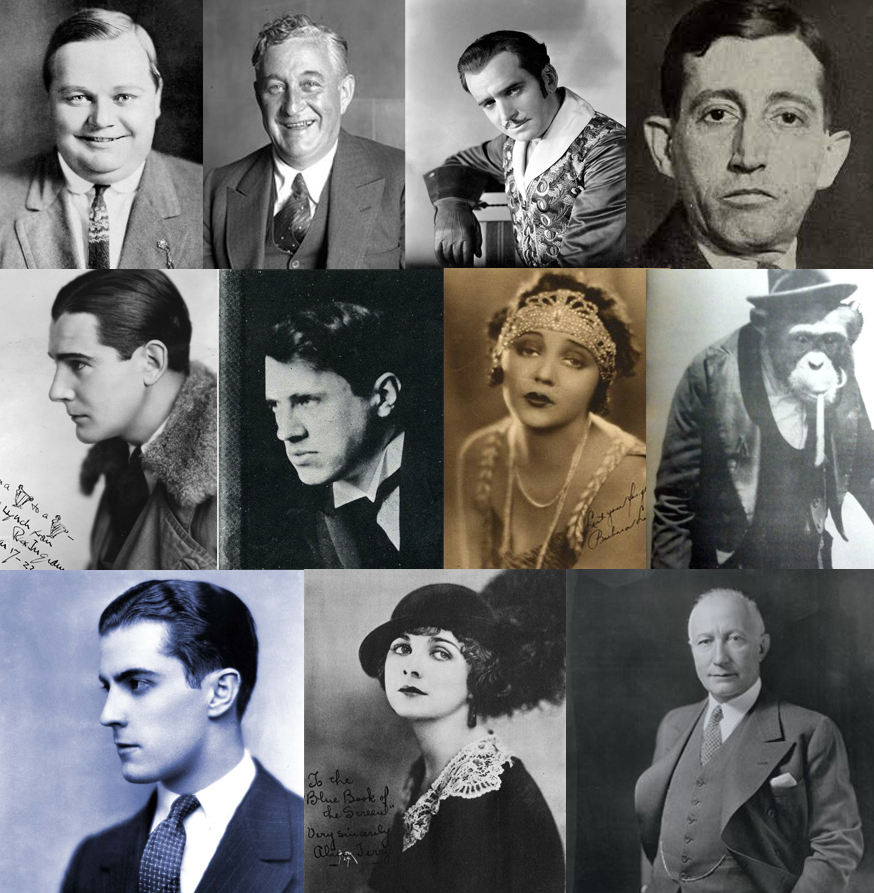
 Former city cop Collins has earned a reputation among movie producers and stars as a man who gets things done, but in a discreet way, and here he becomes involved in getting to the bottom of a nasty blackmail case involving one of Hollywood’s rising stars. José Ramón Gil Samaniego is a young man who was to become better know as Ramon Novarro, star of many hit movies, and an heir to the throne of screen heart-throb vacated by Rudolf Valentino after his untimely death. O’Donovan peoples his story with actual real life characters as far as possible, and it is a winning formula. Samaniego is in trouble because there are intimate photographs of him taken a notorious club for homosexuals. Both he and his studio bosses are desperate that these photos and the negatives are found and destroyed.

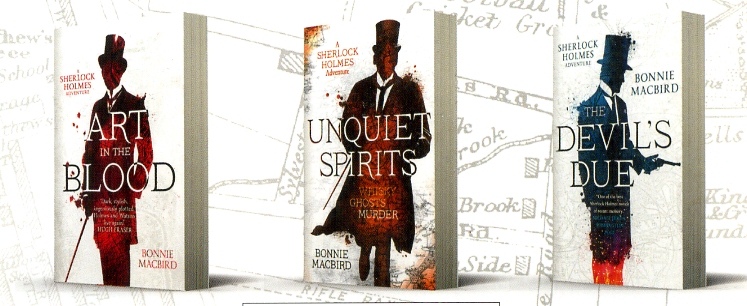
 In a sappingly hot Indian Summer in central London, Dr John Watson is sent – by a relative he hardly remembers – a mysterious tin box which has no key, and no apparent means by which it can be opened. Watson and his companion Sherlock Holmes have become temporarily estranged, not because of any particular antipathy, but more because the investigations which have brought them so memorably together have dwindled to a big fat zero.
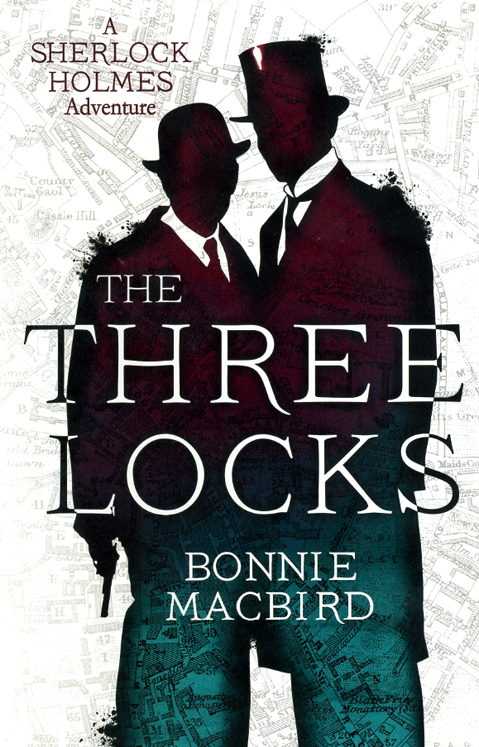 But then, in the space of a few hours, Watson shows his mysterious box to his house-mate, and the door of 221B Baker Street opens to admit two very different visitors. One is a young Roman Catholic novice priest from Cambridge who is worried about the disappearance of a young woman he has an interest in, and the second is a voluptuous conjuror’s assistant with a very intriguing tale to tell. The conjuror’s assistant, Madam Ilaria Borelli is married to one stage magician, Dario ‘The Great’ Borelli, but is the former lover of his bitter rival, Santo Colangelo. Are the two showmen trying to kill each other for the love of Ilaria? Have they doctored each other’s stage apparatus to bring about disastrous conclusions to their separate performances?
 CLICK ON ANY TAG AND THE CONTENT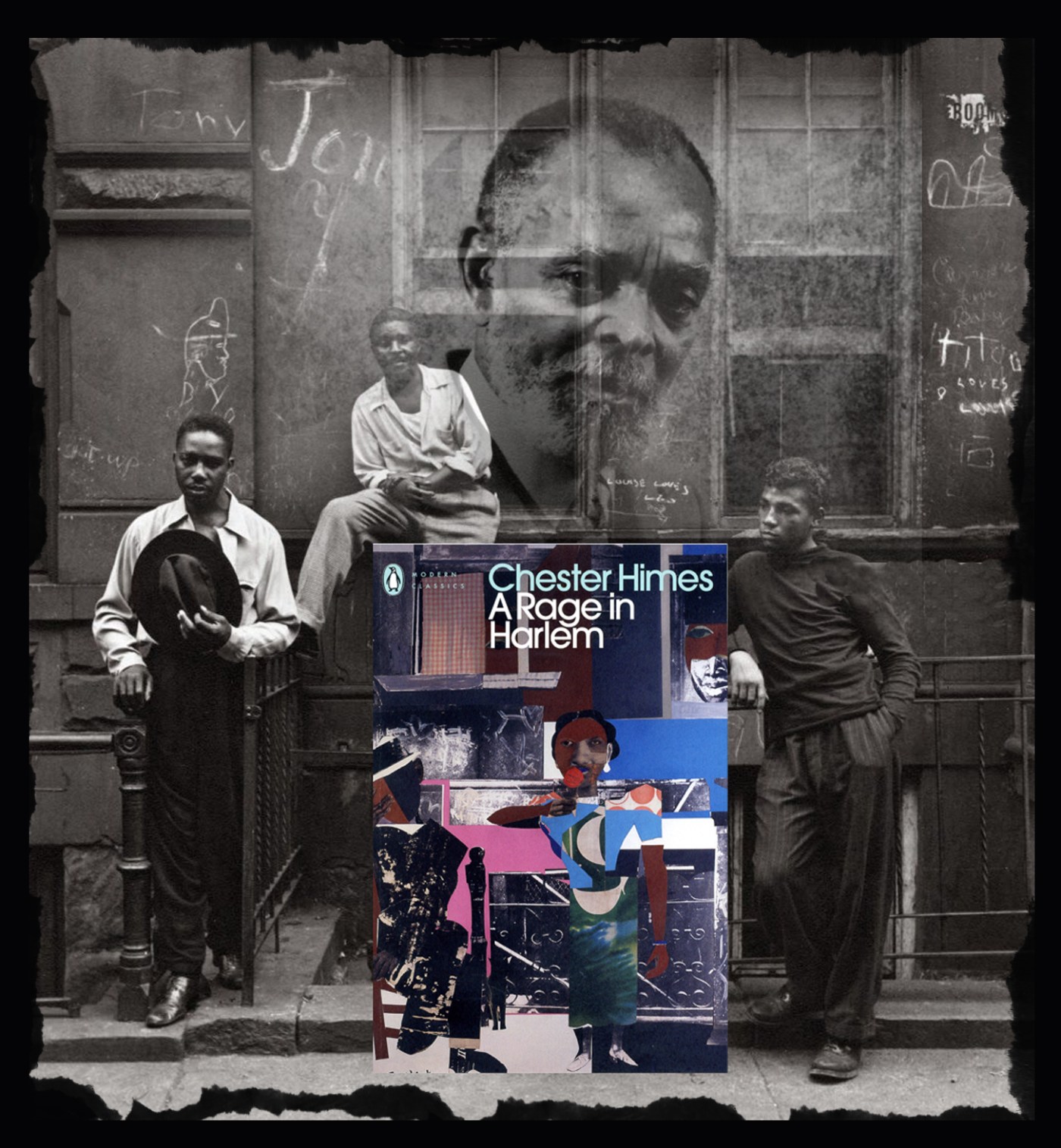

 Chester Himes was born into a middle-class family in Jefferson City, Missouri, in 1909. His parents both worked in education. When Himes was 12, his brother was blinded in an accident, and was denied treatment by the Jim Crow Laws (extensive segregation in all public services) and this shaped the way Himes viewed American society at the time. The family moved to Ohio, and after his parents divorced, Himes fell among thieves and in 1928 took part in an armed robbery, for which he was sentenced to 25 years hard labour. In prison, he began to write feature stories and articles for magazines. In 1936 he was released into the custody of his mother and, while working dead-end jobs, he continued to write. He moved to Los Angeles in the 1940s to write for movies but again, he felt the heavy hand of racial discrimination. He finally gave upon America, and moved to Paris in the 1950s. He never returned to America and died in Spain in 1984.
 Rage In Harlem is a very angry book, and the psychological scars borne by Himes are unhealed and very near the surface. There is a solid core of what appears to be slapstick comedy, but it is brutal, surreal and venomous. The mother of all car chase takes place when Jackson – an undertaker’s chauffeur – steals a hearse to shift what he thinks is a trunk full of gold ore (another scam). He is unaware that it also contains the dead body of his brother who, by the way, makes a living by dressing as a nun and soliciting alms while reciting bogus quotations from The Book of Revelations: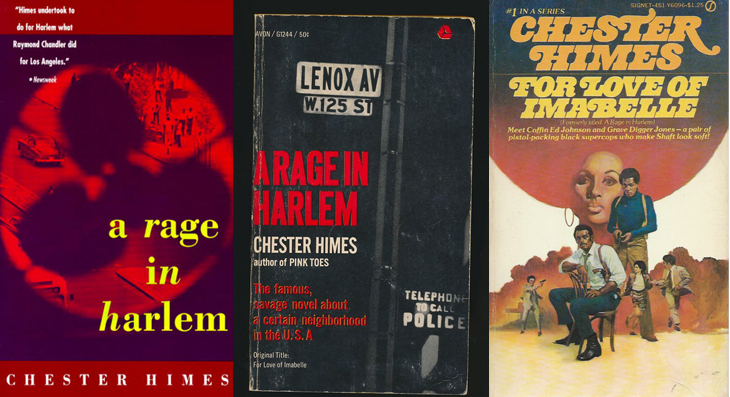


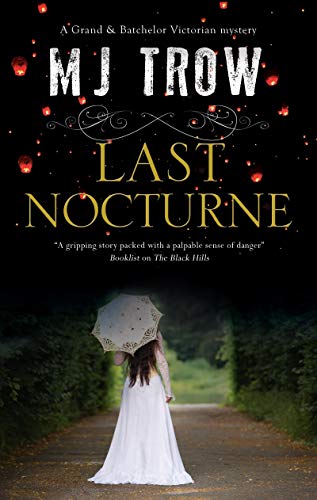 Grand & Batchelor are private investigators based in 1870s London and – much to the relief of James Batchelor, who is a terrible traveller – Last Nocturne has its feet securely on home soil. Grand is from a wealthy New England family, and fought bravely for the Union in The War Between The States, while Batchelor is a journalist by trade. Murder – what else? – is the name of the game in this book, and the victims are, you might say ‘on the game’. Cremorne Gardens were popular pleasure gardens beside the River Thames in Chelsea, but after dark, the ‘pleasure’ sought by its denizens was not of the innocent kind. ‘Ladies of the Night’ are being murdered – poisoned with arsenic – but the killer doesn’t interfere with them, as the saying goes, but instead leaves books by their dead bodies.
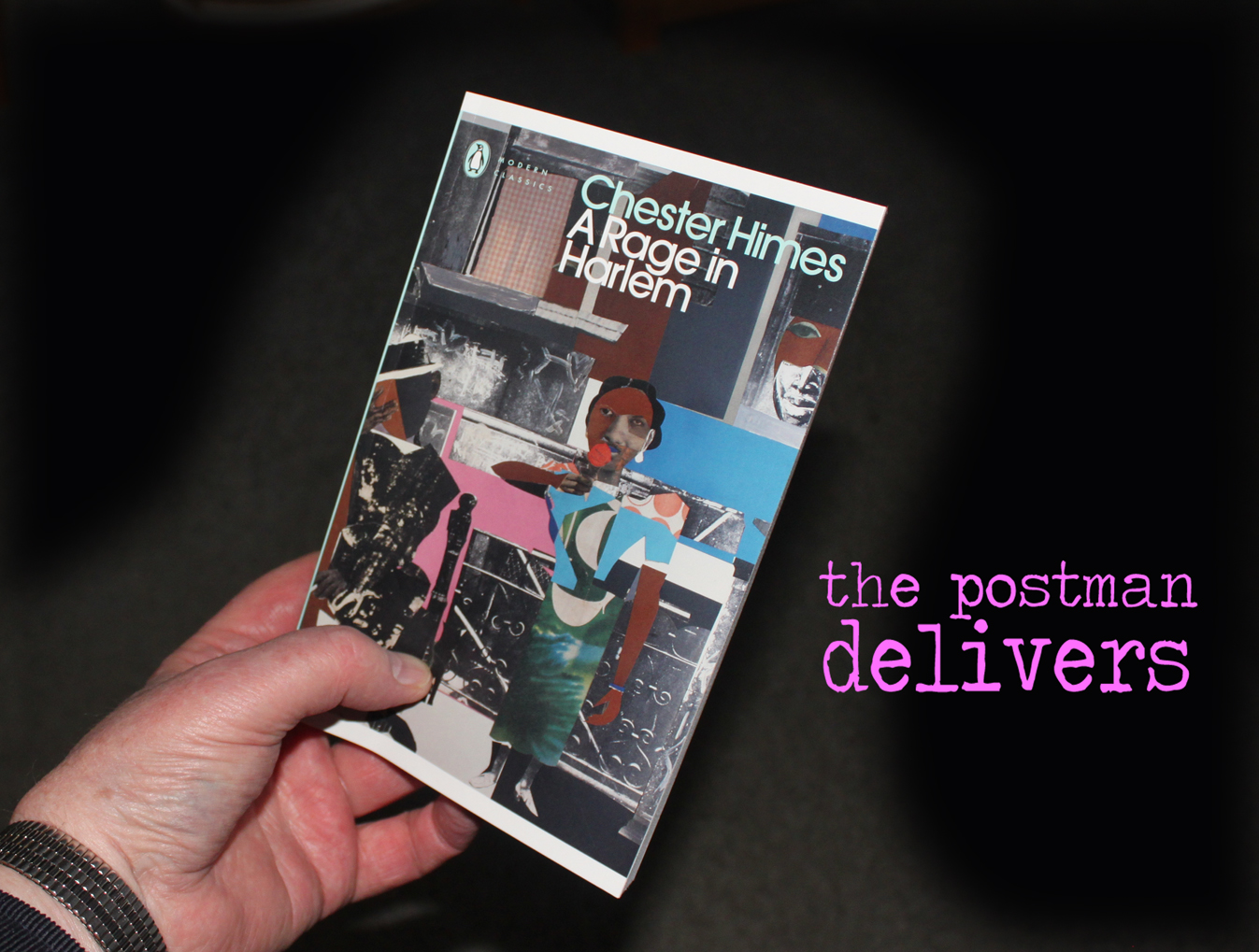

 Yes, my reviews always carry the banner ‘between the covers‘ and, at the end of the day, it’s the written content which counts. Carefully worked covers are part of the package for me, though. Of course we have to live with – and work with – digital editions, and they have their moments. They’re cheaper and in some ways more convenient, but a physical book, decently printed and bound is for many of us the nonpareil. The cover designs for – to name just a few – books by Christopher Fowler, John Connolly, Jim Kelly and Stacey Halls always add to the experience, and now Penguin have done something rather marvellous and secured images by Romare Bearden to grace their new editions of the superb Coffin Ed Johnson and Gravedigger Jones novels by Chester Himes.


 fullybooked2017