“A little onward lend thy guiding hand” as Samson said in Milton’s interminable poem, and we are headed towards the Norfolk coast, where we will meet up with an engaging archaeologist who has a disturbing habit of discovering present day corpses, along with the bones of long-dead Bronze Age folk. Ruth Galloway is the creation of Domenica de Rosa, better known to readers as Elly Griffiths, and she is one of the most convincingly human of present day crime fiction heroines. Galloway is, of course, in a long line of amateur investigators and, like many of her predecessors, she needs a connection to the professional police force so that the stories remain plausible. In Galloway’s case, the connection is deeply personal, as her police contact is a King’s Lynn based detective who was once her lover. Harry Nelson (and there’s a proud Norfolk name) is the father of Galloway’s daughter Kate, yet he still lives more-or-less peaceably with his wife Michelle, and they too have children. The relationship between Galloway and Nelson is unusual, to say the least, but it provides an interesting counterpoint to the discovery of bodies and the search for murderers.

The crime fiction tropes which lead to bodies being discovered, thus setting in chain a murder investigation, are many and varied. A long standing favourite is the dog-walker, and then there is the cleaner who makes an unwelcome discovery when she enters a house. People on boats or perhaps fishing on river banks are pretty good for ‘floaters’, but archaeologists – whose very job involves digging – are better than most. Elly Griffiths makes excellent use of this device, but it never becomes trite, mainly because she is such a gifted writer.
A resident player in the Galloway-Griffiths Repertory Company is an ageing hippy called Cathbad. His real name is Michael Malone, and he frequently adds a touch of mysticism (real or imagined) to proceedings. To my shame, I always imagine him as Nigel Planer in The Young Ones, but that, perhaps, does him – and Elly Griffiths – a disservice.
Crime novels are not all about location, but having an affinity with landscape – and the ability to make it a character in the narrative – never hurts, and Elly Griffiths brings the North Norfolk Coast to life. I live not too far away, and cynical locals have re-christened the area ‘Chelsea-on-Sea’, due to the gentrification of villages, and the surge in properties being bought up as weekend retreats for wealthy people from the Home Counties. There remains, of course, a rougher local under-current, and this features in the most recent Ruth Galloway novel, The Nighthawks. Click the link to read my review, and keep an eye open for the next novel in the series, The Locked Room, which is due to be published in early 2022.
 The next stage of our journey is to a town that doesn’t exist – at least on an Ordance Survey map. Writers have always created fictional towns based on real places – think Thomas Hardy’s Casterbridge, Trollope’s Barchester, Arnold Bennett’s Bursley, Herriot’s Darrowby, and Dylan Thomas’s Llareggub – but remember that each was based on a real life place well known to the writer. Thus we drive along a road that skirts the windswept and muddy shores of The Wash until we arrive in Boston, Lincolnshire. It was here that the journalist and writer Colin Watson lived and worked for many years, and it was in Boston’s image that he created Flaxborough – the home and jurisdiction of Inspector Walter Purbright.
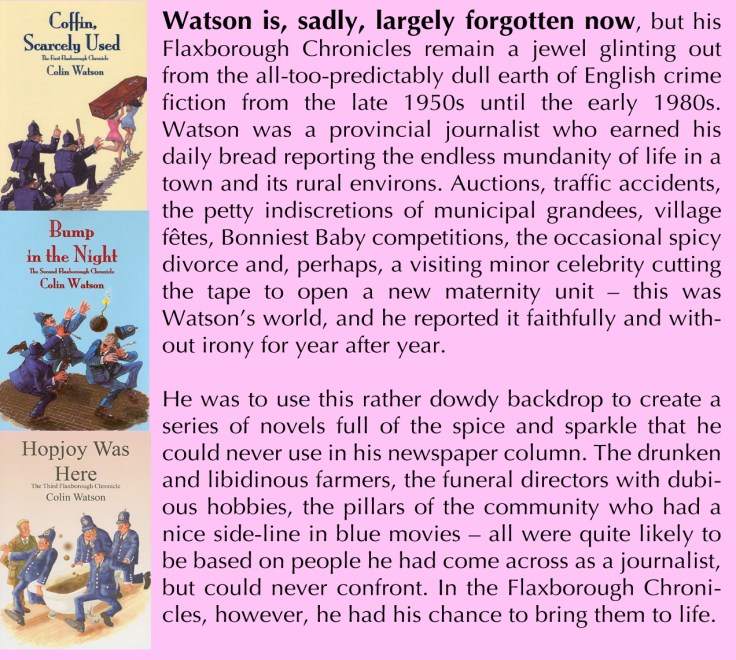
Watson wrote an entertaining book about English crime fiction. He called it Snobbery With Violence (1971), and he was not particularly complimentary about several crime writers who contributed to what we call The Golden Age, but it shows that he was a man who read widely, and took his craft seriously. 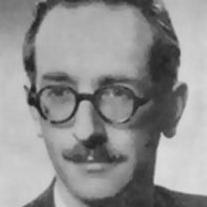 Any serious student of crime fiction should read it, but must bear in mind it was written by a man who became seriously disillusioned with writing and the world of publishing. The last book in the series was Whatever’s Been Going on at Mumblesby? which was published in 1982. Watson died in 1983, but had retired to the village of Folkingham, where he had taken up silver-smithing, and had remarked to a visiting journalist that writing was something of a mugs’ game, with too little reward for too much effort. His characters had, however briefly, been adapted for a four-episode TV series in the 1970s, with Anton Rodgers as Purbright and Christopher Timothy as Sergeant Love. For more about Colin Watson on the Fully Booked site, click the author’s image.


 Wiley Cash is at his best when describing the complex social history of his home state, and the ways in which it affects families and relationships, and he is on good form here. Where the book didn’t work so well, for me at least, was in the ending. In literally two and a half pages, everything we thought we knew about what was happening on Oak Island is turned violently on its head. Abrupt? Yes. Enigmatic? Certainly. There’s no rule that says every plot has to end neatly tied up like a parcel with every question answered, and many readers may enjoy the ambiguity at the end of this book. You could say that Cash (right) gives us the dots and leaves it up to us how we join them up. When Ghosts Come Home is published by Faber and Faber, and is

 We are left to imagine what he looks like. He never uses violence as a matter of habit, but his inner rage fuels a temper which can destroy those who are unwise enough to provoke him. Why is he so bitter, so angry, so disgusted? Of himself, he says:
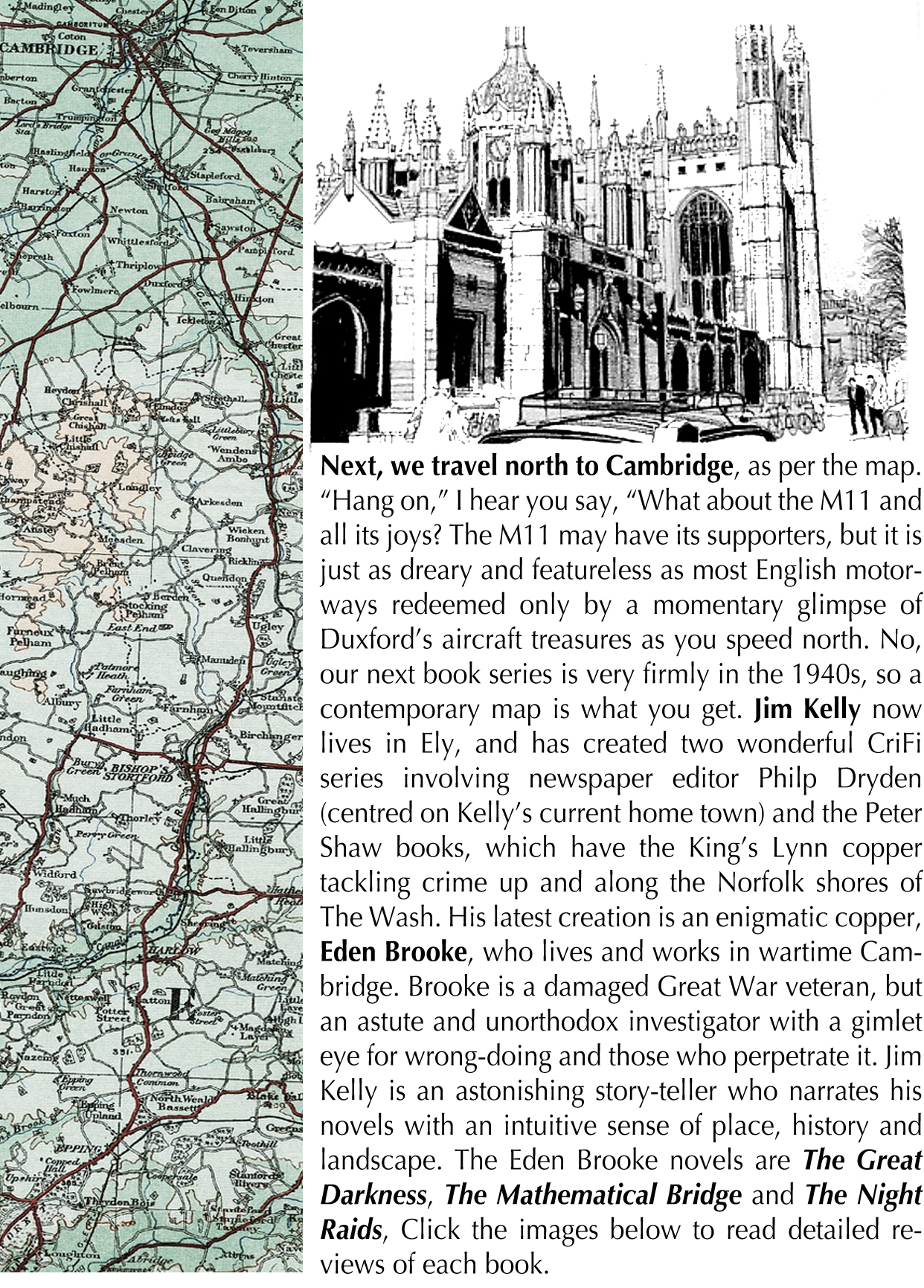
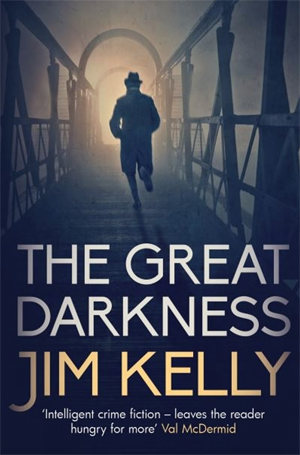
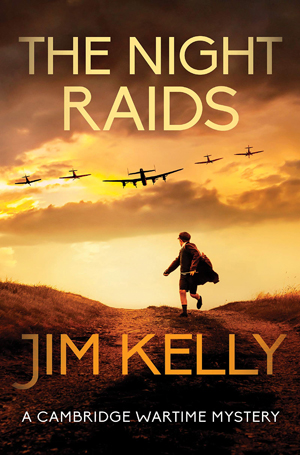


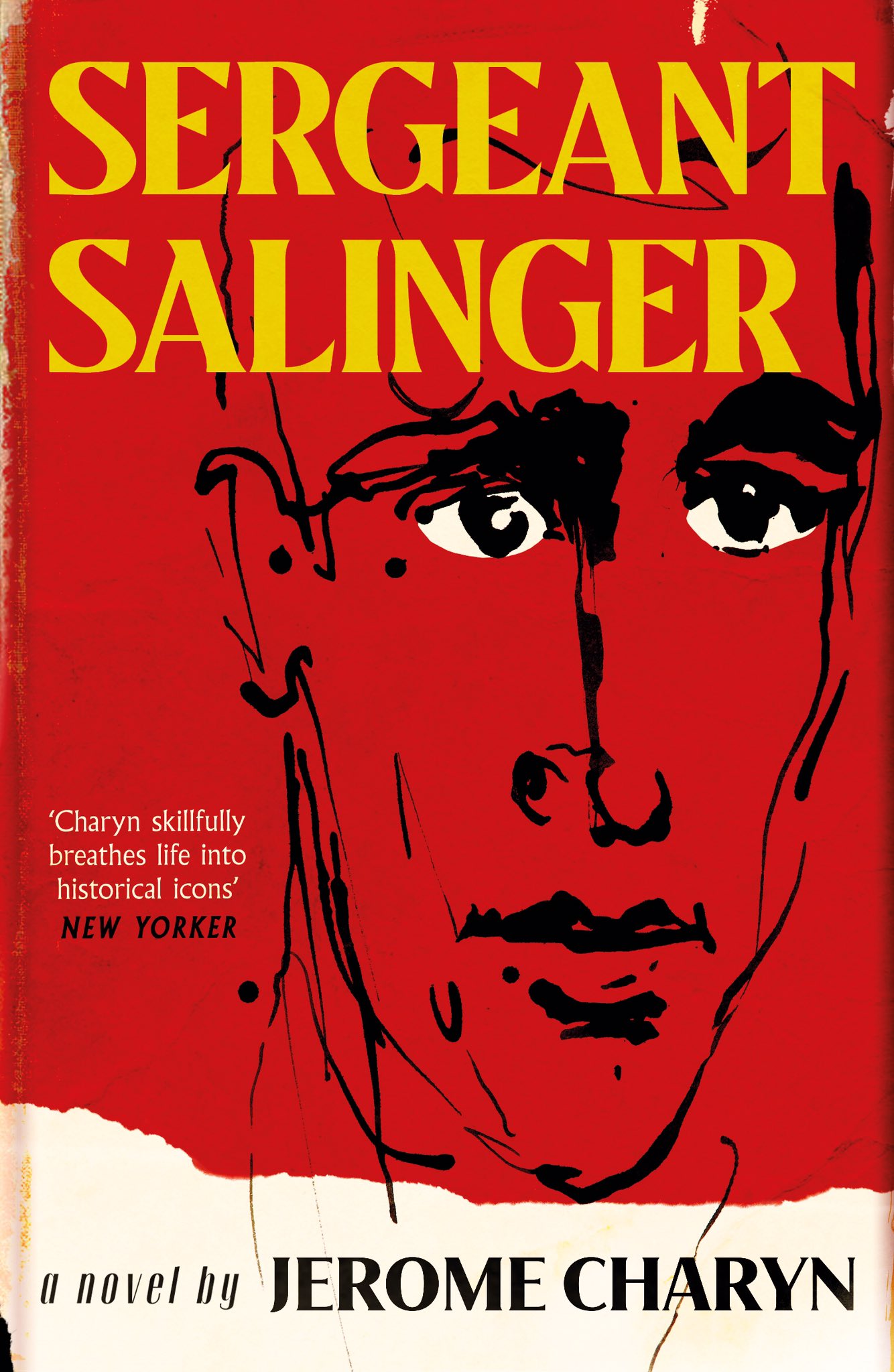 This prelude takes place in 1942


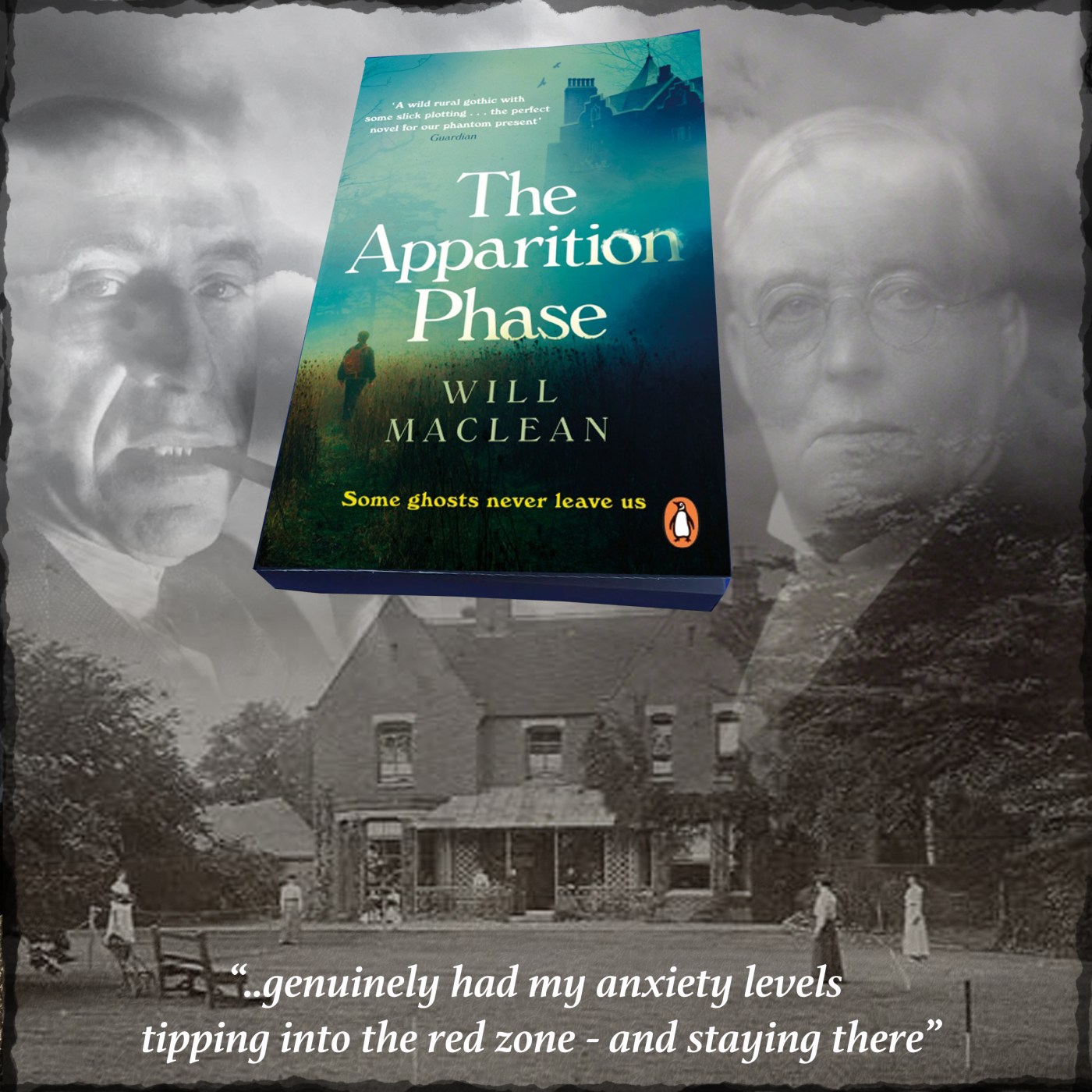

 I don’t review too many non-crime novels on here, but this one really appealed to me. It begins in the 1970s in an unnamed English town. Tim and Abi are teenage twins and, like many such siblings, have an almost preternatural bond that often transcends the spoken word and visual communication. They also have what might be called an unhealthy fascination with ghosts and the paranormal. One of Tim’s hobbies is painting pictures of bygone execution methods, and their favourite book is a well worn copy of The End of Borley Rectory (1946) by

 On a blank wall


 The team investigating the murder is led by Detective Inspector Isabel Blood, her Sergeant and a brace of DCs. They soon learn that the dead man is Kevin Spriggs, a middle-aged car mechanic, with a failed marriage behind him, an estranged son – and an argumentative temperament often fueled by drink. The murder raises many questions for Blood and her people. How did Spriggs and the person who killed him gain access to a locked house? Who hated Spriggs – admittedly not one of life’s natural charmers – enough to kill him? After all, he was something of a nobody, tolerated rather than loved by most people who knew him, but why this brutal – and mysterious – death?


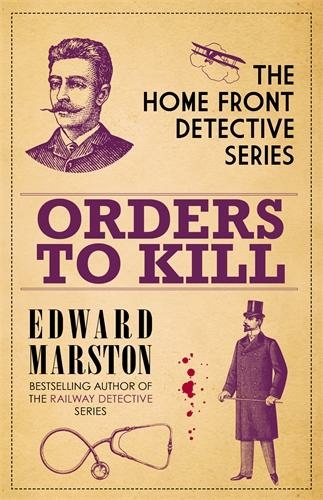 Investigating duos are always a reliable way to spin a police novel, and in this case we have Inspector Harvey Marmion and Sergeant Joe Keedy of the Metropolitan Police. Marmion is married to Ellen, with a son and daughter. Son Paul has been mentally damaged by his time on the Western Front, and has now disappeared leaving no clue as to his whereabouts, while daughter Alice – also a service police officer – is engaged to Keedy.
 Edward Marston


 The story begins with a murder, graphically described and, at this point in the review, it is probably pertinent to warn squeamish readers to return to the world of painless and tidy murders in Cotswold manor houses and drawing rooms, because death in this book is ugly, ragged, slow and visceral. The victim is a middle-aged woman who makes a living out of reading Tarot cards, tea leaves, crystal balls and other trinkets of the clairvoyance trade. She lives in an isolated cottage on the bleak shore of the Humber and, one evening, with a cold wind scouring in off the river, she tells one fortune too many.
 “She has found herself some mornings with little horseshoe grooves dug into the soft flesh of her palms. Sometimes her wrists and elbows ache until lunchtime. She sleeps like a toppled pugilist: a Pompeian tragedy. She sees such terrible things in the few snatched moments of unconsciousness.”