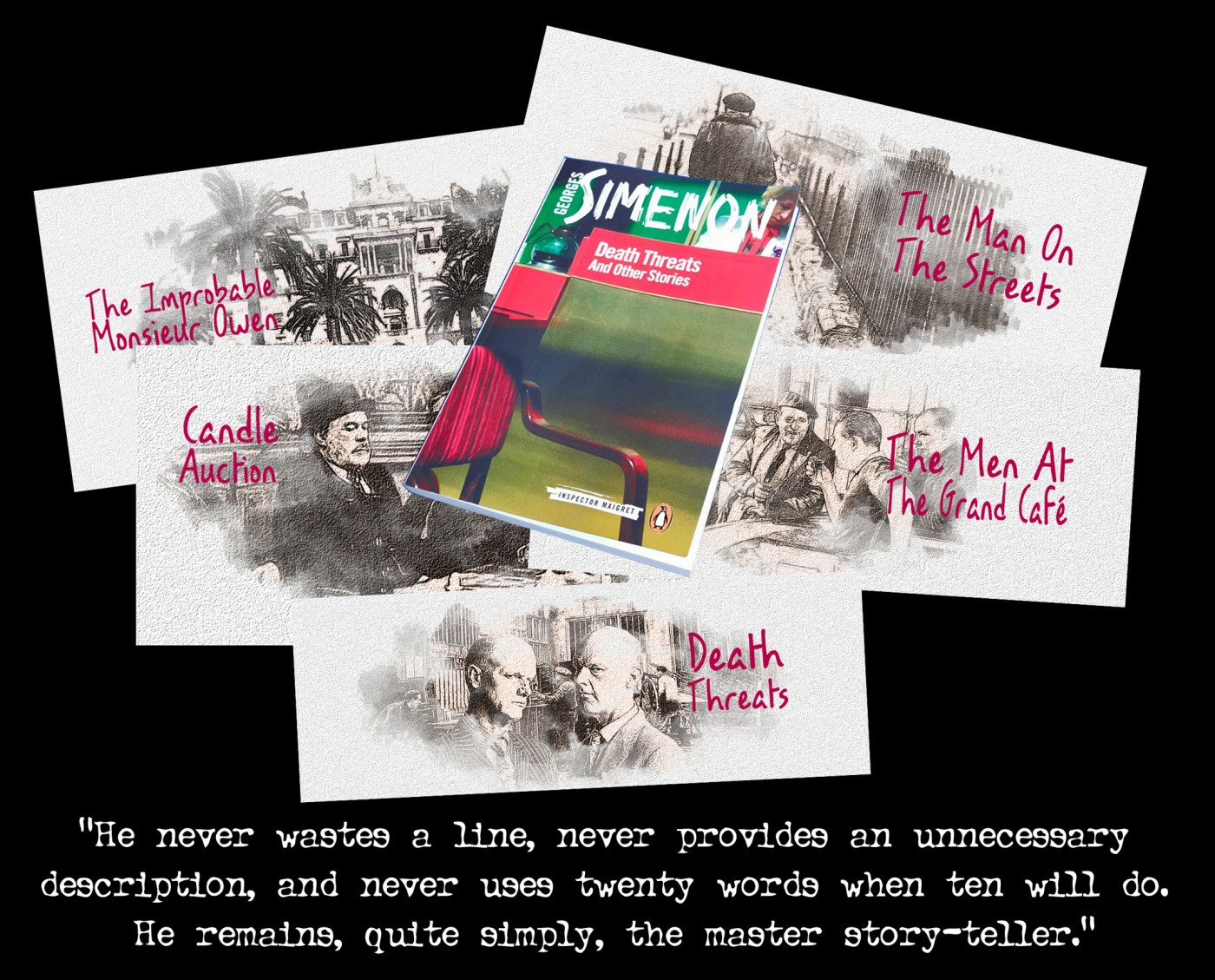

Penguin have been quietly publishing new translations of all the Maigret novels and short stories for the last few years, and this is a recent collection of stories. What more is there to say about Georges Simenon? For me, the genius is in the economy. He never wastes a line, never provides an unnecessary description, and never uses twenty words when ten will do. He remains, quite simply, the master story-teller.

Maigret is on holiday. He has taken the opportunity because Madame Maigret is away in Brittany tending to an ailing aunt. He is in one of the best hotels in Cannes. Rather out of his price range? Perhaps, but he has a friend in the trade, Monsieur Louis, an man who was once one of the top hoteliers in Paris, and a man who owes Maigret a favour or two. The detective “had eaten like a horse, drunk like a sailor and soaked up the sun through every pore like a bathing belle.” But his reverie is interrupted when M. Louis knocks on his door to say there has been a terrible murder. A mysterious guest called Monsieur Owen has taken rooms in the hotel along with his attractive young nurse. And now, a body has been found, naked and dead, in the bath of Monsieur Owen’s room – but it is not Monsieur Owen! In the pages that follow, Simenon weaves a delightfully complex mystery – and Maigret provides an equally intricate solution. This was first published as a magazine story in 1938.

This is slightly unusual, as it was also first published in 1938, just seven years after Simenon introduced Maigret in Pietr-le-Letton, and yet in this story Maigret has retired after a long career with the Paris police, and is living in Meung-sur-Loire. He is grumpy and bored, so Madame Maigret persuades him to join a nightly card school in a town café. The men play Manille, a variant of Whist. It is a game for four players, and one of the group – the town butcher, a family man – is reputed to have eyes for Angèle, the café waitress. When the butcher is found dead in his van, killed by a bullet from a wartime revolver, everyone – including the young police inspector investigating the death – expects Maigret to take charge of the case. He refuses, quite churlishly, and retires to his shed to fuss over his fishing tackle. It is only some time later, when Maigret and his wife attend the funeral of the café owner’s wife, that he reveals the reason for his silence and, once again, Simenon gives us a beautifully symmetrical solution.
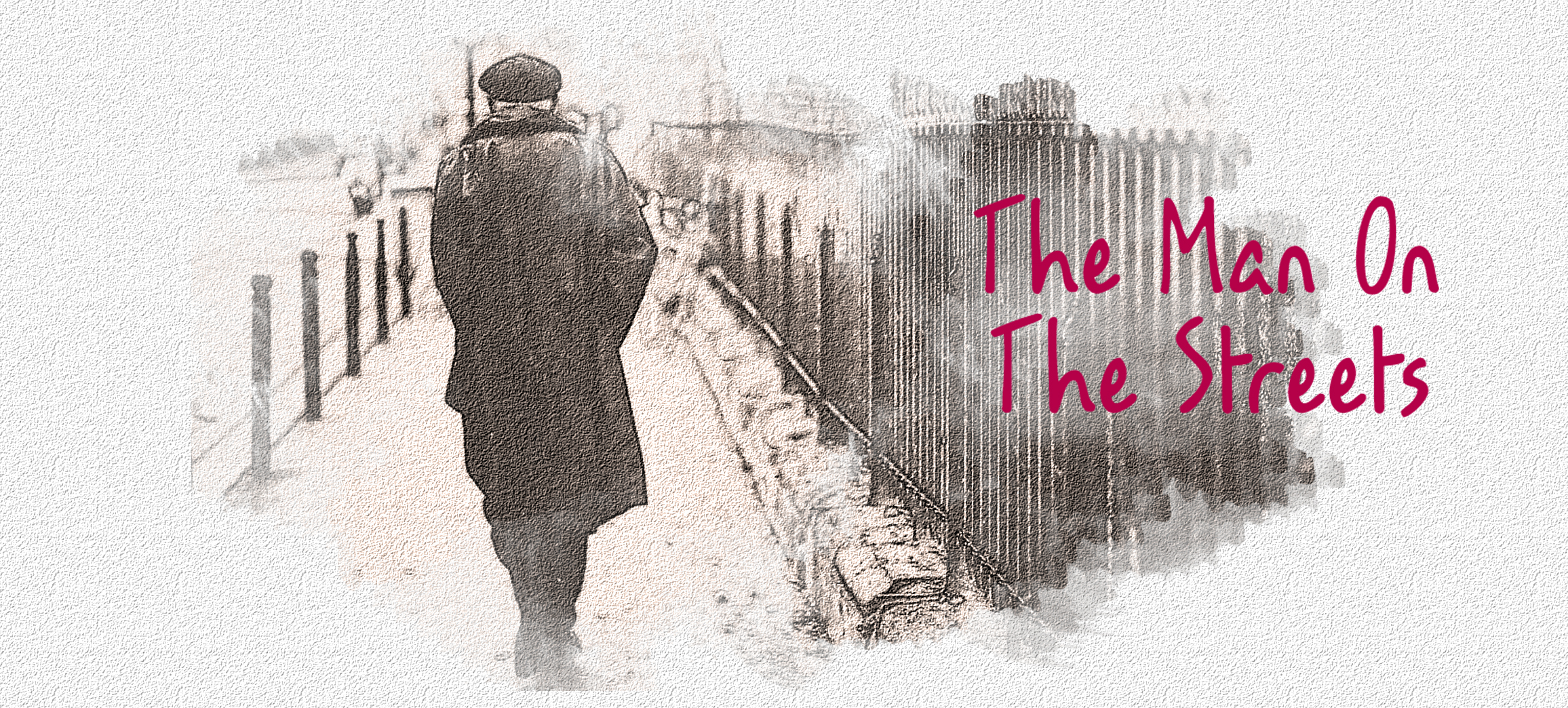
This was first published under the title Le prisonnier de la rue in the Sept jours newspaper (15th and 22nd December 1940). It is worth noting at this point that Simenon remained in France during the occupation but none of the Maigret stories set during the war references the German presence. Operating as a civilian policeman in wartime Paris would have been a very different experience from what we read here. What the papers are calling THE BAGATELLE MURDER because the body – of a handsome young Viennese doctor – was found near La Porte der Bagatelle is puzzling Maigret and his trusty team, Torrence, Lucas and Janvier. Eventually, they identify a suspect, and take it in turns to follow him through the streets of a wintry Paris. The man – identified as a Pole – becomes more haggard and hungry as his money runs out until, exhausted and desperate, he surrenders to Maigret. Simenon gleefully lets us know that the killing was un crime passionelle but then pulls the rug out from under our feet as he reveals who fired the fatal shot.

Maigret is working as the head of the Nantes Flying Squad, and he is summoned south to a God-forsaken village in a marshy area of the Vendée. Groux, A farmer down on his luck, has been forced to sell his property and has arranged a Candle Auction (click the link for an explanation) in the local inn, run by former criminal Frédéric, his slatternly wife Julia and barmaid Thérèse. During a lengthy card game on the evening preceding the auction, one of the prospective bidders – Bourchain – is found dead in his bed, his head ruined by blows from a hammer, and his wallet – containing the thousands of francs with which he intended to buy the farm – missing. Maigret creates his own version of the classic locked room mystery by re-assembling the participants in the card game, and painstakingly forces them to re-enact every card played, every break for drinks and every trip to the toilet until he discovers who wielded the coal hammer that shatters Bourchain’s head. Not for the first time, we play cherchez la femme. This was first published in serial form in 1942.

A wealthy (to the tune of three million francs) rag and bone man, Emile Grosbois has requested a meeting with Maigret’s boss, and has produced a letter composed of words cut from a newspaper. It is a threatening prediction that Grosbois will be dead before before 6.00pm on the following Sunday. The Grosbois family – Emile, twin brother Oscar, their widowed sister Françoise and her two grown-up children Eliane and Henri – live on the premises of the scrap yard, but travel down to their riverside home outside Paris every weekend. Maigret is told he must join the family for the duration of the fateful weekend, and if the great man ever suffered a more miserable few days, Simenon never told us about it. The tensions between the disfunctional family simmer and burn until – just before the doom hour of 6.00pm – Maigret must intervene to save a man’s life and, in doing so, unmask the would-be murderer. This was first published, in serial form, as Menaces de Mort in 1942.
THIS COLLECTION WAS TRANSLATED BY ROS SCHWARZ,
PUBLISHED BY PENGUIN, AND IS AVAILABLE HERE




 The answer to that conundrum forms the central premise of the book. Porter’s niece Scarlett has been drawn into the orbit of a feminist organisation called Artemis led by a charismatic woman called Paula Kunis. Porter will only answer police questions about his activities if Bloom undertakes to track down Scarlett and extract her from the clutches of Artemis. Bloom is smart enough to realise that Porter is up to something, but cannot work out why he is so worried about his niece, when every other aspect of his behaviour suggests that he is a cold and devious man, with psychopathological elements to his character.
 century Professor Moriarty, who has crossed swords with Bloom and Jameson before. Thirdly, Gerald Porter has inexplicably disappeared from police custody and, almost immediately, a huge social media campaign vilifying Paula Kunis and Artemis has been launched, with the result that scores of husbands and fathers of women “poached” by Artemis have headed to the Scottish retreat and are angrily congregating at its gates.




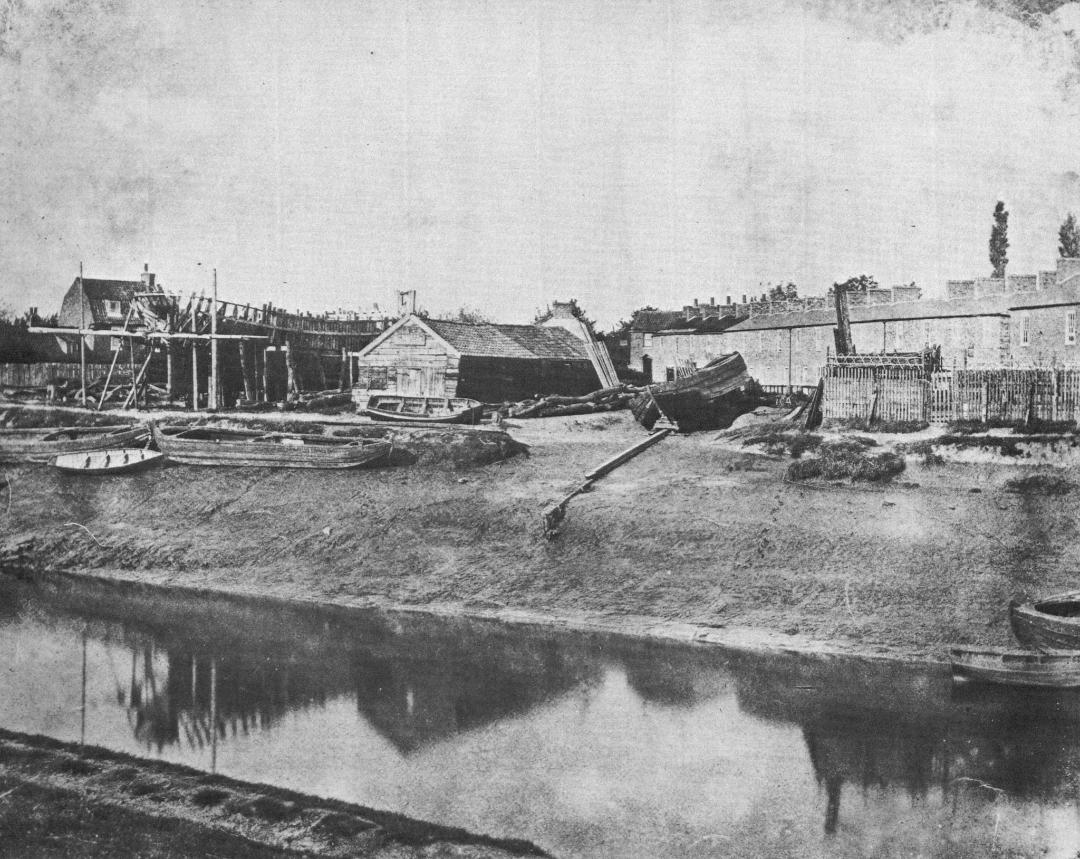
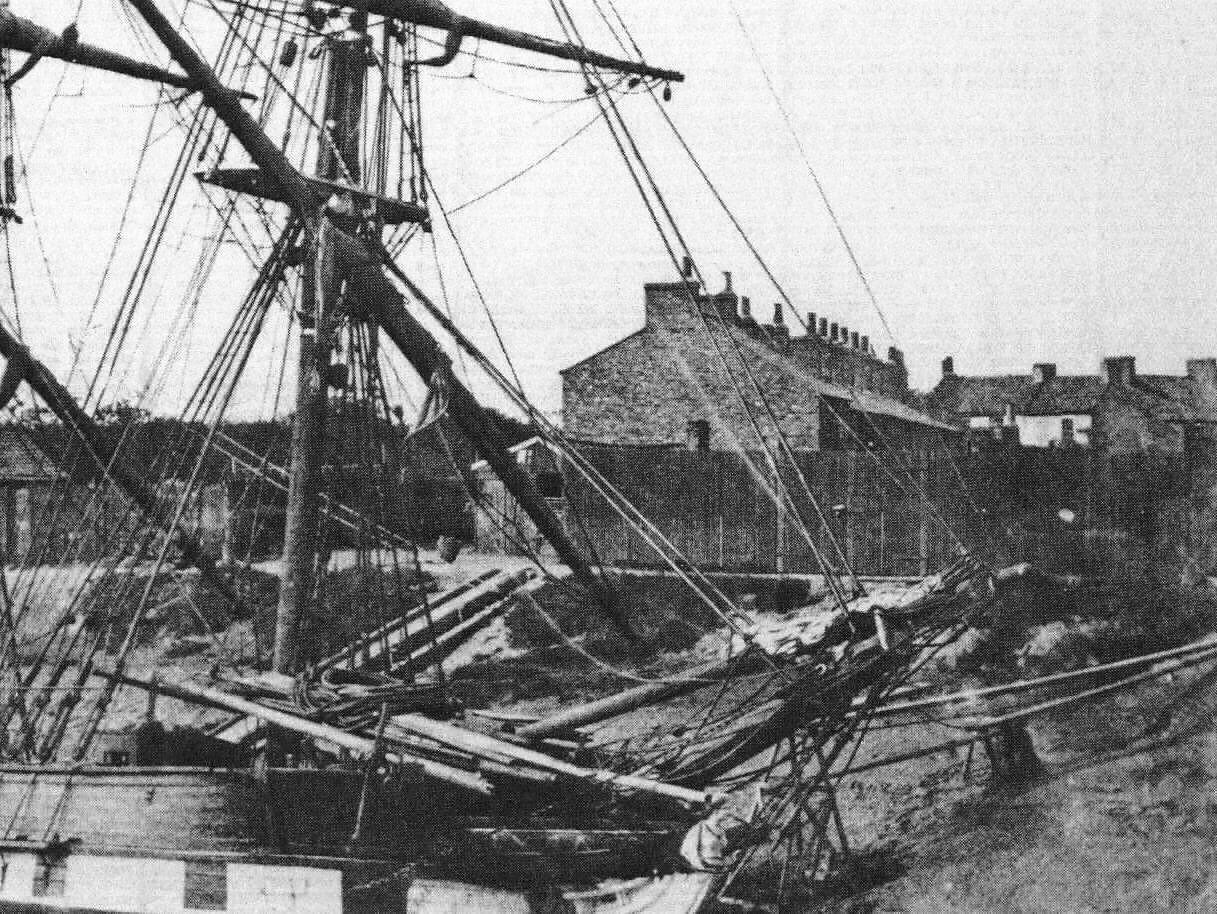
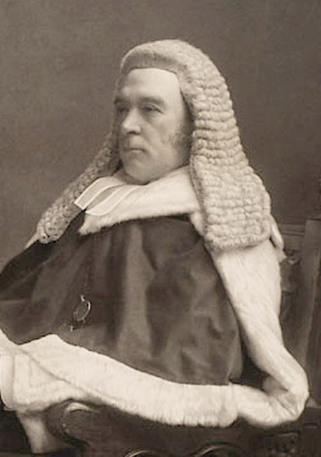
 “Charles Wright and George Oldham, two elderly men, were indicted for the manslaughter of Robert Roughton, at Wisbeach, on the 16th of December last. A bill for murder had been sent up to the Grand Jury, but was thrown out by them. Mr. Naylor appeared for the prosecution ; the prisoner Oldham was defended by Mr. Horace Browne. It appeared that a dispute had arisen between the prisoners and the deceased on the evening in question, and they were seen struggling together on the banks of the river, in which the body of the deceased was afterwards found on the 21st of January. The evidence showed that both the prisoners and the deceased were the worse for drink, and that the deceased, who was a much younger man than either of the prisoners, was the originator of the quarrel. The river bank at the place in question was sloping, and at the place where the cap of the deceased was found there was a gap in the rails by the river-side. Mr. Horace Browne, for the defence, urged that there was nothing in the evidence to show that it was any. thing but an accident. The Jury found the prisoners guilty, and his Lordship (Mr Justice Brett, left) passed a sentence of six months.”



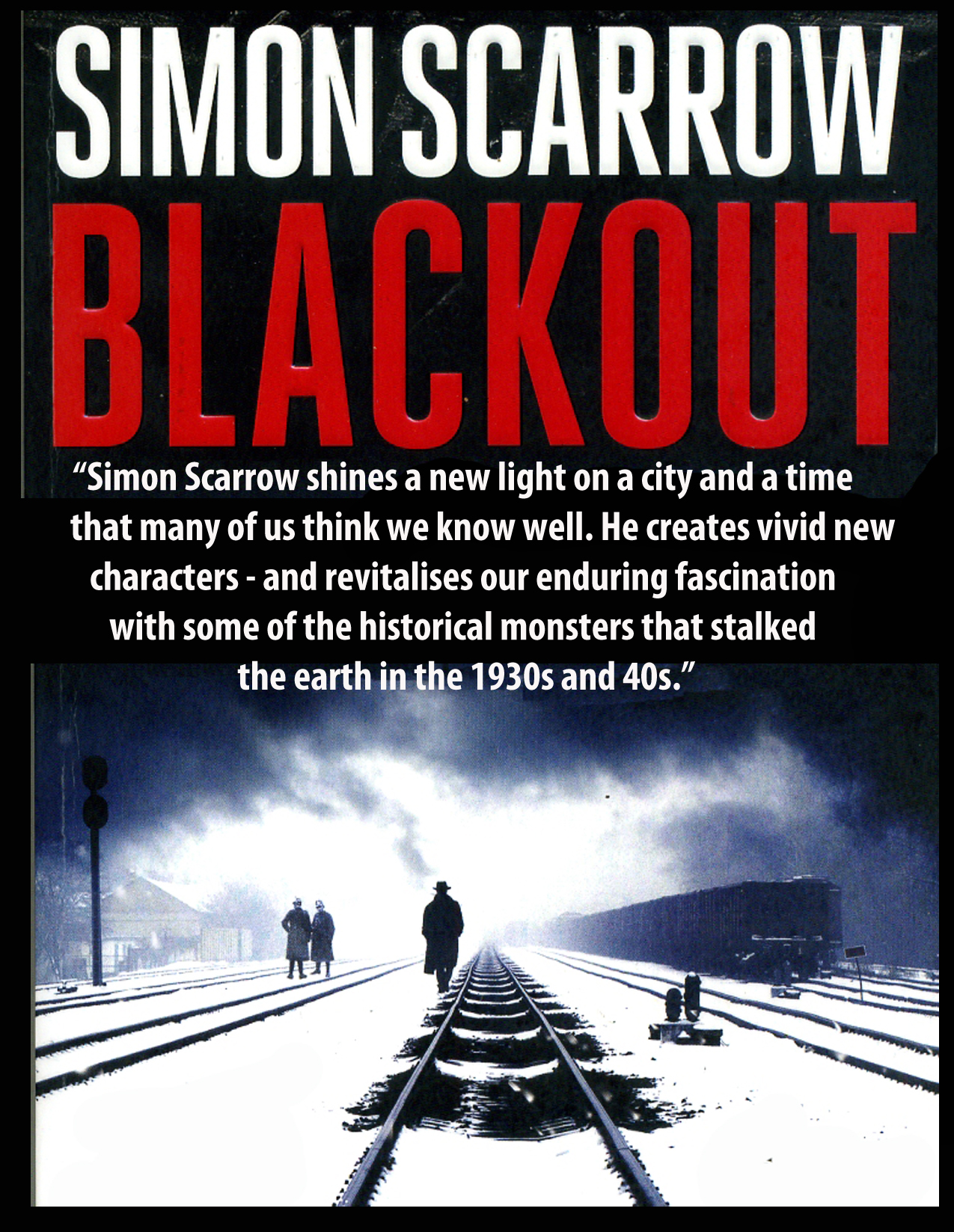

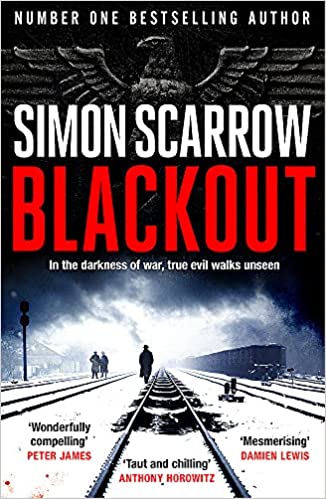 December 1939. Berlin. The snow lies deep and crisp and even, and Kriminalpolizei Inspector Horst Shenke is summoned to the Reich Security Main Office to meet Oberführer Heinrich Müller, a protege of Reinhardt Heydrich and recently appointed head of the Gestapo. Müller has a tricky problem in the shape of a former film star, Gerda Korzeny. Her husband is a lawyer and Nazi Party member who specialises in redrafting potentially awkward pieces of existing legislation in favour of the Party. And now Gerda is dead. Found by a railway track with awful head wounds. She had also been brutally raped. But what does this have to do with Heinrich Müller? His problem is that Gerda Korzeny was known to be having an affair with Oberst Karl Dorner, an officer in the Abwehr, Germany’s military intelligence organisation, and the Gestapo man wants the matter dealt with quickly and discreetly.
 Oberführer Müller, (right) in an attempt to keep tracks on what Schenke is doing, sends a young Gestapo officer called Liebvitz to shadow the Kripo officer, and that allows us to meet a rather unusual fellow. These days, we would probably say he has Asperger’s Syndrome, as he takes everything literally, has no sense of humour and a formidable eye for detail. He is also a crack shot, and this skill serves both Schenke and the department well by the end of the book.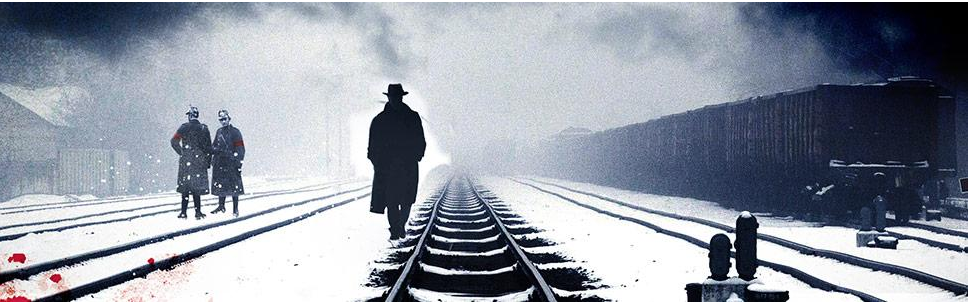










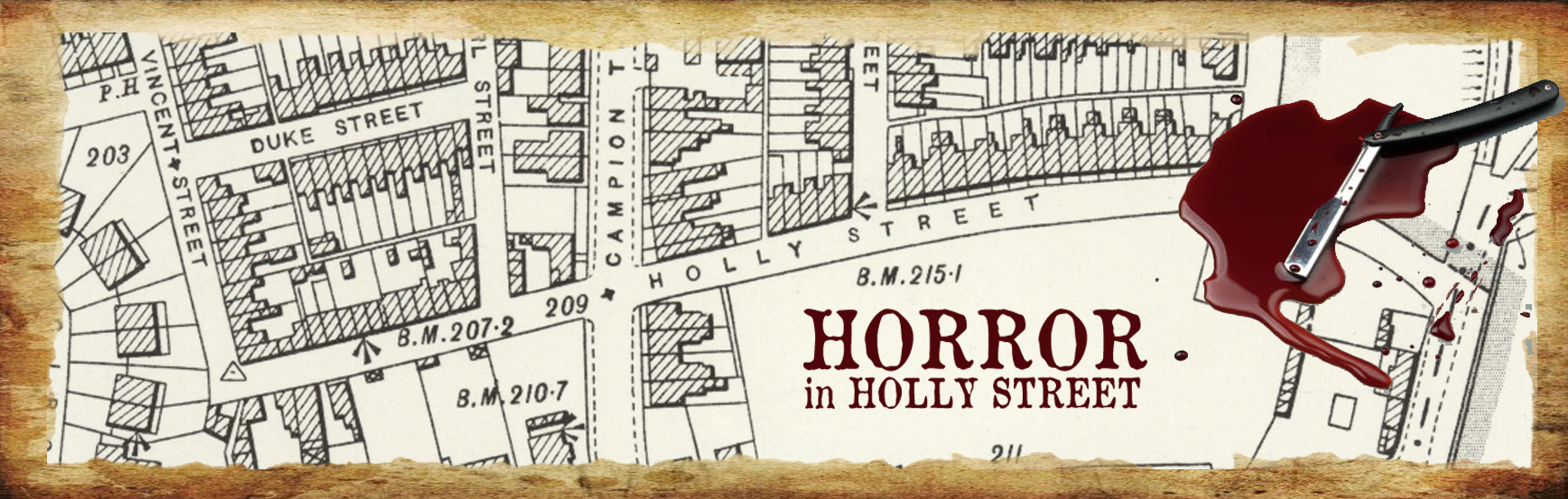
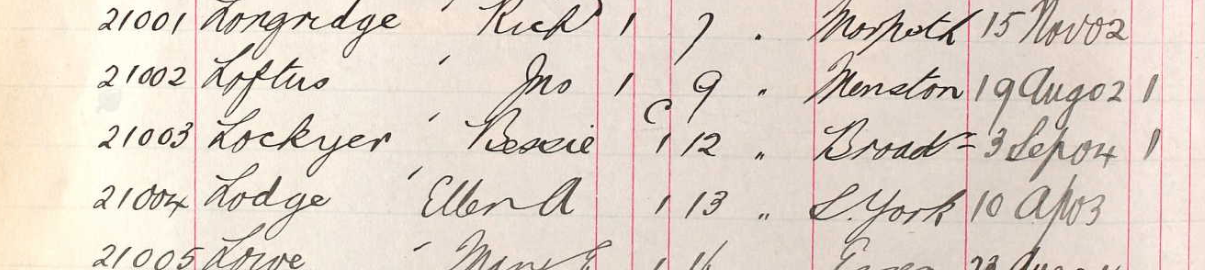
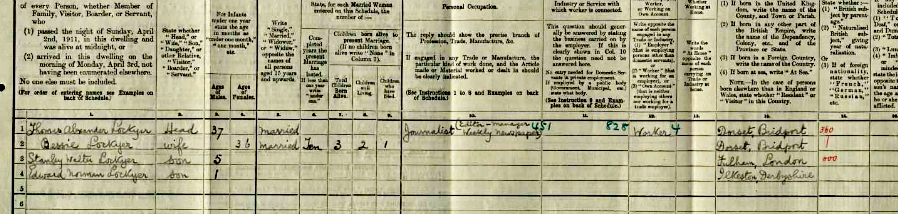

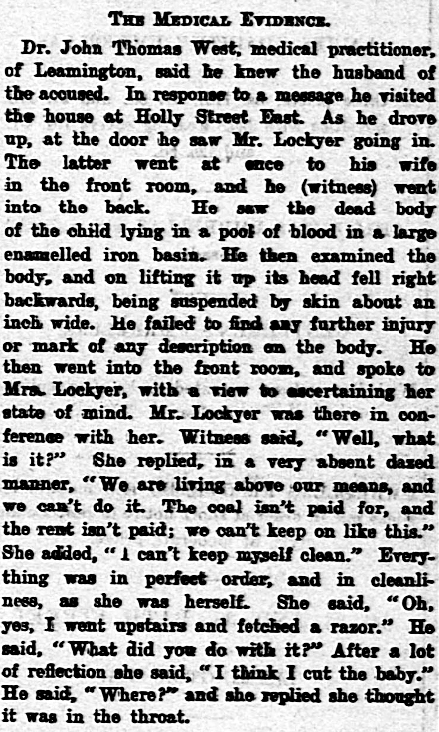
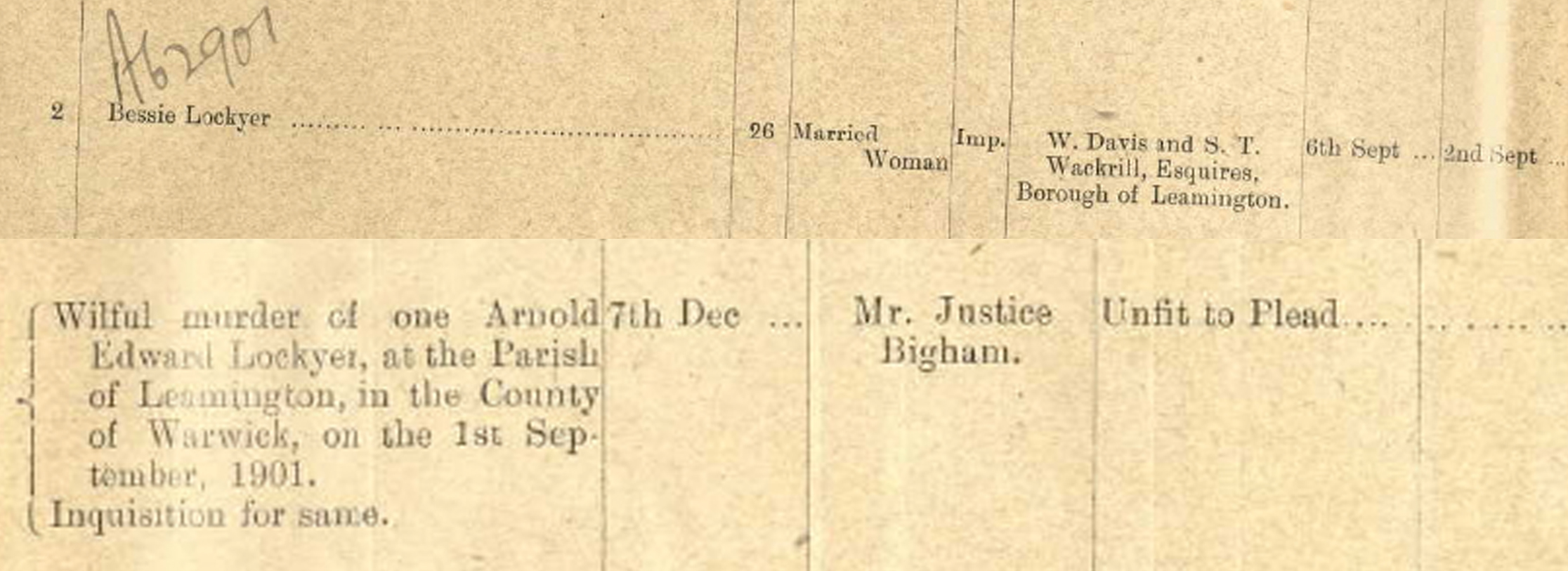
 SO FAR – Thomas and Bessie Lockyer, a young couple originally from Bridport in Dorset, have settled in Leamington Spa, where Thomas is working as a reporter for The Leamington Chronicle. They live in a rented house in Holly Street, and have a six-months old son, Arnold Edward. It is Sunday morning, 1st September 1901. Thomas has gone to sing at the morning service at Spencer Street chapel. Bessie, in a state of extreme distress, has gone to her her next door neighbour, Mrs Wiggins, to tell her that she has harmed her baby. Mrs Wiggins can’t believe that Bessie has hurt Edward, but she goes with Bessie back to No. 17.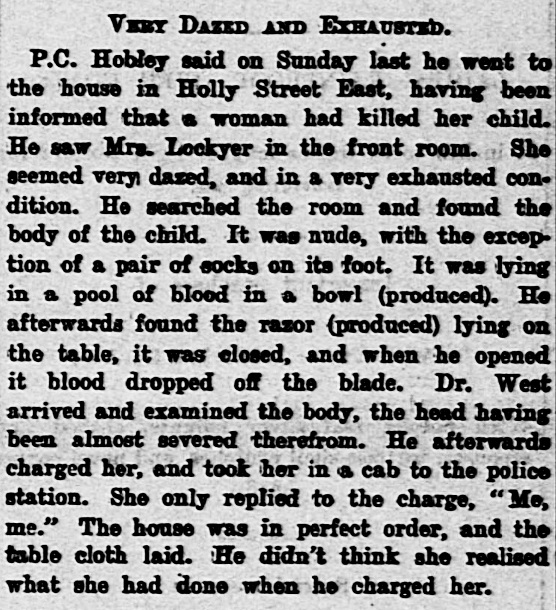


 fullybooked2017
TO ALL THE LIVING . . . Between the covers
This is the latest in the series of excellent reprints from the Imperial War Museum. They have ‘rediscovered’ novels written about WW2, mostly by people who experienced the conflict either home or away. Previous books can be referenced by clicking this link.
We are, then, immediately into the dangerous territory of judging creative artists because of their politics, which never ends well, whether it involves the Nazis ‘cancelling’ Mahler because he was Jewish or more recent critics shying away from Wagner because he was anti-semitic and, allegedly, admired by senior figures in the Third Reich. The longer debate is for another time and another place, but it is an inescapable fact that many great creative people, if not downright bastards, were deeply unpleasant and misguided. To name but a few, I don’t think I would have wanted to list Caravaggio, Paul Gauguin, Evelyn Waugh, Eric Gill or Patricia Highsmith among my best friends, but I would be mortified not to be able to experience the art they made.

So, could Monica Felton write a good story, away from hymning the praises of KIm Il Sung and his murderous regime? To All The Living (1945) is a lengthy account of life in a British munitions factory during WW2, and is principally centred around Griselda Green, a well educated young woman who has decided to do her bit for the country. To quickly answer my own question, the answer is a simple, “Yes, she could.”
Another question could be, “Does she preach?“ That, to my mind, is the unforgivable sin of any novelist with strong political convictions. Writers such as Dickens and Hardy had an agenda, certainly, but they subtly inserted this between the lines of great story-telling. Felton is no Dickens or Hardy, but she casts a wry glance at the preposterous bureaucracy that ran through the British war effort like the veins in blue cheese. She highlights the endless paperwork, the countless minions who supervised the completion of the bumf, and the men and women – usually elevated from being section heads in the equivalent of a provincial department store – who ruled over the whole thing in a ruthlessly delineated hierarchy.
Amid the satire and exaggerated portraits of provincial ‘jobsworths’ there are darker moments, such as the descriptions of rampant misogyny, genuine poverty among the working classes, and the very real chance that the women who filled shells and crafted munitions – day in, day out – were in danger of being poisoned by the substances they handled. The determination of the factory managers to keep these problems hidden is chillingly described. These were rotten times for many people in Britain, but if Monica Felton believed that things were being done differently in North Korea or the USSR, then I am afraid she was sadly deluded.
The social observation and political polemic is shot through with several touches or romance, some tragedy, and the mystery of who Griselda Green really is. What is a poised, educated and well-spoken young woman doing among the down-to-earth working class girls filling shells and priming fuzes?
My only major criticism of this book is that it’s perhaps 100 pages too long. The many acerbic, perceptive and quotable passages – mostly Felton’s views on the more nonsensical aspects of British society – tend to fizz around like shooting stars in an otherwise dull grey sky.
Is it worth reading? Yes, of course, but you must be prepared for many pages of Ms Felton being on communist party message interspersed with passages of genuinely fine writing. To All The Living is published by the Imperial War Museum, and is out now.