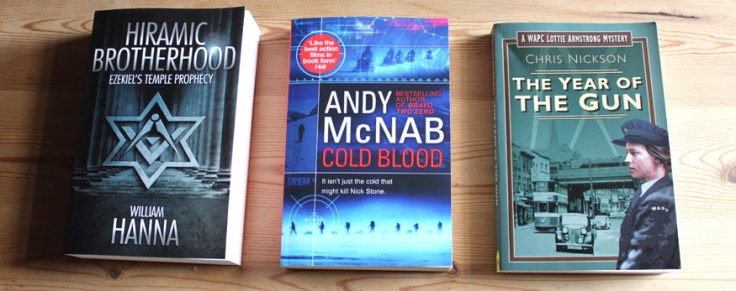
 HIRAMIC BROTHERHOOD, Ezekiel’s Temple Prophecy – written by William Hanna
An earlier novel by Hanna, (left) also called Hiramic Brotherhood, but with the subtitle Of The Third Temple was published in 2014. Hanna’s theme is that the modern state of Israel is guilty of a massive cover-up of racism and ethnic cleansing. His character, a journalist and documentary maker called Conrad Banner, is determined to expose what he sees as Israel’s successful attempts to hoodwink the world over its attitudes towards the Palestinian people, and to foster the negative portrayal of Arabs across the Middle East.
HIRAMIC BROTHERHOOD, Ezekiel’s Temple Prophecy is published by Matador, and you can find further information by following this link.
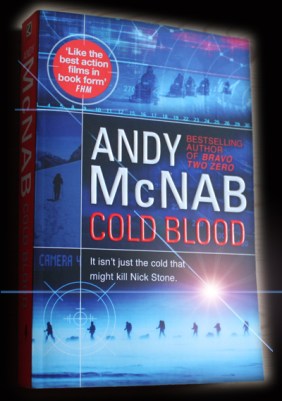 COLD BLOOD – written by Andy McNab
The much decorated former SAS sergeant ( CBE, DCM & MM) has yet to emerge from the shadows which have shrouded him since his earlier publications. Wikipedia says his real name is Steven Billy Mitchell, but he denies this. Bravo Two Zero was published in 1993 and is still the best-selling military history book of all time. With the help of his wife – who was in publishing when they married 17 years ago – McNab moved on from memoirs to fiction, and Cold Blood is the 18th in the series featuring former soldier Nick Stone. Stone is recruited to act as minder and mentor to a group of traumatised former soldiers who are making a therapeutic (yes, really!) trip to The North Pole in an effort to rediscover their self-belief and rebuild their shattered minds. Inevitably, things go wrong, and Stone realises that the bitter cold, and predatory polar bears are the least of his problems. Cold Blood is published by Bantam Press, and will be out in October.
 THE YEAR OF THE GUN – written by Chris Nickson
I have to declare an interest here. Chris Nickson (left) is one of my favourite authors. Not only is he a connoisseur of the magical effect that good popular music can have on our humdrum lives, he is a bloody good writer. There. I’ve said it. I am addicted to his ongoing series featuring Tom Harper, a copper in Victorian Leeds. and I reviewed On Copper Street, but have yet to branch out and sample his other two characters. Richard Nottingham is another Leeds copper, but this time in the early 18th century. Showing his historical virtuosity, Nickson has also created a 20th century policewoman. Lottie Armstrong was a former Leeds copper, but she was sacked. We pick up her story in 1944, and with tens of thousands of men away fighting Hitler, the Women’s Auxiliary Police Corps has been formed to fill the vacuum, and Lottie has joined. With a brutal murderer taking advantage of the city blackout, Lottie must swallow her bitterness at being sacked as a policewoman, and help Detective Chief Superintendent McMillan catch the killer. The Year Of The Gun is published by The History Press and will be out in September.

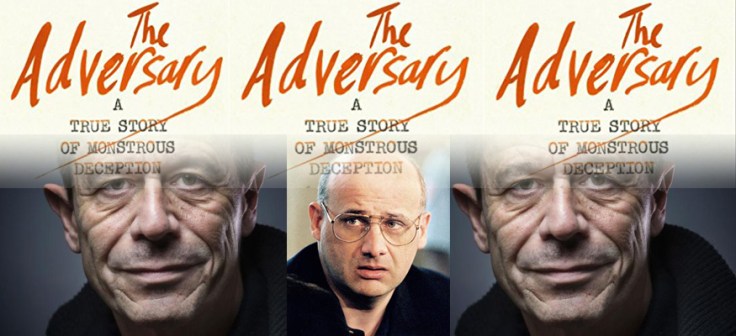
 To this farrago of lies and deception add fraud on a grand scale. Romand was able to keep himself and his family in relative prosperity by claiming that he had access to investment opportunities which would pay handsome dividends to those fortunate enough to be ‘in the know’. He relieved relatives and members of his wider family of hundreds of thousands of French francs – every one of which went into his numerous personal bank accounts. Separating his mistress and her vast personal fortune was his undoing. She was sharp enough – eventually – to call him out and, with his fantasy world on the verge of unraveling, Romand, on an icy weekend in January 1993, killed his wife, two children, and both of his parents.
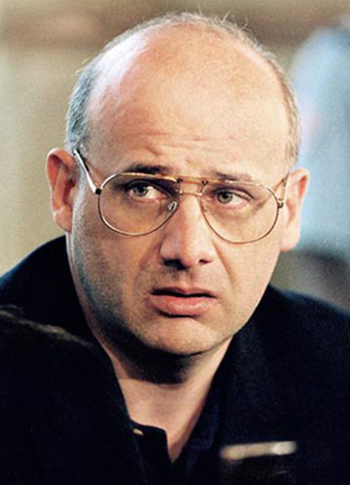 Inevitably, Romand was found guilty of murder, and in 1996 was sentenced to life imprisonment with no chance of parole for at least twenty two years. Prior to the trial, Carrère had begun a correspondence with Romand (right) with a view to writing an account of the case. In this account, aside from the factual detail, Carrère invites us to ponder the true nature of evil and insanity, and makes us wonder if the two states are totally separate, or whether or not they are actually bedfellows.
 Carrère (left) concludes:


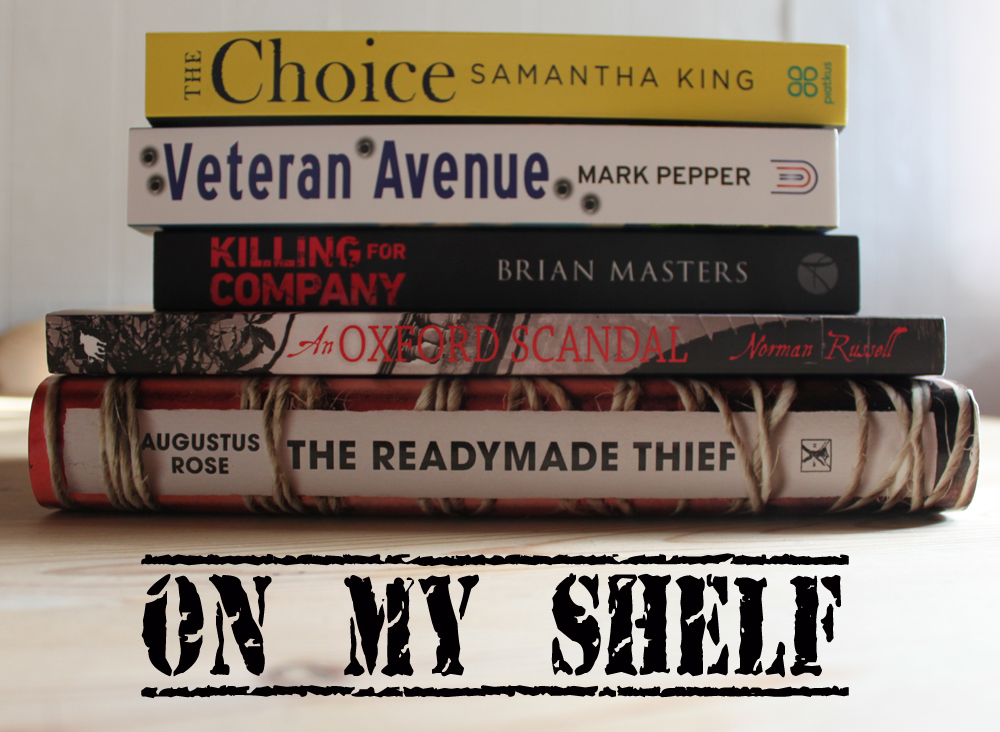
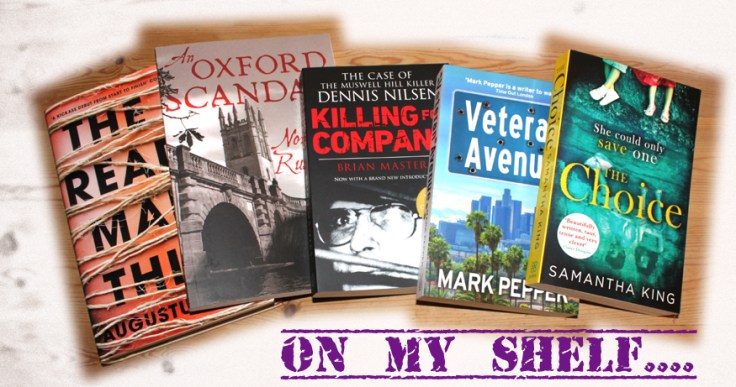

 The grisly exploits of the Muswell Hill murderer Denis Nilsen still defy belief over thirty years later. As you read the story you can rub your eyes and hope that you have woken up from a particularly sordid and violent dream, but you haven’t: everything on the page in front of you is the grim reality. We covered the case briefly in our
 From the ghastly to the ghostly – or at least, a world where fantasy and literary trickery take us away from the mundanity of murder. The Readymade Thief is the debut novel from the Chicago based teacher and screenwriter Augustus Rose, (right) and has just been published by
 Samantha King (left) also serves up a nightmare, but unlike the shifting and illusory Philadelphia of Augustus Rose and Lee Cuddy, hers is very real and down-to-earth, but equally chilling. Madeleine and Dom have twins, Aidan and Annabel. Make that past tense. Had twins. For now Annabel is gone. Just a memory of red-gold curls in a photograph. “Choose one, bitch,” the killer said, and Madeleine chose. This terrifying psychological thriller is a startling debut from an author who is a former editor and is also a qualified psychotherapist. You can find out more on her
 Mark Pepper is an actor, and in his wryly self- deprecating potted biography he wonders why he never received the Oscar he deserved for his pivotal role in Titanic –
 From the badlands of Oregon to the cloistered calm of Oxford, in the late nineteenth century. The opening lines set the tone:
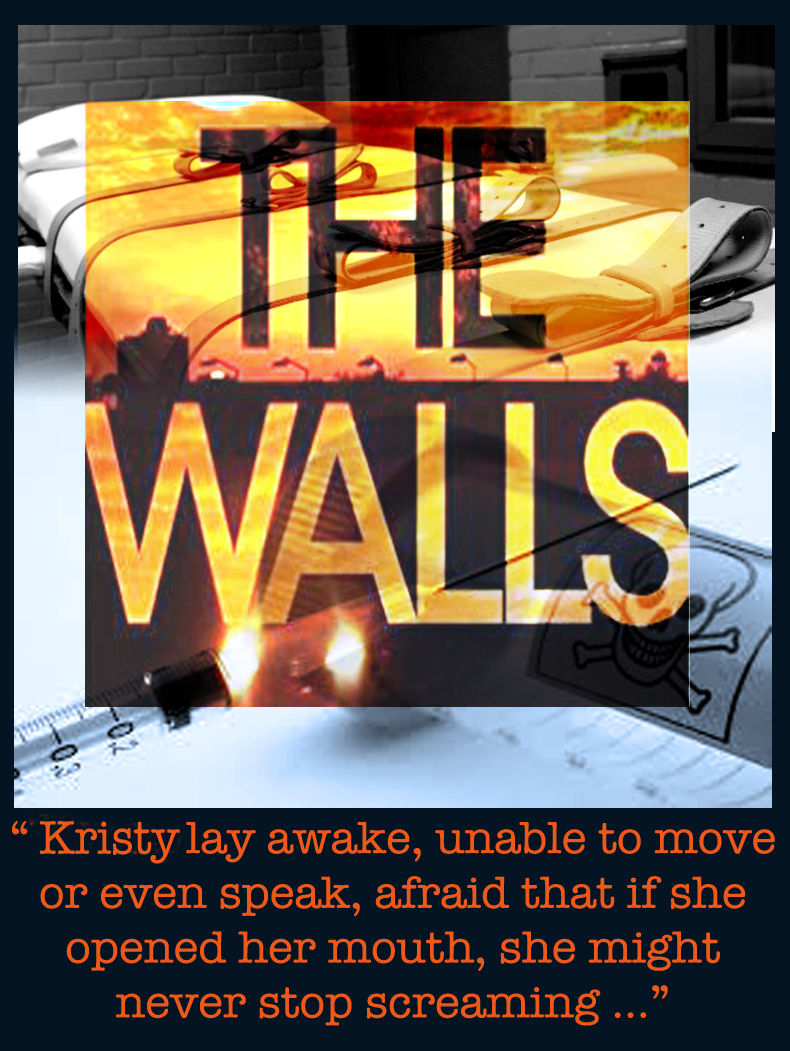

 Kristy puts food on the table and tries to make sure that Ryan isn’t disadvantaged. She has a job, and it is one that demands every ounce of her compassion and every droplet of her sang froid. Her official title? Public Information Officer for the Texas Department of Criminal Justice. If that sounds like some bureaucratic walk-in-the-park, think again. Acting as mediator between inmates, the press and the prison system is one thing, but remember that The Lone Star State is one of the thirty one American states which retains the death penalty. Consequently, Kristy not only has to manage the fraught liaison between prisoners on death row and the media, but she is also required to be an official witness at executions.
 It will come as no surprise to learn that Hollie Overton (right) is an experienced writer for TV. In The Walls every set-piece, every scene is intensely visual and immediate. With consummate cleverness she sets up two story lines which at first run parallel, but then converge. Two men. One is definitely guilty. One possibly innocent. Both are condemned to death. One by the State of Texas. The other by his battered wife.


 Many people in their sixties – particularly those who are comfortably off – plan ahead for their own funerals. Daytime television programmes are interspersed with advertisements featuring either be-cardiganed senior citizens smugly telling us that they have taken insurance with Coffins ‘R’ Us, or rueful widows plaintively wishing that they had been better prepared for the demise of poor Jack, Barry or Derek. However, it would be unusual to hear that the be-cardiganed senior citizen had died only hours after planning and paying for their own send-off from the world of the living.
 During the story, Horowitz (right) drops plenty of names but, to be fair, the real AH has plenty of names to drop. His CV as a writer is, to say the least, impressive. But just when you might be thinking that he is banging his own drum or blowing his own trumpet – select your favourite musical metaphor – he plays a tremendous practical joke on himself. He is summoned to Soho for a vital pre-production meeting with Steven and Peter (that will be Mr Spielberg and Mr Jackson to you and me), but his star gazing is rudely interrupted by none other than the totally unembarrassable person of Daniel Hawthorne, who barges his way into the meeting to collect Horowitz so that the pair can attend the funeral of Diana Cowper.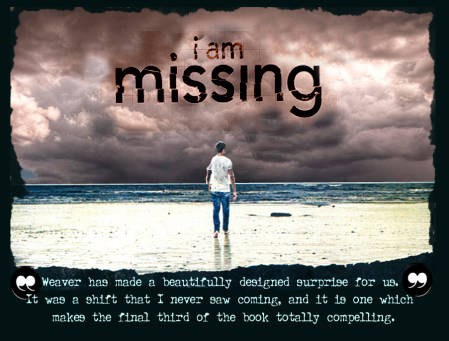
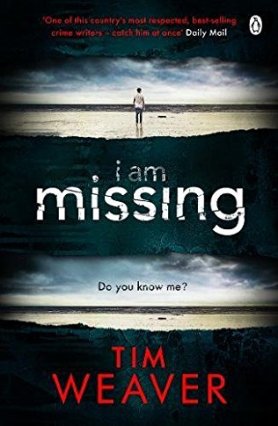 Raker agrees to take on the case on a more-or-less pro bono basis. Whatever and whoever Richard Kite once was, he has not brought wealth of any kind with him into his new life. Raker’s initial trip south to meet Kite is less than fruitful. Kite only recalls two shadowy images from his past; one is that he is looking out across a lonely beach to a grey expanse of water; is it the sea, perhaps, or a river? The other image is just as enigmatic; Kite sees a television screen, and on it is a graphic of a broadcasting pylon emitting what seems to be a children’s programme.
 Meanwhile, Weaver (right) gives us what seems to be a parallel but unconnected narrative. Two girls, sister and step sister, apparently living in a remote moorland community, perhaps in the north of England, have taken to sneaking out of their house after dark, and climbing up the hill onto the moors, where they have constructed an imaginary and malevolent presence out there in the wind and rain-swept darkness. Malevolent it certainly seems to be, but is it just a figment of the girls’ lurid imaginings?
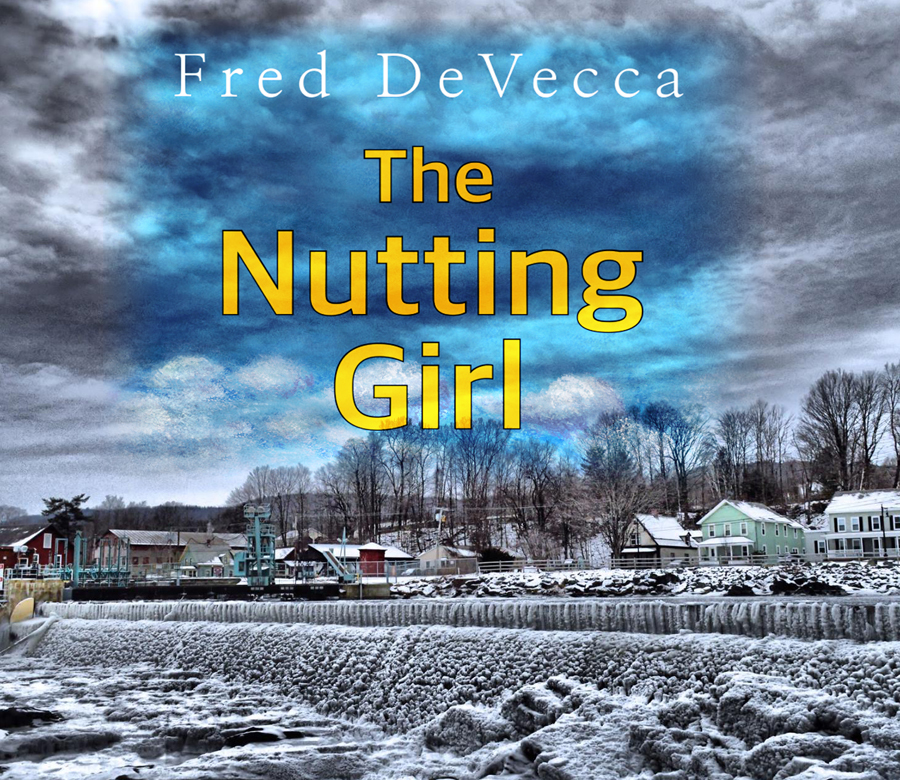

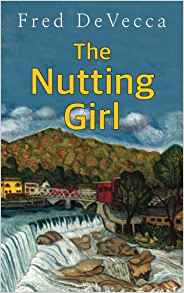 Raven’s job seems like money for nothing until the fateful day when, after a spell of heavy rain, the normally placid stream running through Shelburne Falls is turned into a deadly torrent. ‘Velcro’ ends up in the water, and disappears. Did she fall? Was she pushed? Or is there another more disturbing and puzzling solution? Frank Raven, with the help of Sarah, the eighteen year-old daughter of Clara (Raven’s love interest), unlocks the door to a labyrinth of deception, false identities, dark motives and venal behaviour which they work their way through more in the spirit of hope than the expectation of ever finding the door marked ‘Exit’.
 Finding a new path through the undergrowth of PI novels, overgrown as it is with violent, cynical, wisecracking and tough, amoral men (and women) must be a difficult task, but Fred De Vecca (right) makes his way with a minimum of fuss and bother. Frank Raven rarely raises his voice, let alone his fists, but his intelligence and empathy with decent people shines through like a beacon in a storm. It would be a forgivable mistake to place this novel in the pile marked ‘Cosy small-town domestic drama’, but it is a mistake, nonetheless. Of the people Raven is tasked with looking for, he finds some and loses some – because he is human, fallible and as susceptible to professional bullshitters as the next guy. What he does find, most importantly, is a kind of personal salvation, and a renewal of his belief in people, and their capacity to change.


 fullybooked2017