

 After I had read Death In Profile, and saw that it was billed as the first of an intended series, I did softly uttered something akin to “hmmmm…?”, quietly questioning if there was any room in the crowded contemporary crime fiction market for books which unashamedly borrowed tropes and mannerisms from books written seventy years ago. I have just finished A Death In The Night, the fourth in the series, and I am now a true believer, and devoted disciple. Guy Fraser-Sampson (left) has created a delightful repertory company of characters, and set them to work catching killers in the highly exclusive avenues and cul de sacs of London’s Hampstead.
Principally, we have a quartet of investigators. Chief Superintendent Simon Collison, Inspector Bob Metcalfe and Sergeant Karen Willis all work for the Metropolitan Police, while Dr Peter Collins is a psychologist and criminal profiler who acts as consultant to the Hampstead coppers. In the first three books, Metcalfe and Collins are jointly suitors of the radiant and ravishing Willis. This strange ménage à trois has now resolved itself, however; Collins has Willis to himself, and Metcalfe has a new object of his passion. (To read our review of an earlier book in the series, A Whiff of Cyanide, just click the link)

Naturally enough, this being a murder mystery, the examining pathologist discovers not only that Bowen was murdered by smothering, but she was also three months pregnant. Further investigations by Collison and colleagues uncover that Bowen was in a relationship – along with countless other bedazzled women – with a libidinous and charismatic QC, Simon Fuller. It seems that he and his wife have come to ‘an arrangement’. Mrs F has neither interest nor ability in the sexual side of marriage, so she is quite content to let Mr F seek his pleasures where he will, provided that he remains her husband, in a strictly social sense.

As Collison and Co. scrape away at the wall of lies and deflection which surrounds the truth about Bowen’s murder, they get the distinct feeling that as fast as they chip and chisel, someone else is busy repairing and replacing the brickwork. Of course, the killer is revealed in the end, but not before Fraser-Sampson puts his company through their paces. Collison is educated, urbane and thoroughly professional. Metcalfe is dogged, decent and determined. Willis belongs on the cover of Vogue, but is also blindingly intelligent, and a damn good copper. Collins? Well, he is an exercise in eccentricity. He is possessed of a mind which can think three or four steps ahead of less gifted people, but he does have his little moments. Such as when, in times of great stress, he imagines that he is Lord Peter Wimsey, and that Karen Willis is his Harriet Vane.
To borrow and adapt from Matthew chapter 7, verse 20, “Therefore by their tea-times ye shall know them..”, we are not surprised that Peter Collins serves up Earl Grey to accompany anchovy toast: we would expect nothing less of him. Without extending the metaphor too much beyond its breaking point, I can say that Fraser-Sampson’s writing is – just like Dr Peter’s four o’clock fare – elegantly presented, fragrant, but with a salty piquancy to add balance. I have become a great admirer of the Hampstead Murders series. They may be making a reverential nod in the direction of Christie, Sayers and Allingham et al, but they are beautifully written, cleverly plotted and, above all, superbly entertaining. After all, isn’t that why we open crime fiction books in the first place?
You can buy A Death In The Night here, but if you fancy a freebie, simply click on the image below, and that will take you to our competition page.



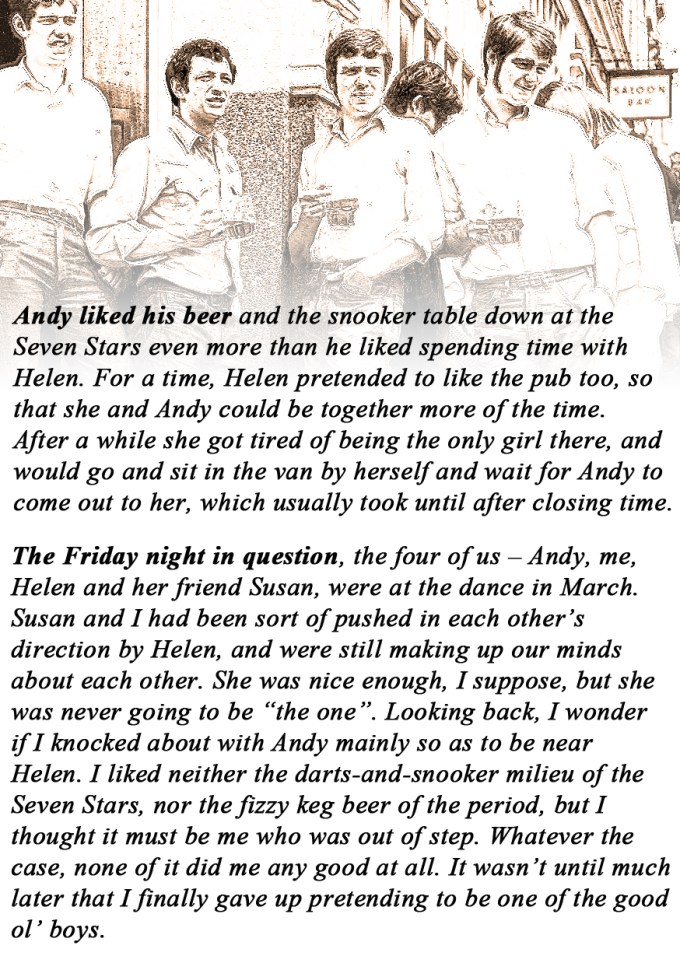

 Andy was killed in a motor accident shortly after his 23rd birthday, when his car went off the Ramsey Forty-Foot road in the middle of the afternoon; no other vehicle was involved, but none of us was greatly surprised.





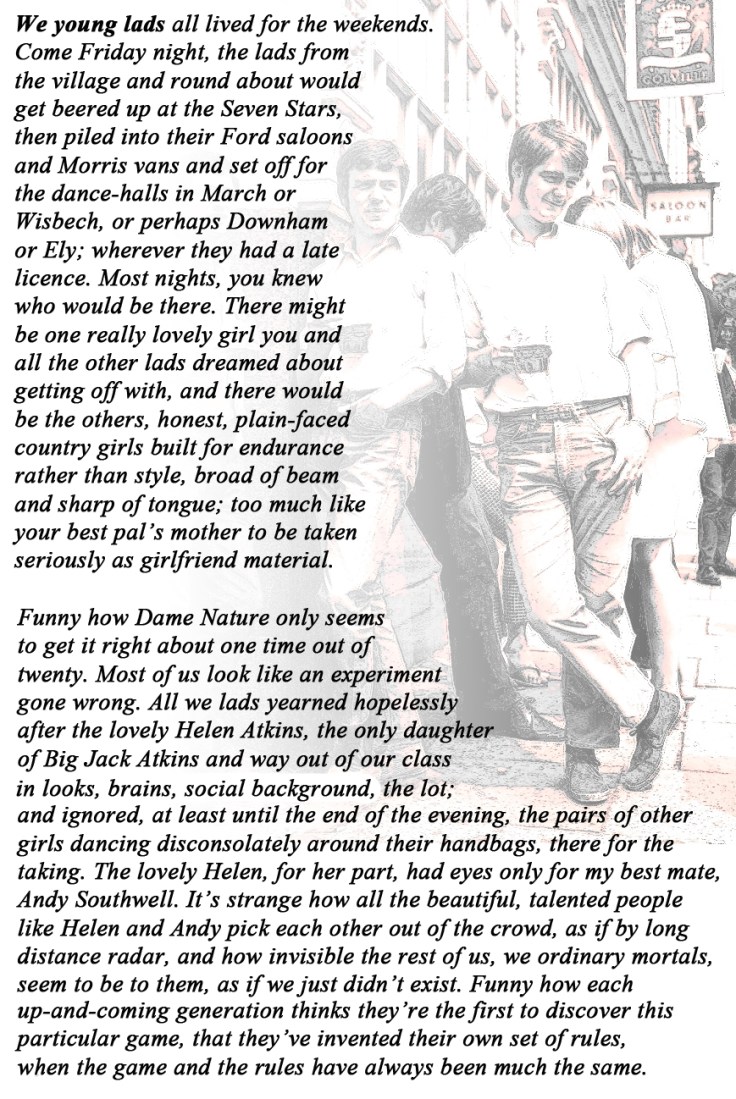


 The full title of this debut novel from former intelligence operative James Remmer is Out of Mecklenburg – The Unwilling Spy. All the elements of a good WWII thriller are in place, including the usual staples of fanatical Nazis, spies, U-Boats, love, lust – and gold bullion. What gives this novel a boost is the injection of an usual element – the early days of the soon-to-be-famous Argentine army officer, Juan Domingo Peron. Remmer (left) brings a distinctive authenticity to his story, having practiced the dark arts of intelligence gathering – and the spreading of disinformation – in a long and distinguished career in the service of this country.
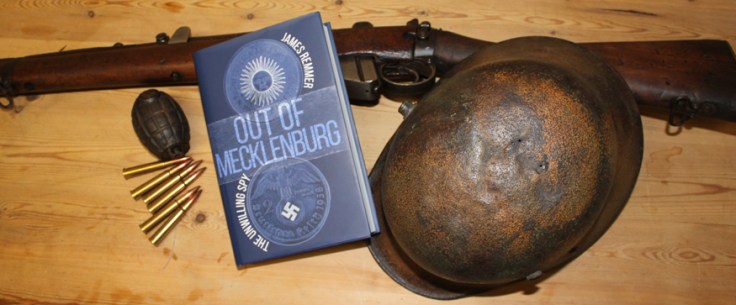

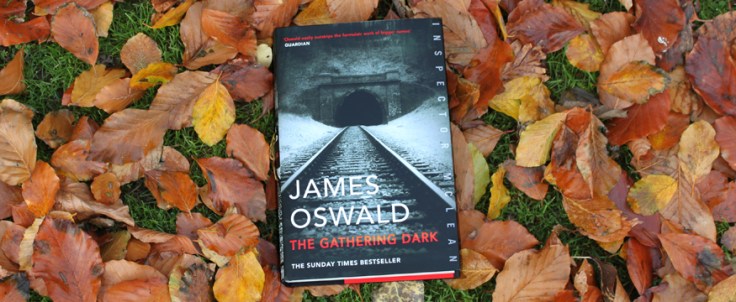

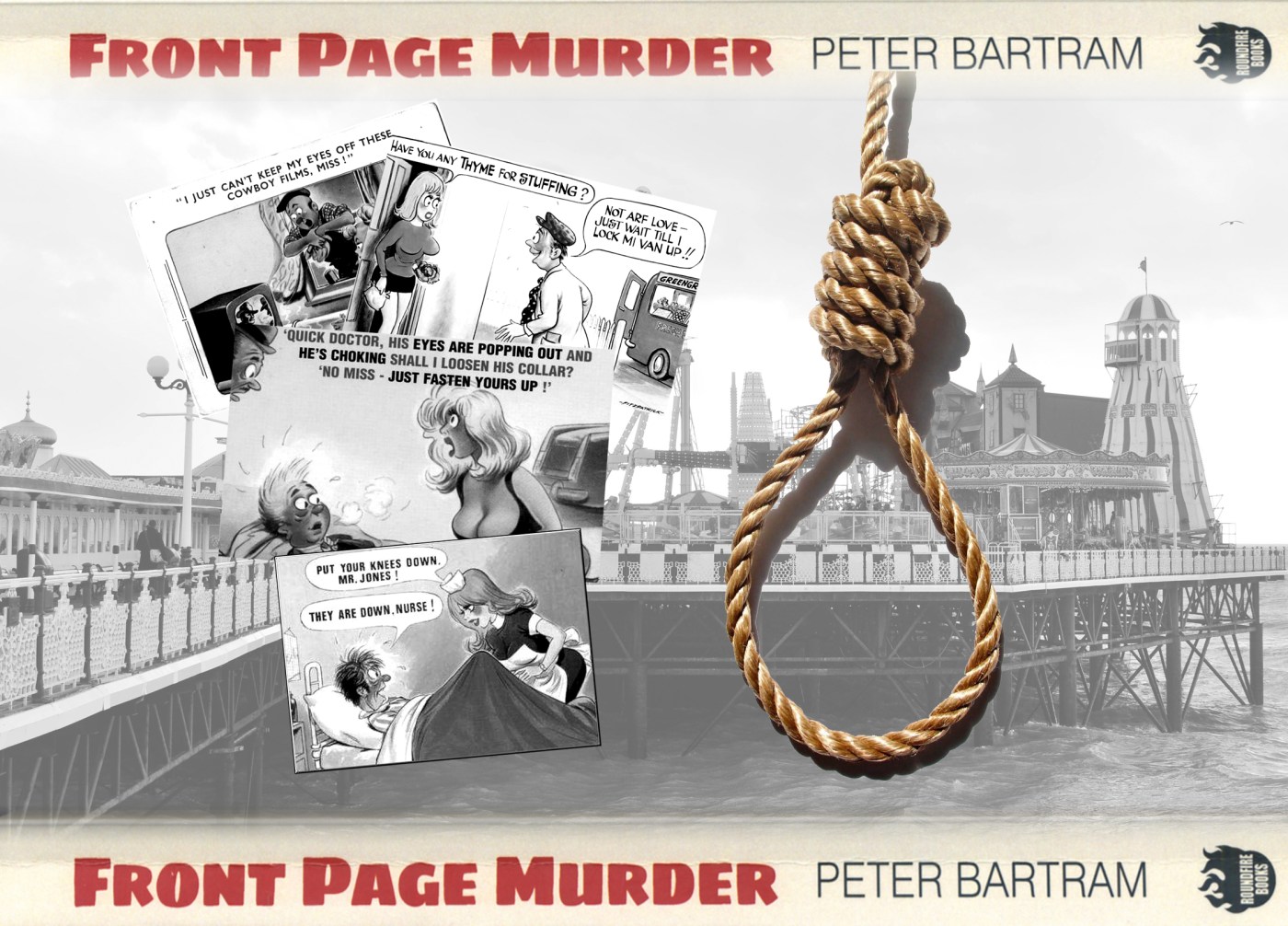

 In the latest novel from Peter Bartram (left) his alter ego Colin Crampton, a reporter for the Evening Chronicle in 1960s Brighton, faces his toughest challenge yet. Local artist Archie Flowerdew is due to be hanged on Christmas Eve unless Crampton and his intrepid Australian girlfriend Shirley can stop this affront to Christmas cheer by proving that Flowerdew did not murder a rival artist.
 Persuaded by the condemned man’s niece, Tammy, Crampton gets to work, and finds no shortage of other Brighton folk who would have clapped their hands in glee upon hearing of Despart’s demise. The plot thickens delightfully, as we encounter a crooked art dealer, a lecherous vicar, a camp artist (complete with velvet trousers) and the usual cast of boozy, chain-smoking searchers-after-truth (or a good headline) on the staff of the Evening Chronicle.
 Bartram introduces a fascinating contemporary note by featuring the Home Secretary at the time, Henry Brooke. He was appointed by Harold Macmillan after the Prime Minister’s infamous ‘Night of The Long Knives in 1962. Brooke (left) was to prove one of the least distinguished holders of the post, however, and he was pilloried without mercy by the BBC’s satirical show That Was The Week That Was. They dubbed the hapless Brooke ‘The most hated man in Britain’, and Bartram recalls their mocking phrase, “If you’re Home Secretary, you can get away with murder.”

 Two books from Urbane Publications this week, and they both look very tasty. I’ve become an avid fan of Guy Fraser-Sampson’s quirky Hampstead Murders series, but David Stuart Davies (left) and his copper DI Paul Snow are, for me, unexplored territory. David Stuart Davies is, as well as being an original author, is a noted editor of ghost stories and classic detective fiction, and an expert on Sherlock Holmes. In Blood Rites, Paul Snow has a problem. A Yorkshire police station in the 1980s is not the most favourable place or time to announce that you are a homosexual, and so Snow remains firmly ‘in the closet’. The self doubt and personal turmoil do not sit easy with Snow, especially when he is trying to bring to justice a killer whose crimes are clearly connected but apparently random. Snow’s lack of success sees him removed from the case, but he is determined to find the killer, and sets about the task privately. You can buy Blood Rites
  Guy Fraser-Sampson (right) is clearly a man who has an affinity with an England which, sadly, no longer exists. Precision and subtlety of language, exquisite manners and faithful adherence to social niceties are all terribly unfashionable, but Fraser-Sampson’s respect for them is shown in his revival of EF Benson’s Mapp and Lucia characters, as in
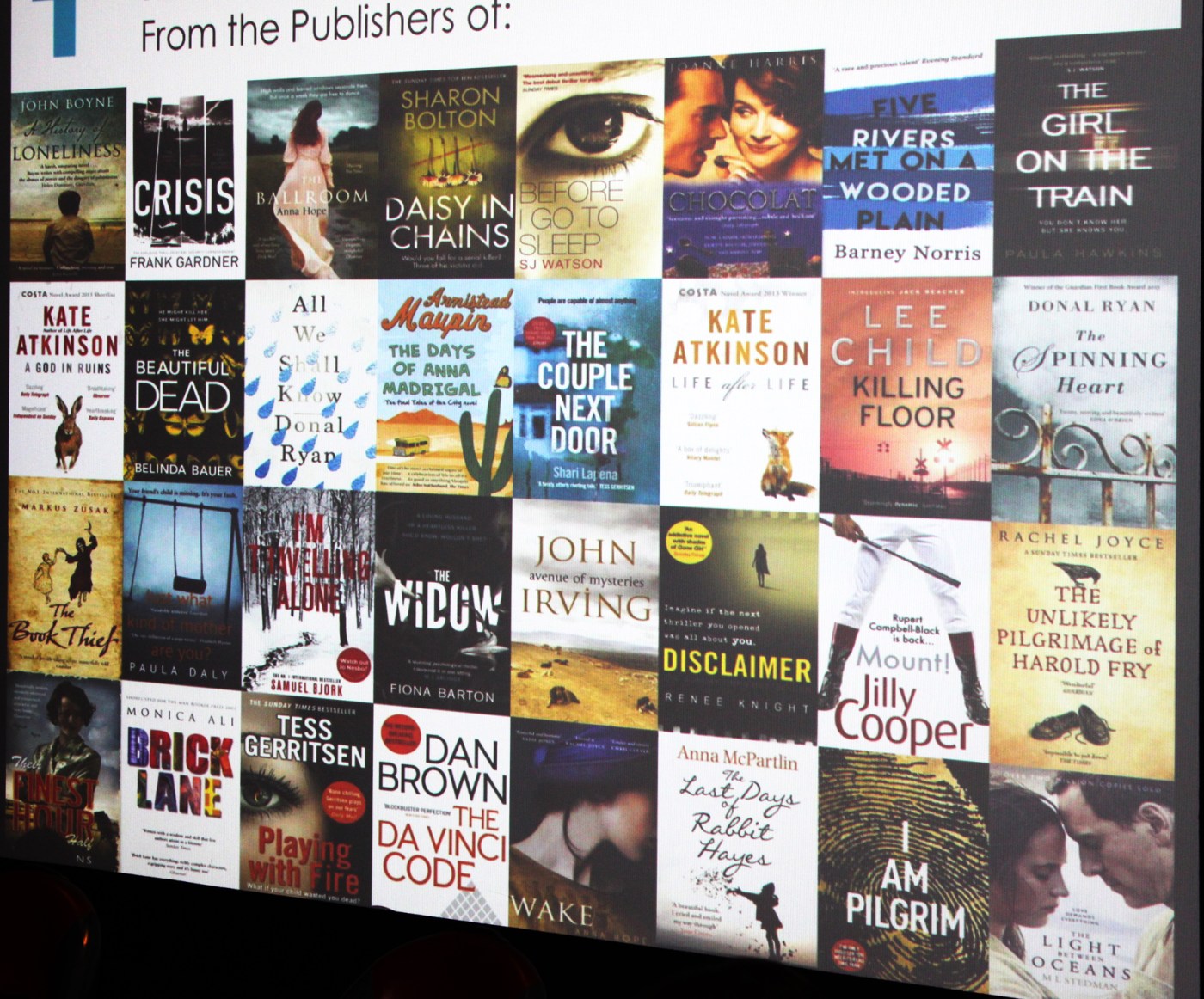

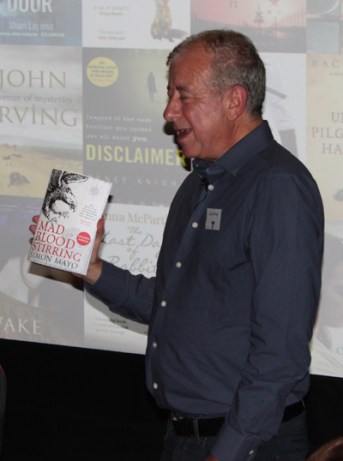 I was lucky enough to be invited to the distinctly upmarket Charlotte Street Hotel in London’s Fitzrovia, as a guest of Transworld for their evening showcasing what they hope will be their best-sellers for 2018. Managing Director Larry Finlay (left) took the stage first, and showed his perfectly justifiable pride in how the group’s editors had managed to pick some astonishingly successful novels over the last few years. Judging what readers might want to read months – if not years – ahead, taking a punt on the talent of someone as yet unknown to book fans, and then backing your judgment with publicity and marketing; these are the skills by which publishers stand or fall, and Larry and his team at Transworld seem to be getting the hard bits right.






 fullybooked2017