
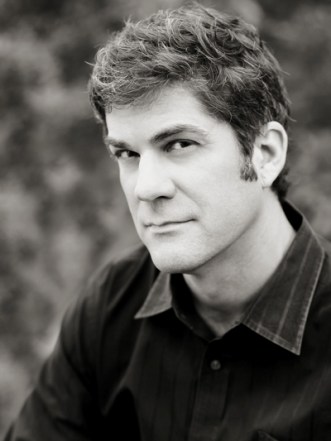
 I guess we all play the game. We know the rules, every one of us. No expensive equipment required and no real skill needed, that’s for sure. The Blame Game, it’s called, and when something bad happens in the world it plays out on every social media feed, every newspaper paragraph and every breathless sentence from every permatanned TV news anchor. Bestselling thriller writer Jeff Abbott (left) convinces us that it’s also very popular in the little Texas town of Lakehaven where, just two years ago, a car carrying two teenage friends plummeted off a lonely road and down into a deep gully.
When the paramedics arrived, all they could do for young David Hall was to get his body clear of the wreckage – and then zip up the body bag. Jane Norton, the driver? Well she got lucky. After a fashion. Multiple broken bones, but nothing fatal. And a major bang to the head, which has left her with partial amnesia. When a suicide note surfaces, written by Jane, the Lakehaven rumour mill starts to grind, and it grinds exceeding small. Obviously, Jane intended to kill herself, and she took David – the trusting, popular, talented, handsome David – down with her.
Two years on, Jane has learned to recognise her mother and her college friends, but as to what actually happened on that dreadful night, nothing. Nada. A big fat blank. This big fat blank makes her the perfect hate figure for many former school and college buddies, and she has shrunk into what is left of herself. She has left home, and is ‘crashing’ in the dorm room of one of the few friends who is still prepared to give her – literally – house room.
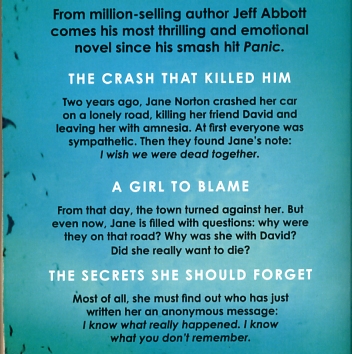
Jane and David were inseparable childhood friends. Their parents still live next door to each other. Perri Hall and her soon to be ex- husband Cal no longer speak to Laurel Norton who is also on her own for a different reason. Her husband Brent is three years dead from a gunshot from his own weapon, either intentionally or maybe through a tragic accident; the gossip jury is still out but, like Old Jacob Marley, Brent Norton is as dead as a doornail.
The two year anniversary of David’s death is being commemorated in the modern way, along with other tragedies, baby scans, bad moods, good moods, cute cats, photos of ‘what I had for dinner’ and Trump memes on the (strangely familiar) social media hub, Faceplace. David is the martyr, Jane and her mother equally culpable as the villains.
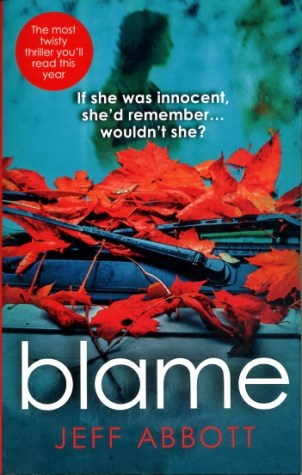 In a nutshell, the novel is an account of Jane’s attempt to find the truth about what actually happened on that dreadful night on High Oaks Road. We have to assume – because we are seasoned readers of crime thrillers – that Jane is innocent of a brutal suicide mission which claimed the life of a boy whose only crime was to be in love. As Jane turns over rock after rock, and unpleasant critters scuttle about, exposed to the light of truth, the novel builds to a dramatic and breathless finale. As might be expected from a writer of Jeff Abbott’s pedigree, he keeps his cards close to his chest, and keeps us guessing until the final few pages.
I particularly loved how Abbott works the Jane character; at the beginning, despite her having suffered a terrible physical trauma, she still comes over as being something of a pain in the butt; as the novel develops, and the web of possible suspects widens, her courage and determination not to take shit from anyone began to grow on me. Remember, as well as having lost her memory, the boy they tell her was her best buddy is also gone, and she has completely forgotten how to talk properly to people. As for normal social and conversational responses, they are also an unfathomable mystery. Blame came out earlier in the year in hardback, but will be available in paperback from 28 December.

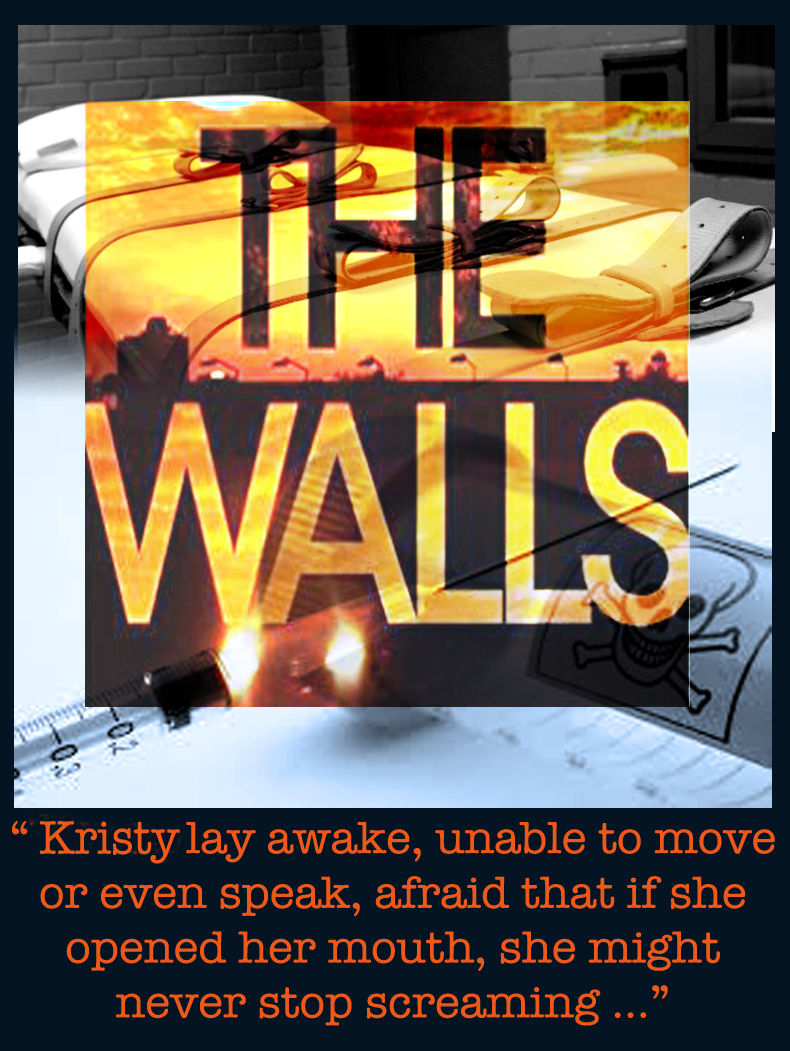

 Kristy puts food on the table and tries to make sure that Ryan isn’t disadvantaged. She has a job, and it is one that demands every ounce of her compassion and every droplet of her sang froid. Her official title? Public Information Officer for the Texas Department of Criminal Justice. If that sounds like some bureaucratic walk-in-the-park, think again. Acting as mediator between inmates, the press and the prison system is one thing, but remember that The Lone Star State is one of the thirty one American states which retains the death penalty. Consequently, Kristy not only has to manage the fraught liaison between prisoners on death row and the media, but she is also required to be an official witness at executions.
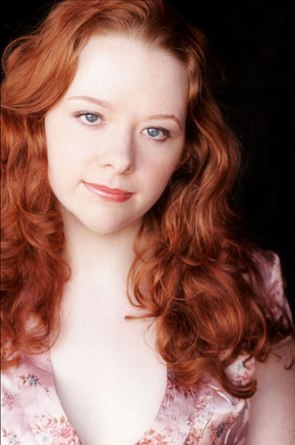 It will come as no surprise to learn that Hollie Overton (right) is an experienced writer for TV. In The Walls every set-piece, every scene is intensely visual and immediate. With consummate cleverness she sets up two story lines which at first run parallel, but then converge. Two men. One is definitely guilty. One possibly innocent. Both are condemned to death. One by the State of Texas. The other by his battered wife.
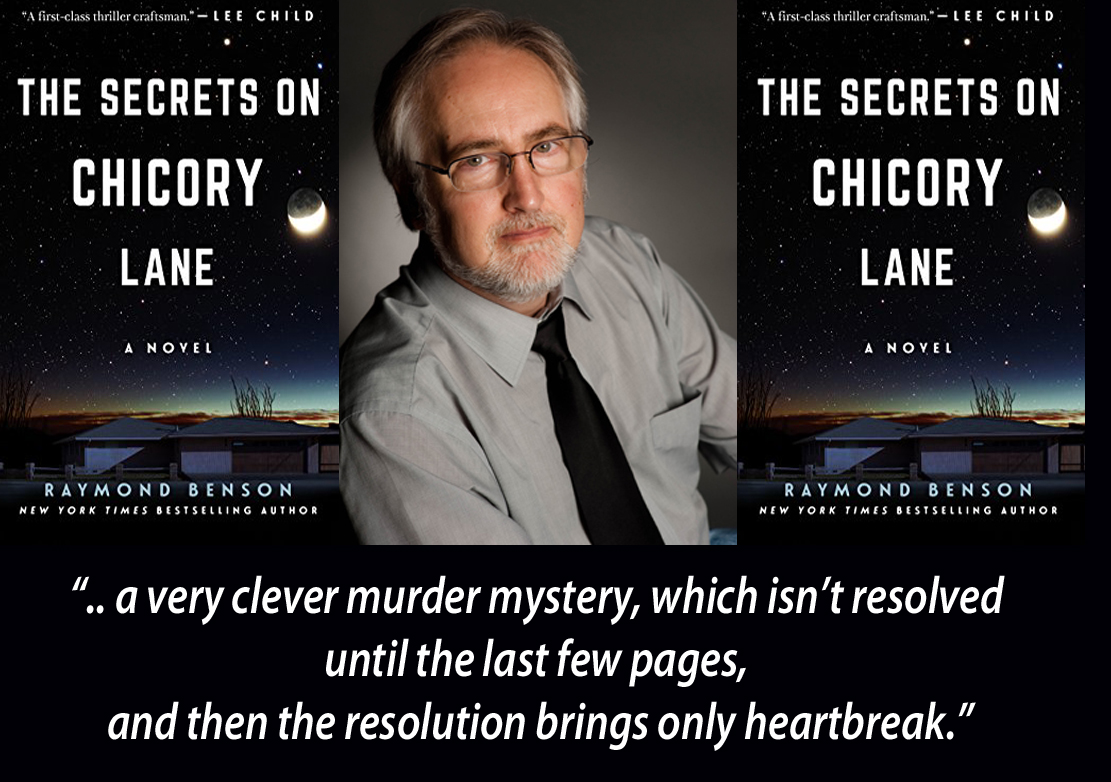

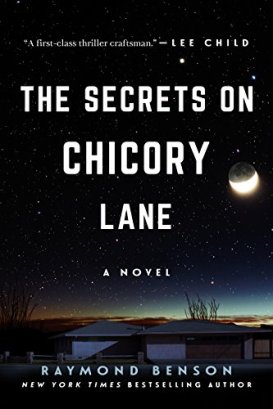 Eddie is Eddie Newcott, the boy who used to live across the street in Chicory Lane, Limite. The boy who was just a bit different from all the other kids at school. The kid whose dad was a rough and abusive oilfield mechanic. The kid whose mom turned to the bottle to escape her violent husband and the beatings he handed out to their only child. But that was then. Now sees Eddie fallen on hard times. Times so hard that he achieved brief notoriety in the tabloid press, and has now been sentenced to death by lethal injection for murdering his pregnant girlfriend, slashing her open, dragging the foetus out and then arranging the two corpses on his front lawn, posed in an obscene mockery of a Nativity tableau. And it was Christmas Eve.
 Like Shelby Truman, Raymond Benson (right) is a highly successful writer. He has written thrillers under his own name, most notably his Black Stiletto Saga, and has also written novels based on video games. He has taken up the baton from authors who are no longer with us, like Tom Clancy, and has written several James Bond stories which have either been based on established screenplays – like Die Another Day – or standalone original stories such as The Man With The Red Tattoo.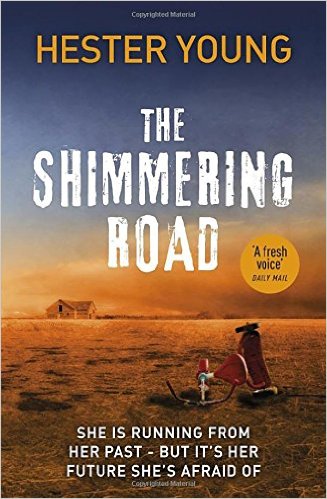
 Then, as Noah is trying to tempt Charlie into marrying him, and agree to their moving into a luxurious new home, comes the ‘phone call which triggers the enthralling next chapter in Charlie’s life. She takes a call from a distant aunt, and the news is that Charlie’s estranged mother Donna, and her half sister Jasmine, have been found shot dead in Jasmine’s Tucson apartment. There is another complication. Jasmine’s daughter Micky was also in the apartment but in another room. She is shaken, but very much alive, and has been taken into protective care.
 The greatest strength of the book is the magical spell Hester Young (right) casts as she links the reader to Charlie Cates. As a cynical, autumnal English male, with a downbeat view of life and the tricks it can play, I am not the obvious candidate to be entranced by a slightly manic, conflicted and complex American female journalist, but by the time the novel reached its gripping conclusion in the Arizona desert, I was ready to crawl over broken glass to make sure that Charlie survived with body and soul intact. Hester Young slaps a winning hand down on the green baize table – dry humour, suspense, atmosphere, superb characterisation – and deservedly rakes in all the chips.


 fullybooked2017