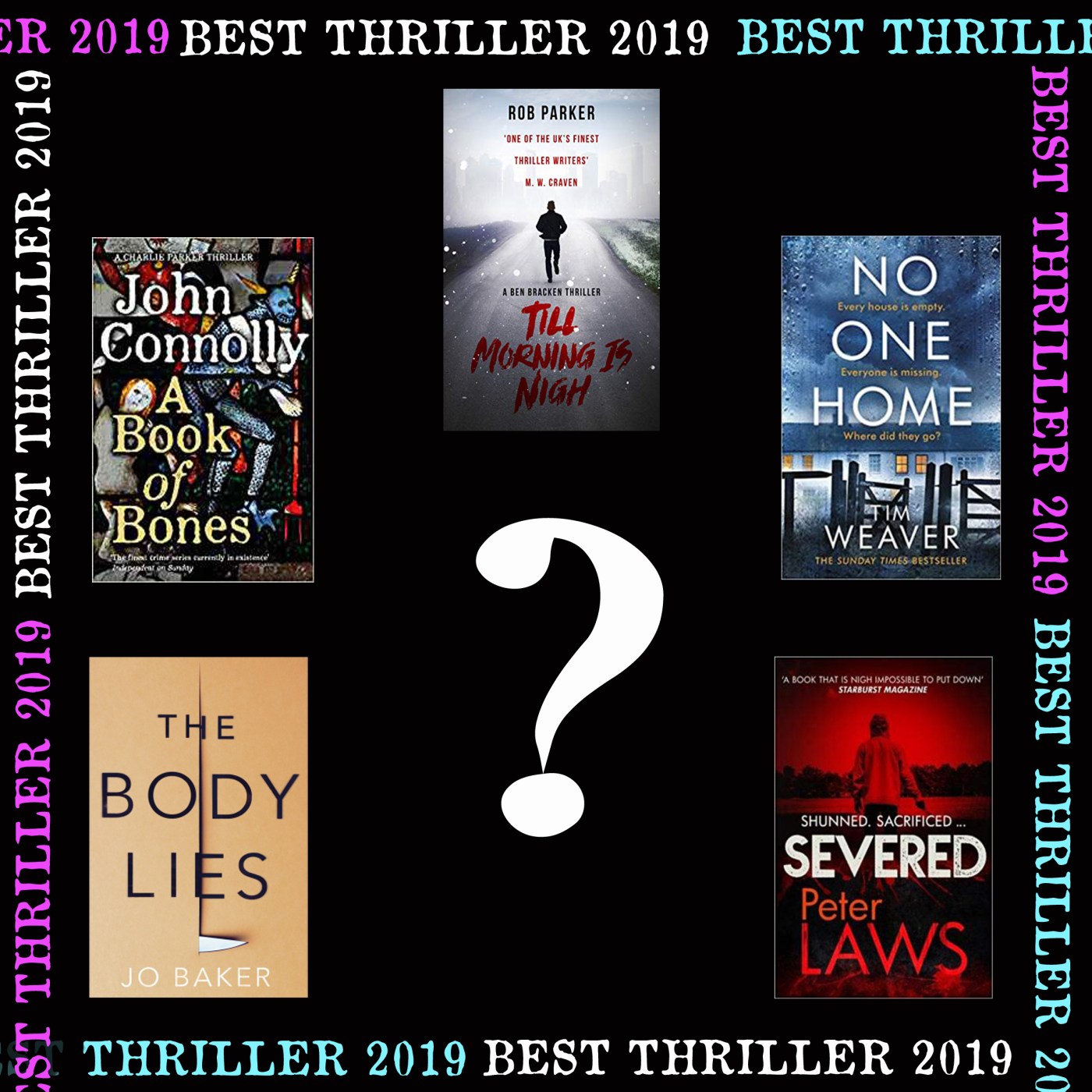

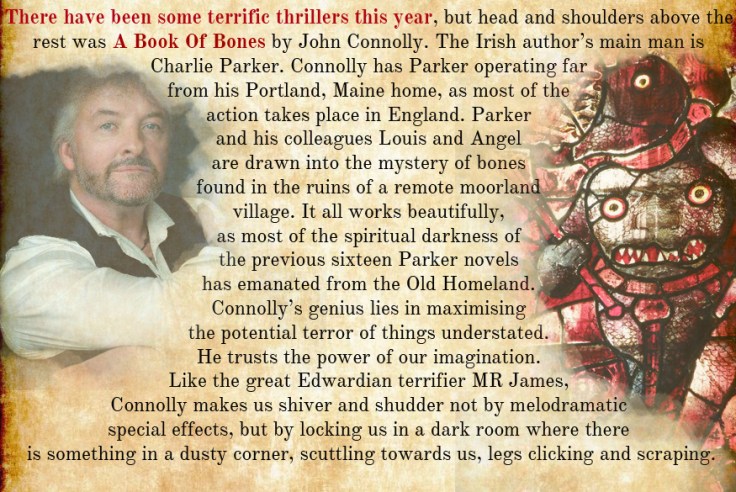
In the dear, dead days beyond recall, when I was still working as a teacher – casting (as a friend once memorably said) artificial pearls before real swine – someone suggested we apply the WILF principle when explaining to sullen teenagers how to improve their work. WILF stood for What I’m Looking For. Applying the WILF principle to what constitutes a thriller, I would suggest a mixture of the following: severe personal stress, violence, unexplained events, evil masquerading as benevolence, mysterious threats – feel free to add your own criteria, but those will do for me. Click the links to read a full review of each novel.
 Tim Weaver’s intrepid searcher for the physically lost, David Raker, faced his hardest challenge yet in No One Home when he was hired to find not merely a missing husband or a disappeared friend, but an entire community, albeit a tiny moorland hamlet. As ever Tim Weaver provided a plausible solution to what seemed an impossible conundrum.
 Clergymen writing crime novels? That can only mean cosy village mysteries centred around tweedy villages and eccentric old ladies, surely? Not if Peter Laws has his way. He is a minister in the Baptist Church in Bedforshire, but his Matthew Hunter novels are dark, scary and blood-spattered. In Severed, Hunter encounters a reclusive sect whose primitive and baleful version of Christianity has left a trail of death and disruption.
 Ben Bracken is a Jack Reacher do-alike transported to contemporary England. Much as I have enjoyed the invincible Reacher over the years, Rob Parker has created a more thoughtful and vulnerable – at least psychologically – version in Ben Bracken, a former soldier who exists in the shady hinterland which lies between law enforcement, special services and officially-sanctioned skullduggery. Till Morning Is Nigh is the fourth in the series and is, by some way, the best yet. Our man infiltrates an extremist far-right group and contributes to a spectacular shootout at a school nativity play.
 Sad to say, there is no-one more vulnerable in modern society – at least in novels – than a single mother trying to bring up her child. In The Body Lies Jo Baker takes a look at the dichotomy between fictional tropes and reality. Her unnamed protagonist is a lecturer at a minor university, separated from her husband and trying to juggle a job and childcare. Baker spins a delightfully elaborate yarn which begins when the woman is targeted by a stalker.

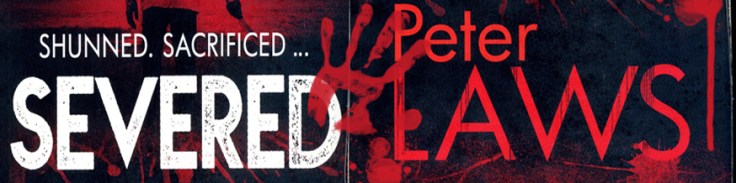
 Thus begins another case for Professor Matt Hunter, a university lecturer in religion and belief. He has previously helped the police in cases which involve sacred or supernatural matters (see the end of this review) and he is called in when it becomes clear that the wielder of the axe was none other than the teenage son of the Reverend David East, and that the boy was under the spell of a cult of deviant Christians whose central belief is that God The Father is a brutal tyrant who murdered his only son. They are also convinced that all other humans but them are ‘Hollows’ with evil in their eyes. Consequently, they shun all contact with the outside world, and live in a remote farmhouse, deep in the hills at the end of a rutted farm track.
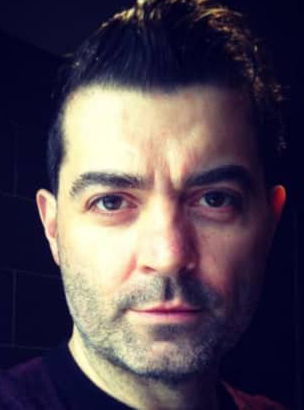 One of the most intriguing aspects of the Matt Hunter books is the relationship between the fictional former man of God and the very real and present minister in the Baptist church, the Reverend Peter Laws himself . We get a very vivid and convincing account of how Hunter has lost his faith, but also the many facets of that belief that he has come to see as inconsistent, illogical, or just plain barbaric. It suggests that Laws has identified these doubts in his own mind but, presumably, answered them. In these days of CGI nothing is impossible, so a live debate between Reverend Laws and Professor Hunter would be something to behold.


 fullybooked2017