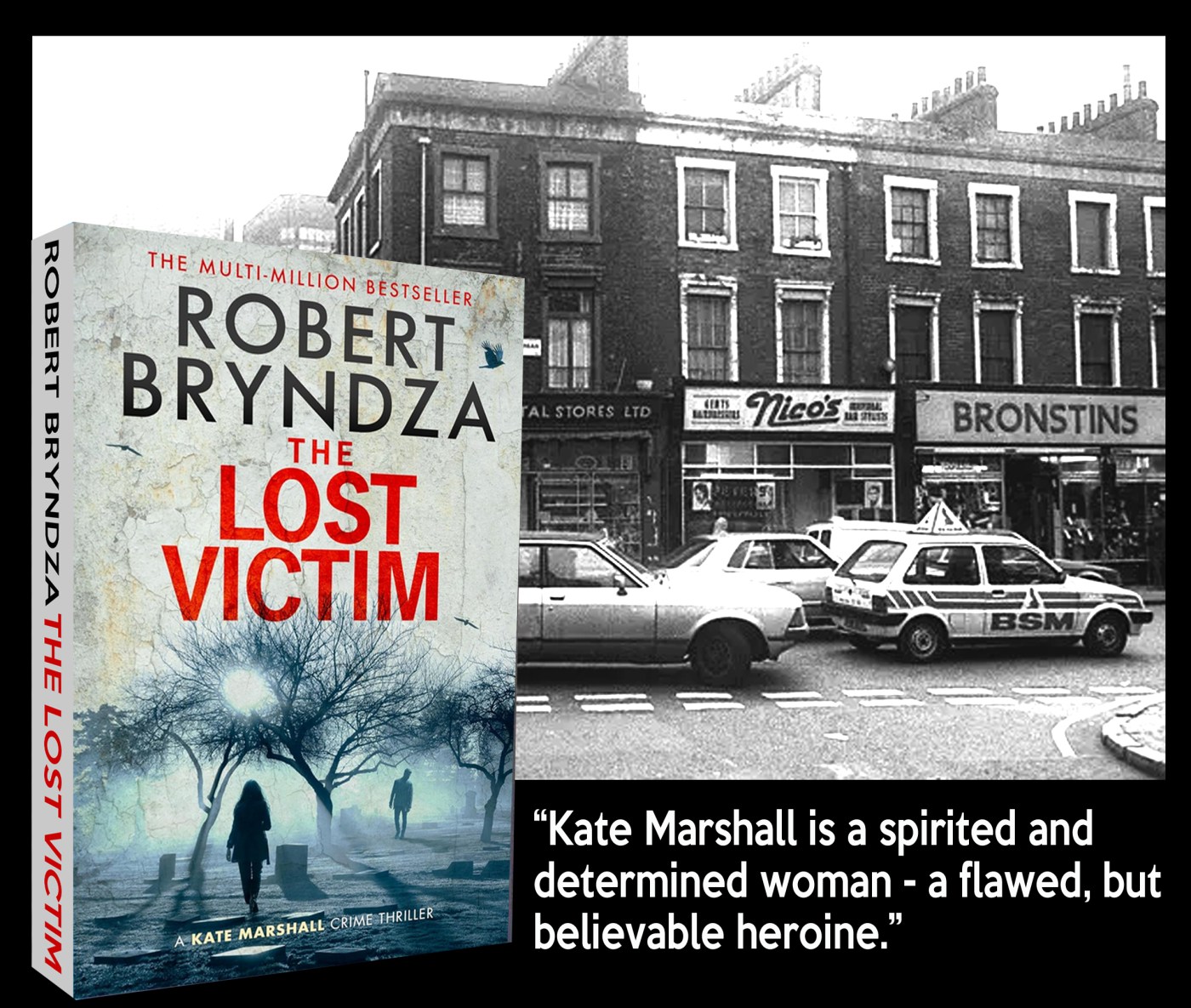

The search for the killer of a child long dead is a recurring trope in crime fiction, and it carries with it all manner of similar plot strands. There will be dusty police files, parents – probably elderly by now – and still clinging to the faint hope that there might be answers; almost certainly we will meet police officers who made mistakes, made the wrong call, or took crucial short-cuts; there will be intriguing glimpses into what life was like twenty, thirty years earlier, and a sense of the truth being buried under too many lies, too many errors, too little police time, and – perhaps – a victim who was not attractive enough to the media.
We get all this – and more – from Robert Bryndza’s The Lost Victim. Three decades earlier, before King’s Cross in London was a dazzling hub of boutique restaurants, state-of-the-art apartments and conference venues, a teenage girl named Janey Macklin was sent by her mum to buy a packet of fags from a newsagent’s shop, which sat among the grim streets, derelict warehouses, dark railway arches, smoke-filled pubs and knocking shops that made up London N1C 4AX in 1988. Janey never returned to the pub with her mum’s cigarettes. Her body was never found, despite traces of her blood being recorded in and around the places where she was last seen.
On the balance of probability, Robert Driscoll was convicted of her murder, but after a decade in jail, his case was reviewed and with a much smarter barrister than he was given at his first trial, Driscoll was released. Contemporary with Janey’s disappearance, a series of girls were being abducted and savaged by a man the press dubbed ‘ The Nine Elms Cannibal’. This time , there was no miscarriage of justice, and Peter Conway was caught, tried and convicted. He was a police officer, and married to Kate Marshall. Kate, also a copper, survived a bout of alcoholism brought about by the trauma, left the force, but has now reinvented herself as a private investigator, partnered by Tristan Harper, and based in Devon.
When she is contacted by a media agency who say they are preparing a True Crime series based on Janet’s disappearance, and need her to provide material, she reluctantly agrees. Since the case overlaps the story of her murderous husband, she senses that she might be about to be exploited, but it is the middle of winter, and her case load is not so heavy that she can afford to refuse.It does not take long for Kate Marshall to realise that she is being played by these media spivs. Not only that, a man in a relationship with one the agency’s employees was, almost certainly, a person of interest in the original investigation into Janey Macklin’s disappearance.
With awful scenes from her own past flitting in and out of her mind, Kate digs deeper and deeper into what happened on that chilly December evening, all those years ago. She is working for nothing, and running on fumes. Robert Bryndza doesn’t spare us from the numbing sense of loss felt by the people who knew and loved Janey, and when her remains are eventually found, we are left with an almost tangible sense of loss. We know her as a person; the girl who liked a bag of chips on a Friday night; the girl who went to ballet classes, perhaps dreaming of a future that could never have been realised.
I first encountered Kate Marshall in Nine Elms, which goes some way to putting her life into perspective. Click this link to read my review of that novel. In The Lost Victim we come face to face with truly vile human beings, thankfully behind bars for desecrating the lives of young people. Kate Marshall is a spirited and determined woman – a flawed, but believable heroine. The Lost Victim is published by Raven Street Publishing, and will be available on 11th July.
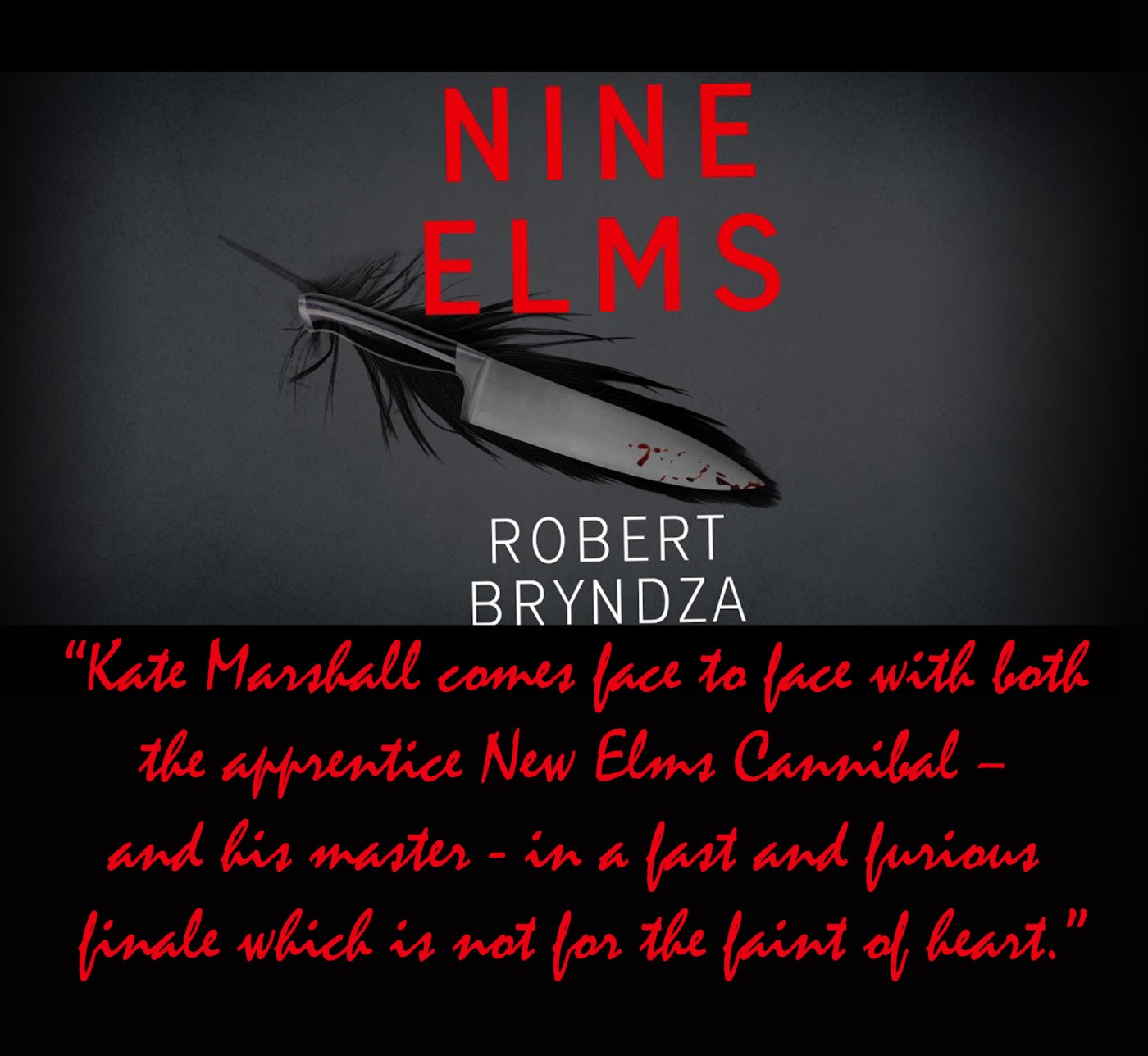

 ate Marshall lectures in criminology at a university in the south west of England, but when she speaks to her students it is not as an academic, making judgments based purely on the research of others; neither does she approach the subject as an outsider, albeit one who is well read and well prepared. Fifteen years earlier, when she was a humble detective constable with London’s Metropolitan Police, she brought to justice one of the country’s most prolific and perverted serial killers. In doing so, she paid a heavy price; only skilled surgeons prevented her death from terrible injuries, but her career – and personal reputation – were both beyond saving.
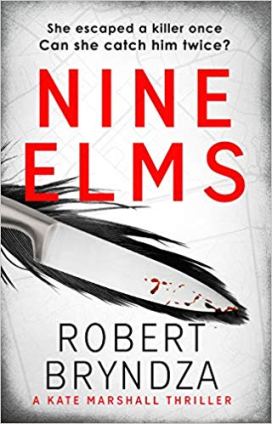 Fifteen years on, the former police officer dubbed The Nine Elms Cannibal is serving multiple life sentences in a secure mental institution, and Kate Marshall, if not exactly dining out on her experiences, uses her involvement in the case as part of the course she delivers. She lives alone and while not exactly lonely, she is a changed woman from her days as part of London’s police force. She battles alcoholism, but with the support of Alcoholics Anonymous and, in particular, a local AA member called Myra, Kate sips her iced tea and pretends it contains a hefty shot of Jack Daniels.
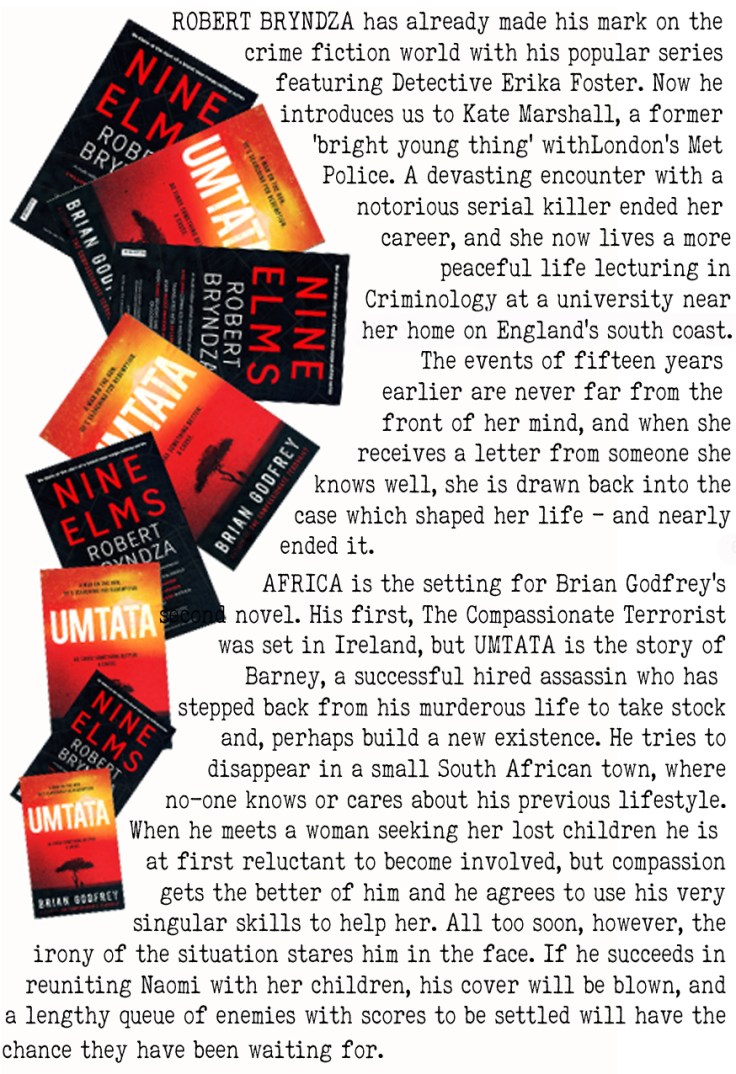
 ith her research assistant Tristan Harper, Kate tries to reassemble the pieces of an increasingly complex puzzle, but it is not until events take a spectacular turn that she comes face to face with both the apprentice New Elms Cannibal – and his master – in a fast and furious finale which is not for the faint of heart.


 Bryndza already has an established audience for his Detective Erika Foster series, and he now introduces another female copper to the crime scene. Fifteen years earlier, Kate Marshall was an emerging talent with London’s Met Police – until a near fatal encounter with a serial killer ended her career. When a copycat killer starts to mimic the work of the man who nearly killed her, she is inexorably drawn back into the investigative front line. Nine Elms is published by Sphere, is out now as a Kindle and in hardback
 This came out in Kindle back in the summer of this year, but now readers who like the feel of a printed book in their hands get to join the party. They say there is nothing as ferocious, either in the animal world or the human sphere, as a mother protecting her young. A woman has to look on helplessly as the man accused of attacking her daughter is set free. Tess’s quest for justice, however, plunges those she loves most into a cauldron bubbling with hatred and danger. Out on 26th December,
  It may well be that someone, somewhere, has written a cosy ‘feet up in front of the fire’ crime novel set in Belfast. If they have, it has passed me by, as the streets of that city, their very stones stained to the core with the ancient bitterness of sectarian violence, always seem to provide a natural backdrop for gritty thrillers. When London Detective Inspector Owen Sheen returns to his home turf to set up a special crime unit, he is sucked into an investigation which, in double quick time, becomes political – and personal. This, Gary Donnelly’s debut thriller will be out on 20th February and is
 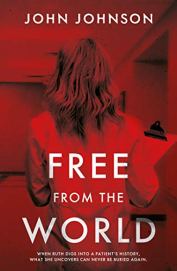 Set in a 1960s mental hospital with the ominous name of Black Roding, this is the story of an idealistic and progressive young psychiatrist, Ruth, whose ideas for a more enlightened regime find no favour with the suspicious staff. Becoming rather too close to a complex and troubled inmate of Black Rodings, Ruth’s determination to find new ways of doing things draws her into a horrifying vortex of hidden crimes and shocking revelations. Published by Matador,
  Lesley Kara captured the potentially poisonous dynamic of small town gossip in her 2018 thriller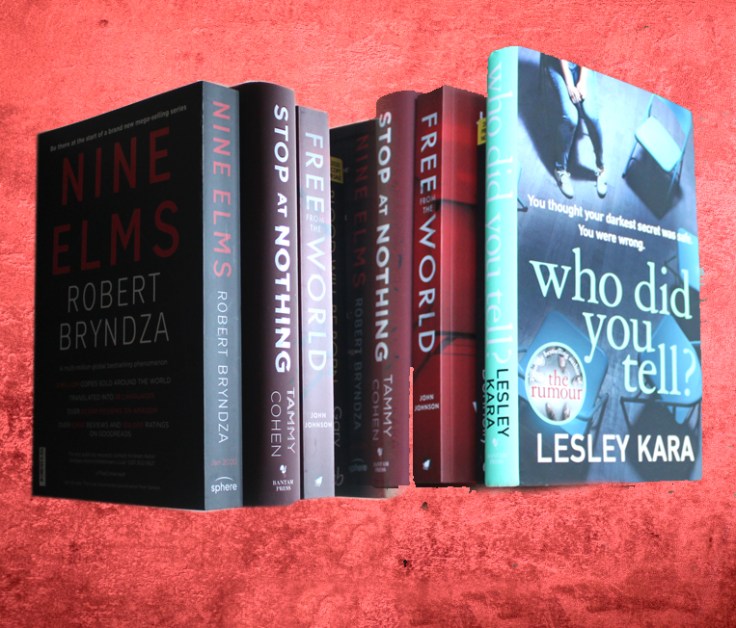




 fullybooked2017