

I do love the mysterious world of Detective Inspector Silas Quinn, RN Morris’s rather distinctive London copper from the 1900s. For reviews of earlier novels Summon Up The Blood, The White Feather Killer and The Music Box Enigma click the links. I say “earlier”, but it’s not that simple, as the Silas Quinn books are being reissued by a new publisher, having coming out a few years ago, but since the events they describe are all from a very narrow time frame, the actual chronology doesn’t matter too much.
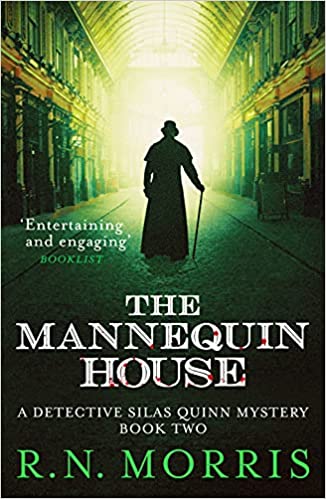 Quinn and his sergeants – Inchball and Macadam – are The Special Crimes Department of the Metropolitan Police. This department has a passing resemblance to Christopher Fowler’s Peculiar Crimes Unit (Rest In Peace) insofar as the unit has been constructed around the unique talents of its lead investigator. Like Arthur Bryant, Silas Quinn has strange gifts, and is just as likely to exasperate his superior officers as win their praise, but he is a bloody good copper.
It is March 1914, and most of the citizens of London go about their bustling business oblivious to the gathering storm which would break over their heads in just a few months. Blackley’s Emporium is one of the most successful department stores in the city. You can buy anything and everything that is made, mined or grown on God’s earth, and you may even be greeted by the beaming proprietor himself as you walk through the doors. You can even – should you be minded to take a break from spending money – visit the in-house menagerie which is full of weird and exotic creatures.
One of Benjamin Blackley’s most profitable departments is his haute couture fashion house, where (plus ça change) slender young women wearing must-have gowns and fripperies parade in front of not-so-slender older women. Blackley ‘keeps’ – and I use the word advisedly – his slips of things in a suburban house, presided over by a formidable matron. When the most beautiful of these mannequins – Amélie – doesn’t turn up for work, and her room is found locked from the inside, the police are called. Two things happen when the door is eventually opened. First, an enraged Macaque monkey runs screaming from the room and, second, Amélie has a very good excuse for missing work, as she is dead on her bed, strangled with a silk scarf.The subsequent post-mortem examination reveals that the girl may have been raped, and also that she has maintained her desirability as a fashion model by disastrous self-abuse of her body.
Morris takes the classic ‘locked room’ trope and has his wicked way with it. There is some knockabout comedy in this book, particularly with Quinn’s wildly contrasting underlings Inchball and Macadam, but there is a vein of darker material running through the narrative. Quinn may be a clever copper, but he is also psychologically damaged from a traumatic childhood. The uneasy personal dynamics between fellow lodgers at the house where Quinn sleeps are a signal that the detective is not at ease with other people. It has to be said, that later (already available) Silas Quinn novels shine a revealing light on this situation. There is great fun to be had within the pages of The Mannequin House, but we are never far away from the evil that men (and women) do, and you must be prepared for a rather shocking and violent end to the story.
As ever, Roger Morris gives us a delicious mystery, a totally authentic background and an absorbing book into which we can escape for a few precious hours. The Mannequin House was first published in 2013, but this new paperback edition from Canelo is out now.



 When a rent boy is found dead, his throat cut from ear to ear, there is initially little interest by the police, as the lad is just assumed to have paid the price for being in a risky line of business, but when the post mortem reveals that he has had every drop of blood drained from his body, Quinn is summoned and told to investigate. After a droll episode where Quinn decides to pose as a man smitten by “the love that dare not speak its name”, and blunders around in a dodgy bookshop, but he does find out that the dead youngster was called Jimmy, and had links to a ‘gentleman’s club’ where he would find men appreciative of his talents.
 Thankfully, Morris makes no attempt to get in the politics of homosexuality and the law: his characters simply inhabit the world in which he puts them, and their thoughts, words and deeds resonate authentically. In 1914, remember, the trial of Oscar Wilde and the Cleveland Street Scandal were still part of folk memory. It’s an astonishing thought that had Morris been writing about similar murders, fifty years later in 1964, virtually nothing would have changed – think of the scandals involving such ‘big names’ as Tom Driberg, Robert Boothby and Ronnie Kray, and how their lives have been written up by such novelists as Jake Arnott, John Lawton and James Barlow.

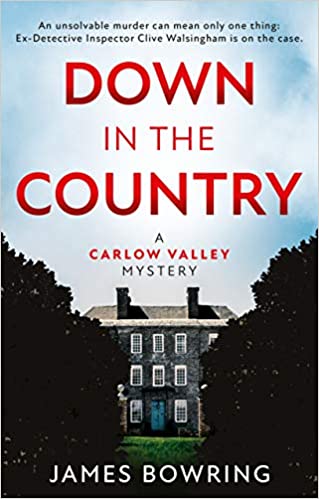 When a couple return to their home in rural England from their holiday in Italy (remember when we could do that?) their welcome home present is a dead body – a woman,strangled – in their garden. The local senior police officer has been badly injured in an accident, and Acting Inspector Beauregard is the man who has to step up and investigate the murder. Unfortunately, Beauregard is soon overwhelmed by the case. Help is at hand, however. A nearby luxury hotel is run by a former policeman, ex Detective Inspector Clive Walsingham. Walsingham is finding the relative sanity, safety and security of civilian life something of a bind, and he leaps at the chance to help Beauregard solve the crime. The dead woman, however, had “something of a past”, and was connected to a notoriously crooked local businessman. When the case is further complicated by the disappearance of the daughter of a local aristocrat, Walsingham has to use every ounce of his experience to bring the case to a close.
 Lewis was one of the band of brothers who served with distinction in both world wars. He joined the Royal Flying Corps in 1915, after lying about his age and learned to fly at Brooklands. In 1916, he flew with No. 3 Squadron and was awarded the MC for his actions during the Battle of the Somme. Flying over the battlefield on 1st July 1916 to report on British troop movements, he witnessed the blowing of the mines at La Boiselle. He later described the early morning scene in his book “Sagittarius Rising”. Pathfinders focuses on just one night in 1942, when each member of the crew of a Wellington bomber prepares for a raid in his own way, with his own hopes and fears.
 I have become a firm fan of RN Morris’s likeably eccentric London copper, Detective Silas Quinn. Click
 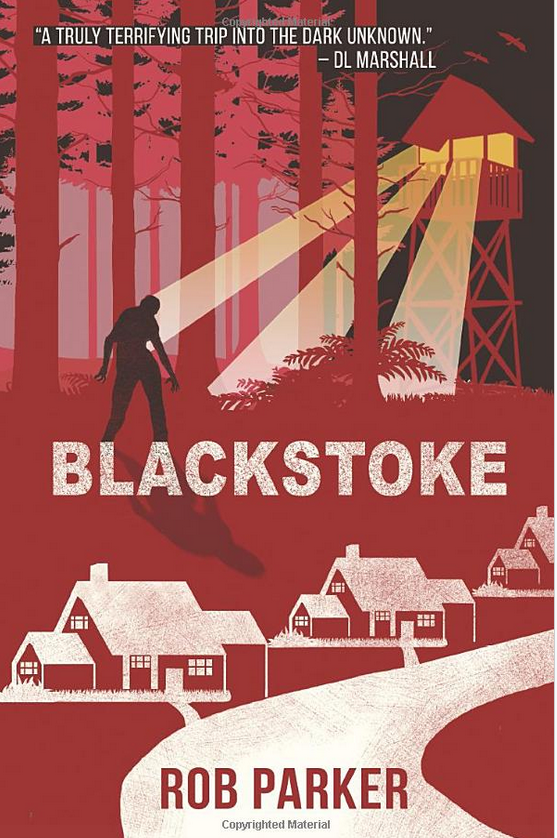 Parker is a gifted writer who injects energy and vitality into every paragraph he writes. He has an ongoing series of action thrillers (see below), but he obviously enjoys exploring the darker divisions between the world we inhabit and the nameless beings of the supernatural world. Blackstoke is a high-end housing development, but the land on which it has been built has a history all of its own, and is not a happy one. As the eager new owners move into their luxury homes, ancient and bloodstained memories, thought to be safely buried, begin to stir, and a nightmare becomes a reality for terrified families.
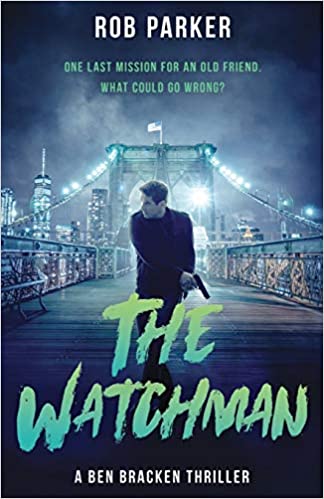 Ben Bracken is an ex-special forces operative who has done jail time for a crime he didn’t commit, has escaped from prison, and has lived a precarious life of aliases, assumed identities – and forever looking over his shoulder. Like all the best action heroes who try to avoid trouble, it usually finds him. The previous Ben Bracken books (click
 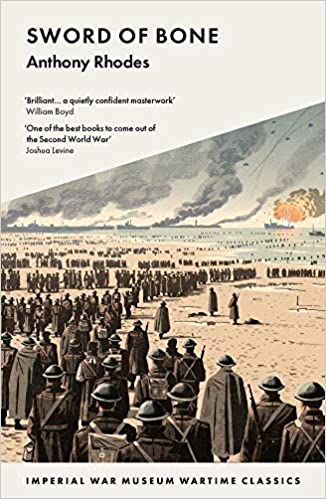 The author served in the British Army during World War II and was involved with retreat of the British Army from Dunkirk. Sword of Bone is his account of the evacuation, in a style that reminded reviewers of Evelyn Waugh’s Sword of Honour trilogy in its account of the minutiae of military life. After being promoted to captain he lectured in Canada and the United States, where he met and married a niece of Gustav Mahler. The marriage was short-lived and led to a nervous breakdown. He was invalided out of the Army in 1945. Dunkirk is a potent word, and is often evoked to conjure up images of pluck, resolution and indomitable spirit, but it was also a significant military defeat, with the BEF out manoeuvred by the German army.
 CD Steele’s debut thriller introduces us to former MI6 agent – and now private investigator – Joe Wilde. As he investigated the disappearance of a young and promising football star, his path crosses that of DI Carl Whatmore of the Met Police. As is ever the case when PIs and regular coppers meet, sparks fly, at least initially. The young footballer – Liam Devlin – seemed to have led a blameless life, but with the help of old MI6 buddy Mark Thompson, Wilde turns over a few stones, and what they see scuttling about spells problems for the investigators, the police – and Devlin’s worried mother Sally.


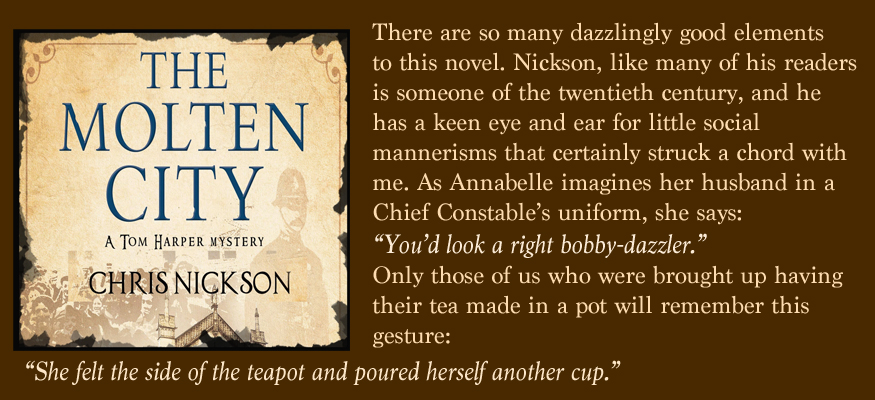






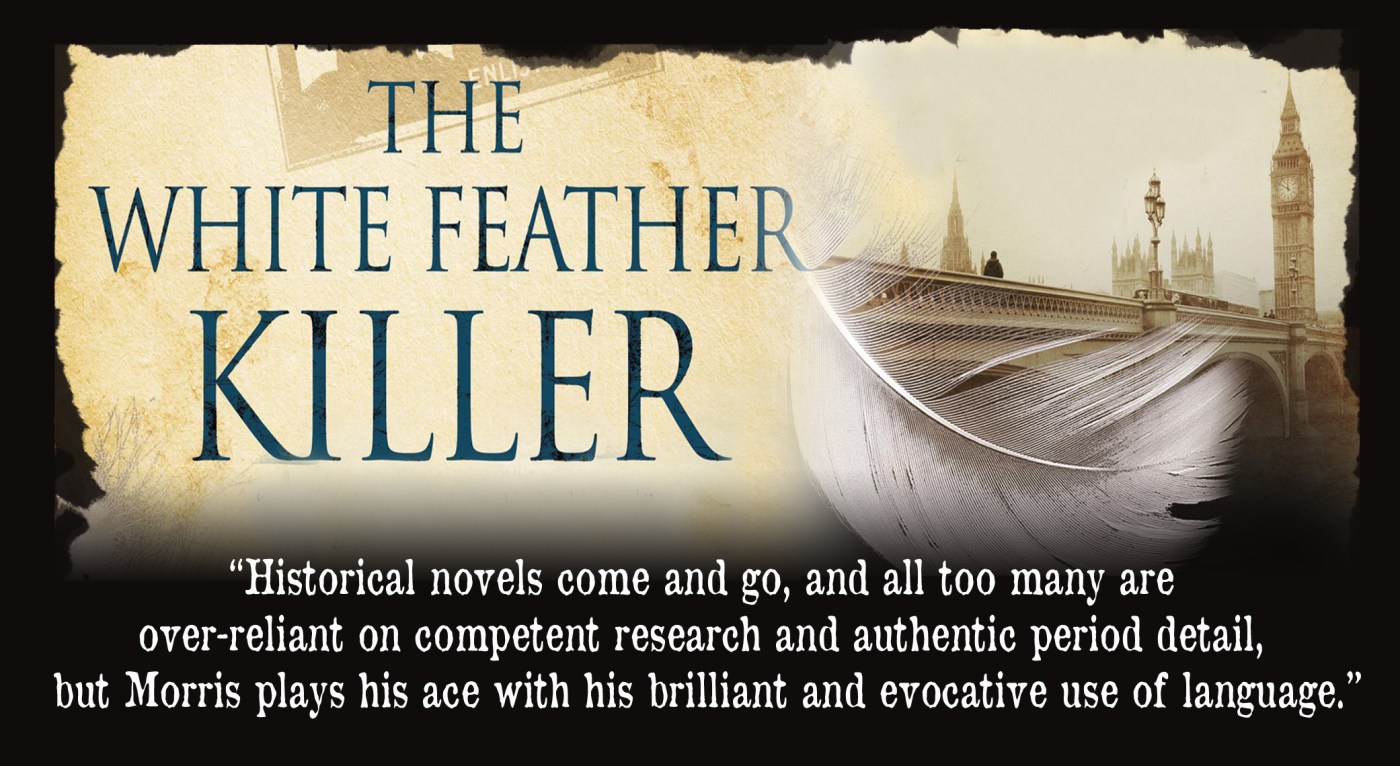
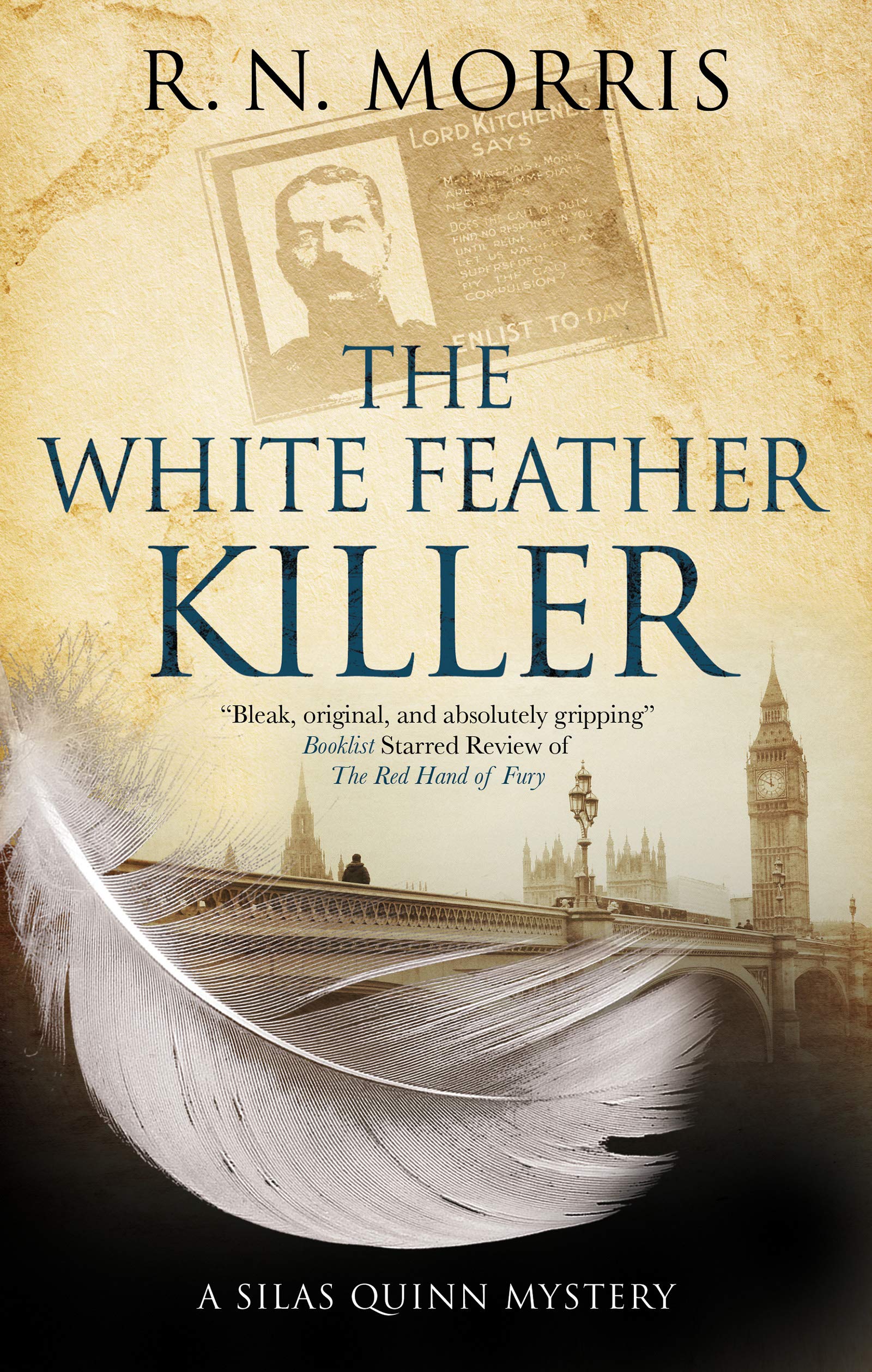 I’m a great fan of historical crime fiction, particularly if it is set in the 19th or 20th centuries, but I will be the first to admit that most such novels tend not to veer towards what I call The Dark Side. Perhaps it’s the necessary wealth of period detail which gets in the way, and while some writers revel in the more lurid aspects of poverty, punishment and general mortality, the genre is usually a long way from noir. That’s absolutely fine. Many noir enthusiasts (noiristes, perhaps?) avoid historical crime in the same way that lovers of a good period yarn aren’t drawn to existential world of shadows cast by flickering neon signs on wet pavements. The latest novel from RN Morris, The White Feather Killer is an exception to my sweeping generalisation, as it is as uncomfortable and haunting a tale as I have read for some time.
 f Morris were to have a specialised subject on Mastermind, it might well be London Crime In 1914, as the previous books in the DI Silas Quinn series, Summon Up The Blood (2012), Mannequin House (2013), Dark Palace (2014) and The Red Hand Of Fury (2018) are all set in that fateful year. Silas Quinn, like many of the best fictional coppers, is something of an oddball. While not completely misanthropic, he prefers his own company; his personal family life is tainted with tragedy; he favours the cerebral, evidence-based approach to solving crimes rather than the knuckle-duster world of forced confessions favoured by his Scotland Yard colleagues.
 orris takes his time before giving us a dead body, but his drama has some intriguing characters. We met Felix Simpkins, such a mother’s boy that, were he to be realised on the screen, we would have to resurrect Anthony Perkins for the job. His mother is not embalmed in the apple cellar, but an embittered and waspish German widow, a failed concert pianist, a failed wife, and a failed pretty much everything else except in the dubious skill of humiliating her hapless son. Central to the grim narrative is the Cardew family. Baptist Pastor Clement Cardew is the head of the family; his wife Esme knows her place, but his twin children Adam and Eve have a pivotal role in what unfolds. The trope of the hypocritical and venal clergyman is well-worn but still powerful; when we realise the depth of Cardew’s descent into darkness, it is truly chilling.
 Historical novels come and go, and all too many are over-reliant on competent research and authentic period detail, but Morris (right) plays his ace with his brilliant and evocative use of language. Here, Quinn watches, bemused, as a company of army cyclists spin past him:
 uinn has to pursue his enquiries in one of the quieter London suburbs, and makes this wry observation of the world of Mr Pooter – quaintly comic, but about to be shattered by events: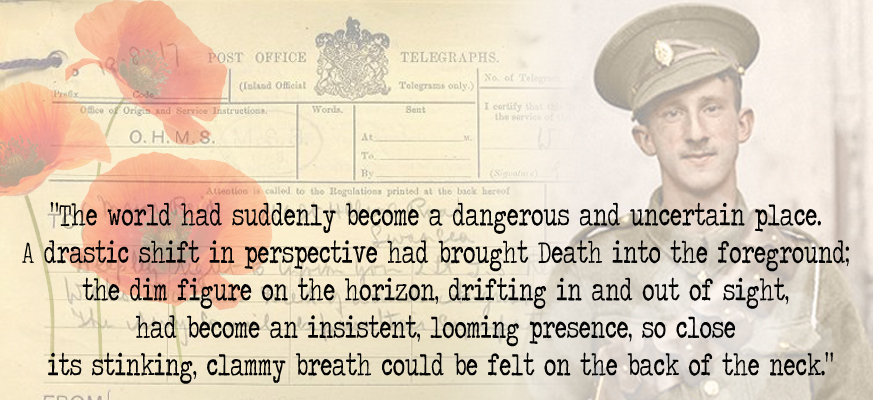


 fullybooked2017