

In 1985, Dick Lochte presented us with perhaps the most extraordinary detective pairing in the long history of the genre. Leo Bloodworth is an LA investigator, Korean war veteran in his 50s, overweight, unfit, and tends to come off second best in fights with the bad guys. Serendipity Renn Dahlquist is 14 years old, as smart as a tack but would probably be described as ‘on the spectrum’ in these ever-so-enlightened days. Her dad never made it back from Vietnam, her mum is, as they used to say, ‘no better than she ought to be’, and the girl lives with her grandmother, an actress in a long-running TV soap.
What brings them together? Bizarrely, it is because Sarah (for short) has a dog, a bulldog called Groucho. And he has gone missing. When she goes to the police, one of the officers jokingly refers her to Bloodworth. While he never formally agrees to take on the case, events force Leo and Sarah into a reluctant partnership. In one Chandleresque paragraph, Bloodworth describes the situation:
“I had a dead partner. I had a plastic faced knife artist. I had guys in suits tossing my office and my apartment looking for something called the Century List and talking about blackmail. I had an old lady who’d had a wall toppled on her. I also had a kid with a lost dog and her mother was mixed up in dog fights with some low life from the Mex Mafia.”
 The plot spins this way and that, and draws in financial swindlers, the grim subculture of dog-fights, impersonations enabled through cosmetic surgery, and incompetent PIs. The core of the book, however, is the relationship between Bloodworth and Serendipty. It would have been as fraught with risks in 1985 to suggest any sense of sexual spark between the two as it would be now. However, on a couple of occasions, Lochte (left) flirts with danger. There were several subsequent novels featuring Leo and Serendipity, but I have not read them, so I am unable to report on how their relationship developed.
This novel, 40 years on, will not disappoint fans of LA investigator crime fiction. Of course, Lochte doesn’t hold a candle to Chandler, but then who did? I would nominate Robert B Parker as a contender, but then Spencer operated in Boston, so the milieu was altogether different.The plot spins this way and that, and draws in financial swindlers, the grim subculture of dog-fights, impersonations enabled through cosmetic surgery, and incompetent PIs. The core of the book, however, is the relationship between Bloodworth and Serendipty.
The story behind the initial search for Groucho is as complex as anything ever dreamed up by Chandler. At least we do not have to ask, “Who killed the chauffeur.?” In a rather contrived ending, Bloodworth, several tequilas to the good, explains it all away to his former cop partner, Rudy Cugat – and, of course, to us.

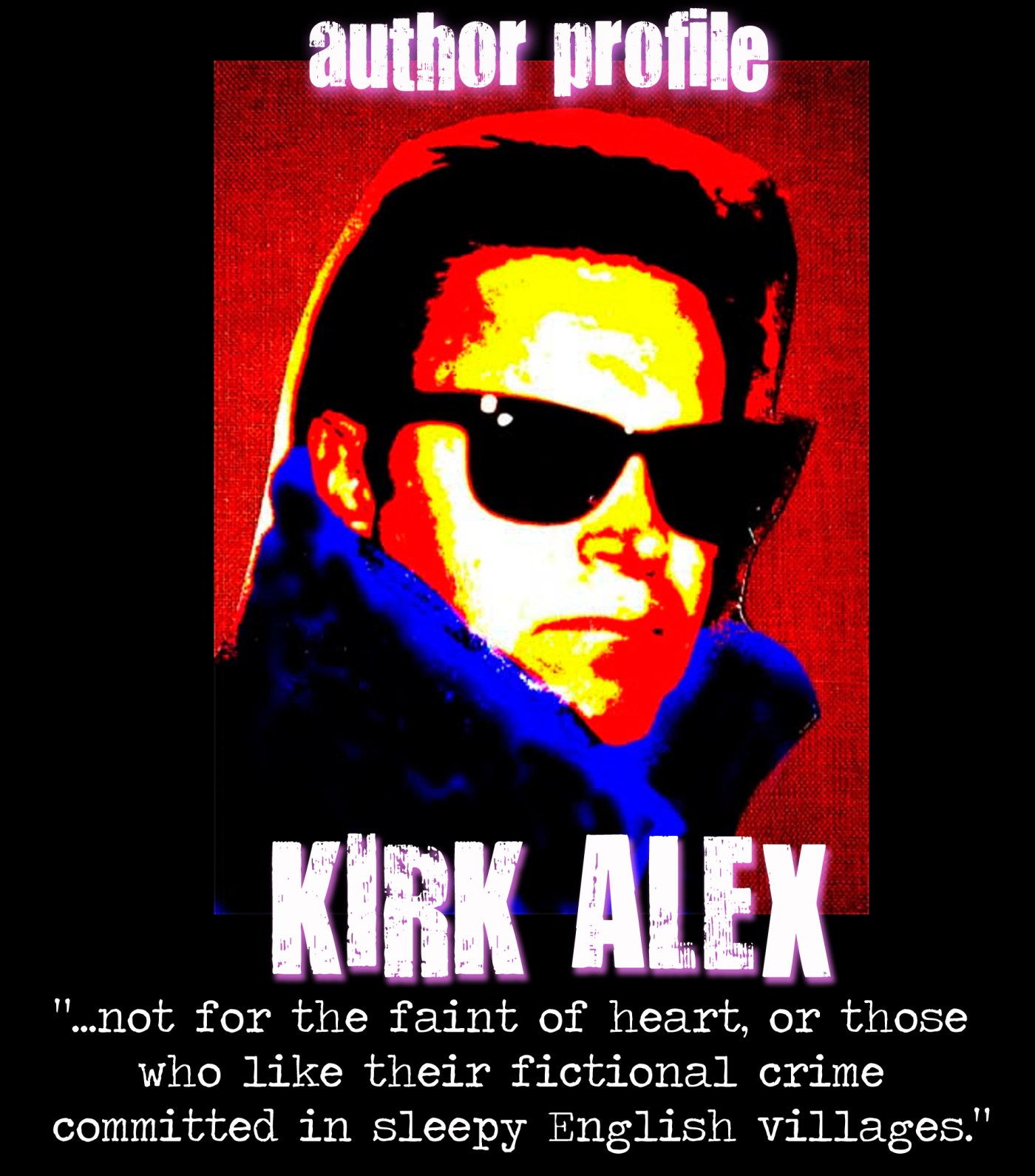

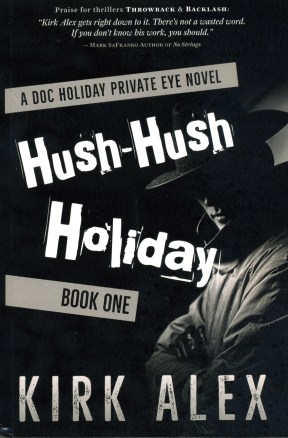 The Tucumcari Press is based in Tucson, Arizona, and they have kindly sent me a couple of books by Kirk Alex. So who is he? He can tell us:
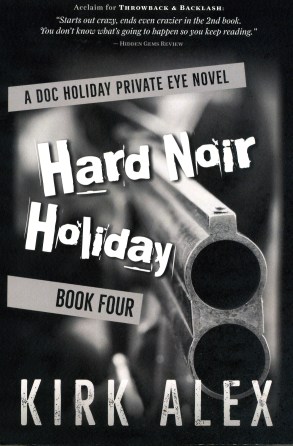 In L.A., unless you have the flashy car, luxury apartment, good paying job, you can forget about having a woman in your life to be with, any of that; so yeah, we hung in there alone. What doesn’t break you makes you stronger, so they say.


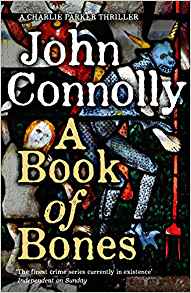 In the previous Charlie Parker novel, The Woman In The Woods, John Connolly introduced us to a frightful criminal predator, Quayle, and his malodorous and murderous familiar, Pallida Mors. Even those with the faintest acquaintance with Latin will have some understanding what her name means and, goodness gracious, does she ever live up to it! Both Quayle and Mors are seeking the final pages of a satanic book, The Fractured Atlas which, when complete, will deliver the earth – and all that is in it – to the forces of evil.

 A Book of Bones is a tour de force, shot through with the grim poetry of death and suffering. Connolly (right) takes the creaky genre of horror fiction, slaps it round the face and makes it wake up, shape up and step up. He might feel that the soubriquet literary is the kiss of death for a popular novelist, but such is his scholarship, awareness of history and sensitivity that I throw the word out there in sheer admiration. Jostling each other for attention on Connolly’s stage, amid the carnage, are the unspeakably vile emissaries of evil, the petty criminals, the corrupt lawyers and the crooked cops. Charlie Parker may be haunted; you may gaze into his eyes and see a soul in ruins; his energy and motivation might be fueled by a desire to lash out at those who murdered his wife and daughter; what shines through the gloom, however, is the tiny but fiercely bright light of honesty and goodness which makes him the most memorable hero of contemporary fiction.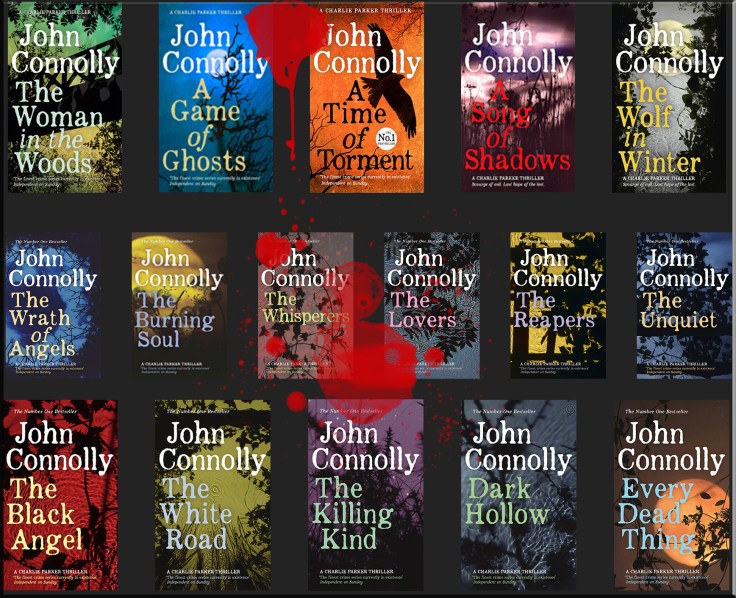
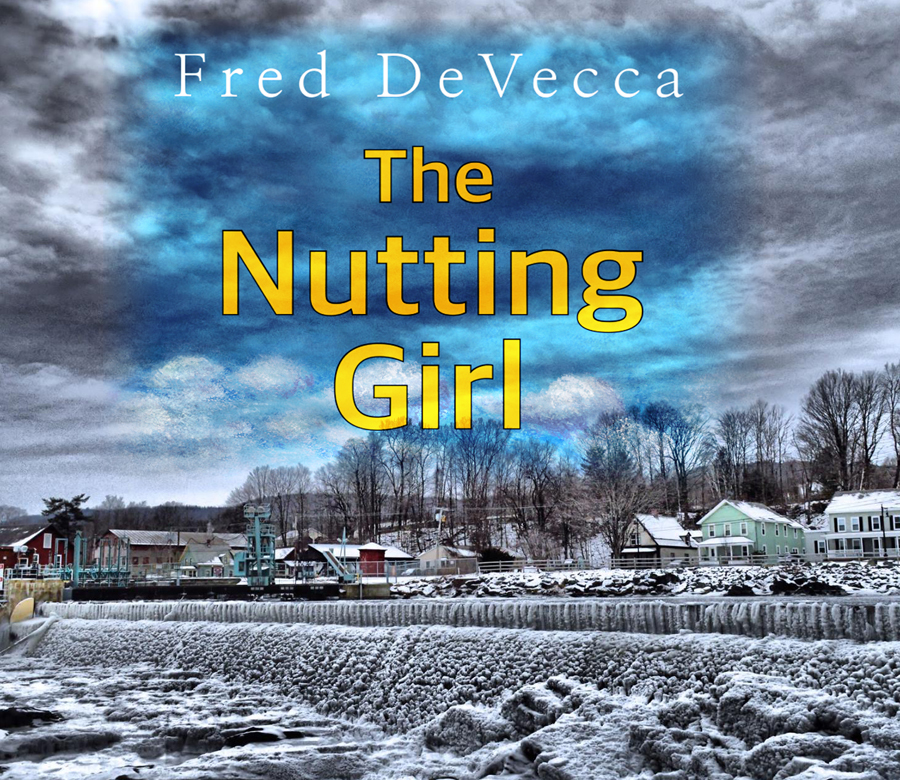

 Raven’s job seems like money for nothing until the fateful day when, after a spell of heavy rain, the normally placid stream running through Shelburne Falls is turned into a deadly torrent. ‘Velcro’ ends up in the water, and disappears. Did she fall? Was she pushed? Or is there another more disturbing and puzzling solution? Frank Raven, with the help of Sarah, the eighteen year-old daughter of Clara (Raven’s love interest), unlocks the door to a labyrinth of deception, false identities, dark motives and venal behaviour which they work their way through more in the spirit of hope than the expectation of ever finding the door marked ‘Exit’.
 Finding a new path through the undergrowth of PI novels, overgrown as it is with violent, cynical, wisecracking and tough, amoral men (and women) must be a difficult task, but Fred De Vecca (right) makes his way with a minimum of fuss and bother. Frank Raven rarely raises his voice, let alone his fists, but his intelligence and empathy with decent people shines through like a beacon in a storm. It would be a forgivable mistake to place this novel in the pile marked ‘Cosy small-town domestic drama’, but it is a mistake, nonetheless. Of the people Raven is tasked with looking for, he finds some and loses some – because he is human, fallible and as susceptible to professional bullshitters as the next guy. What he does find, most importantly, is a kind of personal salvation, and a renewal of his belief in people, and their capacity to change.


 fullybooked2017