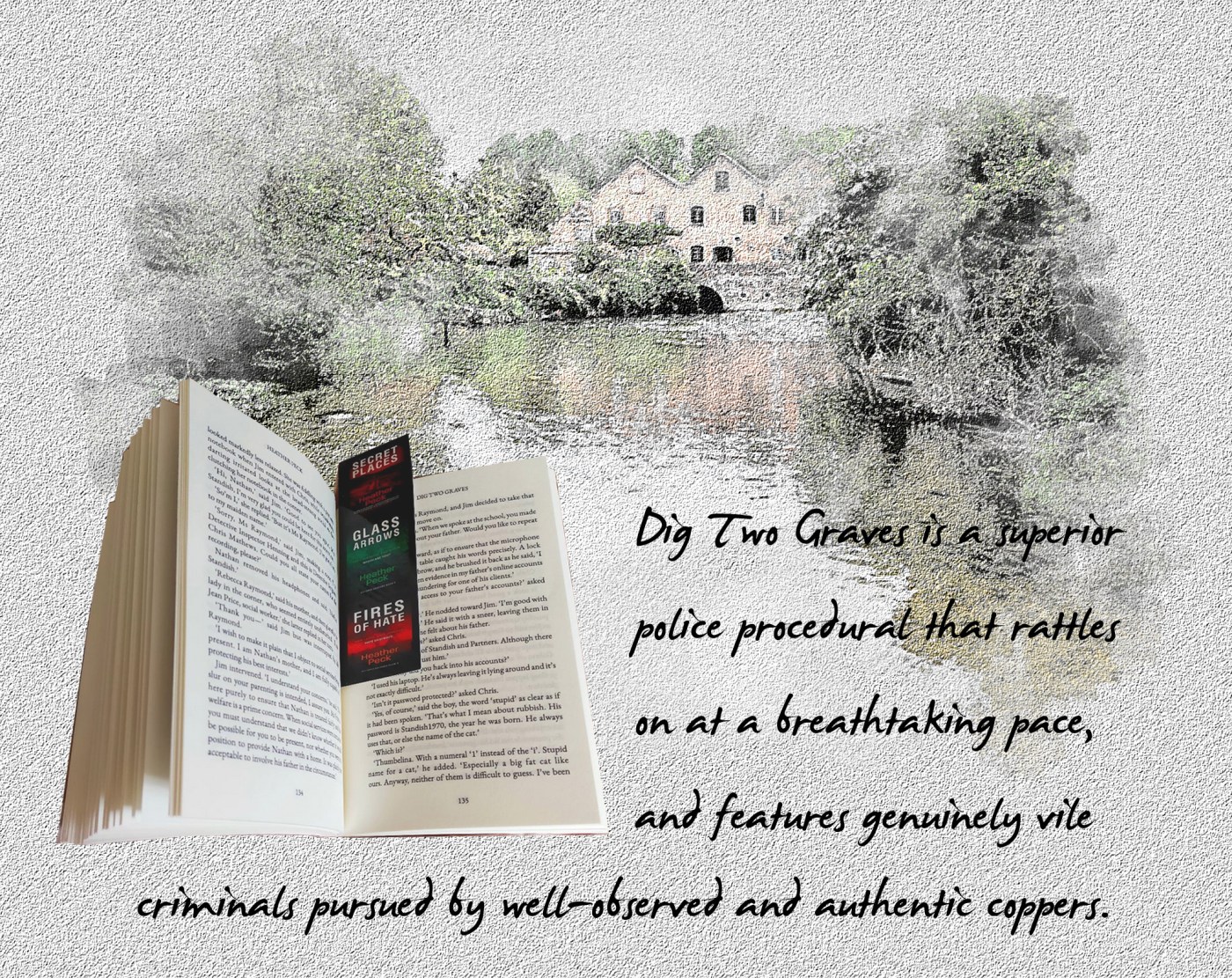

I thoroughly enjoyed an earlier book in the series, and you can click the image below for the link.

I mention this, because Dig Two Graves begins literally as the final scene of The Temenos Remains fades out. We are in Norfolk and crime fiction buffs will know that this is no rural idyll; readers of Jim Kelly’s Peter Shaw series – and the excellent Ruth Galloway novels by Elly Griffiths – will be well aware that away from the “Chelsea-On-Sea” second homes of North Norfolk and the gentle downlands beyond Sandringham, Norwich and Great Yarmouth provide, to adapt the immortal words of Ben Obi-Wan Kenobi, as wretched a hive of scum and villainy as one could wish to experience.
The “scum and villainy” in this case are provided by the brutal Lithuanian gangsters Constantin Gabrys and his psychopathic son Mica. As a local, Heather Peck will be only too cogniscant of the fact that Freedom of Movement in the dark days of EU membership brought tens of thousands of Eastern Europeans to the area to pick and process the food crops on which we all rely; like many others, she will also know that with the decent folk came gangsters, drug barons and people-traffickers, and this is the background to this novel.
DCI Greg Geldard and his team have found a Romanian woman – Madame Trieste, real name Adrianne Laurientiu – brutally murdered. The killers, in no particular order, have crucified the nail-bar owner, cut her throat, and made her swallow her own eyeballs The first police officer on the scene, DI Sarah Laurence has been abducted by the killers. The search for Sarah Laurence and the determination to bring her captors to justice drives the police on, and provides us with an excellent read.
I finished this excellent novel in just two sessions, and that should tell you that it is a genuine page-turner. My rather weather-beaten maxim for judging crime novels is in the shape of a question – do we care about the principal characters in the novel? Here, I can deliver a resounding ‘Yes!”. Geldard is thoroughly human and believable, and it doesn’t hurt that he his “significant other” is colleague DS Chris Matthews. Heather Peck doesn’t make a meal of this relationship, but she makes us aware that the police top brass are not entirely in favour. Peck resolves the problem, rather delightfully, in the last few paragraphs.
Dig Two Graves is a superior police procedural that rattles on at a breathtaking pace, and features genuinely vile criminals pursued by well-observed and authentic coppers. It was published by Ormesby Publishing on 28th June.


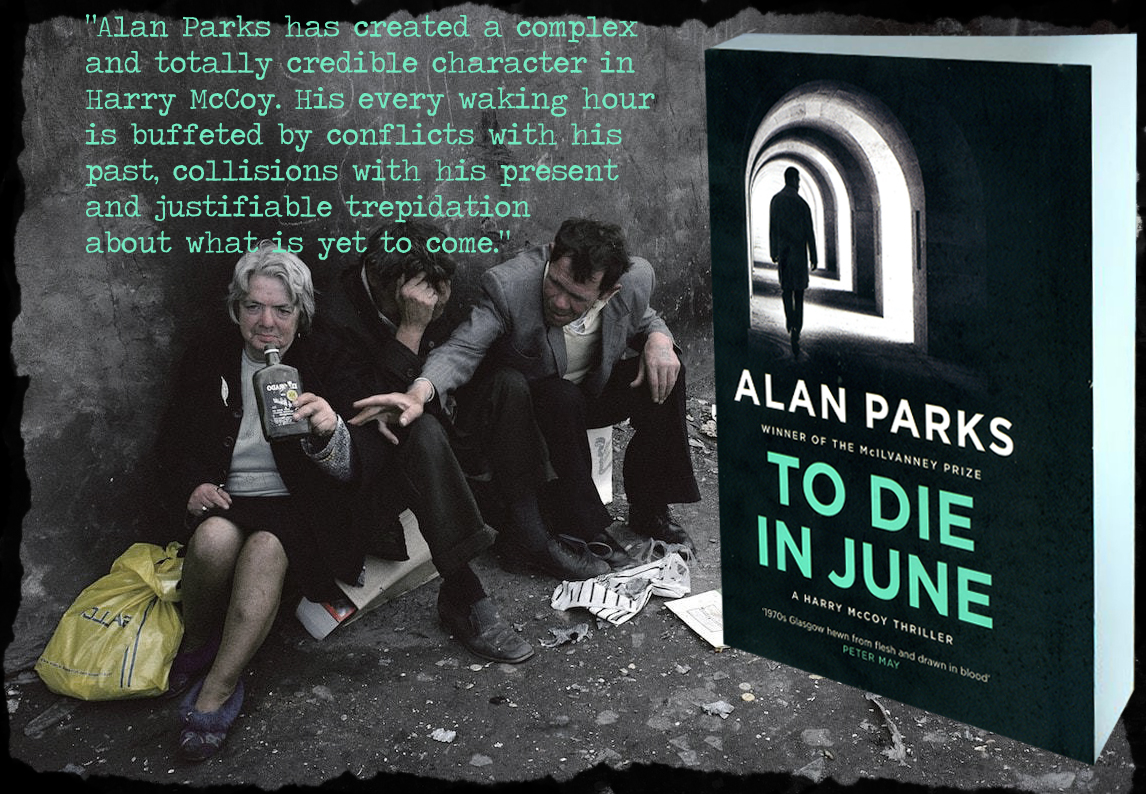

 Alan Parks (left) introduced us to Glasgow cop


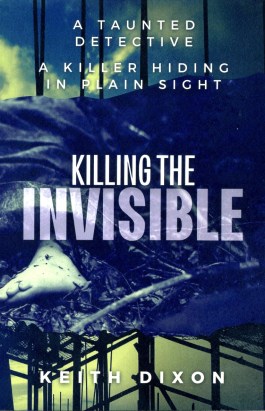 Keith Dixon’s Porthaven is a fictional town on England’s south coast. It doesn’t seem woke or disfunctional enough to be Brighton, maybe neither big nor rough enough to be Portsmouth or Southampton, so it’s maybe a mix of all three, seasoned with a dash of Newhaven and Peacehaven. Inspector Walter Watts is a Porthaven copper. He is middle-aged, deeply cynical, overweight, and a man certainly not at ease with himself – or many others – but a very good policeman. When a young woman, later identified as Cheryl Harris, is found murdered on a piece of waste ground, the only thing Watts accomplishes on his visit to the scene is that his sarcastic exchanges with a female CSI officer result in in an official complaint, and him being moved off the case. From the sidelines, Watts knows that whoever killed the young woman was definitely trying to pass on a message. The woman’s face has been obliterated by a concrete slab, with her mobile ‘phone jammed into what was left of her mouth.
 Watts was brought up by his father – and in boarding schools – after his mother left the home. There has been no contact with her from that day to this, until he receives a message from the desk sergeant at Porthaven ‘nick’ simply saying that his mother had ‘phoned, and would he call her back on the number provided. This thread provides an interesting and complex counterpoint to the police investigation into the killing of Cheryl Harris. It also allows Keith Dixon (right) to better define Watts as a person; on the one hand he is aloof, selfish, socially abrasive and enjoys showing his mental superiority; on the other, he is vulnerable, unsure, and shaped by a childhood lacking conventional affection.

 Without giving the game away, it is in Brother Dominic’s previous life where the clues are to be found, but answers don’t come easy for Cross and Ottey. Although there was a very clever plot twist involving the identity of the killer, I was far more involved with George Cross as a person than wondering who murdered Brother Dominic.The relationship between Cross and his father, the discombobulating effect of the re-emergence of his mother – lost to him since she left the family home when he was five – and his attraction to the unambiguous world of order, silence and simplicity of Dominic’s fellow monks, all contribute to the power of this compelling read.

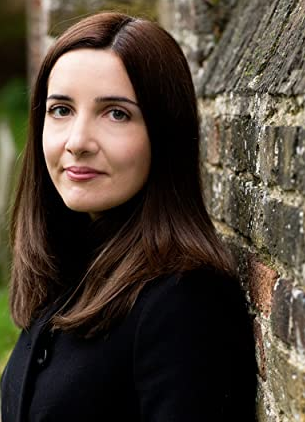


 This is the fourth book in a series featuring Norfolk copper DCI Greg Geldard, but author Heather Peck (left) wastes no time in providing all the back-story we need. Geldard is divorced from his former wife, Isabelle, who is a professional singer. She has now remarried a celebrated orchestral conductor, with whom she has a child, while Geldard is in a relationship with one of his colleagues, DS Chris Mathews. When he gets an early morning ‘phone call from Isabelle saying she and her son have been threatened by a foreign criminal connected to one of Geldard’s previous cases, he is forced to stay at arm’s length, but is disturbed to hear from a colleague that Isabelle may be making the story up.



 Leigh Russell (right) studied literature at university, and spent four years immersed in books. After that,she became a teacher, a career that enabled her to share her enthusiasm for books with teenagers. For years, she read other people’s books


 fullybooked2017