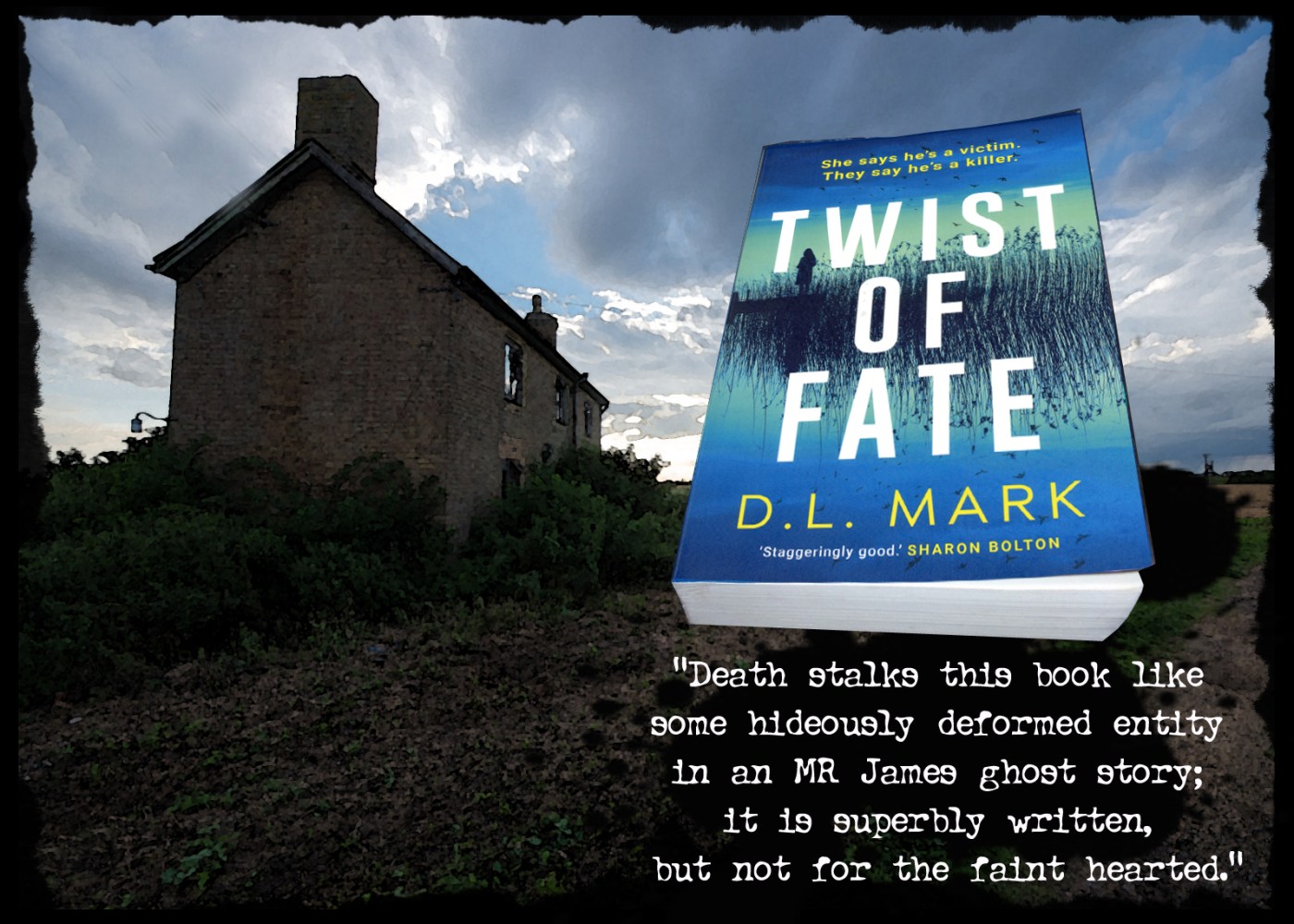

The story begins with a violent prelude in an English country churchyard. It is dark, cold and damp, Thomas Gray’s “rugged elms” are almost certainly present, and his “rude forefathers of the hamlet” still sleep beneath their headstones, but there is little else elegiac about the scene. A couple, married – although not to each other – are using the sexton’s shed for sex. Then something awful happens. How this links to the main narrative of the book is not made clear until much later.
In another place – a prestigious building in central London – we meet a brother and sister. They couldn’t be more different, Claudine Cadjou is a well-known political lobbyist, used to schmoozing the media and well-versed in the dark arts of the professional publicist. She is suave and chic. Her brother Jethro looks like a madman. His clothes are one step up from rags. He is dirty and unkempt. His home, if such it can be called, is a semi derelict farmhouse in the Lincolnshire fens. He is basically ‘in care’ with Claudine paying his neighbours to make sure he doesn’t starve. Once, he had a brilliant mind, but it has all but been destroyed by psychotic episodes linked to substance abuse. While talking, Claudine is fighting a battle between embarrassment at her brother showing up on her turf, and her love for this wreck of a man. Then her discomfort turns to terror when an unknown man storms into the atrium of the building and stabs Jethro to death.
The man who killed Jethro has just committed several other atrocities nearby. More people are dead, and several not expected to survive. At this point we meet a London copper, DS Benny Dean. Another soul – another torment – but of a different kind. His wife of many years is also a copper, but she has risen through the ranks and now she is a Chief Superintendent. And she wants a divorce. Like Claudine, she is sophisticated, cultured and ambitious. Even her name has changed from homely ‘Fran’ to the media chic ‘Cesca’ Benny has tried his best, put his career on hold while hers prospered, but now she wants out. And the cruelest irony of all? As police are mobilised to investigate the murders, Benny’s wife is put in charge of the investigation, and he has to remember to use the word ‘ma’am’ when phoning in reports.
Benny and his partner DC Helen Savage, and, separately, Claudine, travel to Lincolnshire to investigate Jethro’s’s recent history. At this point it is worth reminding readers about the fens, their geography, their place in literature, and the social history of the area. First, a geological distinction; low lying areas which were once under fresh water are known as fens, while areas reclaimed from the sea are, more properly, marshland. One of the great crime novels in history, The Nine Tailors, was set in the fens (well known to DL Sayers from her days as a rural rector’s daughter) while Jim Kelly’s Philip Dryden series takes place in and around Ely. Graham Swift’s Waterland deals entirely with the darker aspects of fenland history, while John Betjeman wrote a deeply scary poem called A Lincolnshire Tale, wherein a traveler encounters a spectral vicar who still rings the bells in his abandoned church.
“The remoteness was awful, the stillness intense,
Of invisible fenland, around and immense;
And out on the dark, with a roar and a swell,
Swung, hollowly thundering, Speckleby bell.”
I live in the fens and, to this day, there is an insularity about the remote villages and a lingering sense of suspicion about outsiders which I have never encountered anywhere else in England.

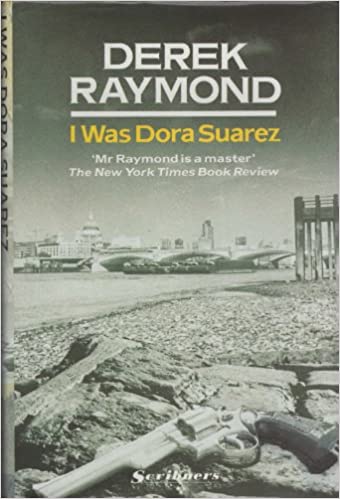
Looking back on my previous reviews of David mark’s novels, I see that I have – more than once – likened his work to that of Derek Raymond, I won’t labour the point, but Benny Dean is a 21st century version of Raymond’s valiant but tormented nameless sergeant. Death stalks this book like some hideously deformed entity in an MR James ghost story; it is superbly written, but not for the faint hearted. Twist of Fate is published by Head of Zeus and is available now. For more by DL Mark (writing as David Mark) click the author image below.


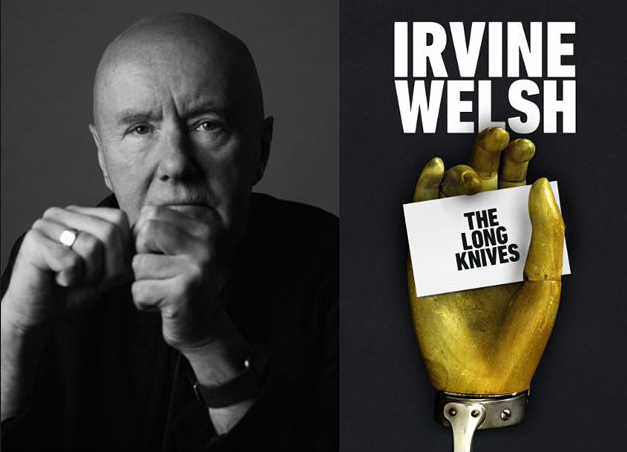
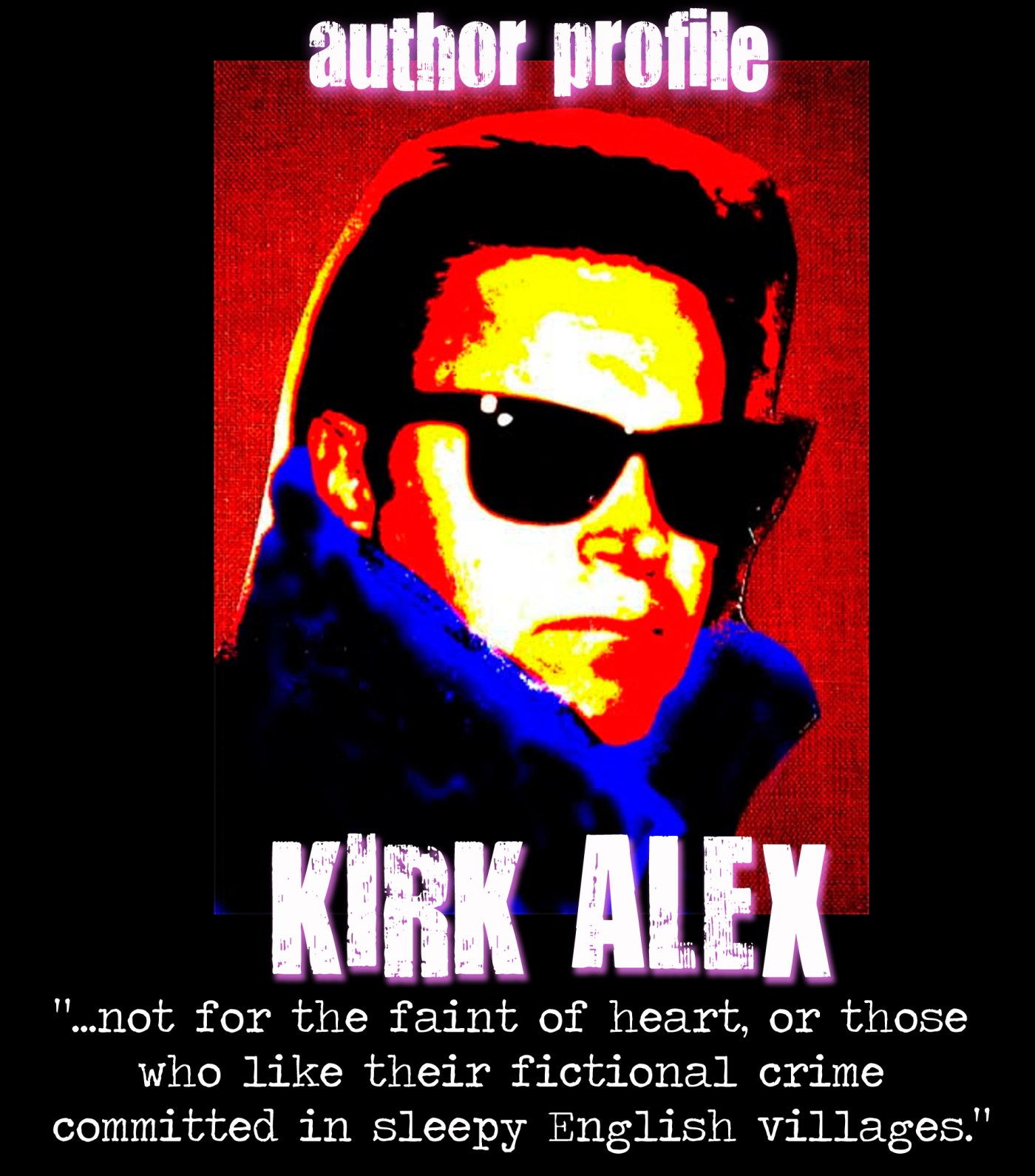

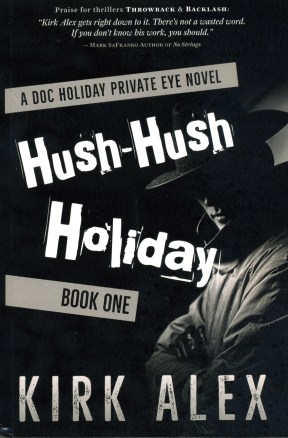 The Tucumcari Press is based in Tucson, Arizona, and they have kindly sent me a couple of books by Kirk Alex. So who is he? He can tell us:
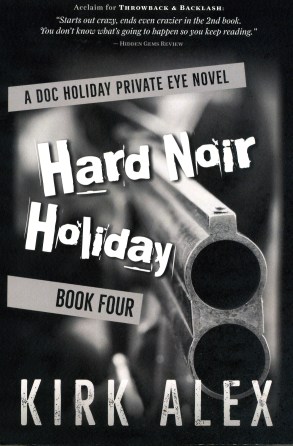 In L.A., unless you have the flashy car, luxury apartment, good paying job, you can forget about having a woman in your life to be with, any of that; so yeah, we hung in there alone. What doesn’t break you makes you stronger, so they say.




 Adam Nunn is a decent enough fellow, but like all of us, he has made his mistakes. He lives with Zara, a struggling restaurant owner, but has a child of his own, Tilly, who lives with Grace, her mother. Adam has discovered that he is adopted, and has employed a fairly seedy private investigator to try to trace his birth parents.
 Along the way, Mark (right) introduces us to some loathsome individuals who have all played their part in Adam Nunn’s terrible back story. There’s local politician Leo Riley, for example:
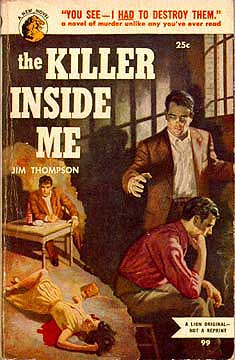 Thompson’s first major success came in 1952 with The Killer Inside Me and it remains grimly innovative. Psychopathic killers have become pretty much mainstream in contemporary crime fiction, but there can be few who chill the blood in quite the same way as Thompson’s West Texas Deputy Sheriff Lou Ford. His menace is all the more compelling because he is the narrator of the novel, and a few hundred words in we are left in no doubt that the dull but amiable law officer, who bores local people stupid with his homespun cod-philosophical clichés, is actually a creature from the darkest reaches of hell.
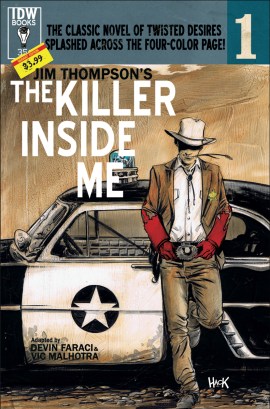 Joyce is savvy, and world-weary, but when Ford’s “pardon me, Ma’am,” charm strikes the wrong note, she slaps him. He slaps her back and the encounter takes a dark turn when Ford takes off his belt and gives Joyce what used to be known as “a leathering.” She responds to the beating with obvious arousal, and the pair begin a violent sado-sexual affair.
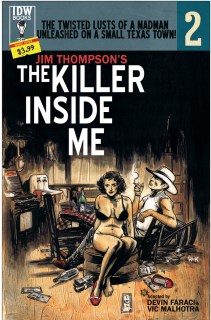 A key figure in Ford’s life is Amy, his long-time girlfriend. Thompson paints her as physically attractive, but socially constrained. She is a primary school teacher from a good local family who, despite responding to Ford’s violent sexual ways, is determined to marry him. As the dark clouds of suspicion begin to shut the daylight out of Lou Ford’s life, she is the next to die, and Ford’s clumsy attempt to frame someone else for her death is the tipping point. Thereafter his downfall is rapid, and his final moments are as brutal and savage as anything he has inflicted on other people.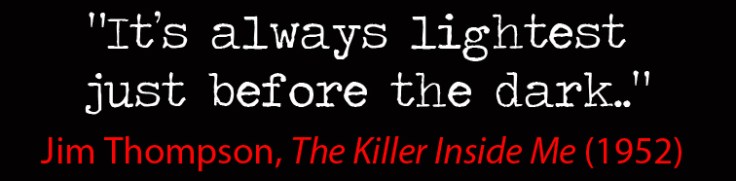


 very so often a book comes along that is so beautifully written and so haunting that a reviewer has to dig deep to even begin to do it justice. Shamus Dust by Janet Roger is one such. The author seems, as they say, to have come from nowhere. No previous books. No hobnobbing on social media. So who is Janet Roger? On her website she says:
 o, what exactly is Shamus Dust? Tribute? Homage? Pastiche? ‘Nod in the direction of..’? ‘Strongly influenced by ..’? Pick your own description, but I know that if I were listening to this as an audio book, narrated in a smoky, world-weary American accent, I could be listening to the master himself. The phrase ‘Often imitated, never bettered’ is an advertising cliché and, of course, Janet Roger doesn’t better Chandler, but she runs him pretty damn close with a taut and poetic style that never fails to shimmer on the page.
 ig mistake. Councillor Drake underestimates Newman’s intelligence and natural scepticism. Our man uncovers a homosexual vice ring, a cabal of opportunists who stand to make millions by rebuilding a shattered city, and an archaeological discovery which could halt their reconstruction bonanza.
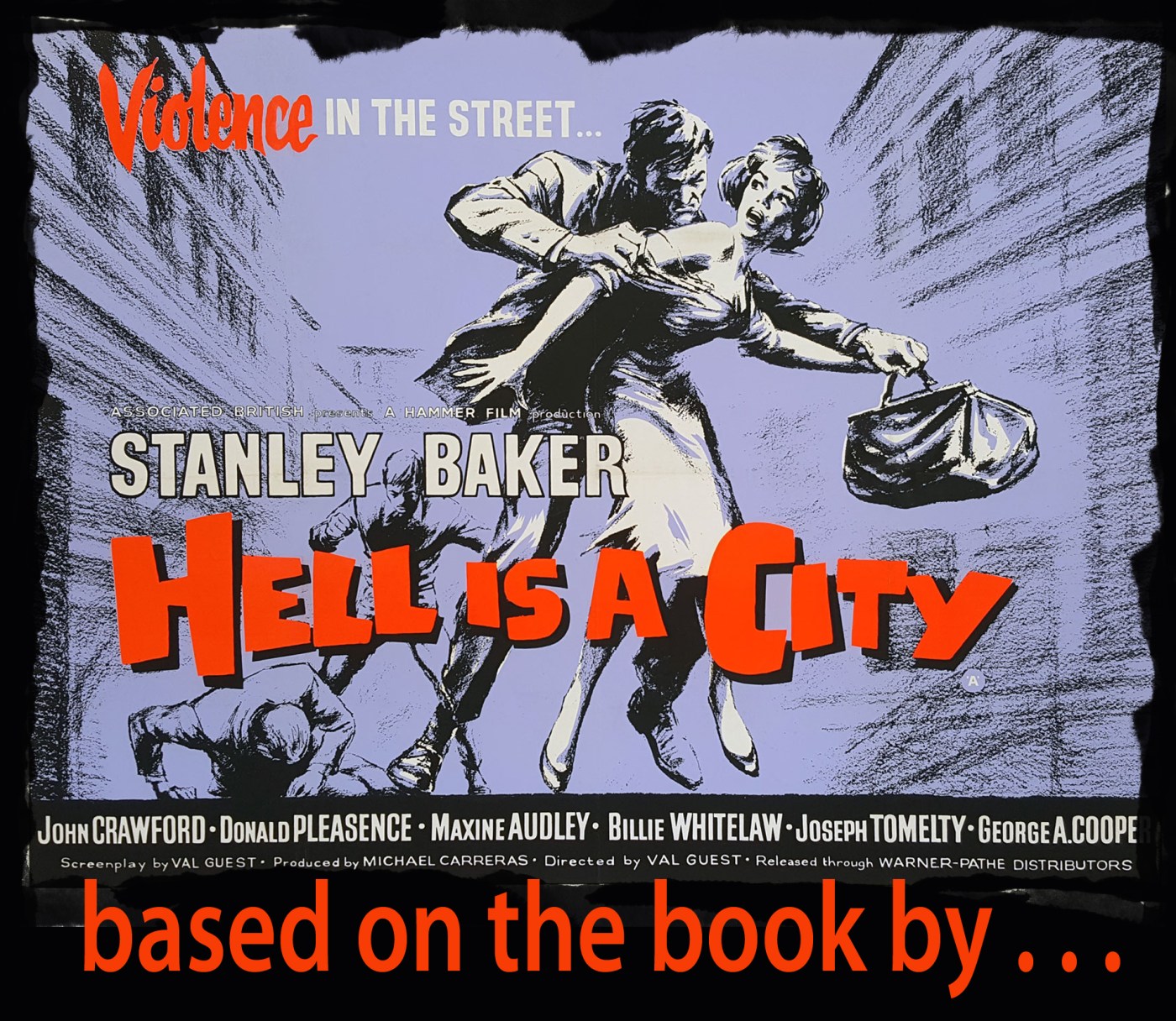
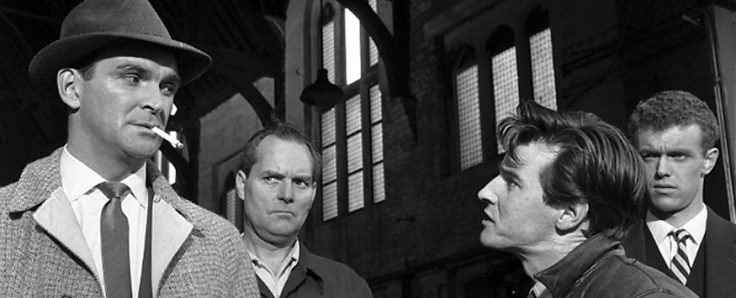
 The cast, if not stellar by international standards, was solid, with key roles for Stanley Baker as Martineau, Donald Pleasance as the bookmaker Gus Hawkins, and Billie Whitelaw as Mrs Hawkins (left). Strangely, the key role of Don Starling was given to John Crawford, (below) a journeyman American actor whose stock in trade was tough guys and villains. His American accent is obvious throughout and, although he puts in a good performance, it stretches credibility to believe he is the same man who fought with Martineau in their school playground. Regarding the oddity of his accent, it has to be said that the rest of the cast went for Stage Northerner rather than attempt the distinctive Mancunian twang.


 fullybooked2017