Search

fullybooked2017

Tag

Leamington and Warwick

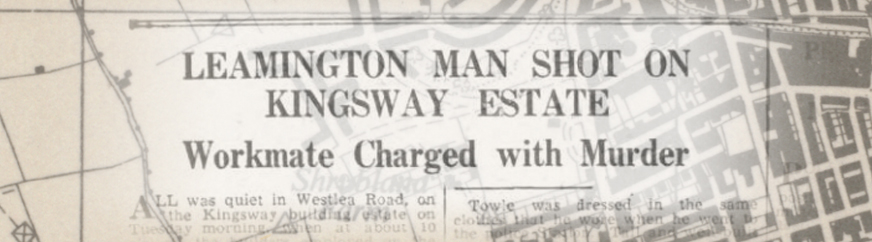
THE STEN GUN KILLER . . . A brutal murder in 1949 Leamington (2)

Towle header

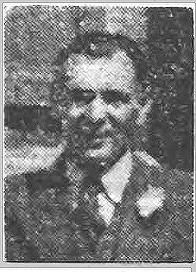
SO FAR – It is January 1949. Two men, Edward Sullivan (49) and Gordon Towle (19) have been working on a Leamington building site near what is now Westlea Road. There has been friction between them, with Great War veteran Sullivan (left) apparently sneering at Towle because the latter had not done his bit in the armed forces.

The events of Tuesday 25th January 1949 were to shock and mesmerise local people. At Leamington Police Station on the High Street it was 10.20am, and senior officers Inspector Green and Superintendent Gardner were leaving to carry out a routine inspection, when a burly, broad-shouldered young man entered the station. He was carrying what appeared to be a Sten gun. He said, quite calmly and without drama:
“I have shot a man. I am ill”
Green said, with some incredulity:
“Do you know what you are saying?”
The young man, who identified himself as Gordon Towle, handed the Inspector the Sten gun, along with an empty magazine and a magazine loaded with live 9mm bullets, and said:
“He has been pulling my leg and something came Into my head. I do silly things when I am funny like that. I think I have killed him. He is on the Bury Road estate; go to him. My head went funny and I shot him. I was not in the Army and they got on to me”

Towle was placed in a cell, and the officers took a police car and soon arrived at the building site. There lying in a pool of blood was the body of a man, later identified as Edward Sullivan. Around his body were found no fewer than 24 empty 9 mm. Sten gun cartridge cases – a full magazine holds 28 – and digging operations brought to light more bullets. Some were also found embedded in a nearby timber stack. When the police surgeon Dr. D. F. Lisle Croft arrived and examined the body, he was only able pronounce life extinct.

Events now moved on at pace. Chief Superintendent Alec Spooner, Head of Warwickshire CID was called, but that was a formality; there was little or no detective work required here. The first member of the Sullivan family to be told of the tragedy was son John, home on leave from the army. He had the melancholy task of telling his mother, Katherine Margaret Sullivan, that she was a widow. Above right, Towle is pictured being taken to the preliminary magistrate’s hearing.

In a newspaper report of one of Towle’s appearance before the magistrates, the journalist certainly exercised his imagination. Under a lurid headline headline, he described the scene thus:

“An unusually strong winter sun shone through the stained-glass windows of the Town Hall Council Chamber Wednesday, etching on the floor pattern in deep scarlet and blue. As the minutes went by, the shadow moved slowly and silently across the linoleum, and equally inexorably, quietly and persuasively, Mr. J. F. Claxton (for the Director of Public Prosecutions) outlined the history of the Kingsway Estate shooting on January 25th. Beside policeman, sat 19-year-old Gordon Towle, husband of less than six months, charged with murder. According a statement alleged have been made by him, Towle could no longer stand the taunts of a workmate, and so produced a Sten gun and fired two – or three, for the number is In doubt  – bursts into the body of Edward Sullivan (49), Irishman, 6, Swadling Street, Leamington.

A full public gallery heard that Sullivan was killed outright by the ten bullets which entered his body in every vital part. The proceedings were intently listened by his widow and daughter – both in deep mourning – and his son, whose Army battle dress bore, the left arm. a narrow black band. In the afternoon, when only three of the fourteen called to give evidence remained to be heard, the Court had to move into an ante-room to make way for the tea organised by the Church England Zenana Missionary Society.

Only three members of the public, the widow, the daughter and one other lady, remained. Towle, dressed a sports coat and grey flannels, with an open necked cricket shirt, appeared to take a keen interest in all that was being said, but it was noticeable that at the end of the hearing, he blinked and then screwed face as if trying desperately hard to understand what was being said to him. He was asked if he had anything to say or any witnesses to call, and replied, quite firmly “No. sir.” — the only time he spoke throughout the hearing. But as he went to regain his seat, he stumbled little though about to fall. He sat down and heard the formality of his committal for trial at Warwick Assizes”

LynskeyGordon Towle’s time in front of Mr Justice Lynskey (left) at the March Assizes in Warwick was short – if far from sweet. Doctors gave evidence that he was quite mad, and he was sentenced to spend the rest of his days in a secure mental unit. The most puzzling matter for me was how Towle came to in possession of a Sten gun. He told the court that he had simply “pinched it” from the local drill hall, (probably the one in Clarendon Terrace) and stole the ammunition – police later found hundreds of live rounds in his house – from “an aerodrome”.

A postscript, which may bring a touch of humour to an otherwise dark tale. I can vouch for the inventive ways Army quartermasters had of “balancing the books.” regarding missing firearms. Back in the day, I taught at a public school in Cambridgeshire. The school Cadet Corps was being wound up, and an old sweat arrived from Waterbeach barracks to take an inventory of the firearms. To his dismay, he discovered that the armoury held one too many Lee Enfield rifles. This sent him into a lather, as it was apparently simple to account for missing guns on an inventory. They could just be written off as damaged or stripped for parts. But one too many? This was serious, and could only be remedied by a couple of squaddies rowing out in a boat one dark night on a local gravel pit, and dropping the offending item over the side, never to be seen again.

FOR MORE LEAMINGTON, WARWICK & DISTRICT
TRUE CRIME STORIES, CLICK HERE.

THE STEN GUN KILLER . . . A brutal murder in 1949 Leamington (1)

Towle header

SwadlingSwadling Street in Leamington is an unassuming thoroughfare, with houses which were built on the old Shrubland Estate between the wars. It was named after a Leamington councillor of the 1920s, and in 1931 it boasted twenty addresses. In January 1949, number 6 was occupied by Edward Sullivan. A 49 year-old Irishman and father of six children – three sons and three daughters – he worked as a builder’s labourer. Known to his mates – inevitably – as Paddy – he was working on a council house building project on Westlea Road, which was another between-wars development on what had been the Shrubland Estate.

Just a couple of hundred yards away was Bury Road – again, named after a local civic dignitary – and number 120 was the home of Gordon Towle. He was 19 years old, and lived with his wife Lilian, who he had married just three months earlier. He worked on the same building site as Edward Sullivan. Towle was a Leamington lad, and had earlier applied to join the army, but had been rejected on medical grounds. At the age of 10, he had damaged his head in an accident, and went to hospital to have the wound dressed, but was sent home again during what he remembered as “the bad raids”. There were three air raids on Leamington on 1940. The first, in August, resulted in no casualties, but as a result of subsequent raids in October and November, 7 people were killed. It seems that Towle’s mother had a history of mental illness, and had been taken in care, which resulted in Towle and his two brothers being sent to live with family friends in Rugby.

It’s worth, at this point, to digress slightly and look at what Leamington was like in 1949. The great diaspora of families from the teeming terraces south of High Street up to the new builds in Lillington had yet to happen. Names of WW2 casualties had been added to the town war memorial but, thankfully, not in the number that the stonemasons had been tasked with in 1919. The damage caused by the Luftwaffe bombs in an effort to target Lockheed and Flavels factories had been cleared away and, despite the huge swing away from the Conservative party in the 1945 general election, Leamington still had faith in its pre-war MP, Anthony Eden. I was just 18 months old in 1949, so my memories are totally unreliable but I can tell you that our house in Victoria Street still had gas lighting, a pump in the scullery, and a large ‘copper’ in which water was heated for the weekly bath.

So, back to Edward Sullivan and Gordon Towle. The two men had clearly rubbed each other up the wrong way. Sullivan had mocked Towle for his lack of military service. We know that Sullivan had a son in the British army, and he himself had been a regular soldier with the Royal Army Service Corps during The Great War. He stayed in the army after the Armistice and did a further four years service out in India, returning in 1923. People tend to forget that men from what was to become the Republic of Ireland played a gallant part in The Great War. There were also some who fought for the British in WW2, and they were treated in a shocking manner by the Irish state after the war.

Whatever the reasons for the animosity between Sullivan and Towle, things were about to come to a dramatic and bloody head. Heaven only knows how or why, but Gordon Towle had, secreted in his bedroom a Sten gun and hundred rounds of ammunition. Most lads growing up in the 1950s with access to Commando comics and other bloodthirsty stuff, will have an instant image of what a Sten gun looks like. It was a brutally simple piece of engineering – a sub machine gun designed for destruction rather than accuracy. A full magazine contained 32 rounds of 9mm bullets, and at short range it was a devastating weapon. In part two, we will discover how and why Gordon Towle had a Sten gun in his possession and – more importantly – what he did with it.

Sten Gun

PART TWO will go live on Thursday 1st April

DEATH AT SANDOWN VILLA . . . True crime in Leamington Spa (3)

Header

PART THREE

So far …. 21 year old Maida Warner, from Stockton, has been arrested after a dead baby was found in the room she occupied at Sandown Villa, the home of Mr and Mrs Patterson, who employed Maida as a domestic servant. The bay was found with string tied tightly around its neck.

On 23rd June, at the second Coroner’s Inquest into the baby’s death, (the first was adjourned because Maida Warner was too ill to attend) the grandly named Mr. J. J. Willington Wilmshurst, spoke to a packed room in Leamington Police Station. This time, Maida Warner was present. The newspaper reported:

“The young woman, Maida Warner, who has been charged with the wilful murder of the child, was present, accompanied by a wardress from Warwick Gaol. She looked white and ill, and after the evidence of the first witness was obliged to retire for a few minutes.”

The jury heard medical evidence which was ambivalent about whether the baby was born alive. This was to be a key issue in the criminal proceedings which followed. The legal phrase was “separate existence”. In simple terms, if the baby had drawn breath, even for a few seconds after the umbilical cord had been cut then was deemed, by law, to have had a separate existence and, as such, was entitled to the protection of the law. Despite one of the doctors saying:

“It is my opinion that the child was healthy child, at, or near, full time, that it had lived and breathed freely. The cause of death was suffocation by strangulation, which might have been caused the cord round the infant’s neck. The child was alive when this constriction was put round it.”

But he then muddied the waters by saying:

“It is impossible to say that the child was wholly born, at the time it was done.”

Despite the confusion, the Coroner could only pass the case on up the legal ladder to the criminal courts. It was at this inquest, however, that another piece of evidence emerged which was to have an important bearing on the date of Maida Warner. Knowing that the young woman would not – whatever the outcome of the trial – be coming back to Sandown Villa, John Patterson had gone to clear up Maida’s room. He found a letter, torn up and thrown in the fire grate. It was signed, “Your dear little husband, S.B.C. – Warwick

Stockton was a small village, and it wouldn’t have taken a Sherlock Holmes to discover who S.B.C. was. In 1901 Sidney Cox had been living with his sister and their large family in a house on Napton ad, Stockton.
Sidney Cox

Probably very much against his wishes, he was produced as a defence witness when Maida was brought to trial at Warwick Assizes on July 28th, in front of Mr Justice Wills (left) By this time – and Maida must have had a very clever defence team – the charge had been reduced to that of concealing a death. The judge seemed to put great store by the presumption that Maida was fully prepared for – and happy with – the fact that she was about to give birth. Evidence for this was produced, in the form of newly purchased baby clothes found in Maida’s trunk. Sidney Cox had his moment in court as reported in the local newspaper:

“A young man named Sidney Cox was then called, and stated that he had been keeping company with the prisoner, and it was arranged that they should be married next month.

Judge; “Did you know that she was about to be confined?”
Cox,“No”
Judge, “Did you know what she intended to do?”
Cox,“No”
Judge, “Are you now prepared to marry her, and is it you intention of doing so at the earliest opportunity?”
Cox, “Yes.”

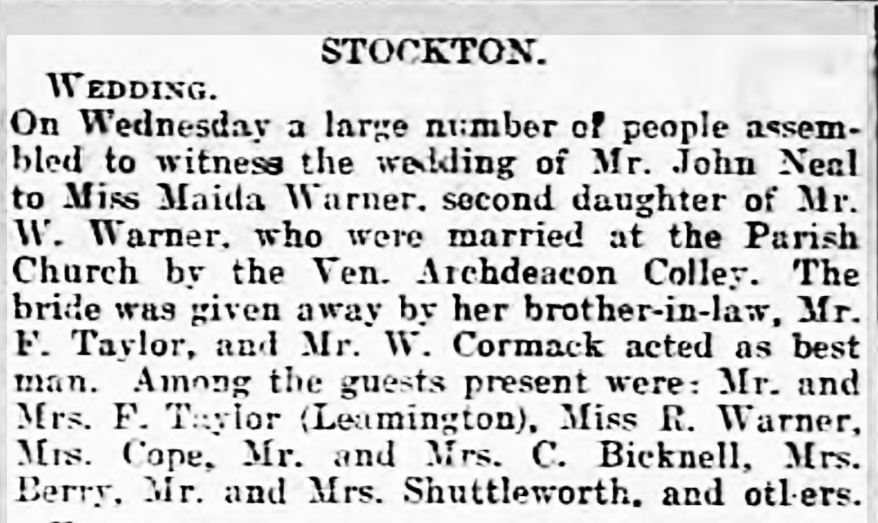
To cut a long story short, the Judge – despite the strange and unexplained matter of the string knotted round the baby’s neck, decided that Maida Warner was guilty of concealing a death, and sentenced her to twelve months hard labour. This story has a happy ending, after a fashion. In December 1906, the local news from Stockton column had this announcement:

Wedding

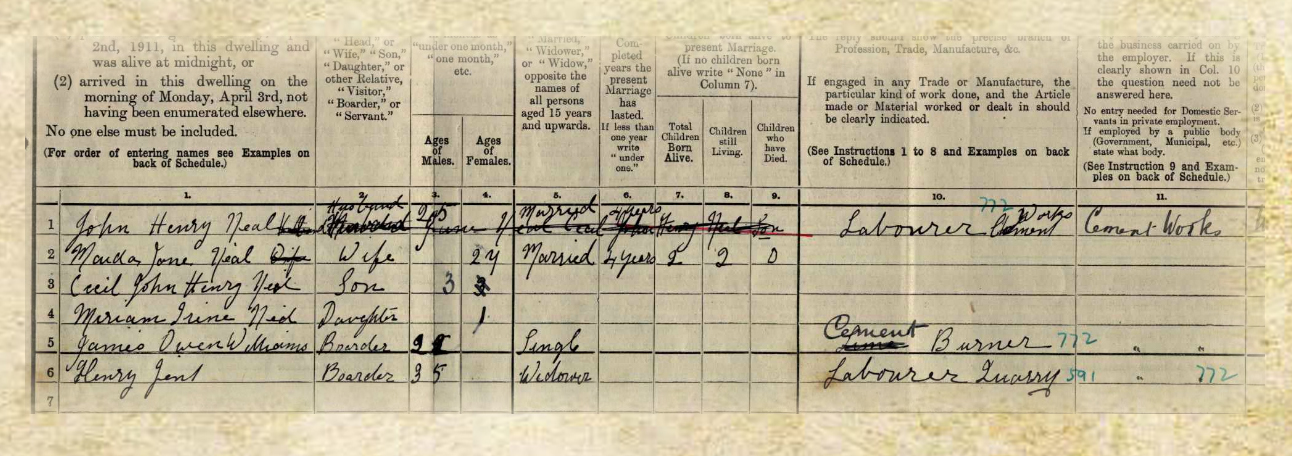
It is good to know that, whatever the truth of what happened on that fateful day at the end of May 1905, Maida went on to live her life in full. The last we see of her, at least in official records, is that in 1911 she was living with her husband in George Street, Stockton.

1911 census

For me, looking back at something which happened over a century ago, it is a curious case, and no mistake. What was the string doing around the baby’s neck? Was it something to do with a young woman giving birth on her own, and perhaps misguidedly remembering – as a country girl –  how calves were hauled from their mothers’ wombs with stout cord? Did the baby have “a separate existence”? We will never know. I believe there are Neals and Warners still living in and around Stockton to this day, and I hope that they will think that I have reported this strange episode with respect and fairness.

DEATH AT SANDOWN VILLA . . . True crime in Leamington Spa (2)

Header

PART TWO

The story so far. It is May, 1905, and 21 year-old Maida Warner, who had been working as a domestic servant for Mr and Mrs Patterson on Rugby Road, has been sent home to her parents in Stockton, after a mysterious medical emergency. Maida has taken the train from Milverton Station and once they are sure she has gone, John and Lizzie Patterson go up to the girl’s room. Let the newspaper report take up the narrative:

“In the bedroom, Mr Patterson found Maida Warner’s tin traveling trunk. It was strapped up, and appeared the same as when she first came to the house with it. There was also parcel of clothes on the top of the box, and on opening it he saw that which aroused his suspicions still further. He took up the tin box to see how heavy it was, and he found it heavier than he expected. On opening he found a lot of underclothing, and moving these he discovered a parcel, wrapped up in an apron and tied with string. He left the parcel on the floor. and from what saw he went and called Mrs. Moffat, a neighbour, and told her of his suspicions. Patterson asked her to examine the parcel and, with his wife, left the room. When Mrs Moffat returned downstairs she informed them that she had found a dead baby.”

Mary Moffat lived with her husband at Cliff Cottage, next door to the Pattersons, and her testimony at a later court hearing chills the blood, even today.

“I went into the servant’s bedroom. Mrs. Patterson pointed out a parcel to me, which I examined. It contained soiled linen, and evidence that a child had been born. I then examined the contents of the tin box. and found a fish basket, tied with string. Cutting the string, I found a parcel fastened with a safety pin and tied round with a necktie. This I also cut, and on unwrapping the parcel saw the body of a child. It was quite blue in the face, but I did not notice whether anything was tied round the neck. I thought the body looked as it had been washed.”

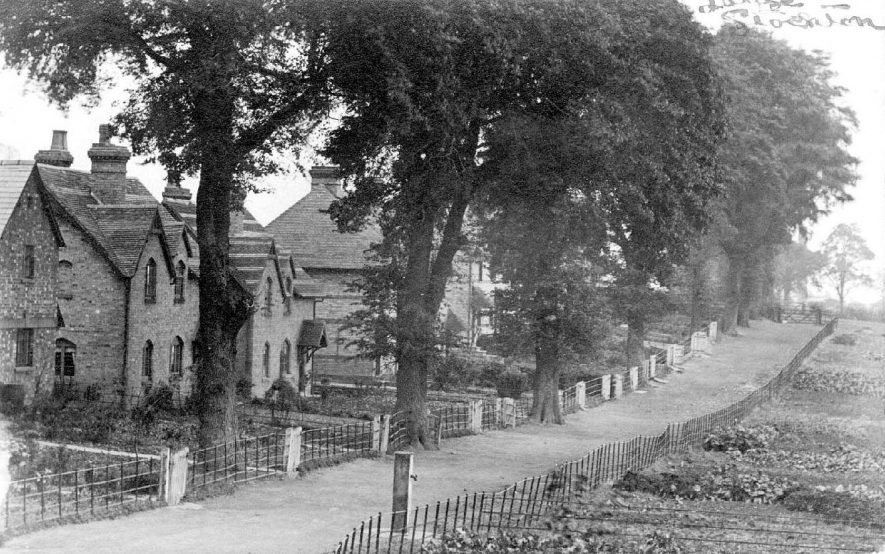
In a state of shock, Patterson sent for the police. Detective-Sergeant Matthews arrived and went into the back bedroom, and there saw two bundles as described by John Patterson and Mary Moffat. The second bundle contained the body of a male child, wrapped in towels and apron. Matthews removed the body to the mortuary, where Dr Rice made a post-mortem examination. The next day, accompanied by Chief Constable Earnshaw, Matthews went to Stockton and saw the girl, Maida Warner, at her father’s house in Elm Row (below).

Elm Row

He took her to Leamington Police Station, and, after cautioning her, charged her with the wilful murder of the male child on or about May 31st. She replied, “I am innocent of that.” When he saw her first at Stockton she was walking about, and he did not notice anything unusual about her. Warner was subsequently removed to the Warneford Hospital, and from there to the Infirmary at Warwick Gaol.

Dr. Rice’s post mortem report to the Coroner at the inquest into the baby’s death makes for grim reading:

“On the evening of June 3rd I saw the body of the child at the mortuary. I made a post-mortem examination on Sunday, and found that it was a male child, fairly well developed, weighing 51bs. 6oz. On Saturday I had come to the conclusion that the child had lived, but had been dead one or two days. I found a string tied three times round the neck, and firmly knotted at the end of the second round, and again at the end the third round. The child’s face was livid, the tongue protruding, and the fingers clenched. The body was wrapped in an apron which was marked M. Warner.

I made the post-mortem in company with Dr. Ross. Decomposition was just beginning. There were two small punctures of the skin on the left of the stomach, such might have been caused a large pin, but they did not penetrate deeplv. The brain was healthy, but congested, and there was good deal of blood under the scalp, which was the natural process of child birth. The heart was healthy and the lungs inflated. I am of the opinion that the child was healthy child, at, or near, full time, that it had lived and breathed freely. The cause death suffocation by strangulation, which might have been caused the cord round the infant’s neck. The child was alive when this constriction was put round it. It was impossible to say that the child was wholly born, at the time it was done.”

THE FINAL PART WILL BE AVAILABLE
AT 6.00pm ON MONDAY 1st MARCH

DEATH AT SANDOWN VILLA . . . True crime in Leamington Spa (1)

Header
PART ONE

Employment options for young women in the England of the early 1900s were pretty limited, especially from poorer households. Educational opportunities for most would have rudimentary, and many thousands would seek work in domestic service in wealthier households, and hope for a reasonable marriage when they had turned twenty or so.

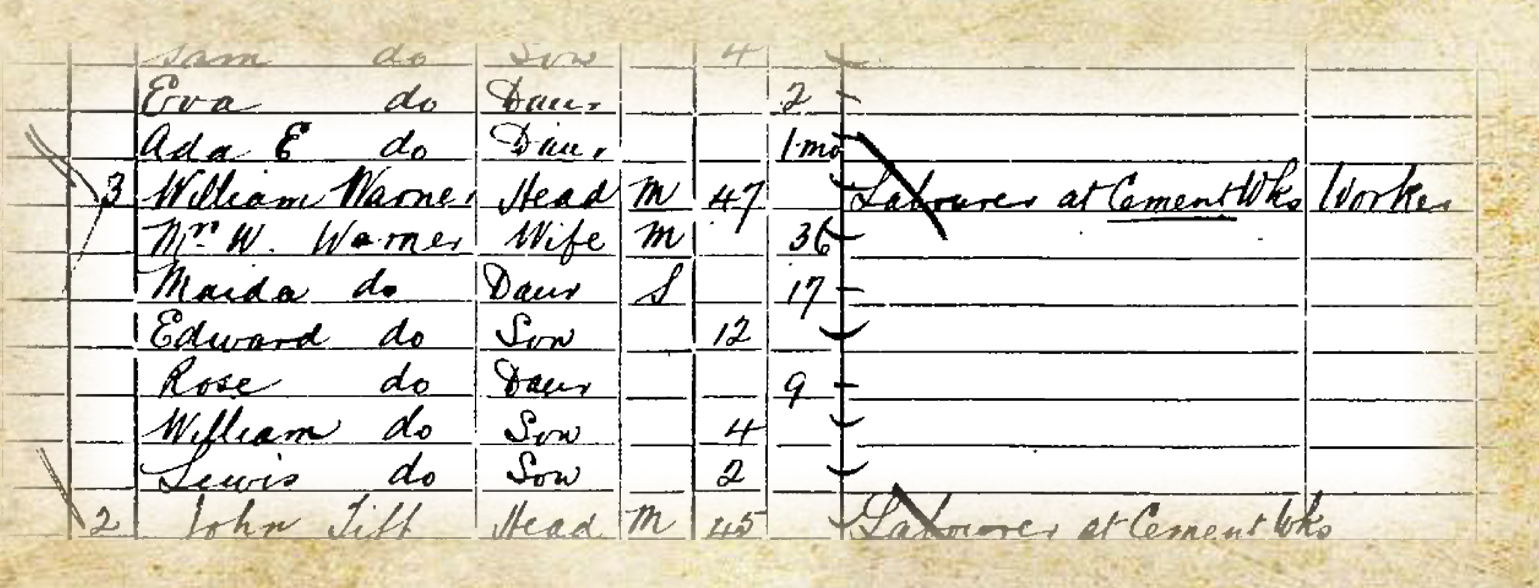
Such a young lady was Maida Warner. In 1905 her family lived in the village Stockton, between Leamington and Rugby. Her father – like many men in the vicinity was employed at the cement works, which was owned by the Nelson family of Warwick. The 1901 census has the Warners living on Beck’s Lane.

1901 census
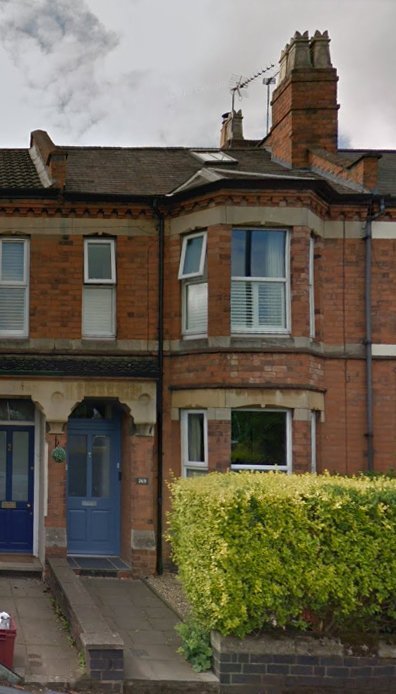
After working for a lady in Coventry, 21 year-old Maida took up a position with Mr John Percival Patterson and his wife Lizzie on 10th May. They lived in the rather grand sounding Sandown Villa, on Rugby Road in Leamington. The house showed up in the 1948 Kellys Directory as No. 251 Rugby Road, but that puzzled me, as the present day 251 is obviously a semi built in the 1950s or 60s. Thanks to some excellent detective work by Steve Hawks we found that there was renumbering of the houses at some stage, and what was named Sandown Villa is the modern day No. 269, and to the left of it in the picture was Cliff Cottage, of which more later.

Sandown Villa
Back to the events of May 1905. Later in the month, having seen plenty of the young lady, the Pattersons began to suspect that Maida might be pregnant. In the rather euphemistic words of a newspaper report, they “became suspicious of her condition”. Lizzie Patterson broached the subject but Maida strongly denied that she was expecting. It rather suggests to me that she was, as they say, “of a fuller figure” as had she been just a slip of a thing it must have been glaringly obvious. On 28th May, Lizzie Patterson again spoke to Maida about the matter, but received the same reply. What happened next was reported fully in the newspapers when Lizzie Patterson (witness) gave evidence in court.

“On the Thursday she did her work as usual, but after tea she complained of a headache and went upstairs. Witness advised her to go for a short walk, but she said she felt too ill. Witness asked her if she wanted anything, and she said no. She went to bed, and just after nine o’clock Witness took her a cup of cocoa. When Witness went into the room she felt sure something was wrong and she asked Warner if she would have a doctor. She declined, but Witness insisted on having a doctor. When she went downstairs she sent for the doctor.

Witness did not hear anything of the girl, and the doctor arrived about 11 o’clock. When the doctor went upstairs the bedroom door was locked and Witness called “Open the door.” Warner replied, “Is the doctor there?” and the doctor then asked her if she was all right. She said “Yes,” and added that she did not want the doctor. She refused to open the door. If she wanted help she would let them know.

Later Witness again went to the door, and Warner then said she was all right. She did not hear anything of her during the night. Next morning Witness sent some breakfast to Warner, and a little later went to her room to see her. She asked her how she was and she said she was very much better. Warner had drunk her tea and had eaten some food. The girl appeared very much better. She remained in bed until Saturday afternoon, but still refused to have the doctor. Witness suggested that she must either see him or go home, and Warner said she would rather home. She walked to the station and went by the 4.10 train.”

time
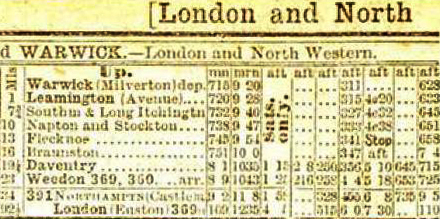
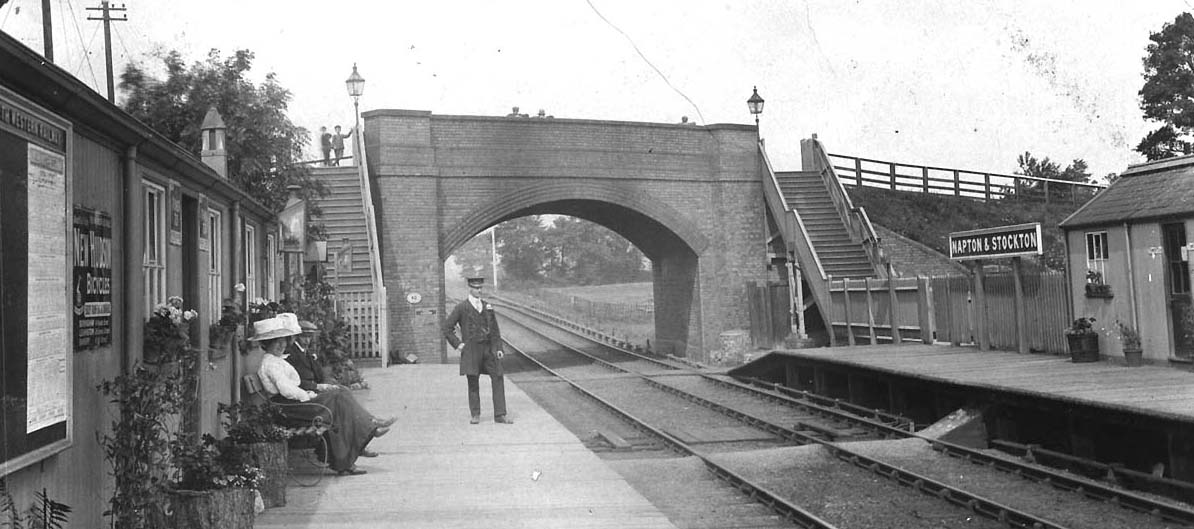
The railway station – Milverton – was literally just around the corner, and from there Maida could take the train – a twenty minute ride on the old London and North Western Railway – to Napton & Stockton Station.

LNW ∑ Napton and Stockton ∑ Warwks ∑ anon ∑ by 10/1910

As soon as Maida had gone, John and Lizzie Patterson went up to Maida’s room. What they found there would haunt them for many a year.

PART TWO WILL BE AVAILABLE AT 6.00pm
ON SUNDAY 28th FEBRUARY

SUFFER THE LITTLE CHILDREN . . . A Warwickshire murder (part three)

Header

THE STORY SO FAR … Fanny Dodd and Joseph Hewitt, two “star-crossed lovers” if ever there were, had a brief relationship in the summer of 1886. The result? A baby girl named Daisy Hewitt Dodd. In April 1887, the body of a baby is found beside a stream. Arrests are made.

MachinThen, as now, criminal cases are first presented at Magistrates’ Courts. On Wednesday 11th May 1887, Charlotte Dodd and her daughter Fanny  appeared at Kenilworth Magistrates’ Court, charged with the wilful murder of Daisy Hewitt Dodd.  The presiding magistrate was Colonel John Machen (left), a distinguished local figure and a surgeon by profession.. His military rank was an honorary one, awarded for his prominent role in raising the 10th (Leamington) Warwickshire Rifle Corps in 1860, becoming its first Captain.

The hearing was a brief one because, for some reason, the court demanded a formal identification of the victim. Consequently, the court was adjourned and a submission sent to The Home Office requesting that the recently interred body of baby Dodd be exhumed. The request was granted, and the poor child had one last, pointless indignity inflicted on her. The next day, the coffin was brought from the ground and opened in the presence of PC Standley and the church sexton. The newspaper report makes for grim reading:

Exhumation

On 18th May, the adjourned hearing reopened, and a bizarre tale unfolded. On the morning of 26th April, Charlotte and Fanny Dodd, carrying baby Daisy, had set out from their Moreton Morrell home to walk to Warwick. They were accompanied for part of the way by an elderly neighbour, a Mrs Wincote. She was told that Fanny was taking the baby to Stoneleigh, where it would be looked after by its paternal grandmother, Mrs Hewitt. The party arrived in Warwick and went to sit in The Castle Arms, where they ate bread and cheese, and drank beer. Not long after they arrived, Fanny Dodds left with the baby, presumably heading for Stoneleigh, some five miles away.

The landlady of The Castle Arms, Elizabeth Hannah Butler, testified that Fanny Dodds returned later on that afternoon, holding a bundle of baby clothes, stating that the grandmother didn’t need them, as she had plenty of her own.

Justice_Wills_Vanity_Fair_25_June_1896The magistrates’ hearing, despite its length, was a formality. Colonel Machen decided that there was a case to answer, and the cavalcade moved on – to the Warwick Assizes to be held at the beginning of August. The presiding judge was Sir Alfred Wills, (right) a Birmingham man whose career defining moment was yet to come,as he would be the judge in the third trial of Oscar Wilde and when the writer was found guilty of gross indecency, Wills sentenced him to two years hard labour.

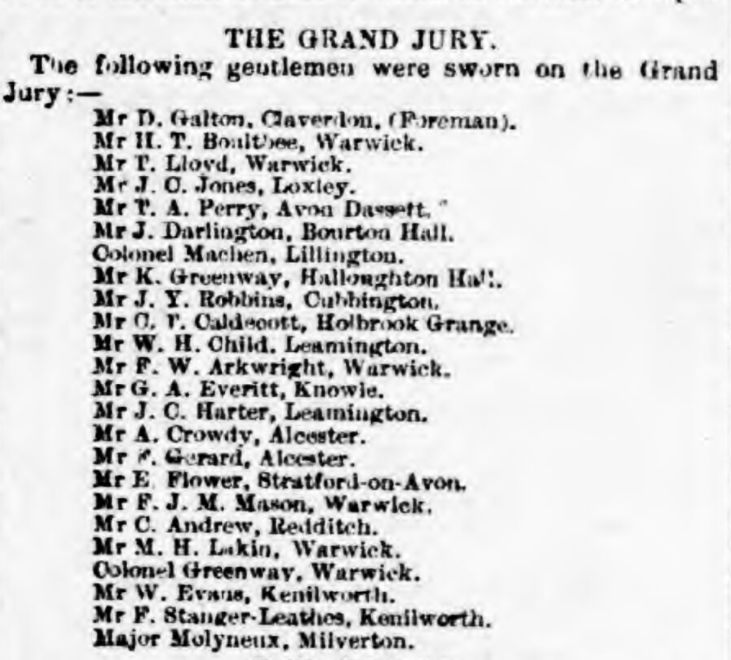
As was customary in those days, the names of the jurors were published in the press, and it is worth noting that among their number was Colonel Machen, who had been the magistrate when Charlotte and Fanny were first brought to court. The press report began in this fashion:
Prisoners pleaded not guilty. Mr Soden with Mr Keep conducted the prosecution, and the prisoners were defended by Mr Hugo Young, with whom was Mr Cartland. The Court was crowded and much interest was excited by the case. The younger prisoner, whose appearance is somewhat prepossessing, apparently felt her position keenly. Mr Soden, for the Crown, having given an outline the facts of the case, adduced the following evidence :”

Jury
The evidence was provided by the old lady who had walked into Warwick with Charlotte and Fanny on that fateful morning, the landlady of The Castle Arms, Joseph Hewitt and his father and, of course the police. The principle argument by the defence counsel was that Fanny, pausing at Wootton Court Bridge, had accidentally killed the baby by dropping it and had then panicked. Mr Young stated:

If that occurred  – and he submitted it was a most probable inference – it was only natural that the girl, with no one to advise her what do, should take means to hide the body, in order that she should not be charged with having intentionally killed the child. In the fear which was then upon her, it was a likely thing that she would take off its clothes so as not to leave any traces of identity. If it was her intention to have killed the child, he submitted that it would be improbable that she would go to Warwick, where she would be seen by many people, or that she would go far in the direction of Stoneleigh.

It was far more probable that she would have disposed of the body in another direction, without running the great risk of going to Warwick. After the occurrence he had described, the girl, upon getting home, told her mother all the had happened, and it was quite natural that the mother, in her endeavour to shield her daughter, would support her story.”

Another bizarre possibility was raised, and it was that Daisy had been killed in Moreton Morrell, and then carried into Warwick and on towards Leek Wootton. This was inferred from the fact that neither the old lady who accompanied them nor the pub landlady never once heard the baby cry or witnessed it being fed. The judge, in a lengthy summing up hinted that there was no evidence that Charlotte Dodd had done anything except cover up for Fanny which, as a mother, would be perfectly understandable. The Leamington Spa Courier reported the dramatic conclusion to the trial:

“The jury then retired their room, and were absent about half an hour. Upon their return into Court, and in answer to the usual question put the Clerk of Arraigns, the foreman said they found the younger prisoner, Fanny Goldby guilty, but strongly recommended her to mercy. They found the elder prisoner Dodd not guilty. The prisoner Goldby then stood with the assistance of the gaolers, and the Clerk of Arraigns (Mr Coleridge), who exhibited much emotion, put the formal question as whether she had anything to say as to why she should not die, according law.

The prisoner upon hearing this screamed in the most agonizing manner, and threw herself upon the floor the dock. She was held upon her feet by the gaolers and surgeon (Dr. Browne), and the Judge, having assumed the black cap, said: “Fanny Goldby, you have been found guilty of the crime of wilful murder. The jury recommended you to the mercy of the Crown, and that recommendation shall be conveyed to the Secretary of State, but I am bound say there is little except your youth to justify that recommendation, for it was a cruel murder of an unoffending child. There is but one sentence for this crime, and it is that you taken hence to the place from whence you came, and thence to the place of execution, and there hanged by the neck till you are dead and your body buried within the precincts of the gaol. May the Lord have mercy your soul.” The prisoner uttered several loud screams during the sentence, and was removed from the dock in a fainting condition.”

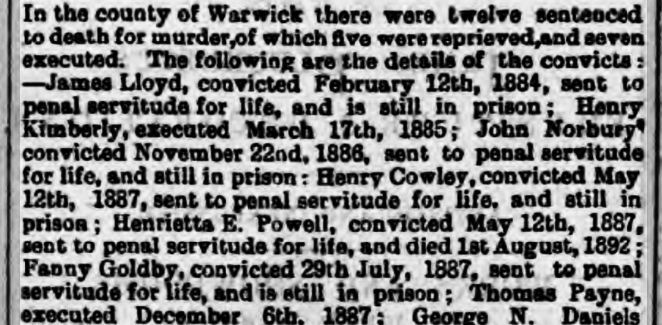
An application for clemency was sent to the Home Secretary, Henry Matthews, and Fanny was spared the death sentence, but was sentenced to penal servitude for life.

AFTERMATH

The sorry affair raises several questions that remain unanswered. Firstly, why was Fanny calling herself Goldby? She may have assumed the name when she fled to Birmingham, but one would have thought that the authorities would have insisted she revert to her maiden name during the legal process. Secondly, if Daisy was killed intentionally, what was Fanny’s motive? She had every reason to believe that Joseph Hewitt would continue his support for his daughter, and up until the fateful day there was every sign that the baby was loved and looked after – Fanny had even taken Daisy to the vaccination clinic. Thirdly, where did the baby die? It seems improbable that the two women would have carried a corpse all the way to Warwick and beyond, but for a normal baby to be silent for the duration of the six mile walk, and then still show no signs of life while the women had lunch in the pub is, at the very least, strange.

As to what became of the people in this story, we know that in 1891, Fanny was in the female prison at Knaphill near Woking, After that, apart from one mention, she goes off the radar. The Dodd family were still in Moreton Morrell

Prison

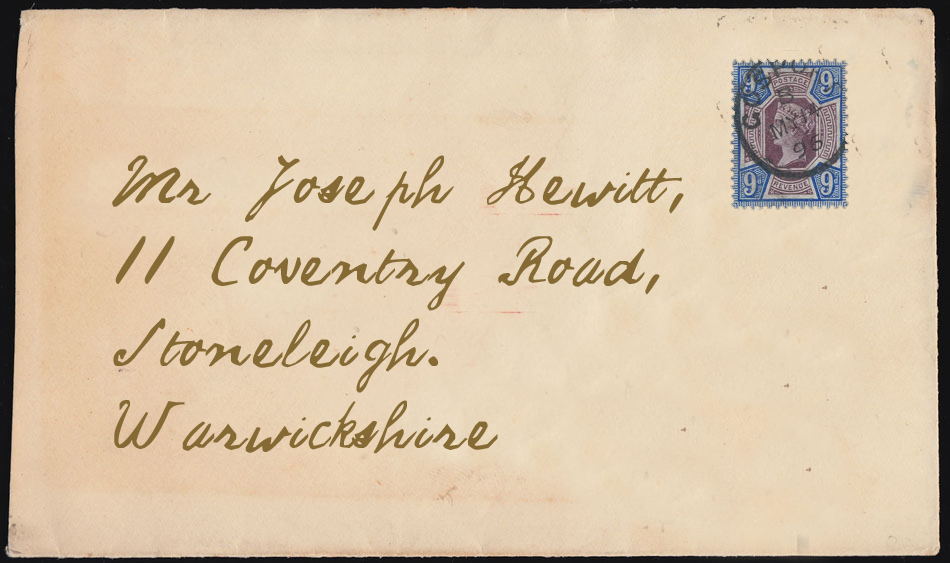
in 1901, but not in 1911. In 1901, the Hewitts still kept the shop in Stoneleigh, but Joseph had left home, destination unknown.

Courier

18932

18931

SUFFER THE LITTLE CHILDREN . . . A Warwickshire murder (part two)

Header

THE STORY SO FAR . . . It is the spring of 1887, a young woman from the Warwickshire village of Moreton Morrell, Fanny Dodd, has given birth to a baby girl. The child, registered as Daisy Hewitt Dodd is, in the parlance of the day, illegitimate. The father, Joseph Hewitt, a baker from Stoneleigh has accepted that the child is his, and has sent money by post to Fanny to help with the child’s upkeep.

On the morning of 26th April a man named Thomas Hoare, of Chesham Place, Leamington Spa was on the road between Warwick and the village of Leek Wootton. He was described in the press as a hawker – someone who sells items from place to place. By the very nature of the job, the goods have to be carried, and Hoare paused to rest, perching on the parapet of a little bridge, under which ran a small stream. He often used the spot to rest his legs on his journey from Warwick to Kenilworth, but out of the corner of his eye he noticed something unusual. Lying at the edge of the stream was what appeared to be a small bundle. When he took a closer look, Hoare was shaken to the core when he realised that it was the body of a baby.

Hoare alerted two other men who were on the road, and they went to find a policeman. First on the scene was a PC Fletcher, and he later stated that the dead infant wore only a nappy and a little shirt and, incongruously, was wrapped in brown paper. Two days later a Kenilworth surgeon, Mr Clarke conducted a post mortem examination. An inquest was held the next day at The Anchor inn in Leek Wootton. He found:

“…the child to be about five or six weeks old. It was not a particularly small one. He examined the body externally, and found that the child had thick dark hair. was well nourished. Upon feeling over the head, he discovered the symptoms of a fracture of the skull, and there was discolouration around the right eye, and opaqueness of the pupil. The discolouration was something like a bruise. There was no evidence to show that the child had been drowned. He took off the skull, and found extraverted blood. The fracture was about four inches in length and two in breadth. It involved two bones – the parietal and temple bones, and extended from the right eye. He removed the bones at the seat of the fracture, and found effusion of blood on the brain.

The fracture was sufficient to cause death. He was of opinion the fracture was caused during life, because there was the effusion of blood. At that time he formed an opinion that the child had been dead only a few hours, as it presented such very fresh appearance. It was quite possible for child to been there four or five days during that cold weather without decomposing. Judging by the appearance of the child, and the cold weather, he was now of opinion that it might have been dead four or five days.”

Anchor

The child – its short life ended – was  buried in the churchyard at Kenilworth, but for the police this was just the beginning. There was only one clue as to the possible identity of the child. On the brown paper were written the words “Dodd, passenger to Milverton Station”. Contemporary archives shed little light on the police investigation, or how they made the connection to the Dodd family in Moreton Morrell, but we know that on 5th May Sergeant Alcott and PC Standley visited the cottage. They found Charlotte Dodd, aged 47, and asked her if she had a daughter with a baby. Mrs Dodd answered in the affirmative, but said that her daughter had moved away, taking the child with her.Mrs Dodd was arrested and taken into custody.

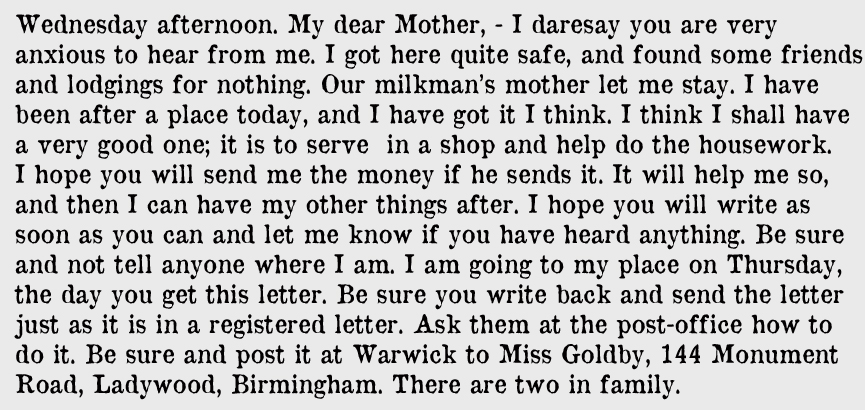
The police searched the cottage and found brown paper identical to that which had been used as a makeshift shroud for the dead baby. Crucially, they also found a letter, which the newspapers later printed:

Letter2

Sergeant Alcott In company with Detective Baker, went to 144, Monument Road. Birmingham, and found Fanny Dodd, now calling herself Goldby. They went outside together, and Alcott asked her if her name was Fanny Goldby, and if she had been living at Moreton Morrell, and she replied
“Yes.”
He also asked her she if had had a child about six weeks ago and she replied,
“About two months ago, sir.”
He asked her where the child was, and she replied,
“Morton Morrell.”
He then told her he should charge her with the murder of the child on or about the 20th April, and she made no reply. He then took her into custody, and brought her Kenilworth. After the remand at Milverton, he took the prisoner her to Warwick Gaol in a cab. She said,
“How long have I got to stay here, sir?”
Alcott told her that she would stay in gaol until the magistrates’ hearing the coming Wednesday. She then said,
“Do you think they will hang me? “
He replied,
“I can’t say.” 

IN PART THREE

An exhumation
The law takes its course
Unanswered questions

SUFFER THE LITTLE CHILDREN . . . A Warwickshire murder (part one)

Header

In 1870-72, John Marius Wilson’s Imperial Gazetteer of England and Wales described the Warwickshire village of Moreton Morrell like this:

Screen Shot 2021-01-19 at 18.43.38

The 1881 census records that living in a cottage on Morrell Farm in the village were the Dodd family.

Census

Just six years later, Charlotte Dodd and her daughter Fanny were to be the central figures in a murder case which shocked the country. Fanny Dodd was evidently something of a beauty. In the court case which decided her fate she was described thus:

“The younger prisoner, whose appearance is somewhat prepossessing….”

By 1886, Fanny had taken a very common career route for young women from poor backgrounds – she went into service. Wealthy families had servants, and the Trueloves of Stoneleigh – a village between Leamington and Coventry – were no exception, and Fanny was their domestic servant. Stoneleigh is the site of a Cistercian abbey, but it suffered the fate of so many similar institutions at the hands of Henry VIII. The Leigh family had acquired the site in 1558, and in the eighteenth century, a grand house was built on the site, and Benjamin Truelove was a tenant farmer of the current Lord Leigh.

Stoneleigh had a Co-operative Stores, and it was managed by William Hewitt. His son, Joseph, had learned the bakers’ art, and had a comfortable life in the family home. At some point in 1886 the 18 year-old lad had come into contact with Fanny Dodd, a couple of years older than he, and something of a beauty. Evidence given at Fanny’s trial suggests that on Whit Sunday  – 13th June – the pair had gone for a walk together, and somewhere near Pipe’s Mill – a water mill on the River Sowe – one thing had let to another, and the couple had, well, coupled (please feel free to substitute your favourite euphemism).

Getting pregnant was certainly not in the job description of domestic servants in Victorian times, so at some point later in 1886 Fanny returned to Morton Morrell. On 8th March, 1887, Fanny gave birth to a healthy girl. The child was duly registered, and her name was Daisy Hewitt Dodd.

At this point there was no evidence to show that Fanny Dodd had any feelings other than love for her daughter. Indeed, records showed that she had taken Daisy to nearby Wellesbourne to be vaccinated – probably against snallpox.

On 15th March, Fanny sent a letter to the young man she believed to be the father of her child.

Morton Morrell, 15th March.

Dear Joe
l dare say you will surprised hear that I was confined last Tuesday—a little girl. Of course it has come from last Whitsunday, when of course you know what took place by Pipe’s Mill. It comes exactly from that time. At least I know it belongs you, because there has not been any transaction between me and any man since I went with you then. Dear Joe, I hope you will come to some arrangement. Once, when you asked me, I said not, but I did not know for certain then, but I knew before I left Trueloves for I had gone half my time nearly when I left her. I hope you will either have me or come to some pairing arrangement without going to any further trouble. I ought to have written to you before now, but I kept it from everyone, not even my mother knew I was in the family way until the child was born on Tuesday. I am very weak and can scarcely scribble this letter. I ought to have written to you before. I very sorry it ever occurred. I think the child will own you anywhere. It is a strong healthy looking baby, and likely to live. I think have told you all at present. Believe me, yours sincerely Lizzie, or, as they call me, Miss Dodd.

letter

Joseph Hewitt was evidently not prepared to settle down to married life. A couple of days later, he replied. The substance of what he wrote was never recorded, but one can guess what he wrote, judging by Fanny’s reply:

Mr J. Hewitt – I am writing to thank you for the money that you sent me, which I received quite safe last Tuesday morning, but I was quite surprised at the abusing letter you sent me: and as to saying the child belongs to Charley, that quite untrue, for I am quite sure it belongs to you, and if you do not continue to pay the money I shall swear it on you, because I have things against you to show plain proof. You know you bought me gin and came to meet me with it, but I didn’t take it. and then you sent me that 10s. That has done it at once if I was to swear you. I shall be sure to get pay, for Lord Leigh only asks the girl a few questions and if I tell him you cannot get over it, and it will be nothing but the truth. The time will tell anyone; it comes from Whit-Sunday, at least. I never had any dealings with anybody else, and if old Joe says he can prove it, I should like him to do so. And as for my carrying on here with chaps, I have only spoken to one since I left Stoneleigh. I can get that proved by the people at Moreton Morrell, and can get it proved that those people that told you are very great liars. If they were to look at home and themselves, they have no room to talk about me, and as for you calling me a prostitute, I think you had better mind, or I shall come over and see you and some one else too. I shall expect to hear from you again on the eighth of next month, or I shall swear it was you. The child belongs to you. I should never have said it was yours if you did not get me into trouble, and now you must help me to get out it. People were great liars to say we knocked French’s wheat down, and if we had, the child did not come from that, but we did not. F. Dodd.

Several truths emerge from this exchange. Firstly, Fanny and Joe had enjoyed a brief but tumultuous sexual relationship. Secondly, Fanny had what we might call something of a reputation – she was clearly a very attractive and passionate young woman. Thirdly, Joe Hewitt had been swept off his feet but, while being prepared to send money for the upkeep of his daughter, saw no future in a long term relationship with Fanny Dodd.

IN PART TWO

A gruesome discovery…
A brown paper clue
A trip to Birmingham


THE MADNESS OF GEORGE TIMMS . . . Part Two

Timms Header

With his father behind bars awaiting trial, the melancholy task of burying his mother fell fell to Henry Timms As the newspaper report suggests, there was a great deal of public interest in the poor soul’s demise.

“The funeral of the murdered women took place on Monday afternoon, when the remains were interred at Borough Cemetery. A large number of people gathered in the neighbourhood of Charles Street, and stood in groups near the house where the unfortunate women met her death. The body had been enclosed in an elm coffin with black mountings, and a brass plate bearing the following inscription. “Harriet Fanny Timms, born 10th May. 1835. Died 19th January. 1888″ A single wreath of flowers had been placed the coffin. The mourners were the deceased’s son. Henry, his wife and sister, and two other relatives, who were accompanied by two friends of the late Mrs Timms. The least frequented route was taken, but by the time the hearse and coach had arrived at the cemetery a considerable crowd had assembled in the vicinity of the grave. After a short service in the Church, the coffin was borne to the where the last offices were performed by the Rev Scarborough, Wesleyan Minister of Warwick. Directly the ceremony was over the, sexton proceeded to fill up the grave, and the crowd dispersed.”

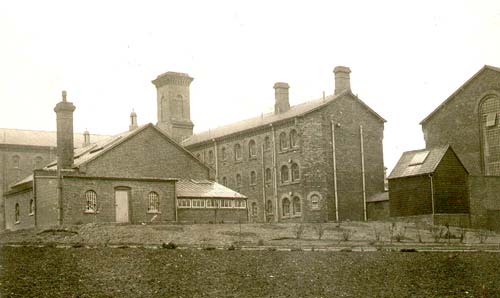
With there being no doubt at all that George Timms had battered his wife to death with a fire brick, the police and prosecutors were left to ponder the exact state of the man’s mind. He was being held in Warwick Gaol on Cape Road (below), and the poignant scene when he was visited there by his son and daughter-in-law was described with a great sense of melodrama by the local papers, although how on earth they knew the details, I cannot imagine. It is hardly likely that reporters were present, but who knows?

outside-of-prison

“In an interview with his son and daughter-in-law at Warwick Gaol on Thursday afternoon, Timms is described as having been prostrated in grief, and when questioned by his son as why he killed the deceased, he repeated his former declaration that he could give no explanation whatever. He paced up and down the cell, wringing his hands and said:

” Poor soul, do you think I’d knowingly have hurt a hair of her head?”

“When somewhat calmer he inquired whether his wife’s funeral was over. and also asked several questions relating domestic matters. During all this time he seemed comparatively cool and collected in his manner, but before the close of the interview he lapsed into the condition of melancholy and indifference which has occasionally characterised him since has been in prison.”

“When he had recovered himself, his son and daughter-in-law – the interview having terminated – shook hands with him, and wished him good-bye. He then cried bitterly again, and it was some time before he could be pacified. The prisoner, it is said, looks much thinner, and has a most careworn appearance.”

Timms appeared before Warwick Magistrates – the Mayor (Councillor S. W. Stanton), Major Mason, Mr Baly, and Mr James Baly – and was represented by Mr Boddington who, on the behalf of the prisoner, pleaded “not guilty”. The grim litany of events on that January night was put before the court, and in just under tow hours, George Timms was declared guilty of his wife’s murder, and the case transferred to the next Warwick Assizes.

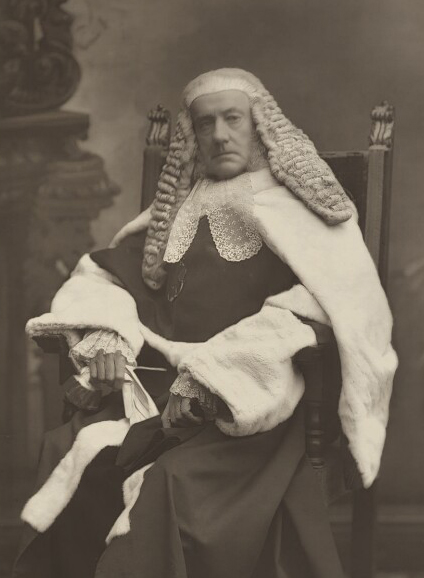
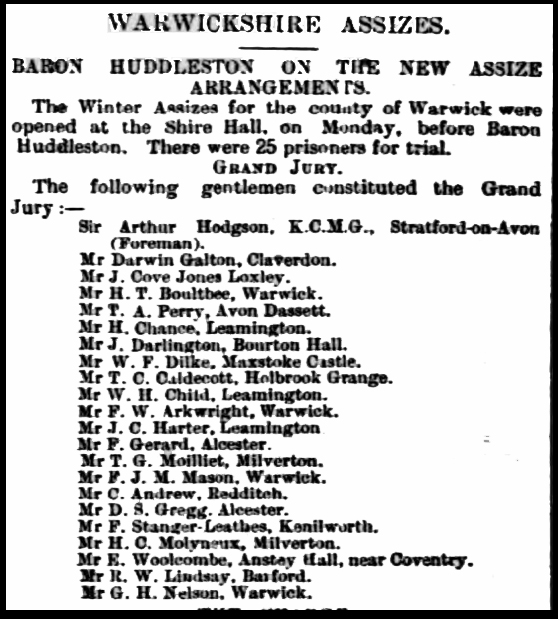
HuddlestonThe March Assizes was presided over by a distinguished judge, Baron Huddleston, (left) and, unlikely though it may seem to us today, the names of the members of the jury were published in the newspapers, complete with names and addresses. Look at the bottom of the list, and you will see the name of a Mr G H Nelson. We will never know, but this could be one of the family who not only employed Timms for a number of years, but built the cottage in which he battered his wife to death. Judge Huddleston, incidentally, was in very poor health, and would die the following year at the age of 75. As his formidable appearance might suggest, Huddleston was was opinionated and unafraid to exert a strong influence on juries. He was reputed to wear colour-coded gloves to court: black for murder, lavender for breach of promise of marriage and white for more conventional cases. In this instance, however, he was quick to agree to the request by Timms’ defence team, that the case should stand over until the next Assizes so that a more detailed report into the prisoner’s mental health could be presented.

Jury

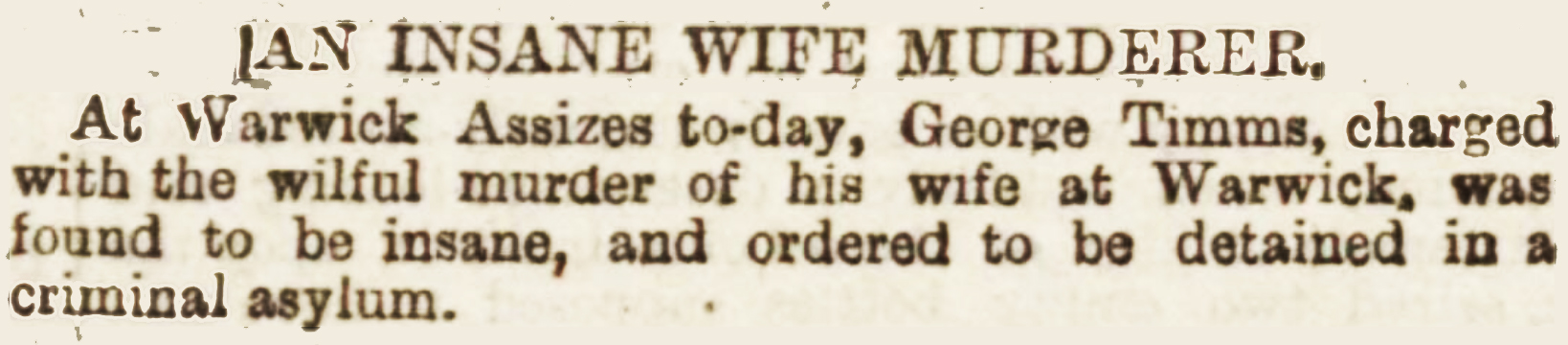
When the next Assizes came around, at the end of July, sufficient medical evidence had been gathered to convince both judge and jury that George Timms was not of sound mind. He was, of course convicted of murder, but his sentence was that he should be detained as a criminal lunatic. In a headline that modern day tabloid papers would be proud of, the verdict was announced to the world.

Headline

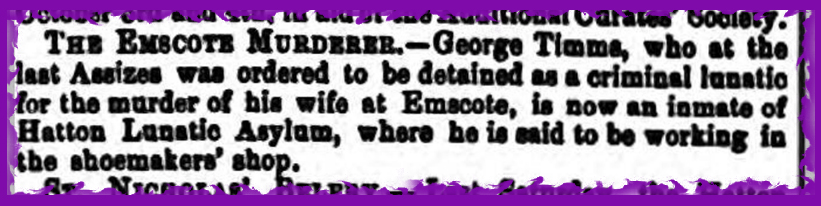
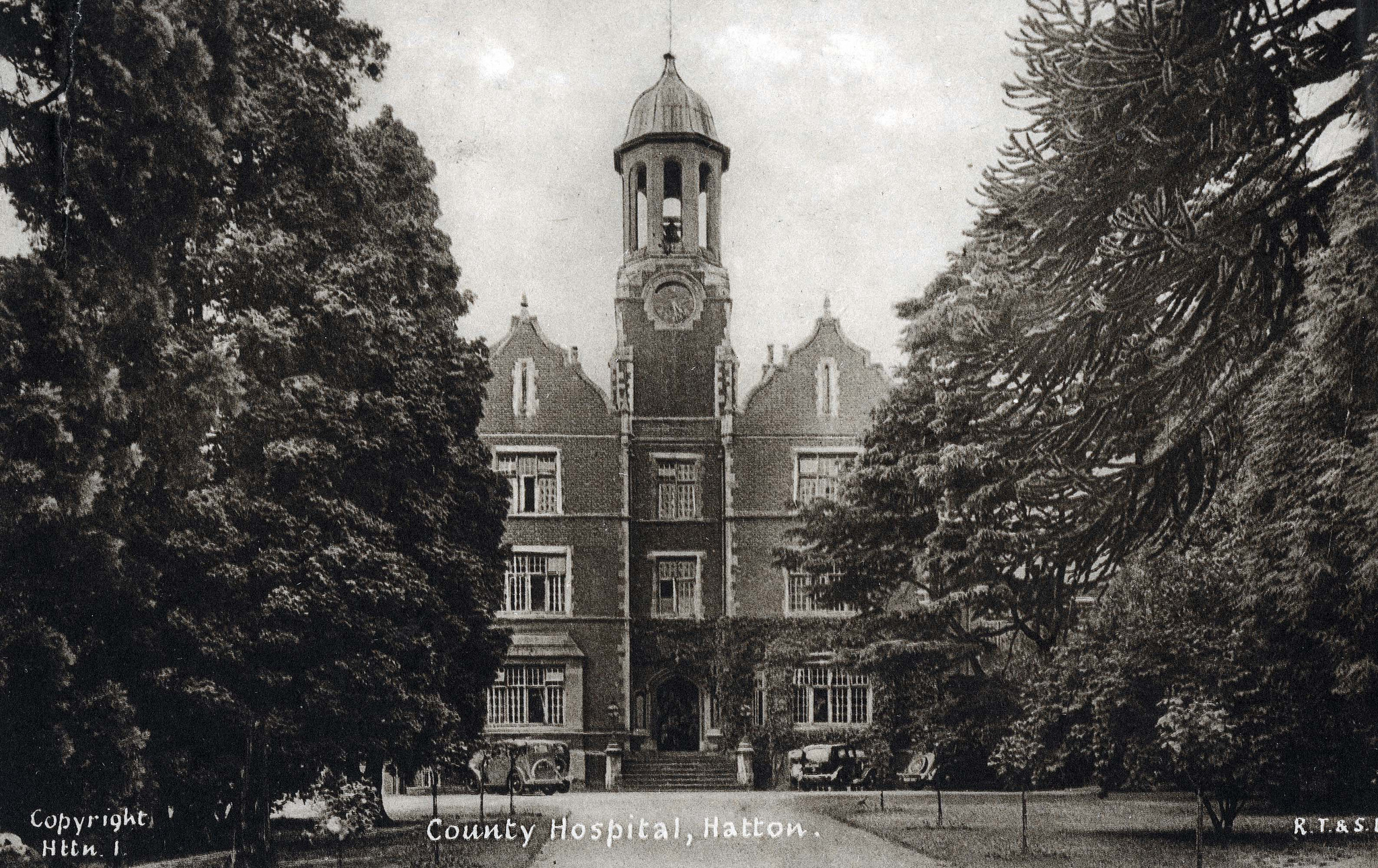
The nearest asylum to Warwick was, of course, the brooding mock-Tudor hulk of Warwick County Lunatic Asylum at Hatton, which opened in 1852. It was renamed Warwick County Mental Hospital in 1930, changed its name to Central Hospital in 1948, and finally closed in 1995. I have an personal interest, albeit, a rather gloomy one. My great grandfather, Richard Prestidge, died there in 1909 at the age of 48, of what was termed General Paralysis of The Insane. We now know it as terminal syphilis, so I suspect that my ancestor had been something of a bad lad in his youth. His youthful indiscretions had a fatal consequence, sadly, in those pre-antibiotic days. As for George Timms, it was later reported that he was a resident of Hatton, happily engaged with a new skill, that of a shoemaker.

Footer

Hatton

Blog at WordPress.com.

Up ↑