

Suspected war criminal Hannibal Strauss, a mercenary suspected of war crimes in Libya, Cambodia and elsewhere, is in custody near The Hague awaiting trial before the International *Criminal Court. The wheels of international war crimes justice grind extremely slowly, and as lawyers jostle for position, there is a terrorist outrage in the Netherlands capital. Gunmen open fire on a crowded square, the Grote Markt, killing not only individuals connected with the impending court case, but dozens of random civilians, too. One man involved in the Strauss case, Kon Frankowski, escapes and goes on the run.
*Factual note: the International Criminal Court (ICC) is separate and different from the International Court of Justice (ICJ). The ICJ is part of the United Nations, and investigates countries. The ICC investigates individuals, and is recognised by some – but not all – countries, a notable exception being Russia. Very few people have been convicted and jailed by the ICC, one being Charles Taylor, the former leader of Liberia. A third and unconnected organisation, the International Criminal Tribunal for the Former Yugoslavia, did convict and jail Radovan Karadžić and Ratko Mladić, while Slobodan Milošević died while his trial was in progress.
The mastermind behind the slaughter is an International terrorist known only as The Monk. His organisation has its roots in a pro-Tsarist resistance movement known as the Mladorossi. It has evolved over the decades, but remains a massive threat to international security.
Answering the call to investigate the Grote Markt massacre are Joe Dempsey, and agent with the (fictional) International Security Bureau, and his partner, criminal barrister Michael Devlin. They seem an unlikely pairing, to be honest. Dempsey is Special Forces trained, has killed many men in the course of his job, while Devlin is undoubtedly clever, but I’m not sure what his interlocutory skill brings to the table outside of the interview room. Hey ho, though, it’s a novel, so let’s run with it.
The reason why Frankowski is at the centre of this is that he was money-launderer-in-chief to Hannibal Strauss, and the Hungarian mercenary has entrusted Frankowski with a list of all Russian Mladorossi agents and how they are embedded across the world. This list – in the right/wrong – hands would almost certainly be the end for The Monk and his machinations. Joe Dempsey, however, has a rather delicate personal connection to Frankowski. Frankowski’s wife Maria is the former lover of Dempsey, who reluctantly ended the relationship because of the danger his work would bring to them if they became a family.
While Dempsey and Devlin are on the ground in the Netherlands, Agent Eden Grace – Dempsey’s ISB protégé, is handling things in America, and it is there that Maria Frankowski and her children have gone into hiding, as they have become an pawns in the violent chess game which seeks to find Kon Frankowski and the fatal list.
In all good spy thrillers, we must never take the author’s word that people are who we are told they are, and The Shadow Network is no exception.The Monk is hiding in plain sight, and neither we – nor Dempsey and Devlin – have a clue as to who he really is. This is a thoroughly entertaining thriller with fight scenes so real that just reading them may necessitate a visit to A & E with sympathetic wounds and trauma. It is published by Elliot and Thompson and will available on 15th February. Tony Kent, by the way, is that most unusual of pairings – a criminal barrister and heavyweight boxer. Cross him at your peril!





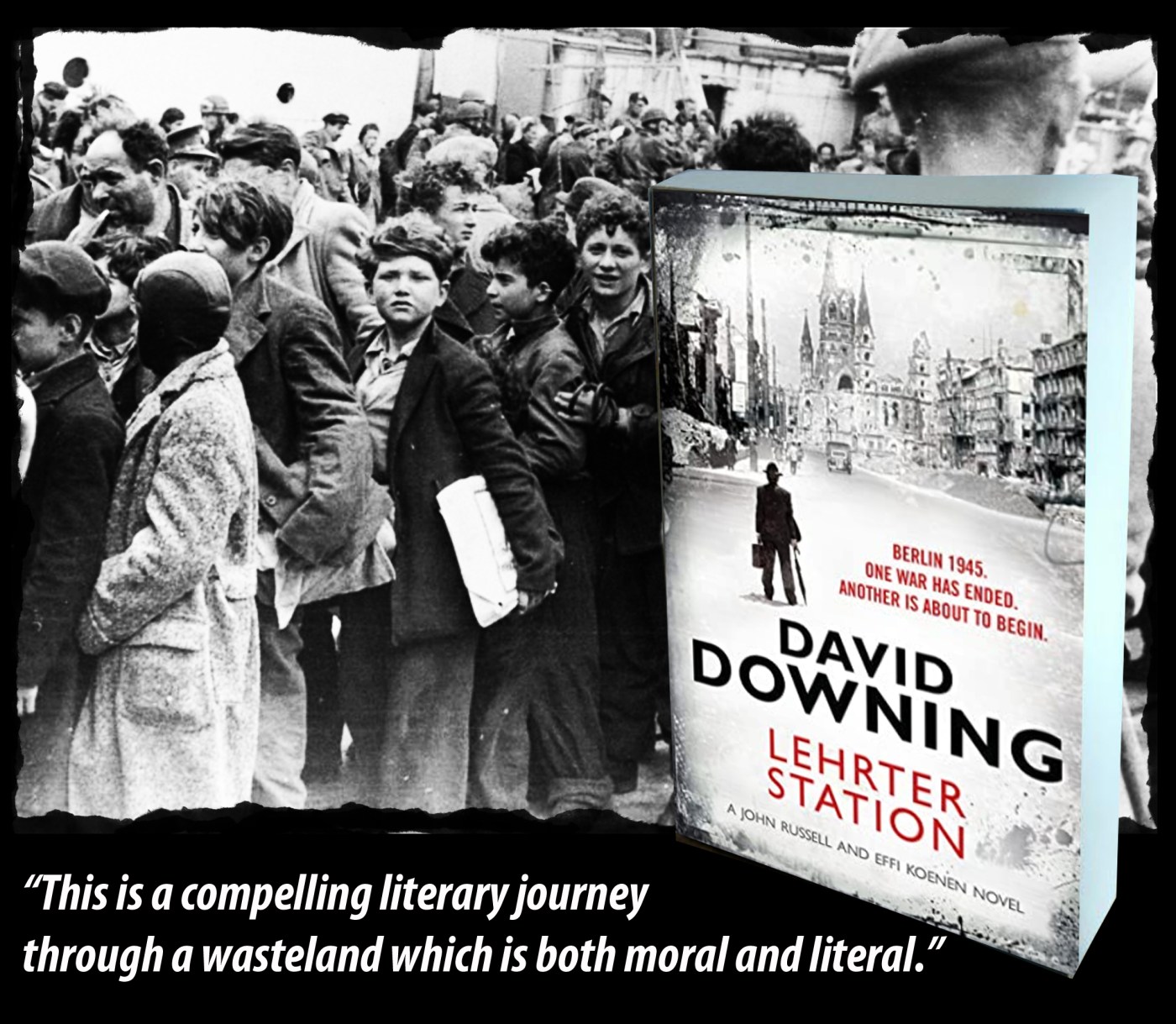




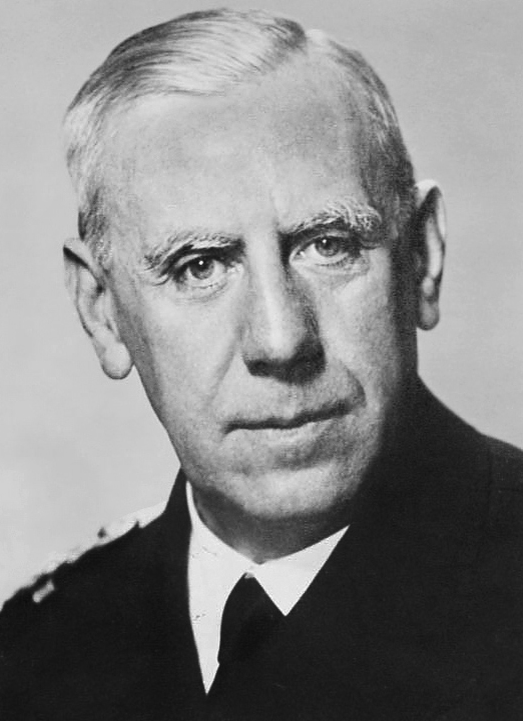 Gunther is on nodding terms with such Nazi luminaries as Joseph Goebbels, Rheinhardt Heydrich and Arthur Nebe. In contrast, John Russell operates well below this elevated level of the Nazi heirarchy, although he references such monsters as Beria and Himmler, and does have face to face meetings with Wilhelm Canaris, head of the Abwehr (left).
 Gunther, in contrast, has known nothing but trauma in family terms. His wife dies in tragic circumstance and then his girlfriend – whi s regnant with his child – dies in one of the most infamous acts of WW2 – the sinking (by a Russian submarine) of the Wilhelm Gustloff in 1945. This account, detailed in The Other Side of Silence (2016) is, for me, the most compelling part of any of the Gunther novels:

 Some writers who have authored different series occasionally allow the main characters to meet each other, provided that they are contemporaries, of course. I’m pretty sure that Michael Connolly has allowed Micky Haller to bump into Harry Bosch, while Sunny Randall and Jesse Stone certainly knew each other in their respective series by Robert J Parker. Did Spenser ever join them in a (chaste) threesome? I don’t remember. John Lawton’s magnificent Fred Troy series ended with Friends and Traitors (2017), and since then he has been writing the Joe Wilderness books, of which this is the fourth. I can report, with some delight, that in the first few pages we not only meet Fred, but also Meret Voytek, the tragic heroine of A Lily of the Field, and her saviour – Fred’s sometime lover and former wife, Larissa Tosca. As an aside, for me A Lily of the Field is not only the best book John Lawton has ever written, but the most harrowing and heartbreaking account of Auschwitz ever penned. Click the link below to read more.




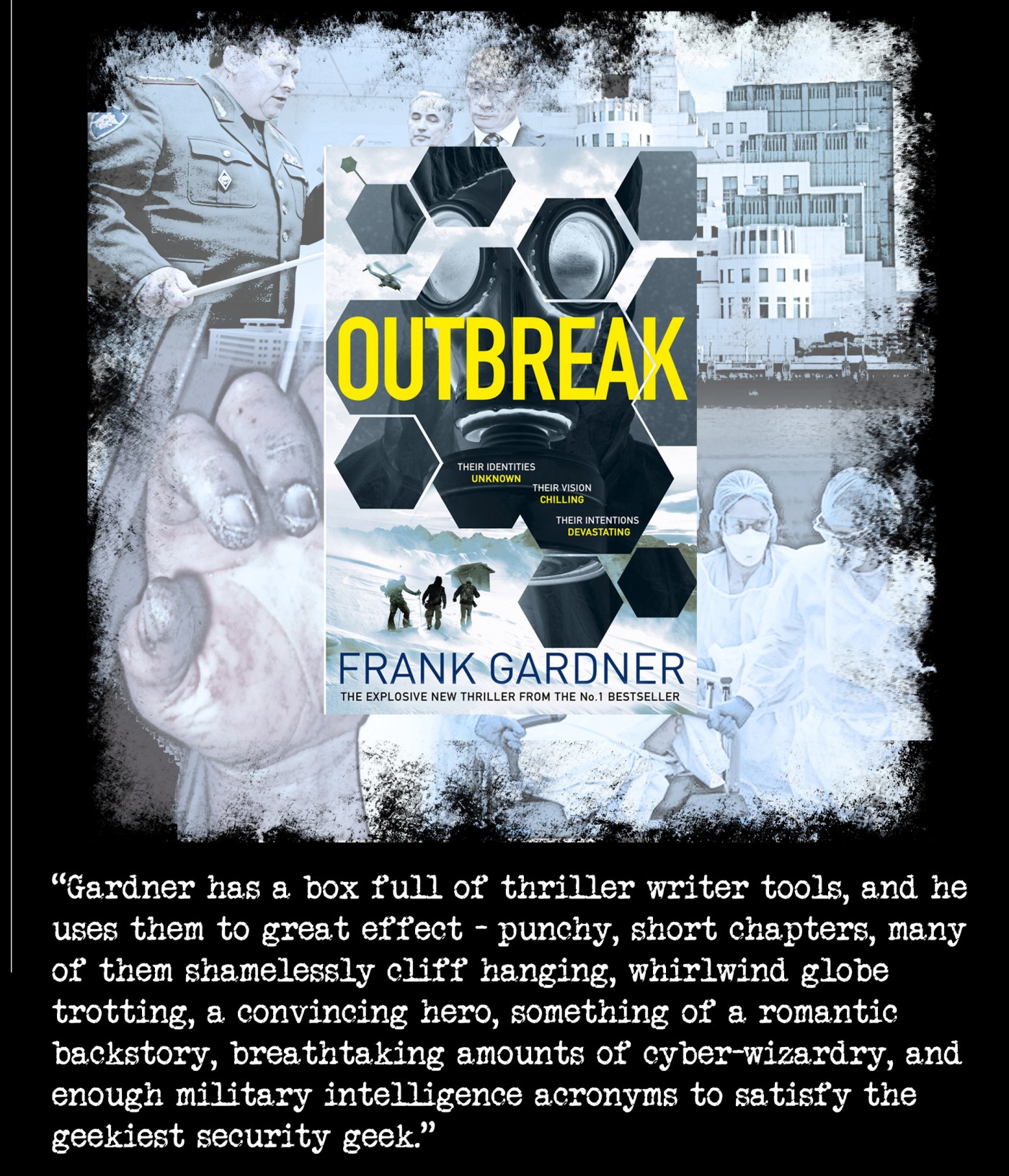

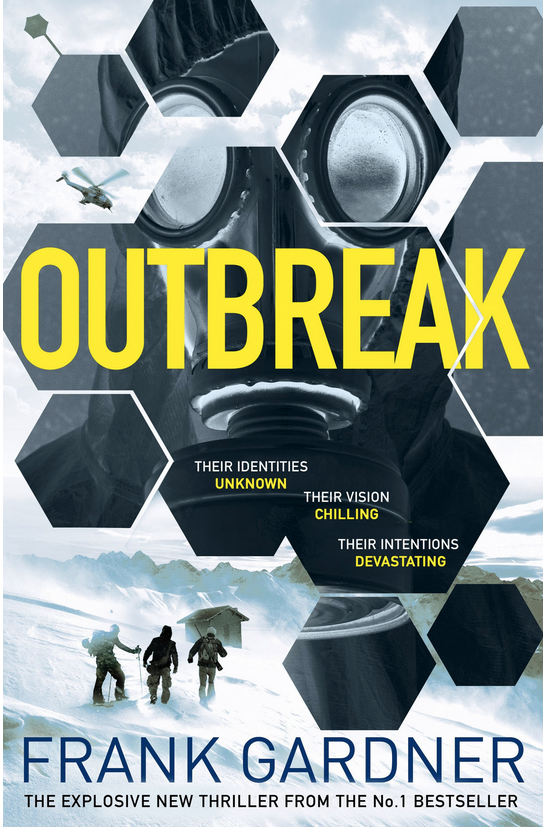 That, then, is the Aliens moment. Events move with terrifying speed. Mackenzie is airlifted back to England and isolation and the wheels of government and the intelligence agencies begin to whirr. Given that there is a large Russian presence in Svalbard, ostensibly for mining operations, the fingers of guilt begin to point towards Moscow, particularly when the virus is found to be man-made.


 fullybooked2017