Search

fullybooked2017

Category

True Crime

THE MADNESS OF GEORGE TIMMS . . . Part Two

Timms Header

With his father behind bars awaiting trial, the melancholy task of burying his mother fell fell to Henry Timms As the newspaper report suggests, there was a great deal of public interest in the poor soul’s demise.

“The funeral of the murdered women took place on Monday afternoon, when the remains were interred at Borough Cemetery. A large number of people gathered in the neighbourhood of Charles Street, and stood in groups near the house where the unfortunate women met her death. The body had been enclosed in an elm coffin with black mountings, and a brass plate bearing the following inscription. “Harriet Fanny Timms, born 10th May. 1835. Died 19th January. 1888″ A single wreath of flowers had been placed the coffin. The mourners were the deceased’s son. Henry, his wife and sister, and two other relatives, who were accompanied by two friends of the late Mrs Timms. The least frequented route was taken, but by the time the hearse and coach had arrived at the cemetery a considerable crowd had assembled in the vicinity of the grave. After a short service in the Church, the coffin was borne to the where the last offices were performed by the Rev Scarborough, Wesleyan Minister of Warwick. Directly the ceremony was over the, sexton proceeded to fill up the grave, and the crowd dispersed.”

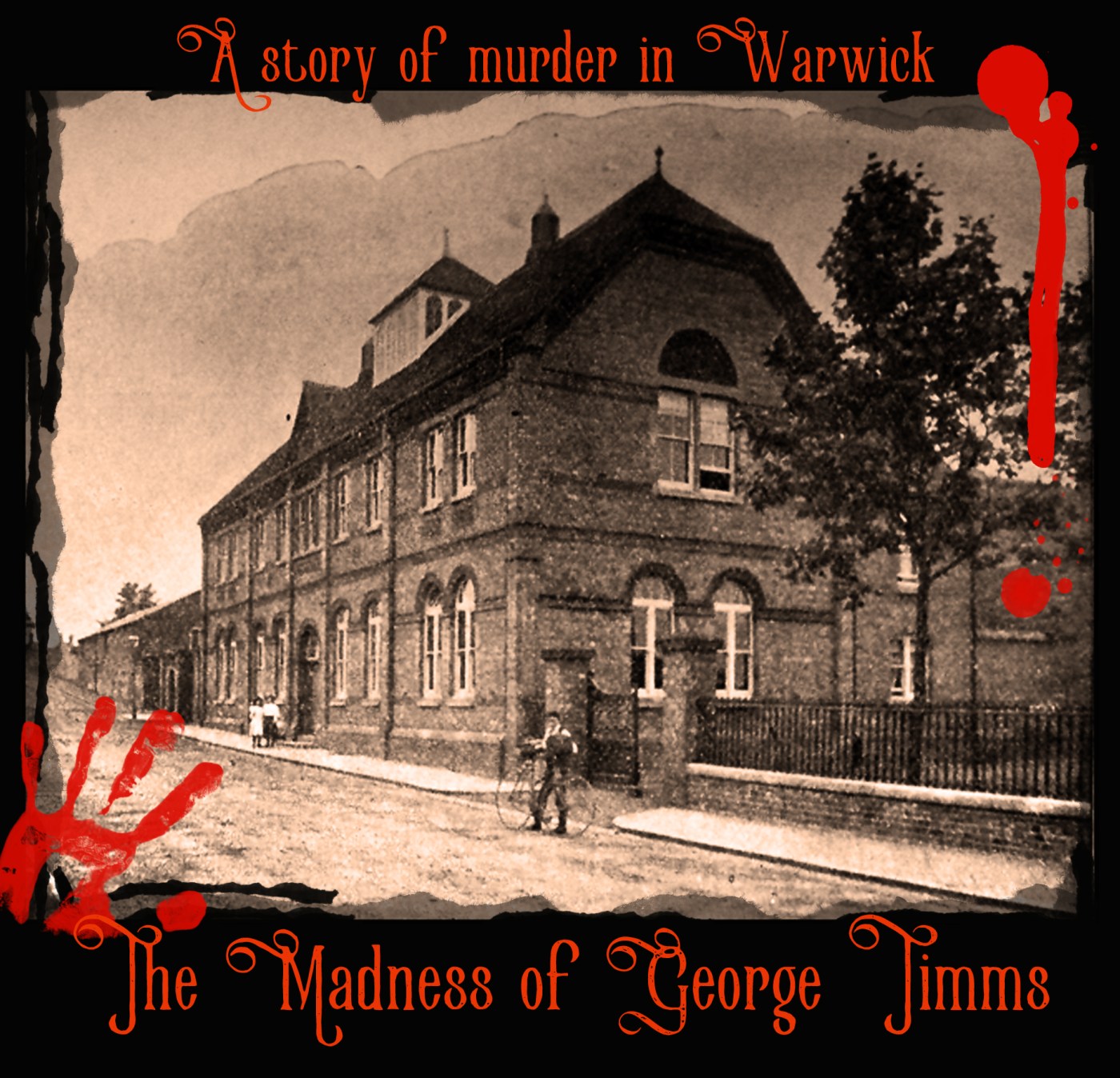
With there being no doubt at all that George Timms had battered his wife to death with a fire brick, the police and prosecutors were left to ponder the exact state of the man’s mind. He was being held in Warwick Gaol on Cape Road (below), and the poignant scene when he was visited there by his son and daughter-in-law was described with a great sense of melodrama by the local papers, although how on earth they knew the details, I cannot imagine. It is hardly likely that reporters were present, but who knows?

outside-of-prison

“In an interview with his son and daughter-in-law at Warwick Gaol on Thursday afternoon, Timms is described as having been prostrated in grief, and when questioned by his son as why he killed the deceased, he repeated his former declaration that he could give no explanation whatever. He paced up and down the cell, wringing his hands and said:

” Poor soul, do you think I’d knowingly have hurt a hair of her head?”

“When somewhat calmer he inquired whether his wife’s funeral was over. and also asked several questions relating domestic matters. During all this time he seemed comparatively cool and collected in his manner, but before the close of the interview he lapsed into the condition of melancholy and indifference which has occasionally characterised him since has been in prison.”

“When he had recovered himself, his son and daughter-in-law – the interview having terminated – shook hands with him, and wished him good-bye. He then cried bitterly again, and it was some time before he could be pacified. The prisoner, it is said, looks much thinner, and has a most careworn appearance.”

Timms appeared before Warwick Magistrates – the Mayor (Councillor S. W. Stanton), Major Mason, Mr Baly, and Mr James Baly – and was represented by Mr Boddington who, on the behalf of the prisoner, pleaded “not guilty”. The grim litany of events on that January night was put before the court, and in just under tow hours, George Timms was declared guilty of his wife’s murder, and the case transferred to the next Warwick Assizes.

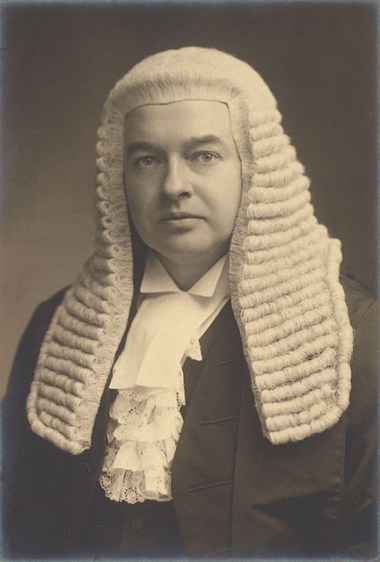
HuddlestonThe March Assizes was presided over by a distinguished judge, Baron Huddleston, (left) and, unlikely though it may seem to us today, the names of the members of the jury were published in the newspapers, complete with names and addresses. Look at the bottom of the list, and you will see the name of a Mr G H Nelson. We will never know, but this could be one of the family who not only employed Timms for a number of years, but built the cottage in which he battered his wife to death. Judge Huddleston, incidentally, was in very poor health, and would die the following year at the age of 75. As his formidable appearance might suggest, Huddleston was was opinionated and unafraid to exert a strong influence on juries. He was reputed to wear colour-coded gloves to court: black for murder, lavender for breach of promise of marriage and white for more conventional cases. In this instance, however, he was quick to agree to the request by Timms’ defence team, that the case should stand over until the next Assizes so that a more detailed report into the prisoner’s mental health could be presented.

Jury

When the next Assizes came around, at the end of July, sufficient medical evidence had been gathered to convince both judge and jury that George Timms was not of sound mind. He was, of course convicted of murder, but his sentence was that he should be detained as a criminal lunatic. In a headline that modern day tabloid papers would be proud of, the verdict was announced to the world.

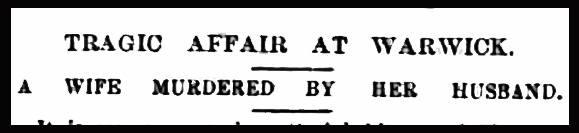
Headline

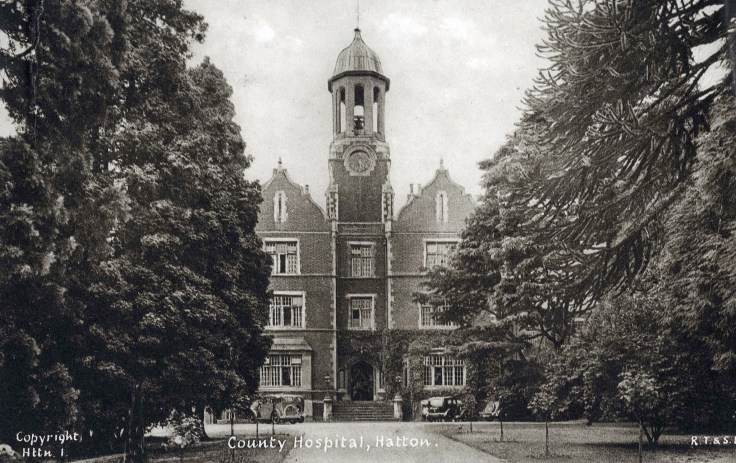
The nearest asylum to Warwick was, of course, the brooding mock-Tudor hulk of Warwick County Lunatic Asylum at Hatton, which opened in 1852. It was renamed Warwick County Mental Hospital in 1930, changed its name to Central Hospital in 1948, and finally closed in 1995. I have an personal interest, albeit, a rather gloomy one. My great grandfather, Richard Prestidge, died there in 1909 at the age of 48, of what was termed General Paralysis of The Insane. We now know it as terminal syphilis, so I suspect that my ancestor had been something of a bad lad in his youth. His youthful indiscretions had a fatal consequence, sadly, in those pre-antibiotic days. As for George Timms, it was later reported that he was a resident of Hatton, happily engaged with a new skill, that of a shoemaker.

Footer

Hatton

THE MADNESS OF GEORGE TIMMS . . . Part One

Timms Header

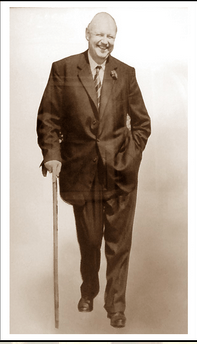
Screen Shot 2021-01-01 at 21.36.11A lifetime ago, when I was a pupil (remember that word? These days they are ‘students’ or ‘learners’) at Warwick School, I remember a gentleman coming to speak to us in the assembly hall we knew as Big School. He was Mr Guy Nelson, and we knew nothing of him, but it transpires he was the current head of a family which had been a major industrial presence in Warwick for generations. The Nelsons had a variety of interests, including gelatine manufacture and meat shipping, but the time we were assembled to listen to him, the firm had been absorbed by bigger competitors.

What the Nelsons stood for, however, was rather special. They were enlightened employers who took a philanthropic view of the relationship between worker and master. They built houses and social clubs for their workforce and, for some time, the area around their factory in Emscote was known as Nelson’s Village. Central to this was Charles Street, and this is where we come to the True Crime aspect of this feature.

At a few minutes past one o’clock in the morning, on 19th January 1888, Police Constable Salt was stamping his feet and trying to keep warm as he stood on duty at the far end of Smith Street, Warwick. The silence of the night was broken by a man’s voice in the near distance, shouting and calling out.  Walking towards the disturbance, Salt shone his bulls-eye lantern into the dimly lit street, and he saw a figure come staggering towards him, lurching from one side of the road to the other, still shouting and moaning incomprehensibly.

With his free hand, Salt caught hold of the distressed man, and immediately noticed that his hands seem to be covered in blood. In a hoarse voice, the man cried out:

“I’ve murdered my wife; the Devil has tempted me to do it.”
“Where do you live?” asked Salt, but received no answer.
“Have you been home?” At this, the man replied,
“Yes – I’ve been to bed and got up again.”

A man called Henry Harris, who was the night-watchman at the nearby fire station, attracted by the fracas, joined the pair, and between them, he and PC Salt managed to march the man to the police station, which then stood at the top end of Northgate Street. manning the front desk was Police Constable Lewis. Salt informed Lewis what the man had told him, and Lewis asked for his name:

“My name is George Timms. I live at No. 1 Charles Street and, yes, I have murdered my wife. You will find her there. I have left the back door open.”

TIMS BANNER1

Body Text

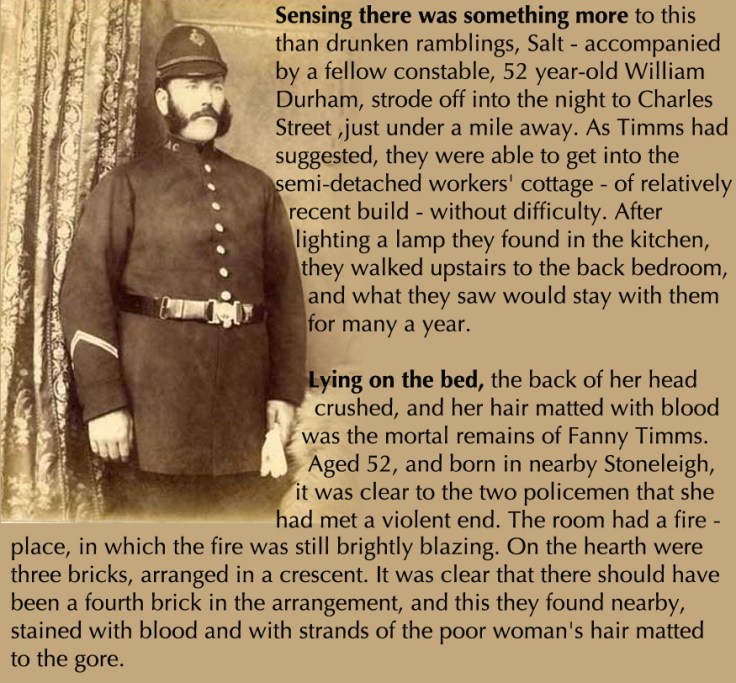
From here, the pace of events quickened. The two constables, realising that this was something way above their pay grade, wasted little time in summoning the help of their senior officers. Dr. Guthrie Rankin of 23 Jury Street was called to the scene. What he found was later reported in the press as follows:

“On going into the bedroom he saw the woman lying on the bed, halfway across, and quite dead. Her face was lying in a pool blood. There was no evidence that any struggle had taken place. From a superficial examination, he found some wounds on the back of the scalp, from which the blood had evidently come. Death had only recently taken place. He made a post mortem examination some hours later. There were four scalp wounds, one of them very large, and the bone underlying the wounds was fractured in several places. Two the fractures penetrated to the brain. There was a large bruise over the back of the neck, and the back of the left shoulder was also discoloured. All these wounds were, undoubtedly, such as might be caused by blows from a brick.”

In Part Two of The Madness of George Timms
A FUNERAL
WARWICK ASSIZES
A NEW CAREER AS A SHOEMAKER

A LOUTH TRAGEDY . . . Part Three

ALT header

ON SATURDAY 23rd JULY, 1927, Bertram Horace Kirby was told in Louth Magistrates Court that he would be sent to the next Lincoln Assizes to be tried for the murder of his wife on Tuesday 11th July. Throughout the hearing, Kirby had spoken only once, to tell the court that he was handing everything over to his solicitor, and would have nothing more to say, other than admitting that Minnie Eleanor Kirby had died at his hands. Meanwhile, poor Minnie had been buried in her home town of Boston.

Cemetery_Church,_Boston“The funeral of Mrs. Minnie Eleanor Kirby, Louth, took place at Boston Cemetery on Friday afternoon last. The coffin was conveyed in motor hearse, there were one car and a motor-car for the mourners, who numbered six. The most pathetic figure was the deceased’s son, Mr. Harry Kirby, tall and fair haired, who appeared very distressed, particularly at the committal portion of the service. The remains were first of all taken into the little church, where a short service was conducted by the Rev. O. K. Wrigley, who also officiated at the graveside. The floral tributes were both numerous and beautiful. Included were the following: “Mother,” with fondest love from her boys, Harry, Ralph and Norman; To darling Minnie, from her sorrowing sister, Emilie; “Pax ; At rest ” darling sister Minnie with fondest love, from Edith; to dear Minnie from her sorrowing brother and sister, Charlie and Judy, Gillingham ; Auntie and Uncle; Phoebe: In affectionate remembrance from L. A. and M. Kirby ; with deepest sympathy from L. A. and A. C. Kirby; Kate; Mr. and Mrs. G. A. Brough and family; R. Watson; B. and W Took ; Miss Carter and Miss Teanby.

The events surrounding the killing of Minnie Kirby became clear following witness statements in front of Louth magistrates. On the morning of 11th of July, at 7.30 am, Mrs Kirby had taken delivery of some letters from the postman, and a little later, 8 year-old Norman had set off to school. At some point during the morning she had been sitting at the table writing a letter to her son Ralph, who had emigrated to Canada. Bertram Kirby had fetched an axe from the woodshed and struck one savage blow to the base of her neck, probably killing her instantly. Kirby had made some effort to clean up the blood around his wife’s head, but had made to attempt to move her body.

He then walked into Louth where he called at the home of Mrs Took, where his older son Harry was a lodger. He asked Mrs Took if young Norman could come for his dinner, as he himself had to go to Grimsby on business and his wife had travelled to London by a morning train. On the way to Mrs Took’s house, he had called in at The Brown Cow pub, at the junction of Church Street and Newmarket and asked the landlady, a Mrs White if he could leave a bag and a parcel with her. She testified that Kirby looked “pale and agitated in his manner”.

On several occasions during the 11th and 12th July, Kirby took various parcels of women’s clothing to a little second hand shop run by Mrs Ryley, at 8 Eastgate, and exchanged them for cash. On the evening of 11th July, Kirby went to the Wheatsheaf Inn and played dominoes for most of the evening. He then walked back to the bungalow and spent the night sleeping in the same house as the corpse of his wife. As we have already read, he was then arrested on the evening of 12th July.

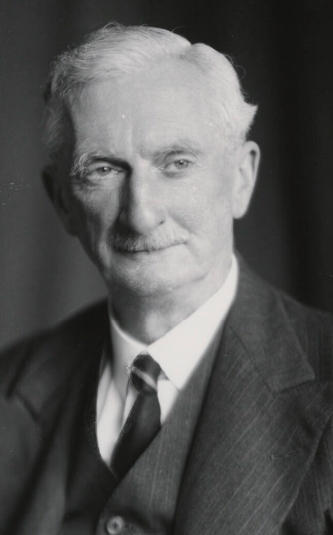
Gordon_Hewart,_1st_Viscount_HewartWhen the case finally came to trial at Lincoln Assizes on 2nd November, it was a brief affair. Representing Kirby, Mr T.K. Fitzwalter Butler did his best to persuade the jury that Kirby was insane, reminding them that he had joined the army – The Leicestershire Regiment –  in 1914, but by early 1915 was in a mental facility at Netley Hospital, Hampshire, after attempting to commit suicide, and had subsequently been discharged as unfit for service. The Lincoln jury, however, were having none of it, and after retiring for just twenty five minutes to return a verdict of guilty. Mr Justice Swift (right) promptly donned the small square of silk known as The Black Cap and sentenced Kirby to death.

Kirby’s date with the hangman was originally scheduled for December, but a plea for a reprieve was lodged with the Home Secretary of the time, Sir William Joynson-Hicks, was not in a giving mood, and he dismissed the appeal. At 8.00 am on Wednesday 4th January, Kirby made the short walk from the condemned cell (apparently after eating the proverbial hearty breakfast) to the Lincoln Prison gallows, where Albert Pierrepoint tightened the noose under his ear and pulled the fatal lever.

This is a strange case, and a horrid one, as the killing took place yards away from where I spent many happy hours as a youngster. No-one ever established a plausible motive for the murder. Kirby was clearly in a dire mental state, but what did he hope to gain from his wife’s death? Between the killing and his arrest he claimed to have sold the bungalow, but there was no evidence of this. I have no idea what became of the bungalow – a fellow train-spotter, now old like me, remembers going to it as a dare to see if he could see the ghost. And what became of the boys? Ralph may have lived the rest of his life out in his adopted Canadian home, and there is a record of a Harry Kirby dying in Colchester in the 1960s, but of young Norman, not a trace. Minnie lies in Boston Cemetery, in a rather overgrown grave (below) which can be found with a bit of effort and help from the cemetery keeper.

MinniGrave small

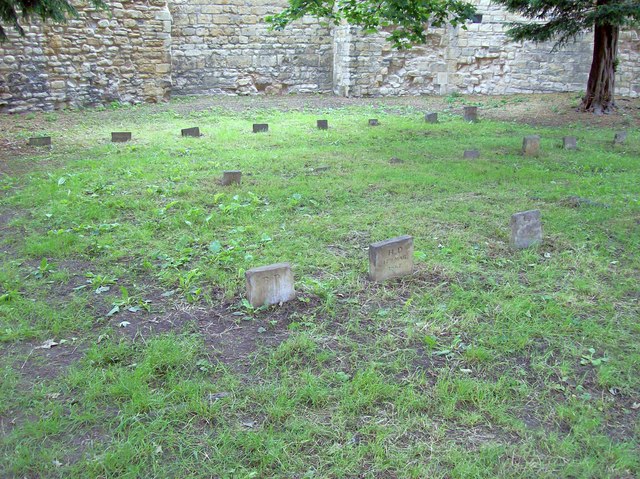
And Bertram? His grave is probably marked by one of these modest little headstones in the prison burial ground with the walls of Lincoln Castle.

Graveyard

A LOUTH TRAGEDY . . . Part Two

ALT header

Heneage copyTHE STORY SO FAR … It is July 1927, and we are in the quiet market town of Louth in the Lincolnshire Wolds. King George V has his head on the stamps and coins, Stanley Baldwin is the Conservative Prime Minister, while in parliament, Sir Arthur Pelham Heneage (left) represents Louth. All is not quiet however in a wooden bungalow close to the level crossing on Stewton Lane. The body of Minnie Eleanor Kirby has been discovered lying on the floor of one of the rooms. She has been dead for some hours, and the cause of death is clearly a massive wound to the base of her skull.

Inspector Davies of Lincolnshire Constabulary, alerted by Mrs Kirby’s worried son Harry, has forced an entry into the bungalow and made the grisly discovery. A few feet away from the lifeless body of Minnie Kirby is a large axe, bloodstained, and which would later be identified by the pathologist as exactly fitting the fatal wound. Suspicion immediately falls on Minnie Kirby’s husband Bertram, and while the poor woman’s corpse is removed to the mortuary for further investigation, the police begin their search for him. It was not to be a long or difficult manhunt. The White Horse Inn was one of several pubs that Kirby was known to frequent, and on the evening of Tuesday 12th July, PC Morris and Inspector Davies found Kirby engrossed in a game of dominoes. After being informed that he was to be arrested, he is reported to have said:

“All right. I am going to be fair with you. I am not going to cause any trouble. My God, boy, you don’t know how things are! I hope you never will. You don’t know what I had to put up with.”

Head

Kirby “came quietly” and was taken to the police cells. He was initially remanded until the forthcoming Saturday, 16th July. He was brought before the magistrates, and was remanded again to allow the police to prepare a case to put to the public prosecutor. Needless to say, the atmosphere in the town was described as “electric” by one feverish reporter, who went on to write:

Toen hall“A big crowd assembled outside the Town Hall in an endeavour to catch a glimpse of the prisoner, but the proceedings took place at the Superintendent’s office at the County Police Station in another part of the town.

Here, in a small room, before Mr Mark Smith and Mr W. C Street, with only the Clerk (Mr H. E. Roberts), Supt. C. Skinner, Inspector Davies and members of the press, Kirby was brought in. He trembled violently, his eyes had a vacant stare and he had to be supported by two police officers.

The prisoner is of stout build, with greyish hair and he wore no collar, his shirt being open at the neck. He was represented by Mr R. H. Helmer, of the well-known Louth firm of solicitors, Allison and Helmer.”

Part of the dossier being prepared for the prosecutor was a number of letters Kirby had written, and which were found in the bungalow and in his possession when arrested. They suggested a man at the end of his tether, preparing to enter into some kind of a pact with his wife. One passage read:

“My wife is my greatest pride in life. . . We have realised our financial state affairs, and come to the conclusion that death is the only way out of them. Please bury darling Minnie and myself together. We have loved one another.”

He went on to write:

HEADLINE 5“I have fell across very hard times. My darling wife, who has been my greatest pal in life, has realised this fact as well. God bless her. No-one could wish for a better wife , mother or comforter than her. We have realised our financial state of affairs, and come to the conclusion that death is the only way out of the matter. I left the railway in order, as I thought, to better myself, and this failed. Eventually I found myself stranded with writs, etc, and we had nothing to eat at home.”

“I therefore volunteered to go away with the idea of obtaining work, but to no avail. After this, I walked from Louth to Boston. Here I say God bless my wife. God bless her. No man, whoever he was could possibly find a better wife than I have had. Anyhow, here is a point I wish the Coroner to take up, and when I say this I mean it to be published and not doctored, because it is absolutely the truth.”


He appeared to be passionately devoted to his youngest son, Norman:

“How pleased we are to hear you are little Norman. God bless him- how I love this little bairn – I am heartbroken. Will you ask my Auntie Julia- her name is under Mrs F Pocklington, “Eversleigh”, Carlton Road, Boston – to take during her lifetime my darling boy Norman. My Auntie Julia is the only relative he loves. He always wishes to see his Auntie Julia. Further, I wish to say my Auntie Julia and Uncle Fred have been my best friends throughout all my life – God bless them both. They have been the only faithful friends we have had through life. Please bury darling Minnie and myself together.. We have loved one another. Poor little Ralph out in Canada, and poor little Norman and Harry. Oh! he has been a good boy. God bless them all – Minnie, Harry, Ralph and Norman. God bless them all and Auntie Julia and Fred.”

This wish that Norman would be fostered by the Pocklingtons is rather odd, because they were both elderly. Indeed, Mrs Pocklington’s “lifetime” would not extend much beyond the murder, as she died two years later. It must have been immediately obvious to the town solicitor representing Kirby – and, later, to his defence barrister at Lincoln Assizes – that the only way Kirby would escape with his life from this tragedy was for his representatives to plead that he was insane.

Image

In Part Three
THE EVENTS OF 10th and 11th JULY REVEALED IN COURT
INSANE OR WICKED?
A DATE WITH ALBERT PIERREPOINT

A LOUTH TRAGEDY . . . Part One

ALT header

Back in the 1950s and 60s I was a regular visitor to Louth. Mother was a Louth girl, and my grandmother, although born in Yorkshire, had lived in the area since before The Great War, first in a cottage in the grounds of Tathwell Hall, where her father was Head Groom, and then in the town itself. I used to stay with her in Tennyson Road during school holidays, and blissful days they were. I had made several friends in Louth, and we did what most lads did in those innocent days – played football and cricket and went fishing. The most intense of all our passions was, however, trainspotting.

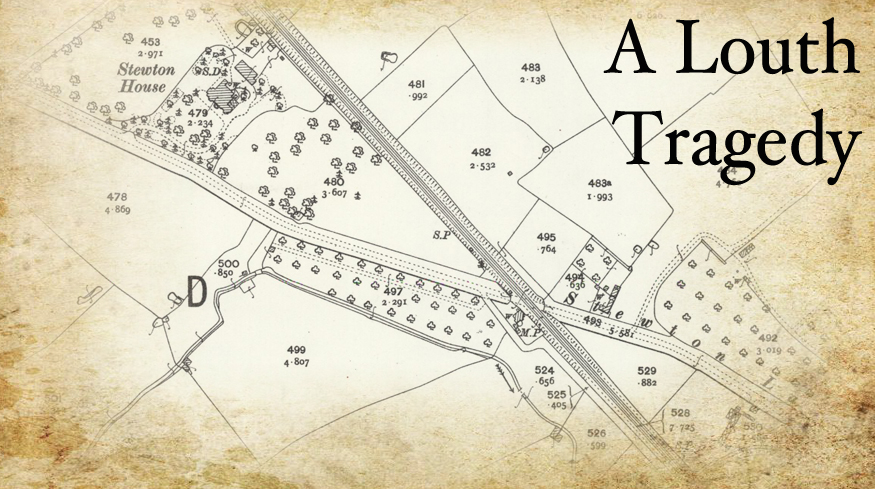
RunaboutEach summer, we used to buy what was called a Runabout Ticket. It cost twelve shillings and sixpence and was a small rectangle of stiff blue cardboard. On it was printed a stylized map of the railway network in the area. It meant we could travel on any train, between any of the stations, as often as we wanted, for a week. Crucially, it gave us access to the East Coast main line between Peterborough and Grantham, with its magnificent Gresley Pacifics and all manner of spectacular engines. At other times, however, we had to make do with the trains that ran through Louth on the Grimsby to Boston line, and one of our favourite places to trainspot was the level crossing on Stewton Lane. Between trains.we could muck about by the nearby stream where it ran through a little gully, which was known as Seven Trees Island. Happily undreamed of in those days was the fact that we were enjoying ourselves on the site of one of the most gruesome and tragic murder cases of the early twentieth century.

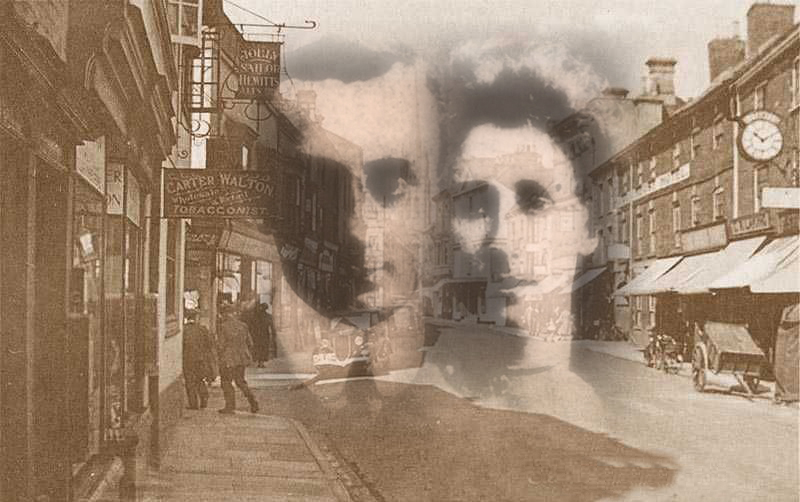
MINNIEIn 1927, just by the railway, there stood a small wooden bungalow, the home of Bertram Horace Kirby, 46, and his wife Minnie. They were not originally Louth people, both having come from Boston, where they had married – possibly in St Botolph’s – in 1905. They had three sons. The two oldest had left home. Harry, 21, lodged with Mrs Took in nearby Church Street, while Ralph, 17, had emigrated to Canada. There was a much later addition to the family. Leslie Norman Kirby was just 8 years old. Minnie Eleanor Kirby (right) was described as follows in subsequent press reports:

“Mrs. Kirby was tall, and of striking appearance. She was most friendly woman, and was liked very much by her neighbours. Her hobby was gardening. She had studied her subject, and she was an expert gardener, and passionately fond of her flowers. She was extremely well-read, and was a thoroughly cultured woman, clever in many ways, and musical. She was a keen churchwoman.

Mrs. Kirby was also an enthusiastic member of the Women’s Unionist Association, and canvassed in Louth at the last election. She had been educated in Boston at Miss Stothert’s High School, and for about 10 years she was head clerk at Mr. A. Simpson’s furniture store, in the Market-place. She was very well-known in Boston. At school, she was a very apt pupil, and we are informed that Miss Stothert “thought a lot of her.” During her schooldays the took part in “The Mandarin”, and other plays. She was extremely fond of rowing, and frequently enjoyed her favourite exercise on the Witham.”

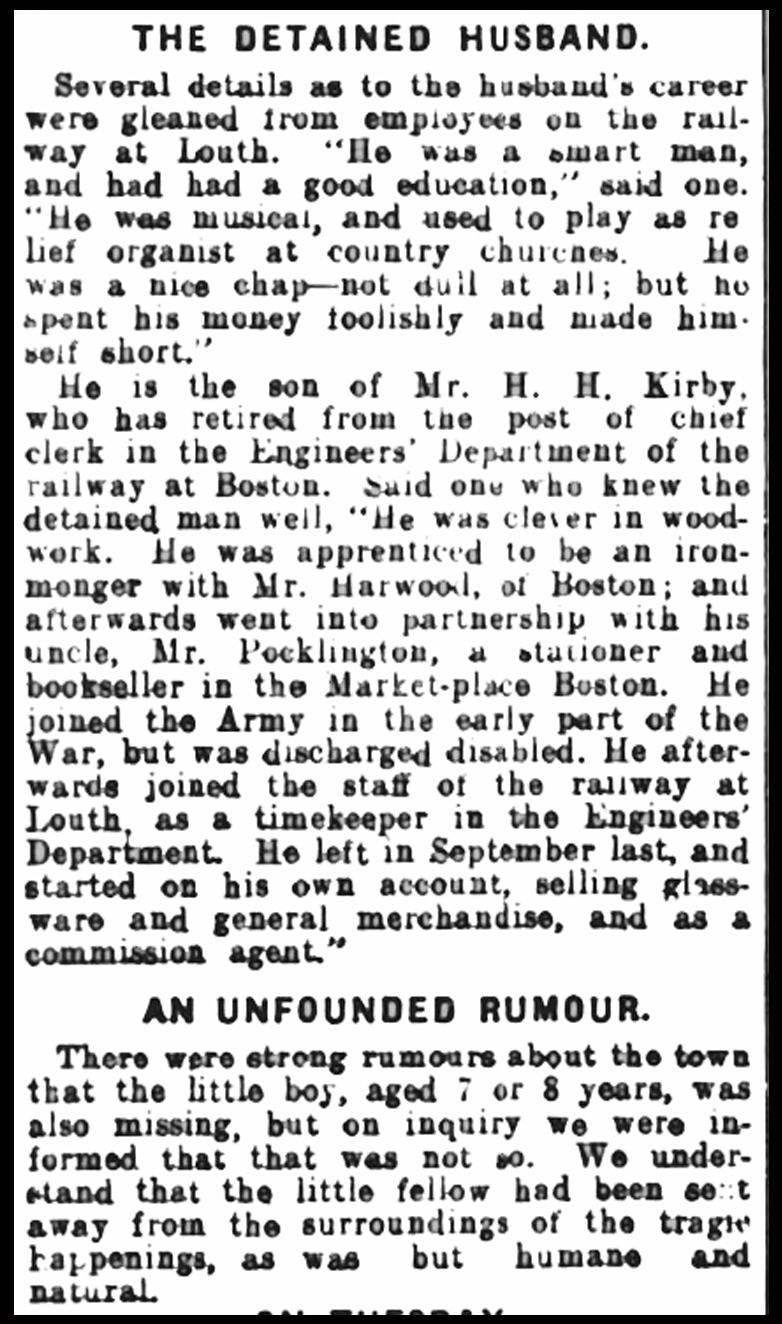
KIRBYBertram Horace Kirby (left) was a year younger than his wife. He also had musical talent, and while they lived in Boston he had been church organist in the town, and the village of Frampton. He had applied himself to various trades while living in the Boston area, but had worked for almost ten years for the London and North Eastern Railway. By 1927, however, he had given this job up, and had attempted to strike out on his own as a commercial dealer.

In the early evening of Sunday 10th July , Harry Kirby called at his parents’ home, and took his mother for a stroll. Although he had moved out of the bungalow because he and his father “couldn’t get along” he had noticed nothing untoward in the atmosphere between his mother and father. He was later to admit that his father “was prone to violent tempers when he had taken drink.”

Despite all seeming well with his parents, Harry Kirby must have had a sixth sense that prompted him to visit the bungalow on Tuesday 12th July. He found the doors locked and the curtains drawn, and could make nobody hear. He walked into the town and asked for help from the police. He returned with Inspector Davies who must have also sensed something was wrong, and forced his way into the bungalow through a rear window. What he found confirmed Harry Kirby’s fears that a tragedy was about to unfold. Minnie Kirby was lying dead on the floor of the living room, on her stomach, with her head turned to one side. At the base of her skull was a savage wound which had almost separated her head from her body.

In Part Two
AN ARREST INTERRUPTS A GAME OF DOMINOES
ANGUISHED LETTERS

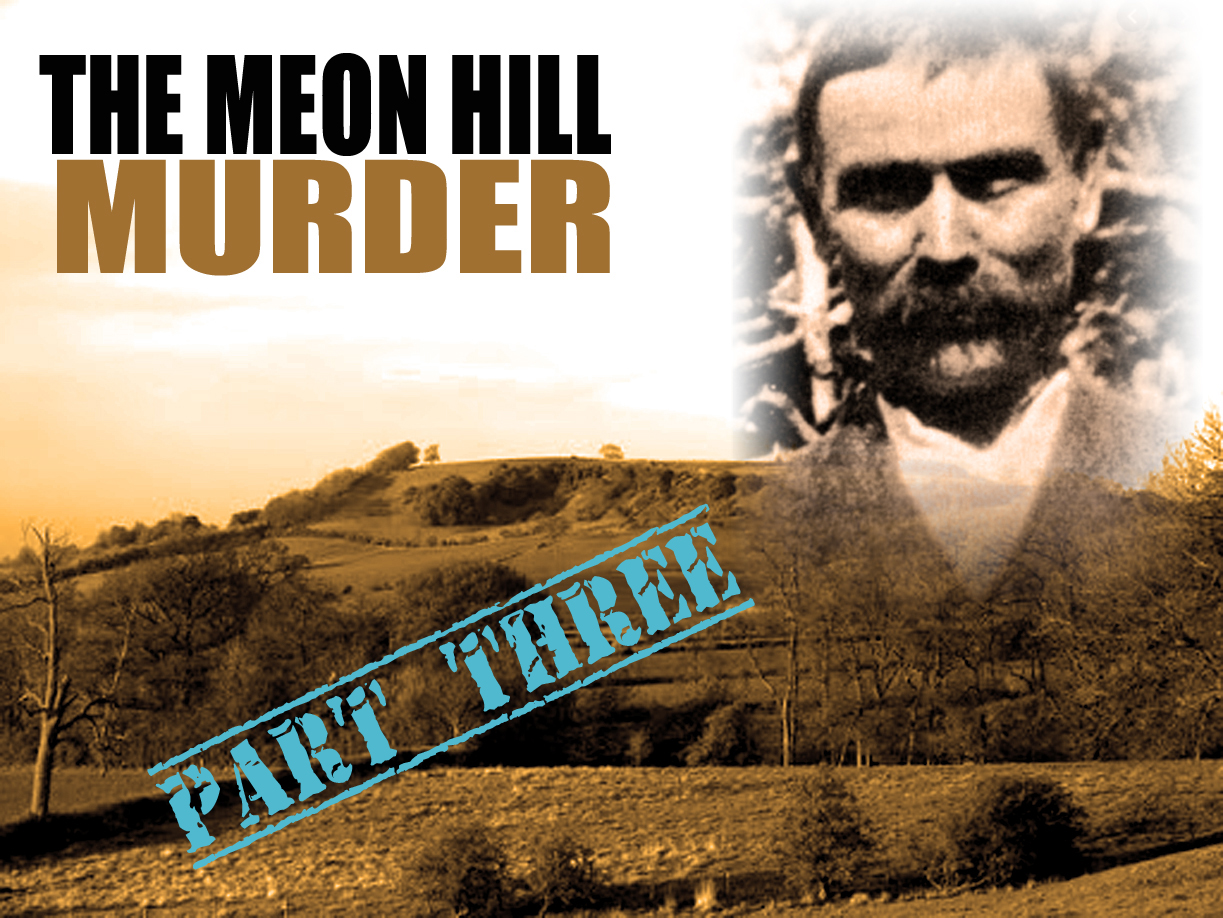
THE MEON HILL MURDER . . . Part three

The Spring of 1945 turned into summer in Lower Quinton. The barren hedges that Charles Walton had tended bore green buds. The war in Europe finally ended, and the wives, daughters, mothers and sisters who had not lost their men in the struggle against Hitler began to dream of the day when “We’ll Meet Again” would be a joyful reality rather than a sentimental song. More mundanely, the Warwickshire police were none the wiser as to who had hacked an old man to death on that fateful St Valentine’s Day. Robert Fabian had returned to London, and Alec Spooner had other cases to solve (although the Walton murder remained an obsession with him).

Just as the identity of Jack the Ripper will never be known, we will never know who killed Charles Walton, or why. As recently as 2014, the local BBC team for Coventry and Warwickshire examined the case, and sent some unfortunate trainee out there to quiz the locals. As you will see from the feature (click here) no-one was very keen to talk, any more than they were in the weeks and months after the murder.

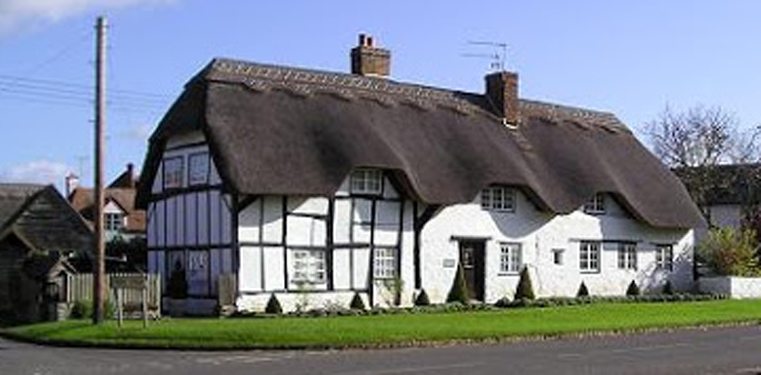
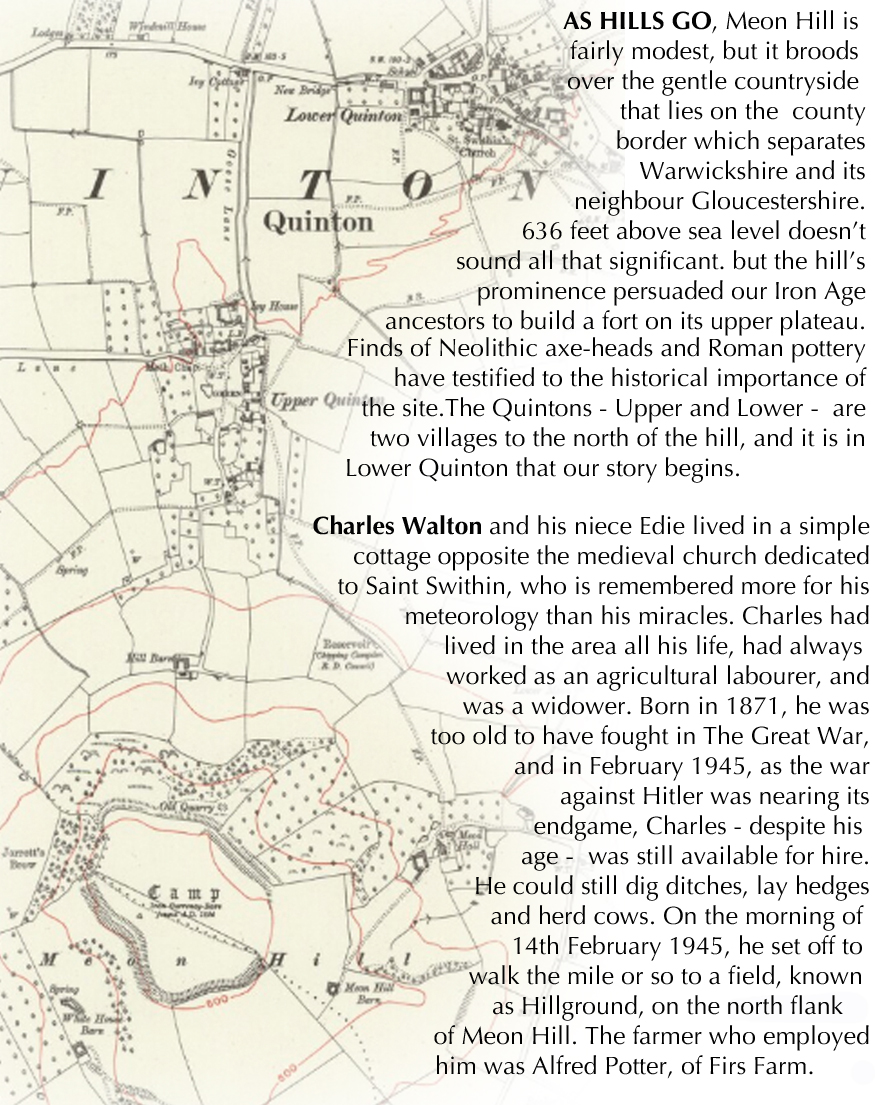
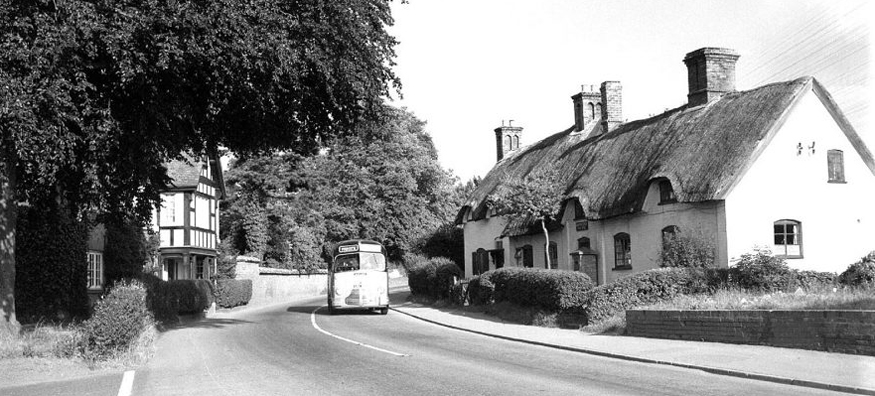
Alfred Potter died in 1961, and whatever secrets he had went into the grave with him. The Firs farm was later demolished and was replaced by an expensive housing development. Talking of graves, the researcher will look in vain for the last resting place of Charles Walton, in St Swithin’s churchyard. It has been said that the headstone was removed to deter ghoulish sightseers, but like so much of this story, there is no hard evidence that this is the case. Walton’s meagre cottage has now been knocked through with two other adjoining properties to make a rural residence which, no doubt, is worth an eye-watering amount (below)

Cottages

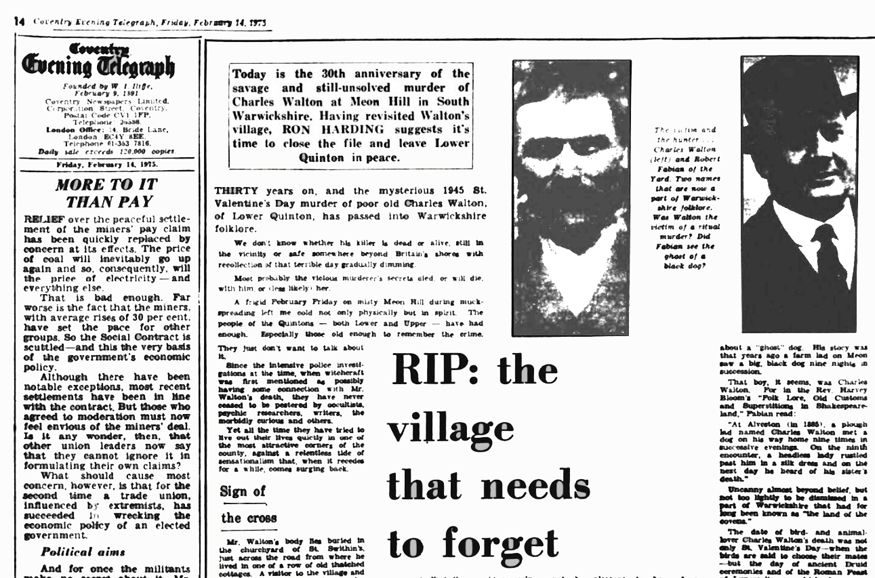
My view? The only thing that stands out like the proverbial sore thumb is the total collective silence – both contemporary and future – of the villagers of Lower Quinton. 1945 was not a time of continual distraction from electronic or digital media. Lower Quinton was not a bustling place, a transport hub, or somewhere used to endless strangers coming and going. Someone – and then by definition others in their circle – knew something, and the resultant omertà is almost as chilling as the murder itself. Thirty years later, Walton’s death was still providing copy for regional journalists and, although I have no evidence that Ron Harding – who penned this piece – was in any way involved with the murder, it still sounds as certain people – or their sons and daughters – at the heart of whatever made Lower Quinton tick, were still anxious for the world to move on and leave them to their secrets.

THE MEON HILL MURDER . . . Part two

Header

It wasn’t long after the discovery of Walton’s body, and the arrival of PC Lomasney from Long Marston, that the police involvement escalated upwards. Detective Superintendent Alec Spooner of Warwickshire Police soon realised that this was above his pay grade, and a request was made for outside help, which soon came in the celebrated form of none other than Chief Inspector Robert Fabian of Scotland Yard.

PART2 BODY TEXT

The investigations continued for several weeks. Every single household in Lower and Upper Quinton was visited. No-one had seen anything. No-one knew anything. No-one had any idea why Charles Walton had been killed. Clutching at straws, the police remembered that at Long Marston, a couple of miles to the north, there was a camp housing Italian prisoners of war. Perhaps it was a crazed foreigner who had hacked Charles Walton to death? The POWs were considered so peaceable and harmless that they were allowed to wander around the countryside, pretty much at will. That investigative spark petered out almost as quickly as it had burst into brief flame.

Potter remained the only viable suspect. His financial probity was examined. He didn’t own the farm, but just managed it for the family business. He had apparently claimed more staff wages than he had actually paid out, and there was a suspicion that he may have borrowed money from Walton, but the amounts were trifling, even if it were true.

The police investigations, despite every inch of the fatal fields being searched, came up with a big fat nothing. Fabian returned to London, defeated by a case that would feature in his memoirs in later years. DS Alec Spooner wore the case like an itch he couldn’t scratch, and it was the proverbial irritating pea underneath his mattress. For many years he returned to the village on the anniversary of the murder, hoping that someone, somehow would yield up a secret that would solve the mystery of Charles Walton’s death.

FINALLY, in THE MEON HILL MURDER
Witchcraft and A Village of Secrets

PART THREE OF THIS FEATURE WILL BE PUBLISHED
ON THURSDAY 24th SEPTEMBER

THE MEON HILL MURDER . . . Part one

Body Text revised

Walton was due to return home just after dark, but when there was still no sign of him at 6.00pm, Edie set out with a neighbour – Harry Beasley – to look for her uncle, calling in at Firs Farm to see if Potter knew where Charles was. Potter joined the search, and with the aid of a torch and a lantern, picked their way between the hedges and ditches of the dark fields. Before too long, they found the old man and, in the flickering light, saw a sight that would haunt them for the rest of their days.

The mutilated body of Charles Walton lay against the hedge he had been working on. Harry Beasley and Alfred Potter tried to shield Edie Walton from the terrible sight, but she had seen enough to tip her into hysteria. Beasley ran to a villager with a telephone, and the nearest police officer – PC Lomasney from Long Marston – was on the scene within fifteen minutes.

Charles Walton had met his death in the most horrific manner. He had been savagely beaten about the head with, it was proved later, his own walking stick. His throat had been slashed so savagely that his head was close to being parted from the body, and a pitchfork had been driven into the ground, its prongs either side of what was left of his neck. The old man had not gone down without a struggle, however, as the post-mortem revealed defensive wounds on his hands. These were the findings of the pathologist, as reported in the Tewksbury Register and Gazette:

“Walton had serious injuries received from a hedging hook and from both prongs of a hay fork. A blood-stained walking stick was nearby Some of Walton’s clothing was undone and part of it torn. The hay fork had been plunged into his body for three-quarters of its length. Several ribs on the left side were broken. There were bruises as well as cuts on the man’s head, and an injury to the back of the left hand such as might be received when defending himself against a cutting instrument.

The main wound was in the neck and was obviously made by more than one blow with the slashing hook; in fact, three separate and distinct blows had been delivered by a cutting instrument. All the main vessels of the neck were severed. Other wounds in the neck were caused by the prongs of the hayfork. One prong of the hayfork had punctured a lung.”

NEXT IN THE MEON HILL MURDER
Suspects, the search for a motive,
and Fabian of The Yard.

PART TWO OF THIS FEATURE WILL BE PUBLISHED
ON TUESDAY 22nd SEPTEMBER


TRUE CRIME . . . A Warwickshire tragedy

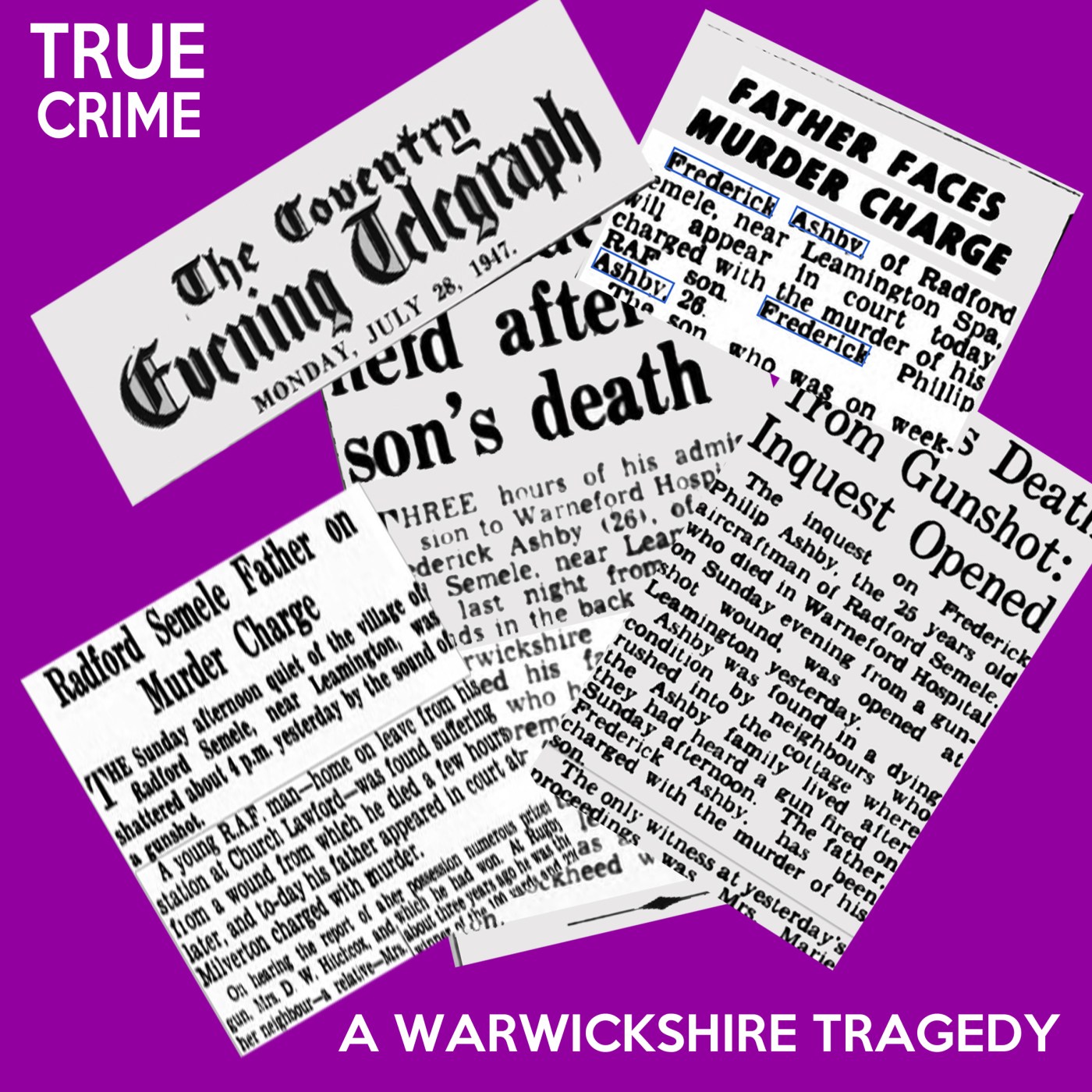
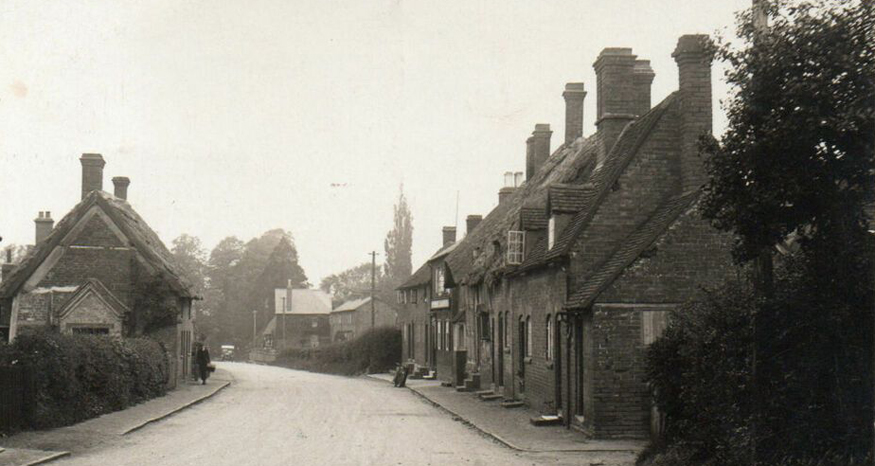
Drive east on the A425 out of Royal Leamington Spa and you will soon come to the village of Radford Semele. The Semele is nothing to do with the princess in Greek mythology or Handel’s opera of the same name, but apparently relates to a Norman family from Saint Pierre-de-Semilly who were lords of the manor in the twelfth century. These days it is a rather prosperous village, much expanded from 1947, when it housed a mixture of the well-off and the rural poor, with nothing much in between.

Number 23 Radford Semele housed the Ashby family. Frederick, aged 48, his wife Marie, 51, son Frederick Philip, 27 and a younger daughter. Frederick junior was in the RAF. In 1947 people didn’t tend to move about as much as they do these days, and the 1911 census tells us that Frederick lived with his grandparents in Radford, while wife Marie had been born in Napton, a few miles down the road. They had married in 1921.

The late winter had been particularly savage, and after a brief heatwave in June, the July weather was cloudy and humid. Those with a radio or a gramophone could have been listening to Frank Sinatra sing Among My Souvenirs, which topped the charts for three weeks. Fred Ashby junior had been a pupil at Clapham Terrace School in Leamington and, being something of an athlete, was a member of the celebrated Coventry Club, Godiva Harriers. After a spell as a draughtsman at the Lockheed works in nearby Leamington, he had joined the RAF. He had come home from nearby Church Lawford on weekend leave, and on the morning of Sunday 27th July, had set off across the fields with a friend, Cyril Bye, to try and shoot a few rabbits for the pot.

It seems that the relationship between Fred Ashby (left) and his father was anything but harmonious. Fred senior, who was a foreman at the Coventry Radiator factory in the village, was often involved in loud arguments when his son was home on leave. At around 4.00pm that Sunday afternoon, a Radford teenager called Rose Marie Summers was standing talking to a friend outside a nearby house, when she saw Fred senior staggering out of the Ashby’s house, clutching his side, in obvious pain. He cried out, “He has kicked me.”

The girl saw Ashby walk round to the rear of the house and return with a shotgun in his hands. He pointed it through the open window of the cottage and fired.

Witnesses who entered the house shortly afterwards never forgot the horrific scene, Young Fred Ashby was kneeling on the floor, his head face down on the sofa. In his back was a gaping wound, pumping blood. The police and ambulance were quickly summoned, and the young man was rushed to the Warneford Hospital, just little over a mile away in Leamington. There was nothing doctors could do to save his life, however, and he died later that evening with his mother at his bedside.

There was never a more cut and dried case for Warwickshire Police. Even as the local bobby, PC Haines, arrived at the scene, Fred Ashby was beside the body of his dying son, trying desperately to staunch the fatal wound, saying, “I did it. I shot him.”

As the case progressed up the ladder of the criminal justice system, from local magistrates’ court to Birmingham Assizes, it became clear that the evidently mild-mannered Fred Ashby was, for whatever reason, regularly bullied by his physically powerful son and, having been knocked about and abused during the afternoon of 27th July, had finally snapped and,in a red mist, fired the shot that ended his son’s life. His plea of manslaughter was accepted, and he was sentenced to ten years penal servitude.

Whatever grief he bore for the killing of his son, Frederick Ashby survived his prison sentence and died in 1984. His wife Marie pre-deceased him by nine years. The senior policeman in the case, Chief Superintendent Alec Spooner of Warwickshire CID, is celebrated by True Crime enthusiasts as the man who led the case investigating the as-yet-unsolved ‘witchcraft murder’ of Charles Walton, at Lower Quinton in 1945, but that is a story for another day.


Blog at WordPress.com.

Up ↑