

 ver the years, missing persons investigator David Raker has, courtesy of his creator Tim Weaver, solved some perplexing cases. There was the man who disappeared into the bowels of London’s underground railway system, the amnesiac who was found on a deserted south coast shingle beach, the straight ‘A’ student with the secret life who just vanishes and, memorably, the time his dead wife walked into a London police station and back into his life. Raker tends to be looking for troubled individuals, as in just the one person. But this time it’s different.
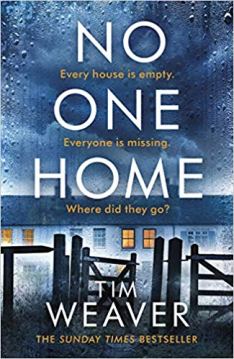 A whole village has disappeared. OK, let’s put that into context. The village is the isolated moorland community of Black Gale, and it consists of a farm and three expensive and fairly recent houses arrayed in a semi-circle around the older building. Black Gale. Population, nine souls. And on Halloween, two years since, they vanished. Into thin air. Like Prospero’s insubstantial pageant, the four families have left not a rack behind.
 aker has problems of his own, principally in the shape of his long time friend, former police officer Colm Healy. Healy featured in the very first Raker mystery Vanished (2012) and his misfortunes have been ever present over the series (No One Home is the 10th book). Healy is officially dead – and buried, He has a gravestone to prove it, but for a variety of reasons the former copper now exists under a variety of aliases, under the protection of David Raker. A persistent and intrusive journalist wants to write Raker’s life story, but also suspects the truth about Healey, and uses his knowledge in an attempt to force Raker to co-operate. Keeping the hack at bay – just – Raker begins to unpick the mystery of Black Gale.
 ans of the series will know that Tim Weaver doesn’t like Raker’s cases to be geographically confined, and so it is that the Black Gale conundrum is linked with a grisly unsolved murder in a flyblown California motel decades earlier. I say “unsolved”. The local Sheriff’s Department think the case is a wrap. They have a vic and a perp and have moved on to other things. Detective Joline Kader, however, has other ideas. She is unconvinced that the body lying face down in a bathtub of muriatic acid is simply the victim of a drug deal gone wrong, and the case stays with her over the years, right through her police career and her subsequent vocation as a college lecturer. Right up until the moment where her old obsession collides with David Raker’s fatal unpicking of a very clever and murderous conspiracy.
 No One Home is a brilliant thriller. It runs to over 500 pages, with not a single one wasted. The action is constant and the plot spins about all over the place, so you will need to be on your mettle to keep track of what is going on. Tim Weaver (right) has never been shy of creating apparently improbable conundrums for Raker to solve, and this is no exception. Suspend your disbelief for a few hours and go with the flow. I read it in three intense sessions and although I don’t use “Wow!” in normal speech, it certainly applies here. No One Home is published by Penguin and is out now.

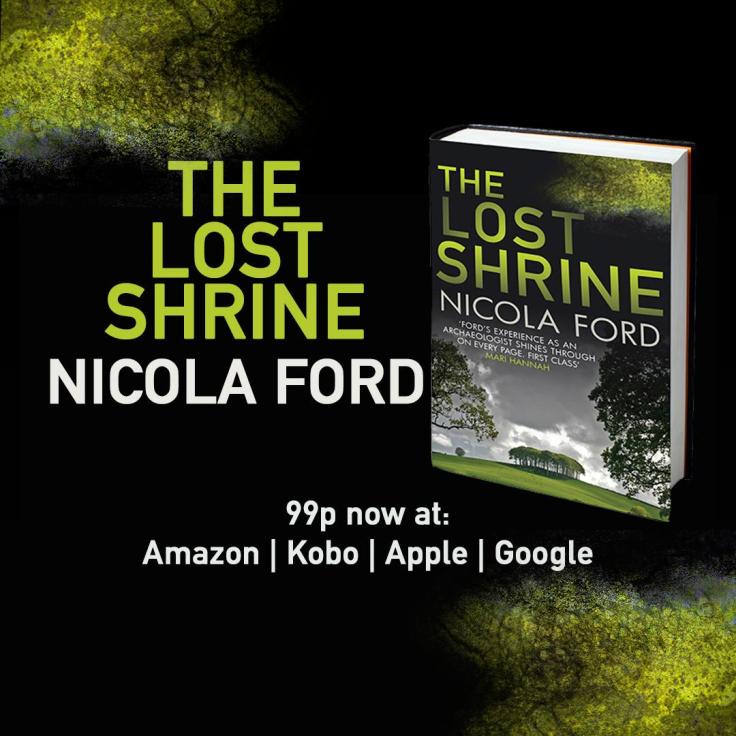
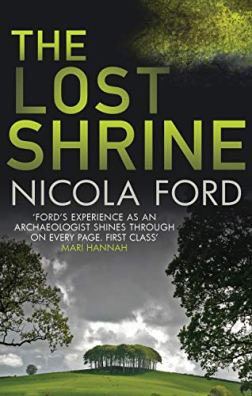 On a lonely and ancient hill in south western England, a group of amiable but earnest hippy cranks prepare to celebrate a pagan festival. What their leader finds when he climbs the hill to consummate the ritual sends him reeling and retching to his knees. There, strung up from the trees is a grisly collection of local wildlife, butchered and bloody. That is bad enough, but the centrepiece of this obscene display is – or was – human.
 he corpse is that of Beth Kinsella, an intense and controversial archaeologist who has been excavating Bailsgrove Hill prior to much of it being consumed by a building development. She was convinced that the site contained the remains of a rare Bronze Age shrine, much to the frustration of Paul Marshall who, although paying the wages of the dig team has his JCBs and concrete mixers massing on the horizon waiting for the academics with their trowels, sieves and brushes to be gone.
 ore corpses – both ancient and modern – are discovered, while Clare Hills is run ragged by a combination of unsettling discoveries about her late husband’s business affairs, and a bizarre conspiracy centred on the site, involving the dark and devious word of online antiquity sales.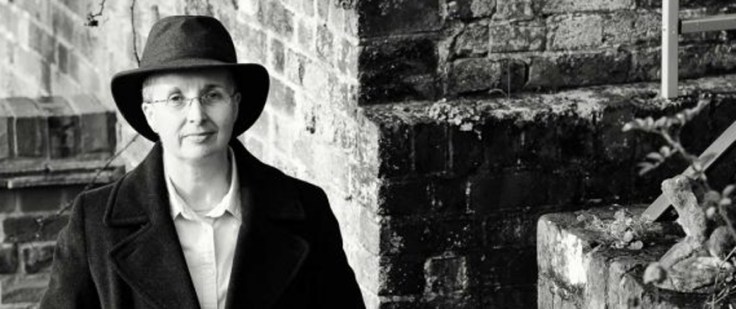


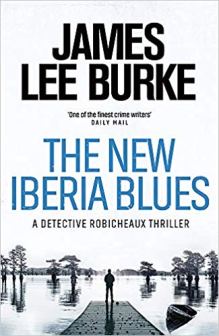 To be blunt, JLB is getting on a bit, and one wonders how long he can carry on writing such brilliant books. In the last few novels featuring the ageing New Iberia cop, there has been a definite autumnal feel, and The New Iberia Blues is no exception. Like his creator, Dave Robicheaux is not a young man, but boy, is he ever raging against the dying of the light.
 series of apparently ritualised killings baffles the police department, beginning with a young woman strapped to a wooden cross and set adrift in the ocean. This death is just the beginning, and Robicheaux – aided, inevitably, by the elemental force that is Cletus Purcel – struggles to find the killer as the manner of the subsequent deaths exceeds abbatoir levels of brutality. There is no shortage of suspects. A driven movie director deeply in hock to criminal backers, a preening and narcissistic former mercenary, a religious crazy man on the run from Death Row – you pays your money and you takes your choice. We even have the return of the bizarre and deranged contract killer known as Smiley – surely one of the most sinister and damaged killers in all crime fiction. Smiley is described as looking like a shapeless white caterpillar. Horrifically abused as a child, he is happiest when buying ice-creams for children – or killing bad people with Dranol or incinerating them with a flame thrower. Even Robicheaux’s new police partner, the fragrantly named Bailey Ribbons is not beyond suspicion.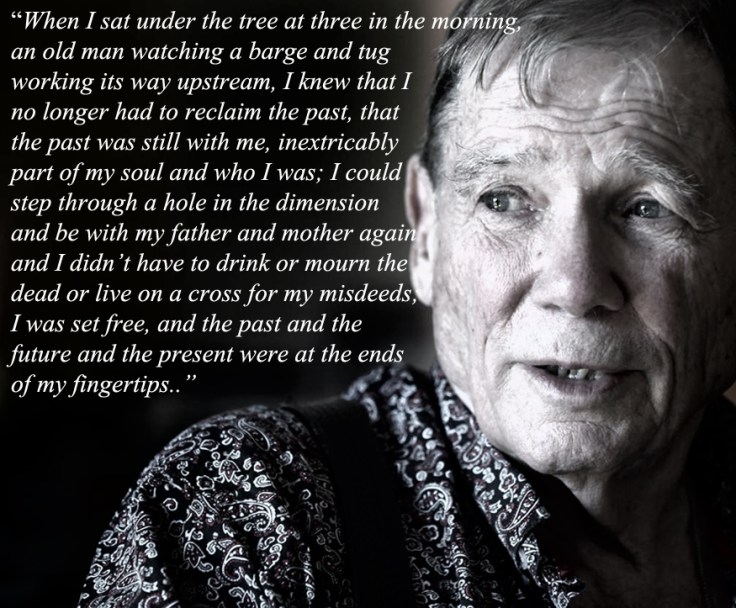
 ith writing that is as potent and smoulderingly memorable as Burke’s, the plot is almost irrelevant, but in between heartbreakingly beautiful descriptions of the dawn rising over Bayou Teche, visceral anger at the damage the oil industry has done to a once-idyllic coast, and jaw-dropping portraits of evil men, Robicheaux patiently and doggedly pursues the killer, and we have a blinding finale which takes The Bobbsey Twins back to their intensely terrified – and terrifying – encounters in the jungles of Indo China.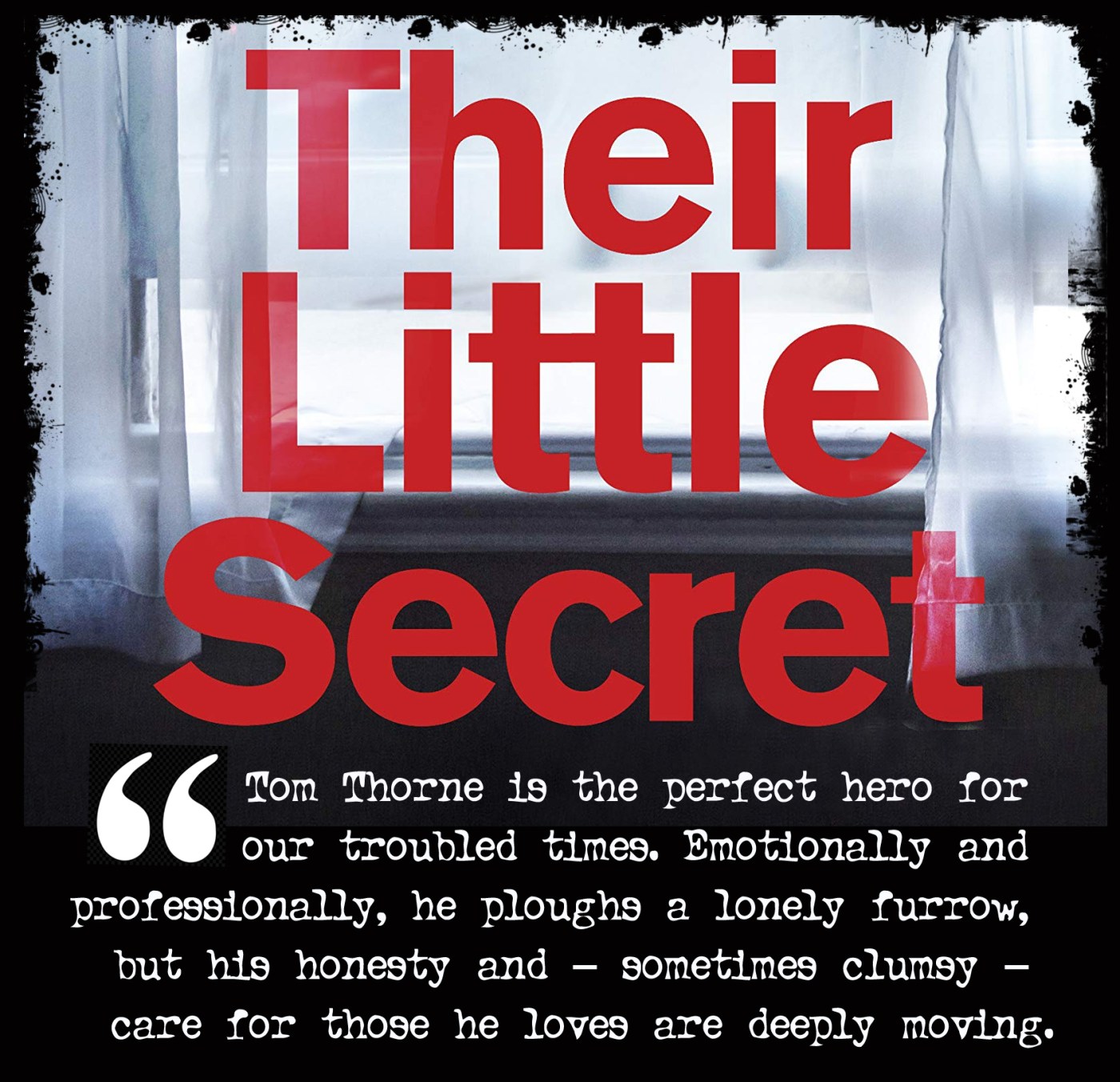

 London copper DI Tom Thorne has been entertaining us since his debut in Sleepyhead (2001). His creator, Mark Billingham, (left) has developed an enviably reliable repertory company of other players who share the stage with the main man. There is his best mate Phil Hendricks, a pathologist who, despite being gay, supporting Arsenal against Thorne’s beloved Spurs and having piercings in places where most folk don’t even have places, is the voice of sanity in Thorne’s often chaotic world. Thorne’s love interest (from whom he is currently living apart) is Helen, another police officer, but one who works in the traumatic world of child protection. Nicola Tanner is Thorne’s professional partner and they have history, but not one that either reflects on with much pleasure. Tanner’s partner Susan was brutally killed in a previous episode, and her death hangs over the pair like a pall.
 In an ostensibly unconnected narrative thread, Billingham introduces us to a Sarah, a vulnerable single mum who is anxious to gain the approval of other mums with whom she waits at the primary school gate twice each day. They seem confident, successful and financially comfortable. Sarah tries to join in with their daily sojourn at a pretentious ‘artisan’ coffee shop after the morning school run, but she still feels like the outsider. Her world is just herself and her son Jamie, and she struggles to compete with the gossip and banter that fly like sparks between Karen, Caroline, Savita and Heather. Until. Until the day when, sitting apart at her own table in HazBeanz, Sarah is chatted up by distinctly fanciable slightly older fellow. Almost instantly, Sarah finds the others anxious to swap phone numbers in return for daily updates about the new romance.


 Note:
Note: 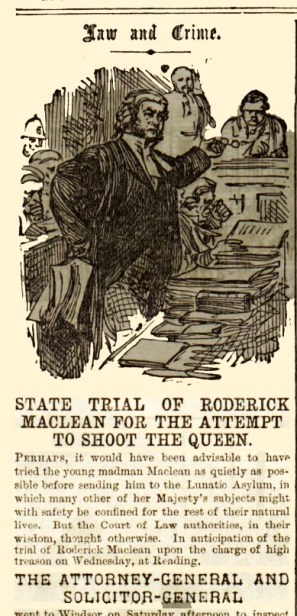 Also on the run is a man convicted of attempting to assassinate Queen Victoria. Sentenced to life imprisonment on the grounds that he was mad,

 Cassidy is an ex-serviceman, and in Night Watch he becomes involved in an issue which is way, way above his pay-grade. The initial reaction of the USA to former Nazis in the months immediately following May 1945 was simple – Hang ‘Em High. But as the government realised that highly trained German scientists and engineers were being harvested by the new enemy – Soviet Russia – the bar was significantly lowered, with the philosophy that these men and women might be bastards, but at least they’re our bastards.
 concentration camp survivor, ostensibly just an old guy driving tourists around Central Park in his horse cab, but secretly hunting down those who imprisoned him and killed his family, is found dead with strange puncture wounds in his neck. A businessman dives through the high window of his hotel – without bothering to open it first – and no-one saw anything. Not the concierge, and especially not the dead man’s co-workers, who were in an adjacent room. Two deaths. Two cases which Cassidy’s boss wants put to bed as quickly as possible. Two lives snuffed out, and Cassidy senses a connection. A connection leading to money, national security, powerful people – and big, big trouble for a humble NYPD cop.



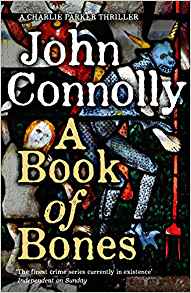 In the previous Charlie Parker novel, The Woman In The Woods, John Connolly introduced us to a frightful criminal predator, Quayle, and his malodorous and murderous familiar, Pallida Mors. Even those with the faintest acquaintance with Latin will have some understanding what her name means and, goodness gracious, does she ever live up to it! Both Quayle and Mors are seeking the final pages of a satanic book, The Fractured Atlas which, when complete, will deliver the earth – and all that is in it – to the forces of evil.

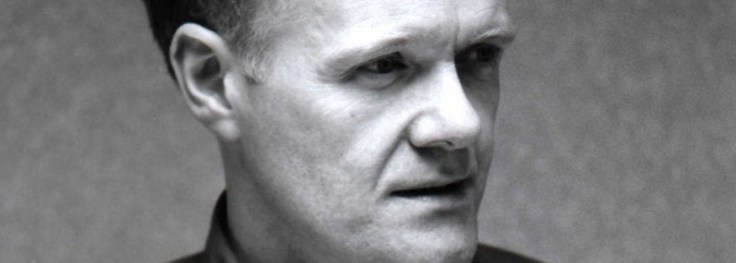
 A Book of Bones is a tour de force, shot through with the grim poetry of death and suffering. Connolly (right) takes the creaky genre of horror fiction, slaps it round the face and makes it wake up, shape up and step up. He might feel that the soubriquet literary is the kiss of death for a popular novelist, but such is his scholarship, awareness of history and sensitivity that I throw the word out there in sheer admiration. Jostling each other for attention on Connolly’s stage, amid the carnage, are the unspeakably vile emissaries of evil, the petty criminals, the corrupt lawyers and the crooked cops. Charlie Parker may be haunted; you may gaze into his eyes and see a soul in ruins; his energy and motivation might be fueled by a desire to lash out at those who murdered his wife and daughter; what shines through the gloom, however, is the tiny but fiercely bright light of honesty and goodness which makes him the most memorable hero of contemporary fiction.


 nspector Shan Tao Yun is a Chinese policeman whose honesty and integrity has discomforted the faceless members of whatever dreadful committee deals with public employees who don’t toe the line. Considered too valuable to be dispatched with a 9mm Parabellum round, he is exiled to the wilds of Tibet to be the constable for the settlement of Yangkar. As an extra insurance, his son is arrested and kept in a prison camp; if Shan’s independent streak becomes too troublesome, then his son will simply become collateral damage.
 In Bones Of The Earth (the tenth and final book in the series) Shan becomes involved in a complex murder mystery involving a massive civil engineering project and a dead American.archaeology student, whose father has come to Tibet to investigate if his daughter’s death was, as the authorities declare, an unfortunate accident or something more sinister. As ever in the series, Shan’s complex relationship with Colonel Tan, the governor of Lhadrung county, is central to the narrative. Tan is as brutal and ruthless as his party masters need him to be, but there is a tiny spark of something – perhaps not integrity, but something close – which enables him to do business with Shan.
 he sheer intensity of the detail Pattison adds to the narrative is astonishing, particularly when he is describing the humdrum world of Yangkar. As eavesdroppers, flies on the wall or what you will, it seems a grey kind of place; the ubiquitous breeze block is everywhere, naked light bulbs swing from the ceilings and even the food – rice, noodles, vegetables, dumplings – is functional and plain. Yangkar is, of course, dwarfed by the sheer immensity of the mountain peaks and snow fields. When colour emerges it is not chromatic in a visual sense, but in the indomitable spirituality and humanity of the Tibetans themselves. Try as they might, the Chinese rarely come close to understanding or even identifying the primal bond the people of Tibet have with their religion. It is a bond partly forged in fear, but also made of a oneness with the caves, the rocks and the wild peaks where the gods – and devils – dwell.
 I doubt that Pattison (right) is on the diplomatic Christmas Card list of President Xi Jinping and, were the author to fly into Lhasa, he is unlikely to be greeted with open arms. His disdain for the charmless and monolithic mindset of The People’s Republic is obvious, but Inspector Shan has to stay alive and keep himself on the outside of the Re-education Camps. Shan reminds me of another great fictional detective who has to do business with monsters: the late Philip Kerr’s Bernie Gunther sits down with minsters such as Goebbels and Heydrich; he will even smoke a cigar with them and accept a snifter of Schnapps while, metaphorically, holding his nose. Such is Shan’s relationship with his Chinese masters. He is a realist. If he says the wrong thing he (or his imprisoned son) is dead. Raymond Chandler’s immortal words fit the Inspector very well:

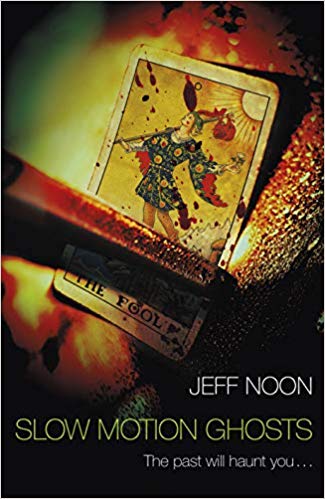 Later that year, with Brixton quieter, despite other English towns and cities erupting in copycat anger, Hobbes has become embroiled in a bitter internal dispute. A fellow copper, Charlie Jenkes (who rescued Hobbs from the mob on that fateful April night) after being indicted for savagely beating a black suspect, has taken his own life. And the officer who testified to Jenkes’s violence? Henry Hobbes, who, with that single act of honesty, is branded as a Judas by his own colleagues.


 fullybooked2017