
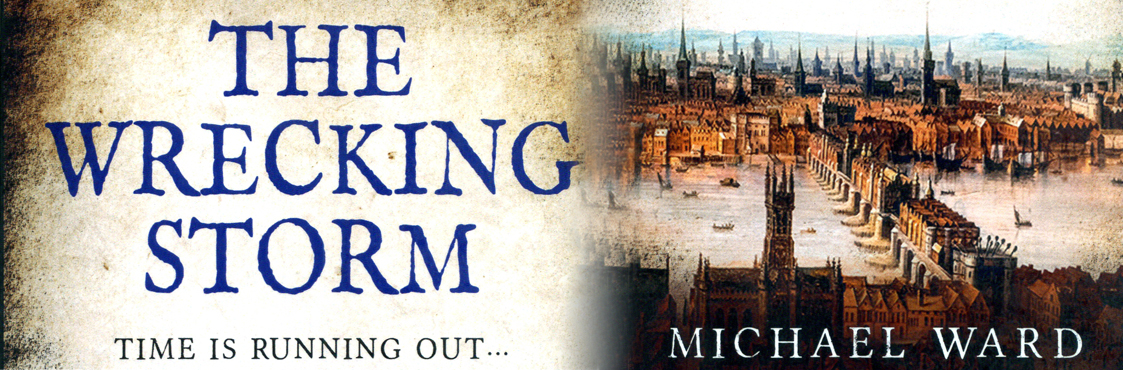
In the early summer of 1641, London is one of the most dangerous places in Europe. King Charles is facing growing challenges from Parliament and many of London’s people, stirred up by firebrand politicians such as John Pym, sense change is in the air. For Roman Catholics – such as the Tallant family – the mood is doubly dangerous. The Tallants are spice merchants, importing the precious condiments and selling them to those wealthy enough to afford to disguise badly-kept meat with pepper, cinnamon, cardamom and ginger. When two Jesuit priests disappear, Thomas Tallant is asked to investigate. When their bodies are found, it is obvious that they have been executed.
Both Sir Robert Tallant and his son Thomas are Members of Parliament, and they are about to witness one of the most famous scenes in British history, but first they must discover who is behind attacks on their premises – both their warehouse beside the River Thames, and their family home out in what was then countryside beyond the City. Are the attacks at the behest of rival merchants, jealous of the Tallants’ connections to the powerful Dutch East India Company, or is something more personal involved? And who is fomenting the violent activism of the Apprentice Boys?
These days we might think of The Apprentice Boys as purely a phenomenon of the political divide in Northern Ireland, but the Apprentice Boys in London predate the Derry incident by over forty years. The London Apprentices in the 1640s were a loosely organised group of many hundreds of young men who took to the street in protest at what they saw as exploitation by their masters. Inevitably but not necessarily correctly, they equated what they saw as their own servitude with the Royalist cause.
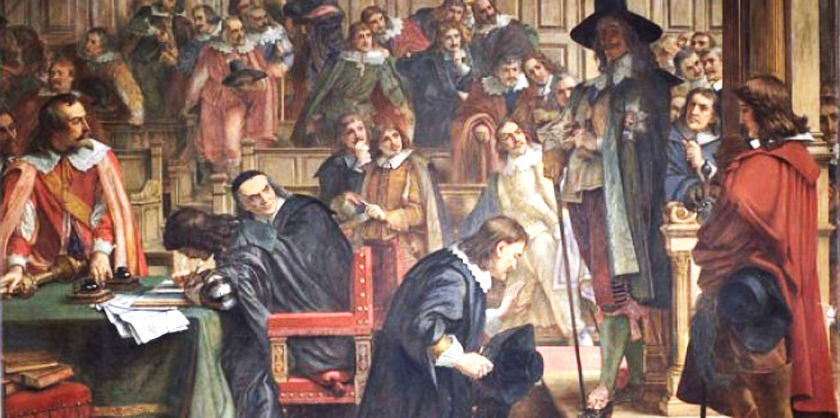
The author gives us a brilliantly described account (albeit moved a few months earlier) of the celebrated visit to the House of Commons by King Charles on 4th January 1642 in order to arrest the five members – John Hampden, Arthur Haselrig, Denzil Hollies, John Pym and William Strode – who he saw as central to the plot to bring him down. In this novel, their absence is attributed to a secret message passed earlier in the day to John Pym, and results in the King declaring ruefully, “All my birds have flown.“
Michael Ward does a sterling job of recreating the political and social tensions on the streets of London during what was, arguably, the most turbulent period of British history. The Wrecking Storm is published by Sharpe Books and is available now.
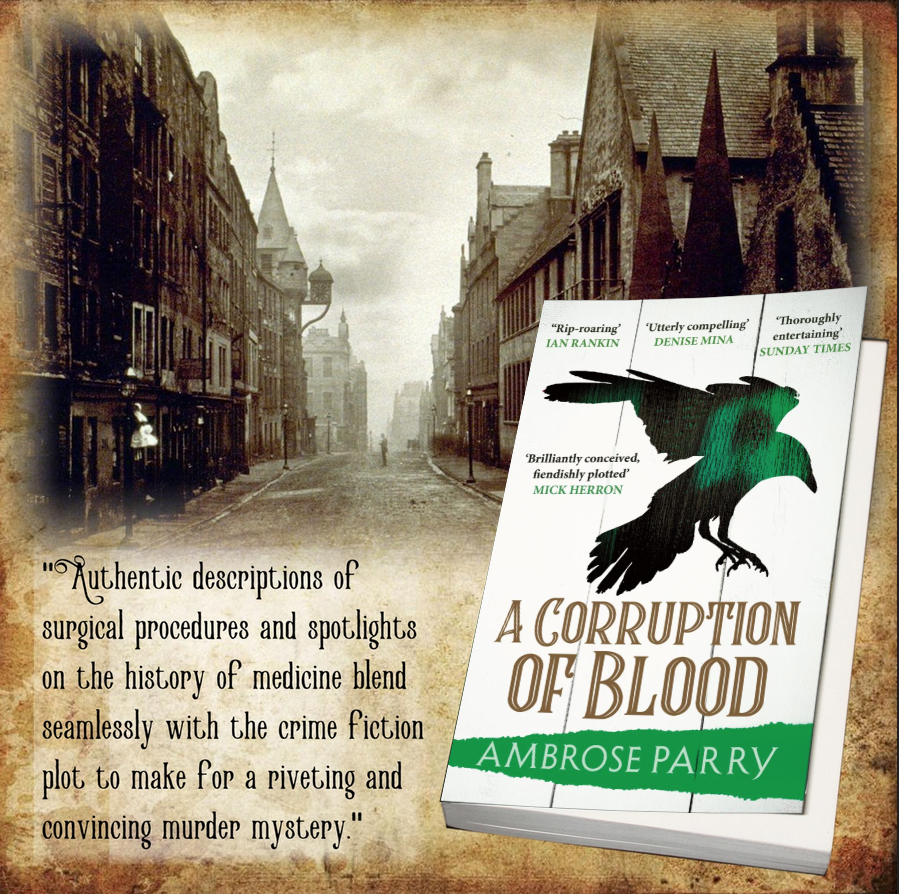

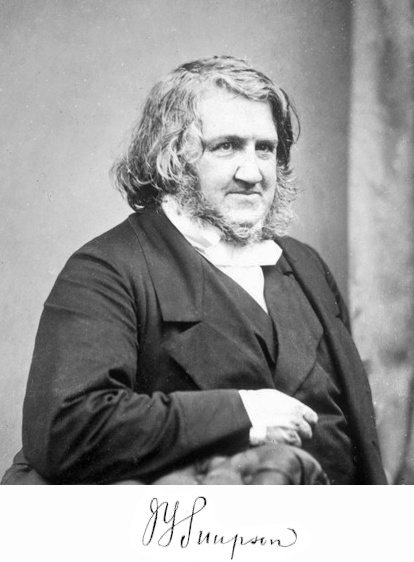 Ambrose Parry is the pseudonym used by husband and wife writing team
  Meanwhile, Raven has met – and fallen in love with – Eugenie Todd, the beautiful and intelligent daughter of another Edinburgh doctor, and has also become involved in a murder mystery. Sir Ainsley Douglas, a powerful and influential man of means has been found dead, and the post mortem reveals traces of arsenic in his stomach. His wastrel son Gideon is arrested on suspicion of poisoning his father, with whom he has had a fairly unpleasant falling-out. Raven is an old acquaintance – but far from a friend – of Gideon. The two knew each other from university and Raven has a very low opinion of his former fellow student, and is very surprised when he is summoned to Gideon’s prison cell and asked if he will investigate Sir Ainsley’s death.
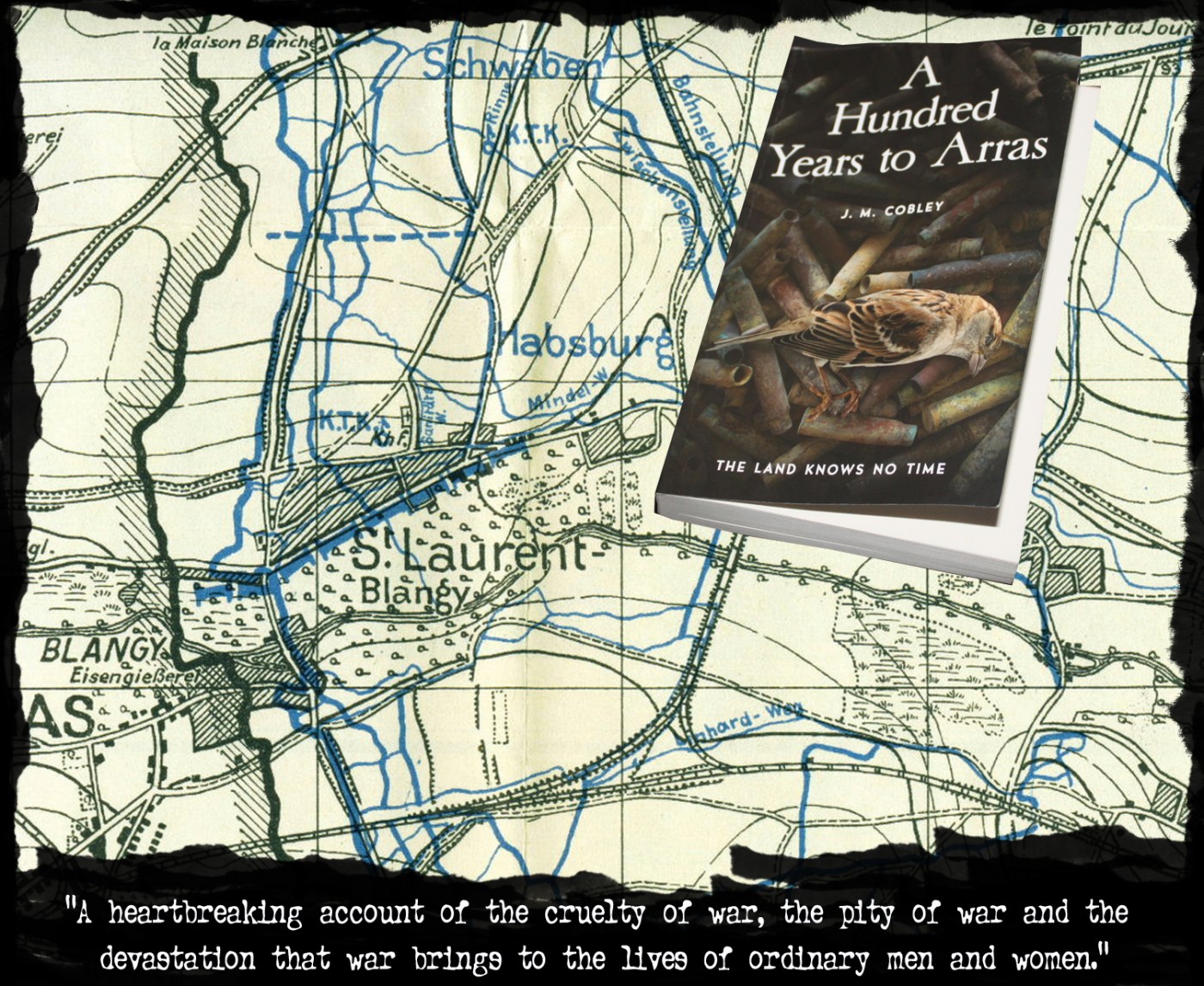

 In the spring of 1917, the British planned a major offensive either side of the ancient city of Arras, and J.M. Cobley makes this the climax of his novel. The main protagonist, Robert Henson, is a farmer’s son from Somerset and he enlists with the county regiment, the Somerset Light Infantry. We follow him through training and early skirmishes with the enemy, along with other men who become his close friends, and Cobley makes clever use of the contrast between the Cider With Rosie idylls of life in rural England and the harsh realities of life in the British Army. The author does, however, make the telling point that for some young men the plentiful – if unimaginative – army diet was actually a huge improvement on what they had been used to at home.

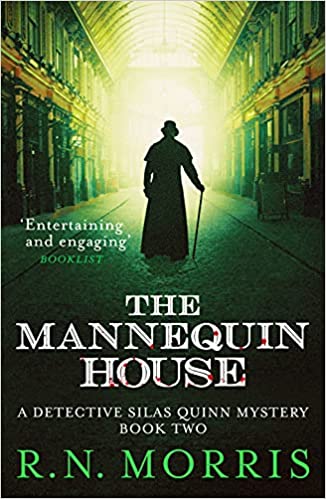 Quinn and his sergeants – Inchball and Macadam – are The Special Crimes Department of the Metropolitan Police. This department has a passing resemblance to Christopher Fowler’s


 Rather

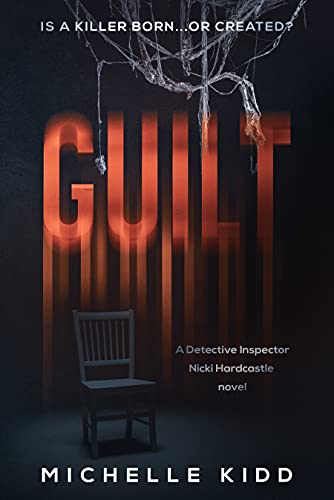 Nikki Hardcastle


 Parker takes something of a back seat in this novel (which is the 20th in a magnificent series) as Louis & Angel take centre stage. The first backdrop to this stage is Amsterdam, where a criminal ‘fixer’ called De Jaager goes to an address he uses as a safe house to meet three of his colleagues. He finds one of them, a man called Paulus, shot dead, while the two women, Anouk and Liesl, have been tied up. In control of the house are two Serbian gangsters, Radovan and Spiridon Vuksan. They have come to avenge the death – in which De Jaager was complicit – of one of their acquaintances, who was nicknamed Timmerman (Timber Man) for his love of crucifying his victims on wooden beams. What follows is not for the faint of heart, but sets up a terrific revenge plot.

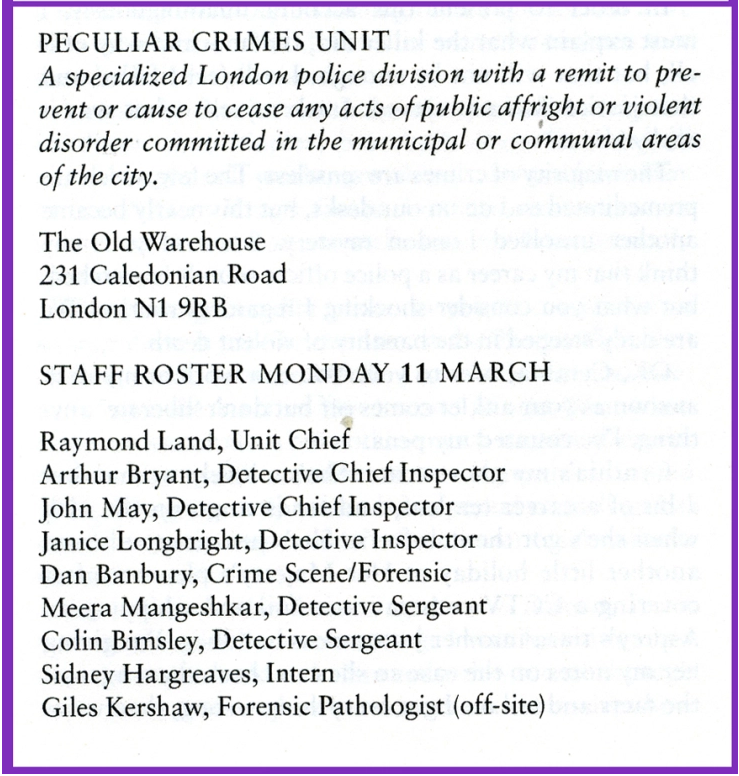





 We are in London in the summer of 1879, and young Holmes has yet to meet the man who will write up his greatest cases. Holmes works for a guinea a day, and is striving to build his reputation. Within the first few pages, he has been hired to investigate two cases on behalf of a man who was already a celebrity, and another who would become infamous in his lifetime, but revered and admired after his death. The celebrity is Albert Edward, Prince of Wales, the future King Edward VII, a notorious Lothario whose battleground has been country houses and mansions the length and breadth of the country, the vanquished being a long list of cuckolded husbands. It seems that the heir to the throne has been in the habit of entering his sexual achievements in a diary – a kind of fornicator’s Bradshaw, if you will – but it has gone missing, and Holmes is charged with recovering it.
 One hundred pages in, and it is clear that the author is enjoying a glorious exercise in name-dropping. James McNeill Whistler, Lillie Langtry, Francis Knollys, Patsy Cornwallis-West, Frank Miles, Sarah Bernhardt, John Everett Millais and Rosa Corder (right) are just a few of the real life characters who make an appearance, and it is clear that ‘Sherlock Holmes’ moves in very elegant circles.


 fullybooked2017