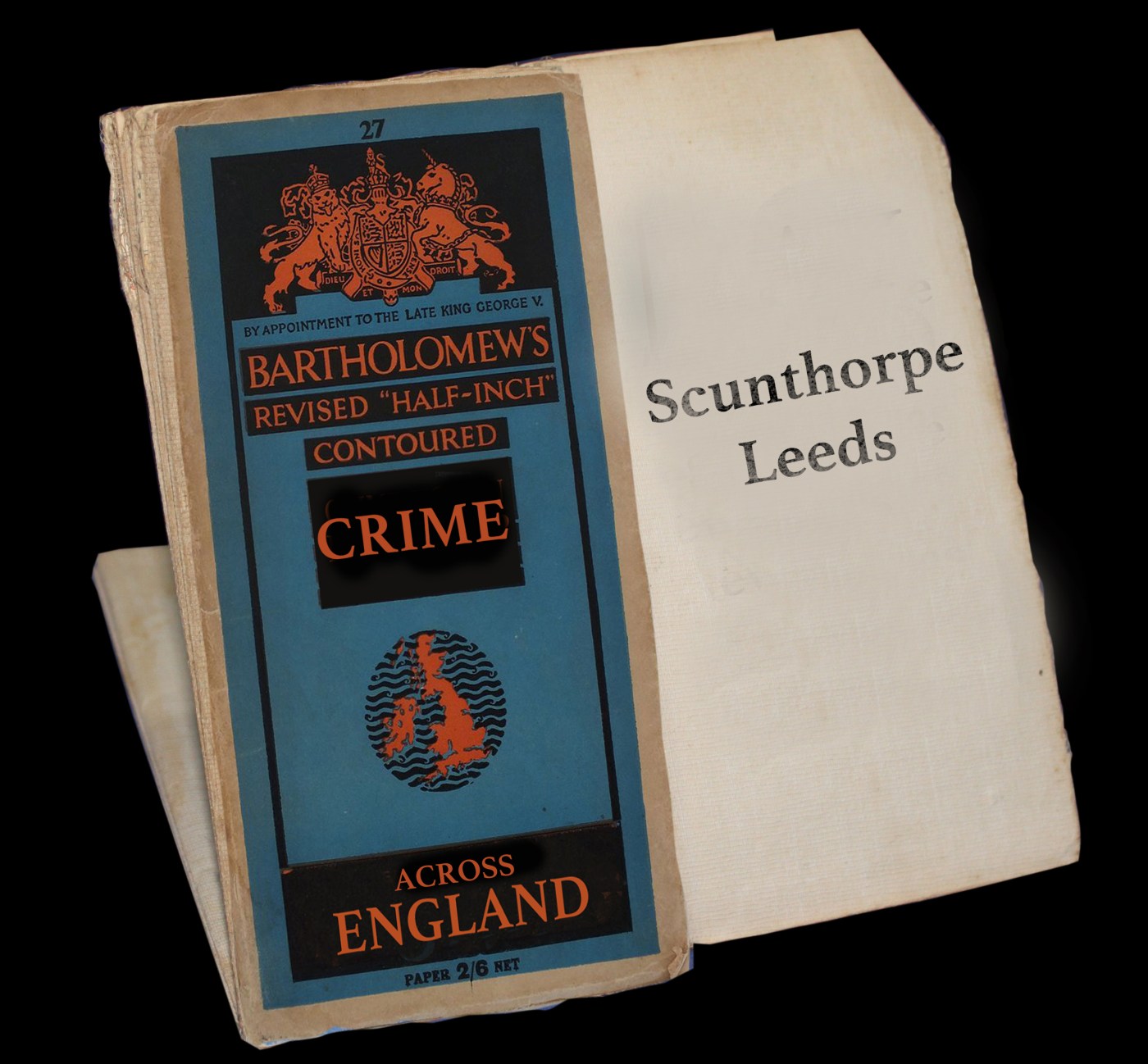
 A trip to Scunthorpe might not be too high on many people’s list of literary pilgrimages, but we are calling in for a very good reason, and that is because it was the probable setting for one of the great crime novels, which was turned into a film which regularly appears in the charts of “Best Film Ever”. I am talking about Jack’s Return Home, better known as Get Carter. Hang on, hang on – that was in Newcastle wasn’t it? Yes, the film was, but director Mike Hodges recognised that Newcastle had a more gritty allure in the public’s imagination than the north Lincolnshire steel town, which has long been the butt of gags in the stage routine of stand-up comedians.
Author Ted Lewis (right) was actually born in Manchester in 1940, but after the war his parents moved to Barton-on-Humber, just fourteen miles from Scunthorpe. Lewis crossed  the river to attend Art college in Hull before moving to London to work as an animator. His novels brought him great success but little happiness, and after his marriage broke up, he moved back to Lincolnshire to live with his mother. By then he was a complete alcoholic and he died of related causes in 1982. His final novel GBH (1980) – which many critics believe to be his finest – is played out in the bleak out-of-season Lincolnshire coastal seaside resorts which Lewis would have known in the sunnier days of his childhood. In case you were wondering about how Jack’s Return Home is viewed in the book world, you can pick up a first edition if you have a spare £900 or so in your back pocket.
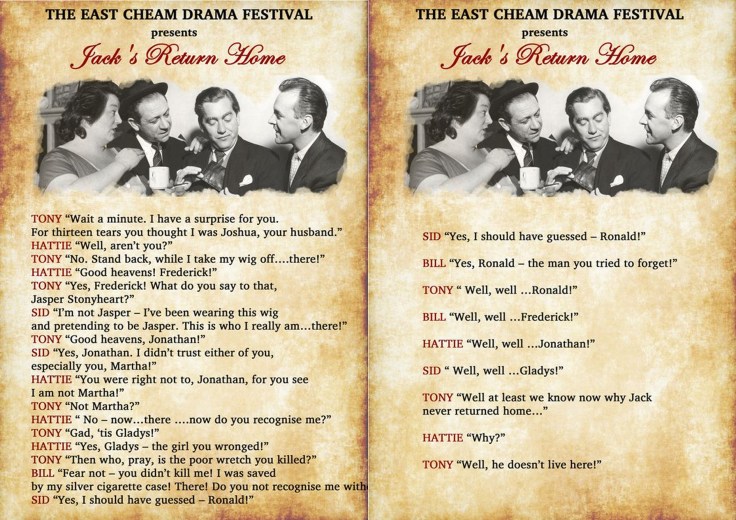
There is a rather arcane conversation to be had about the original name Jack’s Return Home. Yes, Carter’s name is Jack, and he returns to his home town to investigate the death of his brother. But take a look at a scene in the film. Carter visits his late brother’s house, and amid the books and LPs strewn about, there is a very visible copy of a Tony Hancock record, Check out the discography of Tony Hancock LPs, and you will find a recording of The East Cheam Drama Festival and one of the plays – a brilliantly spoof of a Victorian melodrama – is called …….. Jack’s Return Home.
You can find out much more about Ted Lewis and his books by clicking the image below.
Before we leave the delights of ‘Scunny’, here’s a pub quiz question. Three England captains played for which Lincolshire football team? The answer, of course, is Scunthorpe United. The three captains?
Kevin Keegan – Scunthorpe 1966-71, England captain 1976-82
Ray Clemence – Scunthorpe 1965-67, England captain once, in a friendly against Brazil
Ian Botham – Scunthorpe 1980-85, England (cricket) captain 1980-81
Ouch! Anyway, back to crime fiction and we start up the Bentley and head into darkest Yorkshire to meet a policeman and his family in the city of Leeds.

 Does Chris Nickson preach? Absolutely not. This is the beauty of the Tom Harper books. No matter what the circumstances, we trust Harper’s judgment, and we can only be grateful that the struggles and sacrifices that he and his wife endured paid – eventually – dividends. The books are relatively short, but always vibrant with local historical detail, and I swear that I my eyes itch with the tang of effluent from the tanneries, and the sulphurous smoke from the foundries. We also meet real people like Herbert Asquith, Jennie Baines and Frank Kitson. Chris Nickson takes them from the dry pages of the history books and allows our imagination to bring them to life. For detailed reviews of some of the Tom Harper books, click the author’s image (left)


 The next stage of our journey is to a town that doesn’t exist – at least on an Ordance Survey map. Writers have always created fictional towns based on real places – think Thomas Hardy’s Casterbridge, Trollope’s Barchester, Arnold Bennett’s Bursley, Herriot’s Darrowby, and Dylan Thomas’s Llareggub – but remember that each was based on a real life place well known to the writer. Thus we drive along a road that skirts the windswept and muddy shores of The Wash until we arrive in Boston, Lincolnshire. It was here that the journalist and writer Colin Watson lived and worked for many years, and it was in Boston’s image that he created Flaxborough – the home and jurisdiction of Inspector Walter Purbright.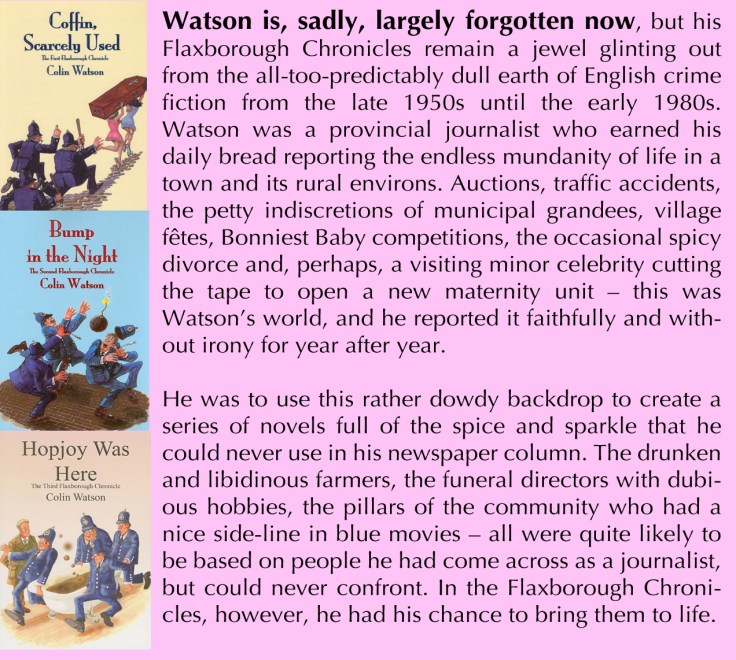


 Wiley Cash is at his best when describing the complex social history of his home state, and the ways in which it affects families and relationships, and he is on good form here. Where the book didn’t work so well, for me at least, was in the ending. In literally two and a half pages, everything we thought we knew about what was happening on Oak Island is turned violently on its head. Abrupt? Yes. Enigmatic? Certainly. There’s no rule that says every plot has to end neatly tied up like a parcel with every question answered, and many readers may enjoy the ambiguity at the end of this book. You could say that Cash (right) gives us the dots and leaves it up to us how we join them up. When Ghosts Come Home is published by Faber and Faber, and is

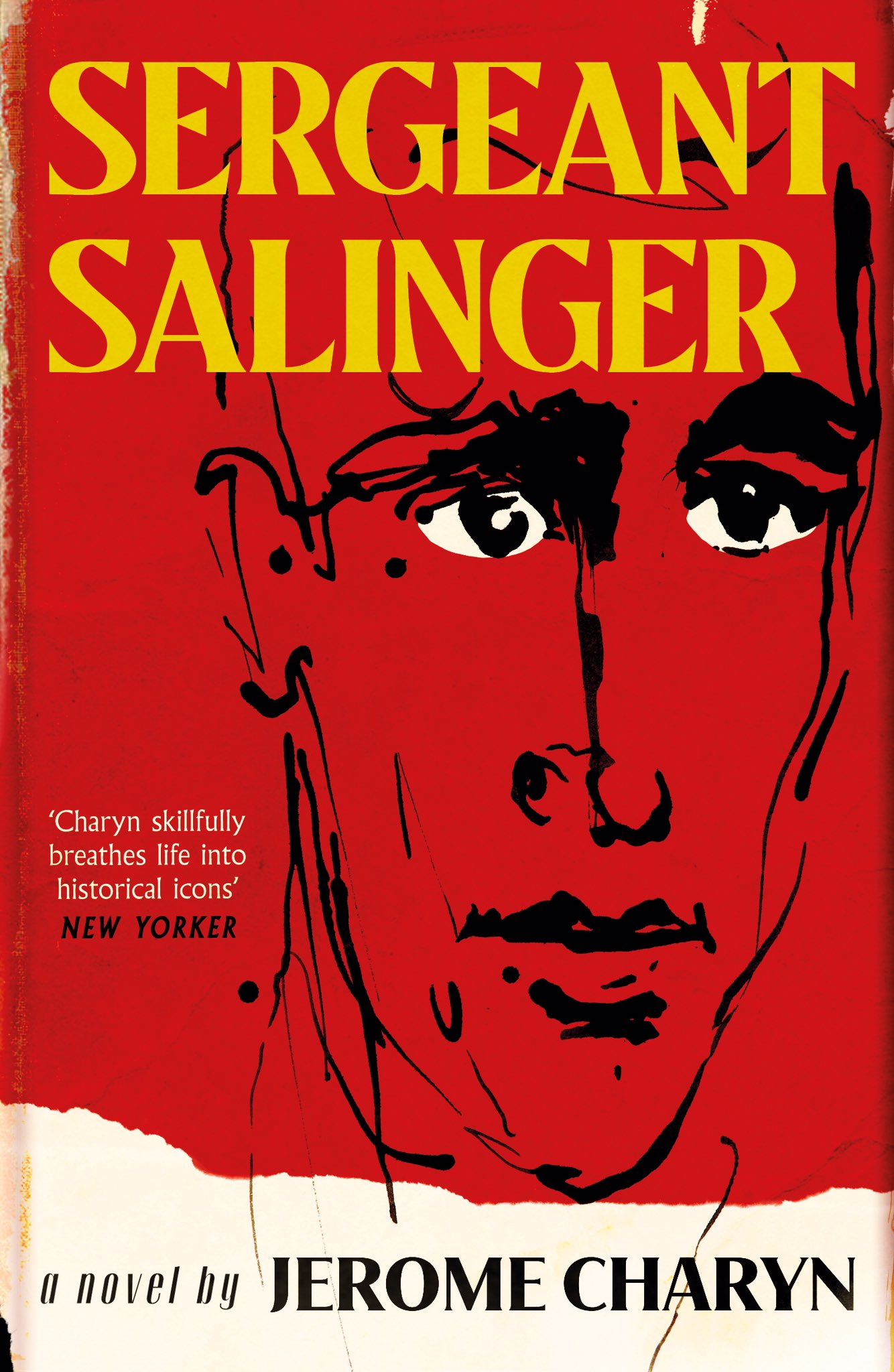
 We are left to imagine what he looks like. He never uses violence as a matter of habit, but his inner rage fuels a temper which can destroy those who are unwise enough to provoke him. Why is he so bitter, so angry, so disgusted? Of himself, he says:
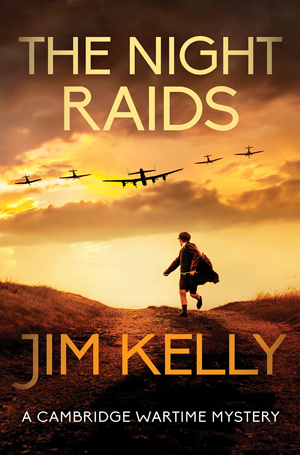


 This prelude takes place in 1942

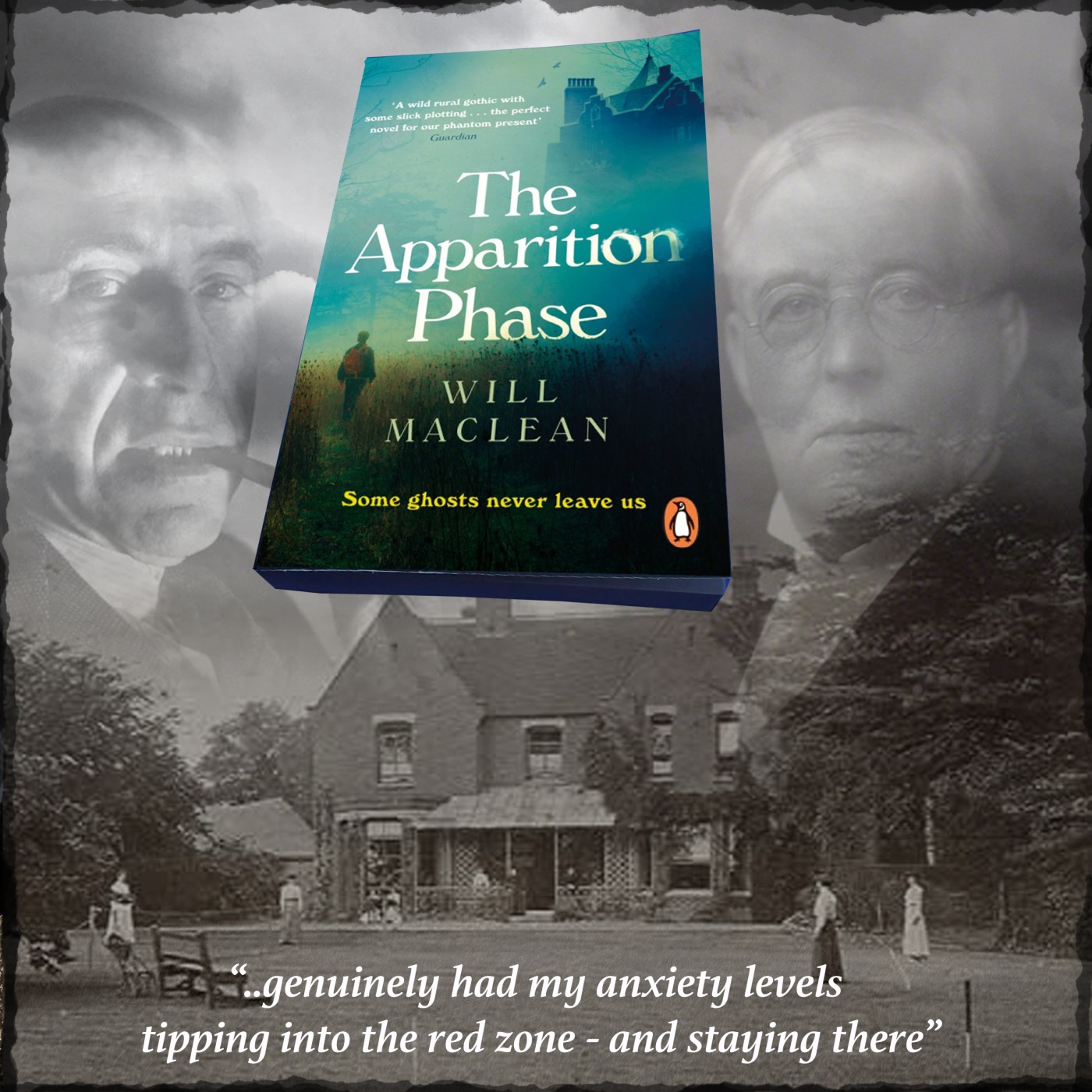

 I don’t review too many non-crime novels on here, but this one really appealed to me. It begins in the 1970s in an unnamed English town. Tim and Abi are teenage twins and, like many such siblings, have an almost preternatural bond that often transcends the spoken word and visual communication. They also have what might be called an unhealthy fascination with ghosts and the paranormal. One of Tim’s hobbies is painting pictures of bygone execution methods, and their favourite book is a well worn copy of The End of Borley Rectory (1946) by
 On a blank wall

 The team investigating the murder is led by Detective Inspector Isabel Blood, her Sergeant and a brace of DCs. They soon learn that the dead man is Kevin Spriggs, a middle-aged car mechanic, with a failed marriage behind him, an estranged son – and an argumentative temperament often fueled by drink. The murder raises many questions for Blood and her people. How did Spriggs and the person who killed him gain access to a locked house? Who hated Spriggs – admittedly not one of life’s natural charmers – enough to kill him? After all, he was something of a nobody, tolerated rather than loved by most people who knew him, but why this brutal – and mysterious – death?

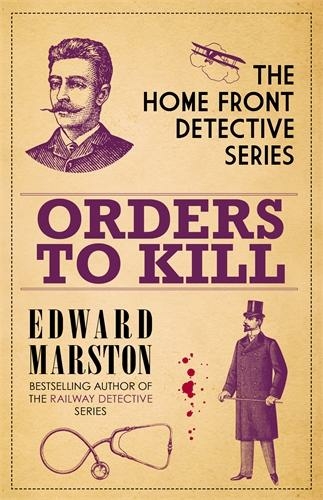 Investigating duos are always a reliable way to spin a police novel, and in this case we have Inspector Harvey Marmion and Sergeant Joe Keedy of the Metropolitan Police. Marmion is married to Ellen, with a son and daughter. Son Paul has been mentally damaged by his time on the Western Front, and has now disappeared leaving no clue as to his whereabouts, while daughter Alice – also a service police officer – is engaged to Keedy.
 Edward Marston

 The story begins with a murder, graphically described and, at this point in the review, it is probably pertinent to warn squeamish readers to return to the world of painless and tidy murders in Cotswold manor houses and drawing rooms, because death in this book is ugly, ragged, slow and visceral. The victim is a middle-aged woman who makes a living out of reading Tarot cards, tea leaves, crystal balls and other trinkets of the clairvoyance trade. She lives in an isolated cottage on the bleak shore of the Humber and, one evening, with a cold wind scouring in off the river, she tells one fortune too many.
 “She has found herself some mornings with little horseshoe grooves dug into the soft flesh of her palms. Sometimes her wrists and elbows ache until lunchtime. She sleeps like a toppled pugilist: a Pompeian tragedy. She sees such terrible things in the few snatched moments of unconsciousness.”


 fullybooked2017