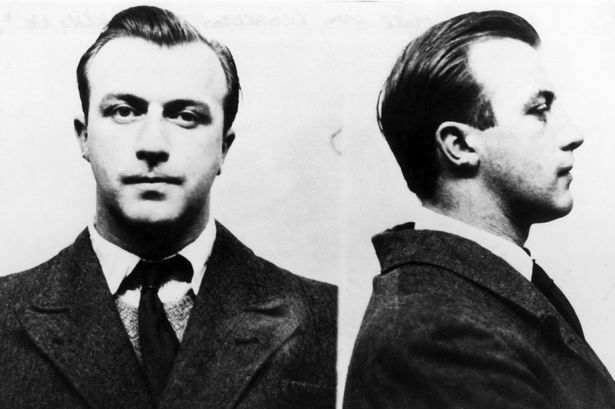
In the long and grisly history of organised crime, at least in the days before the internet, the control of geographic territory is a recurring factor. In big cities such as New York, Los Angeles and, in this case, London, criminal gangs have tended to carve out for themselves areas of influence which can be defined with an almost postcode accuracy. Such is human frailty, greed and weakness that there is almost always enough loot to be shared between different operators, and it has often been the case that gangs have been prepared to tolerate fellow crooks just as long as they stay on their own patch. Sometimes the gangs have been defined by ethnic origin as with the traditionally bitter competition in New York between the Irish, the Jews and the Italians.
In London, the geographically insignificant island of Malta produced a whole string of thuggish gangs in the middle years of the twentieth century, but history will always confer the accolade of “headline act” of the 1960s to the Kray twins. Their villainy has attracted myth, legend, and certain dubious glamour which still endures, but were the gangs of the time to have been quoted on The Stock Exchange, it is quite possible that investors would have been more attracted by the business acumen of Charlie and Eddie Richardson. (below)

The Richardsons operated ‘sarf of the river’ which, to those not familiar with London, means the districts south of The Thames, including Camberwell, Brixton, Stockwell, Lewisham, Deptford and Lambeth. While the Krays always seemed to be gazing at the stars, with their love of night clubs, celebrity culture and fine living, the Richardsons were perfectly happy to be in the gutter, safe in the knowledge that scrap metal and fruit machines were a less glamorous, but more profitable route to riches.
Charles “Charlie” William Richardson (1934 – 2012) and Edward “Eddie” Richardson, (1936 – ) were the CEOs of the firm while on the board of directors were none other than Frank ‘Mad Frankie’ Fraser and George Cornell. Fraser, who offered his employers informal dentistry using pliers, ended his days in sheltered accomodation suffering from Alzheimers, having recently been served with an ASBO for assaulting another resident. The 90 year-old had carved out something of a media career in his final years, guiding trips around his former stamping grounds for gullible tourists. (Below – Fraser with Eddie Richardson at Charlie’s funeral)

George Cornell’s demise was more spectacular. Having allegedly angered Ronnie Kray by calling him “a fat poof”, he was shot dead (by the allegedly overweight homosexual) on 9th  March 1966. Cornell (right) was having a quiet drink in The Blind Beggar pub, well inside Kray territory on Whitechapel Road, when Ronnie walked in and put a bullet from a 9mm Luger into his head. Needless to say, none of the bar staff or other customers saw a single thing. Kray was eventually convicted of the murder when a barmaid, aware that Ronnie was already safely under lock and key for other misdeeds, testified that she had witnessed the killing.
Older readers will have chuckled at the Monty Python parody gangster sketch featuring the The Piranha Brothers, Doug and Dinsdale. (click the image to see the video)

This classic was an inspired homage to both The Krays and The Richardsons, but amid the laughter there is a horrible truth. Charlie and Eddie had a variety of punishments to inflict on those who crossed them. In addition to the dentistry skills of Frankie Fraser, they also used hammer and nails, and did a special line in victims’ genitals being attached to the terminals of an old fashioned crank-up WW2 field telephone generator. They were also fond of removing fingers and toes with bolt cutters.
Charlie Richardson was arrested for torture on 30 July 1966, the World Cup Final day. Eddie Richardson was sent to prison for five years for affray. There were also stories of Charlie being connected to the South African Bureau of State Security and an attempt to tap then-Prime Minister Harold Wilson’s telephone.
The so-called “Torture Trial” began at the Old Bailey at the beginning of April 1967. The Richardsons were found guilty of fraud, extortion, assault and grievous bodily harm. Charlie Richardson was sentenced to 25 years in prison, and Eddie had ten years added to his existing sentence. Charlie Richardson was not freed until July 1984, and died in September 2012.
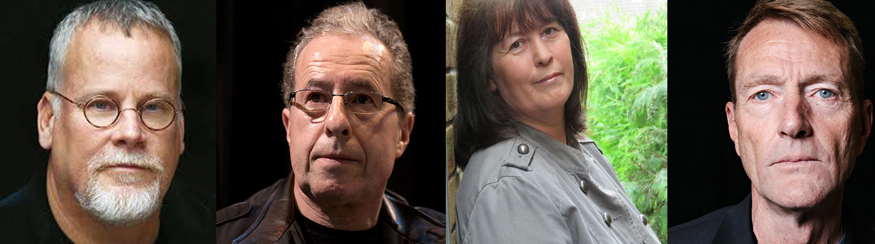
 Some authors save the best for last. Others, like Joseph Heller with Catch 22, produce such a devastatingly good first novel that the rest of their lives are spent trying to better it. Rachel Amphlett has a new novel out – watch out for our review of Scared To Death – but she has taken time out of her hectic schedule to look at a few brilliant ‘first in series’ crime novels.
 Michael Connelly – The Black Echo (Harry Bosch #1)
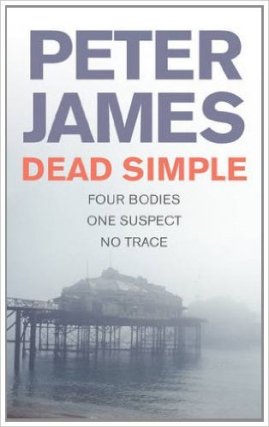 Peter James – Dead Simple (Roy Grace #1)
 Angela Marsons – Silent Scream (Kim Stone #1)
 If there is a league table which ranks ‘Every Parent’s Worst Nightmare’ events in terms of trauma, torment and terror, having a child kidnapped must come near the top. It could be argued that death is at least final and offers – however bleak a prospect that may be – a sense of closure and a chance for the living to rebuild their lives. But kidnap? Uh-uh; cue uncertainty, recrimination, the anxious waiting for that ‘phone call, the wondering, the sheer agony of not knowing. That is the fate of Tony and Yvonne Richards in the latest novel from Rachel Amphlett (left) when they return to their Kent home from a trip to Milan to find that their daughter Melanie has been taken. Neither Tony nor Yvonne is cut out to be Bryan Mills /Liam Neeson, and so they scrape together the ransom, make the drop, and frantically drive to the derelict industrial estate where Melanie, they hope, will be waiting for them. What they actually find delivers a killer blow – literally.
 Hunter tugs away at the few available frayed threads of the investigation until she has enough twine to weave a recognisable tapestry that shows a victim and those culpable for the crime. Larch does his best to belittle her efforts, but she has a strong supporter in her immediate boss, DI Devon Sharp. There is a very clever twist in the final third of the story when it becomes apparent that the latest kidnap victim is the estranged daughter of a member of the investigating team. It has become commonplace for fictional coppers to have chaotic personal lives, but there is a feelgood corner of this novel where the reader can take comfort in the warm relationship between Kay Hunter and her veterinarian husband, Adam.


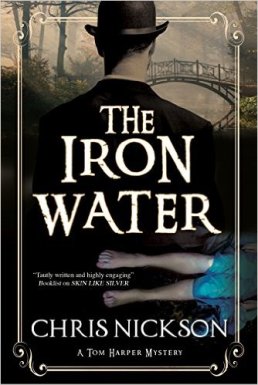 Two gang bosses, one of Irish heritage and the other local, are engaged in a tense truce. They will hold off attacking each other while Harper and his fellow officers track down the mysterious copper-headed man who appears to be connected to the deaths. Time is running out, however, and there is an even more calamitous threat hanging over the heads of the police. The powers-that-be want answers, and as Harper runs around in ever decreasing circles, he is told that if he doesn’t find the killer, then men from Scotland Yard will travel north and take over the case. This, for Harper and his boss Superintendent Kendall, will be the ultimate disgrace.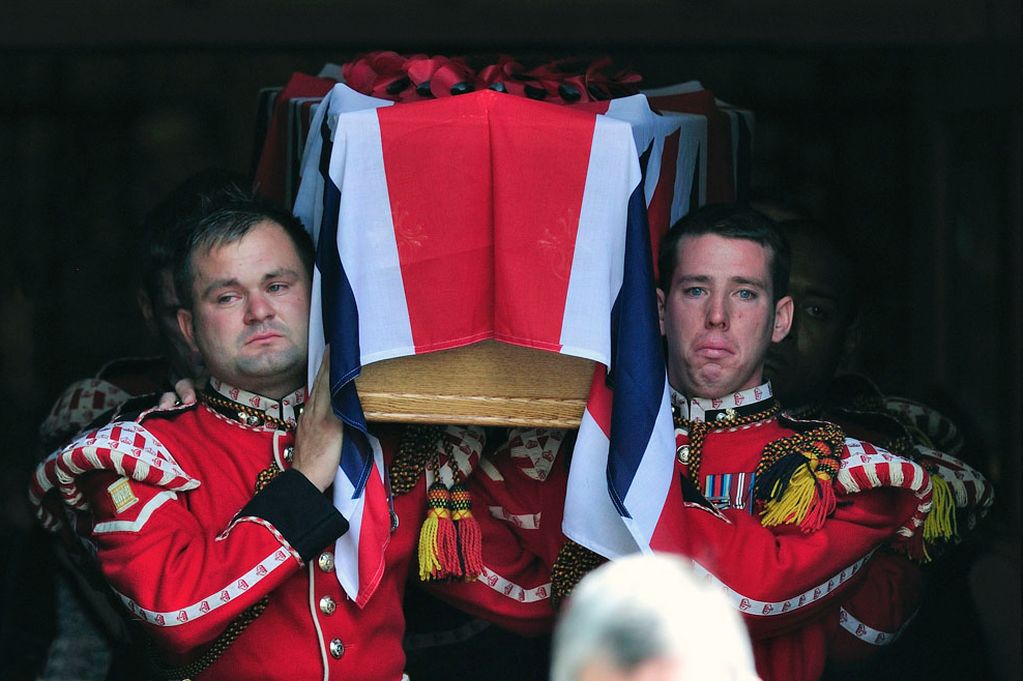
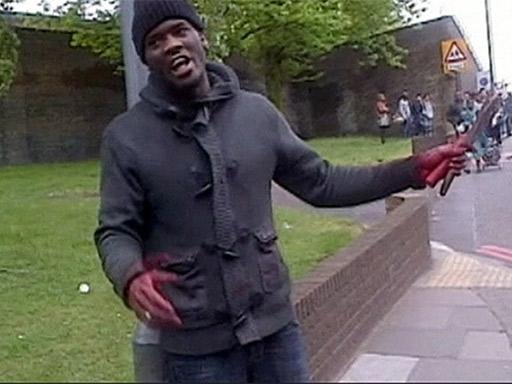
 Such a crime took place on a calm May afternoon in 2013. The place? A nondescript suburban street in south-east London. The victim? A 25 year-old soldier, in civilian clothes, returning to his Woolwich barracks after a spell of ceremonial duty at The Tower of London.



 If you want a lovely copy of Catherine Ryan Howard’s novel Distress Signals, then enter our prize draw. I can personally guarantee that it is a cracking read, as I reviewed it for another site earlier in the year. I’ll steal a few lines from what I wrote:




 fullybooked2017