

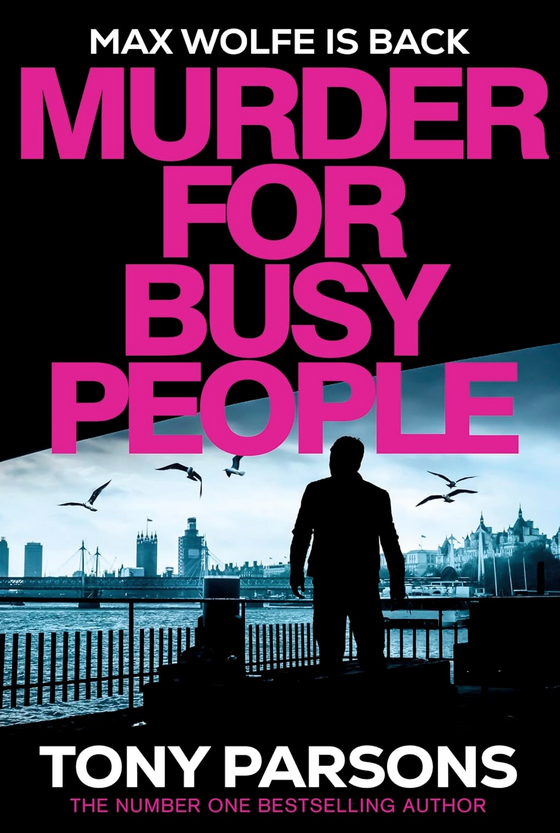
The good news is that DS Max Wolfe is back, and the even better news is that, after a long absence, our man is in very good form. As a young uniformed copper, only days out of Hendon Police College, Wolfe was first on the scene at a safe heist in a palatial London villa. All he found was a gaping hole in the wall, two corpses – and a young woman called Emma Moon, a girlfriend of the mobsters who committed the heist. Wolfe put the cuffs on her, she was tried, convicted, and served a long jail term, during which her troubled son committed suicide. Never once, during the whole process, did she utter a word about those who profited from the robbery. Now, she is out, suffering with terminal cancer, but on a ice cold revenge mission to kill as many of her former associates as she can in the brief time she has left.
Old Max Wolfe hands will know that there is an autobiographical strand running through the novels. Parsons’ breakthrough book was Man and Boy, an account of a male single parent. Here, Wolfe brings up his daughter Scout, rather than a son. Both Wolfe and Parsons are lovers of a dog called Stan, and it was sad to see an RIP notice to the real Stan in the frontispiece of this novel. Max Wolfe lives within sight, sound and smell of the historic meat market known as Smithfield, for centuries the beating heart of a country that loves beef, pork and lamb. Parsons may not have known, when this book was signed off to the printers, that the death knell would be sounded on this historic site. It will, no doubt, be demolished and something trite and anodyne built in its place. This is a purely personal paragraph, as Parsons doesn’t preach, but I think London is gone for us now: pubs are closing at an alarming rate, institutions like the iconic chop house Simpsons of Cornhill lie empty, derelict and vandalised. Philip Larkin was right when he wrote, “And that will be England gone.”
Wolfe juggles several criminal – and personal – issues. He knows that a group of Jack-The-Lad firearms officers have a flat where they abuse young women, wrongly arrested when they flash their warrant cards. The murder of a young woman of the streets, Suzanne, seems unsolvable. On a personal level, he struggles to keep tabs on Scout, his twelve-year-old daughter. She is wilful, disobedient, but highly intelligent. Every single second while he is working, he is worried about where she is, and what she is doing. One by one, the foot soldiers of the heist succumb, each apparently, to natural causes. Wolfe does, in the end, unmask the killer, but more by accident that intention.
Apart from being a gripping read from the first page to the last, this novel is remarkably prescient. I believe that there are many months between the final edition of a book being sent to the printers, and its appearance on bookshop shelves. Parsons weaves two very recent issues into the warp and wedt of his novel. One is a subtle and reflective elegy on Smithfield and its sanguinary history. Just weeks ago, an enquiry released its findings into the killing of a London criminal at the hands of firearms officers. Parsons lets us know, in excruciating detail, the hell that descends on any officer who fires a fatal shot.
Max Wolfe is both convincing and endearing. He doesn’t always get things right. Here, his judgment of Sarah Moon veers from spot-on to plain-wrong (and back again) several times. For all that certain critics and reviewers turn up their noses at Tony Parsons because of his political views, and the newspapers he has written for, the last pages of this book reveal what I have known ever since I met the man at a publishers’ party. He is observant, fiercely honest, and a deeply sensitive writer. Max Wolfe may be only marginally autobiographical but, like his creator, he only dances to the tunes he hears in his own head, and not those streamed in from elsewhere. Murder For Busy People will be published by Century on 2nd January.






 #Taken kicks off, appropriately enough, when a young ballet dancer, Jessica Lyle, is snatched from her borrowed car just yards from the gated luxury home she shares with another girl. From here, Wolfe and his alcoholic boss DCI Pat Whitestone face a veritable University Challenge of questions. Their starter-for-ten is to decide if Jessica was actually the intended victim. Although her father is a retired copper who may have run up an impressive list of enemies, isn’t it more likely that Jessica was mistaken for her flatmate, Snezia? After all, Snezia is not only a dancer of a different kind from Jessica (think ‘gentlemen’s’ clubs, tiny thong and shiny pole) but she is the mistress of fabled former gang boss Harry Flowers. Jessica was driving Snezia’s car when she was taken. Isn’t this just another example of the stupidity of hired thugs?


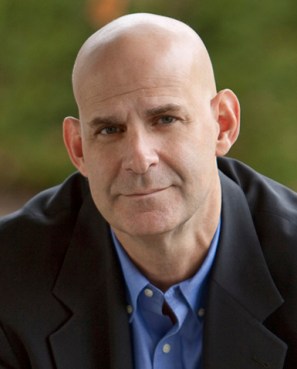 One of the more reliable tropes in crime fiction, and one that never fails to hit a nerve, is the one about the father whose daughter is taken from him by fate, circumstance or – memorably in the case of Bryan Mills/Liam Neeson – by the bad guys. In this case, however, Simon Greene has lost his daughter to a more complex enemy – drugs, disenchantment and mental instability. Greene’s wife has had enough of the wayward Paige and has shut her out of her life, but Greene never stops looking. And then he finds her. Emaciated, filthy, and addicted. His determination to follow her down into her own private hell and bring her back is a terrifying journey through New York’ dark side, and a stark portrait of human obsession. Century will be publishing
  Natalie Daniels is the pseudonym for screenwriter, author and actress Clara Salaman who starred as DS Claire Stanton in the long running British TV cop show The Bill. Her talent as a writer is on display here in a psychological drama about a woman who wakes up in a secure mental hospital, her hair torn out in clumps, emaciated and with no memory of how she got there. What is the connection between Connie’s present state and the friendly lady she met in the park watching their children play? Can psychiatrist Emma Robinson untangle the twisted knots that make up Connie’s memory, and come anywhere near to rationalising what Connie has done? Transworld Digital brought out Too Close in November 2018 as a Kindle, but people who like to get their hands on the printed page can get a paperback version
  If you are long in the tooth and a bit ‘old school’ like me, you may well share my bafflement at the concept of driverless cars. It will all end in tears, I say, and this entertaining mixture of crime fiction and SciFi may add weight to my argument. Eight driverless cars set off on their separate journeys. The passengers are: a TV star, a pregnant young woman, a disabled war hero, an abused wife fleeing her husband, an illegal immigrant, a husband and wife – and parents of two who are travelling in separate vehicles – and a suicidal man. What could possibly go wrong? Someone hacking into the IT system which controls these vehicles is precisely what goes wrong, with predictably disastrous consequences. Marrs is the author of best sellers The One, The Good Samaritan, When You Disappeared, Welcome to Wherever You Are and Her Last Move. The Passengers will be out in Kindle on 1st April, and there will be a paperback version from Del Rey
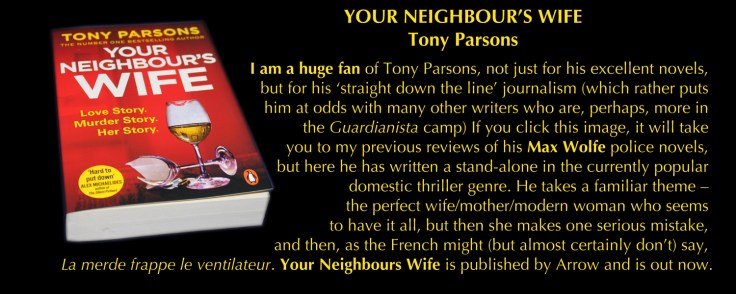
  There are few modern writers who know London as well as Tony Parsons, and his intrepid London copper Max Wolfe gets to explore the many nooks and crannies, foibles, eccentricities – and dark places – of England’s capital in the course of his investigations. When a gangland revenge kidnapping goes spectacularly wrong, Wolfe is drawn into the nightmare world of London’s underbelly, and he is pitted against men for whom power, money, sex and horrific violence are simply tools of their trade. I am a huge fan of Tony Parsons and his Max Wolfe novels, so while you wait for Taken to appear –
  Ellie Enderlin’s life has been blighted by the unsolved murder of her sister. Lila’s death cast its black shadow over her parents, too, but when Ellie finds her sisters notebook what she reads opens up the possibility that Lila’s killer may, at last, be identified. Knowledge, however, rarely comes without a price, and as Ellie reconstructs her sister’s life – and death – she comes to realise that when heavy stones are lifted, there may be unpleasant things scuttling around underneath. Set in San Francisco, this first came out in 2008, and second hand copies can be picked up fairly easily, but this is a brand new paperback reissue,
 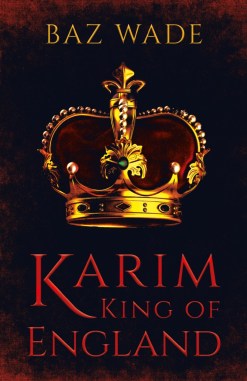 This is a futuristic political thriller which takes as its subtext the anxieties many British people share about the rise and rise of Islam in the commercial, educational and social life of the country. Readers will not need subtitles to recognise the real-life palimpsest of this story, where a dazzling English princess bears a child whose father is a wealthy middle-eastern playboy. Karim is that child, and when he returns to England after a Muslim upbringing in Dubai, he becomes involved in a political and social struggle which threatens to engulf the country, and turn his golden dreams into ashes. Karim, King Of England came out late last year and is
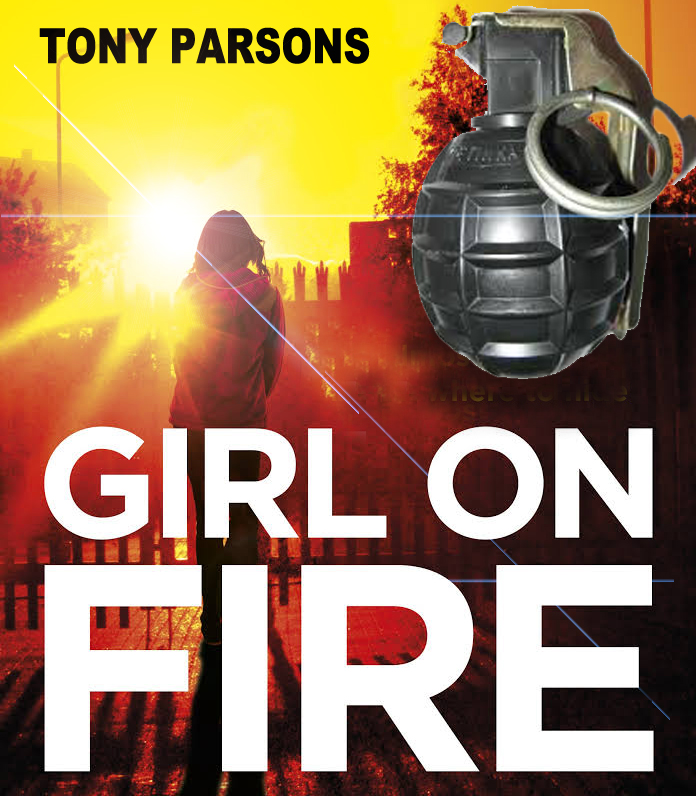
 Wolfe survives, and shoulders his way into the hit team which raids a nondescript terraced house in Borodino Street in East London. Their target? To capture two Pakistani brothers who have adapted simple commercially available drones into weapons of terror. Needless to say, the raid does not go according to plan. The lead police officer is shot dead at the outset, by one of the brothers disguised in a niqab. He is eventually shot dead, as is the remaining brother. But there are questions raised about the death of the latter. Was he shot as he was trying to surrender, or was he simply assassinated by a vengeful police marksman? And where are the two ex-Croatian hand grenades which informers say had been sold to the Khan brothers?
 The novel frequently holds you by the hand – no, make that puts you in an arm lock – and takes you to places you would rather not go. Parsons (right) is not someone with a well stocked cupboard full of tea lights, bunches of flowers and anodyne pleas for togetherness. He is not going to link arms with anyone and place these tributes at scenes of murder and carnage. Least of all will he, via Max Wolfe, be tweeting Je Suis Borodino Street any time soon. Some might say that for a humble DC, Max Wolfe certainly seems to get about a bit, but this is an irrelevant criticism, because what he thinks and sees are essential to the story. Wolfe is a a man of deep compassion and perception. Not only is his narrative reliable – it is painfully accurate and candid. Readers have, of course, the option of averting their gaze or thinking about gentle deaths in Cotswold villages, solved by avuncular local bobbies. Those who choose not to turn away from this brutal autopsy of Britain – and specifically London – in 2018 will not, I suggest, feel rejuvenated, life-enhanced or particularly optimistic by the end of this novel. Rather, they will follow the emotional journey of the celebrated wedding guest:

 I had the pleasure of meeting Araminta Hall (left) recently at a publisher’s ‘do’ and so I was doubly delighted when a copy of Our Kind of Cruelty arrived at Fully Booked Towers. It is due to be published later this year, and it concerns a couple, Mike and Verity, whose relationship features a deadly game called the Crave. Mike describes the rules:
 I may as well continue the shameless name dropping and say that I was lucky enough to meet Tony Parsons (right) too, at the same Cornerstone event where I met Araminta Hall. He was full of fascinating background information about the mysterious and hidden world beneath The Old Bailey in London – the setting for an earlier DC Max Wolfe novel, The Hanging Club. Now, Max Wolfe returns with another London based case, but this time the stakes have ratcheted even higher. There is a very heated argument playing out on social media just now about what kind of city London has become, with acid attacks, knifings and terror threats becoming – some would say – commonplace. As topical as you like, Girl On Fire has terrorists using a drone to bring down an aircraft on a crowded London shopping centre, and in the ensuing chaos, Max Wolfe finds himself in clear and present danger. The book is



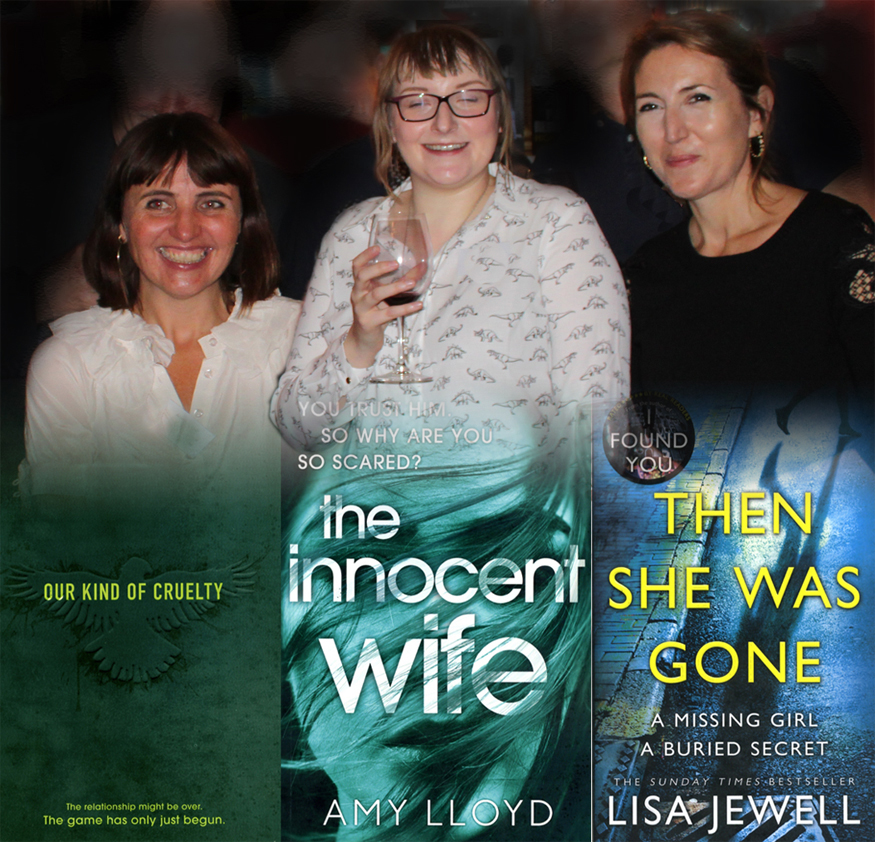

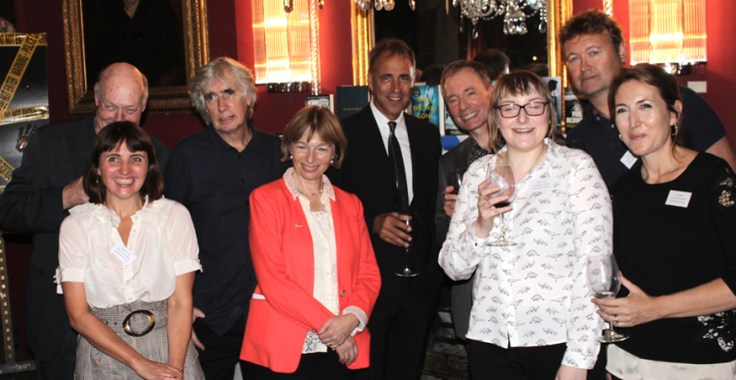
 It was a privilege to talk to two authors who represent the next generation of fine crime writers. Amy Lloyd is from Cardiff, but her debut novel is set far, far away in the badlands of Florida. The Innocent Wife tells the story of a convicted killer whose claims to innocence attract the attentions of the worldwide media – and those of Samantha, a young woman from England. She is obsessed with his case and, after an intense relationship based on letters, she leaves home and marries him. It is only when the campaign for his release is successful that Samantha’s problems begin in a deadly fashion. Amy, by the way, has already won the Daily Mail and Penguin Random House First Novel Competition with The Innocent Wife.
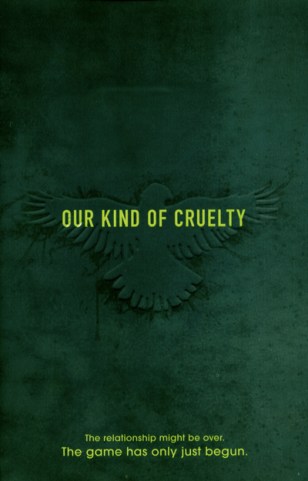 Araminta Hall is no novice author, as she has written successful psychological thrillers such as
 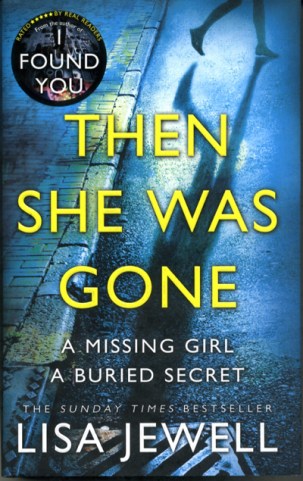 Lisa Jewell knows a thing or three about locating the strings that pull on a reader’s senses, particularly those of anxiety, sympathy and tension. In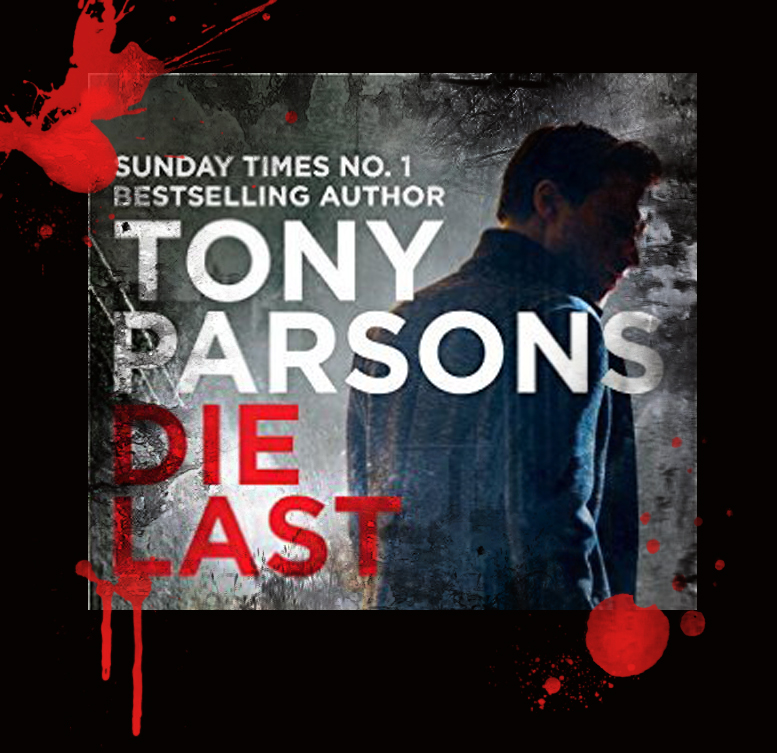

 His London copper, DC Max Wolfe, becomes involved when a refrigerated lorry is abandoned on a street in London’s Chinatown. The emergency services breathe a huge sigh of relief when they discover that the truck is not carrying a bomb, but their relaxed mood is short-lived when they break open the doors to discover that the vehicle contains the frozen bodies of twelve young women. The bundle of passports – mostly fake – found in the lorry’s cab poses an instant conundrum. There are thirteen passports, but only twelve girls. Who – and where – is the missing person?
 Max Wolfe certainly gets around for a humble Detective Constable, but he is an engaging character and his home background of the Smithfield flat, young daughter, motherly Irish childminder and adorable pooch make a welcome change from the usual domestic arrangements of fictional London coppers with their neglected wives, alcohol dependency and general misanthropy. Parsons (right) is clearly angry about many aspects of modern life in Britain, but he is too good to allow his writing to descend into mere polemic. Instead, he uses his passion to drive the narrative and lend credibility to the way his characters behave.


 fullybooked2017