

Writing as an aged hack, and a commentator on other people’s creativity (having little of my own), I can hardly imagine what a mixture of triumph, joy – and trepidation – must run through the minds of writers when they finally have a book that makes it into print. I have read some very good self-published books this year, but to have actually convinced a hard-nose publisher that your novel is worth printing – that must be an amazing feeling. Likewise, it must be what sports commentators call “squeaky bum time” waiting to see if members of the public actually stump up and buy your book.
The notable debuts in crime fiction this year have been many and varied. I was much taken by the main character in RG Oram’s Much Needed Rain, whose perceptions and awareness of his fellow mortals are so acute that he is, effectively, a human polygraph. Lloyd Otis served up a dystopian London in 1977 with his Deadlands – splendidly both crime and grimy. In another urban landscape similarly blighted, Augustus Rose, in The Readymade Thief, described a delinquent girl turned loose in a Chicago that was a potent mixture of gritty realism and fantasy.

Without doubt the most compelling three words uttered in a 2017 debut novel were, “Choose one, bitch”, the strapline for Samantha King’s The Choice, where she created a nightmare world of domestic Noir where a mother is forced to choose between the lives of her two children. TA Cottrell provided another peep between the curtains of an apparently normal house, when What Alice Knew laid bare the scars of memory, guilt and bitterness that can be borne by old relationships. Peter Laws is an intriguing chap. He is a serving Baptist minister, with a fascination for horror and the supernatural. In Purged, he introduced us to Matt Hunter, a former minister himself who, in between lecturing on comparative religions, investigates dark deeds – in this case a series of murders connected to a charismatic church and its congregation. A novel which received huge praise around the world for its power and elegiac qualities was The Dry, by Australian Jane Harper. This was a compelling account of how a Federal policeman returns to his hometown, a five hour dusty drive from Melbourne, to investigate the slaughter go a local family.

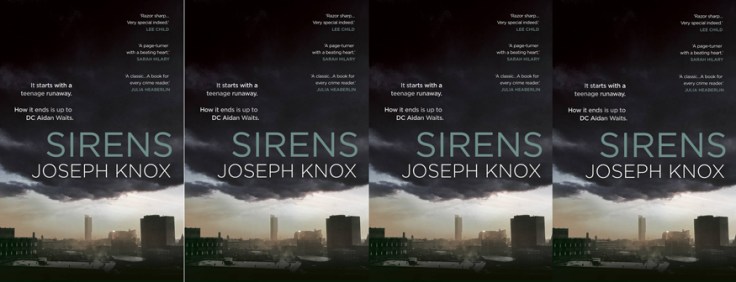
 Every book I’ve mentioned won admirers from different sections of the reading public but, for me, the die was cast when a rather shy young man read the opening paragraphs of his soon-to-be-published novel at a book promotion evening in a smart Fitzrovia Hotel. Joseph Knox (left) may still have work to do to become a Richard Burton in the making, but Sirens is comfortably my debut novel of 2017. On a very superficial level it’s a police procedural, set in Manchester, where we share the trials and tribulations of a young copper, Aidan Waits. Waits is a complex character, attended by his own demons and obsessed with bringing down a local drug baron. That’s where any resemblance to a bog-standard cops and robbers tale ends. Knox writes with the kind of savage poetry which reminded me very much of the great Derek Raymond and the bleak world and urban eloquence of his Factory novels. I am delighted that a follow-up novel is on its way, but what a challenge, to equal such a stunning debut!
“Knox has penned a black tale which is certainly not a comfort read. There are passages which made me physically wince, but the author has the confidence to give us an ending, once the mayhem has died down, which is both bitter-sweet and poignant.”
Click the links to see who won

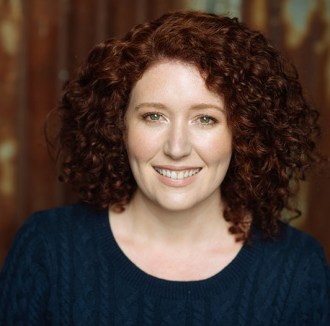 The town of Kiewarra is a dusty five hour drive from Melbourne. Five hours. Six, maybe, if you weren’t that anxious to get there. Five hours, under the same relentless sun, but it might as well be fifty, for all the similarity there is. Melbourne, with its prosperity, its glass and steel central business district, its internationally renowned restaurants and its louche air as a cosmopolitan city. Kiewarra. A pub, a couple of bottle shops and a milk bar; a run-down school, starved of funds; a farming economy choked and parched by two years without rain; families turned bitter and taciturn by the shared misery of failed crops and burgeoning overdrafts. Author Jane Harper (left) takes us right into the deep dark blue centre of this community.
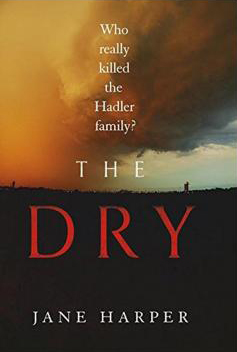 Seeing the coffin of a contemporary being carried through the church is bad enough for Falk, but when it is followed by two smaller ones, one being very much smaller, that is a different thing altogether. For the other two coffins are occupied by Hadler’s wife Karen, and his young son Billy. The story has played out across the mainstream media as a suicide-killing. Luke Hadler, driven mad by debt, failure, jealousy, despair – who knows? – has shot dead his wife and son, and then turned the gun on himself, albeit leaving his thirteen month old daughter Charlotte in her cot, screaming, terrified, but very much alive.
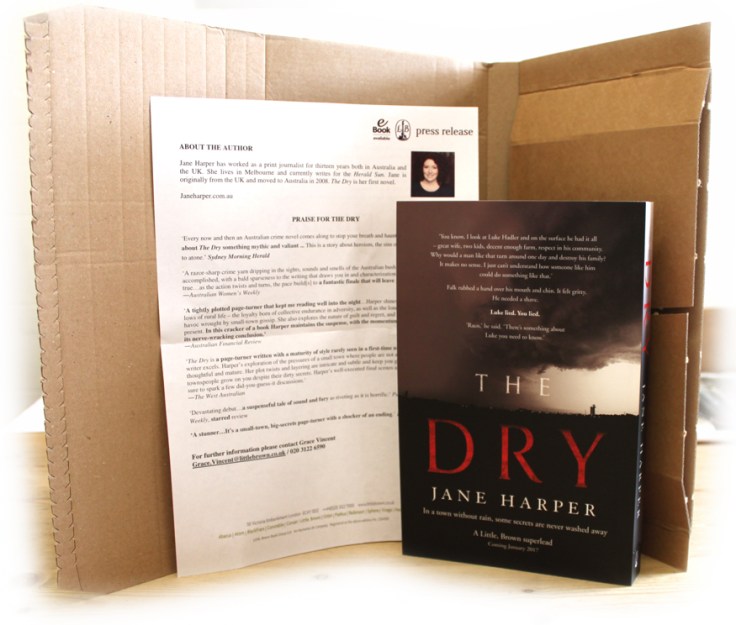
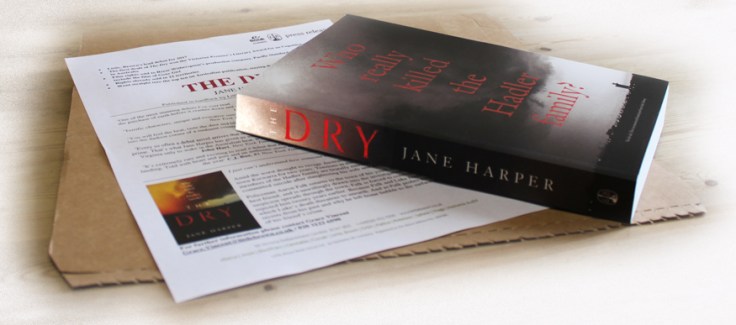 AUSTRALIAN CRIME FICTION doesn’t come my way anywhere near as much as I would like. I’m a massive fan of Peter Temple, but new books from him are as rare as hens’ teeth. For snappy, PI-style reads, there’s always Peter Corris and his Cliff Hardy novels. So, it was with great pleasure that I opened the packet from Little, Brown publishers, to find that I was holding a brand spanking new Australian crime story.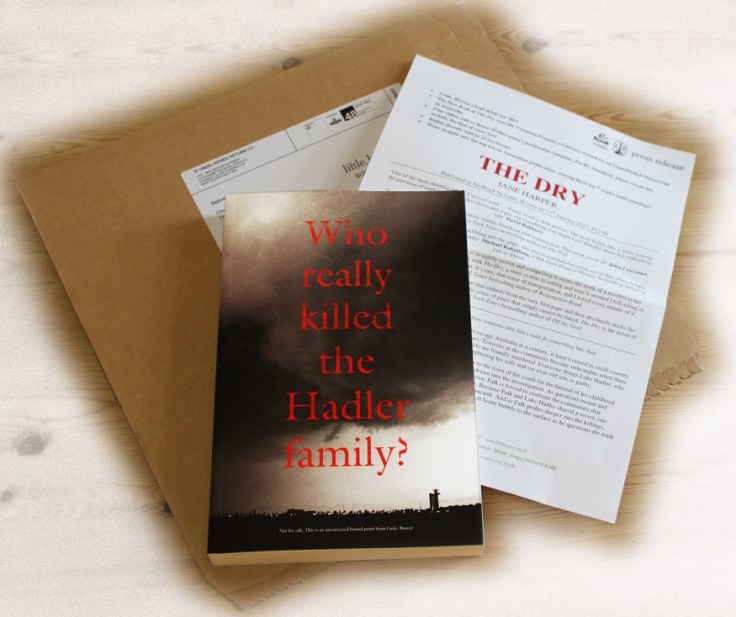


 fullybooked2017