

Titles of books and movies can be meaningless word pairings dreamed up by twenty-something publicists. Remember the scene in one of the Naked Gun movies at the Oscars? In the Best Picture shortlist were spoof films like Naked Attraction, Violent Lunch, Fatal Affair, Final Proposal, Basic Analysis..? So, what to make of Smoke Kings? A few moments spent on Google rewarded me with a poem written in 1905 by W.E.B. Du Bois.
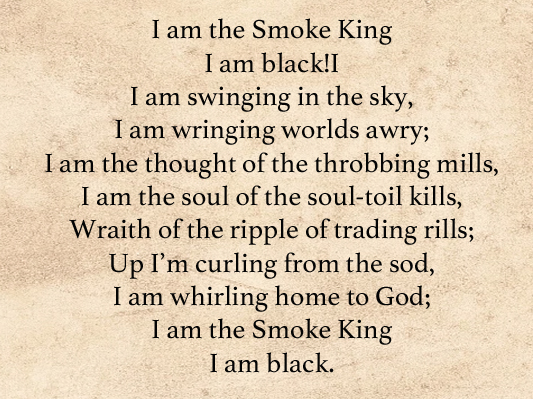
The writer was an activist years ahead of his time, and by adapting his words, Jahmal Mayfield nails his colours to the mast, although his Amazon bio declares that Smoke Kings was inspired by Kimberly Jones’ passionate viral video, “How can we win?” After his cousin, Darius, has been been beaten to death by white teenagers, Nate plots his revenge. Rather than taking out the boys who killed his cousin, Nate targets the descendants of white men and women who, he argues, are responsible for lynchings, racist beatings and murders committed by their grandparents decades previously. Nate and three friends – Rachel, Isiah and Joshua – exact a kind of third party vengeance on a succession of targeted individuals. Most escape death only because they commit to paying sums of money every month to deserving causes in the black community.
Inevitably, the quartet bite off more than they can chew. One of their reprieved victims hires a former cop – Mason Farmer- on a ‘seek and destroy’ mission. He is freshly sacked from a private security firm after he fails to tick the right number of boxes on their Inclusion and Diversity check list, and he sets out to nail the quartet of avengers.
Nate and his buddies make another serious strategic error when they kill a random redneck called Chipper, and bury him in a remote grave. Sadly for them, Chipper’s brother Samuel is the charismatic leader of a violently racist gang, and they are determined to avenge Chipper’s death.
Mayfield is at his most assured when describing the complex relationships between the four would-be avengers, and how they sometimes bicker about how black they actually are. Mason Farmer, too, has his preconceptions about race and identity tested when, while searching for Nate and company, he meets a mixed race woman – a campaigner for justice – called Elizabeth, and falls for her, despite her antipathy towards him. Farmer’s attitudes towards race and identity are already complicated, as his estranged daughter has a son by a black father.
The racist gang term themselves The Righteous Boys: they are deeply unpleasant, and live even worse lives:
“He drove on into the night, past fields of wild grass, old farmhouse buildings slumping like stacks of damp cardboard boxes, useless tractor equipment rusted the colour of dirty bricks. A forgotten and desolate wasteland. No wonder The Righteous Boys had chosen to call the area home.”
I read the novel pretty much back to back with re-reading a couple of Harlem Detectives novels by Chester Himes, and it left me wondering if someone had written A Rage In Harlem or The Real Cool Killers today, whether or not anyone would publish them, such is the glee with which Himes portrays the eccentricities and sometimes deeply venal nature of some of the characters. Smoke Kings is very different, as there is little ambiguity about where good and evil reside. The narrative of the book raises all kinds of very contemporary questions about ancestral guilt, both on an individual and national level. Smoke Kings is a breathless journey down the bumpy track that leads to revenge, and is published by Melville House, available now.


 fullybooked2017