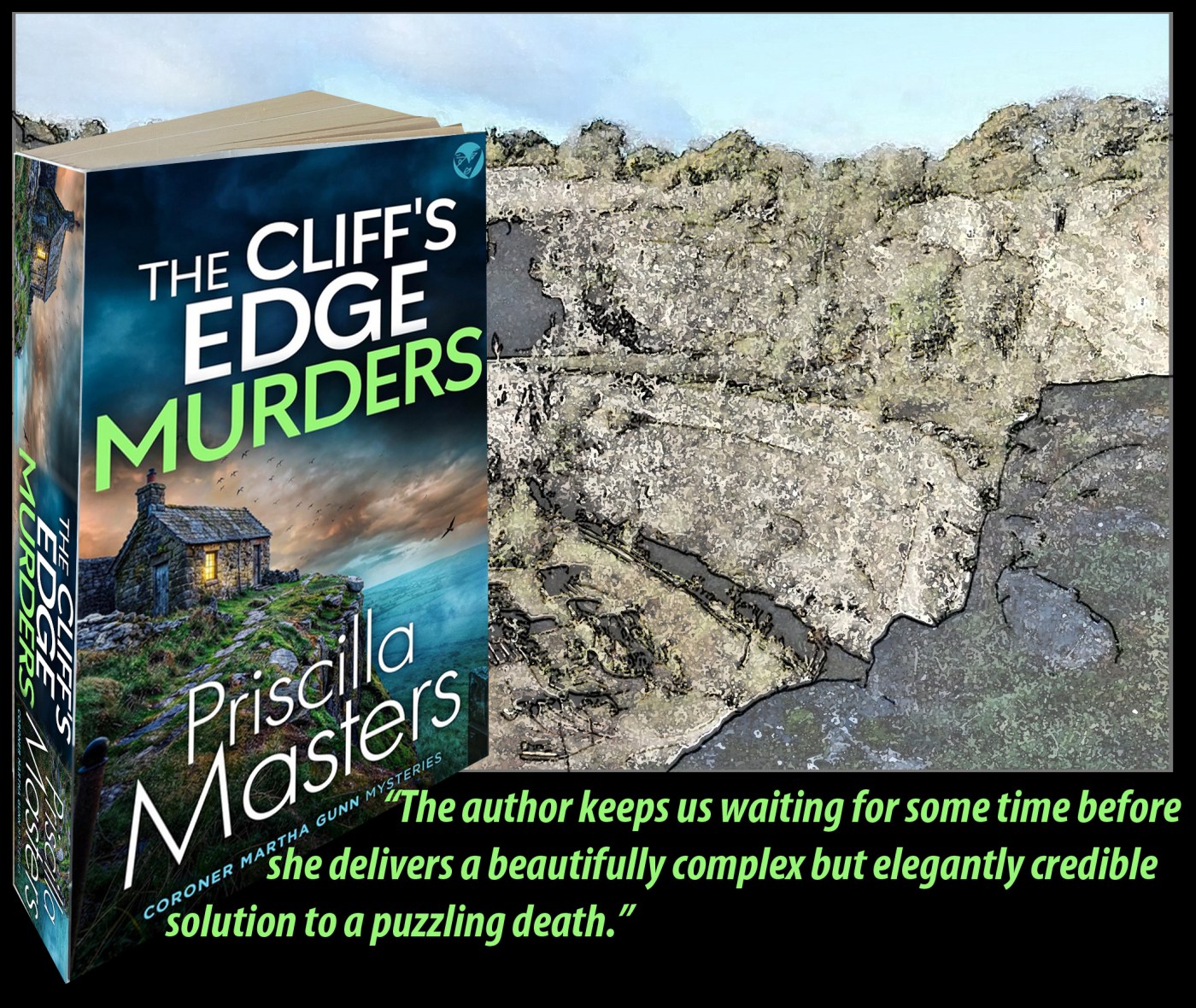

I’ll be upfront and say that I loved this book from the very first page. There were two initial reasons, the first being that it is set in my favourite county of Shropshire, a place where I spent happy years, and somewhere that remains a repository of golden memories. Secondly, joy of joys, it has a simple and uncluttered chronological narrative, with none of the contrived ‘two years earlier’ or ‘six months later’ chapter headings so much in vogue with some authors.
Priscilla Masters sets Shrewsbury coroner Martha Gunn and DI Alex Randall a grim problem to solve. Two teenage joyriders have died when their stolen car dives headlong off the edge of a steep disused quarry. As the police are cleaning up the scene, they pop the boot, and find the emaciated corpse of an elderly woman. And a third boy, who may well have been in the car, is nowhere to be found.
Martha Gunn and Alex Randall are complex but attractive characters. Gunn was widowed some years earlier, and brought up her twins Sam and Sukey while balancing the demands of her job. After a career in sport that didn’t quite work out, Sam is now at university, while Sukey is well-known actress in a popular TV soap. Randall’s back story has an element of tragedy, too. His wife, Erica, died after falling downstairs. She was an unstable woman, and their marriage was unhappy. For a while, the circumstances of her death were considered suspicious, but Randall was cleared of any culpability. The couple had a child, but Christopher died shortly after birth, of a genetic defect.
The missing teenage joy rider is eventually found, and he confesses that they had been taking the car – which belonged to their deceased tutor at a local college – out for illicit drives for some time, but it wasn’t until they opened the boot to find a foot pump that they discovered the body. Panicking, and convinced they would be blamed for her death, they decided to dump it at Clive Quarry, but it went disastrously wrong. The surviving boy, Sol Raintree, managed to jump out of the back seat before it plummeted down the badly eroded cliff side.
The body of the elderly woman, tagged with generic name Jane Doe, poses seemingly unanswerable questions. Why was she kept in a cold place – but not frozen – before she was put in the boot of the car? Who had dyed her hair, and painted her nails, and made a loving professional job of both? Why does her broken femur, an accident which occurred not long before she died, not show up on any contemporary medical records?
I am not normally a huge fan of romantic entanglements between investigating officers in crime novels, but Priscilla Masters handles the growing relationship between Gunn and Randall with the lightest of touches. As I hinted earlier, I loved the Shropshire setting, and many of the topographical references chimed with me, in particular the powerful presence of The Severn, deceptively beautiful but also a powerful bringer of destruction when in flood. There is also the occasional hint of the ‘blue remembered hills’, and it was pleasant to be reminded of places like Baschurch and Church Stretton.
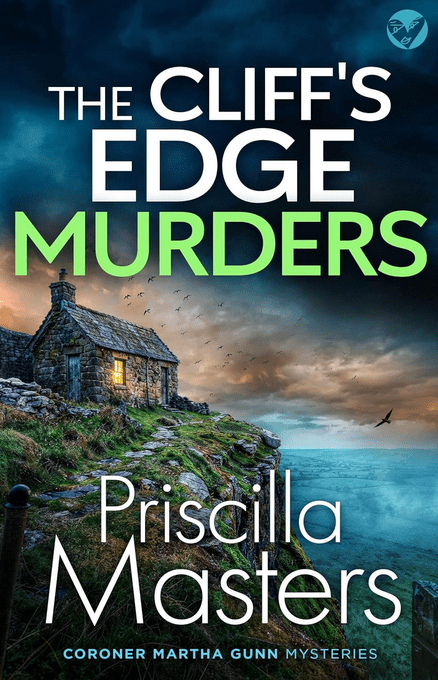
The author keeps us waiting for some time before she delivers a beautifully complex but elegantly credible solution to a puzzling death. Jane Doe finally gets a real name, the dignity of a funeral, and a mourner. The Cliff’s Edge Murders will be published by Joffe Books on 25th June.

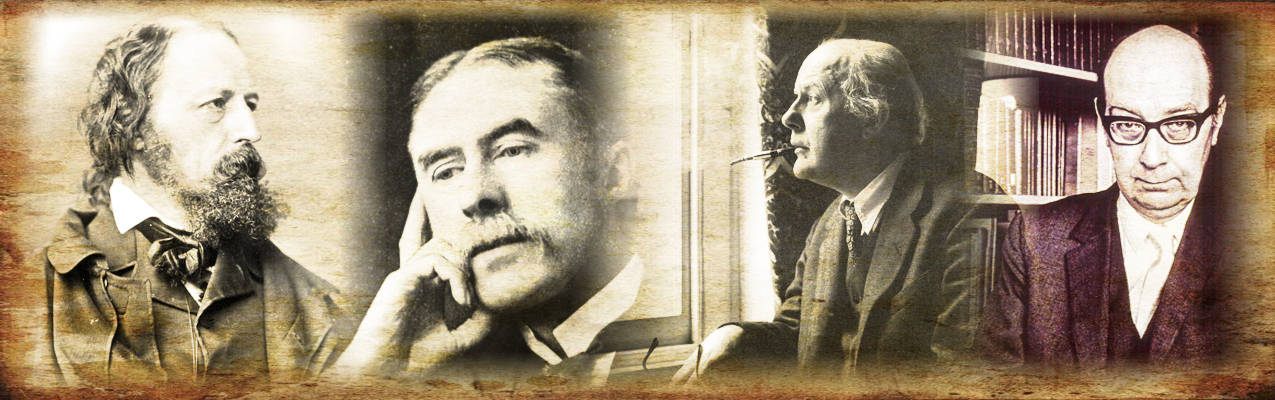
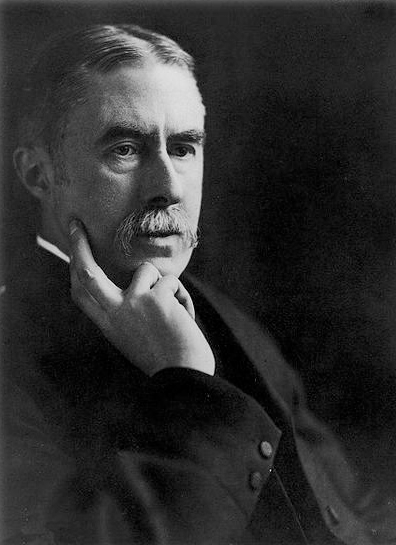 Was there ever such a yawning gulf between a man and his words as with AE Housman? By all accounts he was prissy, pedantic and and vindictive towards Cambridge undergraduate pupils who failed to meet his expectations in their studies of the classics. He was memorably described as “
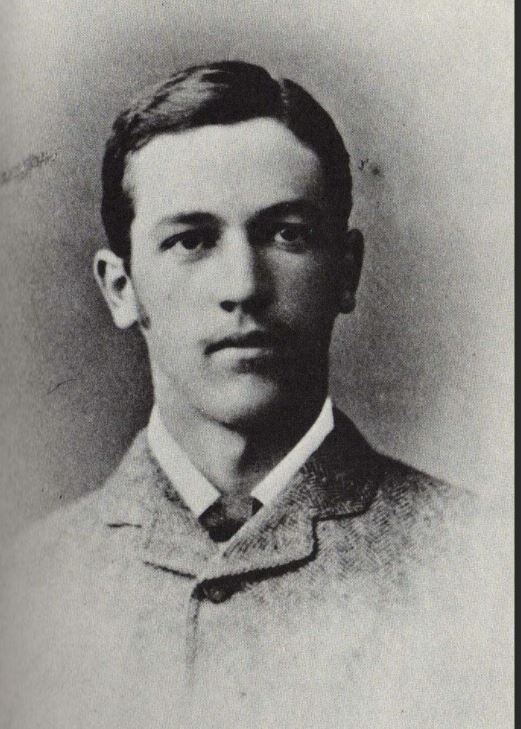 It is a matter of record that the love of Housman’s life was a fellow Oxford student, Moses John Jackson (right). The passion was in one direction only, and Jackson later placed some geographical distance between himself and Housman. So what has this to do with the poetry? The pervading theme in A Shropshire Lad is a longing, a yearning for something that can never come again, places and people irretrievably lost, a memory of earlier years. Housman never courted a lass


