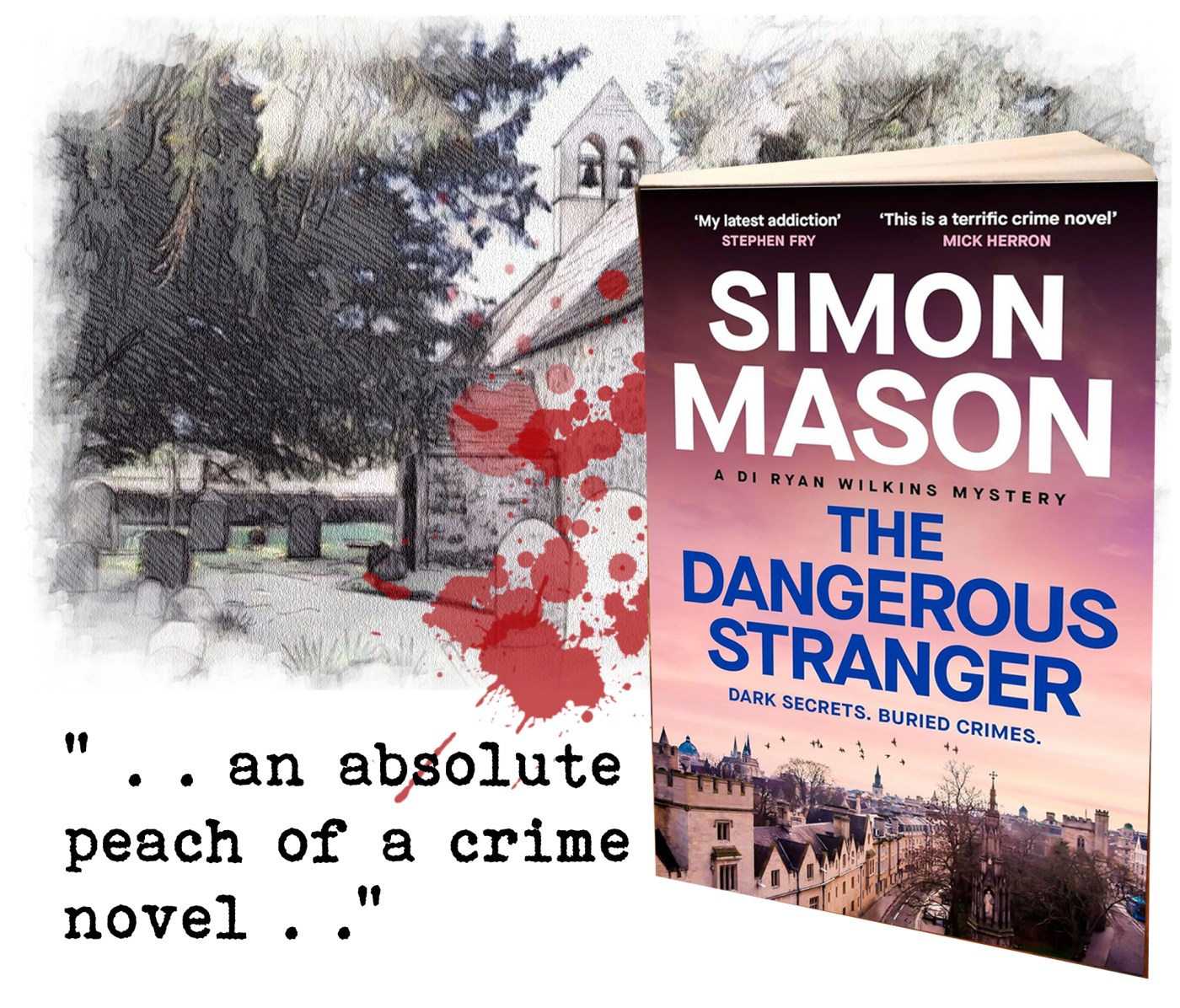

This is the latest outing for British CriFi’s most unlikely partnership – Wilkins and Wilkins. Detective Inspector Ryan, of that kin is scruffy and, to be blunt, dresses and talks like a chav (remember them?) His partner Ray is Nigerian – London, handsome, public school educated, urbane and, before he was paired with Ryan, a rising star of Thames Valley police. They are based on Oxford. The book begins, however, in London, where an ageing criminal, known, as Dogs, is hunted down by a violent former associate called Head Hunter, and forced to take on another job.
An emergency call sends the Ws out to a budget hotel, now housing asylum seekers. An angry mob of locals, incensed by the recent murder of a local girl by an apparent immigrant, is laying siege to the property and, amid the chaos, a young African man is murdered while trying to escape the hotel. What this has to do with the events in London remains to be seen. To add to the already fraught relationship between Ryan and Ray, the Superintendent attaches a young Detective Constable, William Huber to the Ws team. He is unlikely to gel with Ryan, as William is a ‘posh boy’, enthusiastic, earnest and plummy of voice. The Ws have home lives that seem different, but neither resembles any kind of utopia. Ray is, as they say, ‘happily’ married, but life with wife Diane and their twin sons is frequently fractious. She is a professional woman, and is determined that Ray do more than his hair share of parenting, in spite of his unpredictable working hours. Ryan lives alone in a seedy rented flat, while his four year old son is brought up by his sister. He tries to be a good dad but, again, his job and what it sucks out of him, make him an imperfect father.
As the case progresses, it transpires that the man killed in the hotel protest may have been a wealthy and well connected French citizen but, clearly some things simply do not add up. The case takes a grim turn when a twelve year-old boy who attended the riot with his father is found to have concealed a knife and an empty canister under his bed. Hidden with them is his mobile ‘phone, on which is a video of the burning man. The two big questions are: what was the Frenchman doing in the asylum hotel, and what became of the migrant for whom he was mistaken? Further grit is thrown into than less than well-oiled mechanism of the investigative team by the arrival of a prominent French police officer to “help” with enquiries. As the story progresses, Simon Mason leaks clues into the narrative, a drop or two at a team, as to the connection between Oxford and the world of Dogs and Head Hunter.
Mason endows Dogs with a noirish quality as if he had just walked in from the streets of one of Derek Raymond’s ‘Factory’ novels.
“Really, he was only happy in London. Old Rotherhithe, those shabby, mean places of his youth.He was shabby and mean himself and always would be, thank God. All his life he’d lived in the weeds; he resented it and loved it, they were his weeds. It was the way he was made.”
Ray has his demons, but on Ryan’s back is the terrifying specter of his abusive father, now a broken man in an ex-offender’s institution.
“He thought of the person his father had become, a pathetic figure, shrunk and feeble, sick-looking, an animal that needs putting down.But buried very deep in Ryan, like a disgusting secret, was something he didn’t understand and couldn’t bear to think about: he was still frightened of this person.”
The joy of crime fiction is that its best writers make us believe in the improbable. Mason presents us with Ryan Wilkins, in his scuffed trainers and awful trackies, forever twitching with facial tics caused by God knows what family history. He is off the social scale in terms of lifestyle. His clapped-out Peugeot is always on the cusp of breakdown, and how he maintains the trust of his little son is little short of miraculous. And yet, and yet. He has instincts and insights that his more ‘civilised’ partner Ray can only dream of. I don’t want this series to end but, going forward, could Ryan ever mature into a seasoned institutional copper. What would he be like aged 50? Thankfully, that is a conundrum to which I will not have to provide a solution. The Dangerous Stranger is an absolute peach of a crime novel, and will be be published by Quercus on 12th February.
For my thoughts on previous Ryan Wilkins mysteries, click this link.
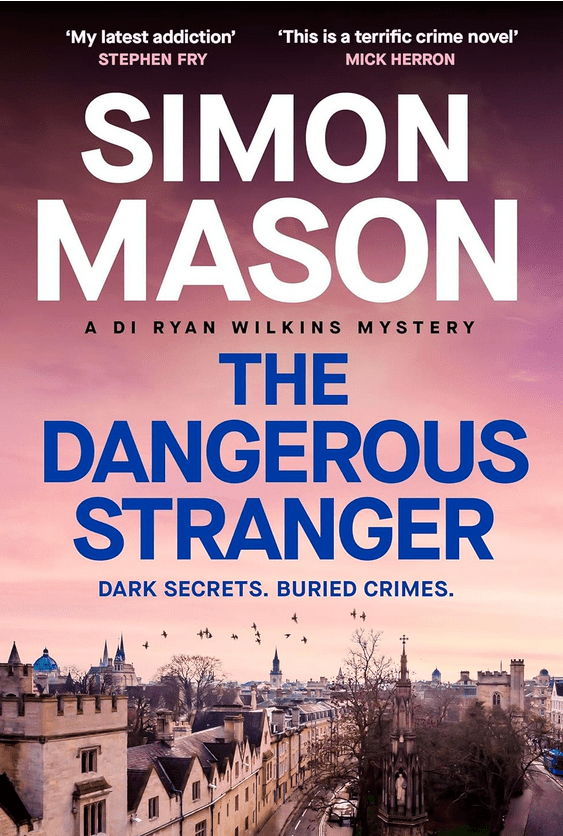


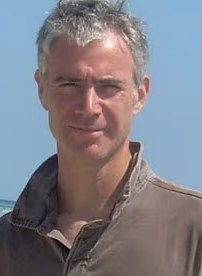 If the tags “Oxford”, “Murder” and “Detective” have you salivating about the prospect of real ale in ancient pubs, choirs rehearsing madrigals in college chapels, and the sleuth nursing a glass of single malt while he listens to Mozart on his stereo system, then you should look away now. Simon Mason (left) brings us an Oxford that is very real, and very now. The homeless shiver on their cardboard sleeping mats in deserted graveyards, and the most startling contrast is the sight of Range Rovers and high-end Volvos cruising into car washes manned by numerous illegal immigrants from God-knows-where, all controlled by criminals, probably embedded within the Albanian mafia.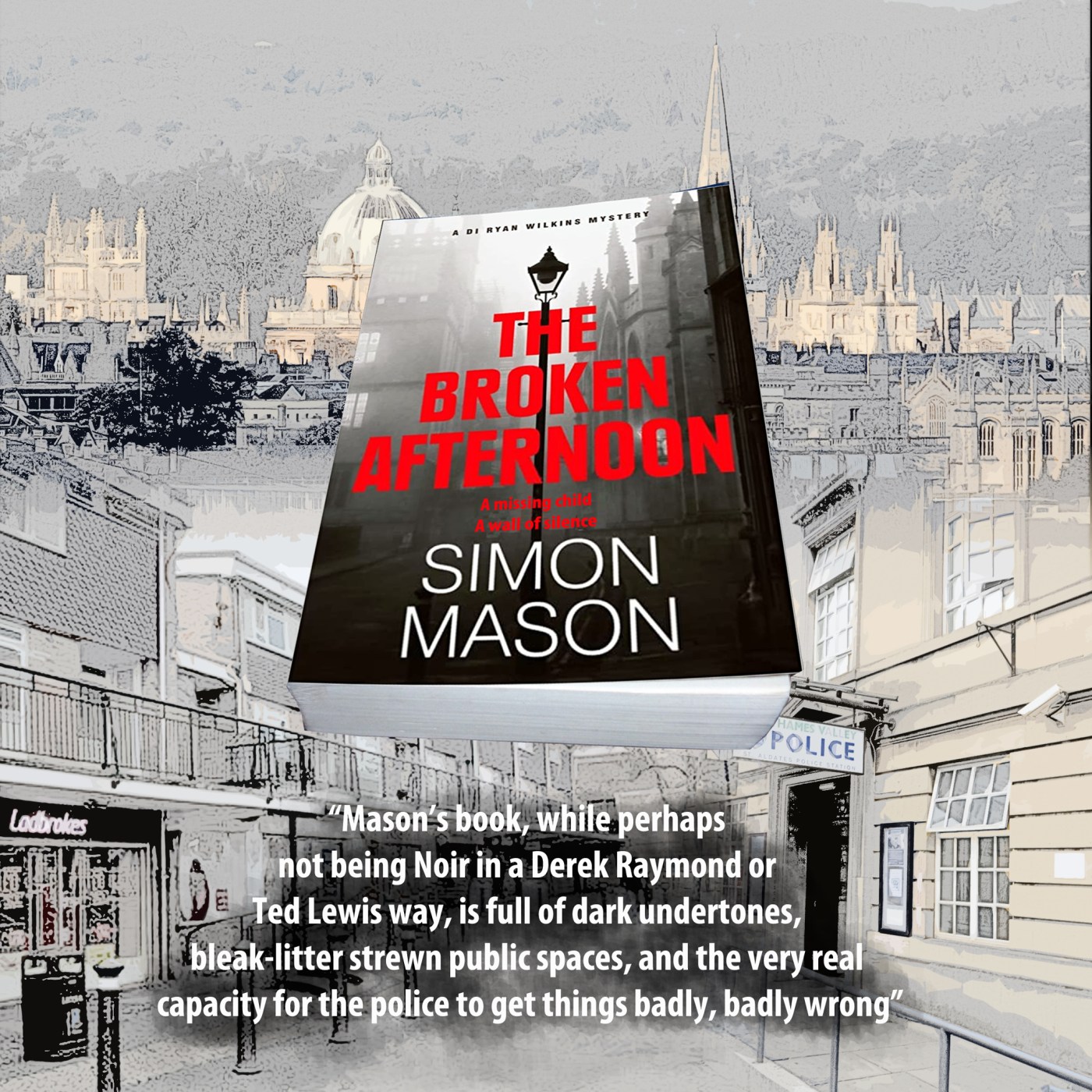

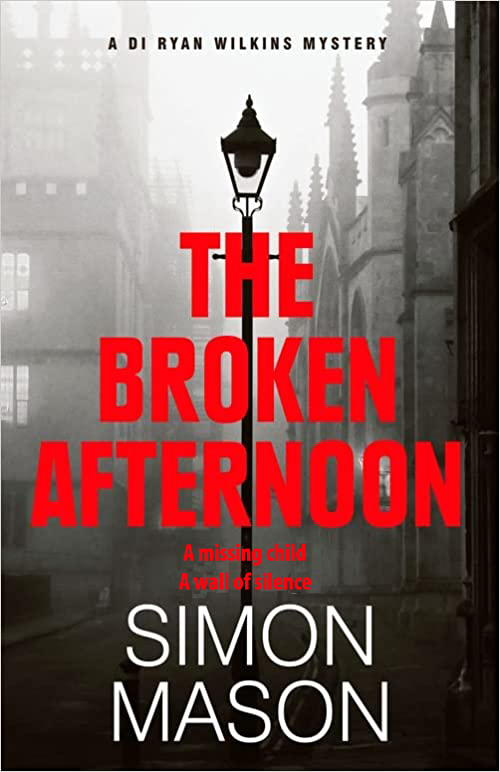 In Simon Mason’s A Killing In November we met Oxford DI Ryan Wilkins, and the book ended with his dismissal from the force for disciplinary reasons. In this book he is still in Oxford, but working as a security guard/general dogsbody at a van hire firm. His former partner, also named Wilkins, but Ray of that ilk, is now heading up the team that was once Ryan’s responsibility, and it is they who are tasked with investigating the abduction of a little girl from her nursery school.
 I am sorry, but that is not how I see this book. Yes, it is set in and around Oxford, but apart from The Broken Afternoon being every bit as good a read as, say, The Silence of Nicholas Quinn or The Remorseful Day, that’s where the resemblance ends. Mason’s book, while perhaps not being Noir in a Derek Raymond or Ted Lewis way, is full of dark undertones, bleak litter strewn public spaces, and the very real capacity for the police to get things badly, badly wrong. Simon Mason (right) has created coppers who certainly don’t spend melancholy evenings gazing into pints of real ale and then sit home alone listening to Mozart while sipping a decent single malt.


 fullybooked2017