

Kōtarō Isaka (and his translator Sam Malissa) have created an story that is totally improbable, manic – but quite wonderful. Five killers board the Shikansen (Bullet Train to us) which goes from Tokyo to Morioka. I use the word ‘manic’ because the journey only takes just over two and a half hours, and this is a book of over four hundred pages, so you immediately know we are pretty much operating in real time. The five passengers are:
- Kimura. He is a drunk, a former gangster, and his six year old son lies in a coma after being pushed from the roof of a department store by –
- Satoshi ‘The Prince’ Oji, a teenage psychopath.
- Lemon and Tangerine, two villains who are working for Mr Minegishi, a crime boss. They have rescued his kidnapped son and have retained the intended ransom money, which is packed in a suitcase. Incidentally, Lemon is obsessed with Thomas the Tank Engine and its different characters.
- Nanao, a hapless minor gangster, and a walking example of Murphy’s Law, but still a killer. His job is to relieve Lemon and Tangerine of the suitcase full of cash.
 By page fifty, it’s all happening, and it is all about the suitcase full of cash. Satoshi is expecting Kimura, stuns him with a home made taser, and has him trussed up with tape in the seat next to him. Nanao has stolen the suitcase, but is prevented from leaving at the first stop, Ueno, by the arrival of another gangster called Wolf who has a score to settle with Nanao. Wolf barges him back into the train before he can leave, but Nanao kills him in a struggle. Lemon and Tangerine have discovered that the cash is missing, but return to their seats to find Minegishi Junior has, inexplicably, expired.
Two simple graphics add to the fun. The first (left) is a schematic of the stations on the journey itself. Though simple, this is a very clever device, because it allows the author to have the characters – albeit briefly – engage with the world outside the confines of the ten coach train. The second is of the coaches in the train (below) and is used as chapter headings as events play out.

 Satoshi ‘The Prince’ Oji is the darkest character of the five. He is utterly without compassion. Other human beings – school teachers, teenage friends, other adults – only have value to him in the sense that they can be used for his entertainment. He is highly intelligent, but one of the more malevolent fictional villains I have encountered in recent times. Everything is thought through and planned in the minutest detail, such as his grip on Kamura. The grizzled gangster could, physically, chew up Satoshi and spit out the bones, but the teenager convinces Kamura that he has an insider in the hospital where the man’s son is lying in a coma, and should Satoshi fail to answer periodic calls to his mobile ‘phone, then this insider will find a way to disconnect the little boy’s life support system.
There is a thread of darker-than-dark comedy running through the chapters. Nanao’s attempts to rearrange Wolf’s corpse to make it look as if he was just taking a nap put me in mind of Basil Fawlty in The Kipper and the Corpse, while Lemon’s obsessive knowledge of Percy, Gordon, and James the Red Engine is like something that Flann O’Brien might have dreamt up given that, with Tangerine, Lemon has just left a crime scene where, between them, they have shot dead at least fifteen men. Add to the mix a couple of random cross-dressers, a stolen wig – and an escaped snake – and you have two and a half hours of mayhem. As passengers become corpses, one by one, the unlikely intervention of a pair of grandparents brings matters to a bloody conclusion.
I don’t doubt that other reviewers have used this analogy, but it is still worth saying that Bullet Train is something of a cross between a Tarantino movie and a Manga comic. There is the same implausible detachment from reality found in both, but also the same joyful sense of anarchy. The train itself, hurtling onwards at 200 mph, echoes the sense of high speed forward movement and drive in the narrative. The internet tells me that Hollywood have snapped up the book, and a film is being produced starring Brad Pitt. As whom? – I have genuinely no idea, but this brilliant and daring novel is published in Britain by Harvill Secker, and is available now.


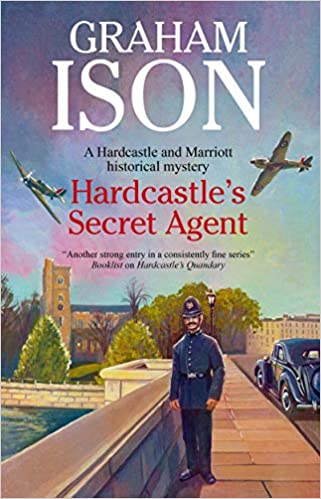 We are, as ever, in London, but it is 1940. The Phony War is over, and the Luftwaffe are targetting industrial sites they believe to be involved in making parts for military aircraft. When several important employees of one such factory are burgled – clearly by an expert – but with nothing other than trinkets stolen, Hardcastle believes he may be on the track of a German spy on the look-out for plans, blueprints or important military information. Hardcastle has to deal with The Special Branch, but finds them about as co-operative as they were with his father a couple of decades earlier. This has a certain tinge of irony, as part of the author’s distinguished police career was spent as a Special Branch Operative.


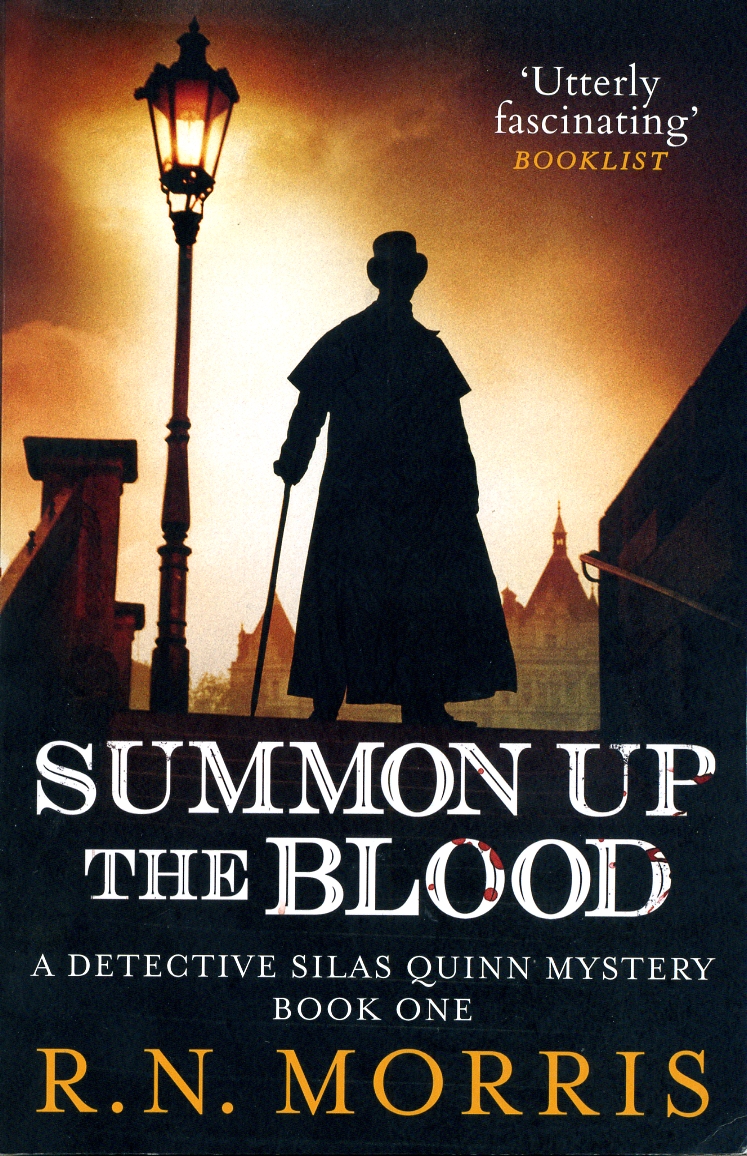 When a rent boy is found dead, his throat cut from ear to ear, there is initially little interest by the police, as the lad is just assumed to have paid the price for being in a risky line of business, but when the post mortem reveals that he has had every drop of blood drained from his body, Quinn is summoned and told to investigate. After a droll episode where Quinn decides to pose as a man smitten by “the love that dare not speak its name”, and blunders around in a dodgy bookshop, but he does find out that the dead youngster was called Jimmy, and had links to a ‘gentleman’s club’ where he would find men appreciative of his talents.
 Thankfully, Morris makes no attempt to get in the politics of homosexuality and the law: his characters simply inhabit the world in which he puts them, and their thoughts, words and deeds resonate authentically. In 1914, remember, the trial of Oscar Wilde and the Cleveland Street Scandal were still part of folk memory. It’s an astonishing thought that had Morris been writing about similar murders, fifty years later in 1964, virtually nothing would have changed – think of the scandals involving such ‘big names’ as Tom Driberg, Robert Boothby and Ronnie Kray, and how their lives have been written up by such novelists as Jake Arnott, John Lawton and James Barlow.

 Leslie Wolfe has, then, set several hares running, to use the venerable English metaphor. The rogue cop – Herb Scott – is a truly nasty piece of work, and seems to have half the Sheriff’s Department under his thumb, as when his wife, Nicole, has reported her many beatings as a crime, nothing ever happens. The mis-identification of the murdered girl is a seemingly unsolvable mystery. Were there ever two girls, or are they one and the same? Does the conundrum stem from a complex inheritance issue involving the wealthy Caldwell family? The Caldwells are magnificently disfunctional, riven with bitterness and jealousy, and to spice matters up even more, there is the deadly whiff of incest in the air.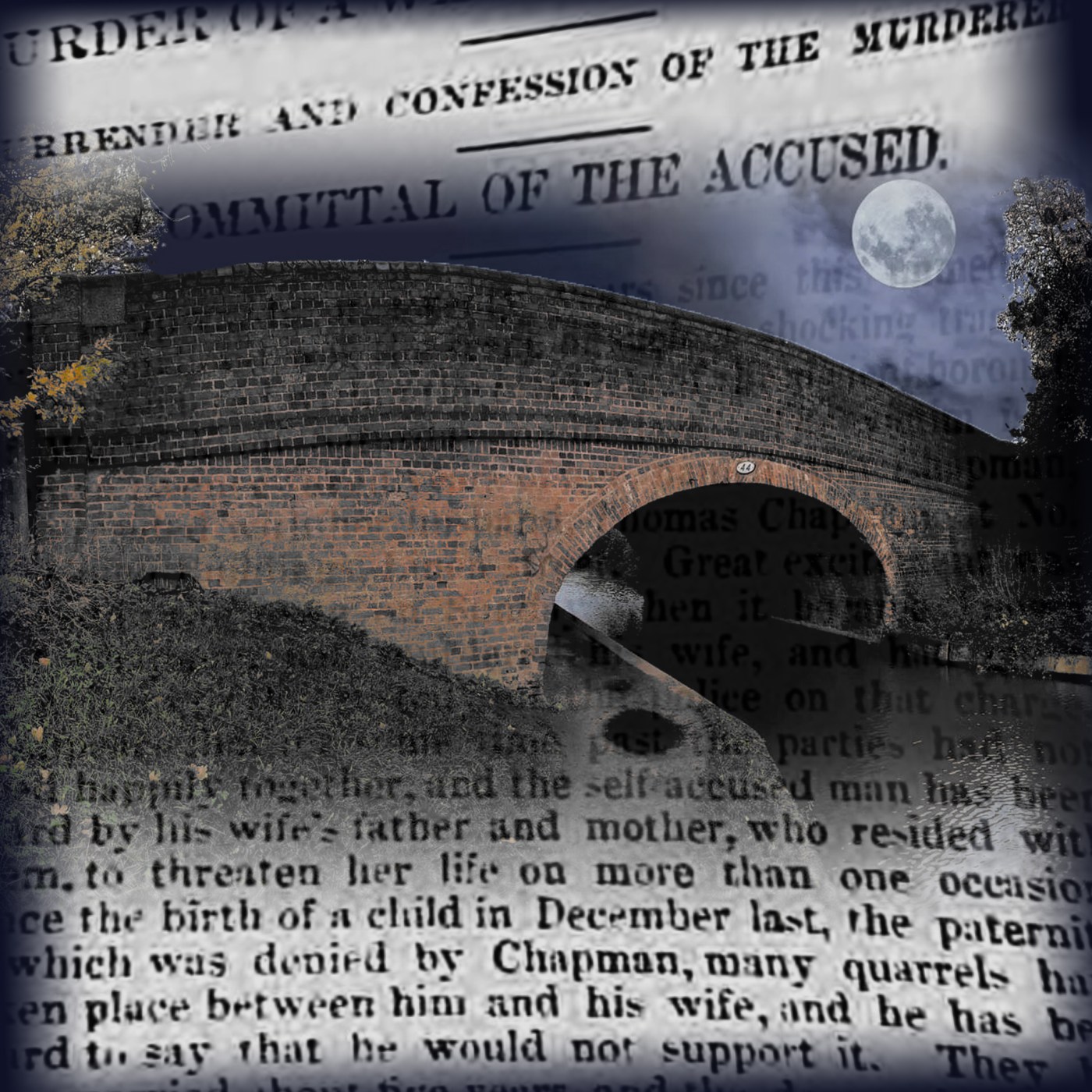


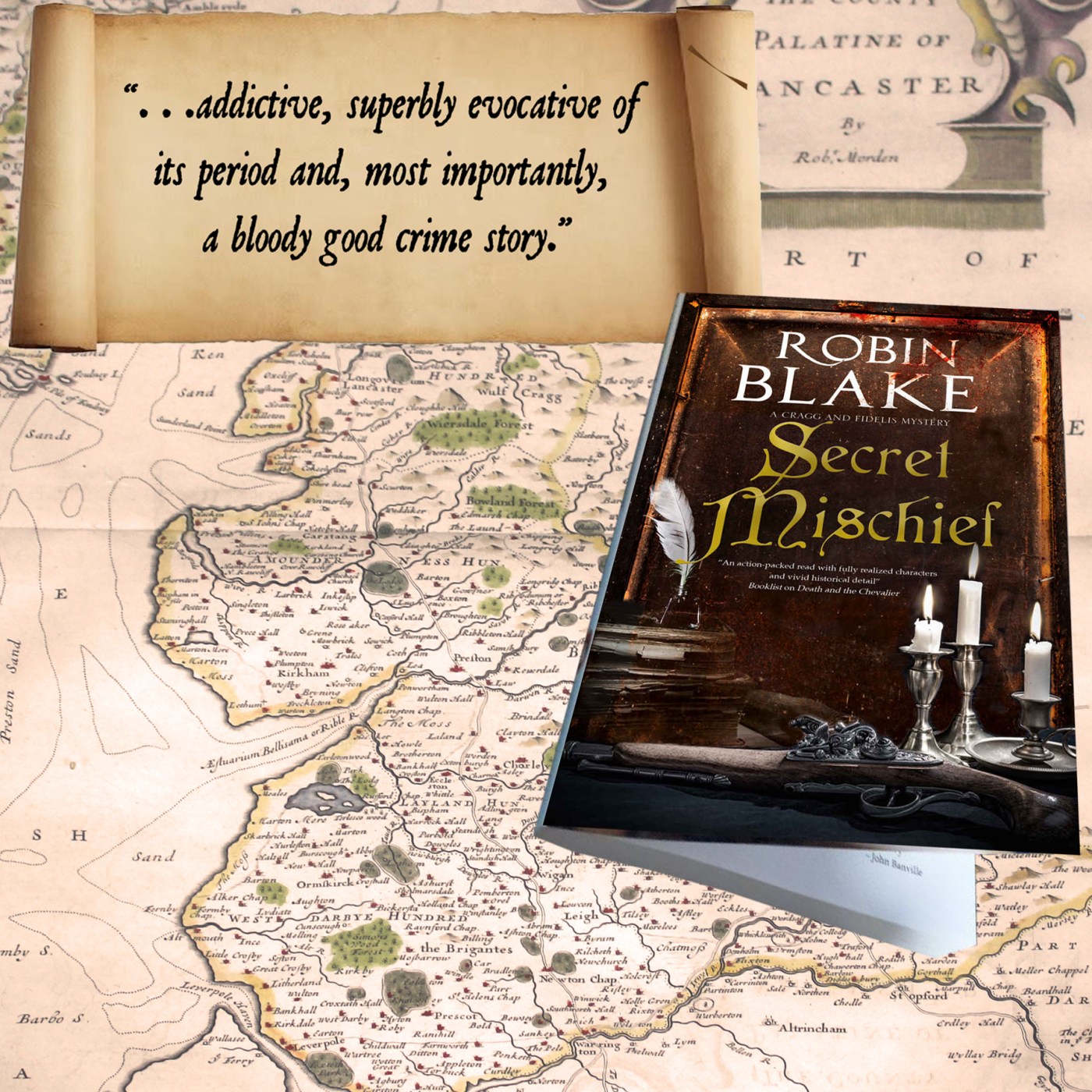

 As ever, murder is the word, and a series of deaths in and around the town of Omskirk are linked to an archaic form of business plan for raising money, known as a Tontine. The investment plan was named after Neapolitan banker Lorenzo de Tonti and, to put it simply, was a pot of money where a number of people contributed an equal sum. The money would either be invested, with interest paid to the members, or used to fund capital projects. As time went on, and investors died, the fund became the property of the remaining members, until the last man (or woman) standing hit the jackpot.
 One by one the Tontine signatories come to sticky ends: one is, apparently, hit by the sail of a windmill; another is found dead on Crosby beach, apparently drowned, but Luke Fidelis conducts a post mortem and finds that the dead man’s body has been dumped on the seashore. Things become even more complex when a reformed ‘lady of the night’, now a maid, is accused of pushing the poor woman into the path of the windmill sail. Cragg is convinced she is innocent, but faces an uphill struggle against a corrupt judge.






 fullybooked2017