
I’ll adapt George Bernard Shaw’s famous put-down of teachers and say, “Those who can write, do, but those who cannot, write about writing.” All book reviewers would do well to keep that little homily burning like a beacon in the night, and admire the invention, the endless re-writes and the sheer physical effort required to complete a novel. On top of that, what an amazing stroke of brilliance it is when an author of crime novels creates a character who resonates with the public and is credible enough to support a series. What an even bigger stroke of daring it is when the writer is prepared to leave that person behind. either temporarily or otherwise, and introduce a new creation to faithful readers.
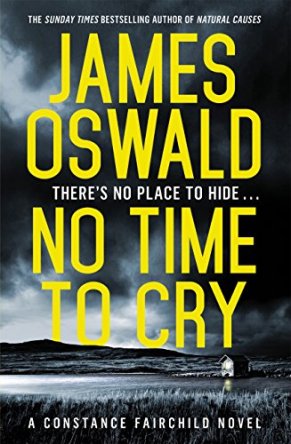 James Oswald’s Tony McLean has not met with a Reichenbach Falls accident, but at the end of The Gathering Dark we left him facing a tragedy in his personal life. Now, Oswald begins a new series featuring Detective Constable Constance Fairchild of the Metropolitan Police. We meet her when a delicate undercover operation goes badly, badly wrong. So wrong, in fact, that she has found her boss, DI Pete Copperthwaite slumped in a chair in the office they have been using as a front for their sting. He has been tortured, and then shot through the head.
Fairchild is perplexed and hurt when she is blamed for Copperthwaite’s death, and suspended from duty. Puzzled, and seemingly powerless to get to the bottom of who murdered Copperthwaite, she seeks diversion by trying to find a missing girl, the younger sister of an old school friend. Her sense of injustice turns to anger, though, when a clumsy attempt is made on her life, and it becomes obvious that she is being followed. Is this because of the police sting operation which went, as she puts it, “tits up” or is it connected to her search for Izzy De Villiers?
So, to echo Shakespeare, who is Constance, what is she? Lovely, fair, and wise is she? Oswald lets us form our own image to a large extent. We do know that she has short spiky hair, no romantic inclinations that we can see, and has several tattoos. The latter are a result of a rebellion against her aristocratic background, because Lady Constance Fairchild, to use her correct title, is the younger daughter of the Fairchilds of Harston Magna, a Northamptonshire village, much of which is owned by her estranged father. Con, as she prefers to be known, was educated at a select girls’ boarding school, but has gone down the rebellion route at 98 mph with headlights on full beam, and has done everything she can to metaphorically spit in the eyes of her parents – including becoming a police officer.
Admirers of James Oswald will know that he has a day (and night) job as a livestock farmer in the Scottish Highlands, and he indulges himself by taking us there as Con, attempting to throw off her pursuers, retreats to the secluded family holiday home overlooking a remote Scottish loch. One of the big questions that nag at her is the apparent reluctance of Izzy’s father, an obscenely rich hedge fund manager, to locate his missing daughter. How is Roger De Villiers connected to the murder of Pete Copperthwaite? Are Con’s bosses at the Met crooked, too, or are they simply too stupid to see the obvious?
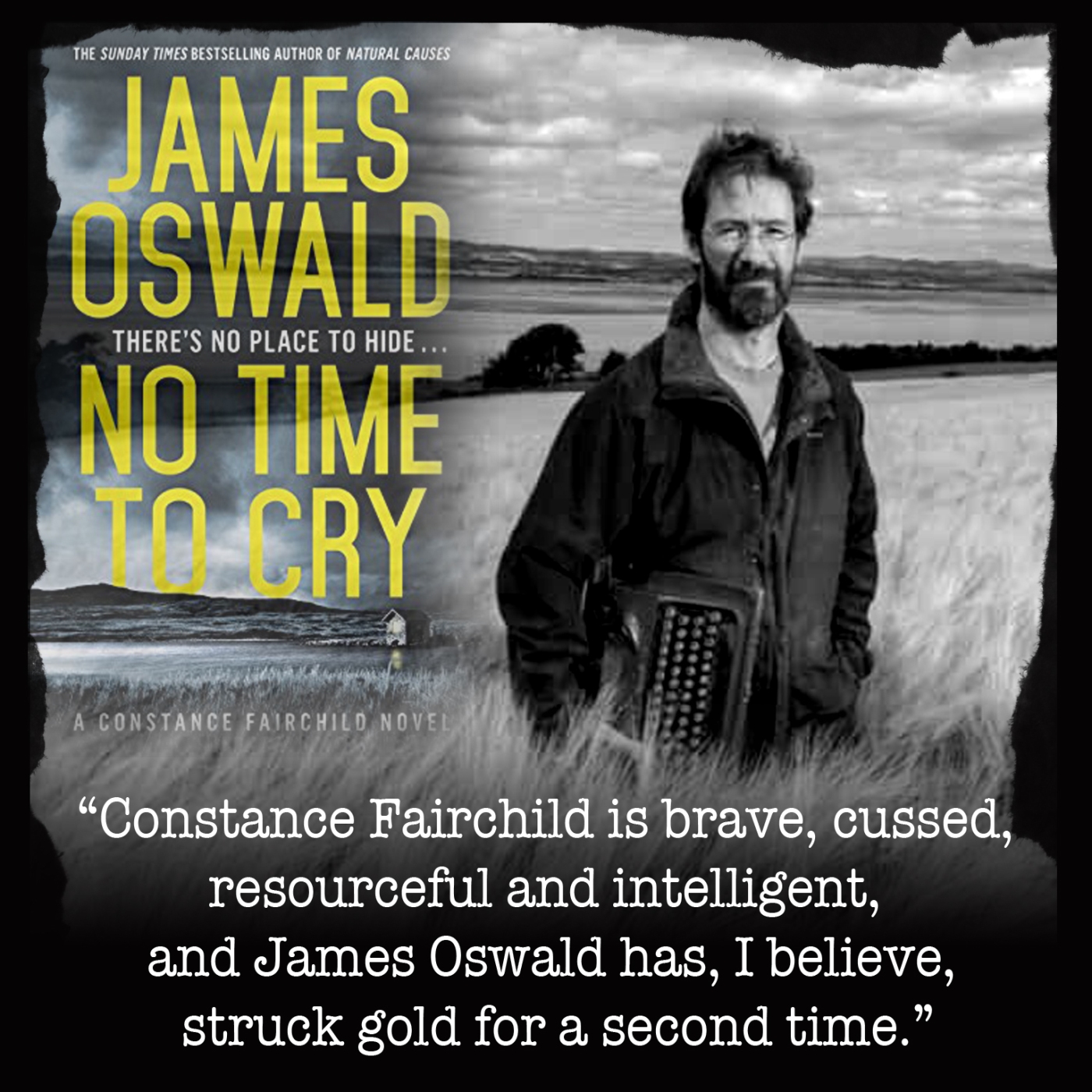
Constance Fairchild is brave, cussed, resourceful and intelligent, and James Oswald has, I believe, struck gold for a second time. The action is relentless, and Fairchild literally has No Time To Cry as she seeks to unravel a tangle of criminality and child abuse, as well as dodging bullets. Those missing the world of Tony McLean have, in addition to a terrific new novel, a crumb of comfort as Oswald cannot resist bringing in an old friend from Edinburgh for a brief cameo appearance. No Time To Cry is published by Wildfire, came out as a Kindle earlier this year, and will be available in paperback from 1st November.


 The Tony McLean novels have established James Oswald as one of the stars in the current British crime fiction firmament. We reviewed the most recent,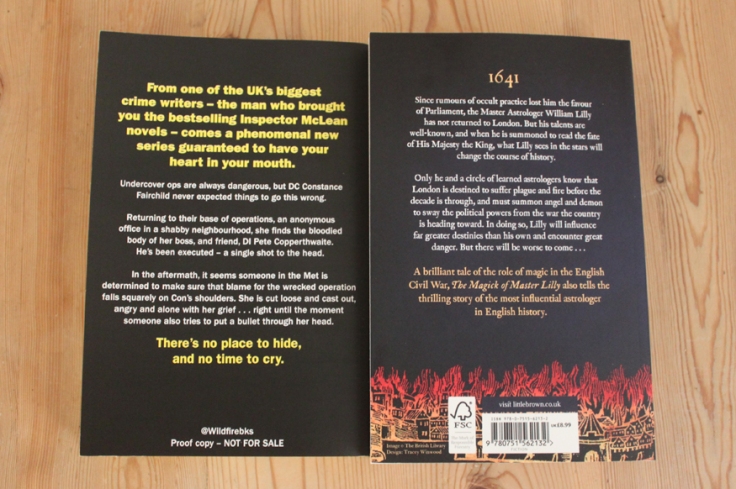
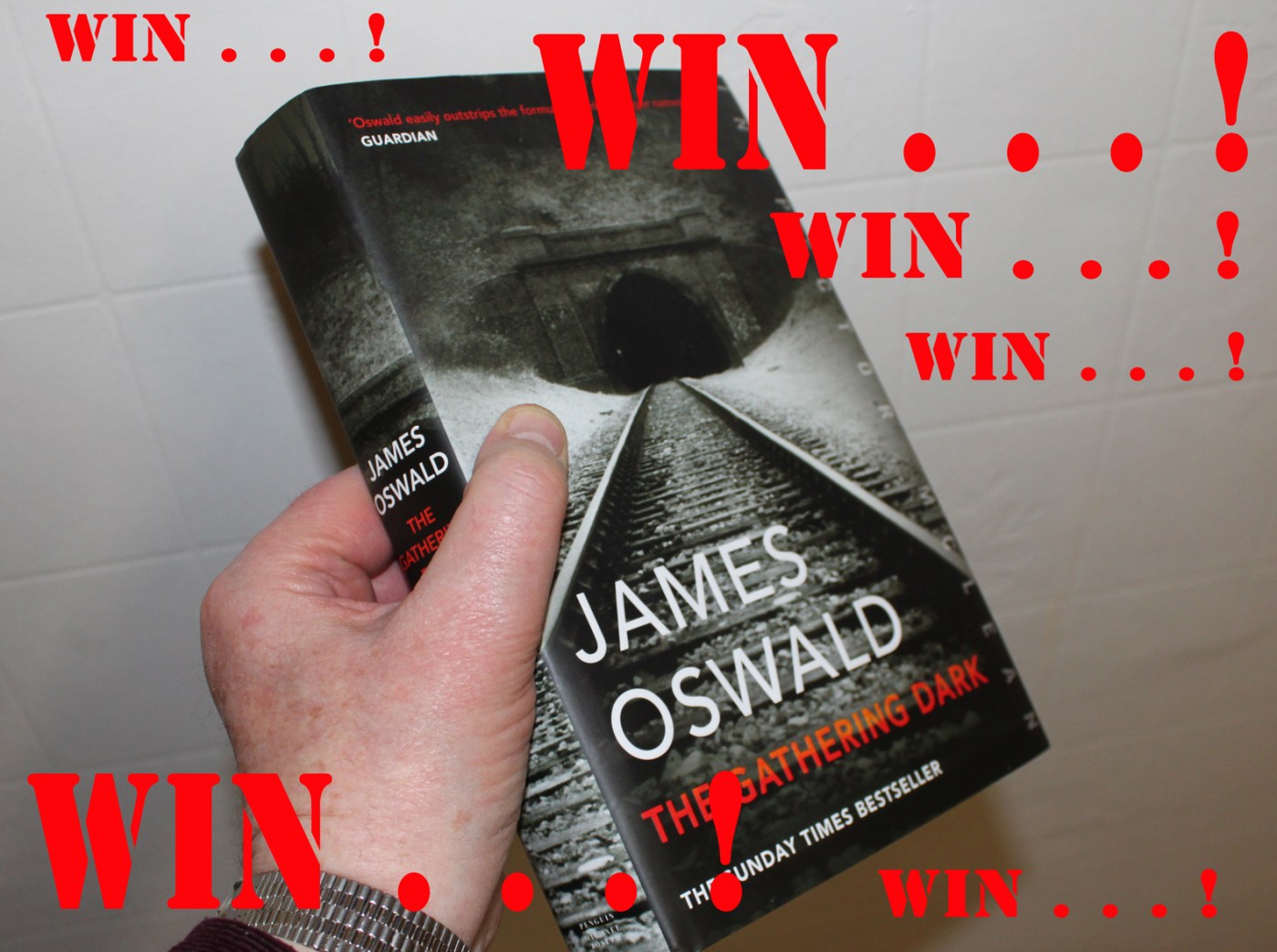


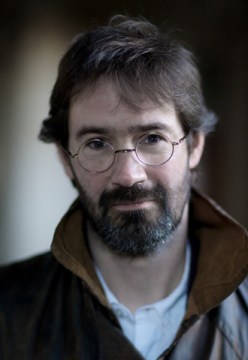 I should add, at this point, that James Oswald (left) is not your regulation writer of crime fiction novels. He has a rather demanding ‘day job’, which is running a 350 acre livestock farm in North East Fife, where he raises pedigree Highland Cattle and New Zealand Romney Sheep. His entertaining Twitter feed is, therefore, just as likely to contain details of ‘All Creatures Great and Small’ obstetrics as it is to reveal insights into the art of writing great books. But I digress. I don’t know James Oswald well enough to say whether or not he puts anything of himself into the character of Tony McLean, but the scenery and routine of McLean’s life is nothing like that of his creator.
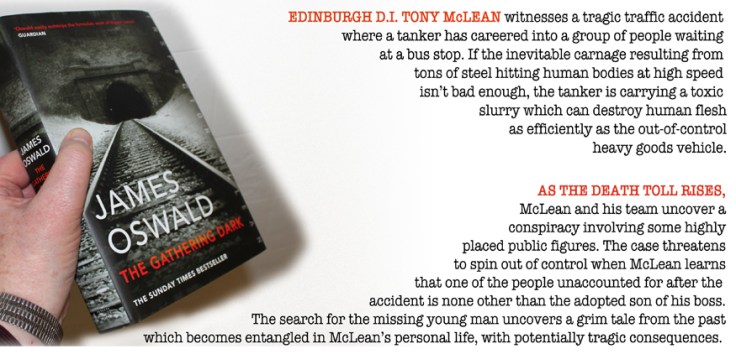
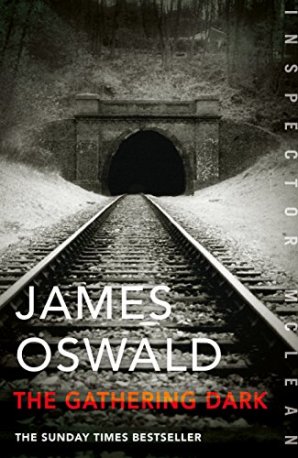 McLean is going about his daily business when he is witness to a tragedy. A tanker carrying slurry is diverted through central Edinburgh by traffic congestion on the bypass. The driver has a heart attack, and the lorry becomes a weapon of mass destruction as it ploughs into a crowded bus stop. McLean is the first police officer on the scene, and he is immediately aware that whatever the lorry was carrying, it certainly wasn’t harmless – albeit malodorous – sewage waste. People whose bodies have not been shattered by thirty tonnes of hurtling steel are overcome and burned by a terrible toxic sludge which floods from the shattered vehicle.




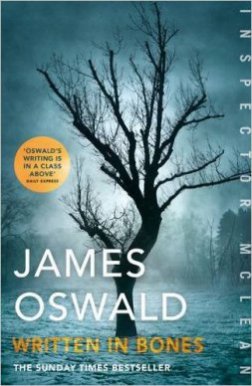 As the pathologists – literally – piece together the evidence they conclude that the shattered remains in the tree is that all that is left of Bill Chalmers, a copper who was not so much bent as tangled and doubled up on himself. After surviving a jail sentence for his misdeeds, he used his connections and his wits to found a drug rehabilitation charity, which drew immense support from the community.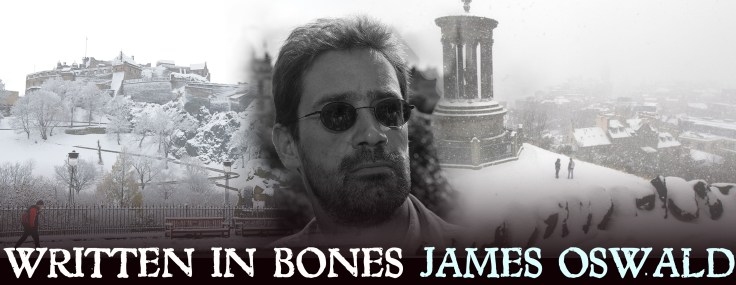
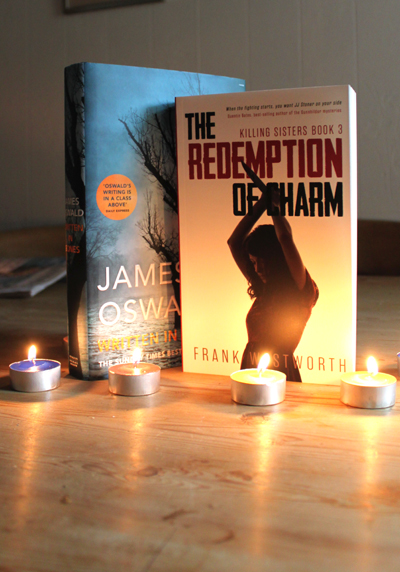

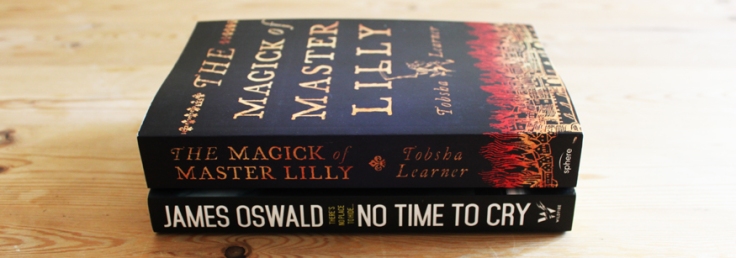
 First out of its protective wrapper was the latest from one of my favourite British writers, Frank Westworth. He has created a noirish world of grimy London music venues, peopled with frequently freakish characters and misfits, all of whom live out the heartbreaking three-chord trick of the Blues in their real lives. Presiding over the mayhem is a moody and reclusive investigator, cum killer, cum doer-of-dirty-deeds for the British establishment. His name is JJ Stoner, and as well as bending his guitar strings into shivering blue notes, he has an uneasy and unique relationship with three weird sisters. Note the absence of capitals, as these ladies are not the cauldron-stirring crones of The Scottish Play, but three violent and devious sexual predators. We have met Charity and Chastity in the first two books of the trilogy, but as Westworth wraps the series up, he introduces us to Charm.
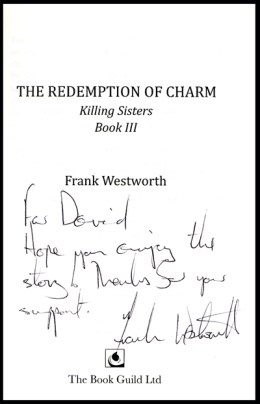 What happens in the book? I can do no better than to quote a line from the best motorbike song ever written. Like the biker outlaw James in Richard Thompson’s awesome Vincent Black Lightning 1952, JJ is “running out of road …running out of breath,” Stoner is surrounded by brutal enemies on all sides, and all the old acquaintances from whom he might expect a favour or three are walking by on the other side. This is one book which will certainly not end up in a charity shop or casually passed on to friends, because mine came with a personal touch. You folks are definitely not going to lay hands on my copy, and I’m afraid you will have to wait until the end of next month for yours. In the meantime, you can check out a mischievous and beautifully written piece by Frank Westworth
 and demanding) day jobs of current authors, Oswald has achieved what might have seemed to be an impossible task. He has created a engaging and totally believable Scottish copper who, over the space of six previous novels, has sharp-elbowed his way in the room crowded with such characters as John Rebus and Logan McRea.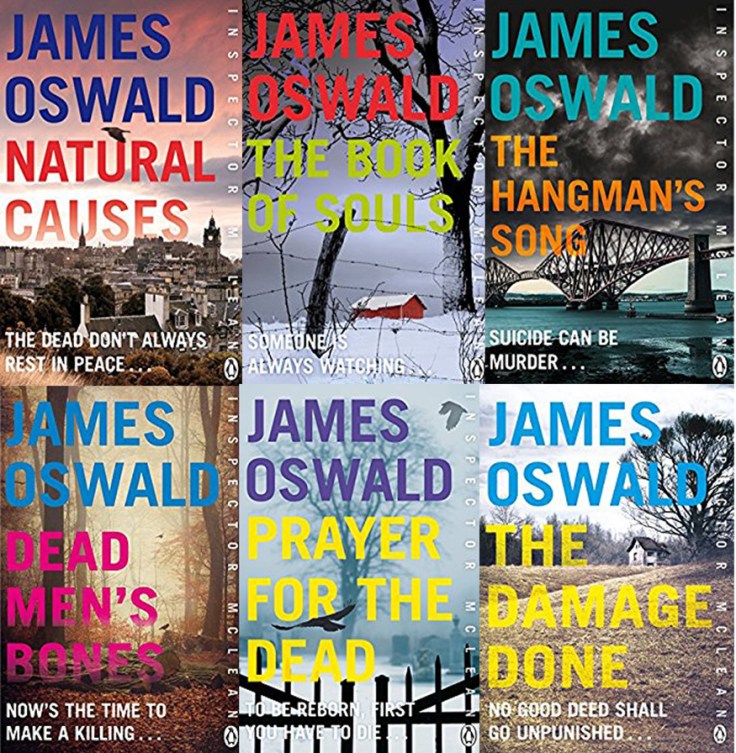


 fullybooked2017