

I am a huge fan of MJ Trow’s books. We have some things in common. I don’t share his gifts as a writer but we did go to the same school and we both had long careers as teachers. We certainly share the same acerbic views of the bean counters and politically correct apologists who run schools these days. If you want first hand knowledge of these miserable characters, then read any of Trow’s wonderful Peter ‘Mad’ Maxwell series. They are great entertainment – very, very funny, but with a serious side, too.
Like his creator, Peter Maxwell has left the chalk face and retired to his Isle of Wight home, but Trow’s brilliance as a historian still shines in the Grand and Batchelor series, of which Last Nocturne is the seventh. Reviews of some of its predecessors are here, and the new book has the usual dazzling mix of real-life characters – try Oscar Wilde, GF Watts, John Ruskin and James McNeill Whistler for starters – knockabout humour and murder most foul.
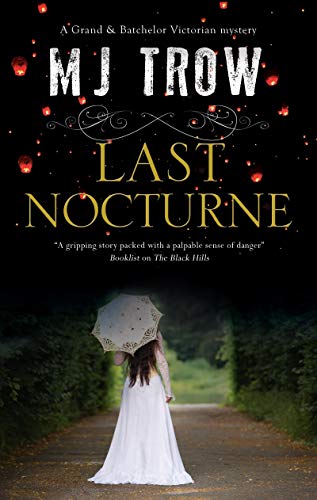 Grand & Batchelor are private investigators based in 1870s London and – much to the relief of James Batchelor, who is a terrible traveller – Last Nocturne has its feet securely on home soil. Grand is from a wealthy New England family, and fought bravely for the Union in The War Between The States, while Batchelor is a journalist by trade. Murder – what else? – is the name of the game in this book, and the victims are, you might say ‘on the game’. Cremorne Gardens were popular pleasure gardens beside the River Thames in Chelsea, but after dark, the ‘pleasure’ sought by its denizens was not of the innocent kind. ‘Ladies of the Night’ are being murdered – poisoned with arsenic – but the killer doesn’t interfere with them, as the saying goes, but instead leaves books by their dead bodies.
As the two investigators become involved in the police hunt for the bookish poisoner, they are still doing the day job which, in this case, is being employed by Grand’s fellow countryman Mr Whistler – he of the painting of his mum – to dig out any dirt they can find on art critic John Ruskin who, ‘as any fule no’ (to quote Nigel Molesworth) wrote, of one of Whistler’s paintings, “never expected to hear a coxcomb ask two hundred guineas for flinging a pot of paint in the public’s face”

Trow has great fun with John Ruskin’s back story, particularly his disastrous marriage to Euphemia ‘Effie’ Gray , and the disastrous first night of their honeymoon when he was so traumatised by her luxuriant pubic hair that he was unable to continue with his marital duties. The Pre-Raphaelite painter John Millais clearly had no such qualms, as he married Effie in 1855, and they produced eight children.
The search for the killer, however, continues, but G & B, along with the police, remain mystified. They even resort to a seance involving the well-known society medium, Miss Florence Cook, whose reputation has gone before her:
“The murmurs from the guests were mixed, but Florence was used to that. Speaking for herself, she couldn’t really see why people were always so surprised when she was from time to time exposed as a fraud. What did they expect? That the dead would turn up on cue to talk to people about the other side? Why would Uncle Norman come back to a seedy scullery in Acton to tell his niece that it was all very l, he was at peace, and he’d been talking to Beethoven only the other day, who told him to tell little Bessie to carry on with her piano lessons?”
Eventually G & B solve the mystery, but rather more by accident than design and the book comes to a dramatic and entertaining conclusion. Last Nocturne is published by Severn House, and is available in hardback and as a Kindle.
 e may not have been the first to do so, but George MacDonald Fraser entertained many of us with the idea of writing novels where we get to meet actual key players from history. His archetypal bounder Harry Flashman, himself nicked from Tom Brown’s Schooldays, rubbed shoulders and crossed swords with a variety of celebrities, including Otto von Bismarck, Abraham Lincoln, and Emperor Franz Joseph. The late Philip Kerr narrowed things down as he introduced us to Heinrich Himmler, Reinhardt Heydrich and Joseph Goebbels in his Bernie Gunther novels.
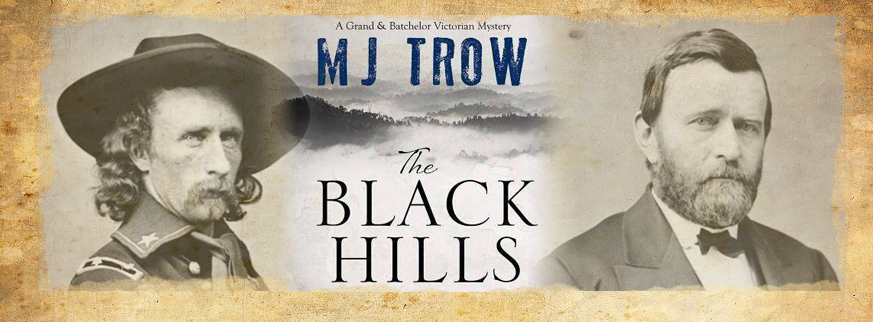
 One of the enjoyable conceits of the series is the comparison of how the two men behave when out of their cultural comfort zone. Grand is no gnarled backwoodsman, as his parents are wealthy New Hampshire patricians, but there is generally more fun to be had when Batchelor is trying to navigate the social niceties – or lack of them – in America. Trow, like MacDonald Fraser and Kerr, is a shameless name-dropper and we are not many pages into The Black Hills before we have bumped into George Armstrong Custer and broken into The White House to have a conversation with its current occupant, Ulysses Simpson Grant.
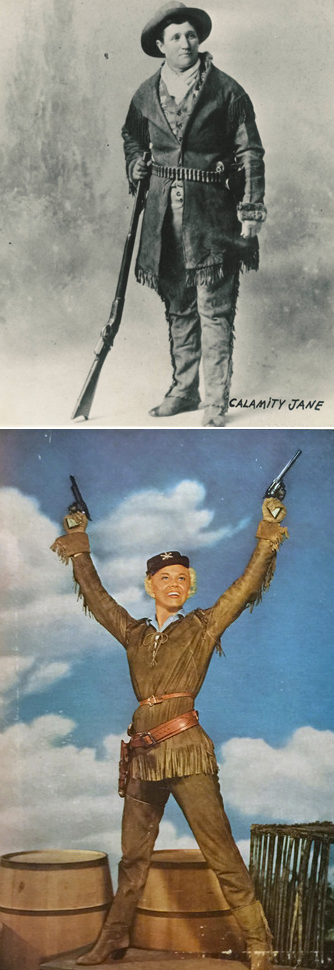 I readily put my hand up. When I read the words The Black Hills, the first image that flashed before my eyes was that of Doris Day in her buckskins and with her blonde bob under a troopers’ hat. Yes, my age is showing, but the 1953 film Calamity Jane starring Doris Day in the title role featured great songs like The Deadwood Stage, Secret Love and The Black Hills of Dakota. Trow is pretty much of my generation. He was a couple of years behind me at a minor public school (but don’t hold that against either of us). Never one to miss a trick, he features Calamity Jane in The Black Hills but, my oh my, Doris Day she ain’t. Short, pug-ugly and a stranger to personal hygiene, Jane Cannery is a fixture at Fort Abraham Lincoln. She is rarely sober and earns her living by washing the long johns of the Seventh Cavalry men who guard the frontier. She is notoriously quick on the draw with her Navy Colt, and the soldiers take care to give her a wide berth when she is in one of her moods.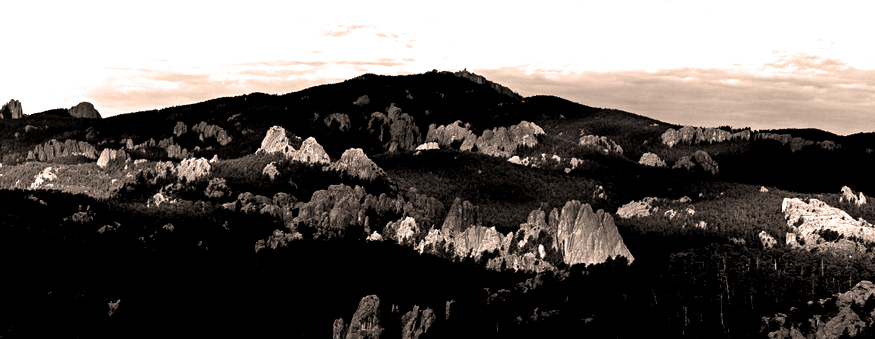


 The River Thames plays a central part in The Ring. Although Joseph Bazalgette’s efforts to clean it up with his sewerage works were almost complete, the river was still a bubbling and noxious body of dirty brown effluent, not helped by the frequent appearance of human bodies bobbing along on its tides. In this case, however, we must say that the bodies come in instalments, as someone has been chopping them to bits. PC Crossland makes the first grisly discovery:
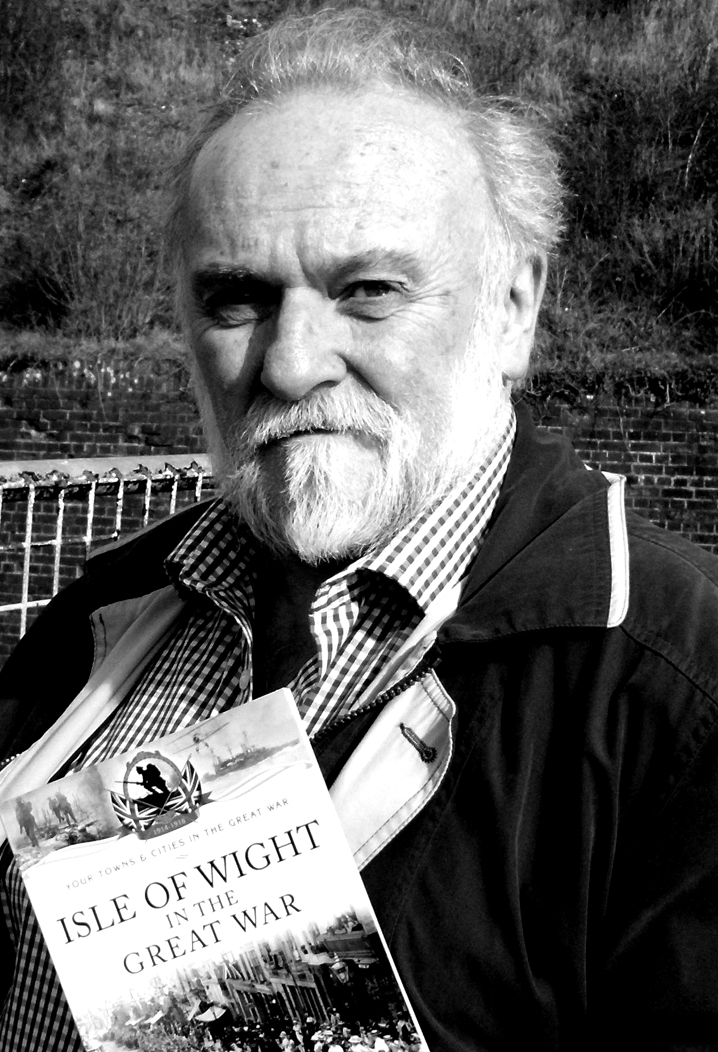 MJ Trow (right) has been entertaining us for over thirty years with such series at the Inspector Lestrade novels and the adventures of the semi-autobiographical school master detective Peter Maxwell. Long-time readers will know that jokes are never far away, even when the pages are littered with sudden death, violence and a profusion of body parts. Grand and Batchelor eventually solve the mystery of what happened to Emilia Byng, both helped and hindered by the ponderous ‘Daddy’ Bliss and a random lunatic, recently escaped from Broadmoor. Trow writes with panache and a love of language equalled by few other British writers. His grasp of history is unrivalled, but he wears his learning lightly. The Ring is a bona fide crime mystery, but the gags are what lifts the narrative from the ordinary to the sublime: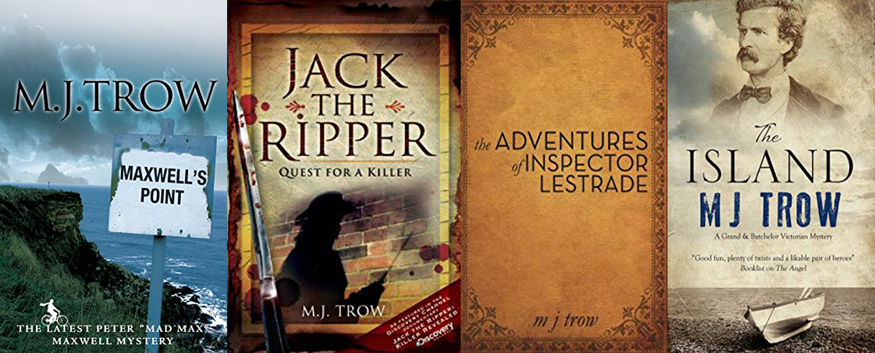

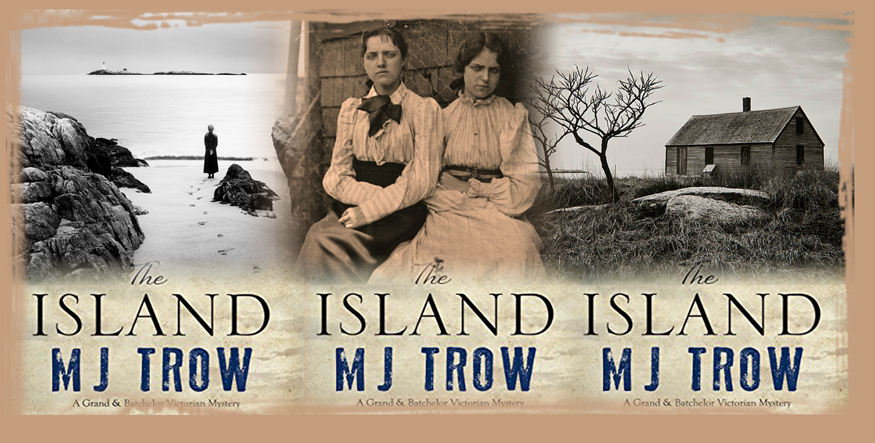
 The Island is the latest episode in the eventful partnership between two gentleman detectives in Victorian London. James Batchelor is a former journalist, a ‘gentleman’ in manners and intelligence, if not by upbringing, while his colleague Matthew Grand is an American former soldier, and scion of a very wealthy patrician New Hampshire family. We first met them in
  A few words in praise of the author. Meiron Trow (right) is one of the most erudite and entertaining writers in the land. Over thirty years ago he began his tongue in cheek series rehabilitating the much-put-upon Inspector Lestrade, and I loved every word. I then became hooked on his Maxwell series, featuring a very astute crime-solving history teacher who, while eschewing most things modern, manages to be hugely respected by the sixth-formers (Year 12 and 13 students in new money) in his charge, while managing to terrify and alarm the younger ‘teaching professionals’ who run his school. I was well into the Maxwell series before I realised that MJ Trow and I had two things (at least) in common. Firstly, he went to the same school as I did, although I have to confess he was a couple of years ‘below’ me and would have been dismissed at the time as a pesky ‘newbug’. Secondly, and much more relevant to my love of his Maxwell books, I discovered that we were both senior teachers in state secondary schools, and shared a disgust and contempt for the tick-box mentality characterising the so-called ‘leadership’ of high schools.
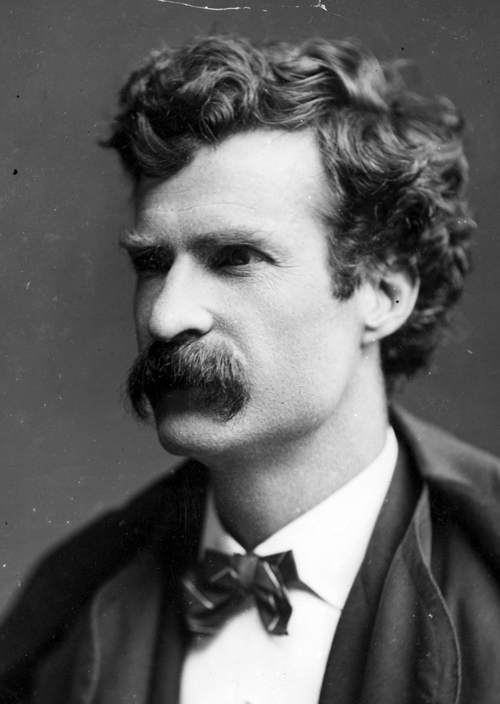 I digress, so back to New Hampshire in the early spring of 1873. The guests begin to arrive, and the ‘downstairs’ staff under the stern eye of the enigmatic butler, Waldo Hart, are emulating the proverbial blue-arsed fly. Trow, at this point, gleefully takes the template of the traditional country house mystery, and has his evil way with it. Despite the title of the book, we are not quite in Soldier Island (And Then There Were None) territory, but Rye is far enough from Boston to make sure that when the first murder happens, the real policemen are too far away and too engrossed with their city crime to pay much attention, even when when of the possible suspects is a certain Mr Samuel Langhorne Clemens. (left)


 fullybooked2017