
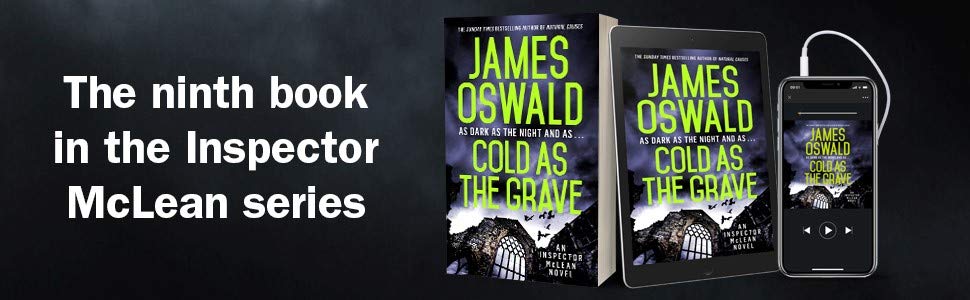
This is a welcome return to the world of Edinburgh copper Tony McLean. He is now Chief Inspector, and to quote, appropriately enough, the Scottish Play, he feels he is dressed in ‘borrow’d robes’. On his desk are small mountains of files, reports, initiatives and consultation documents: beyond the door of the nick are thieves, rapists and murderers. McLean knows where his heart is leading him, and it is out away from his desk and onto the mean streets.
When McLean uses the excuse of a potential clash between rival demonstrators to desert his office, he discovers a corpse abandoned in a derelict cellar. As the technicians and medics swarm round the body it seems obvious that the remains – of a young girl – have been there for some considerable time. When, however, the pathologist is able to take a closer look under the spotlight above the mortuary slab, he comes to the astonishing conclusion that the girl has only been dead for a matter of days, despite her desiccated and leathery skin.
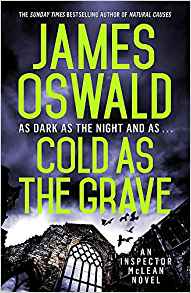 Cold As The Grave is the ninth novel in the Tony McLean series, but fine writers – and Oswald is up there with the very best – make sure that it is never too late to come to the party. For anyone new to the series, McLean is something of an individual. Due to an inheritance, he is exceedingly wealthy, but has a modest lifestyle and chooses to remain a police officer. He has a long-standing ‘significant other’ in Emma Baird, but the previous novel, The Gathering Dark, (click to read the review) ended with her having a disastrous miscarriage. McLean is a fine detective, but he is blessed, or perhaps cursed, with an awareness of the supernatural. The two characters in the books who operate in this sphere are Madame Rose, a bizarre but benign transvestite clairvoyant, and the considerably more sinister Mrs Saifre. She is, on the surface, merely a very rich and influential owner of newspapers and media outlets, but McLean senses that there is something existentially evil and elemental behind her smooth corporate image.
Back in Cold As The Grave, more bodies are found, each apparently mummified in the same way as the poor child found in the tenement cellar. McLean makes an important connection between the deaths and the rising tide of people trafficking which has hit the city. Girls and young women from the war zones of the Middle East are being brought in and, at best, set to work for a pittance in local factories but, at worst, forced into prostitution.
With his bosses exasperated at the amount of time he is spending away from his paper shuffling duties, McLean’s investigation reaches a crucial fork in the road. To the left is the grim possibility that someone at the heart of the trafficking gang is using some kind of deadly serum, derived from snake venom, to carry out murders and threaten other victims: to the right, however improbable, is the presence of some kind of evil djinn reincarnated from Aramaic legend and folklore. McLean knows that following the road to the right will lead only to ridicule by both his superior officers and those who work for him, but he has learned to trust his instincts, even if they terrify him.
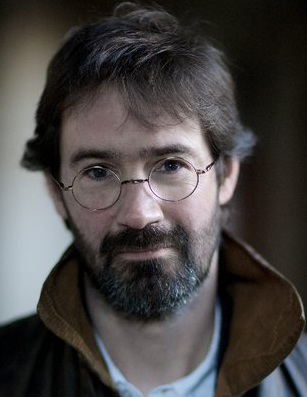 Does McLean follow his head or his heart? The road to the left or the right? Cold As The Grave is a brilliant police procedural, but there is more – so much more – to it. For those who love topographical atmosphere Oswald (right) recreates a wintry Edinburgh that makes you want to turn up the central heating by a couple of notches; for readers drawn by suggestions of the supernatural there is enough here to induce a shiver or three, while making sure the bedroom light remains on while you sleep. The sheer decency and common humanity of Tony McLean – and the finely detailed portraits of the people he works with – will satisfy the reader who demands authentic and credible characterisation. Cold As The Grave is published by Wildfire/Headline and will be out on 7th February.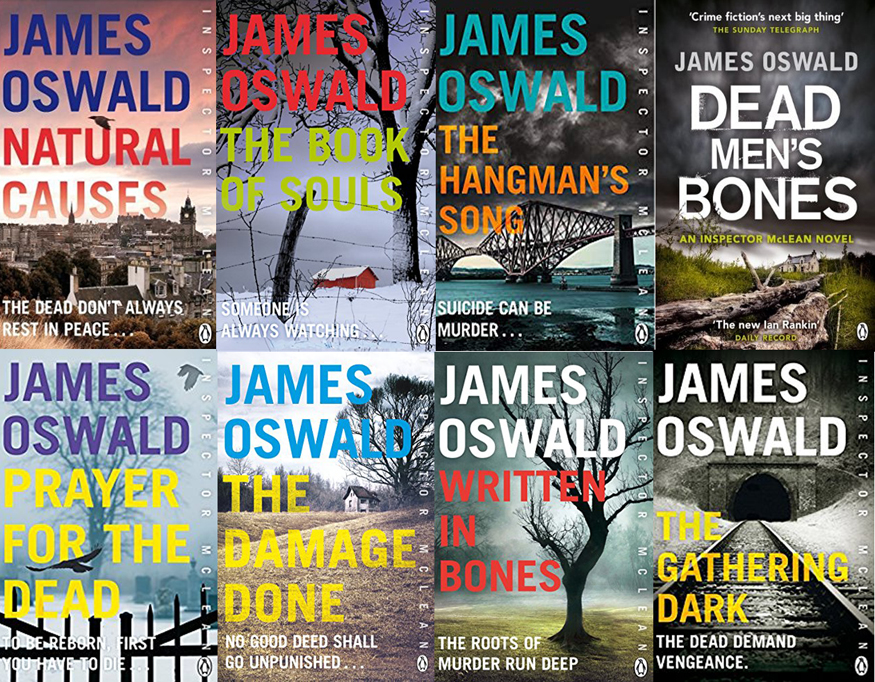


 I should add, at this point, that James Oswald (left) is not your regulation writer of crime fiction novels. He has a rather demanding ‘day job’, which is running a 350 acre livestock farm in North East Fife, where he raises pedigree Highland Cattle and New Zealand Romney Sheep. His entertaining Twitter feed is, therefore, just as likely to contain details of ‘All Creatures Great and Small’ obstetrics as it is to reveal insights into the art of writing great books. But I digress. I don’t know James Oswald well enough to say whether or not he puts anything of himself into the character of Tony McLean, but the scenery and routine of McLean’s life is nothing like that of his creator.
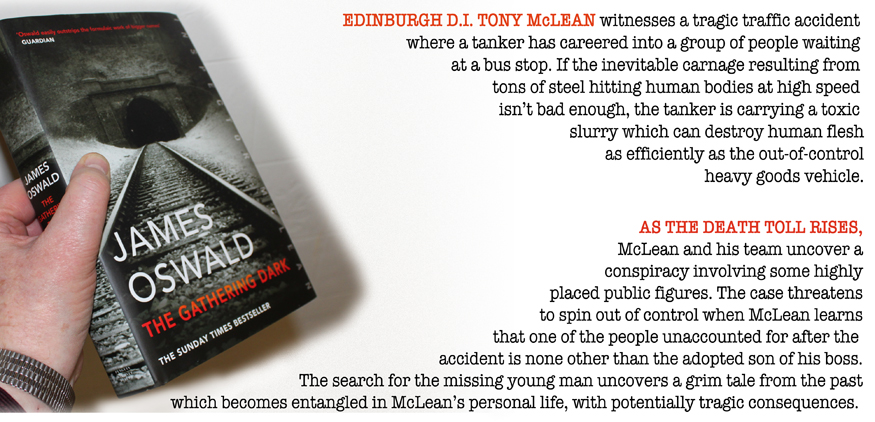
 McLean is going about his daily business when he is witness to a tragedy. A tanker carrying slurry is diverted through central Edinburgh by traffic congestion on the bypass. The driver has a heart attack, and the lorry becomes a weapon of mass destruction as it ploughs into a crowded bus stop. McLean is the first police officer on the scene, and he is immediately aware that whatever the lorry was carrying, it certainly wasn’t harmless – albeit malodorous – sewage waste. People whose bodies have not been shattered by thirty tonnes of hurtling steel are overcome and burned by a terrible toxic sludge which floods from the shattered vehicle.



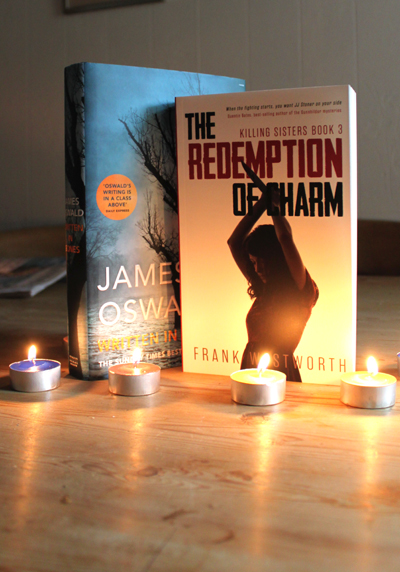
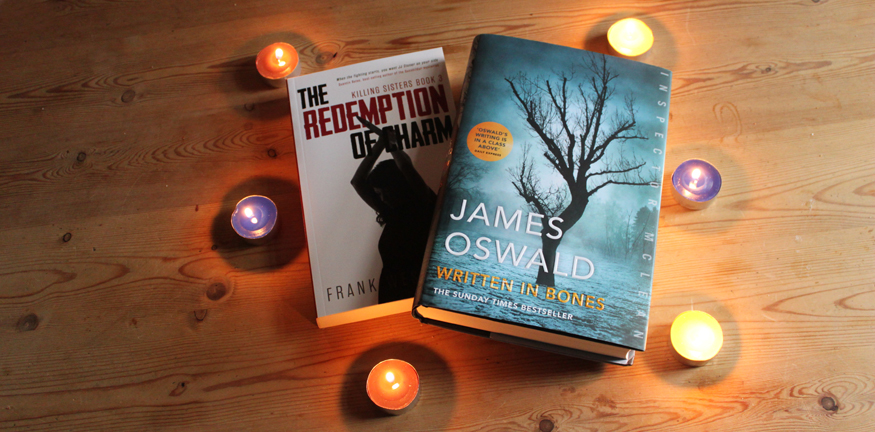
 First out of its protective wrapper was the latest from one of my favourite British writers, Frank Westworth. He has created a noirish world of grimy London music venues, peopled with frequently freakish characters and misfits, all of whom live out the heartbreaking three-chord trick of the Blues in their real lives. Presiding over the mayhem is a moody and reclusive investigator, cum killer, cum doer-of-dirty-deeds for the British establishment. His name is JJ Stoner, and as well as bending his guitar strings into shivering blue notes, he has an uneasy and unique relationship with three weird sisters. Note the absence of capitals, as these ladies are not the cauldron-stirring crones of The Scottish Play, but three violent and devious sexual predators. We have met Charity and Chastity in the first two books of the trilogy, but as Westworth wraps the series up, he introduces us to Charm.
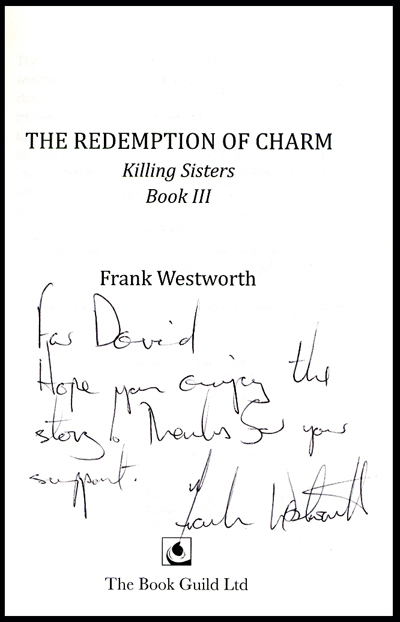 What happens in the book? I can do no better than to quote a line from the best motorbike song ever written. Like the biker outlaw James in Richard Thompson’s awesome Vincent Black Lightning 1952, JJ is “running out of road …running out of breath,” Stoner is surrounded by brutal enemies on all sides, and all the old acquaintances from whom he might expect a favour or three are walking by on the other side. This is one book which will certainly not end up in a charity shop or casually passed on to friends, because mine came with a personal touch. You folks are definitely not going to lay hands on my copy, and I’m afraid you will have to wait until the end of next month for yours. In the meantime, you can check out a mischievous and beautifully written piece by Frank Westworth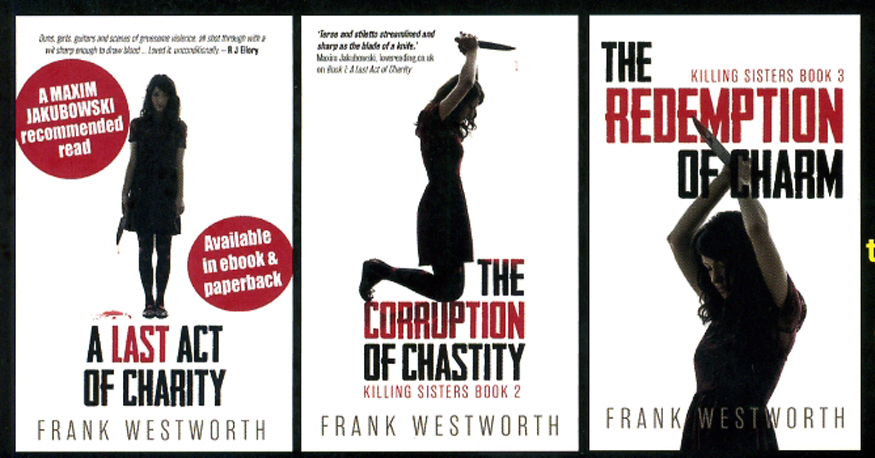
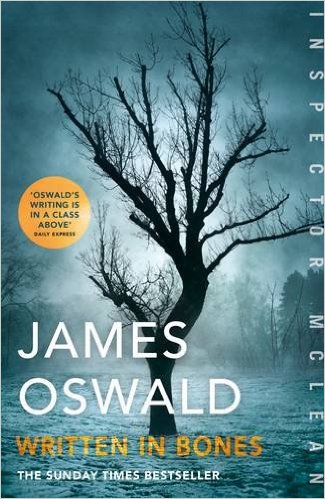 and demanding) day jobs of current authors, Oswald has achieved what might have seemed to be an impossible task. He has created a engaging and totally believable Scottish copper who, over the space of six previous novels, has sharp-elbowed his way in the room crowded with such characters as John Rebus and Logan McRea.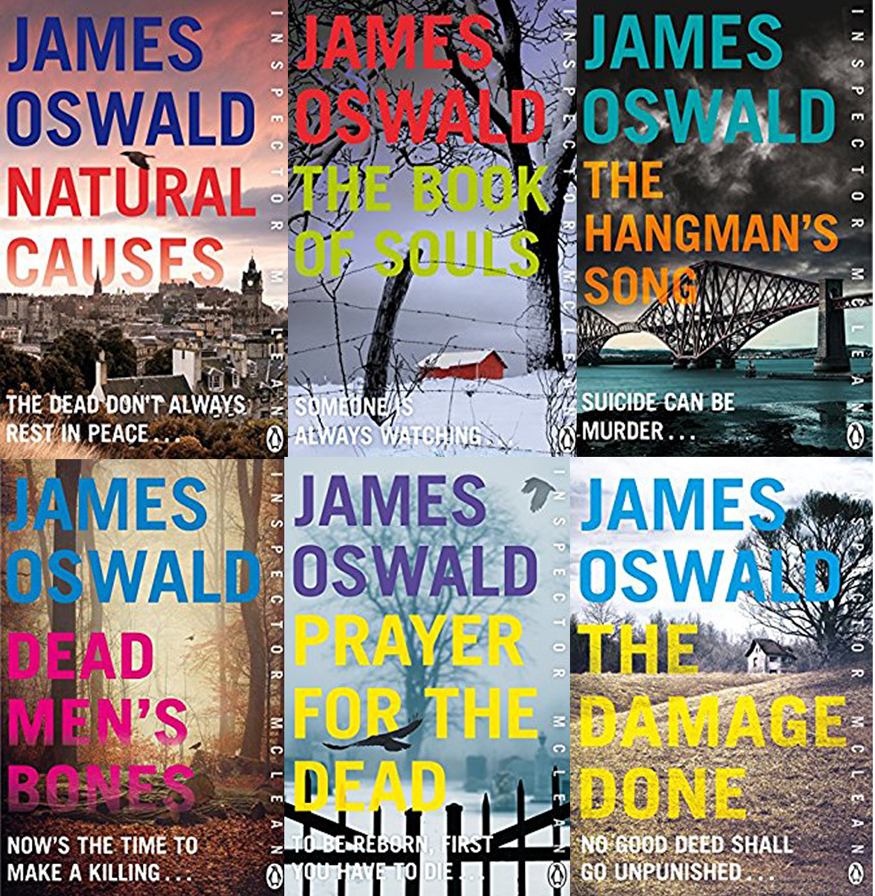


 fullybooked2017