

David Mark novels are never for the squeamish, and this one begins as it means to go on, with a visit to hell, in the form of a flashback. We are in one of the notorious Romanian orphanages which came to light when the country opened up – after a fashion – following the fall of the Ceaucescu regime in 1989. An as-yet-unnamed foreign visitor is being shown what is known as The Dying Room, where dozens of terminally ill children are lying untended in their own filth, some in cages, others in cots.
We soon learn that the visitor was Rab Hawksmoor, the owner of a Hull haulage firm, and someone who went on to become a controversial celebrity for his attempts to smuggle some of these children out of the country, and his frequent brushes with the Romanian authorities and crime gangs.
Present day, and we rejoin the unique repertory company that has featured in thirteen previous Aector McAvoy novels. Central is Aector himself, a towering bear of a man, originally from the Scottish Highlands. He is capable of terrifying violence when provoked but is, by nature, meek, socially unsure, a devoted husband to Roisin, and a proud father of two children, Lilah and Finn. He is now a Detective Inspector, in charge of a Cold Case Unit. His closest professional colleague is Detective Superintendent Trish Pharaoh. Not only does she never ‘play by the book’, there is not a police manual from which she has not ripped the pages and then thrown on a bonfire in contempt.
Rab Hawkswood is now a shadow of his former self:
“Shrunken now. Diminished. Grey hair and straggly beard, scrawny chicken skin and a lank ponytail hanging whitely from his otherwise bald head.”
Aside from his own exploits, Hawkswood has known personal tragedy. A decade earlier, his son Davey – a bare-knuckle fighter – was found beaten to death near a local cemetery. His murder was never solved, but the case has now been resurrected, and McAvoy has the dubious privilege of leading the investigation, despite the protests of Davey’s mother.
 Leaving aside the fact that Hawksmoor’s Romanian crusade seems to have unleashed the closest human thing to a monster from hell, to add to McAvoy’s problems, Trish Pharaoh appears to be playing, not for the first time, a destructive and secret game of her own devising that is leaving a trail of bloodied bodies in its wake. That, and the fact that Roisin’s father, the dangerously ‘Papa’ Teague and his Traveler kin now appear to have skin in the game. The conclusion is predictably violent and, not for the first time, David Mark takes us on a journey through the darker landscape of human excesses and venality, and with the walking paradox that is McAvoy at his most vulnerable – and dangerous.
After the Weeping will be published by Severn House on 2nd December. Click the author image (left) to read my reviews of earlier Aector McAvoy books.



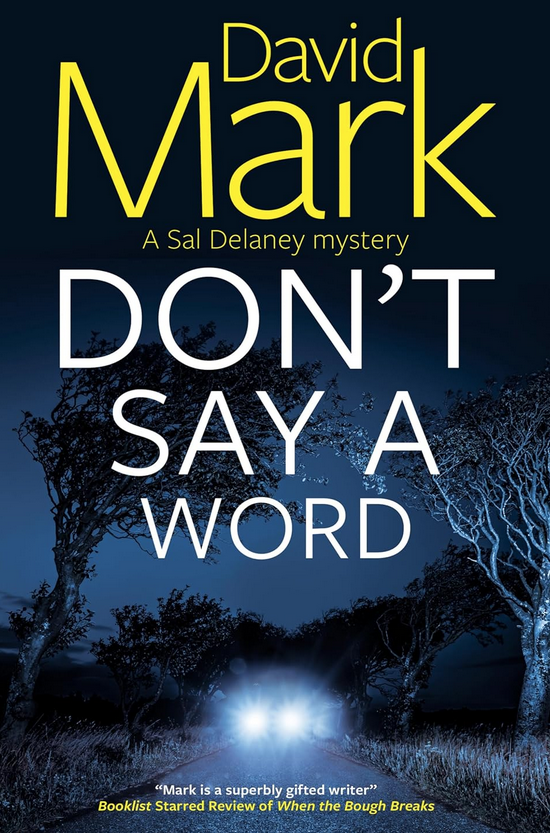
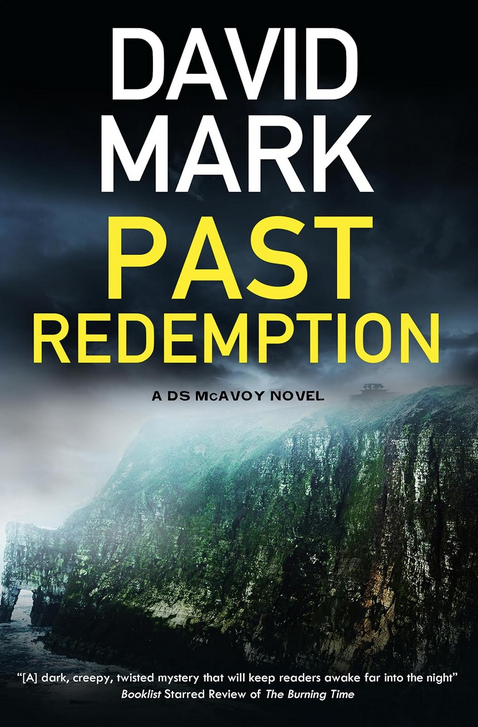






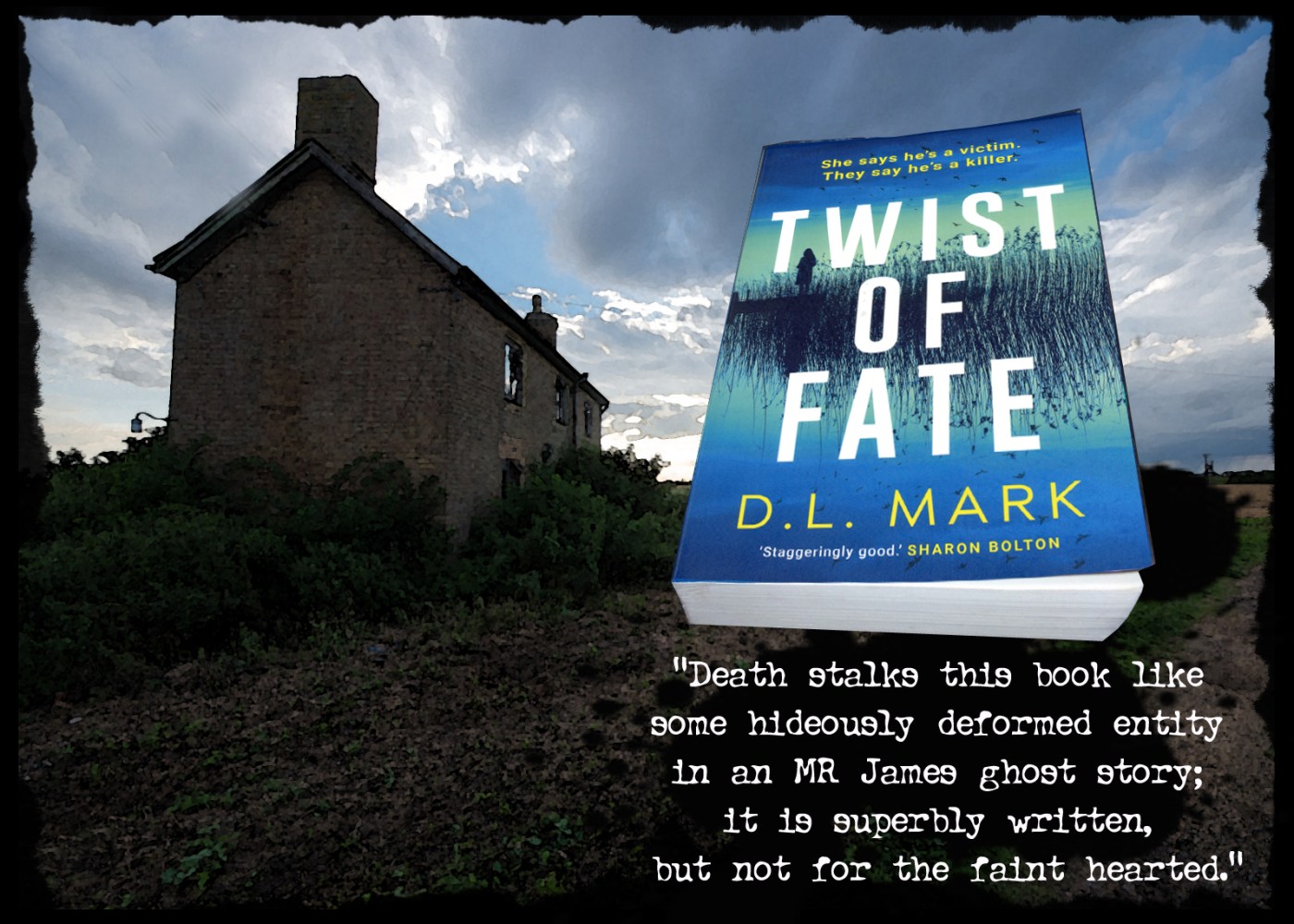


 The book begins with a flashback to an attempt by young men to carry out what seems to be a robbery in an isolated rural property. It ends in horrific violence, matched only by the destructive storm that rages over the heads of the ill-advised and ill-prepared group. Cut to the present day, and another storm has lashed Humberside, bringing down power lines, flooding homes, and uprooting trees. One such tree, an ancient ash, reveals something truly awful – a human body, mostly decayed, entwined within its roots in a macabre embrace.
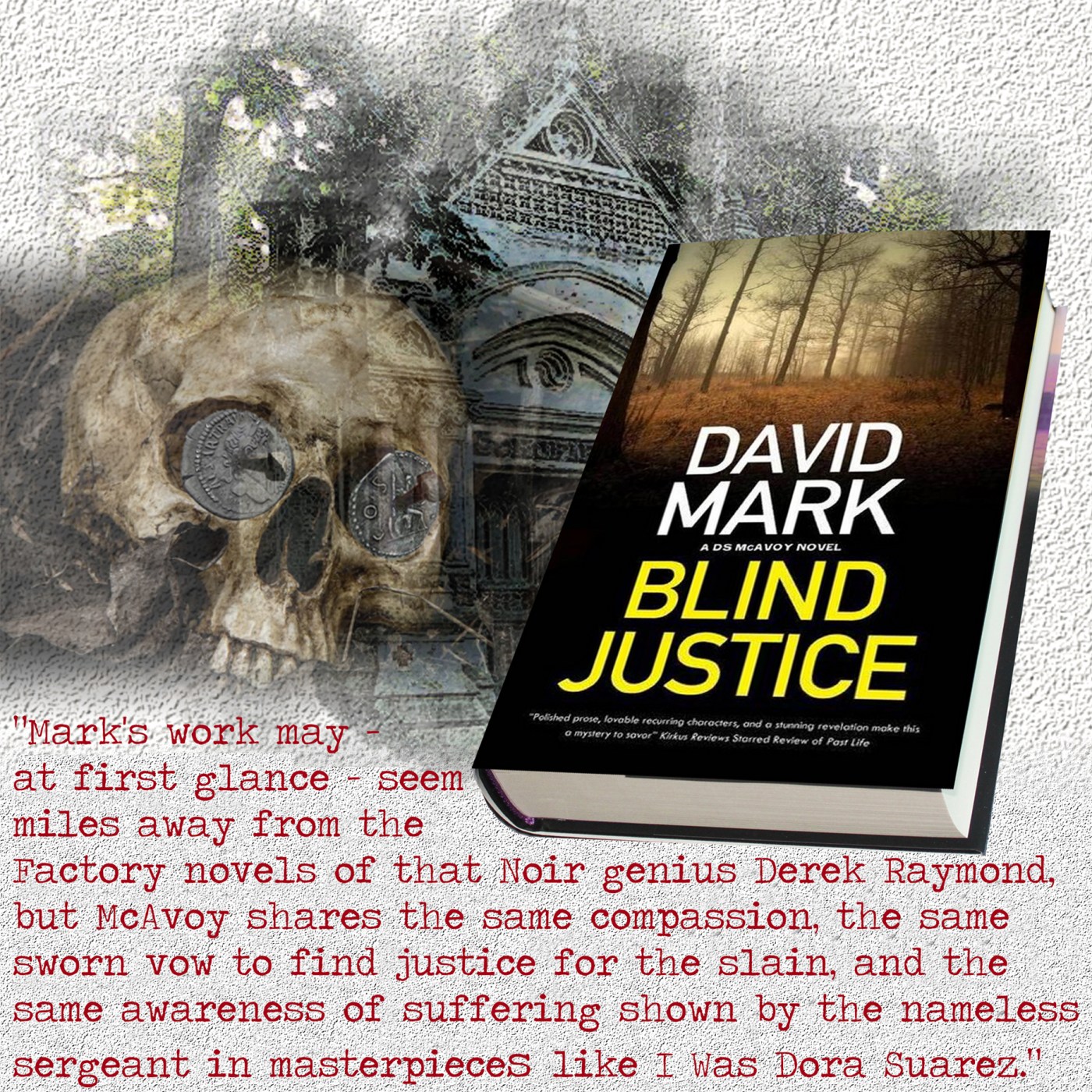
 David Mark (right) writes with a sometimes frightening intensity as dark events swirl around Aector McAvoy. The big man, gentle and hesitant though he may seem, is, however, like a rock. He is one of the most original creations in a very crowded field of fictional British coppers, and his capacity to bear pain for others – particularly in this episode his son Fin and Trish Pharoah – is movingly described. Mark’s work may – at first glance – seem miles away from the Factory novels of that Noir genius Derek Raymond, but McAvoy shares the same compassion, the same sworn vow to find justice for the slain, and the same awareness of suffering shown by the nameless sergeant in masterpieces like I Was Dora Suarez.

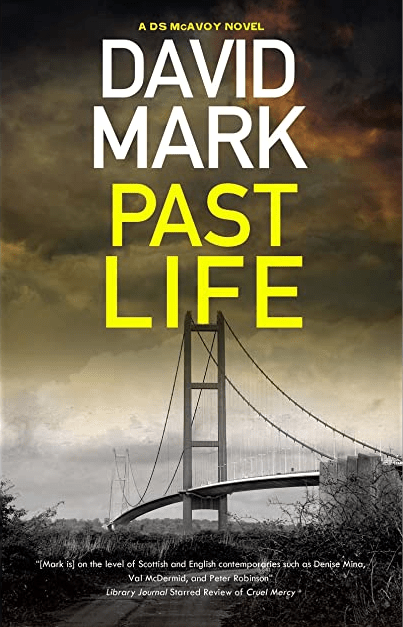 The story begins with a murder, graphically described and, at this point in the review, it is probably pertinent to warn squeamish readers to return to the world of painless and tidy murders in Cotswold manor houses and drawing rooms, because death in this book is ugly, ragged, slow and visceral. The victim is a middle-aged woman who makes a living out of reading Tarot cards, tea leaves, crystal balls and other trinkets of the clairvoyance trade. She lives in an isolated cottage on the bleak shore of the Humber and, one evening, with a cold wind scouring in off the river, she tells one fortune too many.
 “She has found herself some mornings with little horseshoe grooves dug into the soft flesh of her palms. Sometimes her wrists and elbows ache until lunchtime. She sleeps like a toppled pugilist: a Pompeian tragedy. She sees such terrible things in the few snatched moments of unconsciousness.”


 fullybooked2017